
10. “Job Switching” (Season 2, Episode 1)
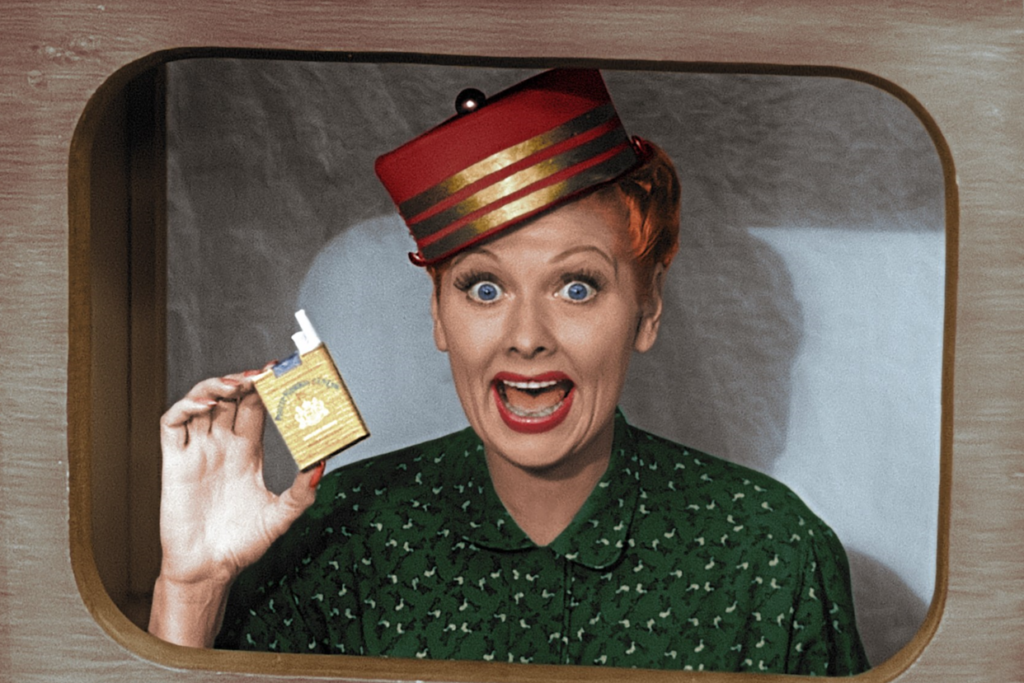
This is the one with the chocolate factory, and it still holds up because the setup is so simple and so relatable. Lucy and Ethel get tired of housework and convince Ricky and Fred to swap roles for a week. What follows is one of the most famous sequences in television history, as Lucy and Ethel try to keep up with a conveyor belt of chocolates. At first they attempt to do the job properly, but once the pace picks up, they panic and start stuffing chocolates into their mouths, hats, and even their uniforms. The physical comedy is precise and escalating, which is why it still feels fresh decades later. Lucille Ball’s timing here is often cited as a masterclass in slapstick.
The second half flips the situation, showing Ricky and Fred completely failing at domestic life. Their attempt to cook rice, which ends up overflowing the pot and spilling everywhere, mirrors Lucy’s earlier struggle at the factory. That symmetry is part of why the episode works so well structurally. It also quietly highlights how undervalued both kinds of labor were at the time. Even with that subtext, the episode never loses its comedic focus. It remains one of the most widely recognized and frequently referenced episodes of I Love Lucy.
9. “Lucy Is Enceinte” (Season 2, Episode 15)
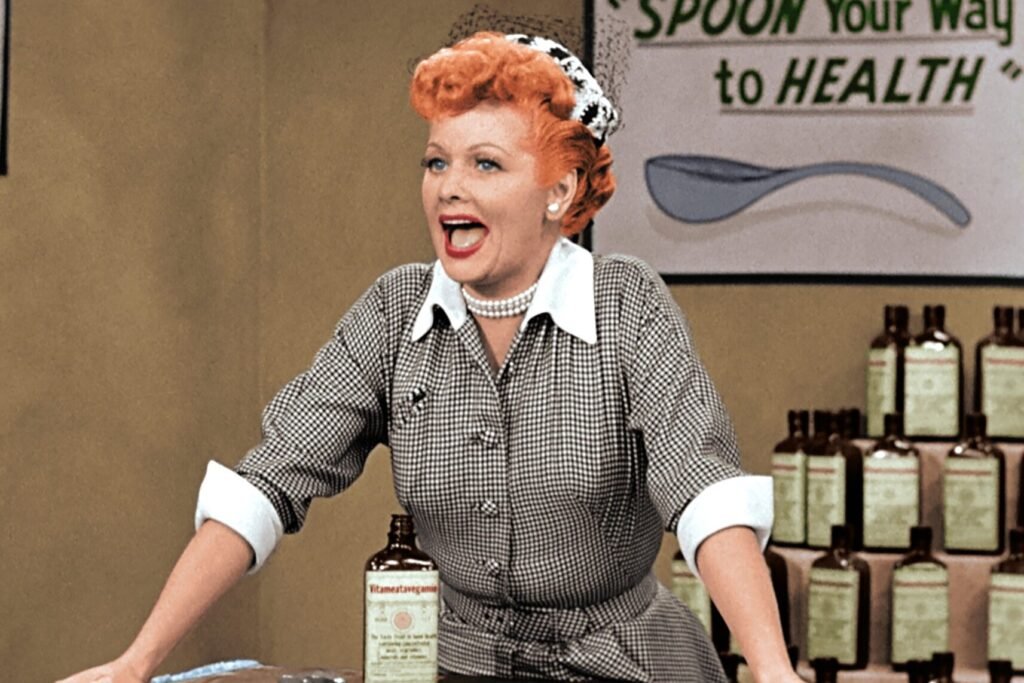
This episode is notable not just for its humor, but for its place in television history. It was one of the first times a pregnancy was acknowledged on a major American sitcom, though the show used the word “expecting” instead of “pregnant” due to network standards at the time. Lucy’s attempt to tell Ricky the news turns into a drawn-out comedic situation involving his nightclub performance. She asks the bandleader to play a song called “We’re Having a Baby, My Baby and Me” so Ricky will figure it out on his own. The moment when he realizes what the song means is handled with genuine emotion.
What makes this episode stand out is how it balances comedy with sincerity. The audience reaction at the time was extremely strong, and it reflected how groundbreaking the storyline felt. Ball was actually pregnant in real life, which added authenticity to the performance. The show handled the topic carefully, but still managed to keep its signature humor intact. It marked a shift in what television was willing to depict. Even now, it feels like an important turning point for sitcom storytelling.
8. “Lucy Does a TV Commercial” (Season 1, Episode 30)
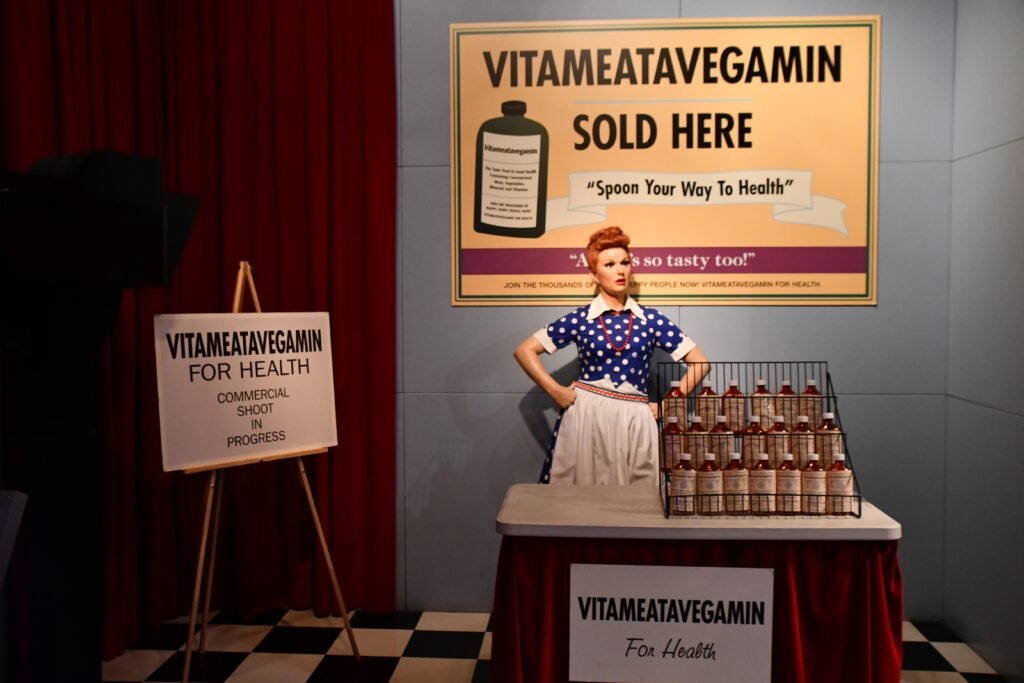
This episode introduced one of the show’s most famous recurring jokes, the Vitameatavegamin health tonic. Lucy lands a commercial gig and has to deliver a scripted pitch on live television. The catch is that the tonic contains alcohol, and she is required to taste it repeatedly during rehearsals. As the takes go on, Lucy becomes increasingly intoxicated, slurring her words and losing control of the script. Her attempts to stay professional while clearly failing are what make the scene so effective. The phrase “Do you pop out at parties?” became instantly memorable.
What stands out here is Ball’s ability to portray a gradual loss of control without ever overplaying it too early. The pacing of the scene allows the humor to build naturally. By the time Lucy completely derails the commercial, the audience has already been pulled into the rhythm of the joke. This episode is often cited as one of the best examples of her comedic acting. It also captures the unpredictability of early live television. Even now, the performance feels sharp and precise rather than dated.
7. “Lucy and John Wayne” (Season 6, Episode 13)
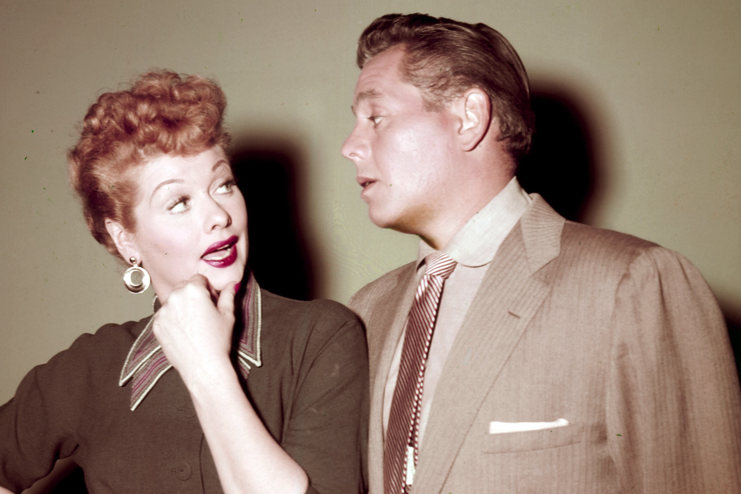
This episode leans into Lucy’s tendency to create chaos from a simple goal. She buys what she believes is an original handprint of John Wayne from Grauman’s Chinese Theatre, only to discover she has actually purchased a piece of cement. Determined to get the real thing, she sneaks into the theater to make a swap. Naturally, nothing goes as planned, and the situation escalates quickly. Lucy’s attempts to fix her mistake only make things worse, which is a recurring strength of the series. The stakes are small, but the execution makes it feel much bigger.
The episode ends with a surprise appearance from Wayne himself, which adds an extra layer of payoff. Celebrity cameos were rare on the show, so this moment stood out at the time. The humor is driven less by physical gags and more by Lucy’s increasingly desperate decisions. It is a good example of how the show evolved in its later seasons. The writing still centers on Lucy’s impulsiveness, but the situations became slightly more elaborate. Even so, the core comedic structure remains consistent.
6. “The Freezer” (Season 6, Episode 22)
Lucy and Ethel accidentally lock themselves inside a walk-in freezer, which is already a strong premise on its own. The episode quickly turns into a battle against the cold as they try to stay warm and find a way out. They attempt everything from jumping around to wrapping themselves in frozen food. The visual of them bundled up in frozen meat is both absurd and effective. The tension builds because the situation is genuinely uncomfortable, even as it remains comedic. It is a good example of how the show could create humor from physical discomfort without losing its tone.
What makes this episode memorable is the pacing and the confined setting. There are no elaborate set changes or outside distractions, just Lucy and Ethel reacting to their predicament. Their friendship dynamic is central here, as they bounce off each other while trying to solve the problem. The humor comes from both the situation and their reactions to it. It also highlights how the show could sustain an entire episode around a single idea. That level of focus is part of what keeps it engaging.
5. “Lucy Goes to the Hospital” (Season 2, Episode 16)
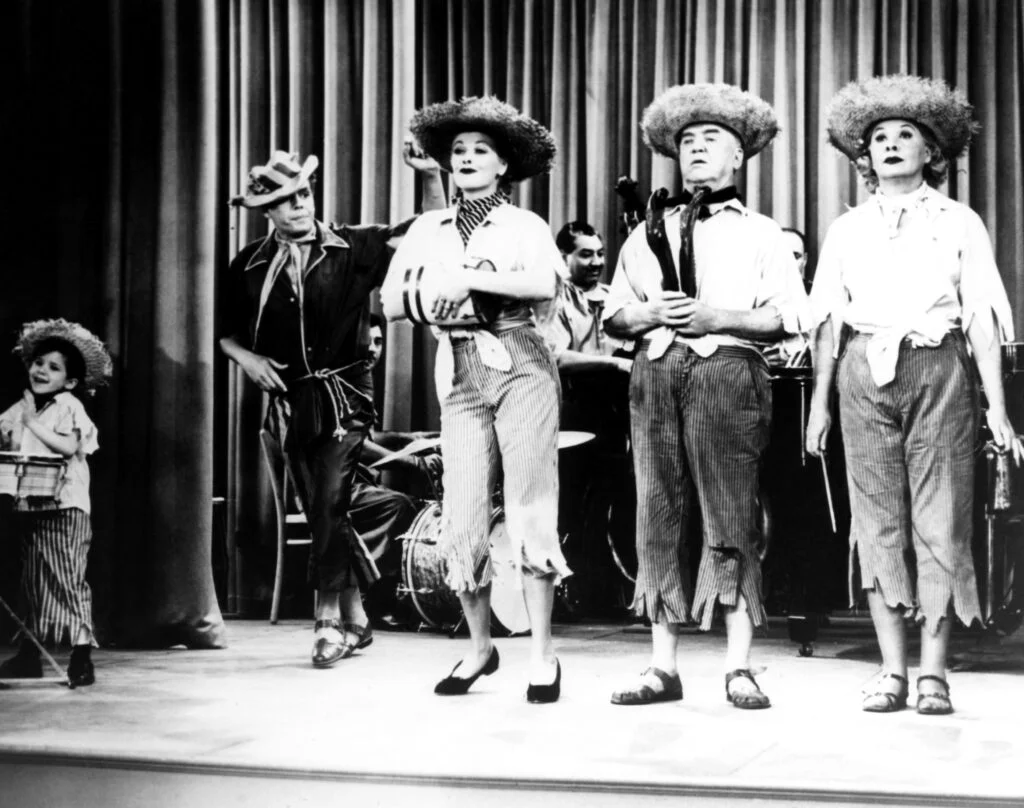
This episode originally aired on the same night that Lucille Ball gave birth in real life, which added to its cultural impact. Lucy goes into labor, and Ricky, Fred, and Ethel scramble to get her to the hospital. Their chaotic attempt to follow a prepared plan quickly falls apart. Ricky becomes flustered, Fred forgets key details, and Ethel tries to keep everything organized. The humor comes from how unprepared they all are, despite thinking they had everything under control. It mirrors the unpredictability of real life in a way that feels grounded.
The episode was watched by a massive audience at the time, making it one of the most significant broadcasts in early television history. It continued the storyline introduced in “Lucy Is Enceinte,” giving viewers a sense of continuity. The hospital scenes are played mostly for comedy, but there is still an emotional core. Ricky’s concern for Lucy is clear, even through the chaos. The episode helped solidify the show’s ability to mix major life events with humor. It remains one of the most historically important installments of I Love Lucy.
4. “Lucy Tells the Truth” (Season 3, Episode 2)
This episode is built entirely around a simple promise that quickly spirals out of control. Lucy, Ricky, Fred, and Ethel agree to stop telling white lies for the sake of honesty. At first, the idea seems harmless, but it quickly leads to awkward and uncomfortable situations. Lucy’s attempts to be truthful end up offending nearly everyone around her. The humor comes from how honesty, in this case, becomes more disruptive than helpful. It is a clever twist on a common moral lesson.
The structure of the episode allows each character to contribute to the chaos. Everyone struggles with the agreement in their own way, which keeps the pacing dynamic. Lucy’s inability to filter herself becomes the central comedic engine. The episode also highlights how well the ensemble works together. Each interaction builds on the last, creating a chain reaction of misunderstandings. It is less about physical comedy and more about dialogue and timing. That shift makes it stand out among the show’s more visual episodes.
3. “Lucy Visits Grauman’s” (Season 4, Episode 16)
Lucy’s obsession with celebrities is at the center of this episode. She becomes determined to leave her own mark at Grauman’s Chinese Theatre, just like the stars she admires. Her plan involves sneaking in and creating her own handprints in the cement. Predictably, things do not go smoothly, and she ends up making a mess of the situation. The humor comes from her persistence and complete lack of awareness of the consequences. It is a classic example of Lucy’s ambition leading her into trouble.
The episode also reflects the growing influence of Hollywood culture on the show. Lucy’s fascination with fame is exaggerated, but it is rooted in real public interest at the time. The physical comedy is strong, especially in the scenes involving the cement. Ball’s performance makes even the simplest actions feel heightened. The episode also ties into other celebrity-themed storylines from the series. It reinforces Lucy’s ongoing desire to be part of that world. That consistency helps make the character feel fully developed.
2. “Lucy’s Italian Movie” (Season 5, Episode 23)
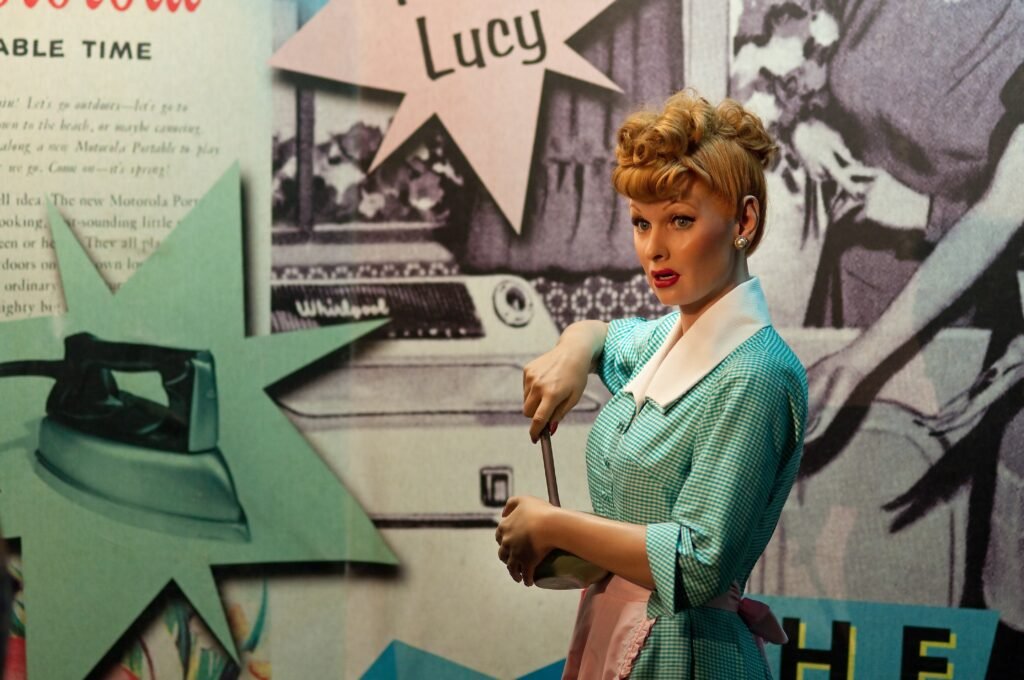
Often referred to as the “grape stomping” episode, this one is built around a single extended sequence. Lucy takes a job as an extra in an Italian film and ends up competing with a local woman during a grape-stomping scene. What starts as a simple misunderstanding turns into an all-out physical fight. The sequence becomes increasingly chaotic as they slip, fall, and throw grapes at each other. It is one of the most physically demanding performances Ball ever did on the show. The scene was carefully choreographed, even though it looks spontaneous.
Beyond the famous scene, the episode also captures Lucy’s determination to break into show business. Her willingness to take on any role, no matter how small, drives the plot. The cultural setting adds a slightly different tone compared to earlier episodes. It shows how the show expanded its scope during the later seasons. Even so, the humor remains consistent with the rest of the series. The grape-stomping scene alone is enough to secure its place among the best episodes.
1. “Lucy’s Hollywood Screen Test” (Season 4, Episode 23)
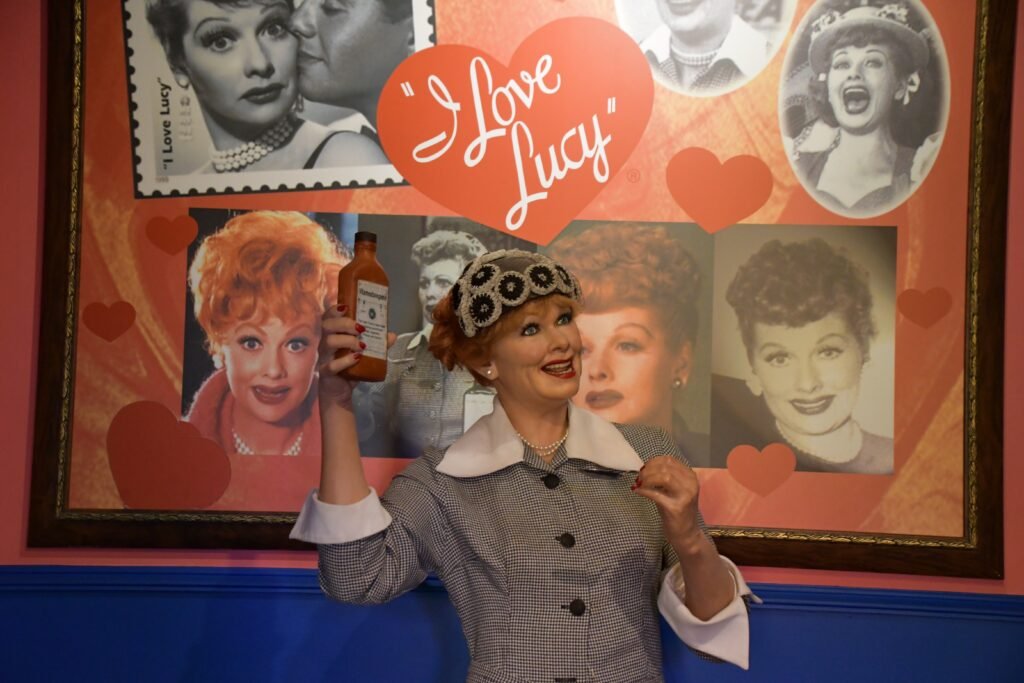
This episode plays into Lucy’s long-running dream of breaking into show business, and it finally puts her in front of a real screen test. She lands a chance to audition for a film, but the situation quickly becomes complicated when she learns she’ll need to perform a dramatic scene. Lucy, who thrives in chaos, suddenly has to be serious, which is where the tension starts. Her preparation spirals into overthinking, and she struggles to deliver the kind of performance the studio expects. The buildup to the screen test is full of small moments where you can see her confidence slipping. It’s a different kind of comedy compared to her usual physical gags.
What makes the episode stand out is how it blends humor with a glimpse of vulnerability. Lucy genuinely wants to succeed, and that makes the outcome feel more meaningful. The screen test itself doesn’t go as planned, which is consistent with the show’s pattern, but it never feels mean-spirited. Instead, it reinforces the idea that Lucy’s strength is in being exactly who she is. The episode also reflects the Hollywood setting that became more prominent in later seasons. It’s a strong example of how the show could evolve its premise while keeping Lucy’s character at the center.