
1. It was filmed in England, not Hollywood
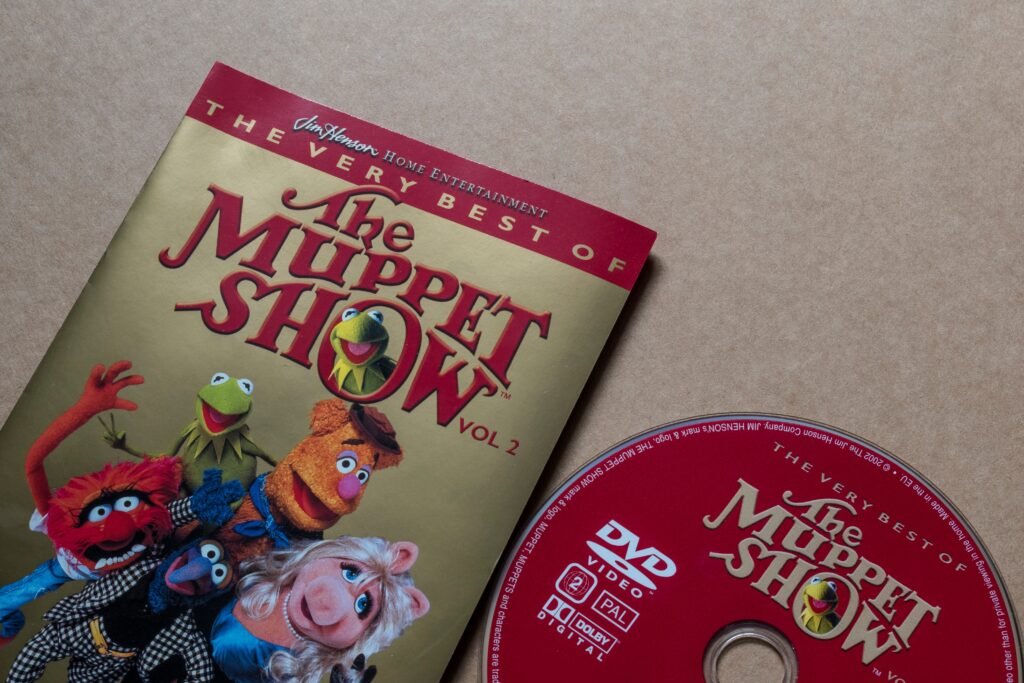
Most people assume The Muppet Show was made in the U.S., but it was actually produced at Elstree Studios in England. Jim Henson took the production overseas after struggling to get American networks on board. A British company agreed to finance and distribute it, which gave Henson the freedom he needed to shape the show his way. That decision ended up being a turning point for the entire project.
Because it was filmed abroad, many guest stars had to travel internationally to appear. Despite that, the show still felt unmistakably American in tone. The humor, structure, and variety format all reflected classic U.S. entertainment. Most viewers never realized they were watching something produced across the Atlantic.
2. U.S. networks originally rejected the idea
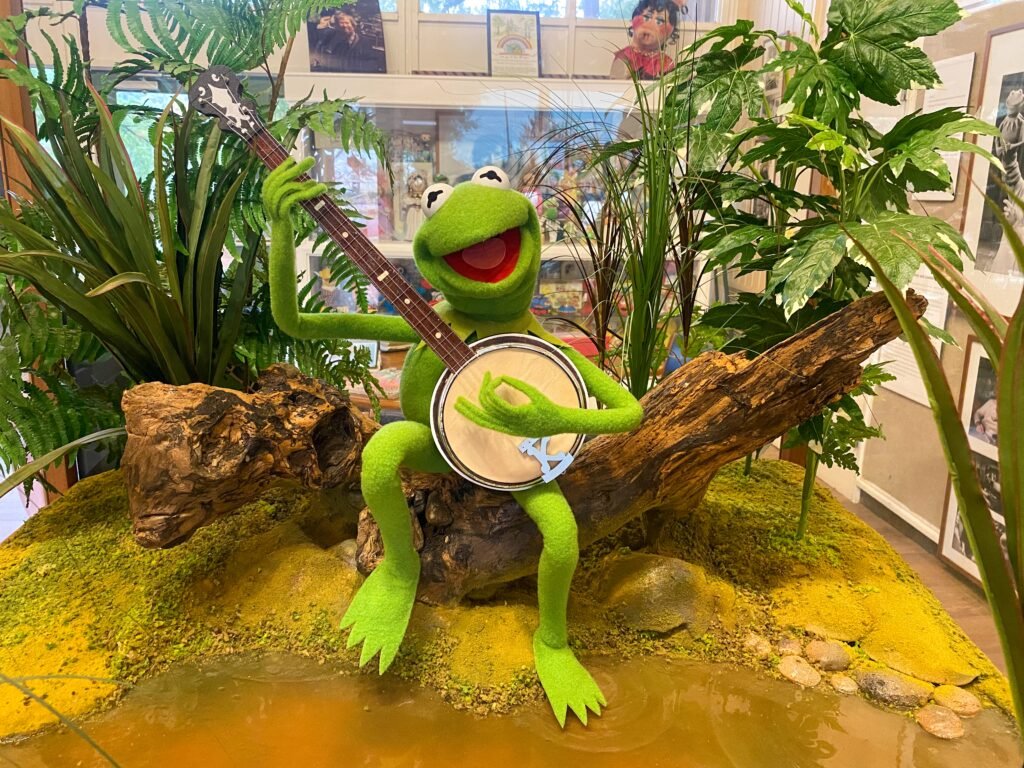
Before it became a hit, The Muppet Show had a hard time getting picked up. Network executives were unsure whether it was meant for kids or adults, which made them hesitant to invest in it. The mix of puppetry and sharp humor didn’t fit neatly into existing categories.
That uncertainty is what pushed Henson to look outside the U.S. for backing. Once the show finally aired in 1976, it quickly proved those concerns wrong. Audiences responded to its unique tone right away. What seemed like a risky concept turned into a global success.
3. It only ran for five seasons
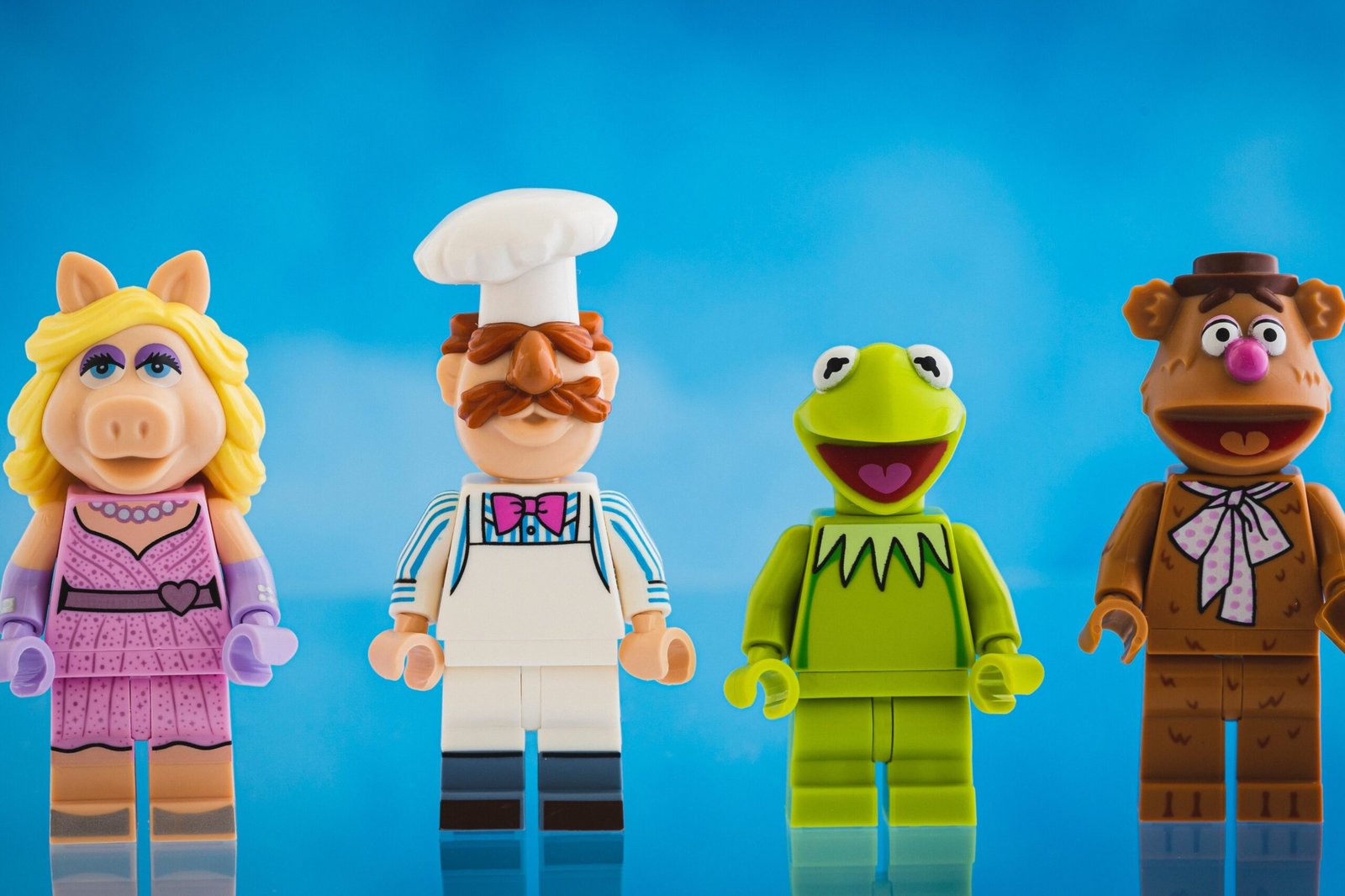
Because it has stayed so popular, many people assume The Muppet Show ran for a decade or more. In reality, it lasted just five seasons, from 1976 to 1981. During that time, it produced 120 episodes, which is a strong total for a variety series.
Those episodes were enough to keep it in syndication for years. The consistent reruns helped introduce it to new generations. That’s why it feels like it was always around, even though the original run was relatively short. Its impact stretched far beyond its actual timeline.
4. Miss Piggy started as a minor character
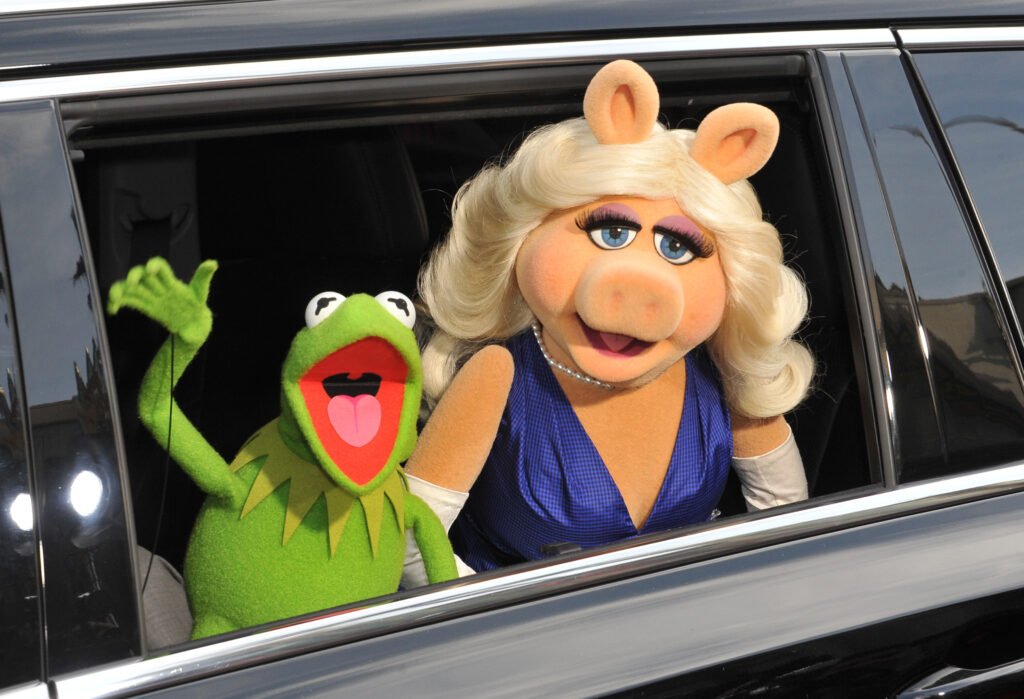
It’s hard to imagine the show without Miss Piggy dominating the spotlight, but she wasn’t always front and center. Early on, she was just one of several background characters. Her personality hadn’t fully taken shape yet.
As the series progressed, audiences responded strongly to her dramatic flair and confidence. The writers leaned into that, giving her bigger and more memorable moments. Over time, she became one of the most recognizable figures on the show. Her rise happened gradually, not instantly.
5. The opening changed over time
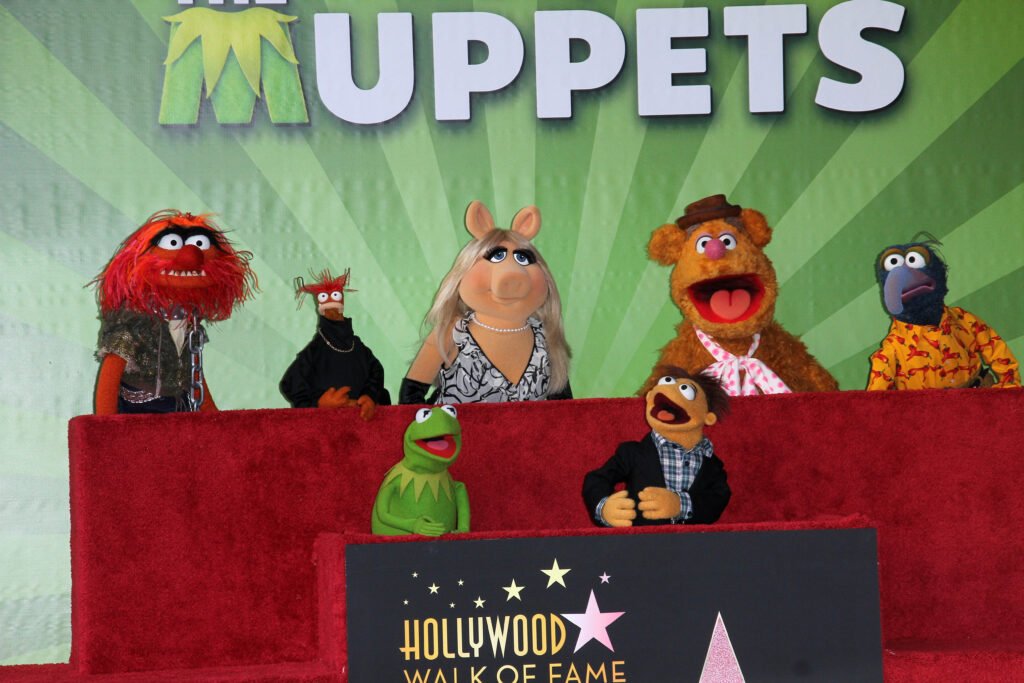
The theme song may feel identical in memory, but The Muppet Show actually tweaked its opening across different seasons. The basic structure stayed the same, with the grand intro and Kermit setting things up. Still, there were noticeable differences in staging and character placement.
Later seasons also changed how episodes began before the theme kicked in. These adjustments helped keep the show feeling fresh. It wasn’t a complete overhaul, but it showed that the creators were willing to evolve the format. Fans who revisit the series often catch these small changes.
6. It was designed like a classic variety show
At its core, The Muppet Show followed the structure of old-school variety programs. Each episode mixed sketches, musical numbers, and guest appearances into one continuous performance. That format allowed for a lot of flexibility in tone and style.
The backstage storyline tied everything together. Kermit’s attempts to manage the chaos gave the show a narrative thread. It felt like you were watching both the performance and the mess behind it. That dual perspective became one of its defining features.
7. Kermit worked as host because he stayed grounded
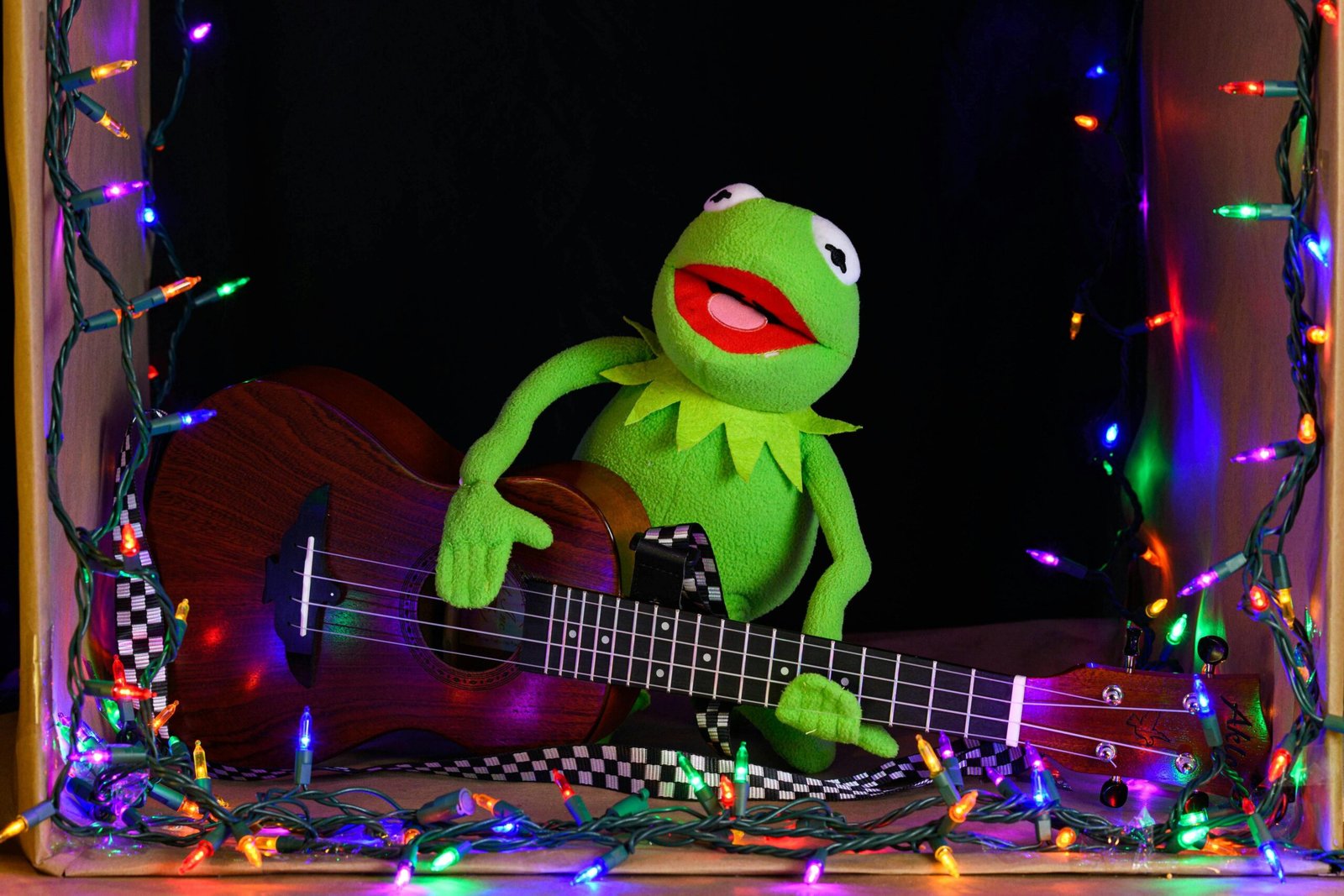
Kermit’s role as host wasn’t about being the funniest or loudest character. He worked because he stayed calm while everything around him fell apart. That contrast made the chaos funnier and more manageable.
He acted like a stage manager trying to hold the show together. Without that steady presence, the series might have felt overwhelming. His personality gave the audience something to latch onto. It balanced out the more extreme characters.
8. The Swedish Chef doesn’t speak real Swedish
The Swedish Chef’s speech sounds familiar to some ears, but it isn’t actual Swedish. It’s a made-up mix of sounds designed to resemble the rhythm of the language. The humor comes from how it sounds, not what it means.
This approach made the character accessible to everyone, regardless of language. The physical comedy was just as important as the dialogue. His exaggerated movements and cooking mishaps carried the sketches. It became one of the show’s most recognizable bits.
9. Statler and Waldorf were named after hotels
The famous balcony critics weren’t just randomly named. Statler and Waldorf got their names from well-known New York hotels. That detail fits their personalities perfectly, since they feel like seasoned theatergoers who have seen it all.
Their constant heckling added a unique layer to the show. They acted like a built-in audience, reacting in real time. Sometimes they voiced criticisms viewers might have had themselves. That made them both part of the joke and part of the commentary.
10. Fozzie’s bad jokes were intentional
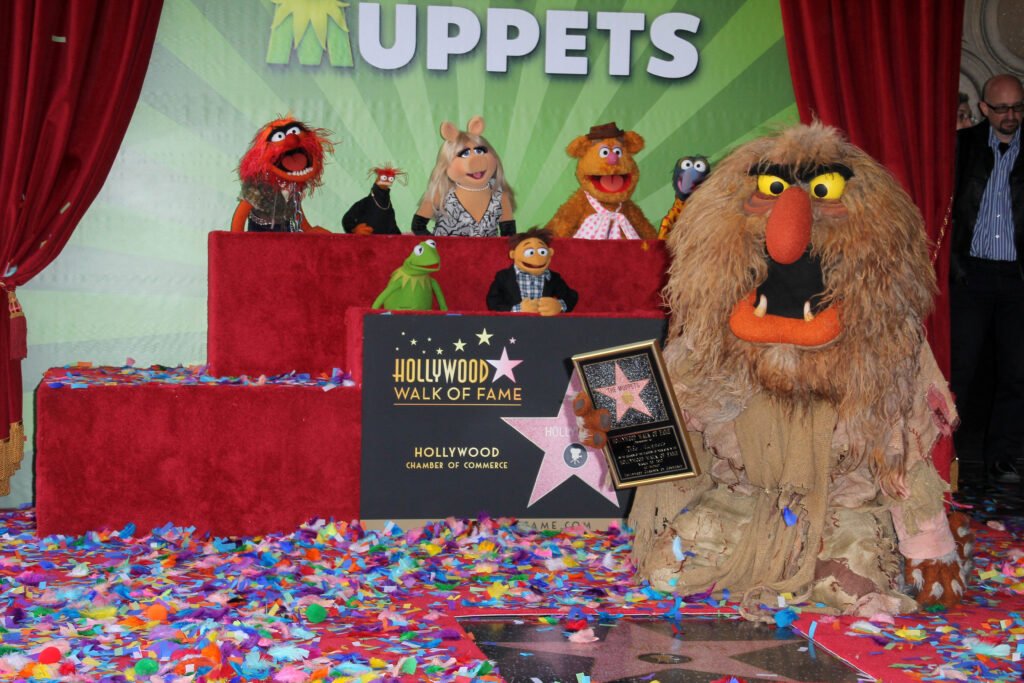
Fozzie Bear wasn’t meant to be a great comedian. His whole act was built around jokes that didn’t quite land. The awkward timing and groan-worthy punchlines were part of the design.
That’s what made his interactions with Statler and Waldorf so effective. Their heckling turned his failures into comedy. Fozzie’s optimism kept him going no matter how badly things went. It made him one of the most endearing characters on the show.
11. Some characters were refined before the show even began
Before The Muppet Show launched, Jim Henson experimented with similar ideas in earlier projects. Certain characters and sketches were already taking shape during that period. The team used those early attempts to figure out what worked best.
By the time the series officially started, many elements had already been tested. That gave the show a stronger foundation from the beginning. It didn’t feel like it was starting from scratch. Instead, it felt like a polished version of ideas that had been evolving for years.
12. It won major awards, not just popularity
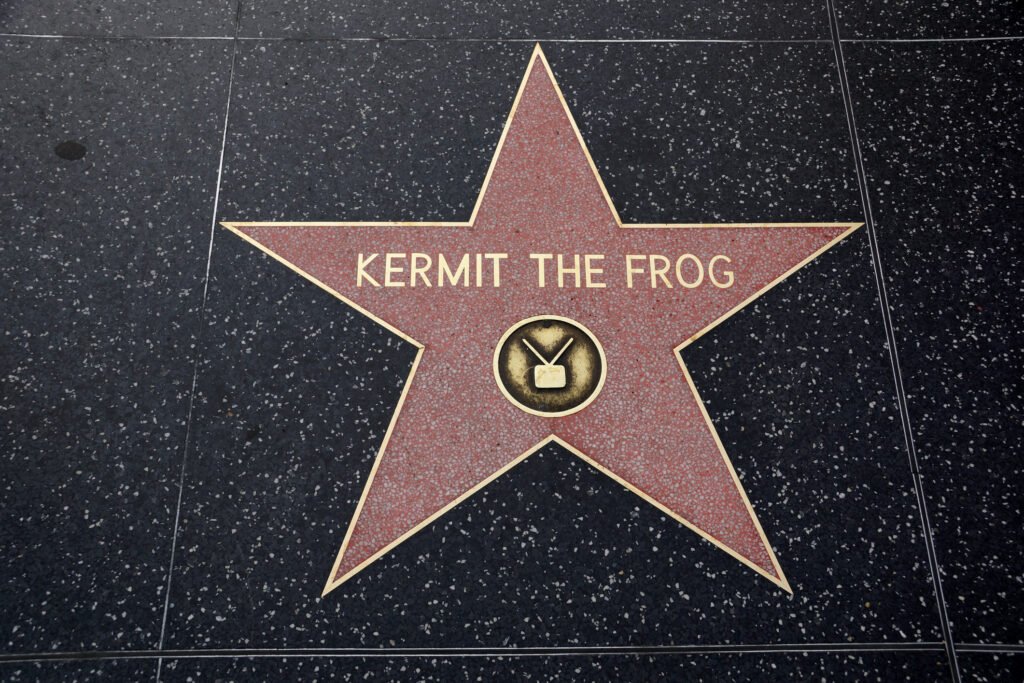
Even though it looked like light entertainment, The Muppet Show received serious critical recognition. It won Emmy Awards and even earned a Peabody Award during its run. Critics praised its creativity and layered humor.
That recognition showed the industry understood how much craft went into it. It wasn’t just a fun show, it was a well-made one. The writing, performance, and production all stood out. Its success was both popular and critical.
13. The puppetry was physically demanding
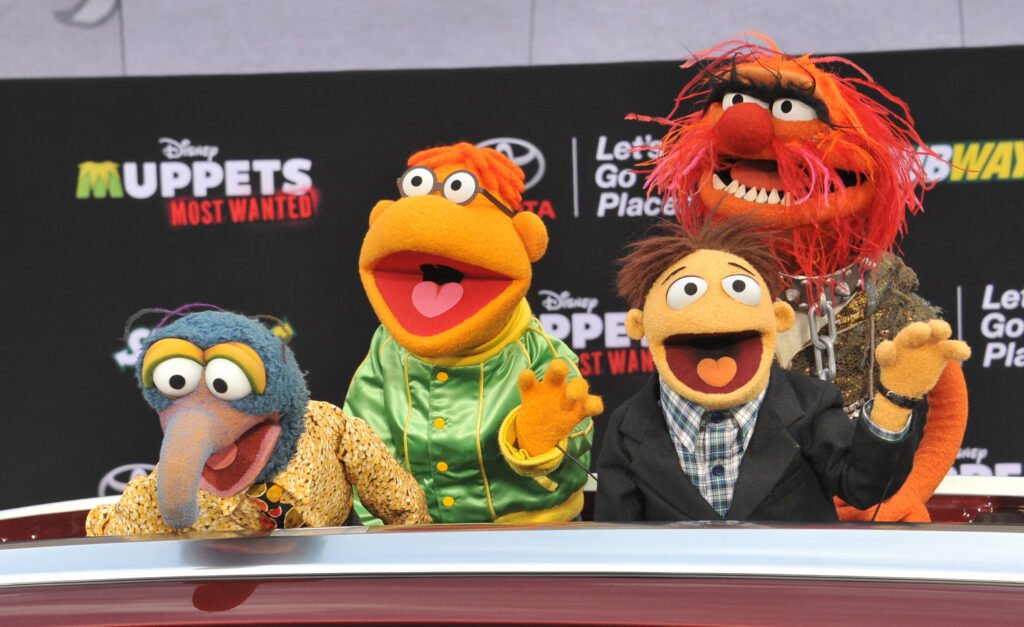
Performing the Muppets required a lot of physical effort. Puppeteers often had to hold their arms up for long periods while staying precise with movements. The sets were designed in ways that made this even more challenging.
Some characters required multiple performers working together. That coordination had to be seamless for the illusion to work. Despite the difficulty, the performances always felt natural and energetic. It’s one of the reasons the show still feels so alive.
14. Guest stars helped define the show’s appeal
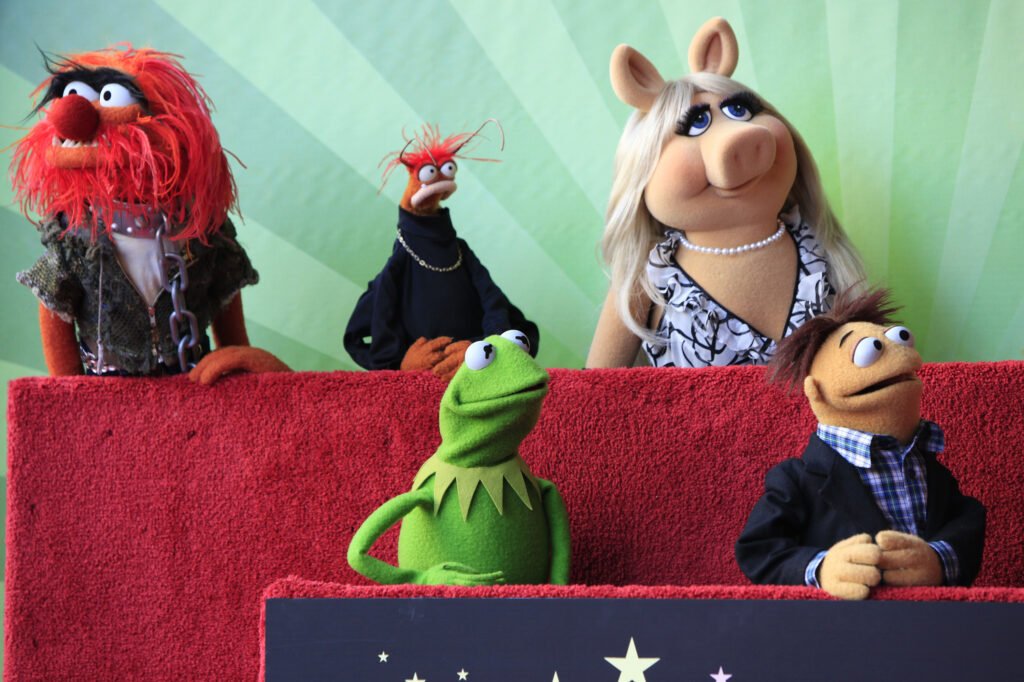
Every episode featured a celebrity guest, which was a key part of the format. These appearances brought variety and kept the show unpredictable. Guests could sing, act, or take part in sketches alongside the Muppets.
That flexibility made the show stand out from traditional talk shows. It gave celebrities a chance to do something different. Many of those appearances became iconic moments. The guest format helped keep the series fresh.
15. The humor worked for both kids and adults
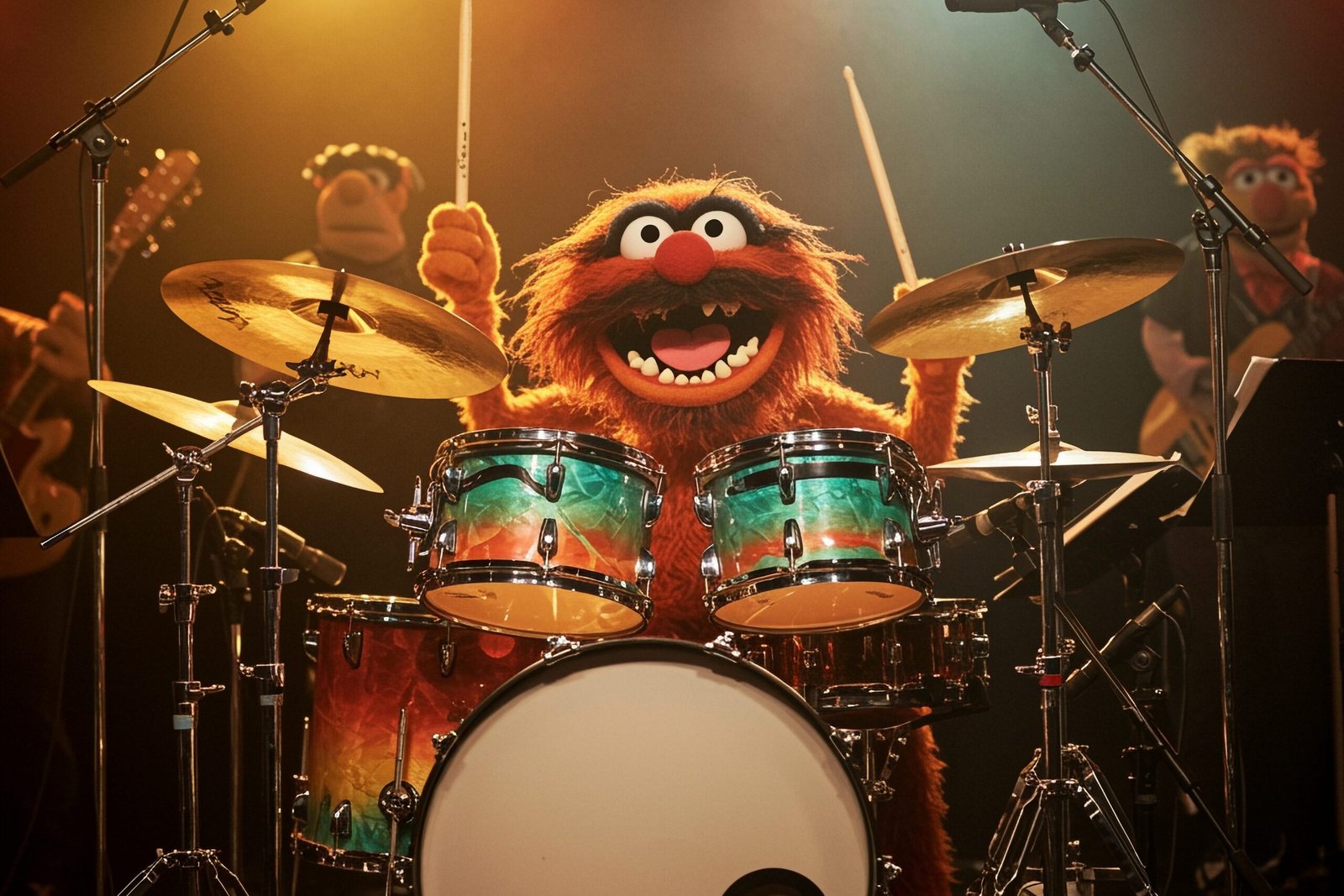
One of the show’s biggest strengths was its ability to appeal to different age groups at once. Kids could enjoy the physical comedy and colorful characters. Adults picked up on the satire and clever writing.
That balance made it feel like true family entertainment. It didn’t talk down to younger viewers, and it didn’t ignore older ones. The layered humor is a big reason it still holds up today. It was smarter than it looked at first glance.
16. Some guest appearances led to lasting collaborations
For certain performers, appearing on The Muppet Show turned into something more. Relationships formed during the show sometimes led to future projects. That was especially true for musicians and entertainers who connected with Henson’s style.
These collaborations helped expand the Muppet universe beyond the series. Specials and other projects grew out of those connections. The show became a creative hub, not just a one-time appearance. That added to its long-term influence.
17. Its influence continued long after it ended
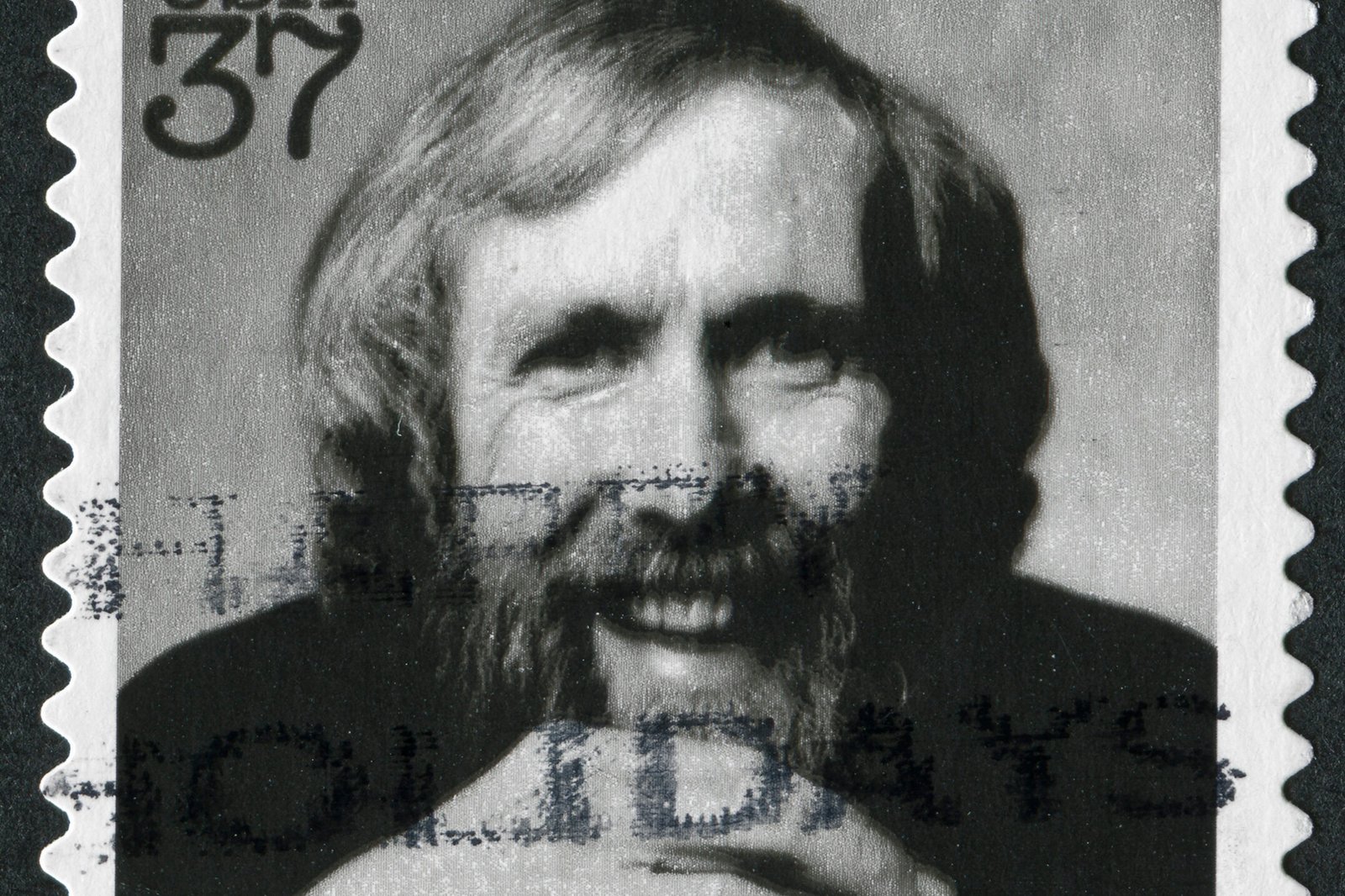
Even though the original run ended in 1981, The Muppet Show never really faded away. Its characters and format carried over into films, specials, and later series. It set the tone for how the Muppets would be presented going forward.
The show essentially defined the brand at its peak. Many people still see it as the definitive version of the Muppets. Its mix of humor, music, and chaos became the template for everything that followed. For a five-season run, that kind of impact is hard to match.