
1. The Happy Meal Was Inspired by a Local Promotion
The idea for the Happy Meal didn’t come from a massive corporate brainstorm, it actually started with a regional promotion. In the late 1970s, a St. Louis advertising manager named Bob Bernstein noticed that kids were tagging along to McDonald’s and wanted something of their own. He created a “fun meal” concept that bundled food with a toy and kid-friendly packaging. It caught on quickly in test markets, showing that families responded to the idea almost immediately.
By 1979, McDonald’s rolled out the Happy Meal nationwide. The first official version included a hamburger or cheeseburger, fries, a drink, cookies, and a small toy. The packaging itself was designed like a mini cereal box, complete with games and puzzles. That format helped turn the meal into an experience rather than just food.
2. The First Toys Were Simple and Low-Tech
The earliest Happy Meal toys were nothing like the branded collectibles that came later. They were basic items like spinning tops, erasers, and small puzzles. There were also themed items like McDoodler stencils and tiny character figures tied to McDonaldland mascots. These toys were inexpensive to produce but still managed to keep kids entertained.
At the time, the focus was less on licensing deals and more on creating repeat visits. Kids would want to collect different versions of the same simple toy set. Even without big-name characters, the novelty alone was enough to drive demand. It showed that the concept of a surprise mattered more than the complexity of the toy.
3. Licensed Characters Changed Everything
In the early 1980s, Happy Meal toys took a major turn when licensed characters were introduced. One of the first big partnerships was with Star Trek and later Star Wars, which brought recognizable figures into the mix. Suddenly, the toys had a connection to movies and TV shows kids already loved. That shift dramatically increased their appeal.
This strategy quickly became central to the Happy Meal’s success. Tie-ins with Disney films and popular cartoons turned the toys into must-have items. Families would sometimes visit multiple times just to complete a set. It also marked the beginning of fast food and entertainment industries working closely together.
4. Disney Partnerships Became a Major Driver
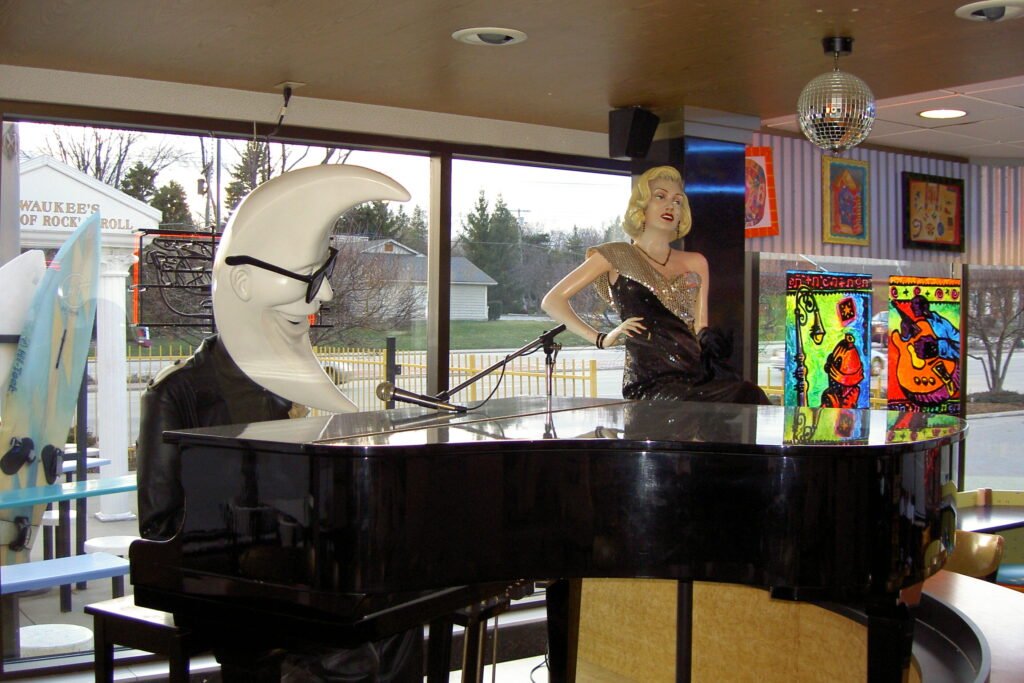
The relationship between McDonald’s and Disney became one of the most influential marketing partnerships in history. Starting in the late 1980s, Happy Meals regularly featured toys tied to major Disney releases. Movies like The Little Mermaid and The Lion King brought in waves of customers.
These promotions often coincided with theatrical releases, creating a powerful cross-promotion cycle. Kids would see the movie and then want the toys, or vice versa. The scale of these campaigns helped both companies grow their reach. It also set a standard that other fast food chains later tried to replicate.
5. Some Toys Became Valuable Collectibles
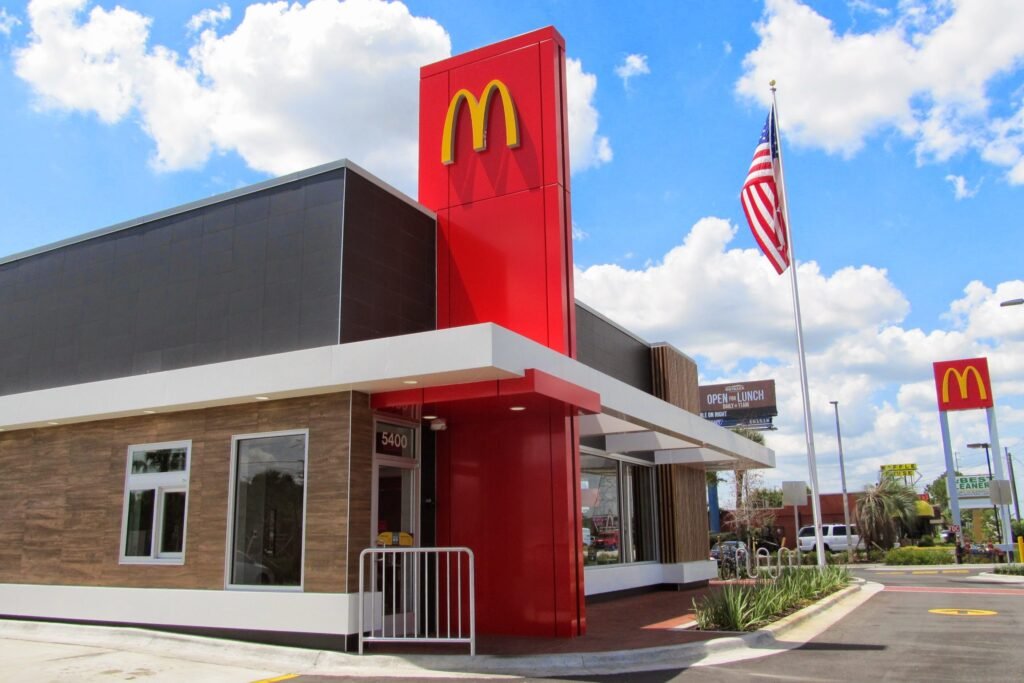
While most Happy Meal toys were meant to be played with and forgotten, some became surprisingly valuable. Certain limited releases, especially from the 1980s and 1990s, are now sought after by collectors. Complete sets in original packaging can sell for significantly more than their original cost.
Beanie Baby promotions in the late ’90s are one of the most well-known examples. Demand became so intense that some locations saw long lines just for the toys. Collectors treated them like investments rather than kids’ items. It was one of the few times a Happy Meal toy crossed into mainstream collecting culture.
6. The Packaging Was Part of the Appeal
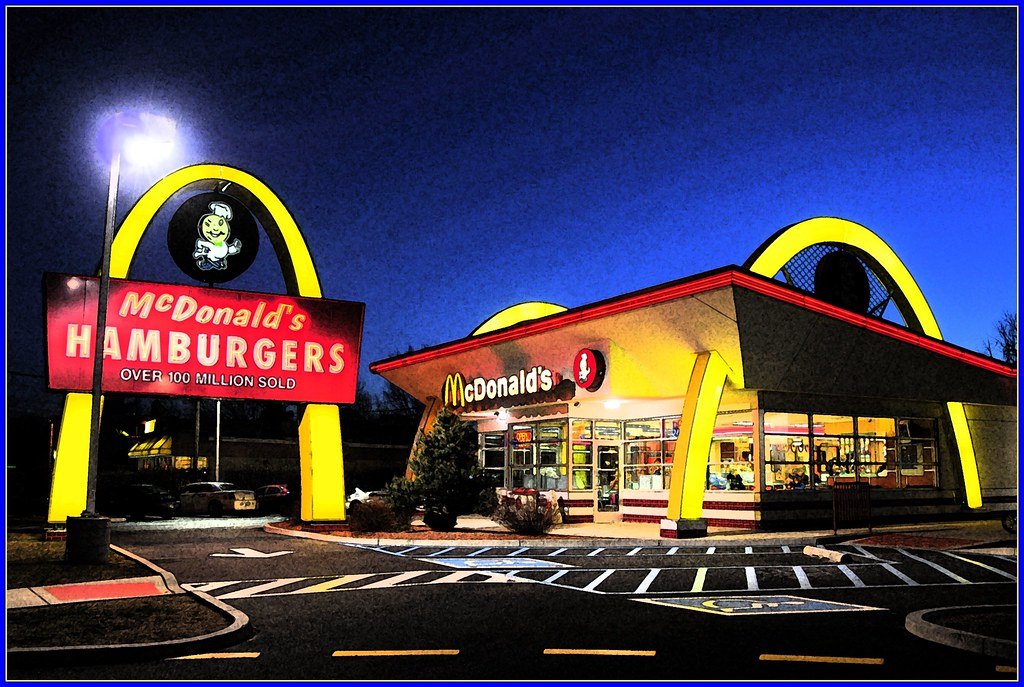
From the beginning, the Happy Meal box was designed to be more than just a container. It featured bright colors, characters, and interactive elements like mazes and games. Kids often spent as much time with the box as they did with the toy inside. That added another layer to the overall experience.
Over the years, the design has evolved but kept the same core idea. Seasonal themes, movie tie-ins, and even educational content have appeared on the boxes. It turned disposable packaging into something memorable. For many people, the look of the box is just as nostalgic as the toys themselves.
7. The Toy Was the Real Selling Point
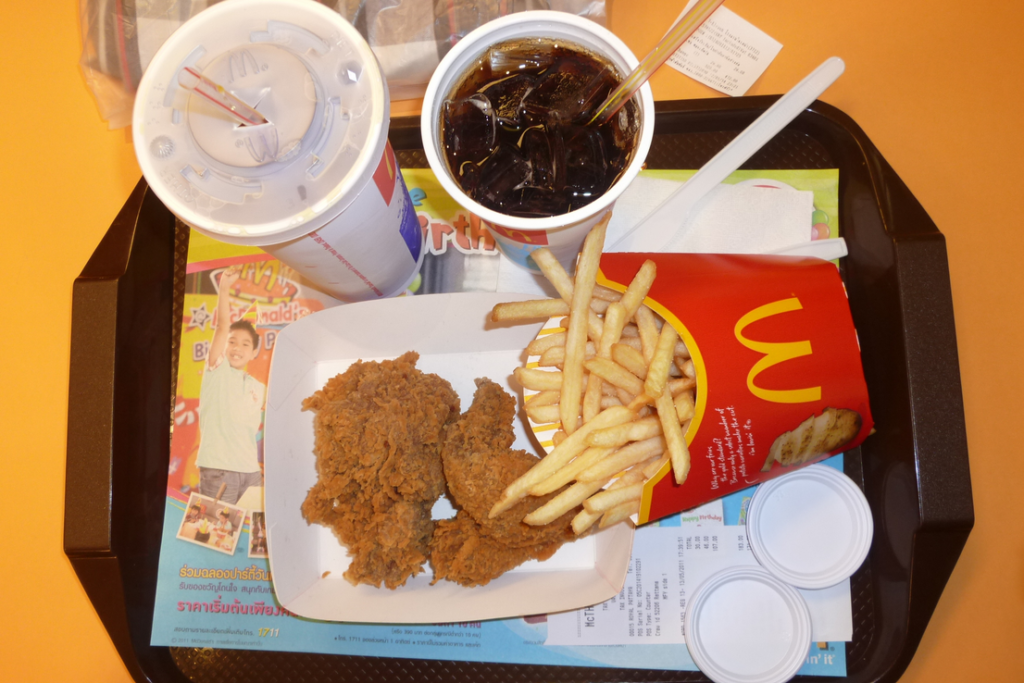
For many kids, the toy mattered more than the food. Parents often knew that the promise of a toy was what got their child excited about going to McDonald’s. This dynamic made the Happy Meal one of the most effective marketing tools in fast food history.
The company leaned into this by advertising the toy prominently in commercials. In some cases, the toy would change weekly to encourage repeat visits. That strategy helped build long-term customer habits. It also reinforced the idea that the meal was designed specifically for children.
8. Health Concerns Led to Changes
Over time, critics began to question whether pairing toys with fast food encouraged unhealthy eating habits. Some cities and advocacy groups pushed for restrictions on using toys as incentives. This led McDonald’s to make adjustments to the Happy Meal format.
Healthier options like apple slices and smaller portion sizes were introduced. In some regions, toys were only included if certain nutritional standards were met. These changes reflected broader shifts in how companies approached children’s marketing. The toy remained, but the surrounding meal evolved.
9. International Versions Can Be Very Different

Happy Meal toys are not always the same around the world. Different countries often receive unique items tailored to local tastes and regulations. In some places, toys may focus more on education or cultural themes rather than entertainment franchises.
This variation has made international toys especially interesting to collectors. Some items are never released in the United States at all. It shows how the Happy Meal concept can be adapted while still keeping its core appeal. The surprise element remains consistent, even if the contents change.
10. The Concept Influenced the Entire Industry
The success of the Happy Meal didn’t go unnoticed by competitors. Other fast food chains quickly introduced their own kid-focused meals with toys included. Burger King’s Kids Meal and similar offerings followed the same basic formula.
What started as a simple idea became an industry standard. The combination of food, entertainment, and collectibility proved incredibly effective. Decades later, the Happy Meal is still one of the most recognizable products in fast food. Its influence can be seen in nearly every kids’ menu that came after it.