1. The Streetlights Were the Only Clock You Needed
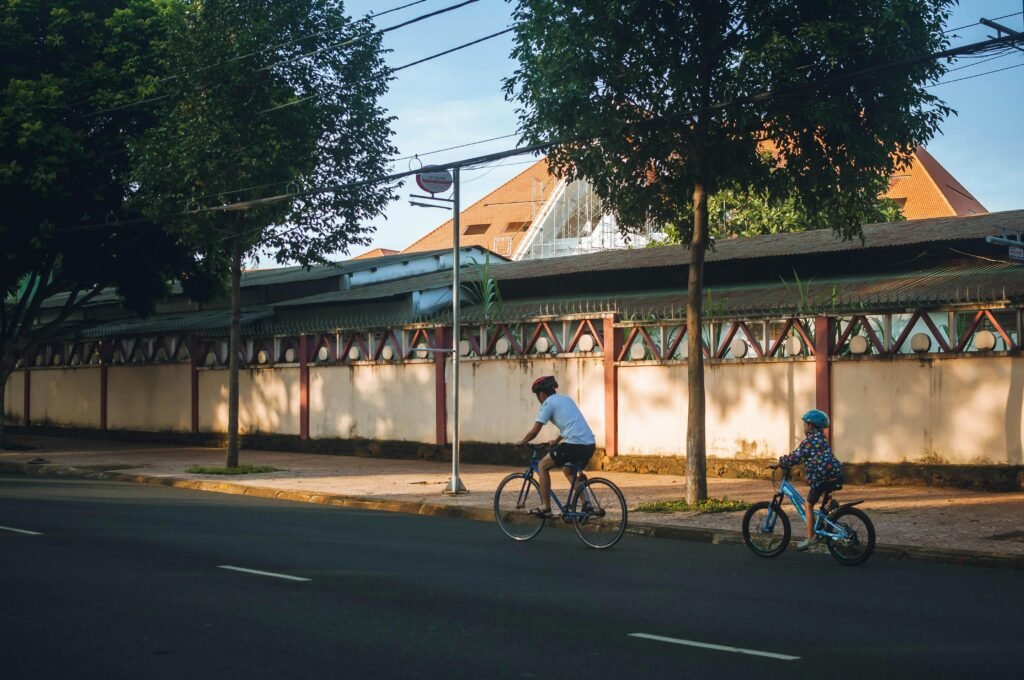
You didn’t check a watch, and no one expected you to. The rule was simple, be home when the streetlights came on. Until then, time felt wide open, like it belonged to you. You could ride for what felt like hours without thinking about where you needed to be next. The glow of those lights wasn’t just practical, it was a signal everyone understood. It meant the day was officially over.
There was always that moment when you saw the first light flicker on and realized you’d pushed it as far as you could. Some kids would race home, others would squeeze in one last lap. Parents trusted that system, and kids followed it without much argument. It worked because everyone in the neighborhood played by the same rule. You didn’t need reminders or alarms. The sky handled it for you.
2. Bikes Were Freedom, Not Just Transportation
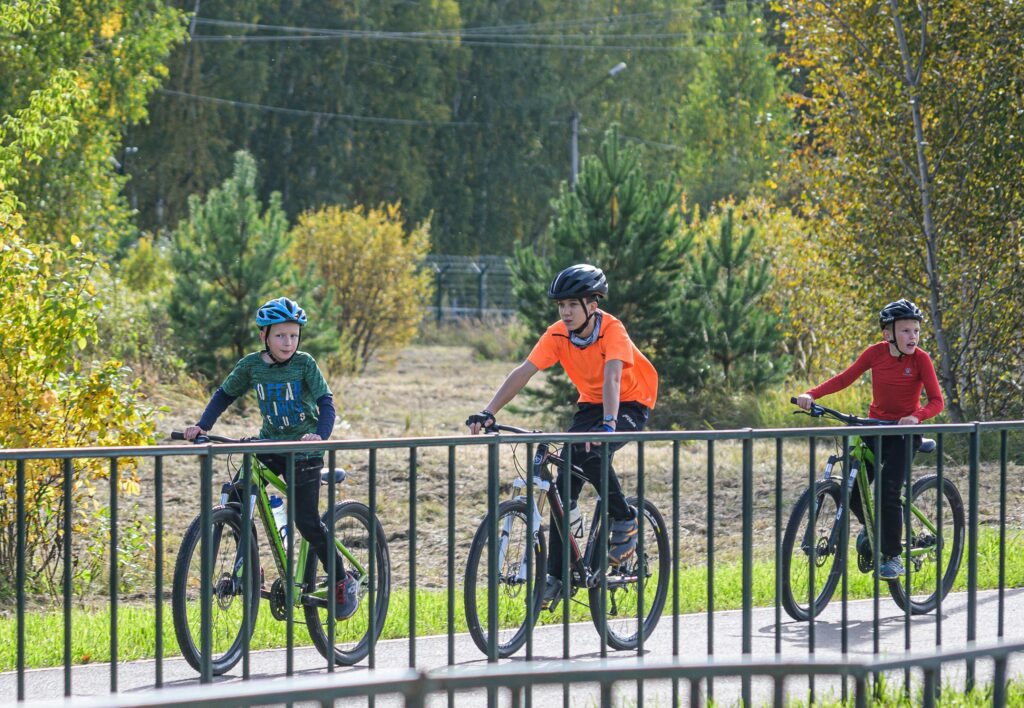
A bike wasn’t just something you rode, it was how you got everywhere. It gave you independence before you were old enough to drive. You could go to a friend’s house, the park, or just nowhere in particular. That sense of movement mattered. It made your world feel bigger than your backyard.
There wasn’t always a destination, and that was the point. You rode because it felt good to move. The wind, the speed, the quiet hum of the tires on pavement, it all added up to something simple and satisfying. No one tracked your location or checked in constantly. You just went, and came back when you were supposed to.
3. Neighborhoods Felt Like Shared Territory
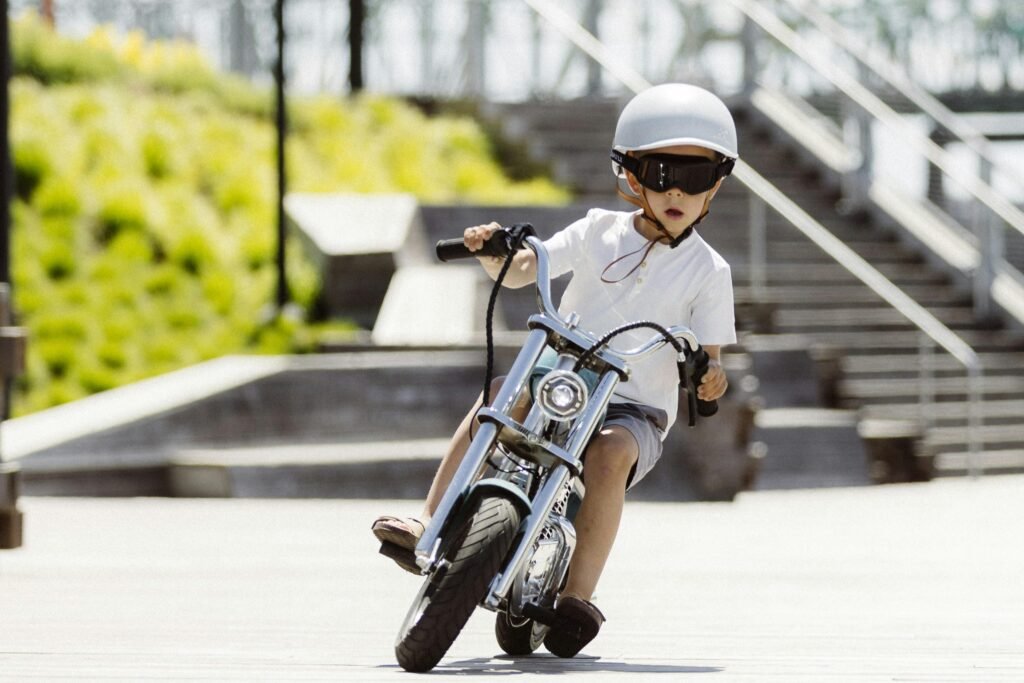
Back then, it wasn’t unusual to ride through multiple yards or cut across familiar shortcuts. Kids treated the whole neighborhood like a connected space. You knew which driveways were safe to cross and which ones to avoid. There was an unspoken understanding of where you could go.
Adults kept a loose eye on things, but they weren’t hovering. If something went wrong, someone nearby would step in. That created a sense of safety without constant supervision. You weren’t confined to your own property. The neighborhood belonged to everyone who lived there.
4. Helmets Were Rarely Part of the Routine
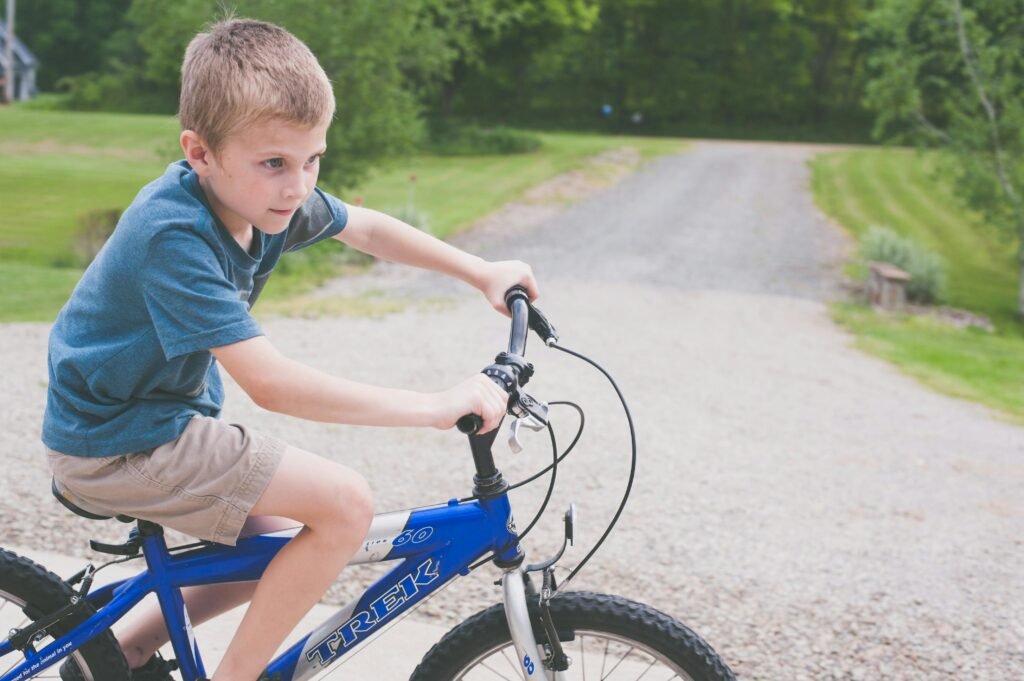
In many places, especially in the ‘70s, ‘80s, and even into the ‘90s, helmets weren’t widely used by kids. Safety awareness existed, but it wasn’t enforced the way it is today. Most kids rode with little more than a bike and maybe a scraped knee or two. That doesn’t mean it was safer, just that expectations were different.
Parents often focused more on being home on time than on protective gear. Over time, helmet use became more common due to public safety campaigns and changing standards. But for a long stretch, riding without one was the norm. It was part of the experience, for better or worse.
5. You Learned the Geography of Your Area by Riding
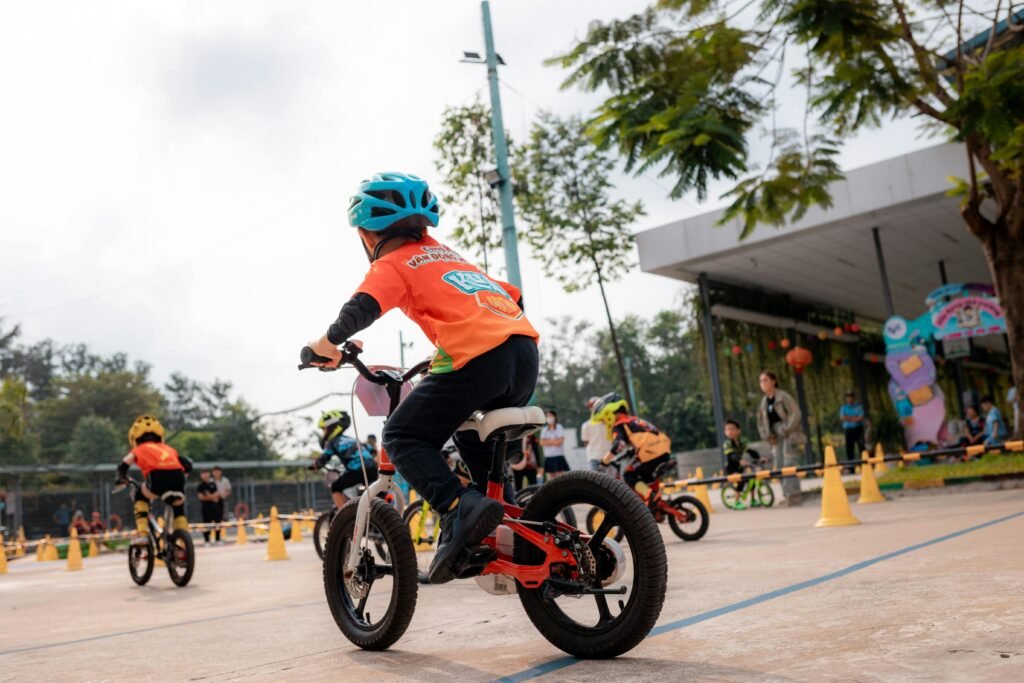
Maps weren’t something you carried, you built them in your head. Riding around taught you which streets connected and which ones dead-ended. You knew where the hills were and which routes were fastest. That kind of knowledge came from repetition.
It wasn’t taught, it was discovered. Every ride added another piece to your mental layout of the neighborhood. You learned landmarks, shortcuts, and boundaries naturally. That familiarity gave you confidence. It made the area feel like your own territory.
6. Friends Were Found, Not Texted
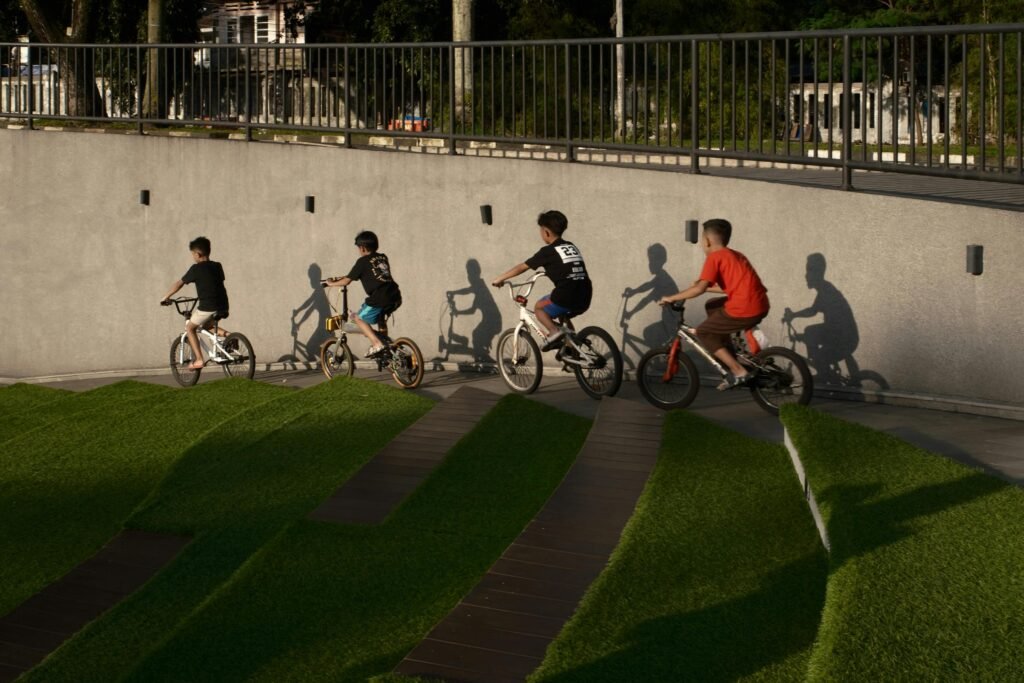
If you wanted to see who was around, you rode your bike and looked. Maybe there were bikes already piled up in someone’s yard, which was a clear signal. If not, you kept going. That was how plans were made in real time.
There was no guarantee anyone would be home. Sometimes you’d check three or four houses before finding someone. Other times, a group would form naturally as kids joined in. It required effort, but it also made hanging out feel more intentional. You had to show up physically to be part of it.
7. Sidewalks and Streets Became Playgrounds
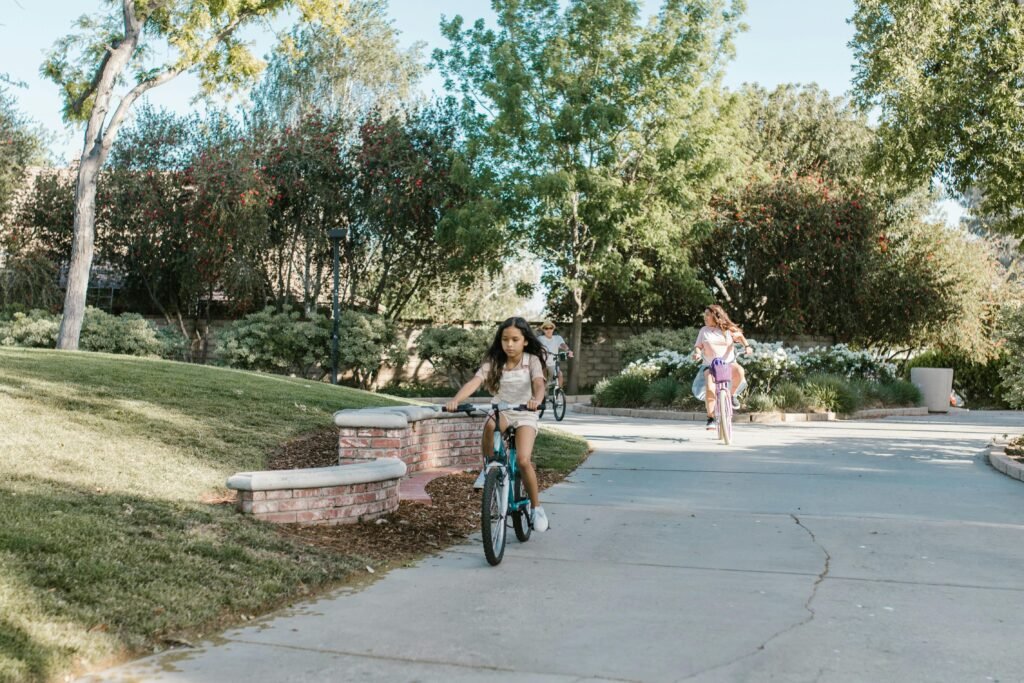
The same streets used for riding also became spaces for games. You might switch from biking to playing tag, basketball, or just sitting on the curb talking. Traffic was lighter in many neighborhoods, which made that possible. Kids adapted the space around them.
It wasn’t organized or scheduled. It just happened. A bike ride could turn into an entirely different activity without much thought. That flexibility made afternoons feel unpredictable in a good way. You didn’t need a plan to have something to do.
8. You Learned Limits Through Experience
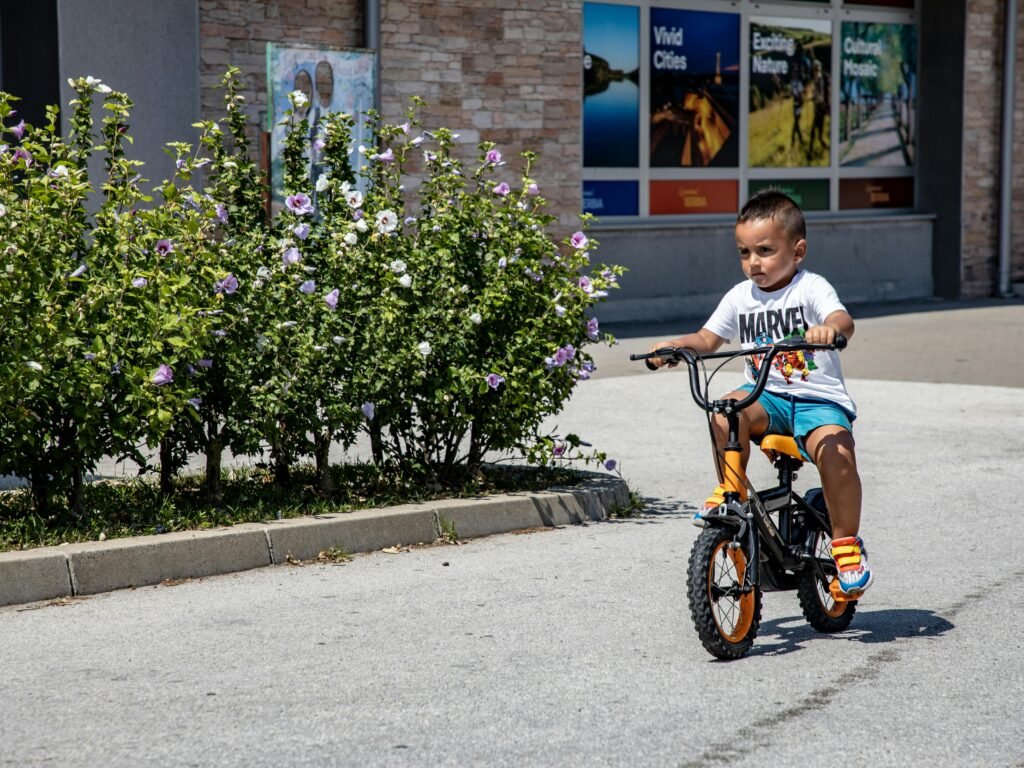
There wasn’t always someone telling you exactly how far you could go. Instead, you figured it out based on time, distance, and what felt manageable. Maybe you pushed a little farther each day. That gradual expansion mattered.
If you went too far, you had to deal with it, whether that meant being late or just exhausted. Those small mistakes taught you boundaries in a practical way. It wasn’t about strict rules, it was about learning through doing. That kind of independence stuck with you.
9. Bike Maintenance Was Trial and Error
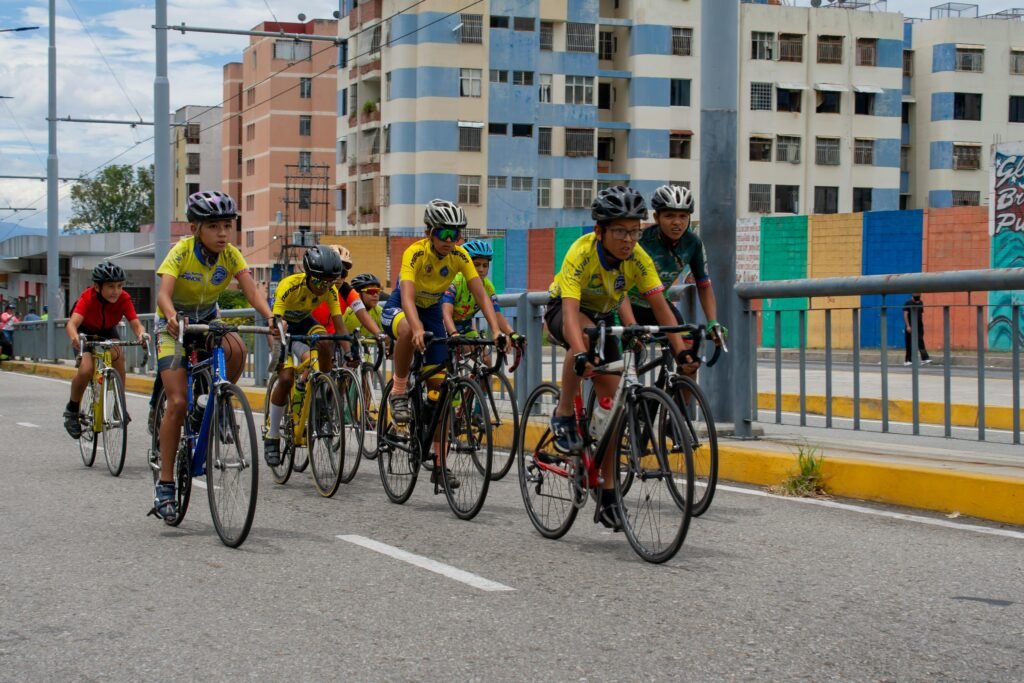
Flat tires and loose chains weren’t unusual. Kids often learned basic fixes because they had to. Maybe a parent helped the first time, but after that, you were expected to handle it. It wasn’t complicated, but it required patience.
You carried that knowledge with you every time you rode. It made you more aware of how your bike worked. You noticed when something felt off. That kind of hands-on experience gave you a sense of responsibility. It wasn’t just a toy, it was something you maintained.
10. Evenings Had a Natural Rhythm
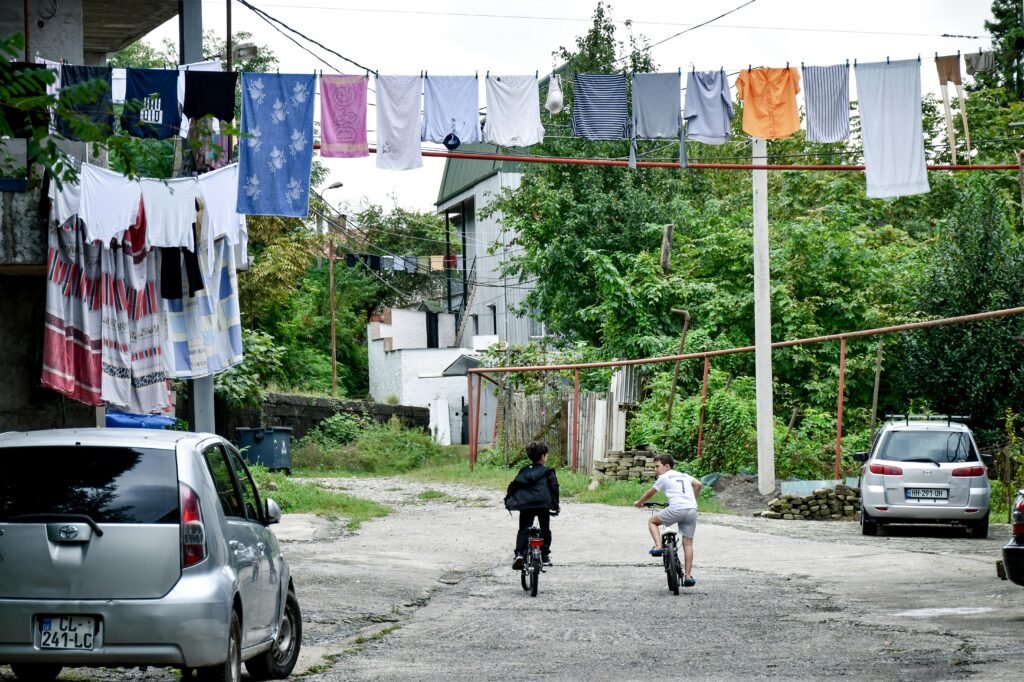
As the day went on, things gradually slowed down. The heat faded, the light changed, and the energy shifted. Riding in the early evening felt different from the middle of the afternoon. It was calmer, quieter.
That transition was noticeable without needing to check the time. You could feel the day winding down. Conversations got a little slower, rides got a little shorter. By the time the streetlights came on, it felt like the right moment to head home. The rhythm made sense without being explained.
11. Parents Relied on Trust More Than Tracking
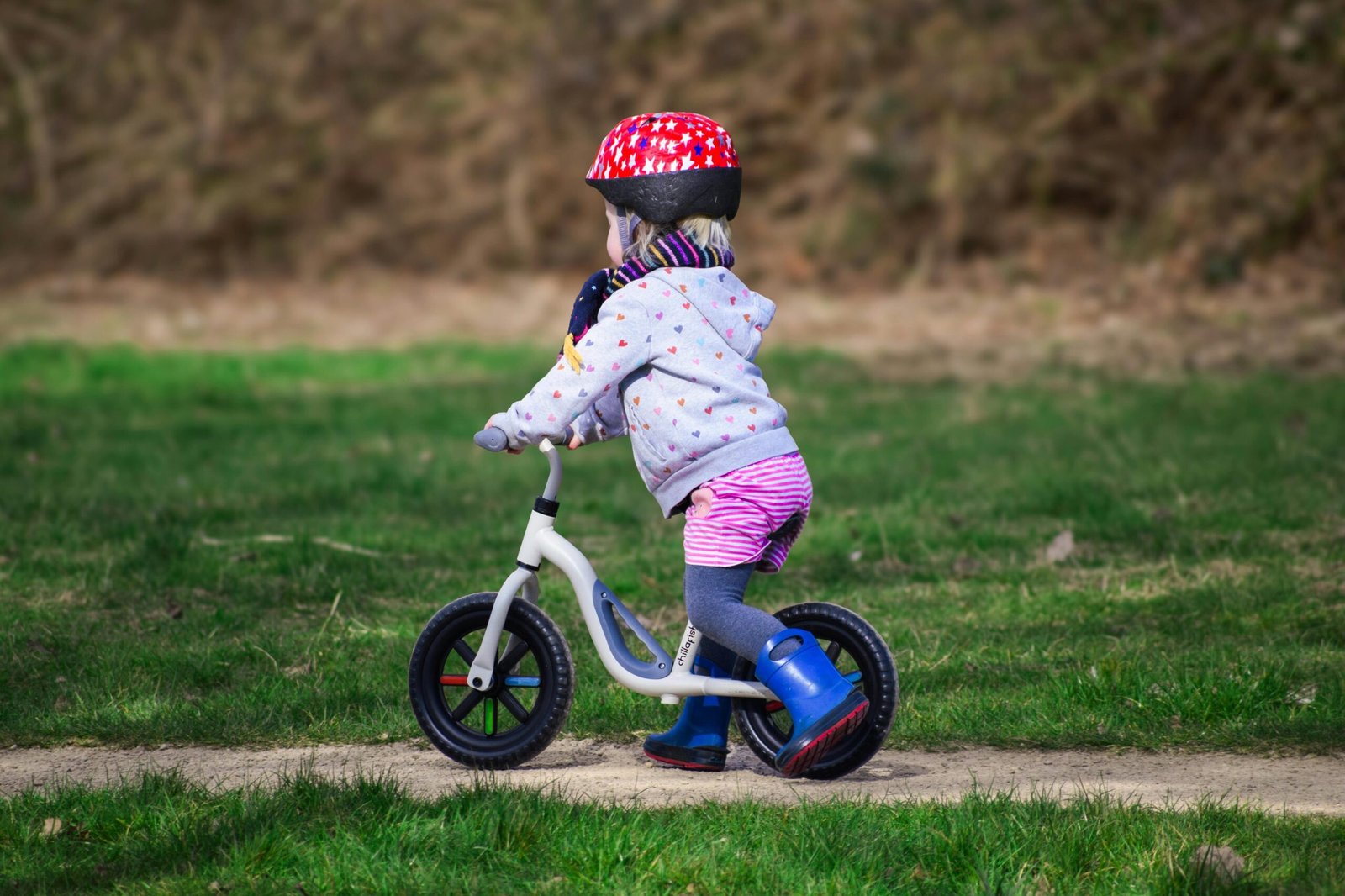
There were no GPS apps or constant updates. Parents trusted that you would follow the basic rules. Be home on time, stay within certain areas, and don’t do anything obviously risky. That trust was part of the arrangement.
If you broke it, there were consequences, but most kids understood the expectations. It created a balance between freedom and responsibility. You weren’t constantly monitored, but you knew you were accountable. That made the independence feel earned.
12. Bikes Reflected Personality
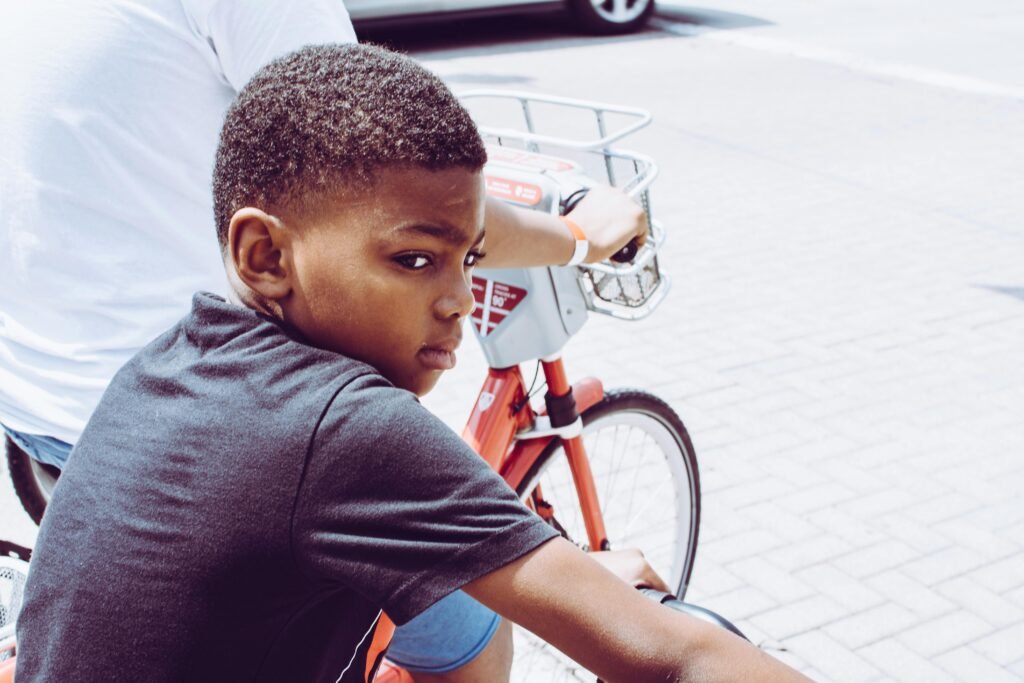
Kids often customized their bikes in small ways. Stickers, streamers, different seats or grips, all of it mattered. It was one of the few things you owned that felt completely yours. You noticed what other kids had and made changes based on that.
Brands and styles varied, but the idea was the same. Your bike said something about you. It wasn’t just functional. It had a look and a feel that you cared about. That personal connection made riding even more appealing.
13. Summer Nights Felt Longer on a Bike
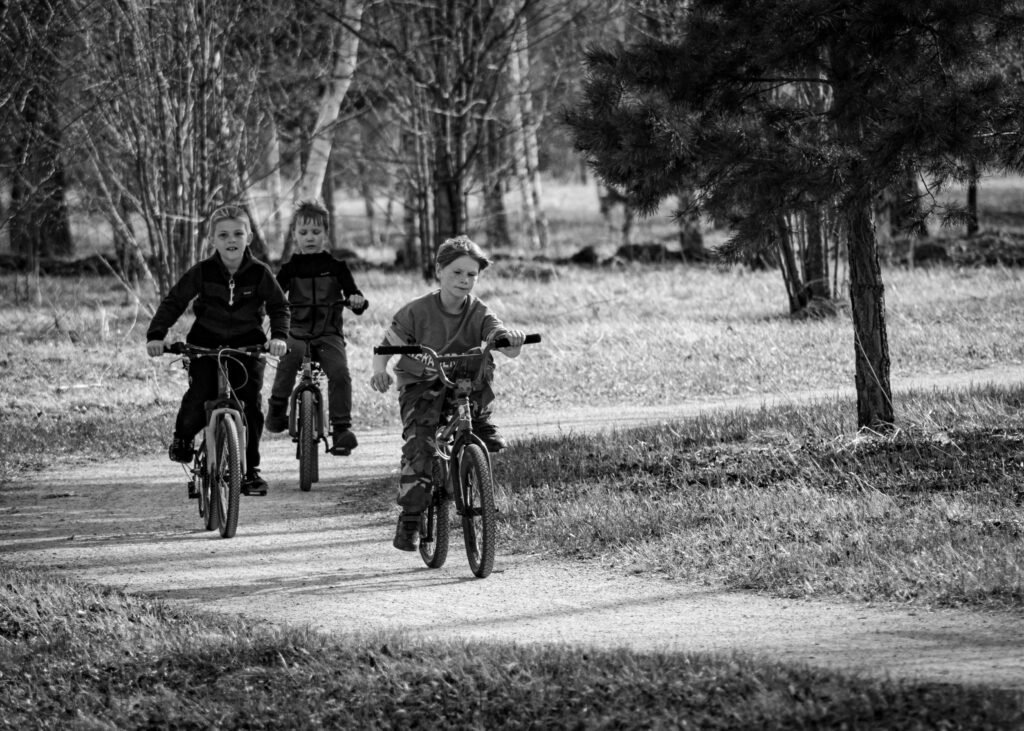
During the summer, daylight stretched later into the evening. That gave you more time to ride, more time to be out with friends. It made the whole experience feel bigger. The days didn’t feel rushed.
You could cover more ground and still make it home before dark. That extra time changed how you used it. Rides lasted longer, conversations went deeper, and everything felt a little more relaxed. It wasn’t just about riding, it was about how the day unfolded around it.
14. Coming Home Marked a Clear End to the Day
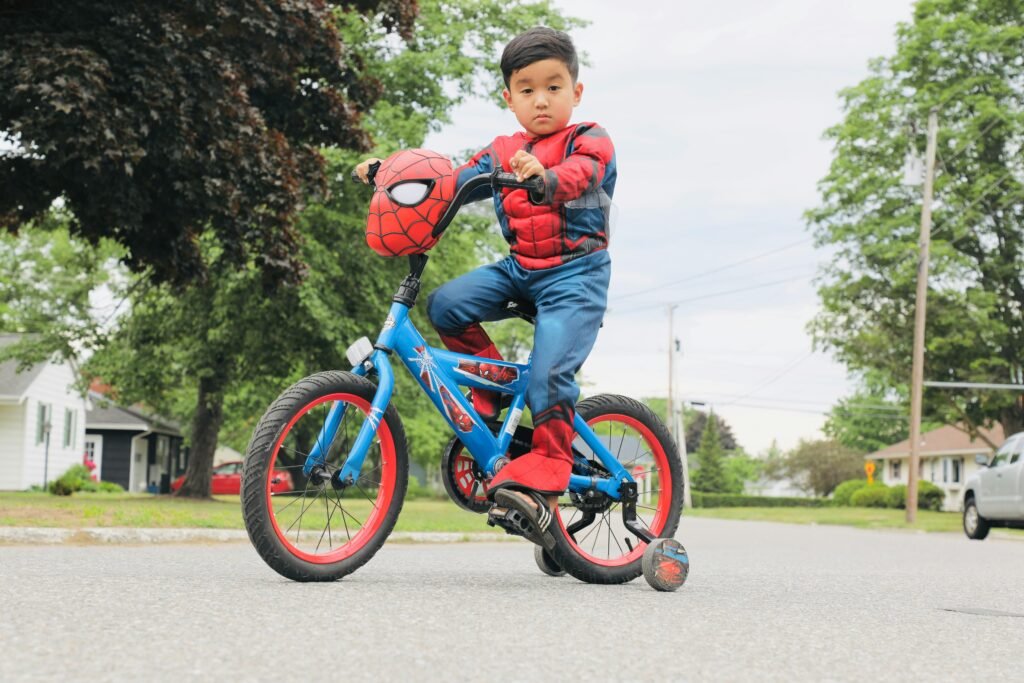
Once you rolled your bike back into the driveway, that was it. The outside world closed off for the night. You went inside, had dinner, maybe watched TV, and the day shifted completely. There was a clear boundary between being out and being home.
That separation made each part of the day feel distinct. Riding until dark wasn’t just an activity, it was a phase of the day. When it ended, you knew it. It gave structure without needing a schedule. And it made those hours outside feel even more defined and memorable.