
1. The villains almost always explain everything at the end
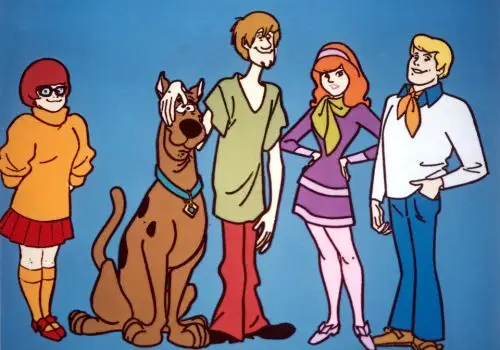
If you’ve watched enough Scooby-Doo, Where Are You! episodes, you start to notice a pattern in how things wrap up. After the gang unmasks the villain, there’s usually a full explanation of how the entire scheme worked. This wasn’t just for storytelling convenience, it was intentional so younger viewers could follow the logic. The show leaned heavily into the “fair play” mystery format, meaning clues were present if you were paying attention. It gave kids a chance to feel like they could solve it themselves.
What’s interesting is how detailed those explanations sometimes get. Villains will walk through disguises, mechanical tricks, and even alibis step by step. It turns what could be a simple reveal into a mini breakdown of the whole crime. That structure helped define the series and influenced later mystery cartoons. It also explains why the endings feel so consistent across episodes.
2. Scooby Snacks were originally meant as a joke
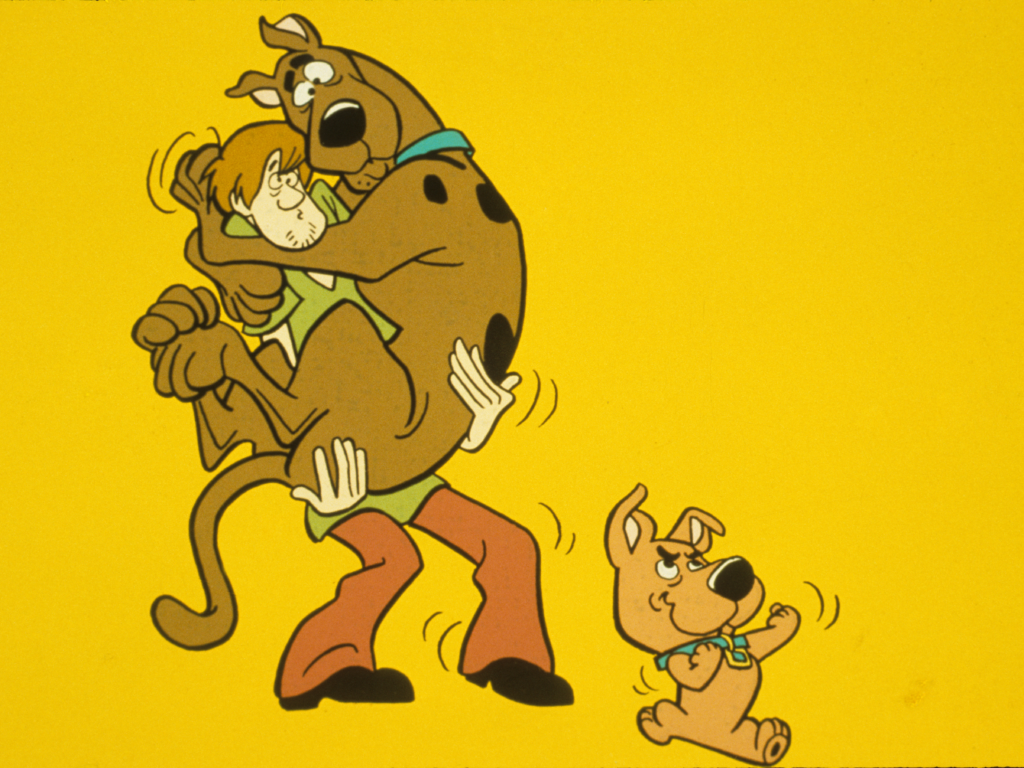
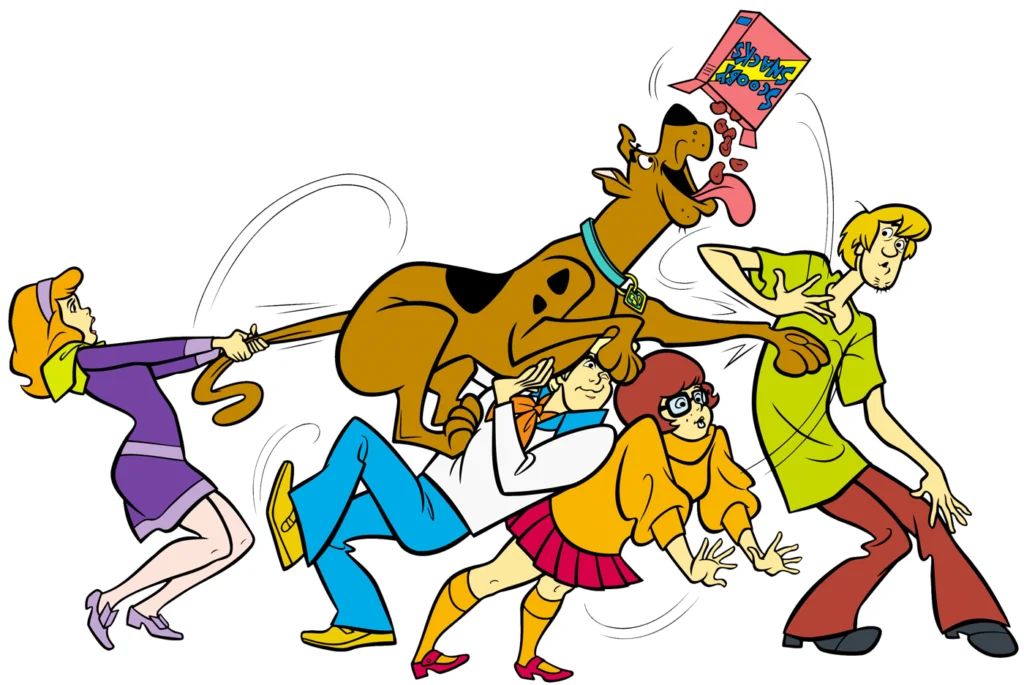
Scooby Snacks feel like a core part of the show now, but they started more as a comedic device. The idea was to give Scooby and Shaggy a simple motivation to face danger. Food becomes the bargaining chip that gets them moving when they’d rather run. It fits their personalities perfectly since both characters are defined by their love of eating.
Over time, Scooby Snacks became one of the most recognizable elements of the franchise. They even turned into a real product in stores. The gag evolved into something much bigger than originally intended. It’s one of those small details that ended up shaping the identity of the series. Without it, Scooby and Shaggy’s dynamic would feel noticeably different.
3. The background animation is often reused
If you pay attention during chase scenes, you might notice something familiar. The show frequently reuses background animations, especially when characters are running past the same hallway or forest. This was a cost-saving measure common in animation during the late 1960s and early ’70s. Hanna-Barbera relied on these techniques to produce episodes efficiently.
The repetition is subtle enough that many viewers never notice it. But once you do, it’s hard to unsee. It actually adds a strange rhythm to the chase sequences. Instead of distracting from the story, it became part of the show’s visual style. It’s a good example of how limitations can shape something memorable.
4. The monsters are almost always human
One of the defining rules of early Scooby-Doo episodes is that the monsters aren’t real. No matter how supernatural things seem, the villain always turns out to be a person in disguise. This grounded the show in mystery rather than horror. It also made the stories less frightening for younger audiences.
That reveal became one of the most famous catchphrases in animation. “I would have gotten away with it, too, if it weren’t for you meddling kids.” It reinforces the idea that everything had a logical explanation. Later versions of the franchise would sometimes break this rule, but the original series stuck to it closely. That consistency is part of what made it so distinctive.
5. Shaggy’s real name is rarely used
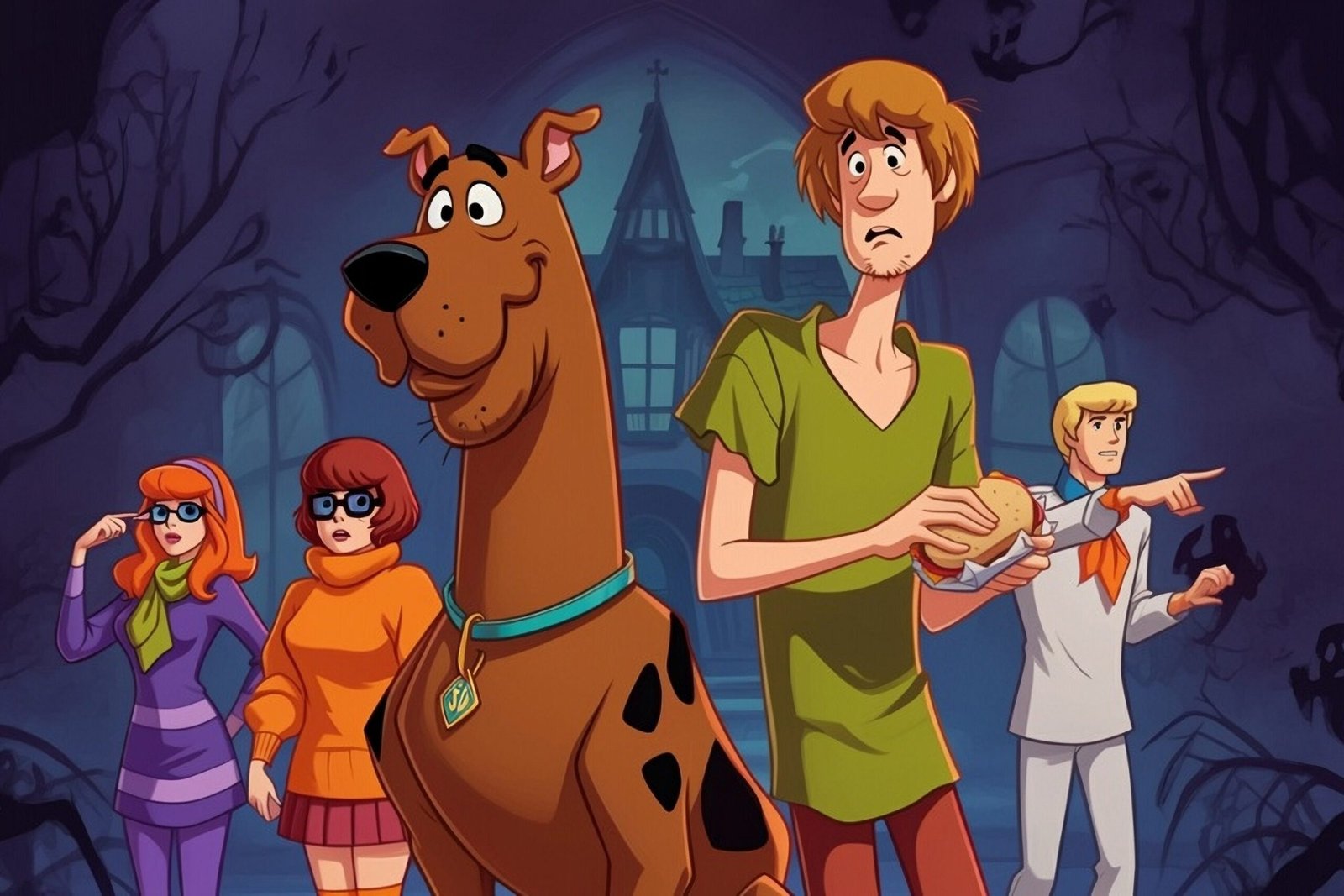
Most fans know him as Shaggy, but his real name is Norville Rogers. Interestingly, the show almost never uses it in the early episodes. It appears occasionally, but not often enough for casual viewers to pick up on it. The nickname became his primary identity almost immediately.
This is one of those details that feels hidden in plain sight. If you weren’t paying attention, you could watch dozens of episodes and never hear it. It adds a small layer of depth to the character. It also reflects how the show prioritized personality over backstory. Shaggy is defined more by his behavior than his name.
6. Velma’s glasses are a recurring plot device
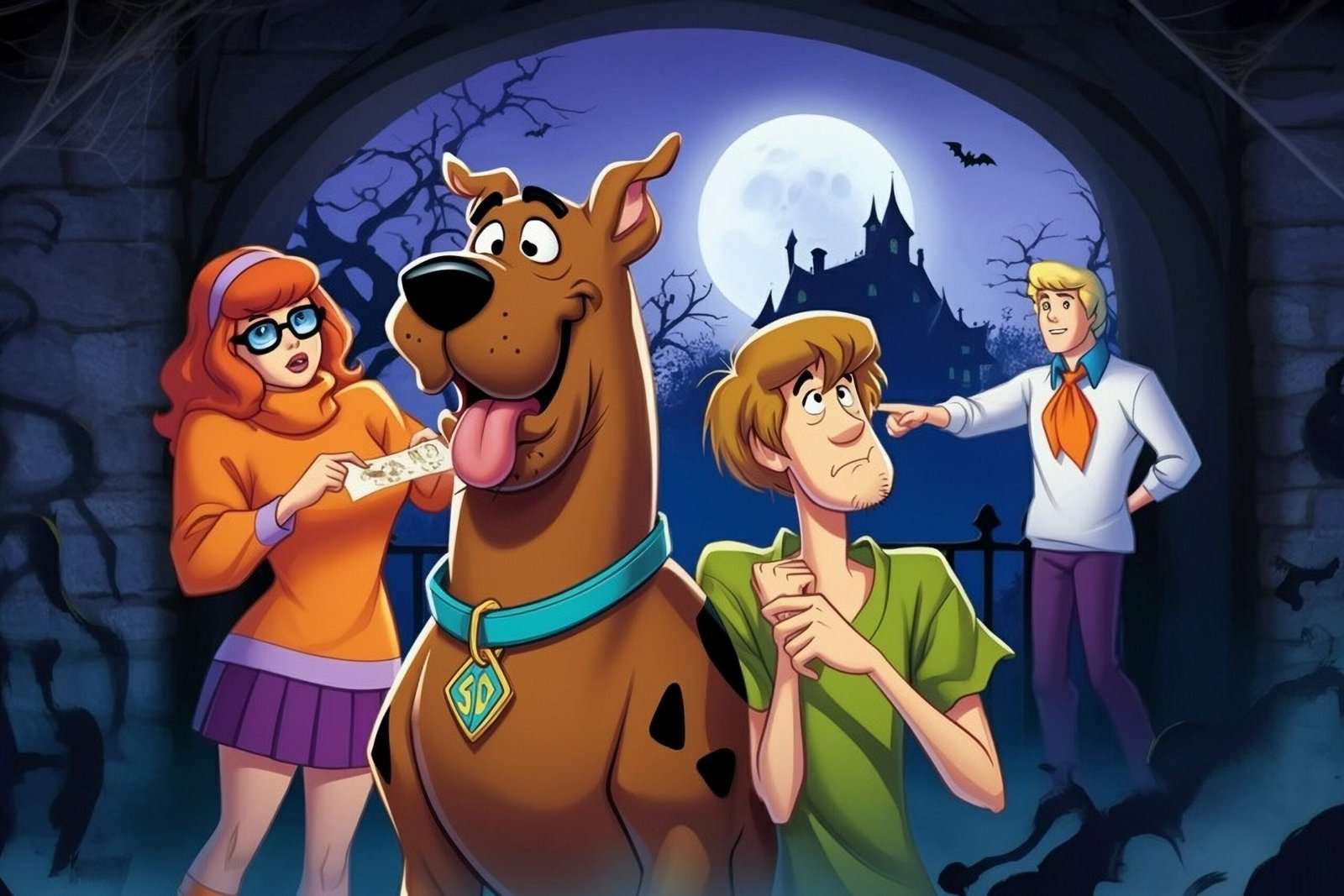
Velma losing her glasses isn’t just a running joke, it’s often tied directly into the plot. When she can’t see, it creates tension or delays the group at key moments. Sometimes it even leads to discovering clues by accident. The repetition of this gag makes it easy to overlook how often it drives the story forward.
It also reinforces Velma’s role as the brain of the group. When she’s impaired, the team struggles more. That small detail highlights how important she is to solving the mystery. It’s a simple visual gag with a practical storytelling purpose. Over time, it became one of the show’s most recognizable bits.
7. The music tracks repeat across episodes
The chase scenes are famous for their upbeat music, but many of those songs are reused. Tracks like “Seven Days a Week” and “Tell Me, Tell Me” appear in multiple episodes. This was another production shortcut that became part of the show’s charm. The music gives the chases a distinct tone that separates them from the rest of the episode.
Because the songs are catchy, the repetition doesn’t feel like a limitation. Instead, it creates a sense of familiarity. Viewers start to associate those tracks with the chaos of the chase. It’s a subtle detail that helps unify the series. The music ends up being just as memorable as the characters.
8. Fred often takes control without explanation
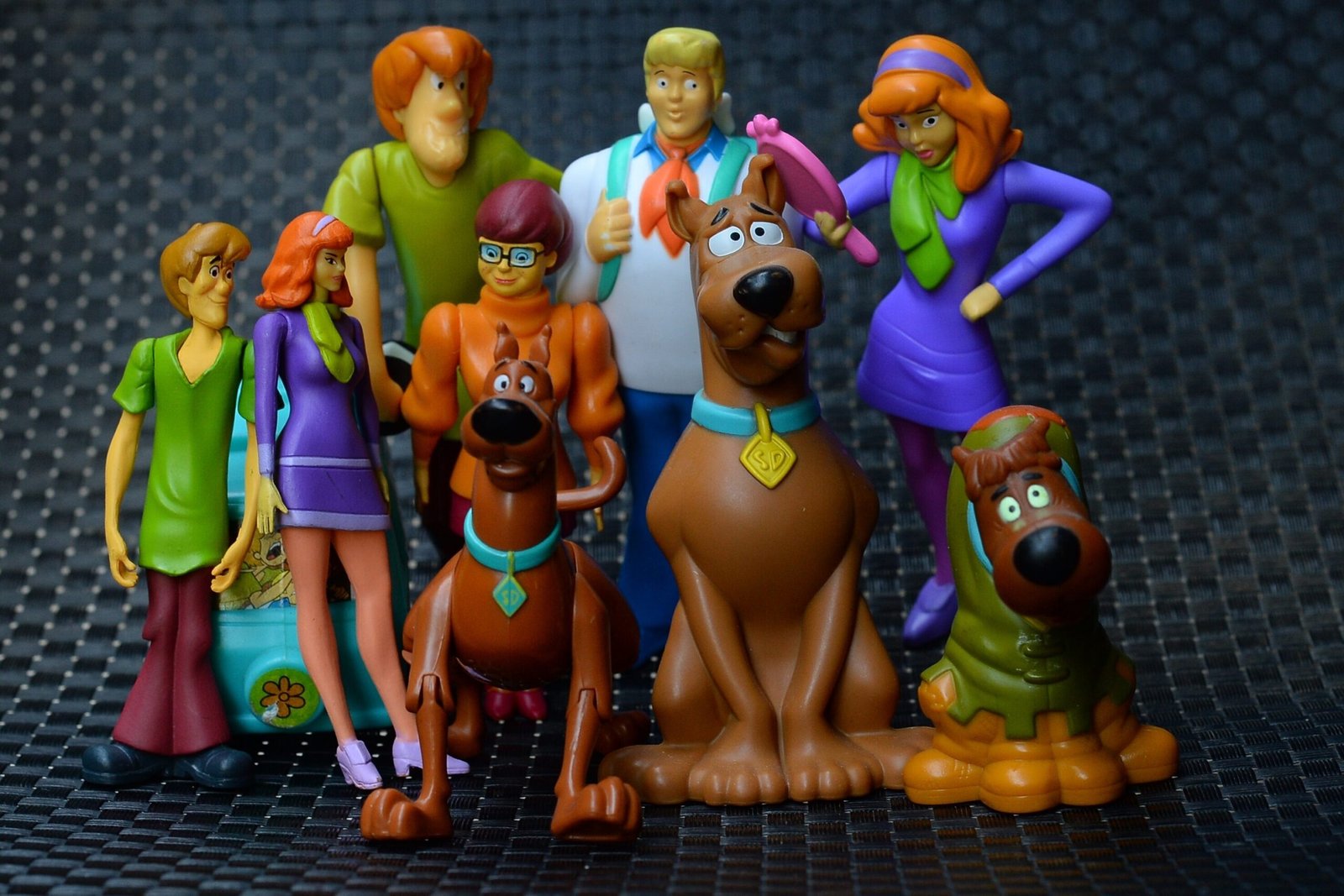
Fred naturally falls into the role of leader, but the show rarely explains why. He’s the one who suggests splitting up and setting traps. The others usually go along with it without much debate. This dynamic is established early and stays consistent.
What’s interesting is how unquestioned his authority is. Even when his plans fail, the group still follows his lead. It’s a quiet detail that shapes how the team operates. The structure keeps the episodes moving at a steady pace. Without it, the group might feel less cohesive.
9. Daphne’s “danger-prone” role evolves over time
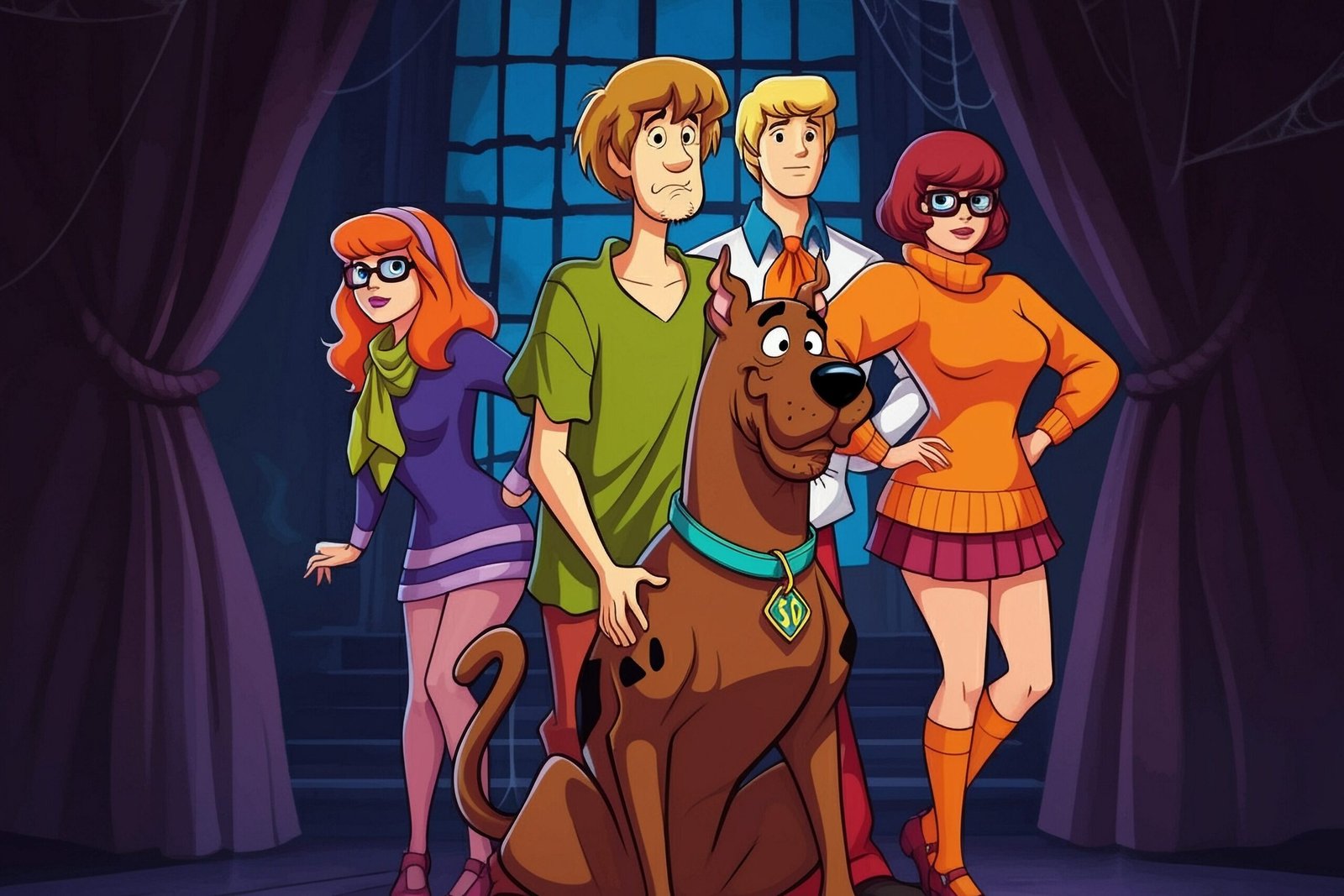
In early episodes, Daphne is often portrayed as the one who gets into trouble. This led to the nickname “Danger-Prone Daphne.” It’s a recurring setup where she ends up captured or trapped. That role becomes a pattern across multiple episodes.
However, even in those early appearances, she’s not entirely passive. She still participates in the investigation and contributes to the group. Over time, later versions of the character become more independent. Looking back, you can see the early hints of that shift. It’s a small but noticeable evolution within the series.
10. The settings are often exaggerated versions of real places
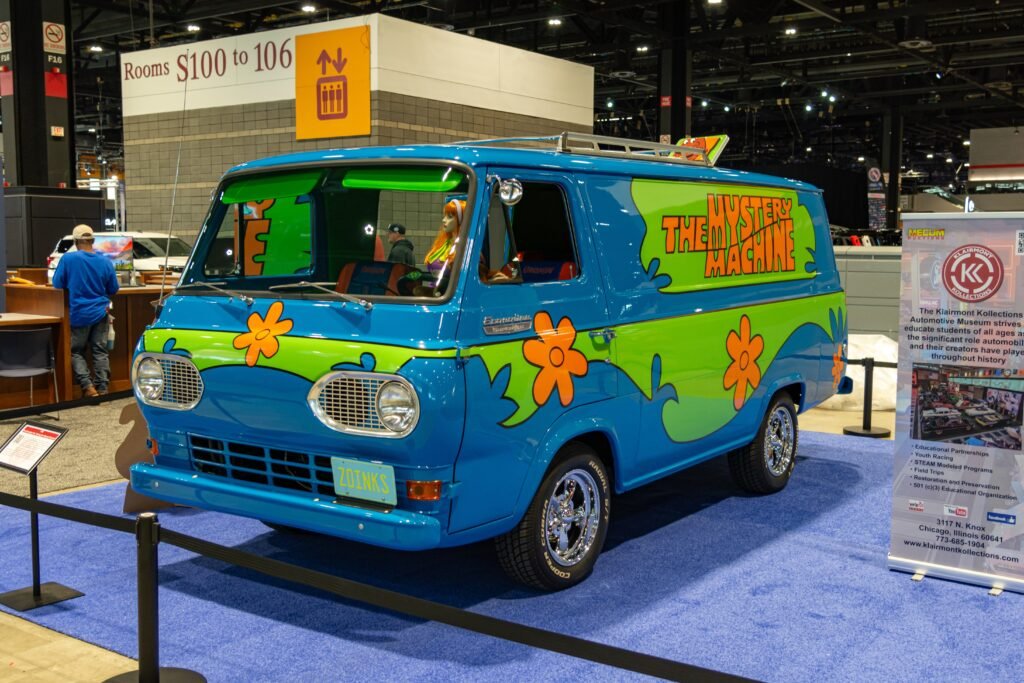
Many episodes take place in locations like haunted mansions, abandoned mines, or spooky amusement parks. While fictional, these settings are based on recognizable real-world environments. The show exaggerates them to create atmosphere without needing complex world-building.
This approach makes the mysteries feel grounded but still fun. Viewers can relate to the idea of these places, even if they’re exaggerated. It also allows the show to reuse similar setups with different twists. That balance between familiar and eerie is part of what makes the episodes work so well.
11. The clues are usually visible if you look closely
Scooby-Doo follows a classic mystery format where clues are shown to the audience. They’re not hidden completely, just easy to miss. Footprints, disguises, and suspicious behavior are often visible before the reveal. This gives attentive viewers a chance to solve the mystery alongside the gang.
It’s one of the reasons the show has such lasting appeal. Kids could rewatch episodes and catch things they missed the first time. The structure rewards observation without making things too complicated. That balance keeps the show engaging across multiple viewings. It’s a subtle but important detail in how the episodes are built.
12. The formula stays consistent on purpose
By the time you’ve seen a few episodes, the structure becomes predictable. The gang arrives somewhere, encounters a monster, splits up, finds clues, and unmasks the villain. This repetition wasn’t accidental, it was part of the design. The creators wanted a format that viewers could easily follow.
That consistency is what made the show so accessible. You could jump into any episode and understand what was happening. It also helped build anticipation, since viewers knew what moments were coming. Instead of feeling repetitive, it became comforting. The formula itself is one of the most defining hidden details of the series.