1. It Premiered in 1983 and Ran for Over Two Decades

Reading Rainbow first aired on PBS on July 11, 1983, at a time when educational programming for kids was expanding but still fairly limited. The show was developed to encourage a love of reading among children, particularly those in elementary school. It ended up running for 23 seasons, with its final episode airing in 2006. That kind of longevity is rare for any TV show, especially one focused on literacy.
During its run, the show produced more than 150 episodes, each centered around a specific theme and book. It became a staple in classrooms and homes across the country, often used as a teaching tool. Many viewers didn’t realize just how long it stayed on the air because PBS programming can feel timeless. For a lot of kids, it simply always seemed to be there.
2. LeVar Burton Wasn’t the First Choice

LeVar Burton became the face of the show, but he wasn’t originally guaranteed the role. Producers considered several candidates before ultimately choosing him. Burton had already gained recognition from Roots, which gave him credibility and visibility.
Once he joined, though, he quickly became essential to the show’s identity. His calm, engaging delivery helped make reading feel approachable rather than intimidating. It’s difficult to imagine the series working as well with anyone else. Over time, Burton became synonymous with the show itself.
3. The Theme Song Changed After Season One

The familiar theme song that most people remember wasn’t actually used in the first season. Early episodes featured a different musical arrangement before the iconic version was introduced. That later version became one of the most recognizable theme songs in children’s television.
The lyrics emphasized imagination and discovery, which aligned closely with the show’s mission. Many viewers can still recall it word for word decades later. It’s one of those rare cases where a theme song becomes just as memorable as the show. The change early on helped define its long-term identity.
4. It Was Inspired by a Real Literacy Crisis
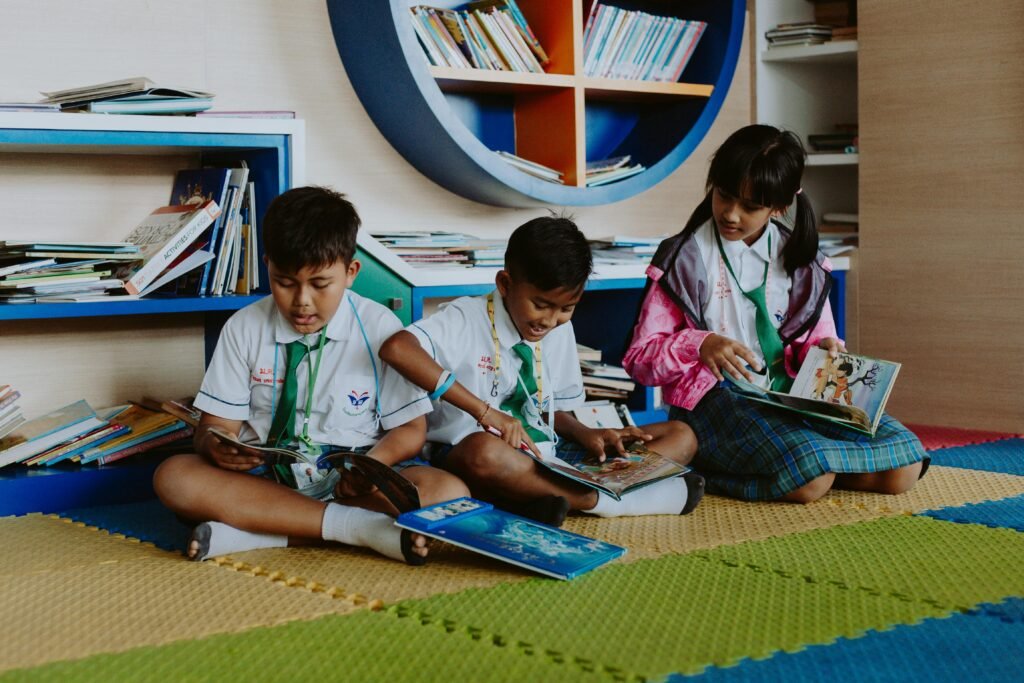
The show wasn’t created just for entertainment, it was designed to address declining reading interest among children. Educators in the late ’70s and early ’80s were concerned that kids were reading less for pleasure. Television was often seen as part of the problem, so PBS tried to make it part of the solution.
Reading Rainbow aimed to connect books with visual storytelling, making reading feel exciting instead of like homework. Each episode tied a book to real-world experiences and themes. That approach helped bridge the gap between passive viewing and active reading. It was a deliberate educational strategy, not just a creative idea.
5. The Book Reviews Were Done by Real Kids
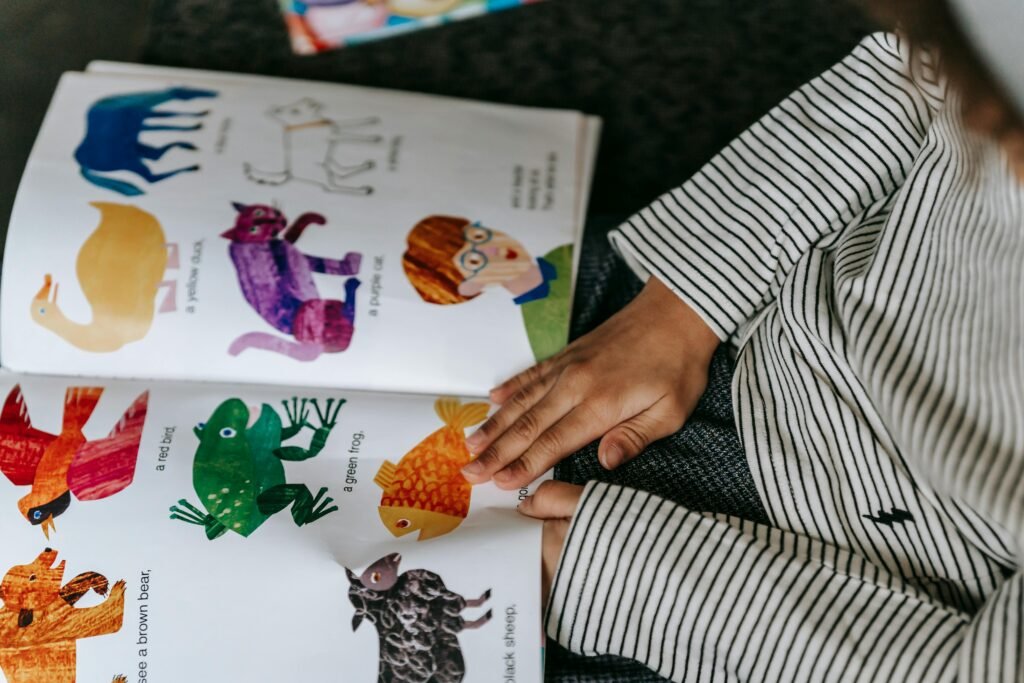
One of the show’s most distinctive features was its book review segment, where children shared their thoughts. These weren’t scripted performances by actors. The kids were real readers offering genuine reactions to books they had read.
This added a level of authenticity that resonated with viewers. Hearing other kids talk about books made reading feel more relatable. It also gave young viewers a sense that their opinions mattered. That segment became one of the most beloved parts of the show.
6. It Won More Than 20 Emmy Awards
Reading Rainbow was not just popular, it was critically acclaimed. Over its run, it won more than 20 Daytime Emmy Awards. It also received a Peabody Award, which is given for excellence in storytelling and public service.
Those honors reflected its impact on children’s education and media. It consistently stood out in a crowded field of kids’ programming. The awards also helped reinforce its credibility with parents and educators. It wasn’t just entertaining, it was respected.
7. Each Episode Was Built Around a Theme

Rather than focusing on a single book alone, each episode centered on a broader theme. Topics ranged from friendship to science to cultural traditions. The featured book would connect to that theme, along with field segments and interviews.
This structure helped children see how reading related to the world around them. It also kept the show from feeling repetitive. By exploring different topics, it stayed fresh over many seasons. The format made it both educational and engaging.
8. The Show Was Filmed All Over the World
LeVar Burton traveled extensively for the show, visiting locations across the United States and beyond. Episodes included segments filmed in places like factories, farms, and cultural landmarks. These trips helped bring the themes of each episode to life.
For many viewers, it was their first exposure to places they had never seen before. The travel aspect expanded the show beyond books alone. It gave children a broader sense of curiosity about the world. That combination of reading and exploration was central to its appeal.
9. It Was Funded in Part by the Corporation for Public Broadcasting
Like many PBS programs, Reading Rainbow relied on public funding. The Corporation for Public Broadcasting played a key role in supporting the show. Additional funding came from sponsors and educational grants.
This funding model allowed the show to remain free of commercial interruptions. It also meant the content could stay focused on education rather than advertising. That distinction set it apart from many other children’s programs. The goal was always learning first.
10. It Helped Boost Book Sales
Books featured on the show often saw a noticeable increase in popularity. Being highlighted on Reading Rainbow gave authors and publishers valuable exposure. Libraries and schools frequently stocked those titles after episodes aired.
This effect helped introduce children to a wide range of literature. It also supported the publishing industry in a meaningful way. Some books became long-term favorites because of their appearance on the show. The influence extended beyond television into reading habits.
11. The Show Avoided Teaching Reading Skills Directly

Unlike some educational programs, Reading Rainbow didn’t focus on phonics or basic reading instruction. Instead, it emphasized the joy of reading and storytelling. The idea was to motivate children to want to read on their own.
This approach complemented classroom learning rather than replacing it. By focusing on interest and curiosity, it helped build lifelong reading habits. It treated reading as something enjoyable, not just a skill to master. That distinction was intentional.
12. It Was One of the First Shows to Promote Diversity in Children’s Books
The show regularly featured books with diverse characters and perspectives. This included stories from different cultures, backgrounds, and experiences. At a time when representation in children’s media was more limited, this was significant.
It helped broaden the types of stories children were exposed to. Viewers could see themselves reflected in books or learn about others’ experiences. This focus was part of the show’s educational mission. It encouraged empathy alongside literacy.