1. Walking Through Those Automatic Doors Felt Like Entering Another World
There was something about those sliding glass doors that instantly changed your mood. One second you were in a regular parking lot, and the next you were stepping into a place filled with color, noise, and possibility. The lighting always seemed brighter inside, almost like everything was designed to grab your attention. You could hear kids talking, boxes being moved, and the occasional demo toy making noise somewhere in the distance. Even the smell was different, a mix of plastic, cardboard, and whatever new products had just been unpacked. It felt like a place where normal rules didn’t quite apply. You weren’t just going shopping, you were entering a space built entirely for fun.
That first moment inside often set the tone for the entire visit. You’d pause just long enough to take it all in before heading deeper into the store. There was no clear starting point, which made it feel more like exploration than an errand. Every direction looked promising, and you didn’t want to miss anything. Even if you came in for one specific toy, you knew it wasn’t going to be a quick trip. The experience started the second those doors opened, and it stayed with you long after you left.
2. The Aisles Felt Endless
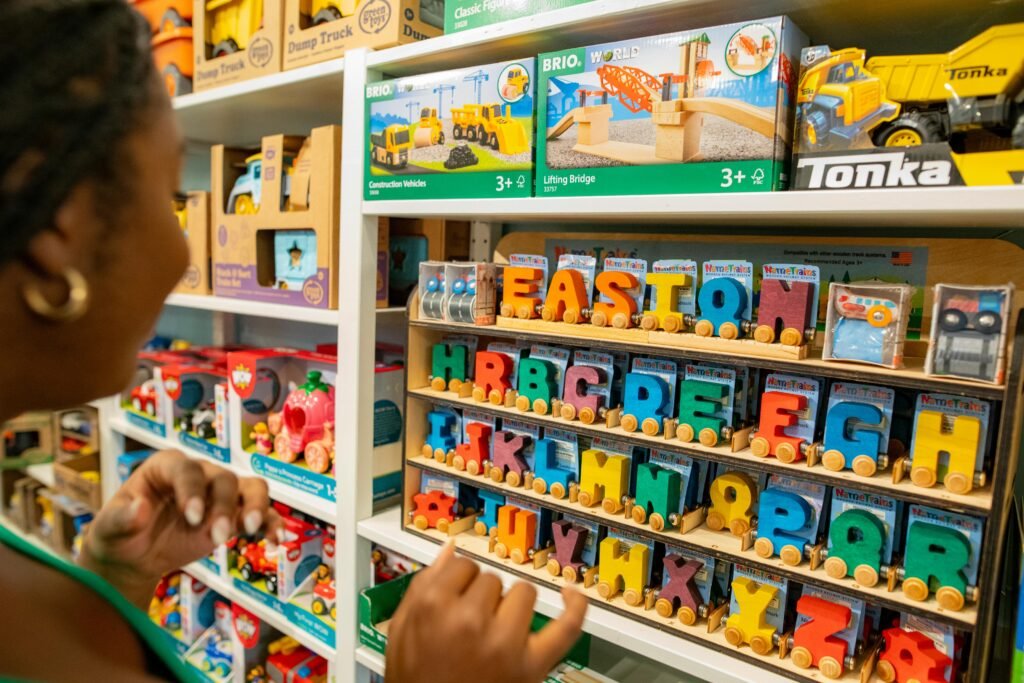
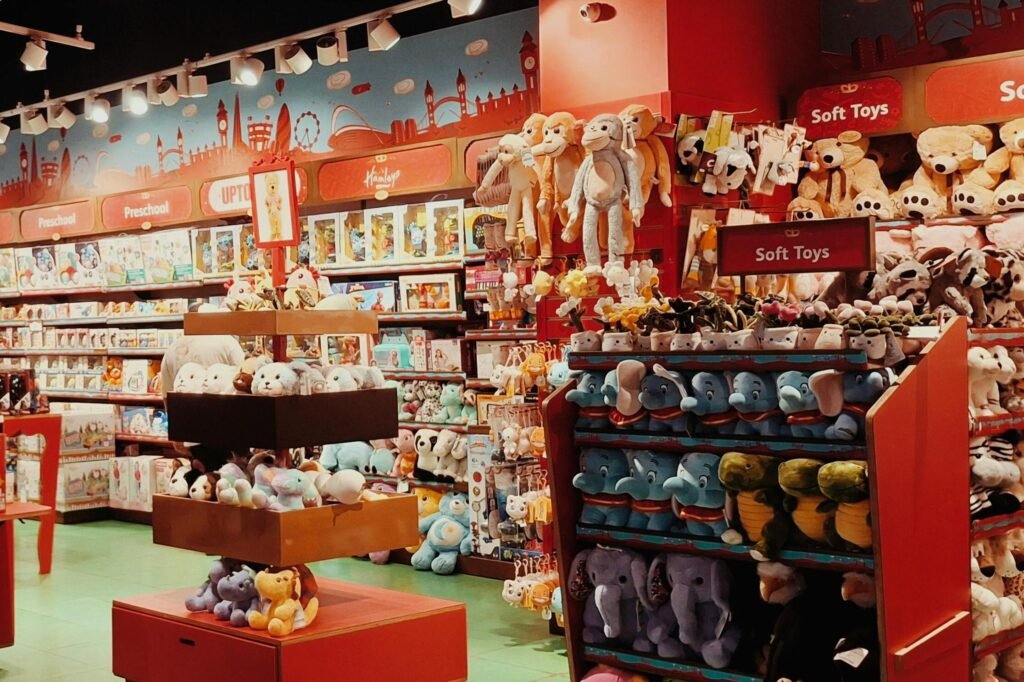
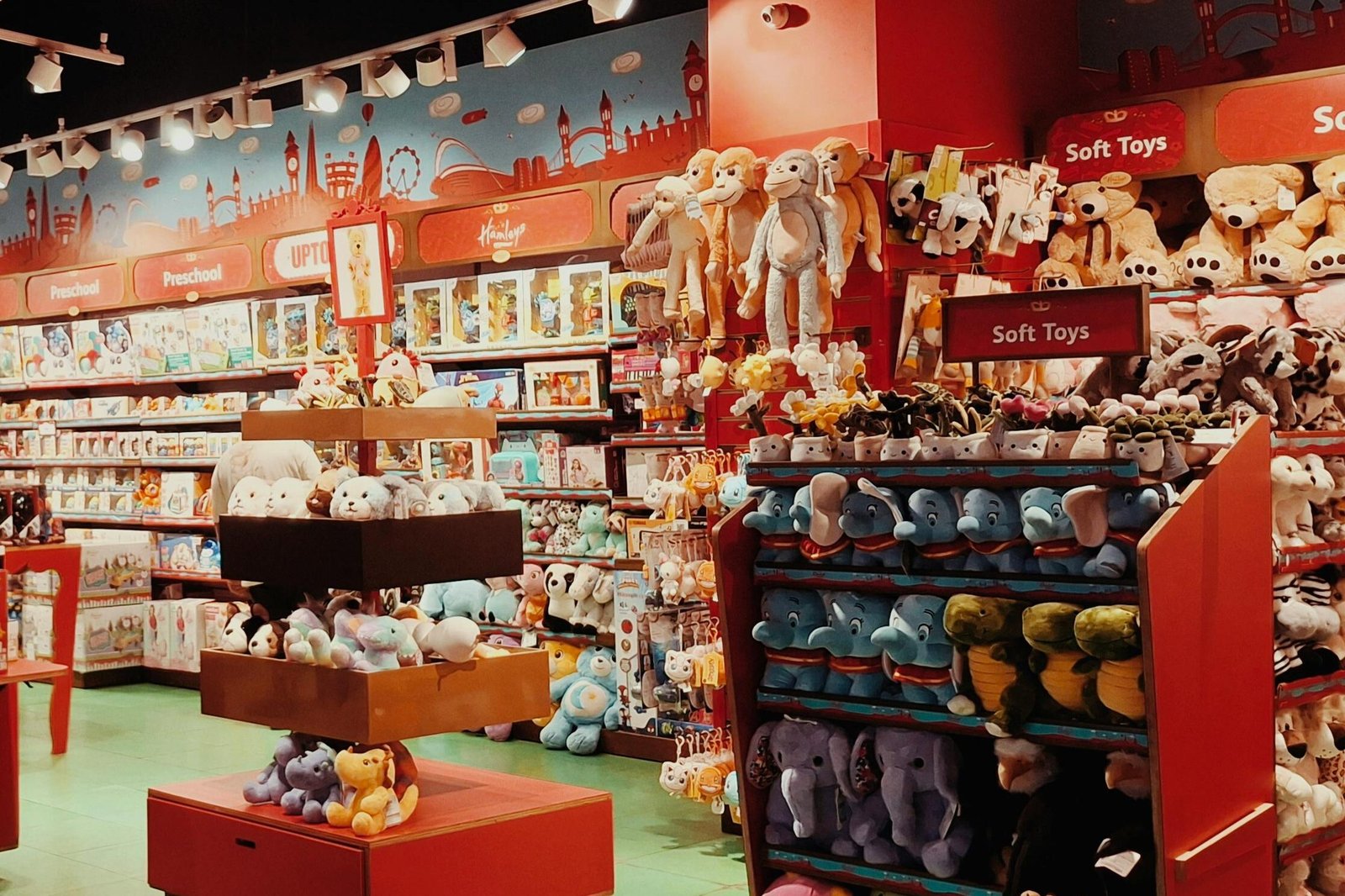
Toy store aisles always seemed longer than they actually were. When you were a kid, each one felt like it stretched on forever, packed from floor to ceiling with options. You could spend ten minutes in a single aisle without realizing it, just scanning every box. The shelves weren’t just stocked, they were overflowing, which made everything feel abundant. It gave you the sense that there was always something new to discover just a few steps ahead. Even turning a corner into the next aisle felt like entering a new section of the adventure.
That layout encouraged wandering instead of rushing. You didn’t go in a straight line, you zigzagged, doubled back, and sometimes revisited the same aisle more than once. Each pass revealed something you missed before, whether it was a smaller toy tucked behind a bigger one or a different version of something you already liked. The scale of it all made time feel slower. You could lose track of how long you’d been there without even noticing. That sense of endlessness is what made the visit feel like a journey instead of a stop.
3. Everything Was Organized by Imagination
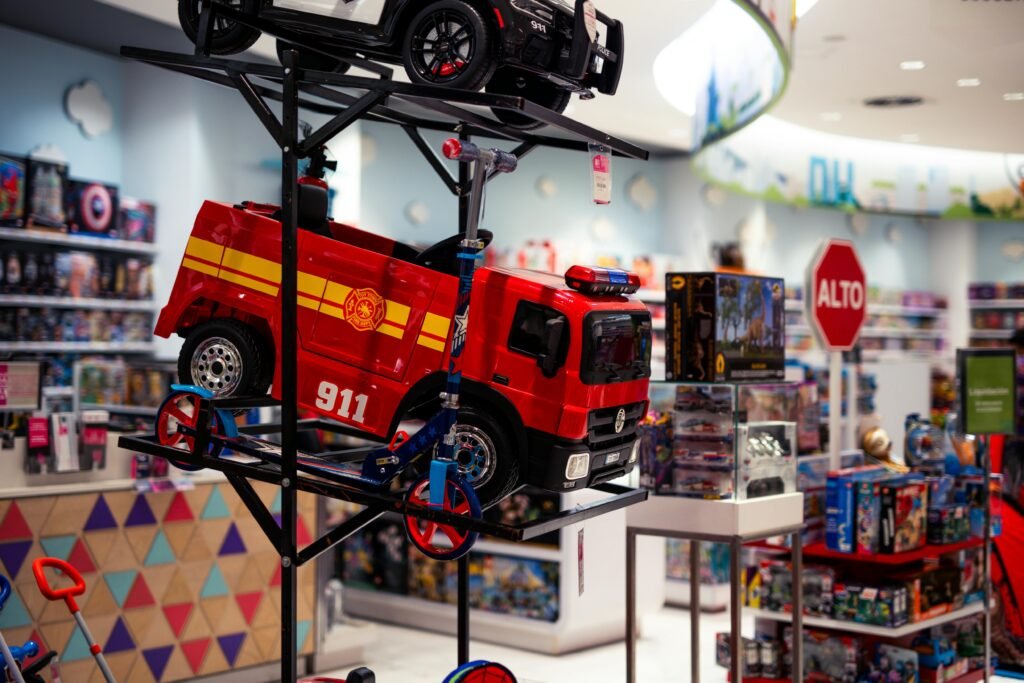
Unlike most stores, toy stores weren’t organized in a way that felt practical, they were organized by interest. One aisle might be all action figures, another filled with dolls, and another stacked with board games. It wasn’t about categories in a strict sense, it was about creating little worlds within the store. Each section had its own energy and its own kind of excitement. You could step from superheroes into puzzles and then into stuffed animals within a few minutes. It felt less like browsing products and more like moving between different stories.
That kind of organization made it easy to follow your curiosity. You didn’t need a plan, you just went where your attention pulled you. If you liked something, there was usually an entire section dedicated to it. That made every interest feel important and worth exploring. It also meant you could discover new things just by wandering into a different aisle. The store quietly encouraged you to imagine more, not just pick something and leave.
4. The Boxes Told You Everything You Needed to Know
Toy packaging wasn’t subtle, it was designed to catch your eye and hold it. Bright colors, bold logos, and photos showing exactly how the toy worked made every box feel like a promise. You could stand there reading the back for minutes, studying every detail. Instructions, features, and little scenes printed on the box helped you picture how it would look at home. Sometimes the images made the toy seem even bigger or more exciting than it really was. It turned each box into a small experience before you even opened it.
Those boxes also gave you time to imagine owning the toy. You could picture where you’d keep it, how you’d use it, and who you’d show it to. Even if you didn’t end up buying it, you still spent time with it in your head. That made the visit feel full, even without a purchase. It wasn’t just about getting something, it was about considering everything. The packaging did a lot of the storytelling for you, and it made the whole process more immersive.
5. Demo Stations Made It Feel Hands-On
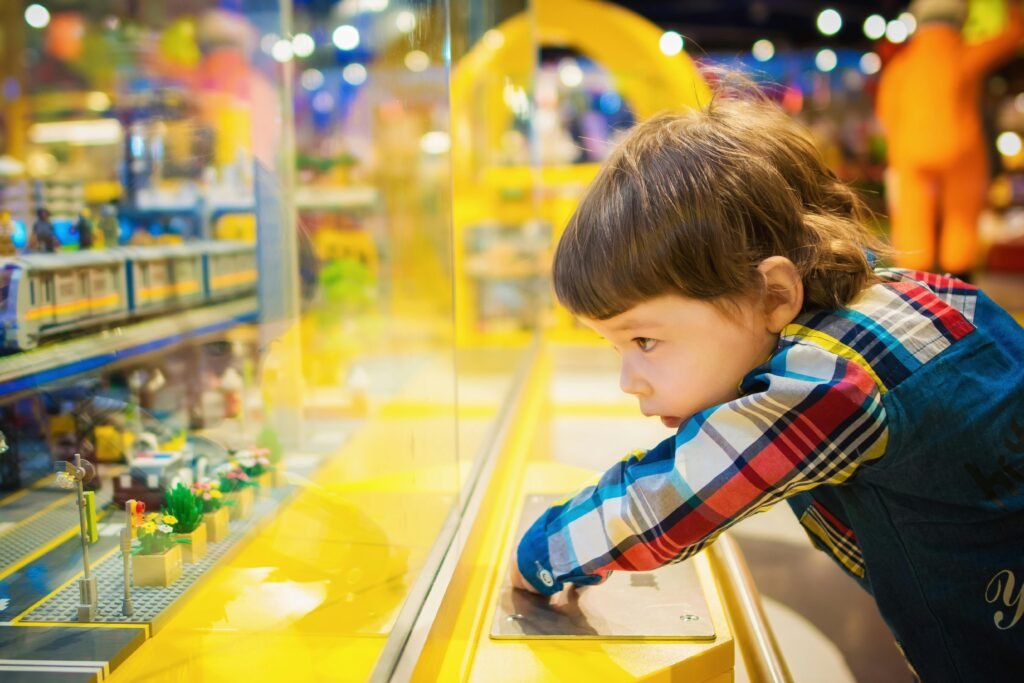
Some toy stores had demo stations where you could actually try things out. Whether it was a video game setup or a toy you could press buttons on, those areas always drew a crowd. It was one of the few places where touching the product was encouraged instead of discouraged. You didn’t have to imagine how it worked, you could experience it right there. That made the toy feel more real and more exciting. Watching other kids try it first only built the anticipation.
Waiting your turn at a demo station was part of the experience too. You’d stand there watching closely, learning how it worked before you even touched it. When it was finally your turn, it felt like a small event. Even a few minutes with a toy could leave a strong impression. It gave you something to talk about on the way home. That hands-on element made the store feel interactive instead of passive.
6. Holiday Displays Raised the Stakes
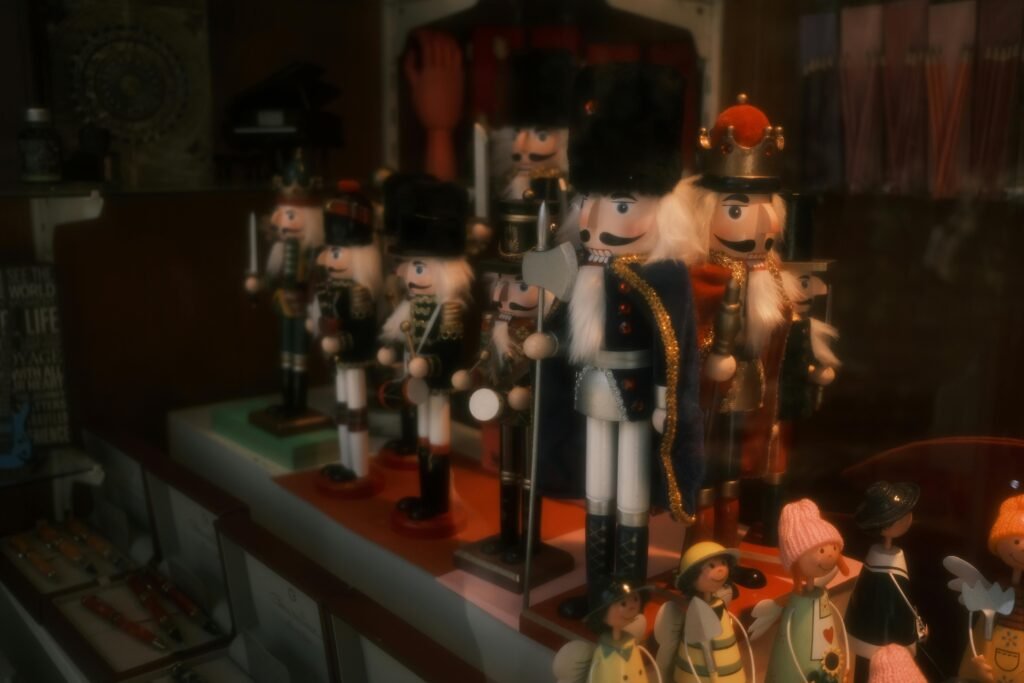
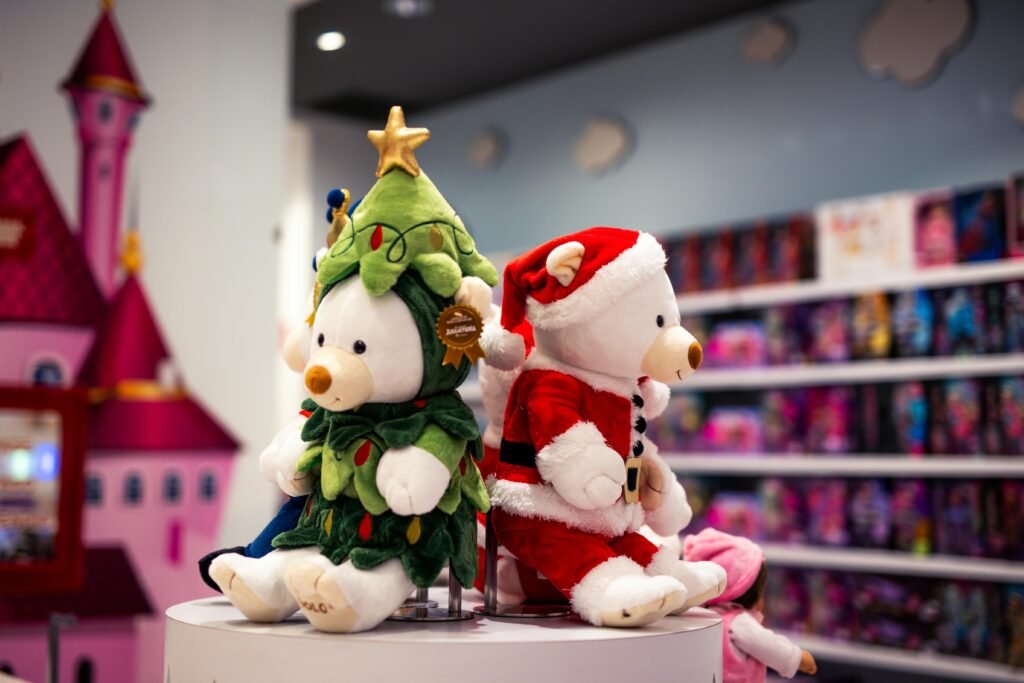
During the holidays, toy stores changed in noticeable ways. There were themed displays, larger stacks of popular toys, and sometimes decorations that made everything feel more urgent. It was clear that certain items were in high demand, even if you didn’t fully understand why. Seeing something featured prominently made it feel important. It added a layer of excitement, like you were looking at something everyone wanted. The atmosphere felt busier, louder, and more intense.
That seasonal shift also made visits feel more meaningful. You knew there was a chance you might not come back before a big holiday. That added a sense of decision-making to the experience. You paid closer attention, knowing what you picked might matter more than usual. Even just walking through those displays made the visit feel bigger. It wasn’t just another trip, it felt tied to something special.
7. The Wish List Started Forming Immediately
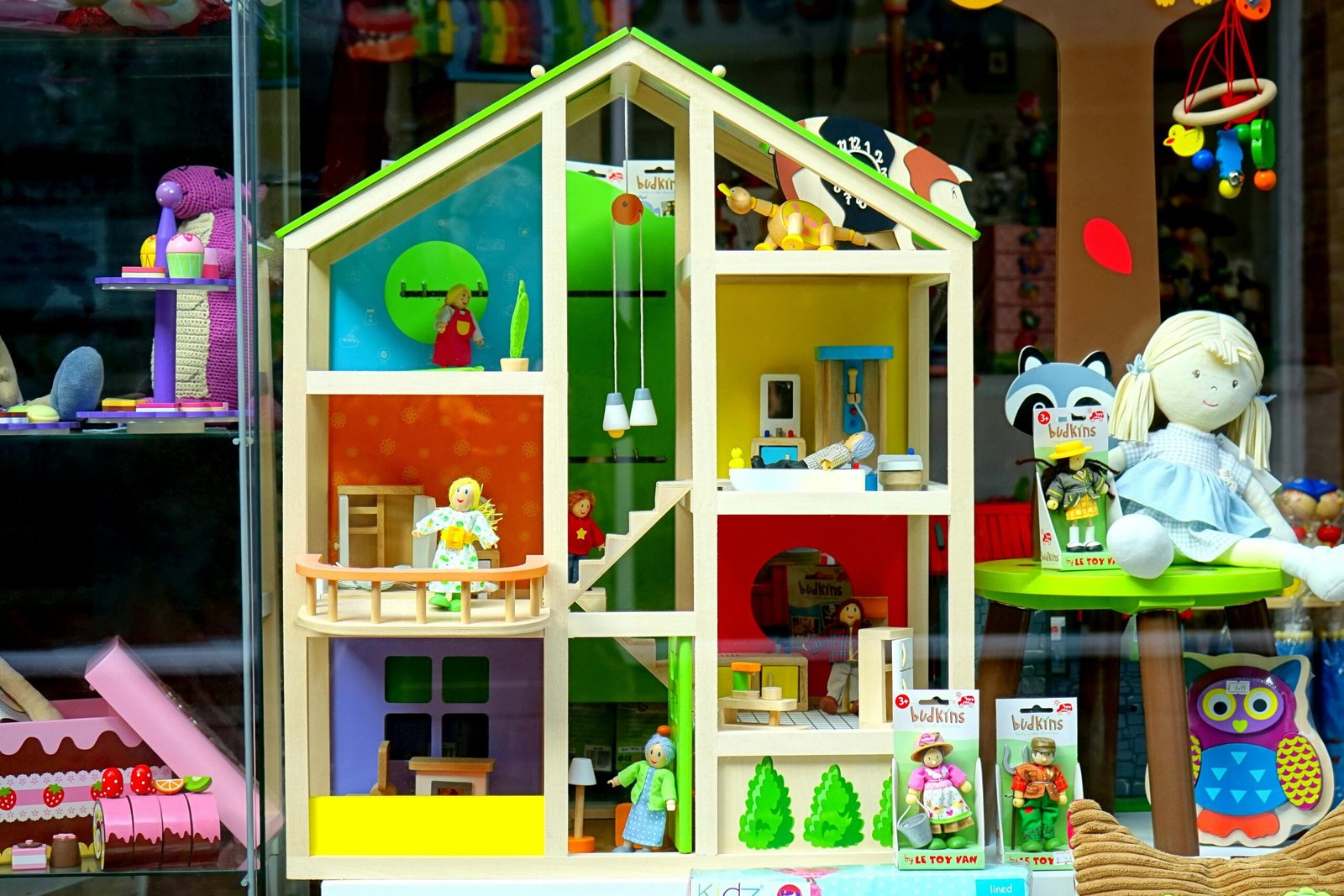
You rarely walked into a toy store with just one thing in mind. Within minutes, you were mentally adding items to a growing list. Each aisle added something new you hadn’t considered before. It didn’t take long for your priorities to shift as you discovered better or more interesting options. That process was part of the fun, even if it made decisions harder. You weren’t just choosing, you were constantly reevaluating.
That evolving wish list made the experience feel dynamic. What you wanted at the entrance might not be what you wanted at the checkout. You’d compare, reconsider, and sometimes even circle back to earlier picks. It wasn’t a straight path, it was more like a loop. Even if you left with nothing, you still walked out with ideas for next time. The visit stayed with you because your list didn’t really disappear.
8. You Could Actually Take Your Time
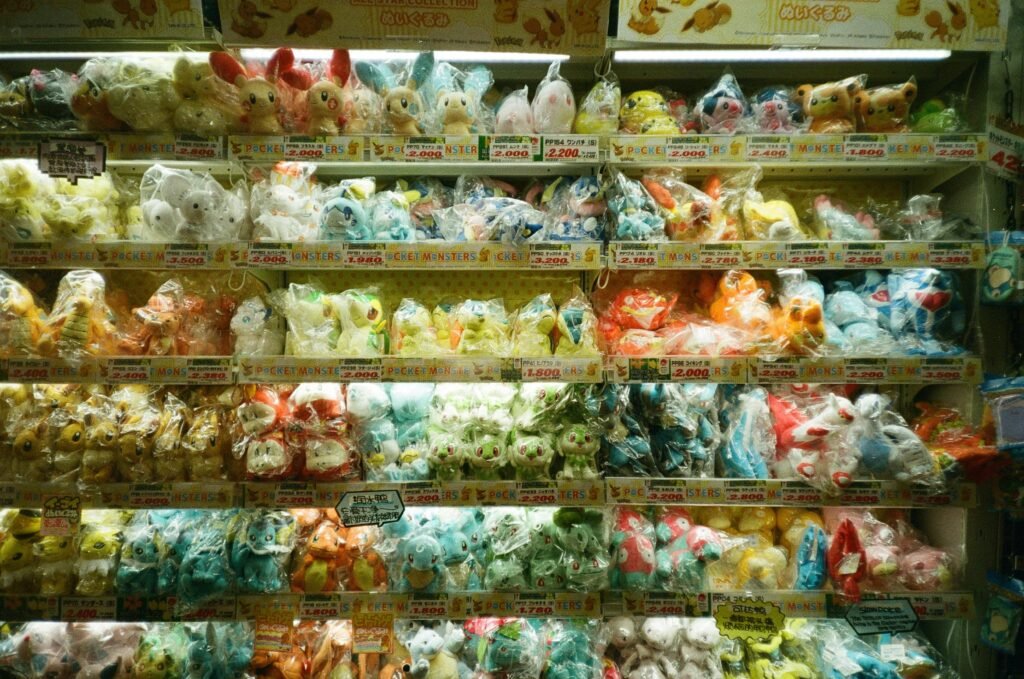
Unlike most errands, there was rarely pressure to move quickly in a toy store. Parents might encourage you to decide, but there was still space to look around. The environment itself didn’t feel rushed. You could linger in one section, then drift into another without a strict timeline. That freedom made the experience feel relaxed instead of transactional. It gave you time to fully take everything in.
That slower pace made each visit feel more complete. You weren’t just scanning shelves, you were considering options and enjoying the process. It turned what could have been a quick stop into something longer and more memorable. Even waiting in line didn’t feel like a chore because you were still surrounded by things to look at. The store seemed designed to keep your attention until the very end.
9. Other Kids Were Part of the Experience
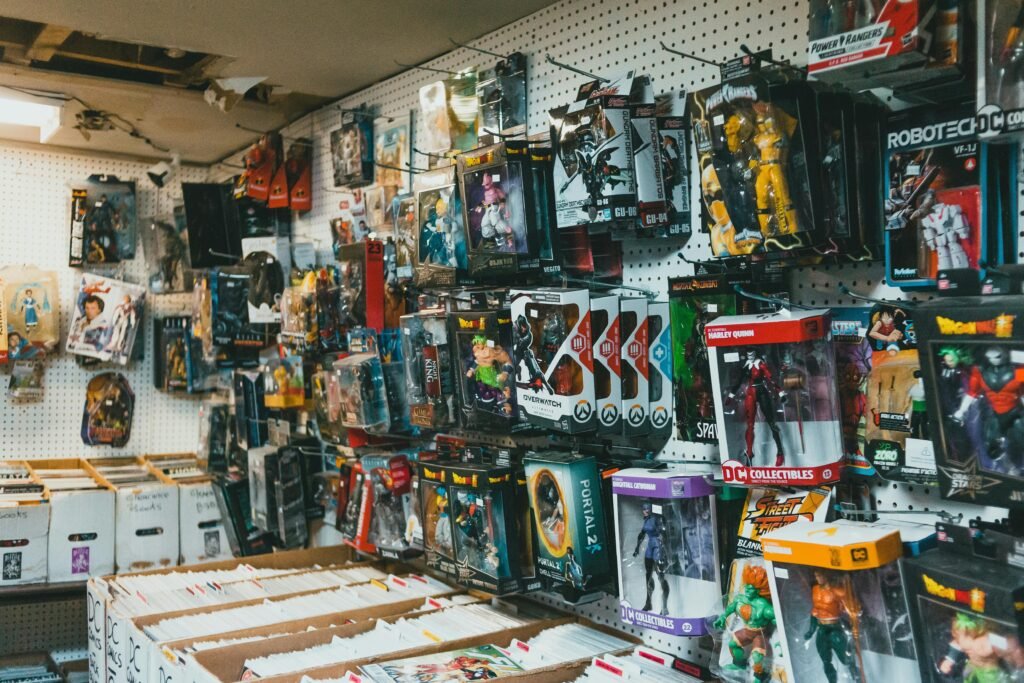
You weren’t the only one exploring, and that added to the atmosphere. Seeing other kids react to toys gave you clues about what was exciting. If a group gathered around something, it made you curious too. You’d overhear conversations, recommendations, and reactions in real time. It created a kind of shared experience without anyone really planning it. Everyone was there for the same reason, even if they didn’t know each other.
That sense of shared excitement made the store feel lively. You might end up looking at something just because someone else pointed it out. It added a social element that most stores didn’t have. Even brief interactions, like taking turns at a demo, made the visit more memorable. You left with a sense that you were part of something bigger than just your own shopping trip.
10. The Bigger Stores Felt Almost Overwhelming
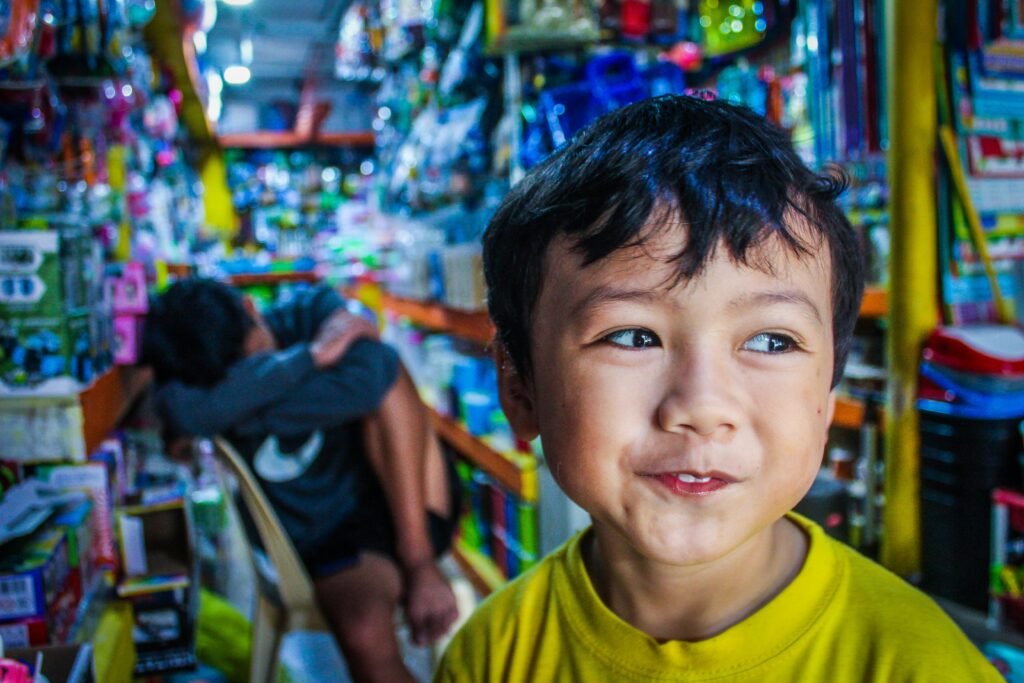
Places like Toys ‘R’ Us were on a different scale entirely. The size alone could make it hard to decide where to start. There were towering shelves, wide aisles, and sections that seemed to go on forever. For a kid, it could feel almost too big to fully explore in one visit. That overwhelming feeling wasn’t negative, it was part of the excitement. It meant there was always more to see.
That scale also made each trip feel unique. You couldn’t possibly take in everything at once, so every visit revealed something new. Even returning to the same store didn’t feel repetitive. The layout and sheer volume of products kept it interesting. It turned a simple store into something closer to an experience. You didn’t just go there, you navigated it.
11. The Checkout Area Was Its Own Mini World
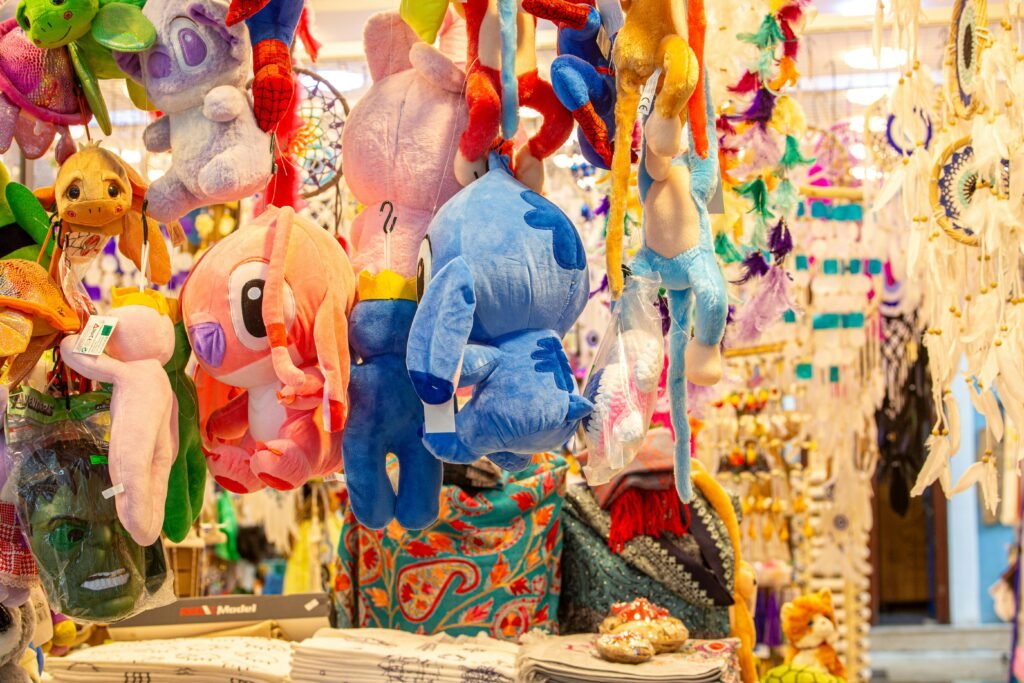
Even when you reached the checkout, the experience wasn’t over. That area was often filled with smaller toys, candy, or last-minute add-ons. It gave you one final chance to spot something you hadn’t noticed before. Waiting in line became another opportunity to browse. You’d scan the racks, hoping to find one more thing worth asking for. It stretched the experience just a little longer.
That final stretch could sometimes change your decision. You might swap something out or add something small at the last minute. It kept the excitement going right up until the purchase was complete. Even after paying, you’d often look back at what you were leaving behind. The checkout wasn’t just the end, it was part of the adventure too.
12. Leaving Meant Carrying the Experience With You
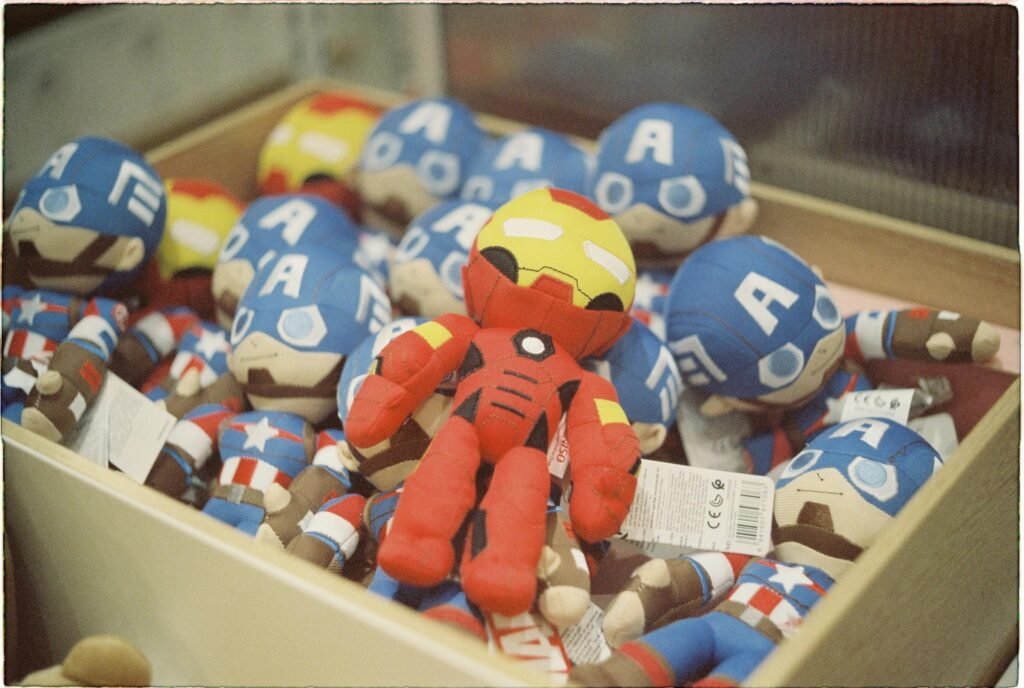
Walking out of the store always felt different from walking in. If you had a bag, it felt like you were carrying something important. Even if you didn’t, you still left with strong impressions of what you saw. The experience didn’t stop at the door, it followed you home. You’d think about the toys you almost chose and the ones you actually did. It stayed in your mind longer than most errands.
That lingering feeling was part of what made the visits memorable. You might talk about it in the car or later that day. The store gave you something to replay in your head. It wasn’t just about ownership, it was about the entire experience. Even a short visit could stick with you for a while.
13. Every Visit Felt a Little Different
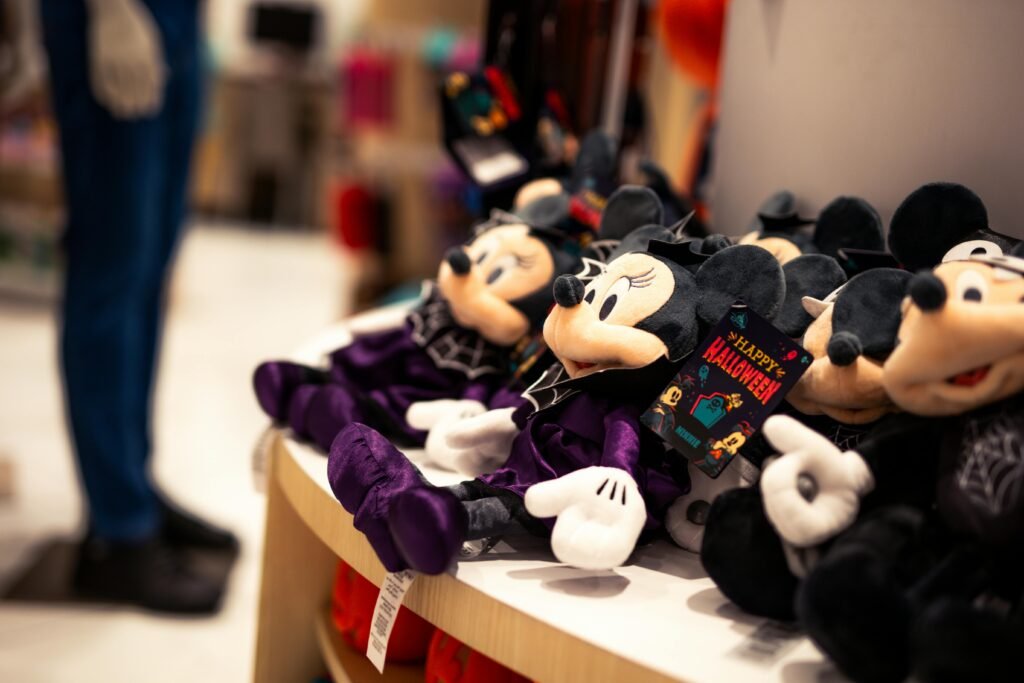
No two trips to the toy store felt exactly the same. New toys would show up, displays would change, and your interests would shift over time. Something you ignored one visit might become the main focus the next. That constant change kept the experience fresh. It made each trip feel like a new opportunity instead of a repeat.
That unpredictability is what made it feel like an adventure. You never knew exactly what you were going to find or what would catch your attention. Even familiar aisles could surprise you. It kept you engaged in a way that few other places could. The store wasn’t static, and neither was your experience of it.