
1. Alan Rickman
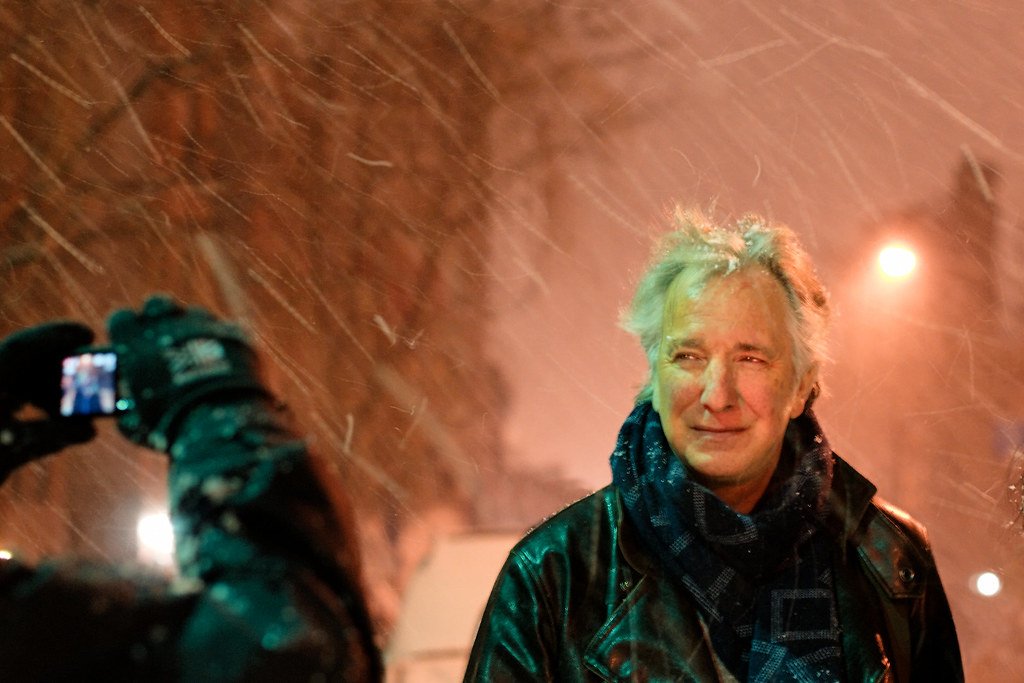
Alan Rickman worked in theater and television for years before Hollywood audiences really took notice of him. His breakthrough came when he was already 41 years old and cast as the villain Hans Gruber in the 1988 film Die Hard. The role instantly made him one of the most memorable screen villains of the era. Rickman’s smooth voice and dry delivery turned what could have been a typical action movie antagonist into something unforgettable.
Before that film, Rickman had mostly built a reputation on the British stage, including work with the Royal Shakespeare Company. After Die Hard, his film career expanded quickly, with roles in Robin Hood: Prince of Thieves and Sense and Sensibility. A whole new generation later came to know him as Professor Snape in the Harry Potter series. It is easy to forget that Rickman did not become a movie star until well into his forties. His career proved that patience and timing can sometimes make a debut even more powerful.
2. Morgan Freeman
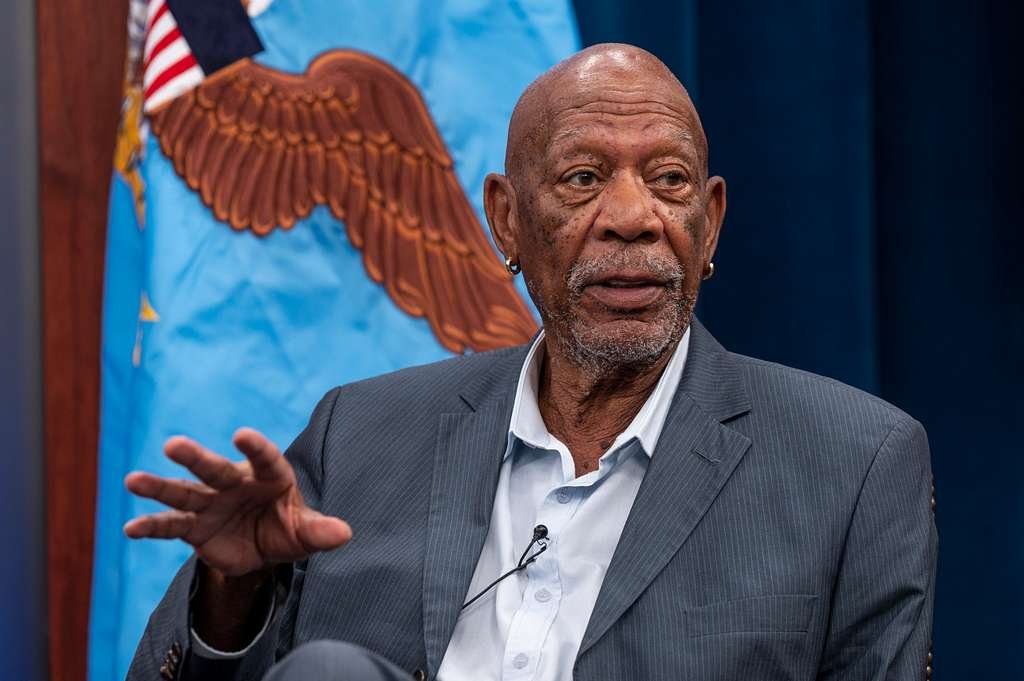
Morgan Freeman is now one of the most recognizable actors in the world, but that level of fame came relatively late. He had been acting for decades on stage and television before breaking through in his late forties. One of his earliest widely known roles was on the children’s television show The Electric Company in the 1970s. Still, it was not until the 1987 film Street Smart that Hollywood really began paying attention.
Freeman received an Academy Award nomination for that performance when he was 50 years old. From there, he quickly became one of the most respected actors in the industry. Films like Driving Miss Daisy, The Shawshank Redemption, and Se7en cemented his reputation. His calm presence and distinctive voice made him a favorite for both dramatic roles and narration work. Looking back, it is striking that his most famous period of success did not begin until midlife.
3. Samuel L. Jackson
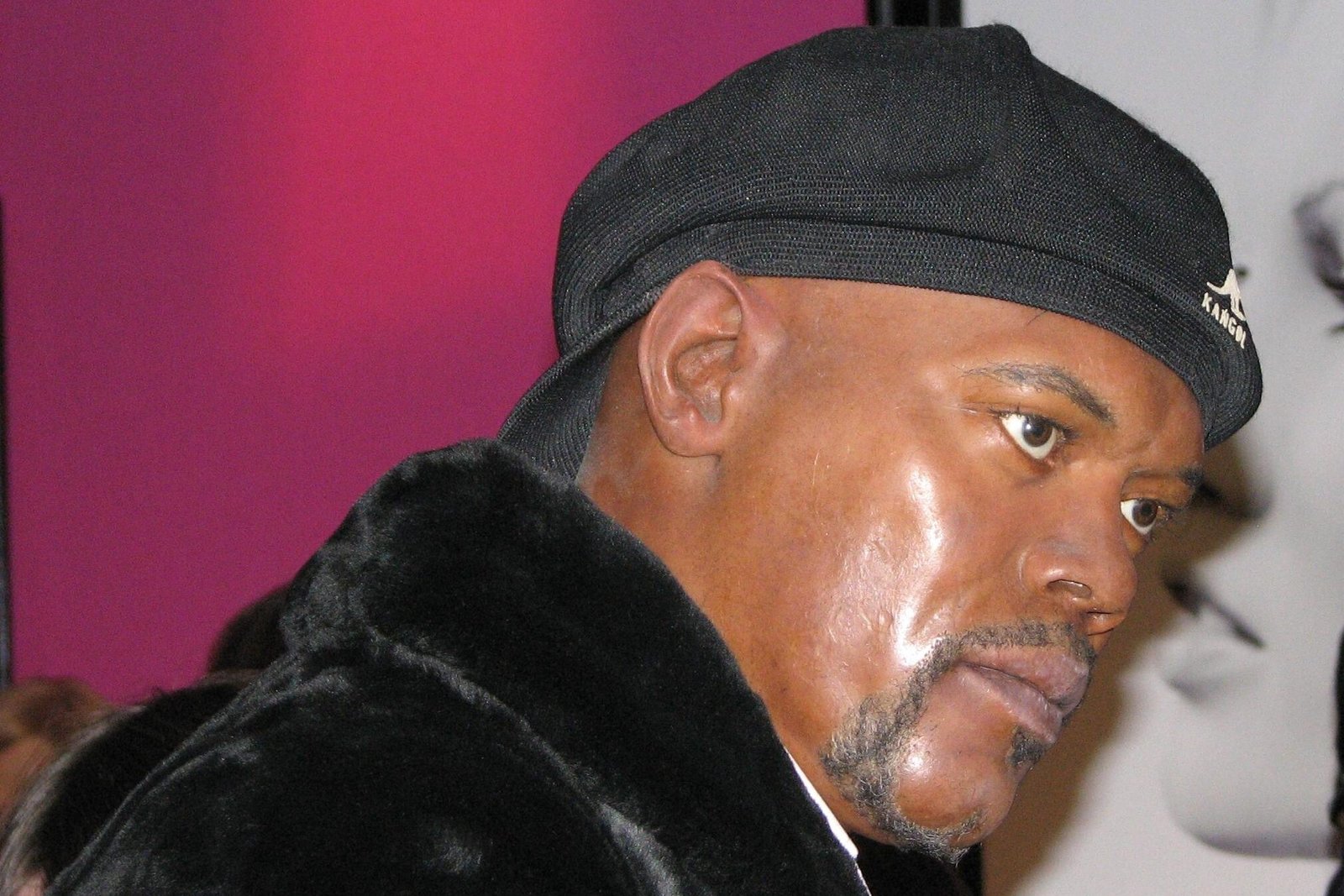
Samuel L. Jackson spent many years working steadily before becoming a household name. During the 1980s and early 1990s he appeared in supporting roles in films like Do the Right Thing and Goodfellas. While respected, he was not yet a major star. That changed dramatically in 1994 with Quentin Tarantino’s Pulp Fiction.
Jackson was 45 when he played Jules Winnfield, the philosophical hitman whose monologues became instantly famous. The role earned him an Academy Award nomination and launched a new phase of his career. From that point on, he became one of the most prolific actors in Hollywood. Major roles in the Star Wars prequel trilogy and the Marvel Cinematic Universe followed. His rise shows how one unforgettable performance can shift a career overnight.
4. Kathy Bates
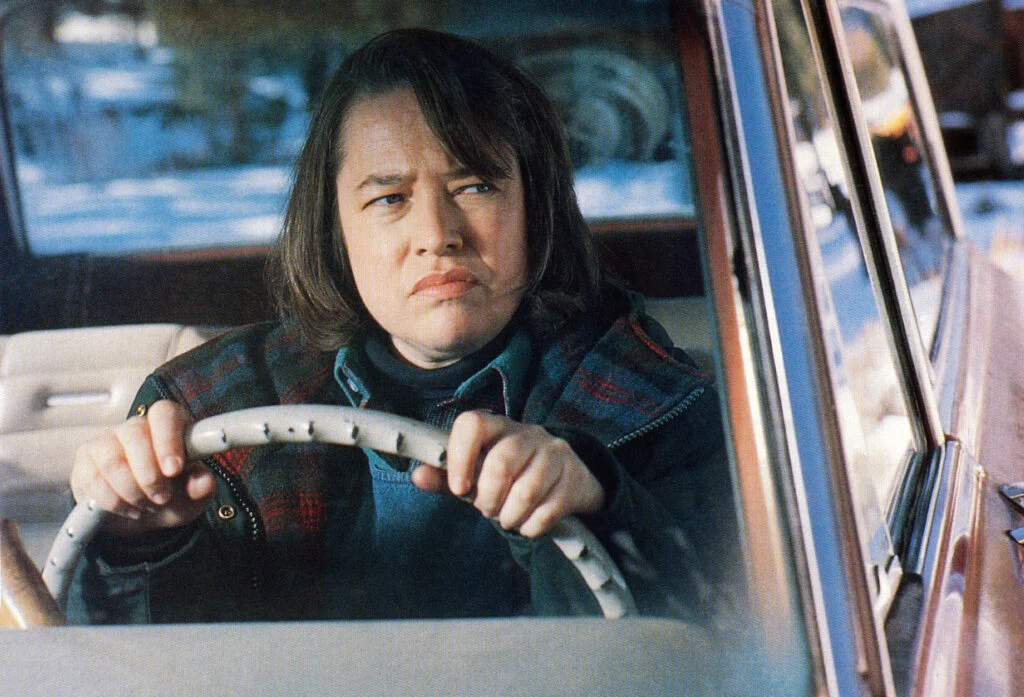
Kathy Bates spent years building a strong career on stage before film audiences truly noticed her. She appeared in television and movies throughout the 1970s and 1980s but rarely in leading roles. That changed in 1990 when she starred as Annie Wilkes in the film adaptation of Stephen King’s Misery. Bates was 42 when the film premiered.
Her performance was so intense and convincing that it earned her the Academy Award for Best Actress. Suddenly, casting directors began seeing her as a leading talent rather than a supporting performer. She went on to appear in films such as Fried Green Tomatoes, Dolores Claiborne, and Titanic. Bates also became a major presence on television later in her career. Her success demonstrated that an actor’s defining moment can arrive long after their career has begun.
5. Christoph Waltz
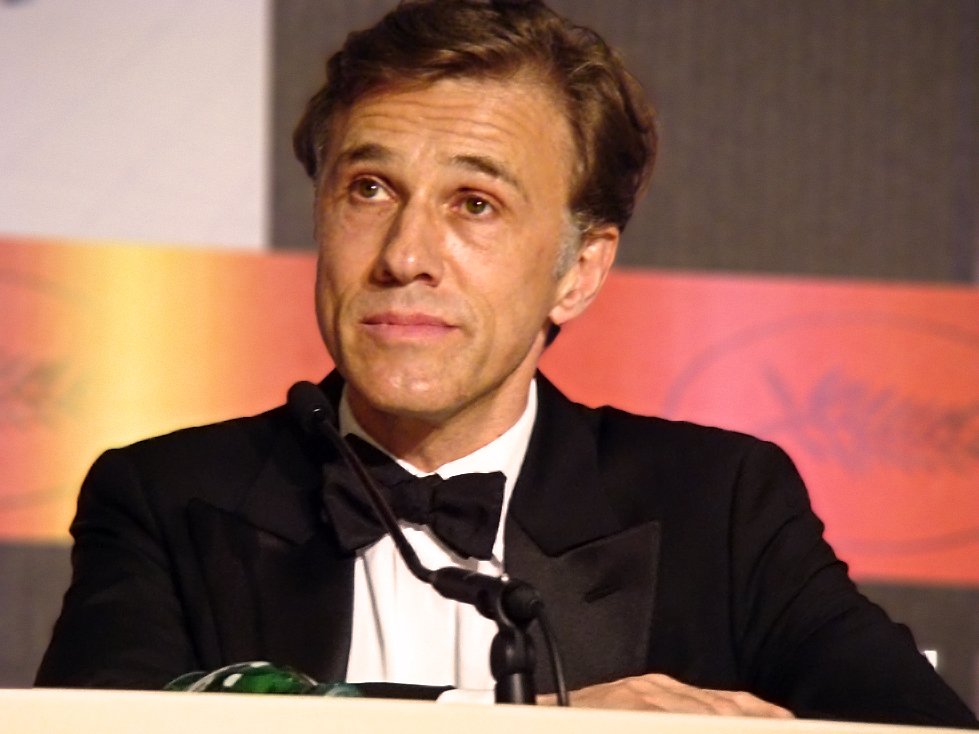
Christoph Waltz had a long career in European television and theater before becoming internationally famous. For decades he worked steadily in German-language productions but remained largely unknown outside Europe. Everything changed in 2009 when he was cast in Quentin Tarantino’s Inglourious Basterds. Waltz was 53 years old at the time.
His portrayal of SS officer Hans Landa became one of the most talked-about performances of the year. Waltz won the Academy Award for Best Supporting Actor for the role. Suddenly, he was appearing in major Hollywood films such as Django Unchained and the James Bond movies Spectre and No Time to Die. Tarantino’s film essentially introduced him to global audiences overnight. It remains one of the clearest examples of a late-career breakthrough in modern cinema.
6. Betty White
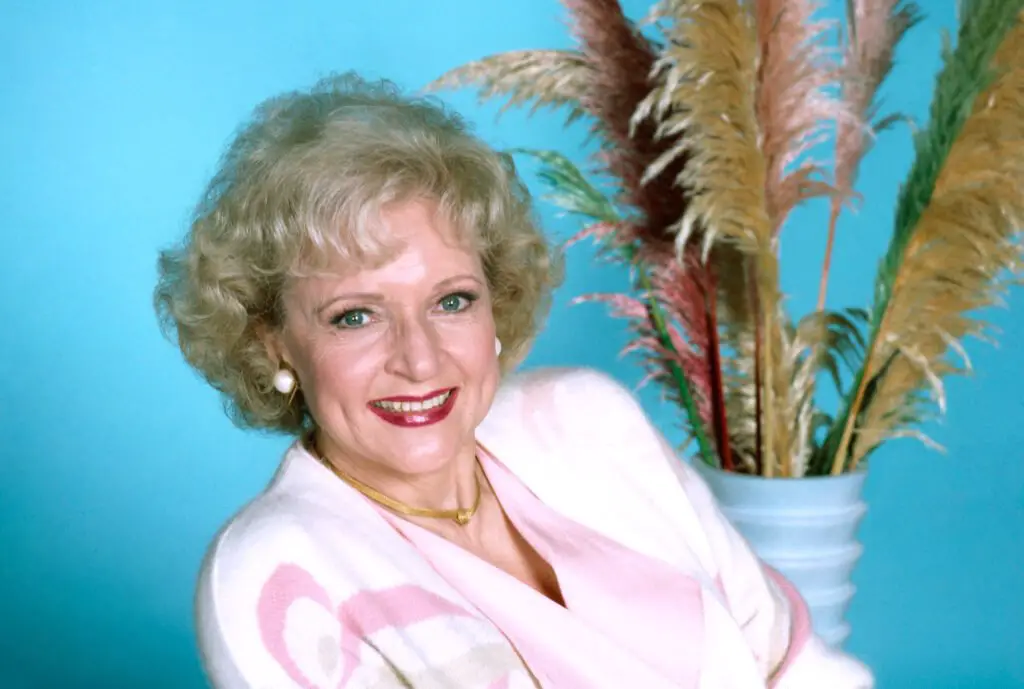
Betty White had been working in television since the late 1940s, but her biggest surge of fame came much later. She was already in her early fifties when she joined the cast of The Mary Tyler Moore Show in 1973. Her character Sue Ann Nivens quickly became a fan favorite. White won two Emmy Awards for the role.
Even then, her most famous role was still ahead of her. In 1985 she began playing Rose Nylund on The Golden Girls, which premiered when she was 63. The show turned her into one of the most beloved sitcom performers in television history. White remained active for decades afterward, experiencing another popularity boom in her late eighties. Few entertainers have had such a long and evolving career.
7. Danny Trejo
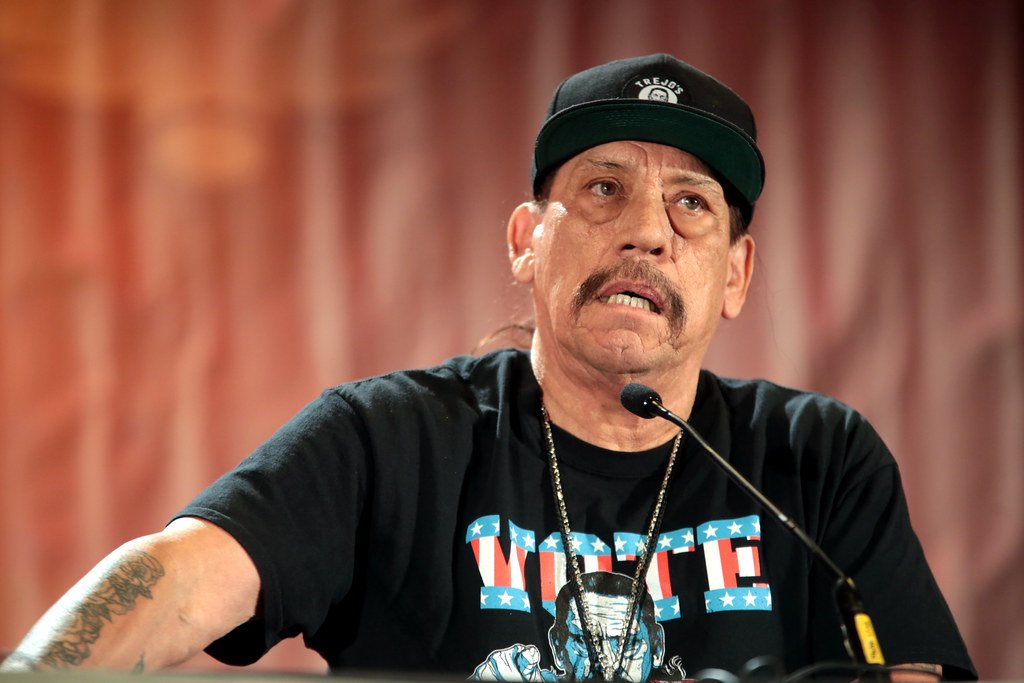
Danny Trejo’s path to fame was highly unusual. Before becoming an actor, he had spent time in prison and struggled with addiction. His entry into the film industry happened almost by accident while working as a boxing trainer. During the 1985 film Runaway Train, he was hired as an extra because of his tough appearance.
For many years Trejo appeared mostly in small roles as intimidating characters. His real breakthrough came much later with Robert Rodriguez’s films, particularly Desperado and From Dusk Till Dawn. Trejo was already in his fifties when he began becoming widely recognized. The 2010 film Machete finally made him the lead star of a major movie. His career is often cited as proof that personal reinvention can happen at any age.
8. Steve Carell
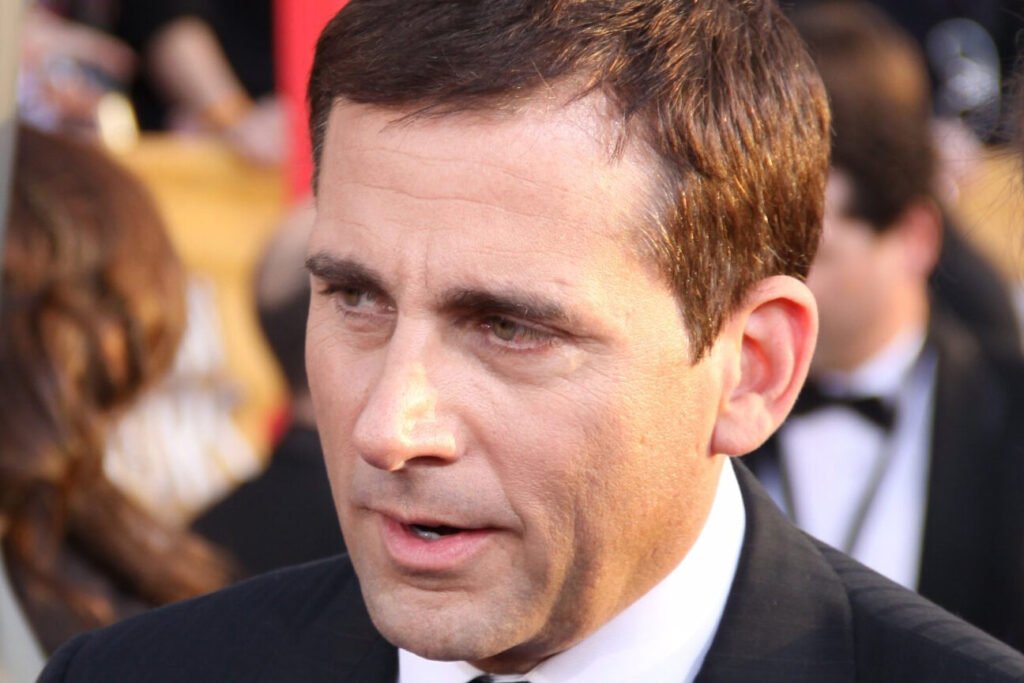
Steve Carell worked in comedy for years before reaching major fame. In the 1990s he was part of Chicago’s Second City comedy troupe and appeared on The Daily Show with Jon Stewart. While respected in comedy circles, he was not yet widely known. His visibility began increasing in the early 2000s with films like Anchorman: The Legend of Ron Burgundy.
The real turning point came in 2005 when The Office premiered. Carell was 42 when he began playing Michael Scott, the painfully awkward but strangely lovable boss. The show became one of the defining comedies of the decade. Carell later moved successfully into dramatic roles, including Foxcatcher and The Big Short. His career illustrates how television can transform an established comedian into a global star.
9. Melissa McCarthy
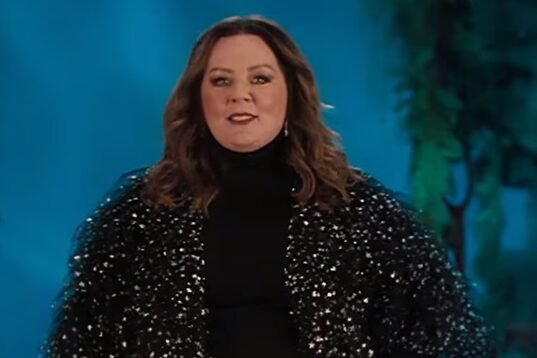
Melissa McCarthy spent years acting in television and small film roles before achieving major recognition. She was known to some viewers as Sookie St. James on Gilmore Girls, but she was not yet a leading star. That changed dramatically with the 2011 comedy Bridesmaids. McCarthy was 40 when the film premiered.
Her performance as the unpredictable Megan became one of the movie’s biggest highlights. She received an Academy Award nomination for Best Supporting Actress. After that success, McCarthy quickly became one of Hollywood’s most bankable comedic actors. Films like The Heat, Spy, and Ghostbusters followed. Her rise showed how a single breakout role can completely reshape a career.
10. Bryan Cranston
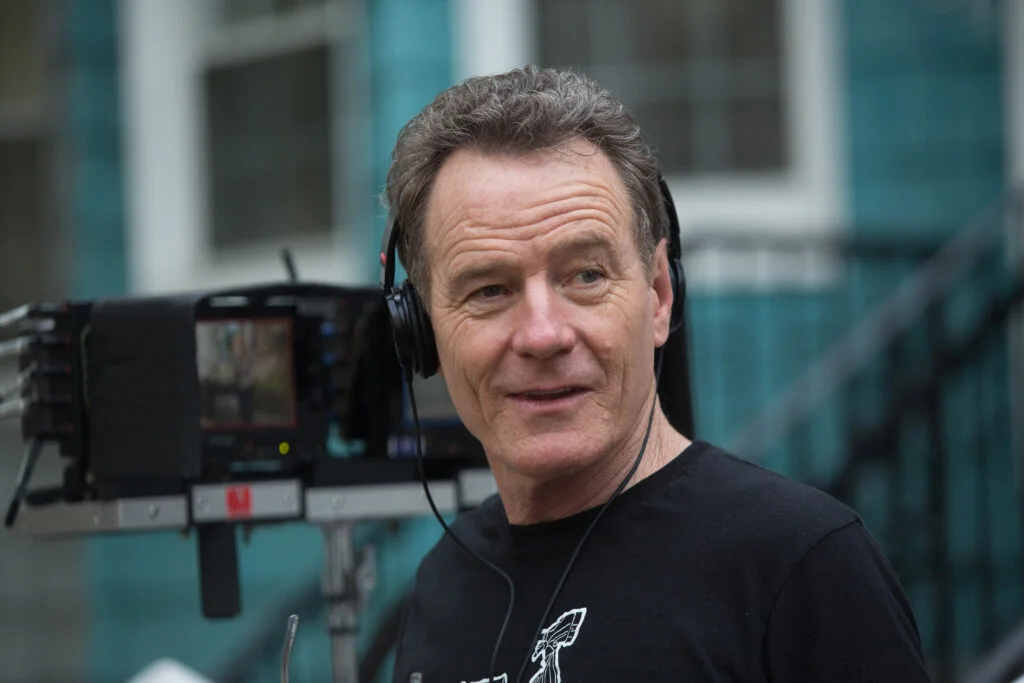
Bryan Cranston spent decades working as a character actor before becoming one of television’s most acclaimed performers. Many viewers first recognized him as Hal, the goofy father on the sitcom Malcolm in the Middle. While popular, the role did not immediately establish him as a dramatic lead. That opportunity arrived in 2008.
Cranston was 52 when Breaking Bad premiered. His portrayal of Walter White, a chemistry teacher turned drug kingpin, quickly became legendary. The role earned him multiple Emmy Awards and widespread critical praise. It completely changed how audiences viewed his abilities as an actor. Cranston’s career afterward included major stage performances and film roles. His story is often cited as one of television’s most dramatic career transformations.
11. Octavia Spencer
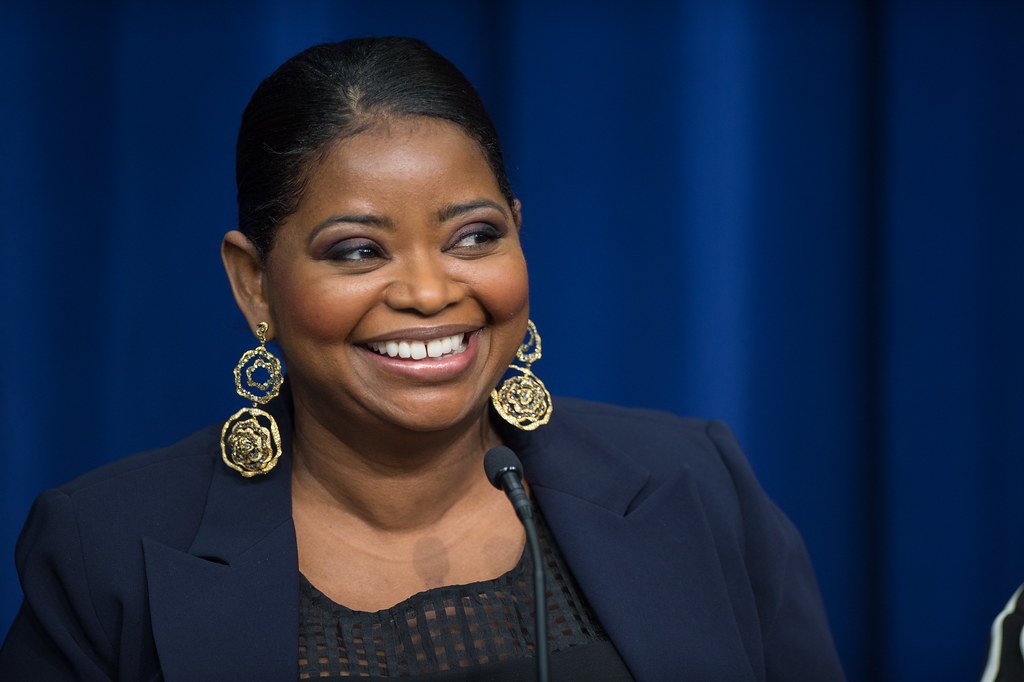
Octavia Spencer spent many years appearing in small supporting roles before becoming widely known. She had parts in films like Spider-Man and Bad Santa, but they were brief appearances. For more than a decade she worked steadily without major recognition. Everything changed in 2011 with The Help.
Spencer was 39 when the film premiered and her performance as Minny Jackson drew immediate attention. She won the Academy Award for Best Supporting Actress for the role. After that, she became a frequent presence in major films such as Hidden Figures and The Shape of Water. Spencer’s rise was not sudden in terms of experience, but it felt sudden to audiences. Years of smaller work finally led to a moment that could not be ignored.
12. Judi Dench
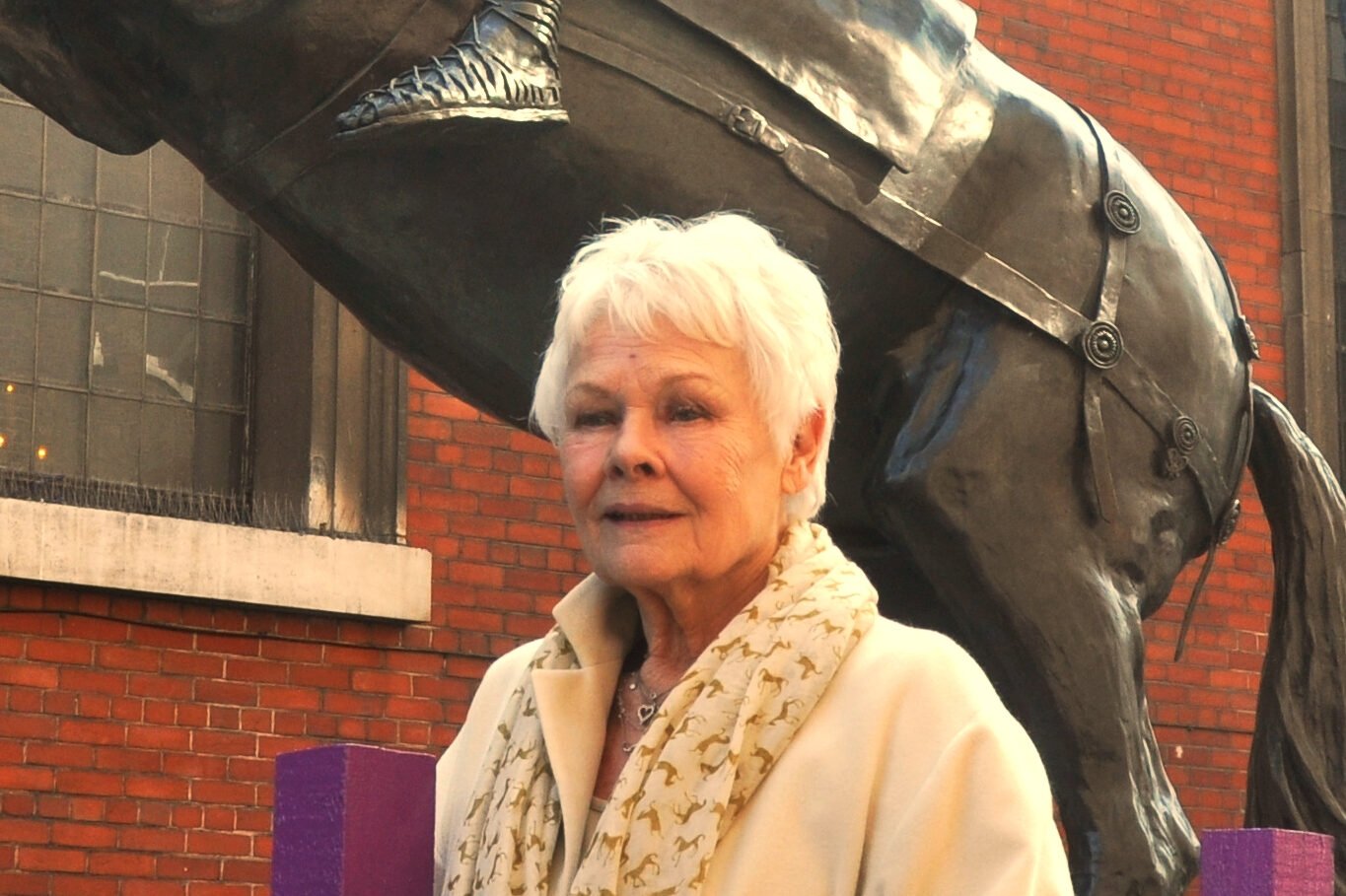
Judi Dench had already built a celebrated career in British theater long before international audiences knew her name. For many years she was especially associated with the Royal Shakespeare Company. While she appeared in films earlier, global fame arrived much later. That turning point came when she was cast as M in the James Bond series.
Dench first appeared in the role in GoldenEye in 1995 when she was 60 years old. The performance introduced her to millions of moviegoers around the world. Soon afterward she earned widespread acclaim for films such as Shakespeare in Love, which won her an Academy Award. Dench continued appearing in major productions well into her eighties. Her career demonstrates that stage actors can achieve film stardom even late in life.