
1. Katharine Hepburn
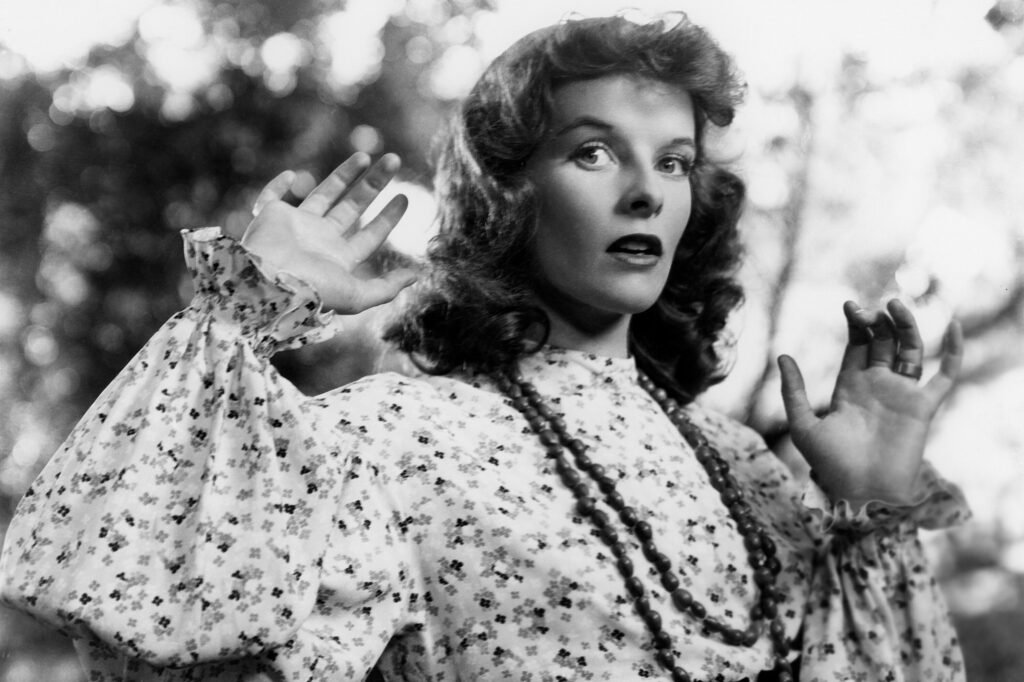
Katharine Hepburn built her career at a time when Hollywood studios tightly controlled female stars, yet she consistently pushed back. After early success in films like Morning Glory and Bringing Up Baby, she was labeled “box office poison” in the late 1930s. Instead of fading out, Hepburn helped acquire the rights to The Philadelphia Story and used it to engineer her own comeback. That move alone showed a level of control that very few actresses had at the time. She went on to win four Academy Awards for Best Actress, still a record. Hepburn also refused to conform to gender expectations, often wearing trousers off-screen when it was considered unconventional.
Off-screen, Hepburn maintained a fiercely independent personal life, including her long relationship with Spencer Tracy, which she kept largely private. She carefully selected roles that emphasized strong, intelligent women rather than passive characters. Her later performances in films like Guess Who’s Coming to Dinner continued that pattern. Hepburn’s career demonstrated that longevity and control were possible for women in Hollywood, even under the studio system. She essentially rewrote the rules for what a leading actress could demand.
2. Lucille Ball
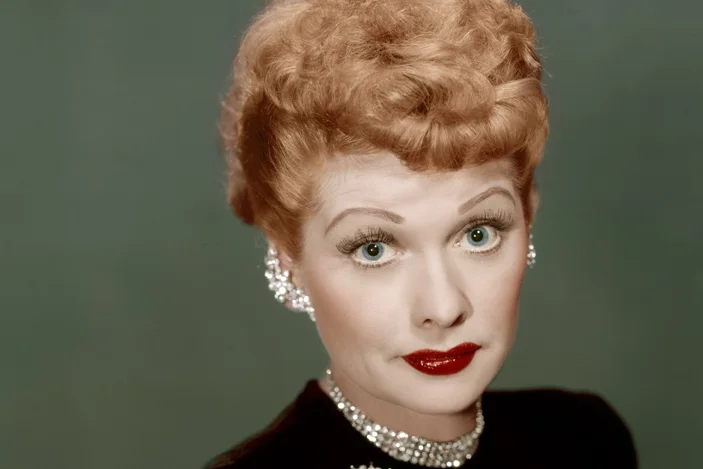
Lucille Ball changed the television industry while also becoming one of its most recognizable stars. Before I Love Lucy, she had a steady but not groundbreaking film career at RKO. Everything shifted when she insisted that her real-life husband, Desi Arnaz, play her on-screen partner. Networks initially resisted, but Ball held firm, which was unusual for a woman in her position at the time. The success of I Love Lucy not only proved her instincts right, it transformed sitcom production with its multi-camera format.
Ball went on to become the first woman to run a major television studio, Desilu Productions. Under her leadership, Desilu produced shows like Star Trek and Mission: Impossible. She was making executive decisions in an industry dominated almost entirely by men. Ball also continued acting, maintaining her visibility while running a business behind the scenes. Her career is one of the clearest examples of an actress turning creative success into lasting industry power.
3. Barbra Streisand
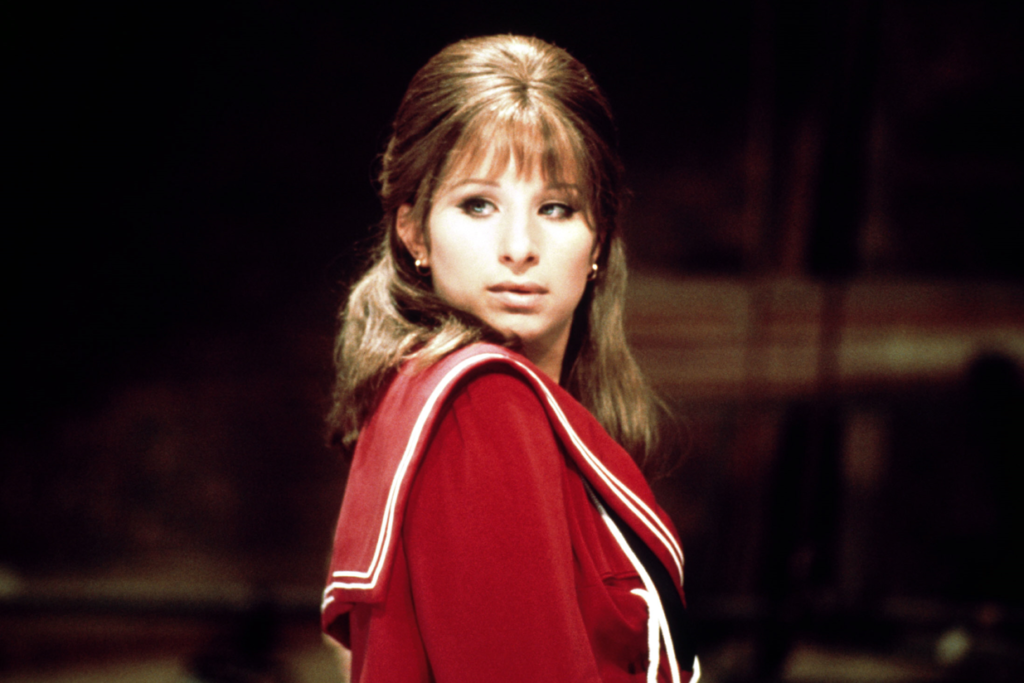
Barbra Streisand entered Hollywood with a voice and presence that did not fit the traditional mold of a leading lady. She broke through with Funny Girl, earning an Academy Award for Best Actress. But Streisand did not stop at acting or singing, she moved into directing, writing, and producing. Her film Yentl made her the first woman to win a Golden Globe for Best Director. At a time when female directors were extremely rare, that was a significant milestone.
Streisand was known for insisting on creative control over her projects, including music, scripts, and casting. That level of involvement was often criticized but ultimately proved effective. She also used her platform to address social and political issues. Her dual success in music and film made her one of the most influential entertainers of her era. Streisand’s career showed that women could lead both creatively and commercially.
4. Jane Fonda
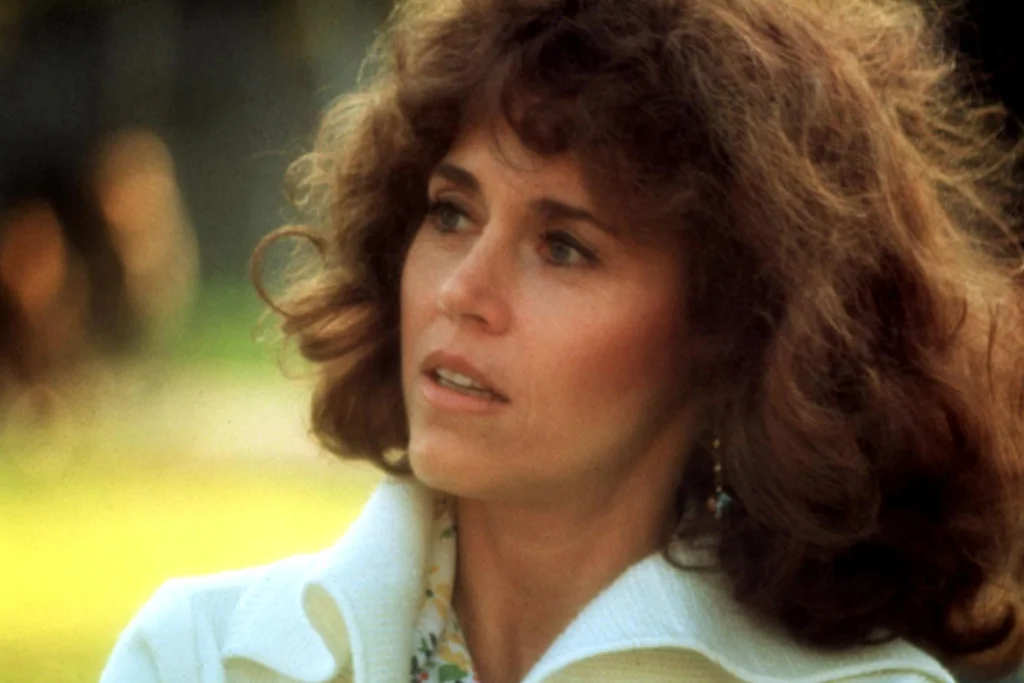
Jane Fonda began as a successful actress in films like Barbarella, but her career expanded far beyond acting. She won two Academy Awards for Best Actress for Klute and Coming Home. During the 1970s, she became a prominent political activist, which had a significant impact on her public image. Despite controversy, she continued to secure major roles and remain relevant in Hollywood.
Fonda also found success in business with her fitness empire in the 1980s. Her workout videos became a major cultural and commercial phenomenon. This made her one of the first actresses to successfully build a brand outside of film. She later returned to acting with projects like Grace and Frankie. Fonda’s ability to evolve across decades is a key part of her influence. She demonstrated that actresses could have sustained, multi-faceted careers.
5. Meryl Streep
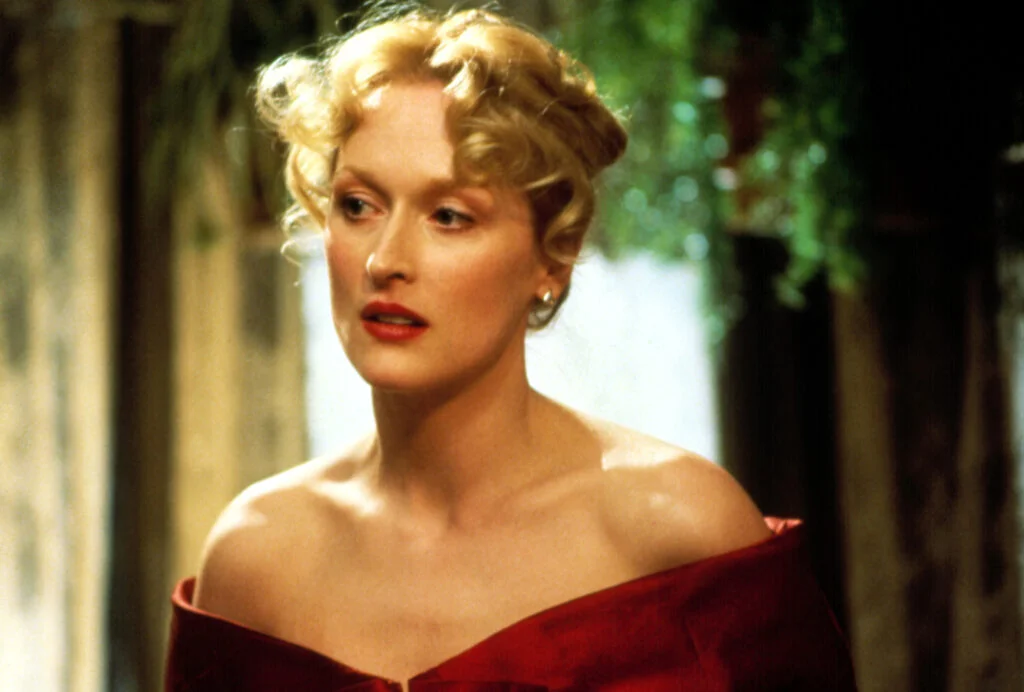
Meryl Streep is often cited as one of the greatest actors of her generation, but her influence goes beyond performance. She has received more Academy Award nominations than any other actor, male or female. Early in her career, she was already challenging expectations with roles in films like Kramer vs. Kramer and Sophie’s Choice. Streep consistently chose complex characters that avoided stereotypes.
Off-screen, she has advocated for gender equality in the film industry. She has supported initiatives that promote women directors and writers. Streep has also used her public platform to speak about representation in Hollywood. Her longevity is notable, maintaining leading roles well into her later years. She has shown that age does not have to limit opportunities for actresses. Her career set a benchmark for both talent and influence.
6. Jodie Foster
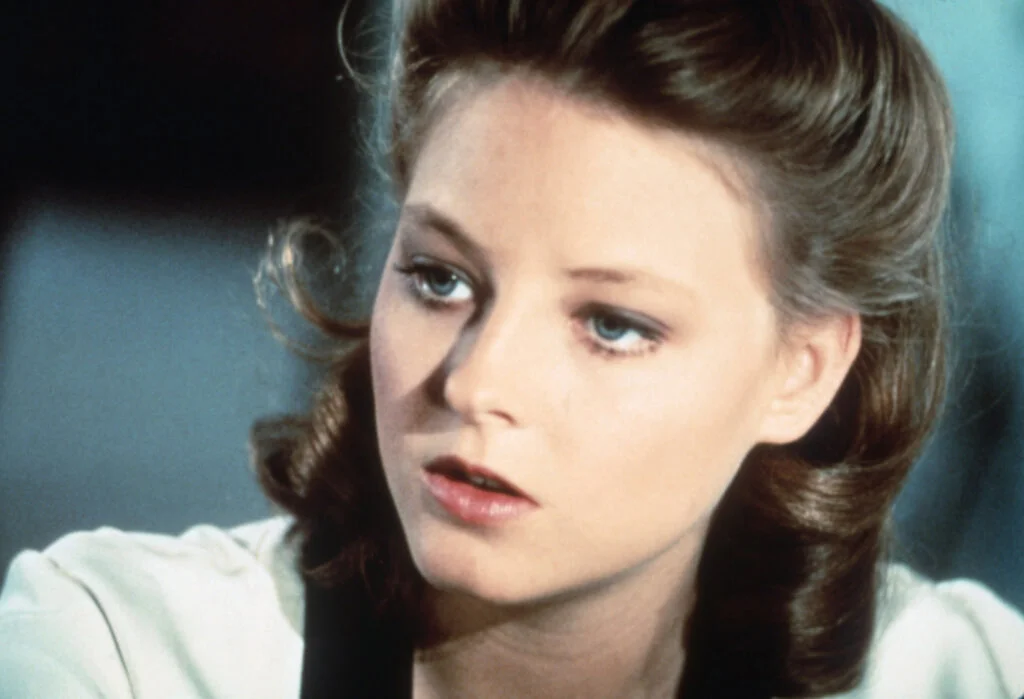
Jodie Foster began acting as a child but successfully transitioned into adult roles, which is often difficult. She earned Academy Awards for The Accused and The Silence of the Lambs. Foster also moved into directing, working on films like Little Man Tate. At a time when few women were directing major projects, she carved out space for herself behind the camera.
Foster has been selective with her roles, often choosing psychologically complex characters. She also pursued higher education, graduating from Yale University, which added to her reputation for intelligence and discipline. Her work as a director and producer expanded her influence beyond acting. Foster’s career reflects a deliberate effort to maintain control and credibility. She remains a respected figure in both acting and filmmaking.
7. Reese Witherspoon
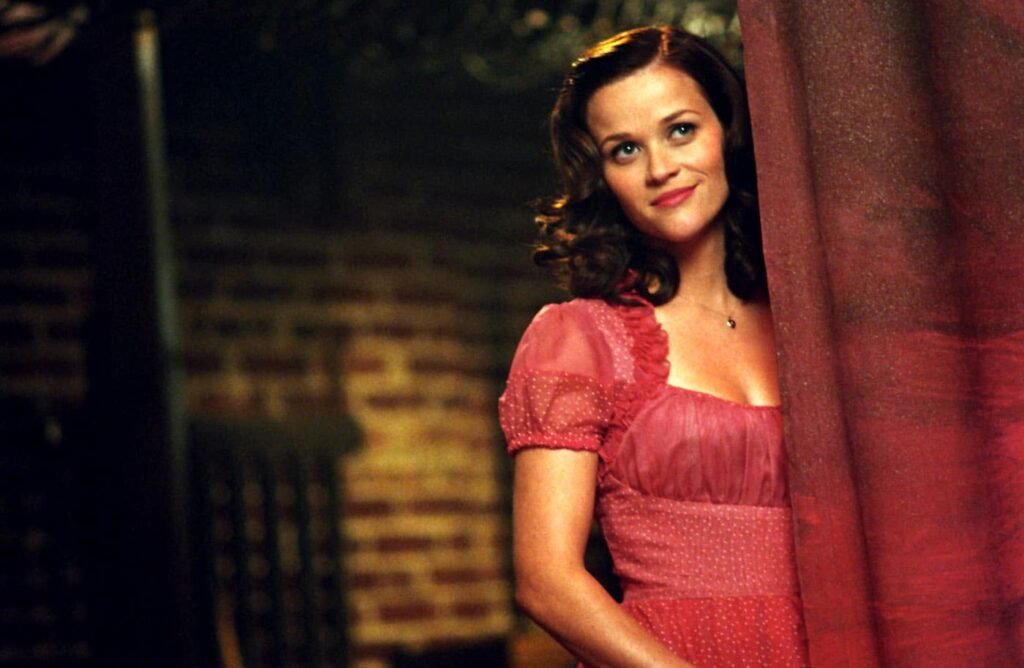
Reese Witherspoon began as a successful actress in films like Legally Blonde and later won an Academy Award for Walk the Line. As her career progressed, she noticed a lack of strong roles for women. In response, she founded her production company, Hello Sunshine. The company has produced projects like Big Little Lies and The Morning Show.
Witherspoon’s business decisions have had a measurable impact on the types of stories being told. She has focused on female-driven narratives and adaptations of books by women. This has helped shift industry attention toward those stories. She also sold a majority stake in Hello Sunshine in a major deal, demonstrating its financial success. Witherspoon’s career shows how actresses can influence content creation directly. She moved from performer to decision-maker in a tangible way.
8. Viola Davis
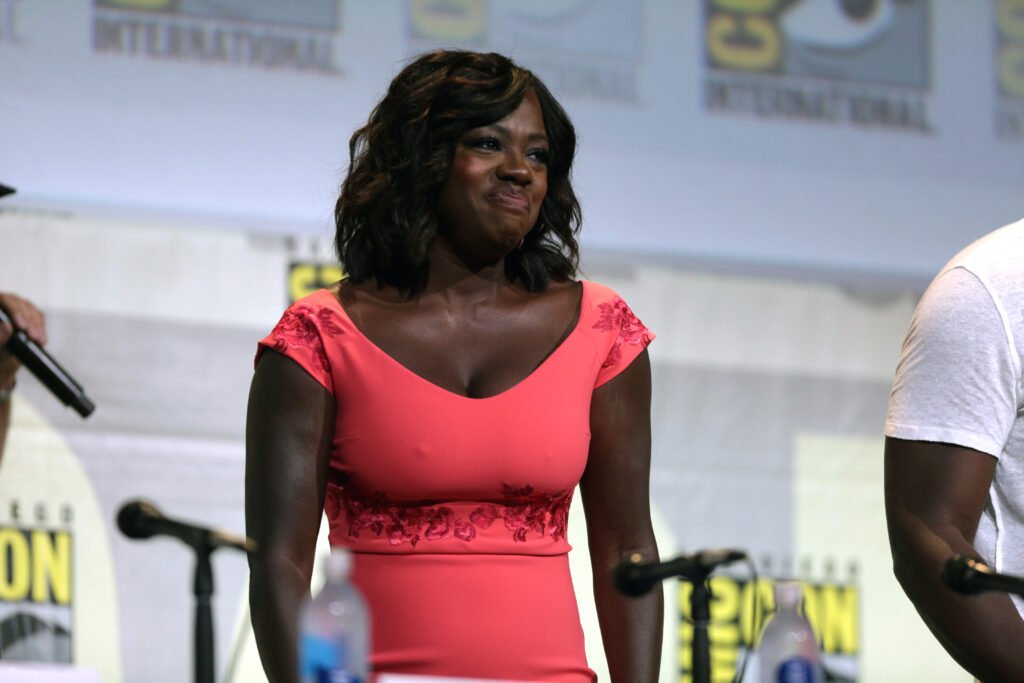
Viola Davis built her career through stage work before gaining recognition in film and television. She won an Academy Award for Fences and became the first Black actress to achieve the “Triple Crown of Acting,” which includes an Oscar, an Emmy, and a Tony. Her performances are known for their emotional depth and precision. Davis has often spoken about the limited opportunities available to Black actresses.
She co-founded JuVee Productions with her husband, Julius Tennon, to create more inclusive stories. Through that company, she has worked to expand representation both on and off screen. Davis has also written a memoir that became a bestseller. Her advocacy for diversity has been consistent and public. She has helped bring attention to systemic issues within the industry. Davis’s career combines artistic achievement with meaningful industry impact.
9. Sandra Bullock

Sandra Bullock became one of the most bankable stars of the 1990s and 2000s with films like Speed and The Proposal. She won an Academy Award for The Blind Side, solidifying her status as both a commercial and critical success. Bullock also founded her own production company, Fortis Films. Through it, she produced several of her own projects, increasing her control over her career.
Bullock has been known for negotiating strong contracts, including profit participation deals. That level of business involvement is not always typical for actors. She has also taken breaks from acting on her own terms, which is notable in a competitive industry. Outside of film, she has been involved in philanthropic efforts. Bullock’s career reflects both financial savvy and strategic decision-making. She maintained long-term relevance while managing her own projects.
10. Halle Berry
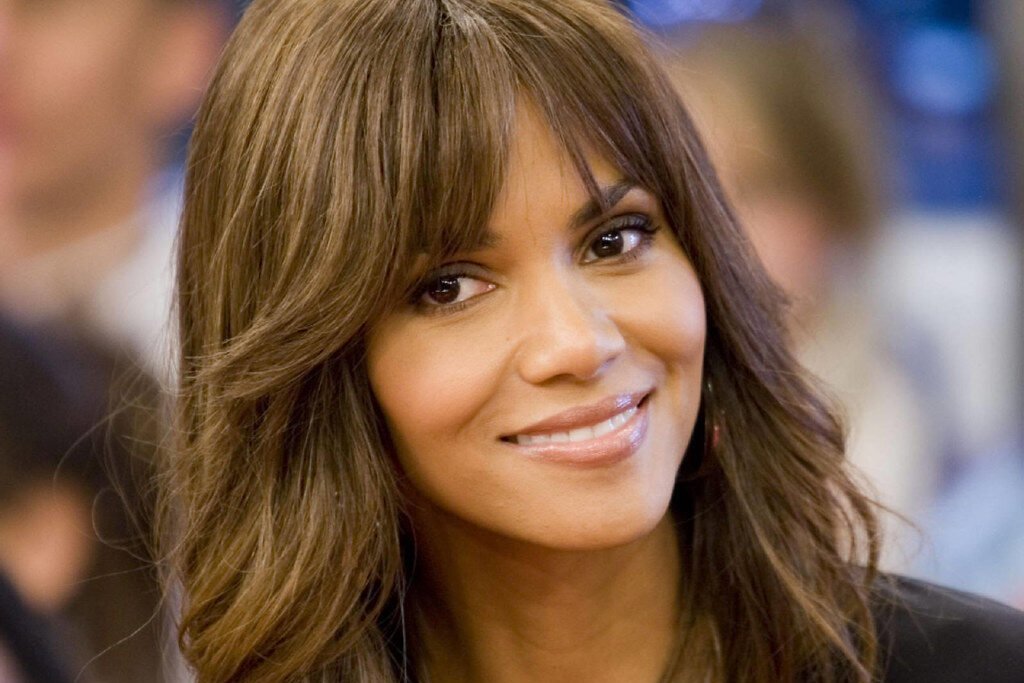
Halle Berry made history as the first Black woman to win the Academy Award for Best Actress for Monster’s Ball. That win was widely seen as a breakthrough moment, though Berry herself later noted that industry change was slow. She continued to take on a mix of commercial and dramatic roles, including the X-Men franchise. Berry also moved into production and later directing.
In 2020, she made her directorial debut with Bruised, in which she also starred. That project reflected her interest in shaping stories from multiple angles. Berry has spoken openly about the challenges of maintaining opportunities after her Oscar win. Her career highlights both progress and ongoing limitations in Hollywood. She has remained a visible and influential figure despite those challenges. Berry’s work reflects persistence in a difficult industry landscape.
11. Drew Barrymore
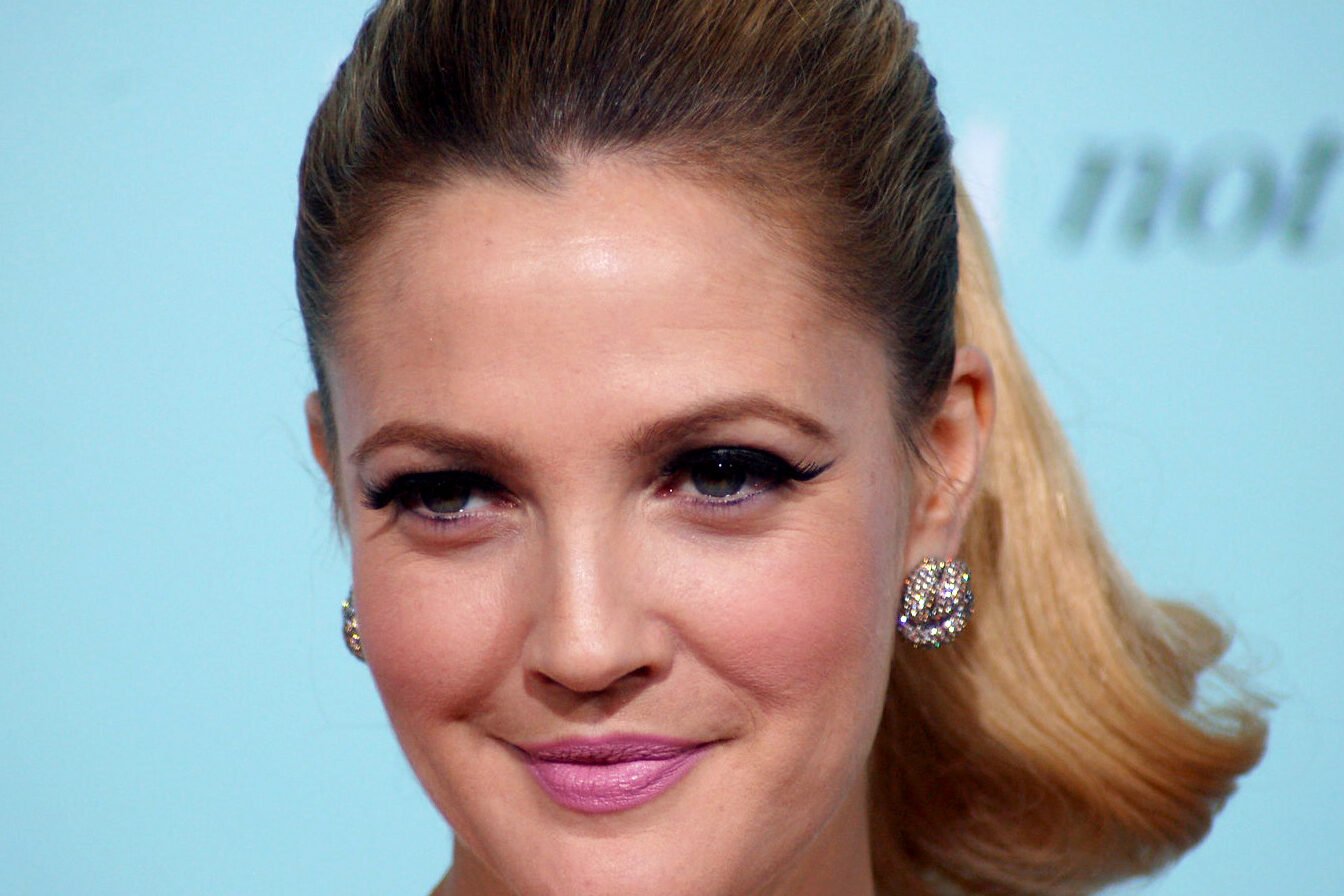
Drew Barrymore’s career began in childhood with E.T. the Extra-Terrestrial, followed by a highly publicized period of personal struggles. She rebuilt her career in the 1990s with films like The Wedding Singer and Never Been Kissed. Barrymore also co-founded Flower Films, which produced several of her projects. This gave her a more active role in shaping her career.
She later expanded into television with The Drew Barrymore Show, where she serves as both host and producer. Barrymore has also launched lifestyle and beauty brands. Her ability to transition across different areas of entertainment and business is notable. She has maintained a public image centered on authenticity and resilience. Barrymore’s career reflects reinvention and adaptability. She turned early challenges into long-term success.
12. Angelina Jolie
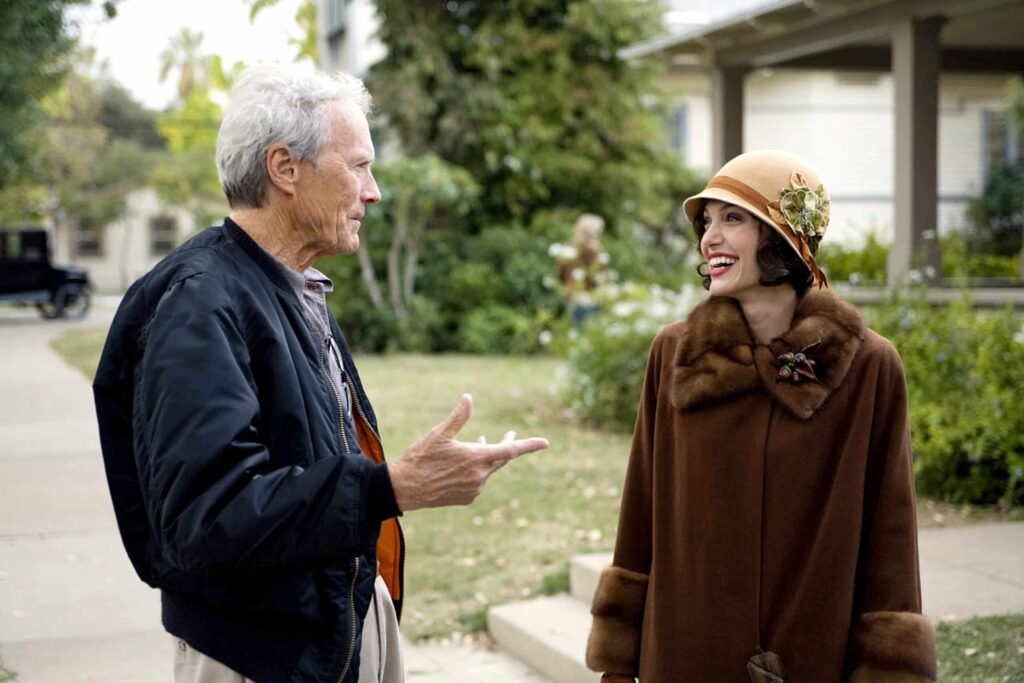
Angelina Jolie gained recognition with Girl, Interrupted, which earned her an Academy Award for Best Supporting Actress. She later became a major global star through films like Lara Croft: Tomb Raider and Maleficent. Jolie expanded into directing with films such as In the Land of Blood and Honey and Unbroken. Her work behind the camera focused on serious, often political subject matter.
Outside of film, Jolie has been heavily involved in humanitarian work. She has served as a Special Envoy for the United Nations High Commissioner for Refugees. Her advocacy has included refugee rights and international policy issues. Jolie has balanced a high-profile acting career with global activism. This dual role has increased her influence beyond Hollywood. She has used her platform in ways that extend into international affairs.
13. Greta Gerwig
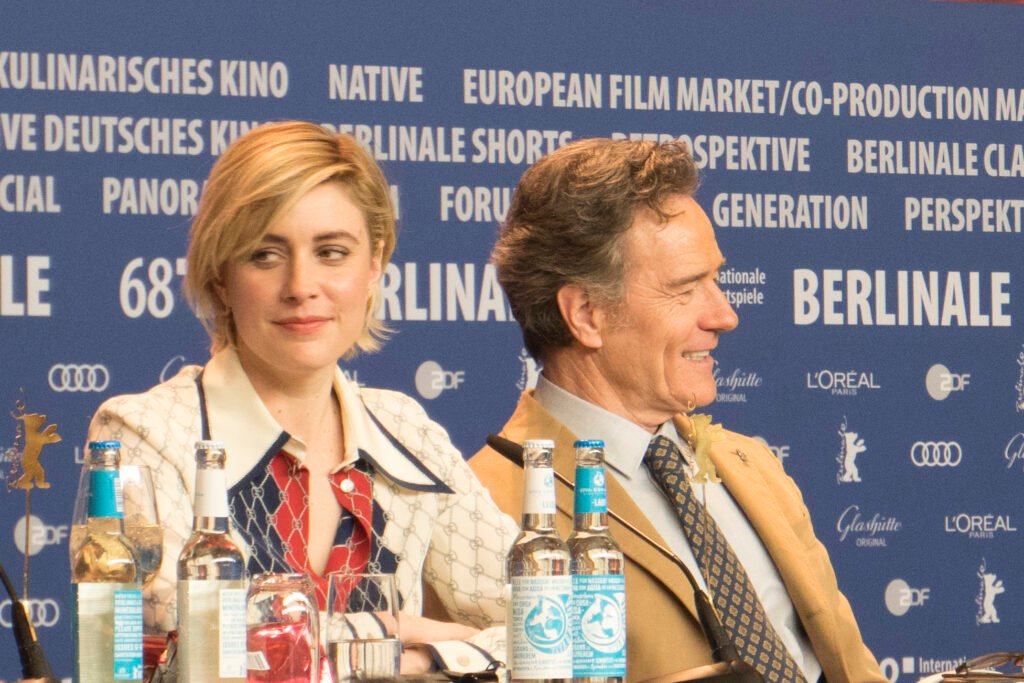
Greta Gerwig began her career in independent film before transitioning into writing and directing. She received widespread recognition for Lady Bird, which earned multiple Academy Award nominations. Gerwig followed that with Little Women, which was also critically and commercially successful. Her work has been noted for its focus on female perspectives and character-driven storytelling.
In 2023, she directed Barbie, which became one of the highest-grossing films of all time. That level of commercial success is rare for a female director. Gerwig has demonstrated that films centered on women can achieve both critical acclaim and box office results. She writes or co-writes many of her projects, maintaining creative control. Her career represents a newer generation of filmmakers reshaping the industry. Gerwig’s impact is still developing, but already significant.