
1. Sgt. Pepper’s Lonely Hearts Club Band, The Beatles
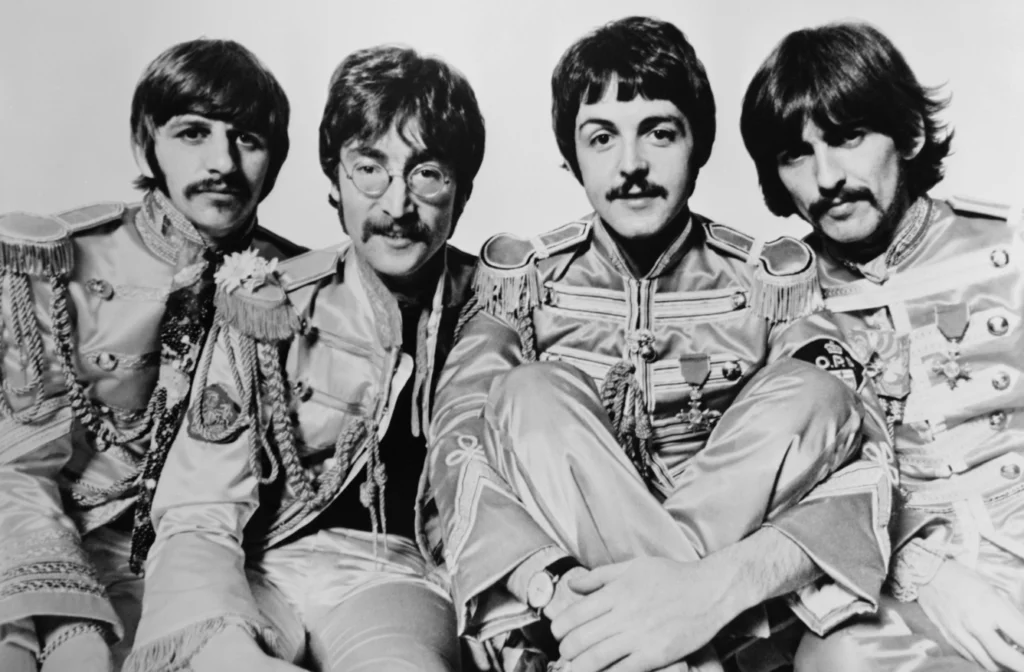
When Sgt. Pepper’s Lonely Hearts Club Band arrived in 1967, it felt less like a record and more like an event. The Beatles stopped touring and poured everything into the studio, experimenting with tape loops, orchestration, and sound effects that most pop listeners had never heard before. The album played like a unified experience rather than a collection of singles, which was still a fairly radical idea at the time. Songs like “Lucy in the Sky with Diamonds” and “A Day in the Life” stretched what pop music could sound like.
Beyond the music itself, the album’s colorful cover became iconic and helped redefine how albums were marketed and consumed. It encouraged listeners to sit down, study the artwork, and listen straight through. Suddenly, albums mattered just as much as hit singles. For many fans, this record marked the moment rock music grew up.
2. Pet Sounds, The Beach Boys
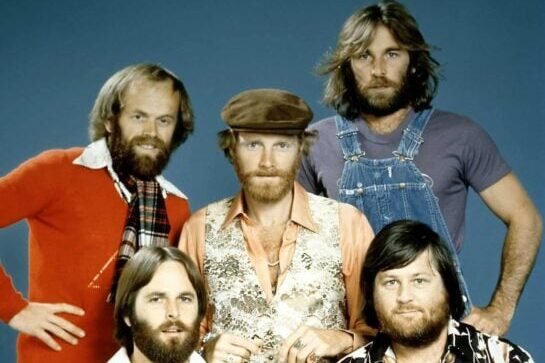
At first glance, Pet Sounds didn’t sound like the surf hits that made The Beach Boys famous. Brian Wilson traded beach parties for lush harmonies, emotional vulnerability, and complex arrangements that pulled from classical and jazz influences. Songs like “Wouldn’t It Be Nice” and “God Only Knows” felt deeply personal in a way pop music rarely did at the time. The album captured longing, insecurity, and hope with surprising honesty.
Over time, Pet Sounds became recognized as a masterpiece that changed how artists approached songwriting. It showed that pop albums could be intimate and emotionally sophisticated. Its influence can be heard across decades of rock and indie music. Even today, it still feels remarkably modern.
3. Highway 61 Revisited, Bob Dylan
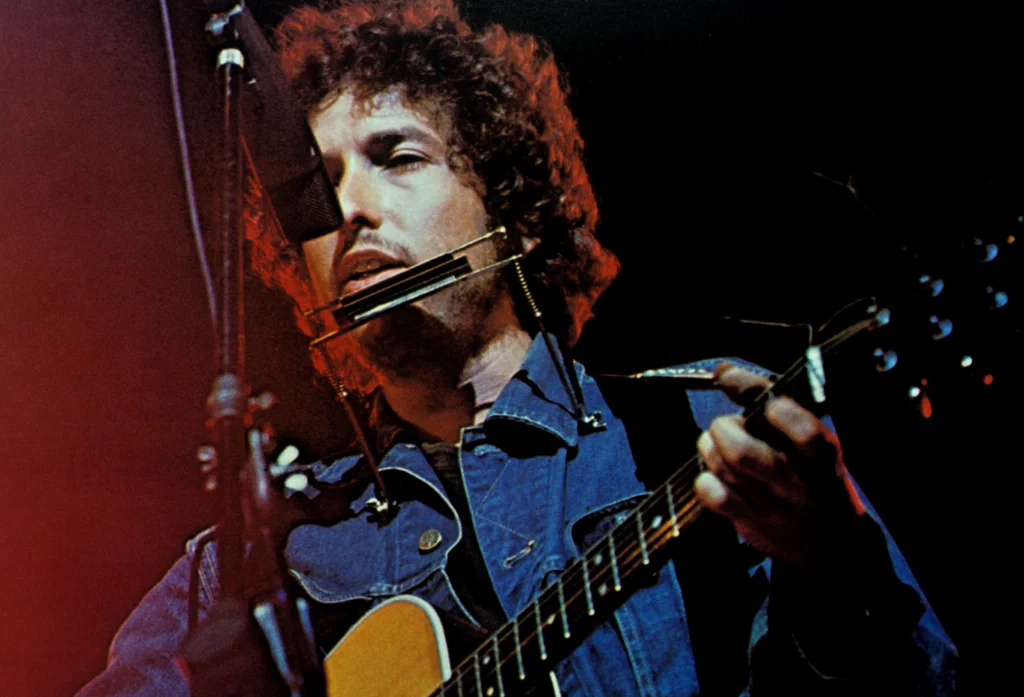
When Bob Dylan plugged in his guitar on Highway 61 Revisited, it sent shockwaves through the folk world. Electric instruments met biting lyrics, surreal imagery, and unapologetic attitude. “Like a Rolling Stone” alone changed expectations for what a hit song could be, both in length and emotional impact. Dylan sounded restless and fearless, pushing boundaries with every track.
The album blurred the lines between folk, rock, and poetry. It gave rock music intellectual weight without losing its edge. Suddenly, lyrics didn’t have to be simple or safe. Dylan proved that popular music could challenge listeners instead of comforting them.
4. The Velvet Underground & Nico, The Velvet Underground
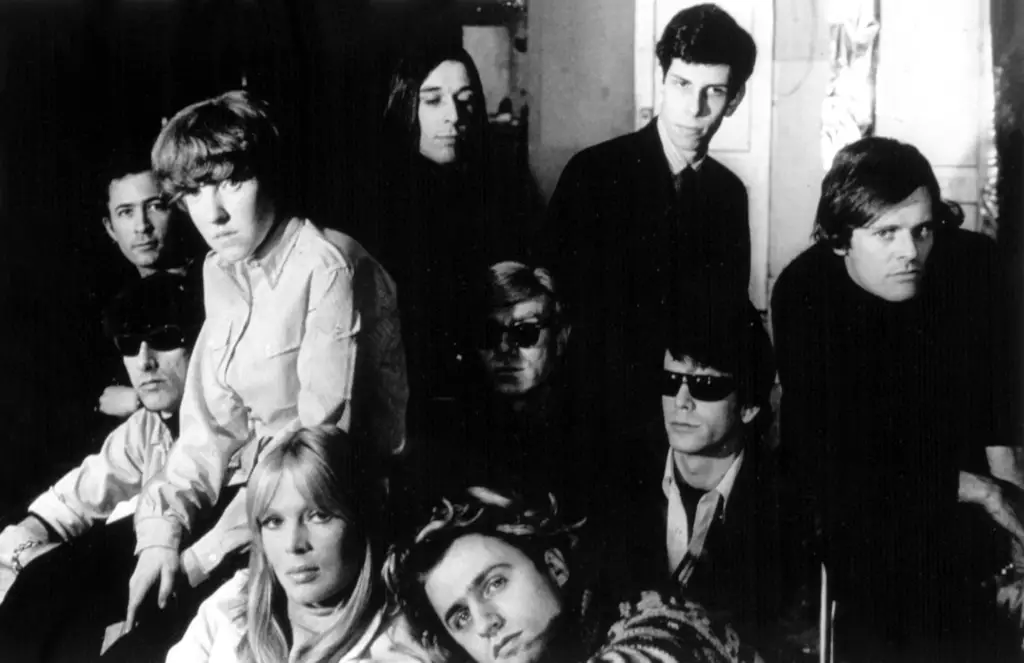
This album didn’t sell well at first, but its influence ended up being massive. The Velvet Underground & Nico tackled themes that were shocking for the time, including addiction, sexuality, and urban isolation. The sound was raw, droning, and deliberately unpolished. It felt like a complete rejection of the sunny pop dominating the charts.
Over the years, musicians began citing this record as a turning point in their own creative lives. It opened the door for punk, alternative, and experimental rock. The album proved that commercial success wasn’t the only measure of impact. Sometimes, the boldest ideas just need time to catch on.
5. Are You Experienced, The Jimi Hendrix Experience
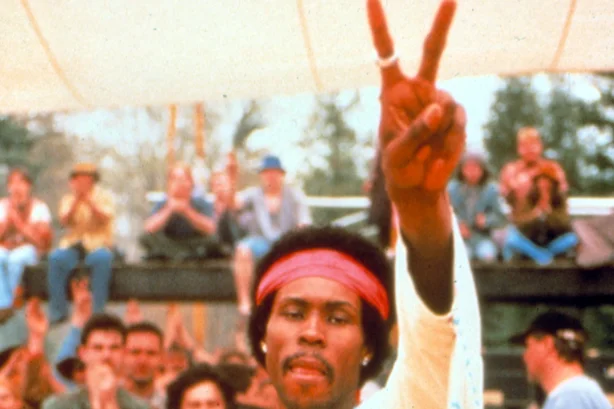
From the first moments of Are You Experienced, it was clear that Jimi Hendrix was doing something entirely new with the guitar. His playing sounded explosive, fluid, and otherworldly, bending notes in ways that felt almost unreal. Songs like “Purple Haze” and “Foxy Lady” redefined what rock guitar could do. The album blended blues, psychedelia, and sheer innovation.
Hendrix didn’t just play the instrument, he seemed to reinvent it. The record inspired countless musicians to experiment with sound and effects. It also helped define the psychedelic era of the late ’60s. Even decades later, it still feels daring.
6. Revolver, The Beatles
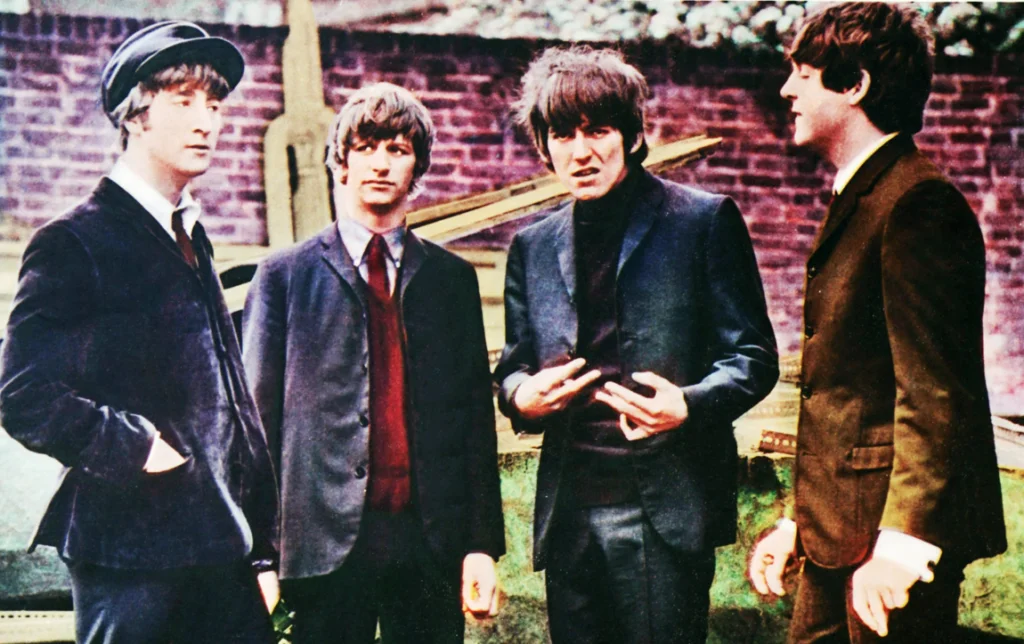
Revolver marked a turning point where The Beatles fully embraced experimentation. The album moved effortlessly between styles, from the string-backed melancholy of “Eleanor Rigby” to the backward guitars of “I’m Only Sleeping.” Each track felt like its own world, yet the album still flowed as a whole. It hinted at the creative explosion that was just around the corner.
The record showed that a band at the height of popularity could still take risks. It expanded the sonic palette of mainstream rock. Many listeners see it as the bridge between early pop Beatles and their later, more experimental work. It remains endlessly replayable.
7. Blonde on Blonde, Bob Dylan
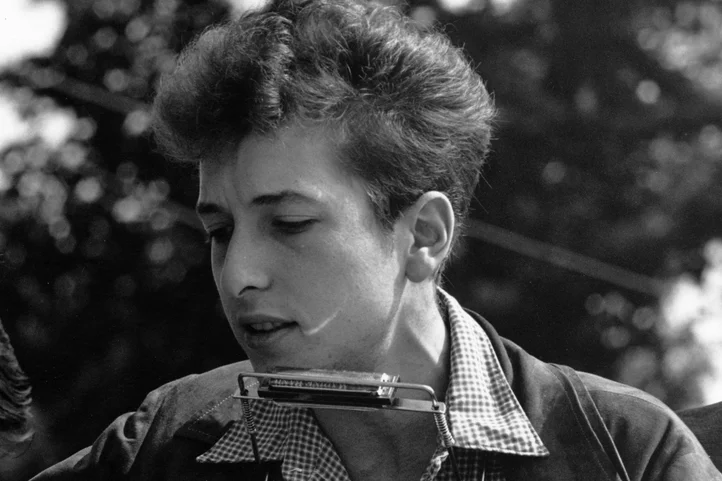
With Blonde on Blonde, Bob Dylan released one of rock’s first true double albums. The songs were sprawling, poetic, and sometimes deliberately messy. Tracks like “Visions of Johanna” felt dreamlike and emotionally dense. Dylan sounded both confident and completely untethered.
The album captured the chaotic spirit of the era. It showed that albums didn’t need to be tidy or concise to be powerful. Instead, they could be immersive and challenging. For many fans, this record represents Dylan at his most fearless.
8. Let It Bleed, The Rolling Stones
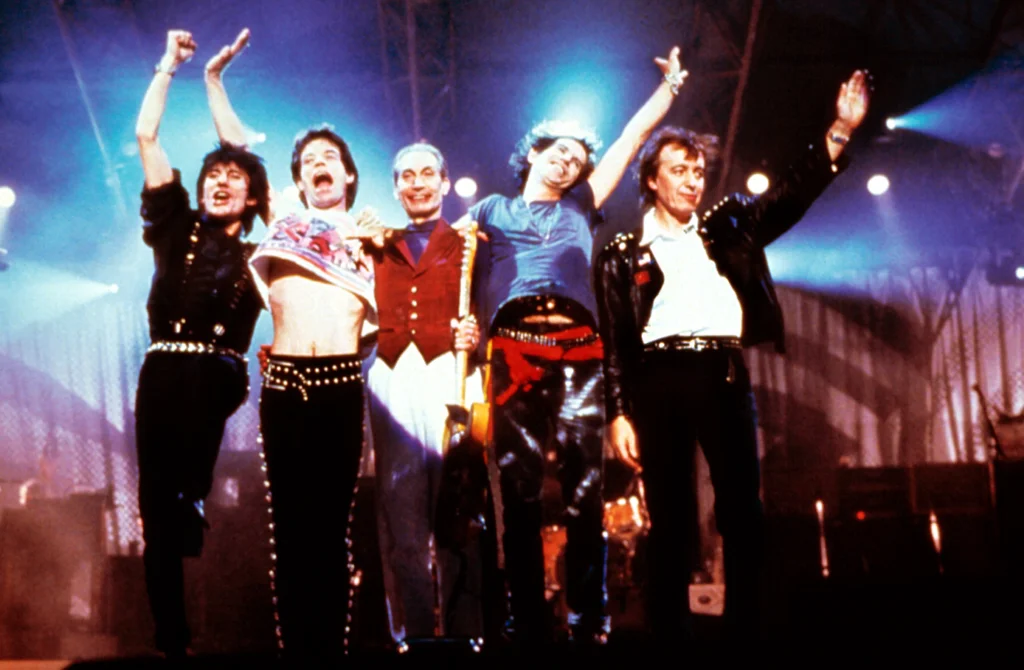
Let It Bleed arrived at the end of the decade and captured its darker mood. The Rolling Stones leaned into grit, blues, and raw emotion, especially on songs like “Gimme Shelter.” There was a sense that the optimism of the early ’60s had faded. The music felt urgent and unpolished in the best way.
The album reflected a world in turmoil, both socially and politically. It helped solidify the Stones’ image as rock’s dangerous counterpoint to The Beatles. The record didn’t offer easy comfort. Instead, it held up a mirror to a changing era.
9. Kind of Blue, Miles Davis
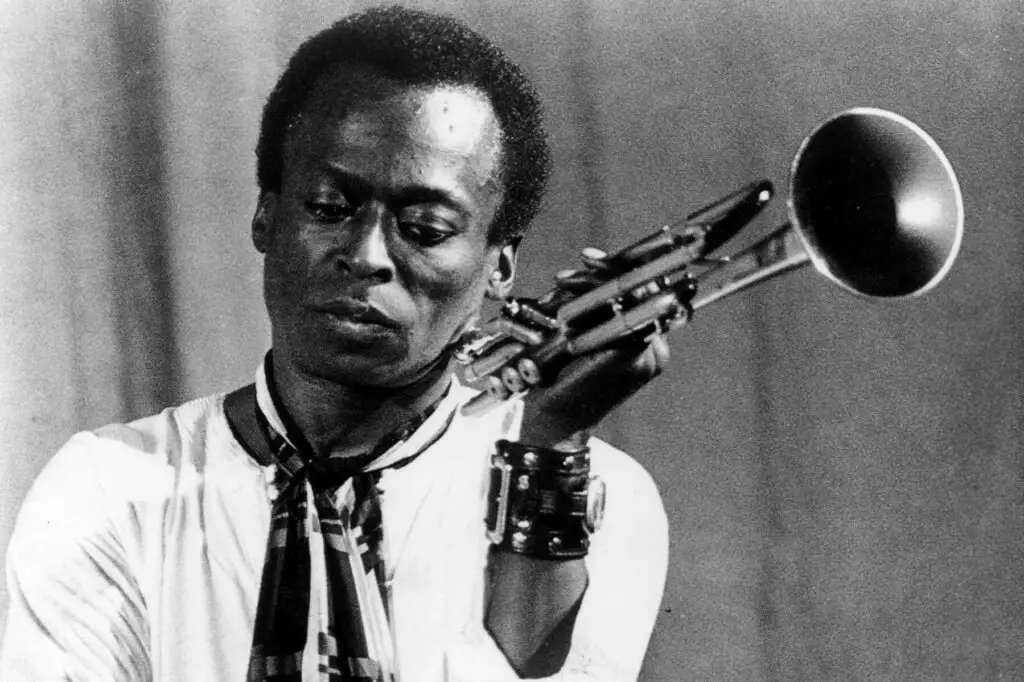
Although released in 1959, Kind of Blue shaped much of the ’60s musical landscape. Miles Davis embraced modal jazz, giving musicians more freedom to explore and improvise. The album felt calm, spacious, and endlessly listenable. Tracks like “So What” became instant jazz standards.
Its influence reached far beyond jazz. Rock musicians listened closely and borrowed its sense of mood and structure. The album proved that subtlety could be revolutionary. Even today, it remains one of the most beloved recordings ever made.
10. The Freewheelin’ Bob Dylan, Bob Dylan
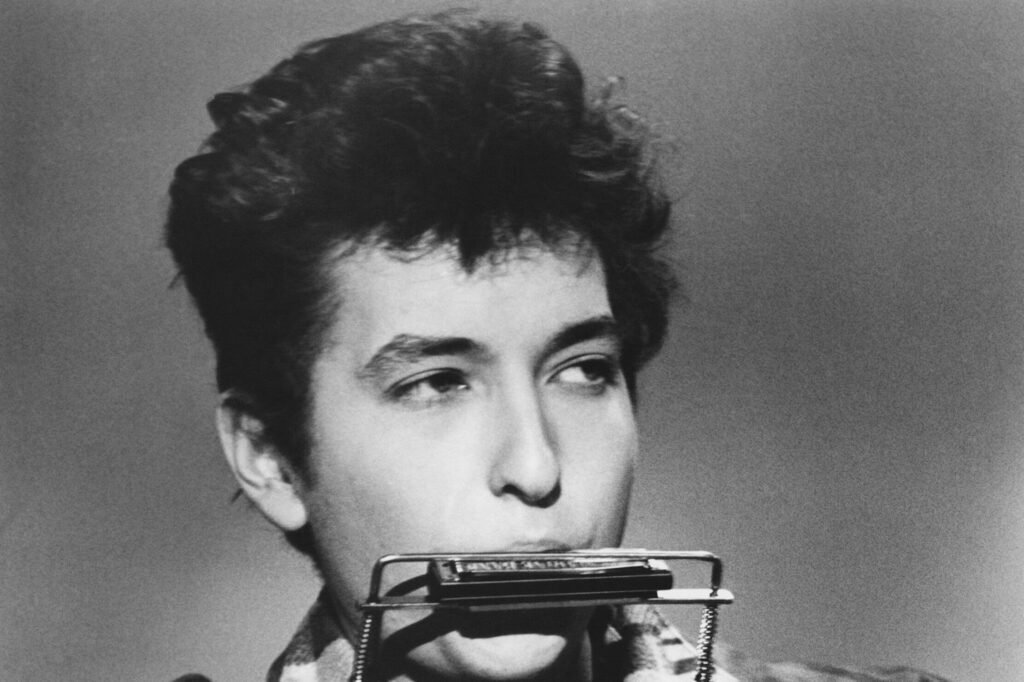
This album captured Bob Dylan at the moment he became a voice for a generation. Songs like “Blowin’ in the Wind” and “A Hard Rain’s A-Gonna Fall” addressed social issues with poetic urgency. Dylan’s voice was raw and unpolished, which only added to the impact. The record felt honest and immediate.
It helped define the role of the singer-songwriter in popular music. Lyrics suddenly mattered in a new way. The album became a soundtrack for activism and reflection. Its influence is still felt in folk and protest music today.
11. Otis Blue, Otis Redding
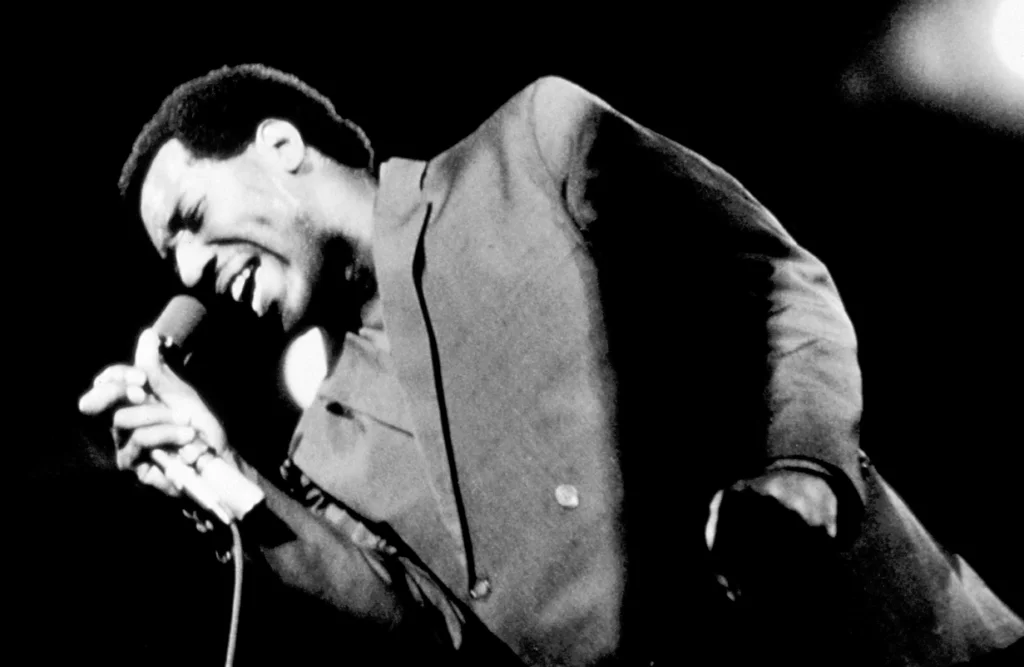
Otis Blue showcased Otis Redding at his most powerful and vulnerable. His voice carried joy, heartbreak, and soul in every note. The album mixed originals with covers, including a transformative version of “Satisfaction.” Redding made every song unmistakably his own.
The record helped bring soul music into the mainstream. It showed how emotionally direct and universal the genre could be. Many later artists drew inspiration from Redding’s intensity and sincerity. The album still feels alive with feeling.
12. In the Court of the Crimson King, King Crimson
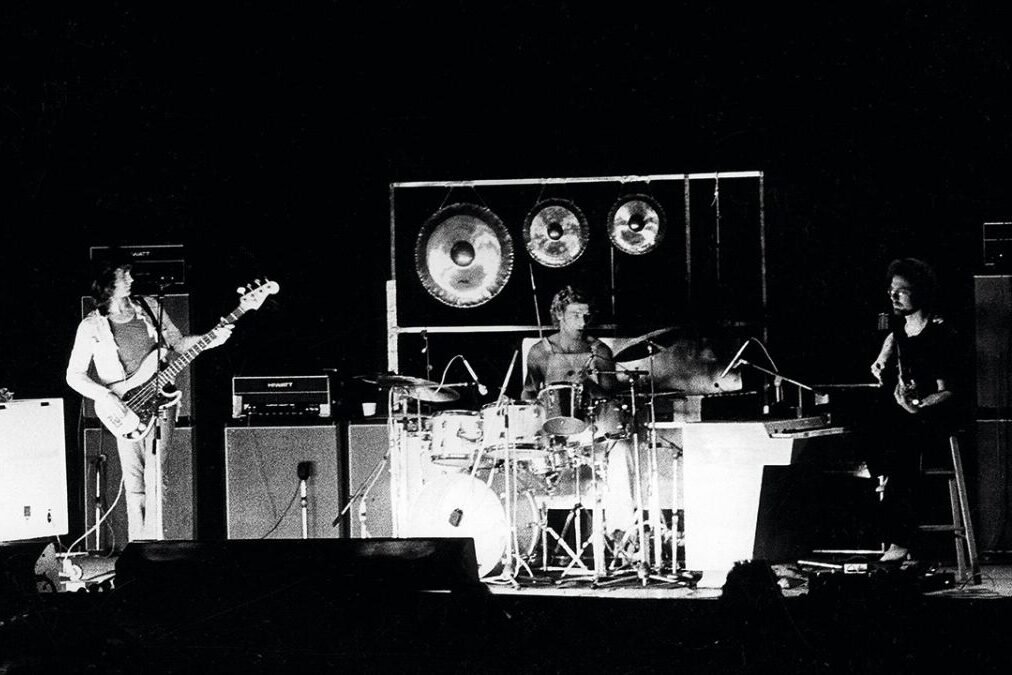
When In the Court of the Crimson King was released in 1969, it sounded like nothing else on the radio. The album blended rock, jazz, and classical influences into something ambitious and theatrical. Tracks like “21st Century Schizoid Man” felt intense and unsettling. The music demanded attention.
This record helped lay the groundwork for progressive rock. It showed that rock albums could be complex and conceptual. The sound was bold and unapologetically experimental. It closed the decade by pointing toward the future.
13. Astral Weeks, Van Morrison

Astral Weeks is often described as mysterious, and that’s part of its magic. Van Morrison blended folk, jazz, and soul into songs that felt deeply personal and almost spiritual. The lyrics were impressionistic rather than literal. Listening to the album feels like stepping into someone else’s inner world.
It didn’t chase trends or radio hits. Instead, it invited quiet, thoughtful listening. Over time, it gained a devoted following. Many artists still cite it as a major influence on their own songwriting.
14. Stand!, Sly and the Family Stone
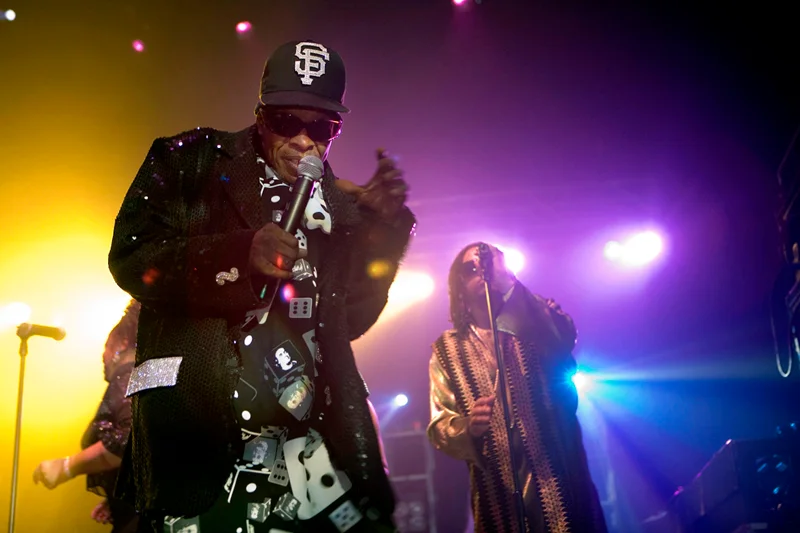
Stand! captured the spirit of unity and change that defined the late ’60s. Sly and the Family Stone blended funk, soul, rock, and pop with infectious energy. Songs like “Everyday People” carried messages of equality and togetherness. The band’s diverse lineup made those messages even more powerful.
The album helped shape the sound of funk and socially conscious music. It was joyful, political, and deeply influential. The grooves invited dancing while the lyrics encouraged reflection. Few albums balanced fun and meaning so effortlessly.