
1. The Beatles
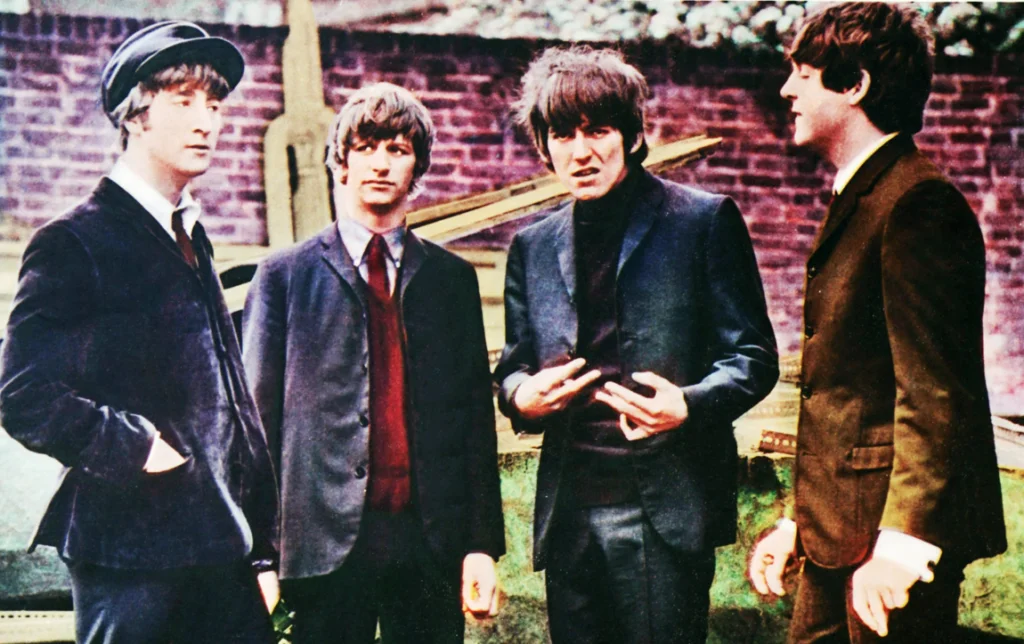
It is almost impossible to talk about the ’60s without mentioning The Beatles, who seemed to grow up right alongside the rest of the world. Their early hits were bright and joyful, but as the decade went on, their sound turned experimental in ways nobody expected from a pop group. Fans watched them shift from mop-topped charmers to boundary-pushing artists, and somehow, every version of them worked. Songs became cultural moments, not just chart-toppers. Albums became events that people lined up for. Even now, their music feels alive, full of curiosity and heart. They didn’t just define the decade, they reshaped what music could be.
People often forget how quickly they evolved, and how that evolution mirrored the era’s own big leaps forward. From harmonies that felt tailor-made for AM radio to sprawling, imaginative arrangements, they showed that pop could be sophisticated without losing its fun. They inspired teenagers to pick up guitars and dream a little bigger. They pushed other bands to be more daring, creating a friendly sort of rivalry across the charts. And despite all the fame, their personalities made fans feel connected to them. Their influence touches nearly every genre today. The ’60s would sound very different without them.
2. The Rolling Stones
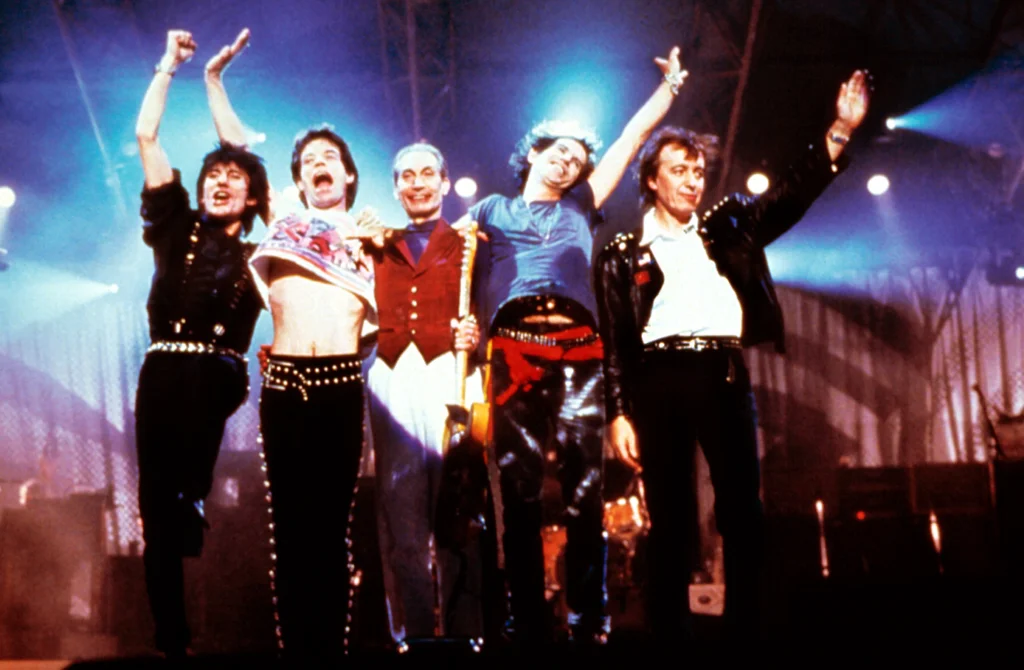
If The Beatles were the polished charmers, The Rolling Stones were the kids your parents warned you about. They leaned into a bluesy grit that felt rebellious and a little dangerous, which only made them more appealing. Their rough-around-the-edges energy gave rock a swagger that became a defining part of the decade. Every hit felt like it rolled straight out of a smoky club somewhere in London. They didn’t smooth out the rawness, they embraced it. That attitude helped them become icons in their own right. Even when they stirred up controversy, fans only loved them more.
Their sound carried a confidence that made listeners feel bold just hearing it. At a time when young people were pushing back against norms, the Stones felt like the unofficial house band of the movement. They didn’t try to follow trends, they set them. Their blues roots kept them grounded, but they always managed to twist that influence into something new. The way they performed made everything feel urgent and alive. And once they found their groove, they never let up. Their impact on rock is still unmistakable decades later.
3. The Beach Boys
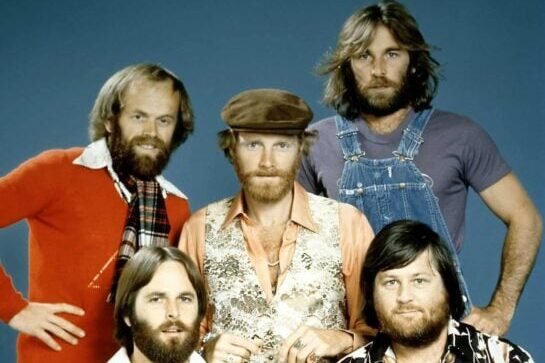
With harmonies that felt like a warm breeze off the Pacific, The Beach Boys captured a slice of Americana no one else could replicate. They made listeners feel like they were right there on the sand, soaking up the sun, even if they lived nowhere near a beach. Their early songs about surfing and cars were simple joys that defined the youth culture of the era. But behind the bright melodies was an intricate musicality that showed just how talented they really were. As time went on, their sound deepened and matured. Albums like Pet Sounds revealed emotional layers people didn’t expect. They proved that “feel-good” music could also be profound.
The Beach Boys influenced countless musicians with their lush arrangements and unmistakable vocal blend. Brian Wilson’s creativity became legendary, and the group’s willingness to experiment expanded the boundaries of pop. Fans loved that they could deliver carefree tunes one minute and soul-stirring ones the next. Their music became a soundtrack for lazy days, first crushes, and everything in between. Even now, hearing those harmonies feels like stepping into a different world. They helped shape not only the sound of the ’60s but the feeling of it.
4. The Supremes
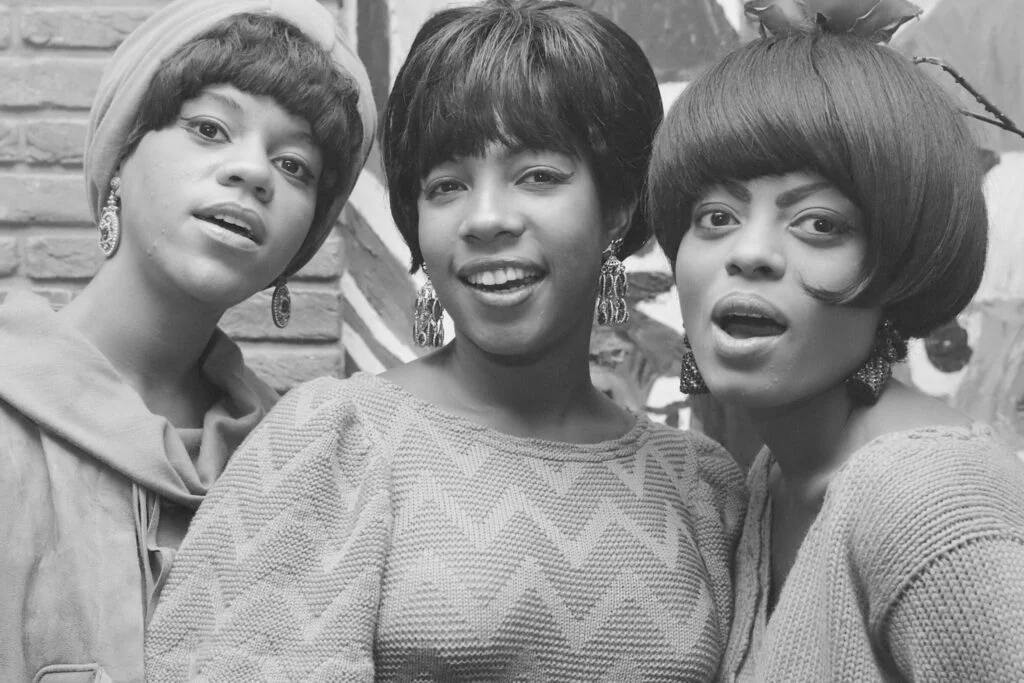
The Supremes didn’t just represent Motown, they became its crown jewels. Their elegant presence and polished harmonies brought a sense of glamour to the charts, and audiences couldn’t get enough. Diana Ross’s distinct voice floated through radios across the country, turning every song into an instant classic. They held their own during the British Invasion, which says a lot about their staying power. Their string of hits helped expand Motown’s reach far beyond Detroit. They became role models for young women everywhere. And they proved that pop could be both stylish and deeply emotional.
People loved how effortlessly they mixed confidence with softness. Their performances felt both intimate and grand, making you feel like you were right there in the room with them. They paved the way for generations of girl groups, shaping the look and sound of what came next. Their style was iconic in its own right, and their music crossed barriers in a time when the country was divided. Every hit felt like a promise that things could get better. And their influence is still felt in pop and R&B today.
5. The Monkees
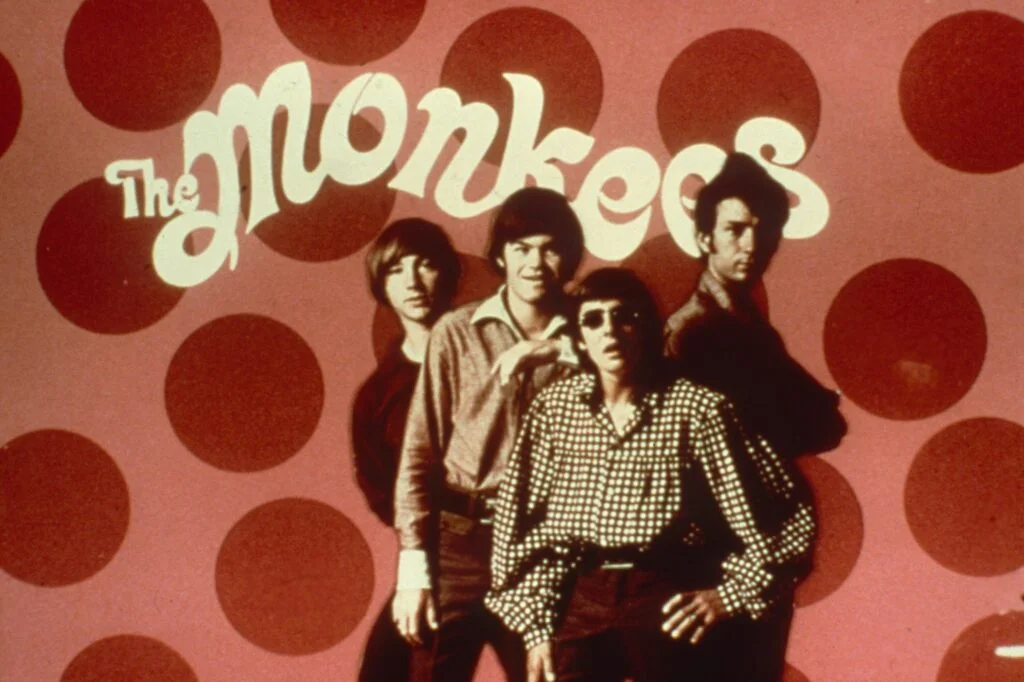
The Monkees may have started as a made-for-TV band, but they won people over with pure charm and surprisingly strong pop craftsmanship. What began as a sitcom experiment quickly turned into a real musical force, and fans embraced them with enthusiasm. Their songs were playful and catchy, the kind that stick in your head for days. They leaned into humor without ever sacrificing melody. And when they began writing and performing more of their own material, listeners realized they were far more than a television gimmick. They became one of the decade’s most recognizable acts.
Their upbeat sound captured the youthful optimism of the moment. Even people who didn’t watch the show found themselves humming along to their hits. They bridged TV and music at a time when that crossover wasn’t common, opening doors for future pop groups. Their personalities made them feel like friends you invited into your living room each week. And yet, beneath the laughs, there was genuine artistry developing. They proved that origins don’t matter as much as heart. The Monkees left their mark in a way no one saw coming.
6. The Byrds
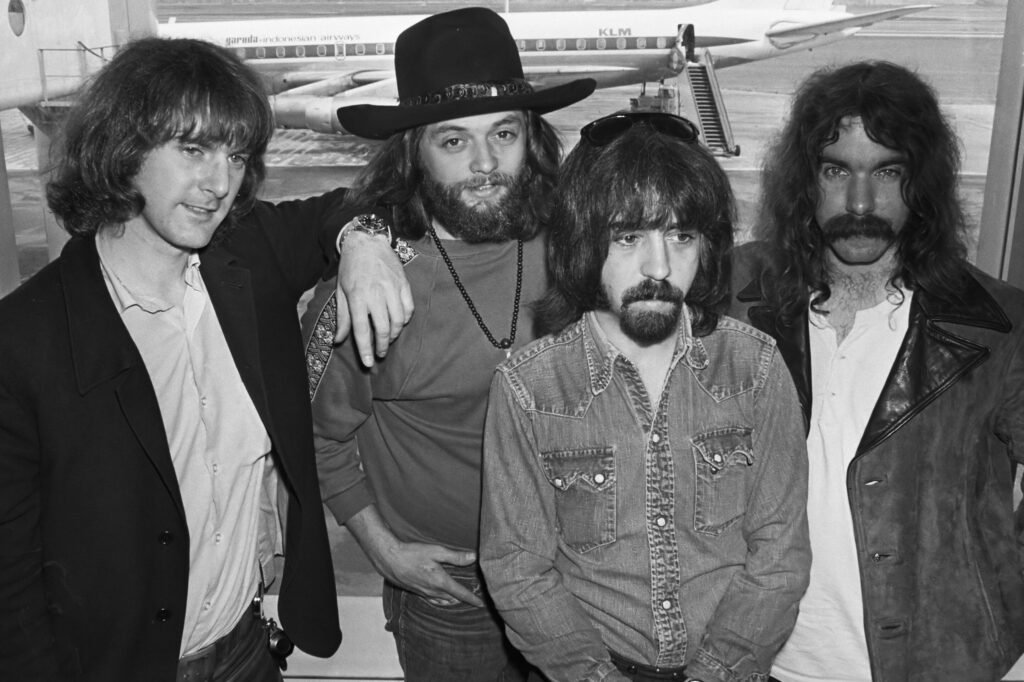
The Byrds blended folk and rock so seamlessly that it felt like they created an entirely new color on the musical palette. Their jangly guitars and tight harmonies gave the ’60s a sound that was instantly recognizable. They brought Bob Dylan’s lyrics into the mainstream, adding electric guitars that made everything feel fresh. Their early hits had a dreamlike quality that drew listeners in. And as they evolved, they helped pioneer psychedelic rock and country rock. They were always searching for new directions. That restless creativity shaped their identity as a band.
Fans connected with how thoughtful their music felt, even when it drifted into cosmic territory. They carried the sincerity of folk music into a louder world. Their experiments pushed the boundaries of what rock could look like. And their influence can be heard in countless bands that followed. Their sound became shorthand for a whole era of musical exploration. They weren’t afraid to reinvent themselves, which kept their work exciting. The Byrds helped define the ’60s by never standing still.
7. The Doors
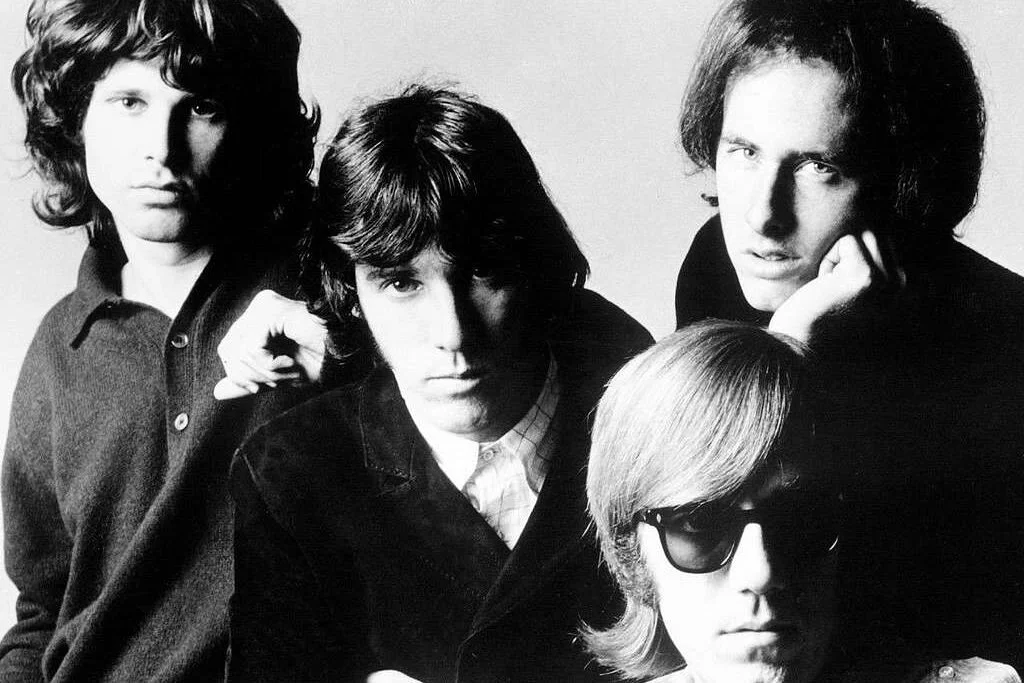
The Doors brought a mysterious, moody energy to the decade that felt completely different from anyone else. Jim Morrison’s deep, poetic lyrics gave their songs a darker edge, and audiences were fascinated by it. Their music blended rock, blues, and a little bit of theater, creating an atmosphere that was hypnotic. The organ riffs alone were enough to set them apart. Their concerts felt unpredictable, which thrilled fans and worried promoters. They pushed boundaries that others wouldn’t touch. And their sound captured the shadowy side of the era’s social changes.
Listeners were drawn to how raw and expressive their songs could be. They sounded like a band that wasn’t afraid of discomfort, and sometimes even embraced it. Their music gave voice to feelings that didn’t always have a place in pop. They helped shape the psychedelic scene while keeping a foot grounded in blues. And whether you loved them for their boldness or their vulnerability, they stayed unforgettable. Even now, their best tracks feel hauntingly alive. The Doors added depth to the decade’s musical landscape.
8. Simon & Garfunkel
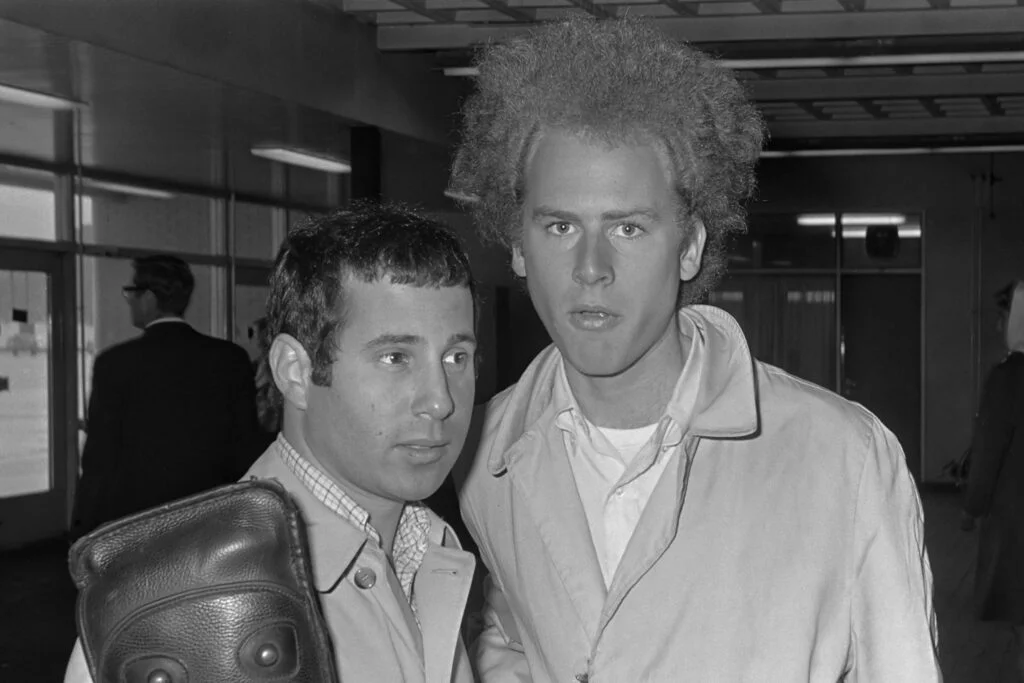
Simon & Garfunkel created some of the most soothing, reflective music of the era, and their harmonies felt like a balm during turbulent times. Their songs carried a quiet wisdom that resonated deeply. They sang about longing, change, and connection in a way that felt intimate. Even their softest tracks packed emotional weight. Their ability to turn simple moments into something poetic became their signature. Their music became a companion for people navigating uncertainty. And every new release felt like a thoughtful conversation with listeners.
Their success showed that gentle music could still be powerful. They brought folk into mainstream pop with a tenderness that set them apart. Their harmonies created a sense of closeness, as if they understood exactly what people were feeling. They wrote songs that sounded timeless from the start. And their work continues to inspire artists across genres. Simon & Garfunkel proved that quiet voices can echo the loudest. Their sound remains one of the most beloved of the ’60s.
9. The Who
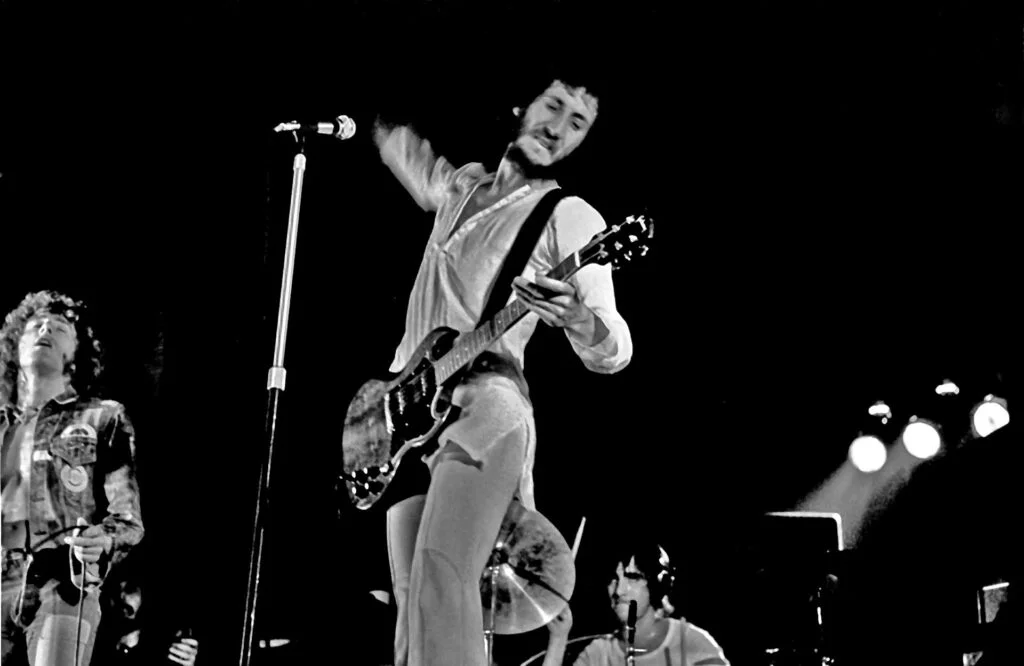
The Who delivered a punchy, high-energy sound that spoke directly to restless young fans. They smashed guitars, pushed amplifiers to their limits, and brought a rebellious rush to the stage that people still talk about. Their songs were bold and loud, but they were also filled with sharp storytelling. They tackled themes of identity and frustration, which made their music feel personal to anyone trying to carve out their own place in the world. Their live shows were legendary. And they helped shape what rock performance could look like.
Their innovation didn’t end on stage, though. They embraced new technology and concepts, eventually giving the world one of the earliest rock operas. They weren’t afraid to get ambitious. Yet even with all that experimentation, their hooks stayed irresistible. Fans loved how their music made them feel seen and understood. And their influence helped define hard rock and punk down the line. The Who captured the explosive energy of the ’60s like few others.
10. The Temptations
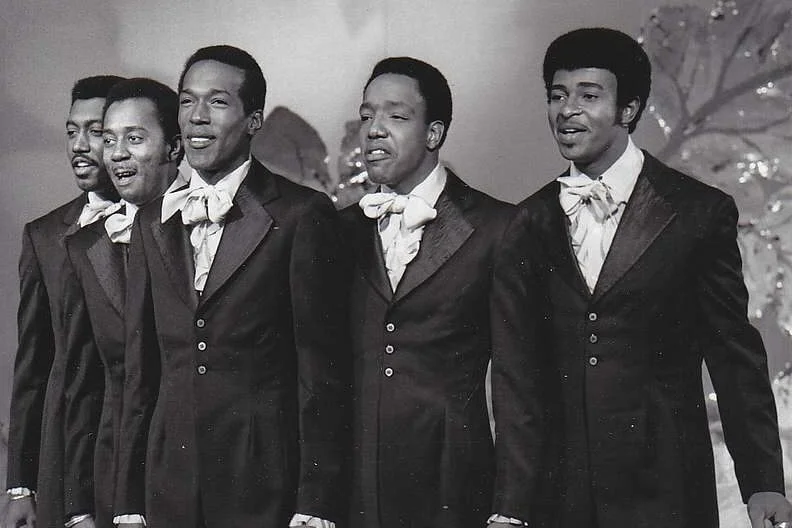
The Temptations brought smooth sophistication to the soul and R&B scene, and their harmonies were unmatched. Every member added something distinctive, creating a blend that felt lush and full. Their choreography made performances feel polished and exciting. And their string of Motown hits helped define the decade’s sound. They could move effortlessly from sweet romance to powerful social commentary. Their evolution reflected the changing world around them. And fans followed them through every new chapter.
Their music carried an emotional warmth that listeners loved. Songs felt both comforting and exciting, often at the same time. They set a high bar for vocal groups that still exists today. And they played a major role in shaping Motown’s golden age. Their ability to grow musically while staying true to their roots kept them relevant throughout the decade. They became a symbol of artistry and unity. And their legacy remains one of the brightest in ’60s music.
11. Creedence Clearwater Revival
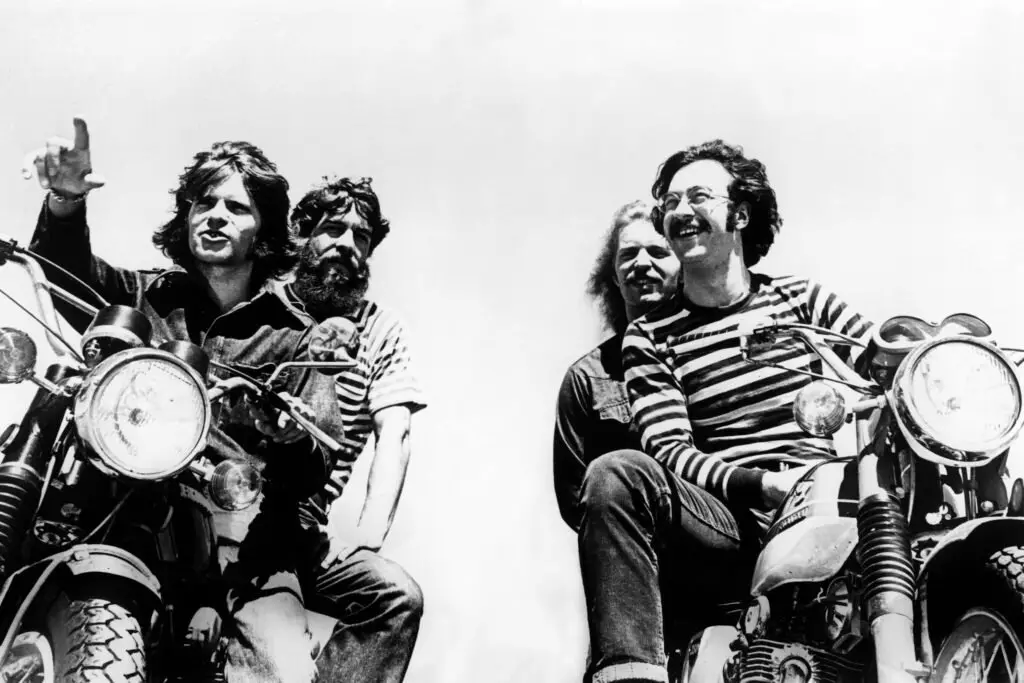
Creedence Clearwater Revival had a sound that felt uniquely American, even though it came from the heart of California. Their swamp-rock style mixed blues, country, and rock in a way that felt familiar but entirely their own. John Fogerty’s gritty voice gave every song a sense of urgency. Their lyrics often touched on working-class struggles and the political climate. And their melodies were straightforward in a refreshing way. They didn’t need gimmicks to stand out. Their authenticity did all the work.
Fans appreciated how grounded their music felt, especially during a time when many bands leaned psychedelic. CCR kept things sharp and focused. Their songs became staples of road trips, backyard gatherings, and anywhere people wanted something real. They spoke to both the frustrations and hopes of the era. Their sound became a sort of heartbeat for those living through big changes. And even now, their influence shows up in rock and Americana music everywhere.
12. Jefferson Airplane
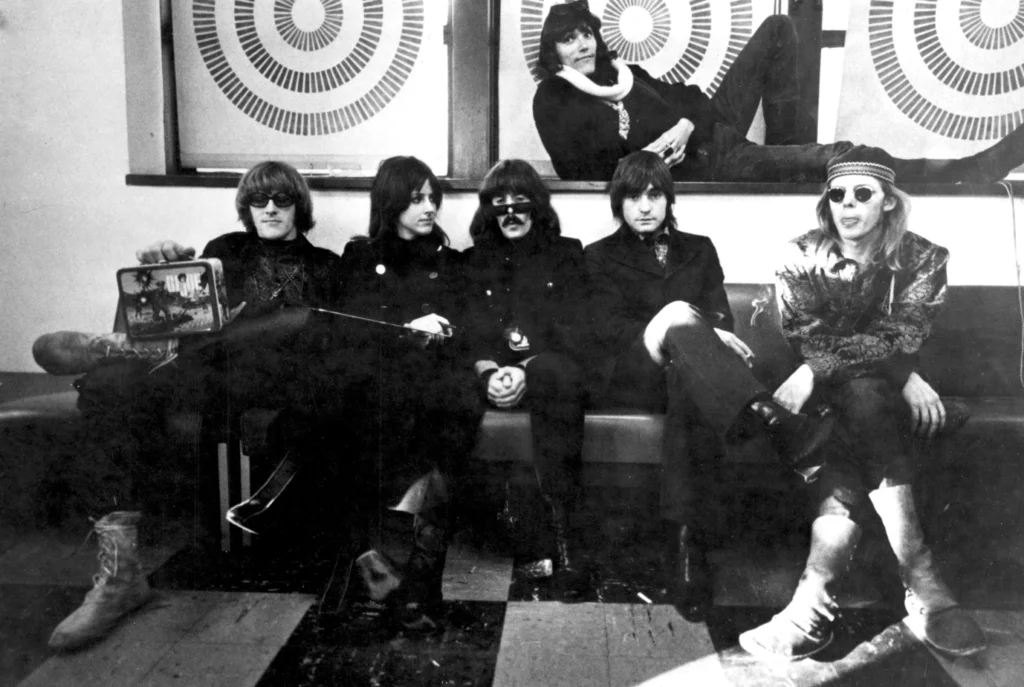
Jefferson Airplane became one of the defining voices of the psychedelic movement. Their bold, surreal sound captured the spirit of counterculture in a way few bands could. Grace Slick’s powerhouse vocals cut through swirling guitars and dreamlike arrangements. Their songs became anthems for a generation seeking something different. They brought a sense of adventure to their music, as if anything could happen at any moment. And their performances at festivals like Woodstock cemented their place in history.
Listeners loved the way their music felt like stepping into another world. They pushed boundaries with both sound and subject matter. Their work reflected the era’s curiosity and desire for transformation. And even when they wandered into experimental territory, their passion kept everything grounded. They helped define what psychedelic rock could be. And they left behind a catalog that still fascinates new listeners. Jefferson Airplane captured the wild heart of the ’60s.
13. The Velvet Underground
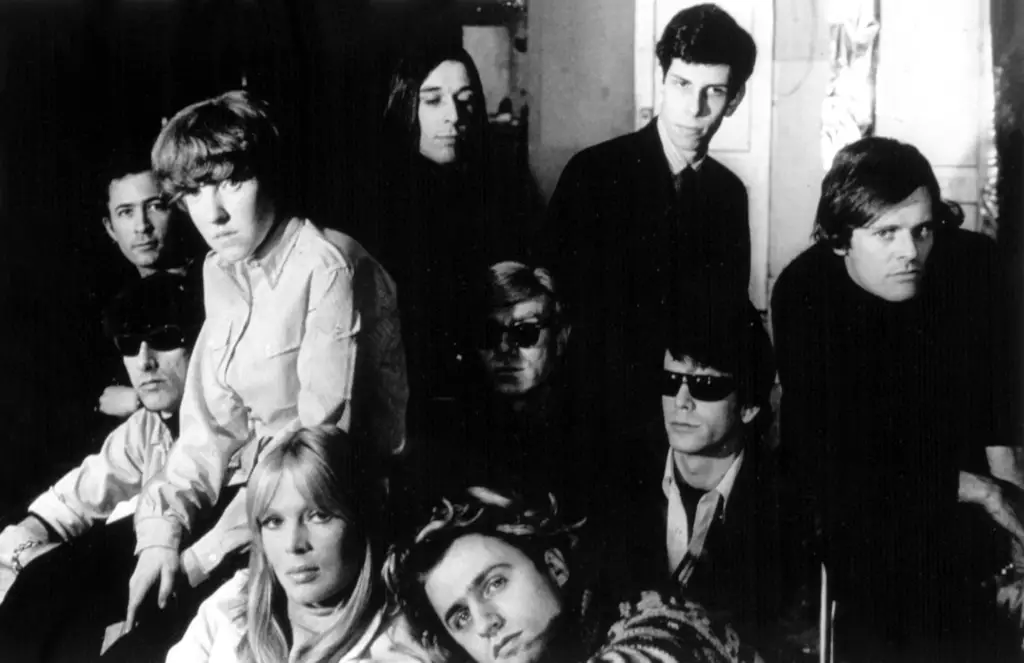
The Velvet Underground never topped the charts during the ’60s, but their influence turned out to be enormous. Their music was raw and artful, often exploring topics most bands wouldn’t touch. Lou Reed’s writing felt unfiltered and fearless. Paired with John Cale’s avant-garde instincts, the band created something entirely new. Their debut album may not have sold well at the time, but it found devoted fans who felt truly understood by it. They became a cult favorite for people who didn’t fit neatly into mainstream culture.
Their sound invited listeners into a grittier, more honest version of the decade. They weren’t interested in flower-power optimism, choosing instead to show the shadows. That honesty resonated with artists who came after them. And critics eventually recognized how ahead of their time they were. They influenced punk, alternative rock, and countless experimental genres. The Velvet Underground didn’t just define a part of the ’60s, they defined the future.
14. The Kinks
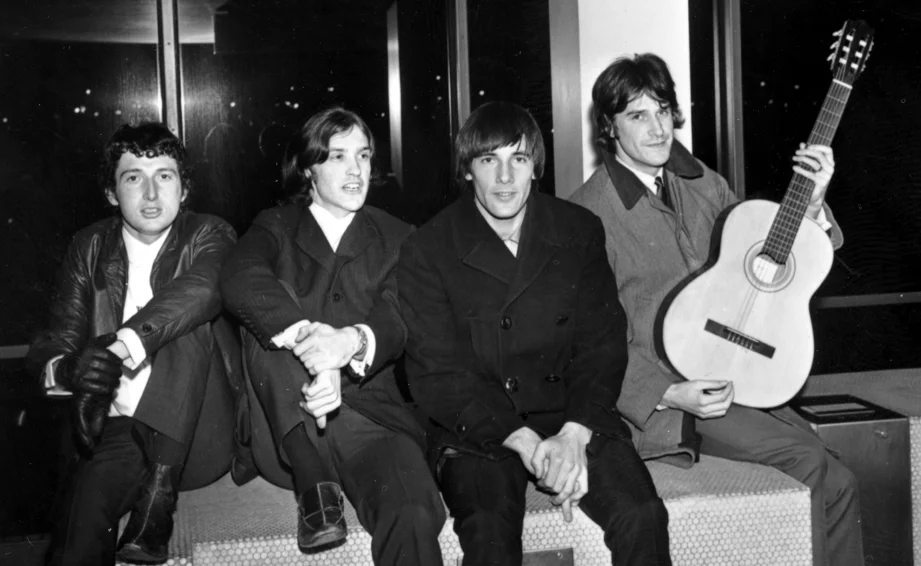
The Kinks brought a witty, observational style to rock that made them stand out from their British peers. Their songs often felt like little stories about everyday life, delivered with Ray Davies’s clever humor. At a time when many bands were going cosmic, they kept things grounded and charming. Their riffs were punchy, and their melodies lingered long after the song ended. They captured a uniquely British perspective without losing worldwide appeal. And their work influenced everyone from punk bands to Britpop groups decades later.
Fans loved how relatable their music felt, even when the arrangements got ambitious. They blended simplicity with imagination, creating songs that felt timeless. Their lyrics offered snapshots of the era’s cultural quirks. And their sound had a warm, slightly mischievous quality that made them easy to love. The Kinks carved out a space all their own in a crowded musical landscape. And their legacy continues to shine as one of the decade’s most distinctive voices.