
1. Ford Pinto’s “The Little Car That Could”
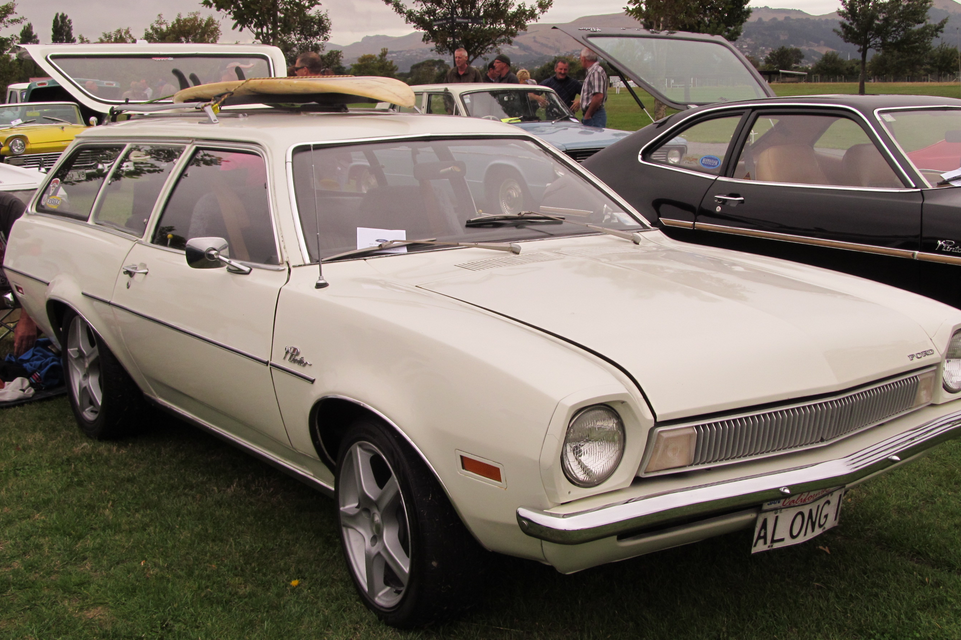
Ford wanted to appeal to young, budget-conscious buyers in the early ’70s, so they launched an upbeat campaign calling the Pinto “The Little Car That Could.” The commercials showed happy families and free-spirited drivers zipping around town, all while touting affordability and fuel efficiency. It seemed like the perfect car for the times, especially with gas prices climbing.
But once word spread that the Pinto’s gas tank could explode in rear-end collisions, those cheerful ads suddenly looked horrifying. The slogan that once sounded empowering became darkly ironic. Ford’s upbeat tone clashed with the growing safety scandal, and the company faced lawsuits, recalls, and public outrage. What started as a marketing triumph became one of the most infamous corporate backfires of the decade.
2. Life Savers’ “Fancy Flavors” Launch
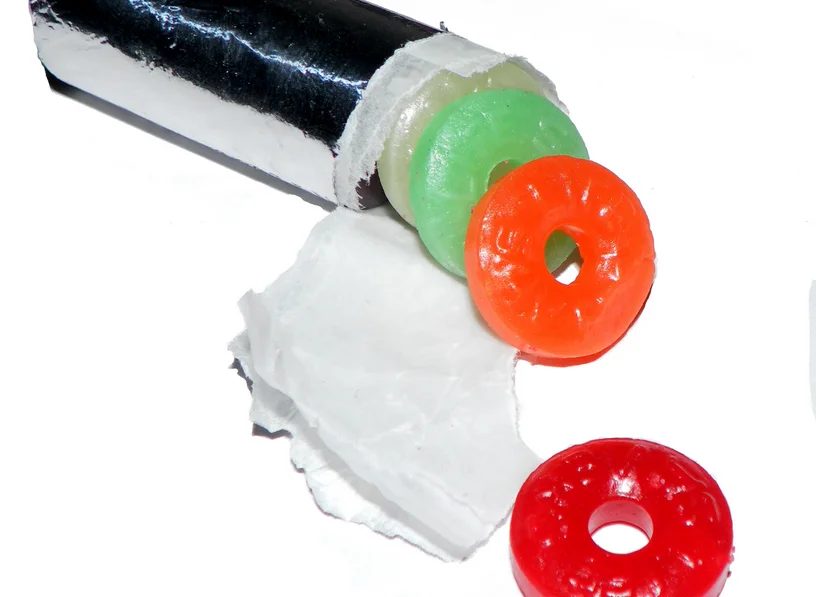
In 1971, Life Savers tried to go upscale by releasing “Fancy Flavors,” a line that included clove, cinnamon, and butter rum. The ads promised “sophisticated tastes for sophisticated people,” complete with elegant packaging meant to appeal to adults rather than kids. It was a bold attempt to elevate the humble candy into something chic.
Unfortunately, consumers didn’t want spice-flavored candy, and the reaction was swift. People joked that the new flavors tasted more like medicine than treats. Sales tanked, and Life Savers quietly pulled the line from stores. The company quickly learned that candy lovers wanted fun, not refinement, and returned to their fruity roots.
3. McDonald’s “Hula Burger”
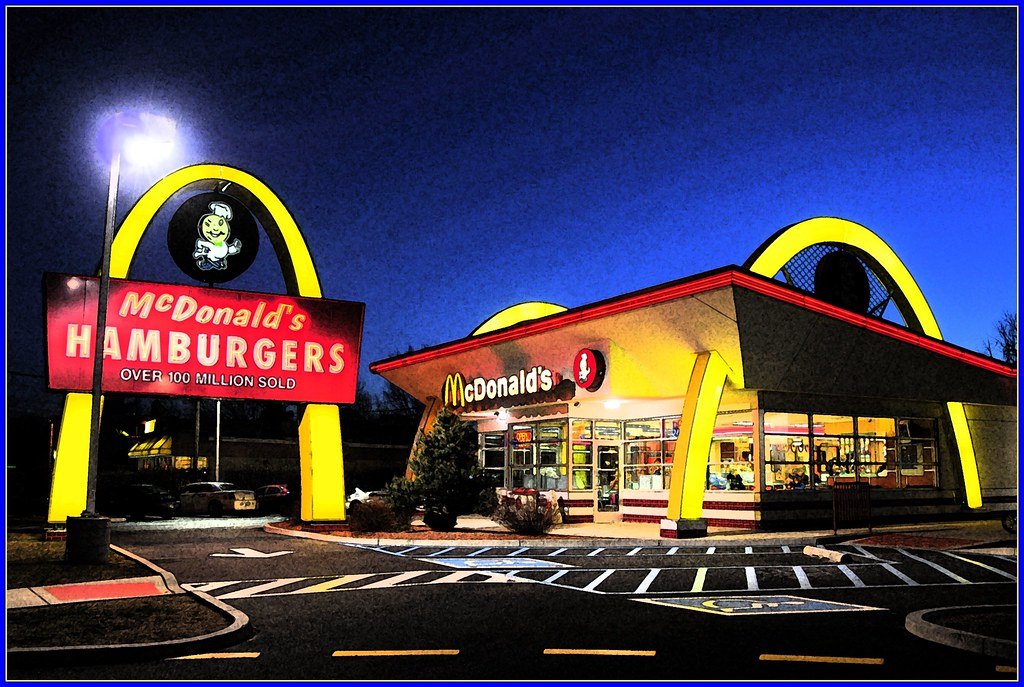
Before the Filet-O-Fish became a staple, McDonald’s tested the “Hula Burger,” featuring a grilled pineapple slice and cheese on a bun. The ads promised a “taste of the islands,” hoping to attract Catholics looking for a meat-free Friday option. On paper, it sounded creative, even a little exotic.
In practice, customers hated it. The flavor combination was strange, the texture was off, and the idea of hot pineapple as a burger substitute was downright unappetizing. The Filet-O-Fish soon beat it out in test markets, and the Hula Burger was discontinued almost immediately. It remains one of the most bizarre ideas McDonald’s ever advertised.
4. Ford’s “Better Idea” Lightbulb Ads

Ford’s “Better Idea” campaign featured a glowing lightbulb turning on over people’s heads whenever someone mentioned the brand. The goal was to associate Ford with creativity and innovation. Commercials were sleek, stylish, and self-congratulatory, a reflection of the company’s confidence during the early ’70s.
However, the ads didn’t resonate with everyone. Many viewers found them confusing and even arrogant, wondering what the “better idea” actually was. Instead of inspiring excitement, the glowing bulb became a symbol of corporate smugness. By the end of the decade, Ford quietly phased the campaign out, hoping no one would notice it had lost its spark.
5. Pepsi’s “Pepsi Generation” Backlash
Pepsi’s “Pepsi Generation” ads tried to capture the spirit of youthful rebellion, featuring tanned, carefree twenty-somethings dancing, laughing, and sipping soda. The company wanted to show it was more than a drink—it was a lifestyle. For a while, it worked, giving Pepsi a cool, energetic image that rivaled Coca-Cola’s traditional feel.
But the tone quickly became too polished and inauthentic. Critics accused Pepsi of exploiting youth culture rather than embracing it. Some even called the ads shallow and self-important. The campaign eventually burned out under its own hype, proving that coolness can’t always be manufactured in a marketing meeting.
6. Colgate’s “Kitchen Entrees”

In 1979, Colgate decided to expand beyond toothpaste with a new line of frozen meals called “Colgate Kitchen Entrees.” The commercials showed smiling families eating lasagna and chicken à la king under the familiar red-and-white logo. The company hoped its reputation for cleanliness and trust would translate to the dinner table.
It didn’t. Viewers were instantly turned off by the association between toothpaste and food. The image of brushing your teeth between bites wasn’t exactly appetizing. The meals failed spectacularly, and Colgate quickly retreated back to oral care. It’s now remembered as one of the strangest brand extensions in history.
7. Listerine’s “Always a Bridesmaid” Revival
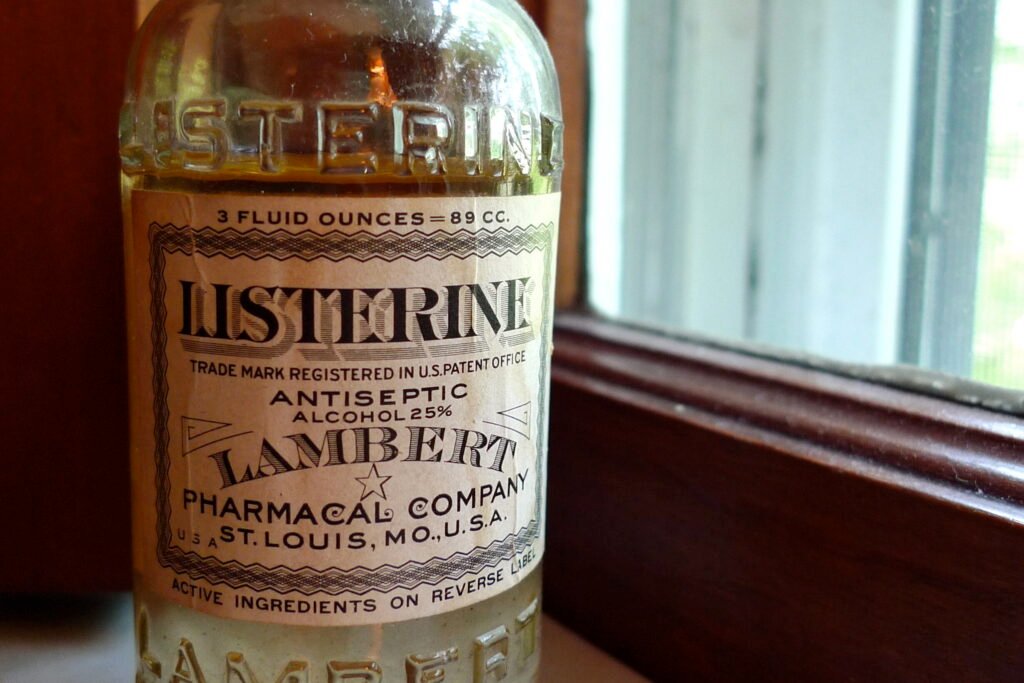
Listerine’s ad campaign warning women about “chronic halitosis” had been around for decades, but in the ’70s, they brought it back. The tagline “Always a bridesmaid, never a bride” suggested that bad breath could be the reason a woman wasn’t married. The brand thought they were tapping into nostalgia with a familiar message.
Instead, it came off as outdated and sexist. By the time the women’s movement was in full swing, this kind of fear-based marketing felt offensive. The backlash was loud, with critics calling the campaign manipulative and tone-deaf. Listerine soon pivoted to focus on health benefits rather than social shame.
8. Ford Edsel Nostalgia Ads
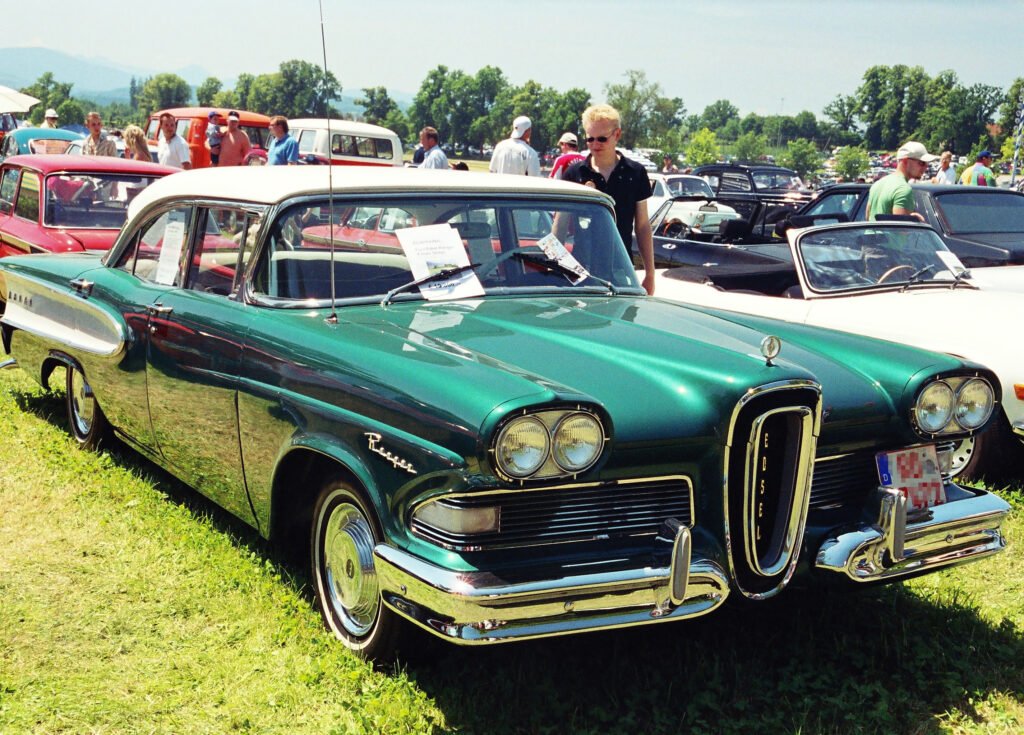
In an attempt to revive interest in the ill-fated Edsel brand, Ford ran a nostalgic series of ads in the early ’70s. They framed the car as a misunderstood masterpiece ahead of its time. The company hoped nostalgia would soften the vehicle’s disastrous reputation from the late ’50s.
Unfortunately, it only reminded people of how badly the Edsel had failed. Jokes resurfaced, and sales went nowhere. Consumers saw the campaign as Ford trying to rewrite history. Instead of redemption, the ads just reopened an old wound that the company was better off forgetting.
9. Alka-Seltzer’s “Spicy Meatball” Confusion
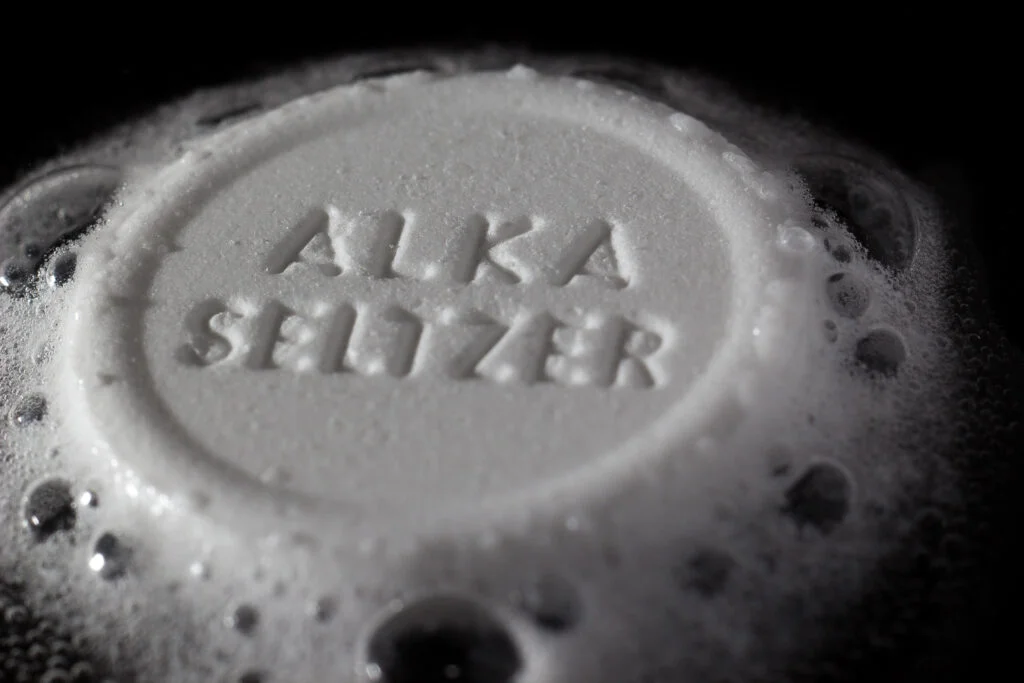
The 1970 “Spicy Meatball” ad featured an actor struggling through endless takes of a commercial, repeatedly eating a meatball until his indigestion hit. The punchline came when he popped an Alka-Seltzer and sighed in relief. It was funny, clever, and widely praised as one of the best ads ever made.
But there was one big problem: people thought Alka-Seltzer was the name of the meatball. Viewers missed the point entirely and didn’t realize it was selling an antacid. The company saw a drop in sales despite the ad’s popularity. It became a textbook case of an award-winning campaign that failed to move products.
10. Coca-Cola’s “It’s the Real Thing” Mix-Up

Coca-Cola’s 1971 “It’s the Real Thing” campaign featured the now-iconic “I’d Like to Buy the World a Coke” jingle. The idea was to spread harmony and togetherness through Coke, a concept that initially warmed hearts. The ad was so popular it became part of pop culture.
However, the company quickly overextended the message. Later variations of the slogan were seen as hollow and opportunistic, especially as social and political tensions grew. Critics accused Coke of using peace and love to sell sugar water. The original commercial became beloved, but its follow-ups backfired, proving that even “real” things can feel fake when overused.
11. Levi’s “Anti-Fashion” Jeans

Levi’s tried to distance itself from trendy competition in the mid-’70s with a series of “anti-fashion” ads. They showed rebellious young people mocking flashy brands while wearing plain Levi’s. The idea was to celebrate authenticity and American grit.
Unfortunately, the message didn’t land. Viewers found the tone self-righteous, and teens didn’t want to buy jeans that advertised being “anti-cool.” The campaign alienated both loyal customers and the fashion-forward crowd. Levi’s quickly returned to simpler ads focused on durability and comfort instead of attitude.
12. Xerox’s “Monk” Commercial Fallout

In 1977, Xerox ran a Super Bowl ad featuring a monk joyfully using a copier to duplicate manuscripts, showcasing the ease of modern technology. It was a hit, and the character became an instant favorite. The humor made Xerox seem approachable and fun.
But the backlash came from religious groups who felt the ad mocked monastic life. Some called it disrespectful and tasteless, and Xerox was forced to respond to the controversy. Though the company didn’t pull the ad, it became a reminder that humor can easily offend the wrong audience. The monk’s cheerful grin didn’t please everyone.
13. Burger Chef’s “Burger Wars” Misfire
In the mid-’70s, Burger Chef tried to challenge McDonald’s and Burger King with a feisty “Burger Wars” campaign. The commercials painted the company as a bold underdog ready to take on the giants. The tone was combative, almost taunting.
The problem was that consumers didn’t like picking sides over hamburgers. The aggressive style felt unappetizing, and Burger Chef’s family-friendly image vanished overnight. The chain soon lost ground and eventually disappeared entirely. Its campaign became a symbol of how overconfidence can cook a brand’s chances.
14. General Mills’ “Breakfast of the Future”

General Mills launched futuristic commercials in 1973 for a new line of cereals boasting “space-age nutrition.” The ads featured robots serving cereal and kids in shiny jumpsuits. It was meant to capture the excitement of NASA’s heyday.
Unfortunately, it also made the food seem artificial and unappealing. Parents didn’t want to feed their children something that looked like astronaut rations. Sales fell flat, and the product line was discontinued. The future, it turned out, didn’t taste so good.
15. RCA’s “See the Future” Color TV Ads

RCA’s “See the Future” campaign promised that color television would “change your life.” The sleek, sci-fi-inspired commercials showed families watching glowing screens in dimly lit rooms, promising endless possibilities. It was ambitious and cinematic.
But consumers weren’t ready for such a dramatic pitch. The tone came off as eerie rather than exciting. People joked that RCA made TV look more like a UFO sighting than home entertainment. The ads ended up scaring off some buyers instead of inspiring them to upgrade.
16. Dr Pepper’s “It’s Not a Cola” Identity Crisis
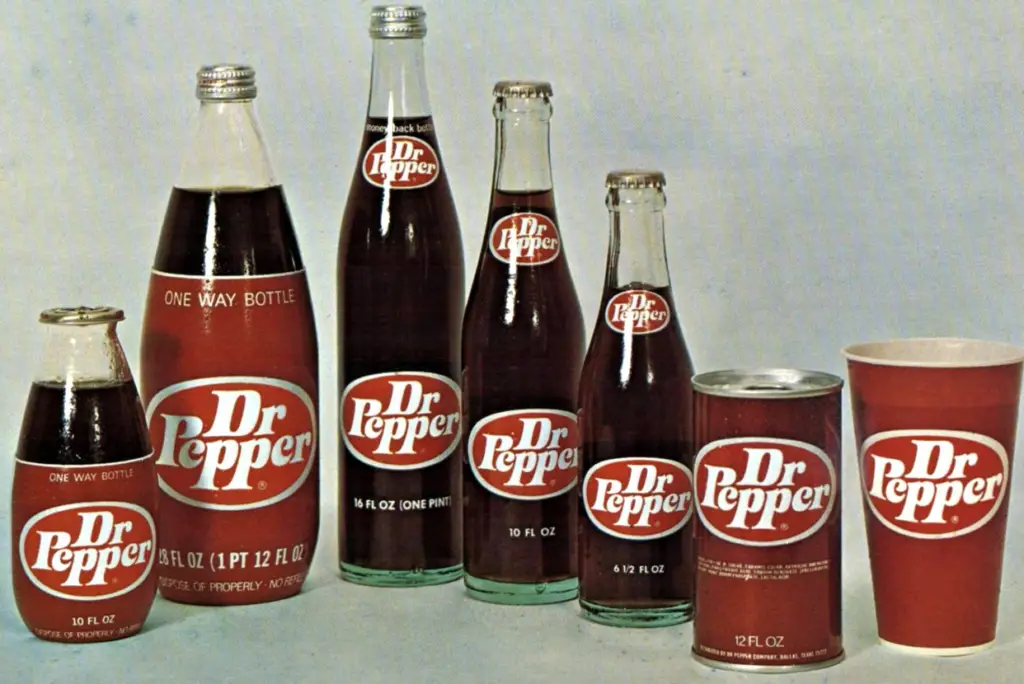
Dr Pepper tried to separate itself from Coke and Pepsi with the slogan “It’s Not a Cola.” The campaign emphasized how unique and original the drink was. Commercials showed people discovering its “one-of-a-kind taste” and embracing individuality.
Unfortunately, it just confused people. Many didn’t even know what Dr Pepper was supposed to be if it wasn’t a cola. Instead of clarifying the brand, the ads muddled its identity. Dr Pepper survived, but the ’70s campaign nearly fizzled it out.
17. Polaroid’s “Now You See It” Confusion
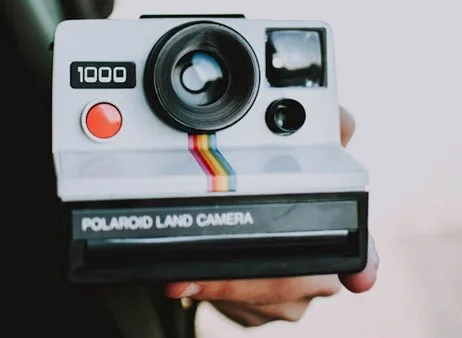
Polaroid’s instant cameras were revolutionary, and their commercials tried to make the technology look like magic. The “Now You See It” campaign featured dramatic reveals of photos developing before people’s eyes. It was visually stunning and full of energy.
The only problem was that it didn’t explain how the product worked—or why it was worth the price. Viewers were impressed but left confused about what made Polaroid different from regular cameras. The company later simplified its message to focus on instant gratification instead of spectacle, which finally clicked with customers.