
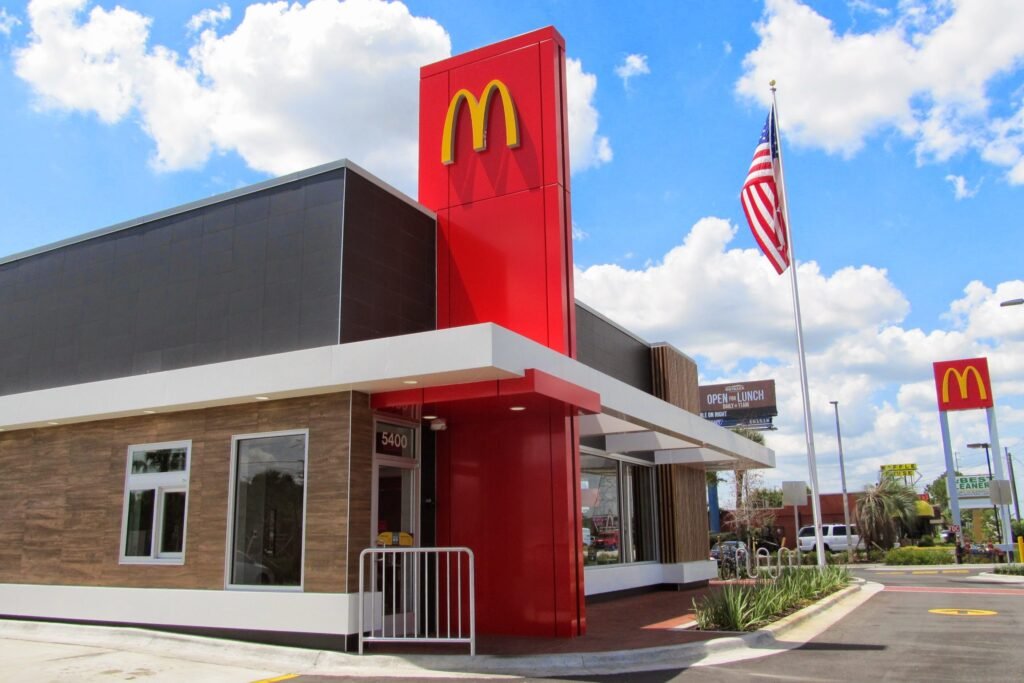
1. McDonald’s Hula Burger
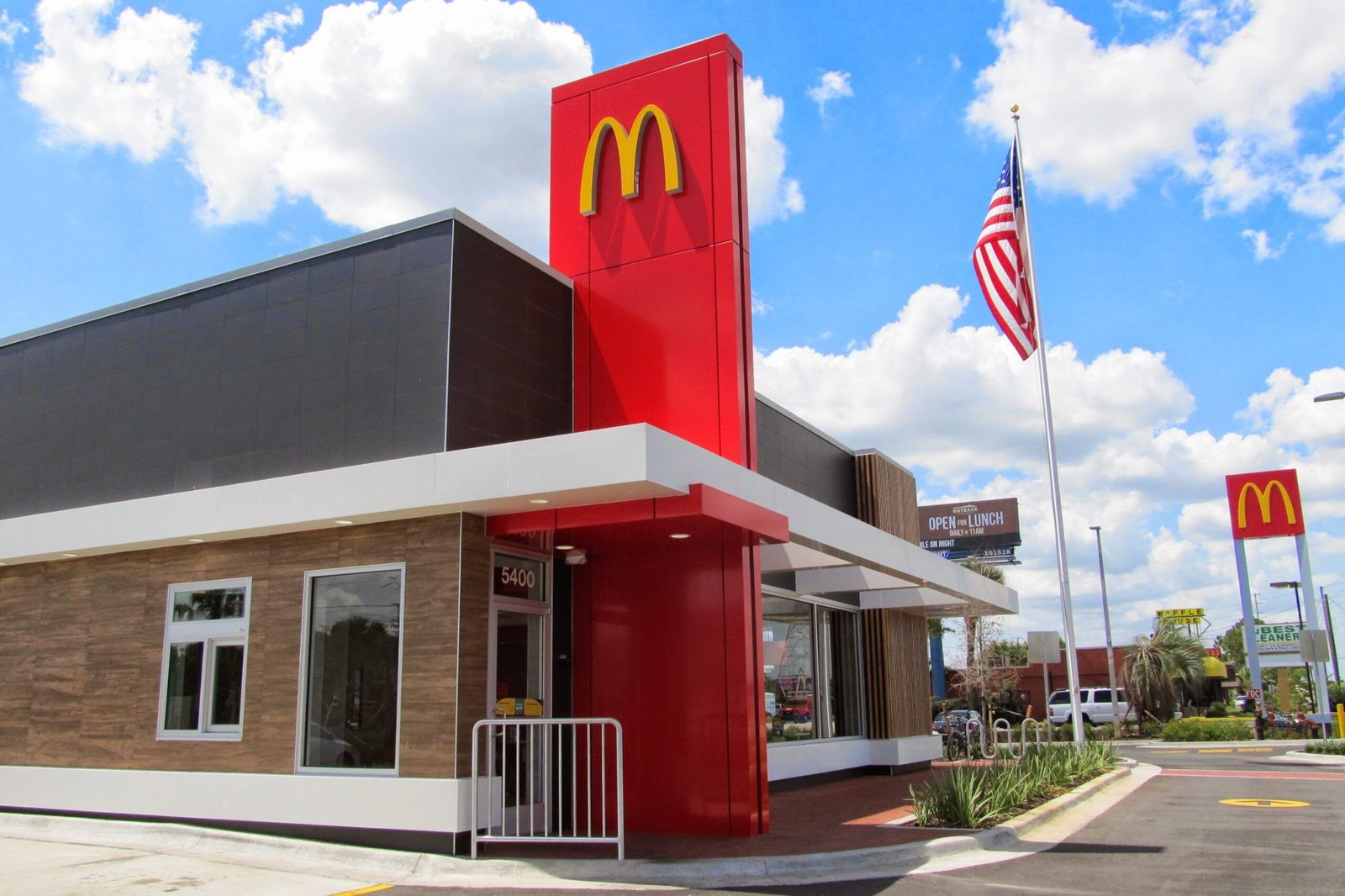
In the mid-’60s, McDonald’s founder Ray Kroc thought he had cracked the code to attract non-meat eaters on Fridays. His idea? A slice of grilled pineapple topped with cheese on a bun, dubbed the Hula Burger. It hit menus just before the Filet-O-Fish and was meant to appeal to Catholics abstaining from meat. Unfortunately, customers weren’t keen on the sweet-and-salty combo.
The pineapple patty didn’t stand a chance once the Filet-O-Fish proved to be a hit, and it was quickly pulled from the menu. Kroc later admitted the Hula Burger was one of his biggest misfires. The odd experiment remains a quirky footnote in McDonald’s history. To this day, it’s still a reminder that not every tropical twist translates to fast-food success.
2. Burger King’s Table Service Experiment
In the late ’70s, Burger King tried to outclass McDonald’s by offering sit-down service. They brought food to your table on actual trays, with real silverware and glassware at select locations. The idea was to make fast food feel a little more like dining out. Customers, however, were mostly confused.
Many didn’t want to wait for a server when they could just grab their Whopper and go. The added labor costs didn’t help either, and the experiment fizzled out within months. It was an early lesson that fast food should stay fast. The silverware disappeared, but the slogan “Have It Your Way” thankfully stuck around.
3. McDonald’s Onion Nuggets
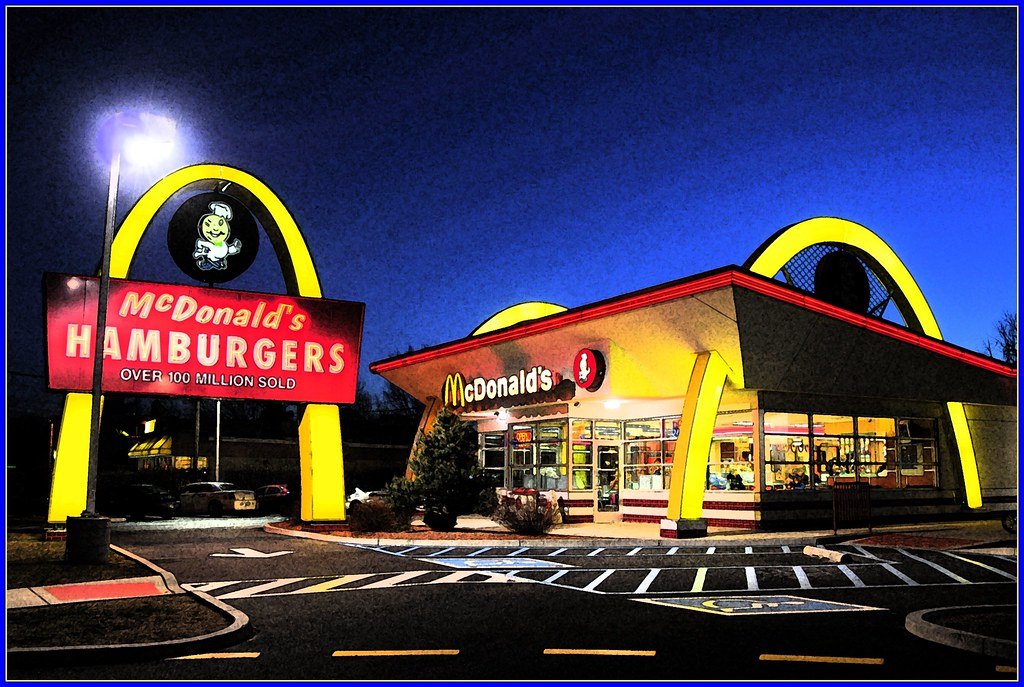
Before McDonald’s struck gold with Chicken McNuggets, they tried something a little more pungent. In the ’70s, the chain launched Onion Nuggets—bite-sized chunks of battered onion deep-fried into greasy oblivion. They were promoted as a snackable side dish but quickly earned a reputation for being overly soggy and inconsistent.
Customers didn’t exactly crave a box of oily onions, and sales tanked fast. While they didn’t last long, Onion Nuggets paved the way for the McNuggets we know today. It’s funny to think a failed fried onion experiment inspired one of McDonald’s most successful menu items. Sometimes, you really do have to fail first to fry right.
4. Taco Bell’s Bell Beefer
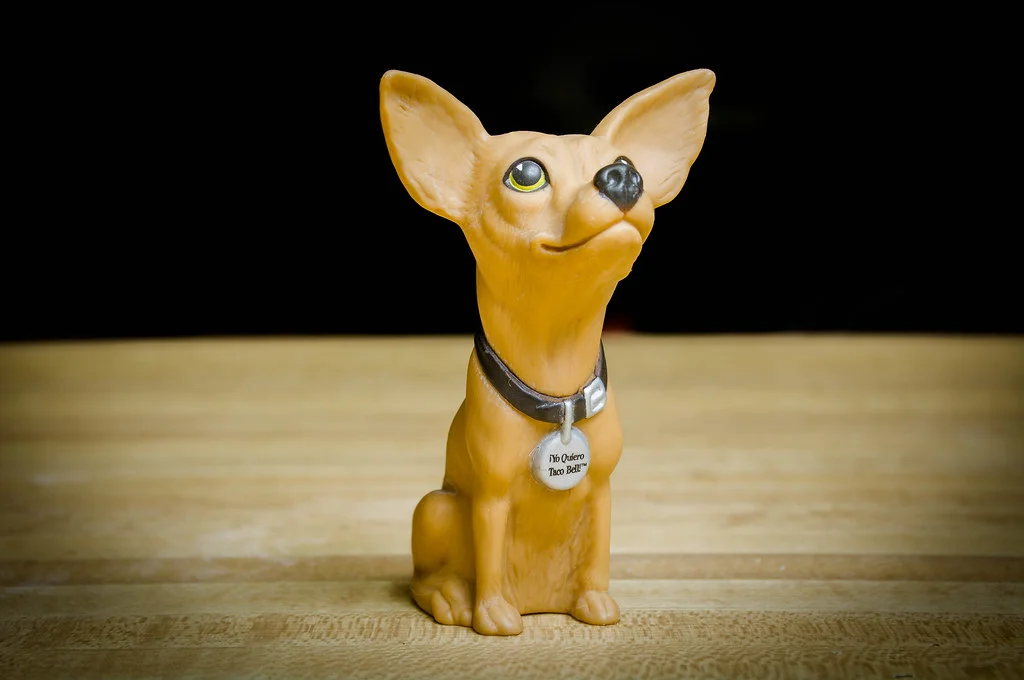
In an effort to compete with burger chains, Taco Bell decided to make… a burger. The Bell Beefer was basically their taco filling on a hamburger bun—ground beef, lettuce, and sauce. It was marketed as a “taco burger,” but fans of tacos wanted shells, not bread.
It lingered on the menu for a few years but never really caught on. By the early ’80s, it quietly vanished without much fanfare. Today, the Bell Beefer lives on mostly as an internet joke among nostalgic fast-food fans. Taco Bell learned that people go there for tacos, not sandwiches.
5. Burger Chef’s “Works Bar”
Burger Chef, one of McDonald’s biggest competitors in the ’70s, tried something bold—a self-service “Works Bar.” It let customers dress their burgers however they liked, piling on lettuce, onions, or whatever else they wanted. It sounded fun in theory, but it was a hygiene nightmare in practice.
Kids sneezed on toppings, and employees had to constantly clean up messes. The “Works Bar” quickly earned a reputation for being unsanitary, and health departments weren’t thrilled. Burger Chef eventually scrapped it altogether. Ironically, decades later, the idea evolved into salad bars—just in cleaner environments.
6. McDonald’s McDLT Prototype

In the late ’70s, McDonald’s was obsessed with food temperature innovation. Their answer was the McDLT—a burger that kept the “hot side hot and the cool side cool.” It came in a two-compartment Styrofoam box so you could assemble it yourself. The problem? Nobody wanted to build their own burger.
Customers found the packaging clunky and wasteful. Environmental groups were furious about the excess Styrofoam. By the early ’90s, the McDLT was scrapped completely. Still, it’s remembered for its catchy jingle starring a young Jason Alexander before his Seinfeld fame.
7. Wendy’s Salad Bar
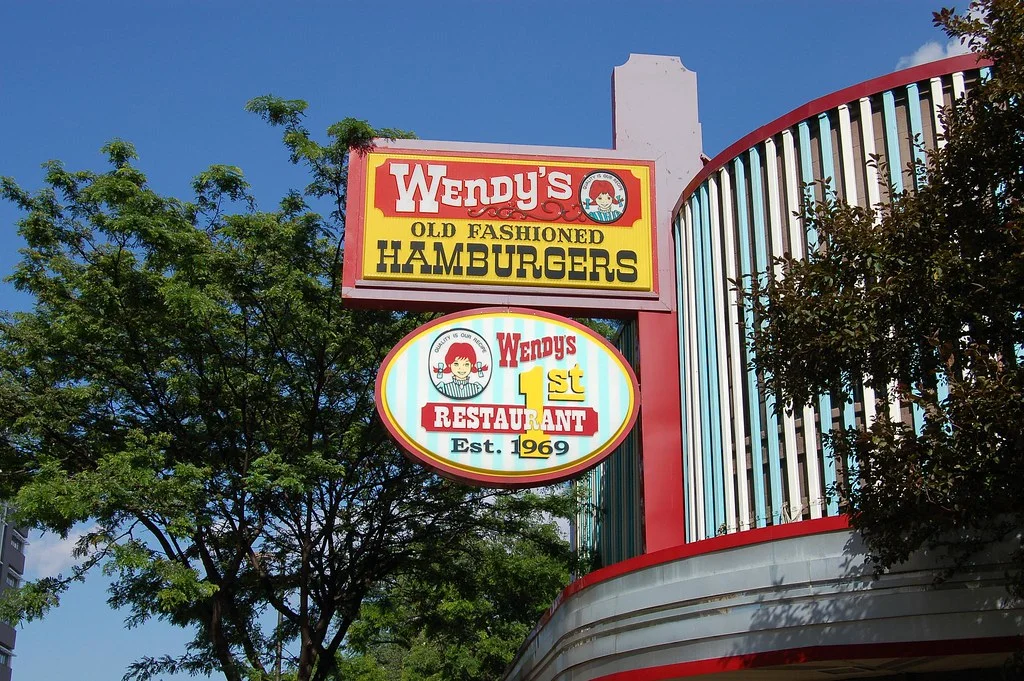
Wendy’s tried to go upscale in the ’70s by adding salad bars to their restaurants. It was a new idea for fast food, and for a while, people loved it. You could load up on iceberg lettuce, cheese, and bacon bits, pretending to eat healthy before grabbing a Frosty. But things went downhill quickly.
The salad bars were hard to keep fresh and clean, and customers didn’t trust their safety. Labor costs also skyrocketed, and Wendy’s realized most people still wanted burgers and fries. They eventually ditched the salad bars for more efficient menu items. It was a fresh idea that spoiled too fast.
8. McDonaldland Characters Merchandise
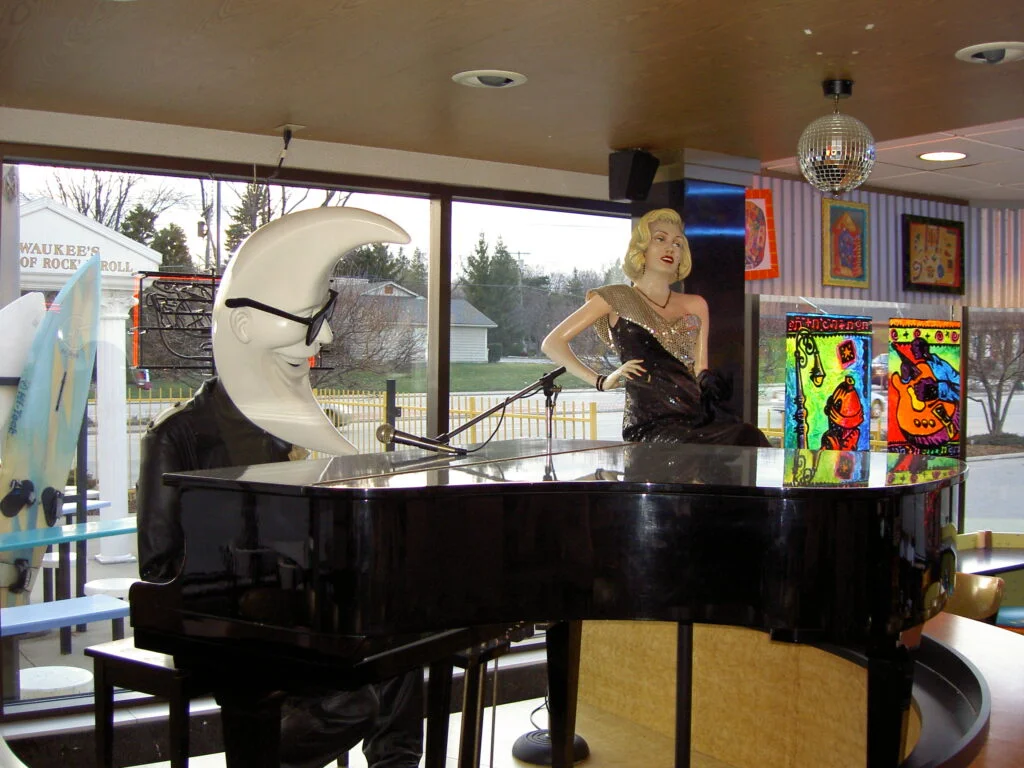
McDonald’s spent big on Ronald McDonald’s pals in the ’70s—Grimace, the Hamburglar, Mayor McCheese, and others. They turned the characters into toys, playgrounds, and even collectible glassware. Kids loved them, but adults were less impressed when a copyright lawsuit hit.
The creators of H.R. Pufnstuf sued McDonald’s, claiming the McDonaldland gang ripped off their designs. They won, forcing McDonald’s to scale back their character use. The whole fiasco was an expensive PR headache. It didn’t stop McDonald’s from marketing to kids, but it taught them to stick to original ideas.
9. Burger King’s Yumbo Sandwich
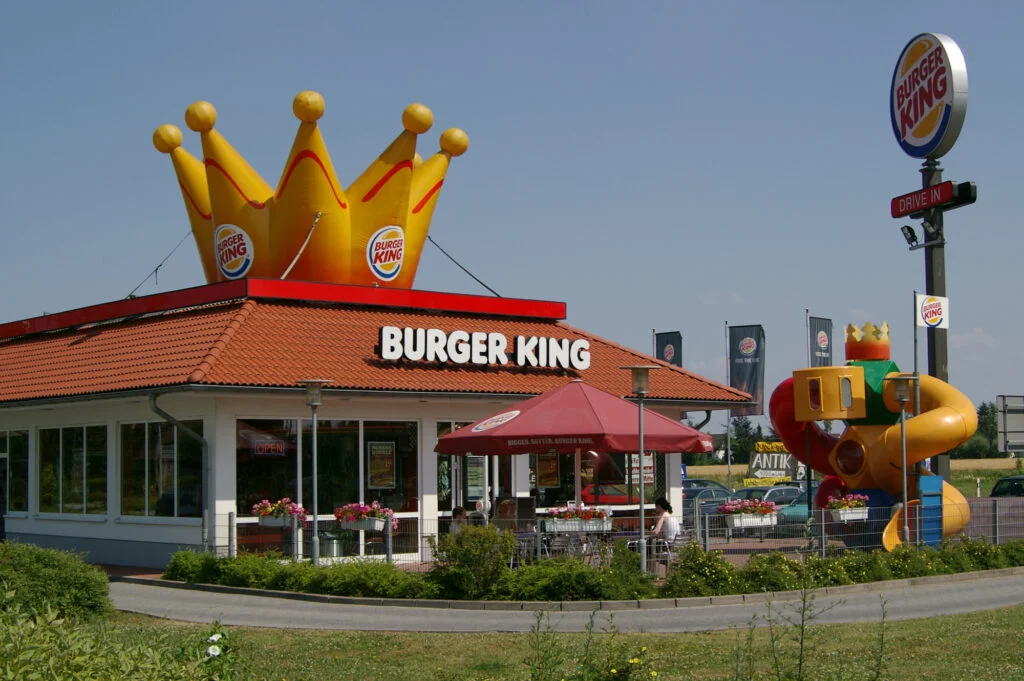
Burger King’s Yumbo sandwich sounded fun, but it was basically just hot ham and cheese. Launched in the mid-’70s, it was meant to give diners a warm, deli-style alternative to burgers. Unfortunately, most people found it bland and forgettable.
The name didn’t help either—it was goofy and hard to take seriously. The Yumbo disappeared from menus by the end of the decade and became a running joke among fast-food enthusiasts. When Burger King tried reviving it in the 2010s, nostalgia couldn’t save it. Some gimmicks are better left in the polyester past.
10. KFC’s “Colonel’s Rotisserie Gold”
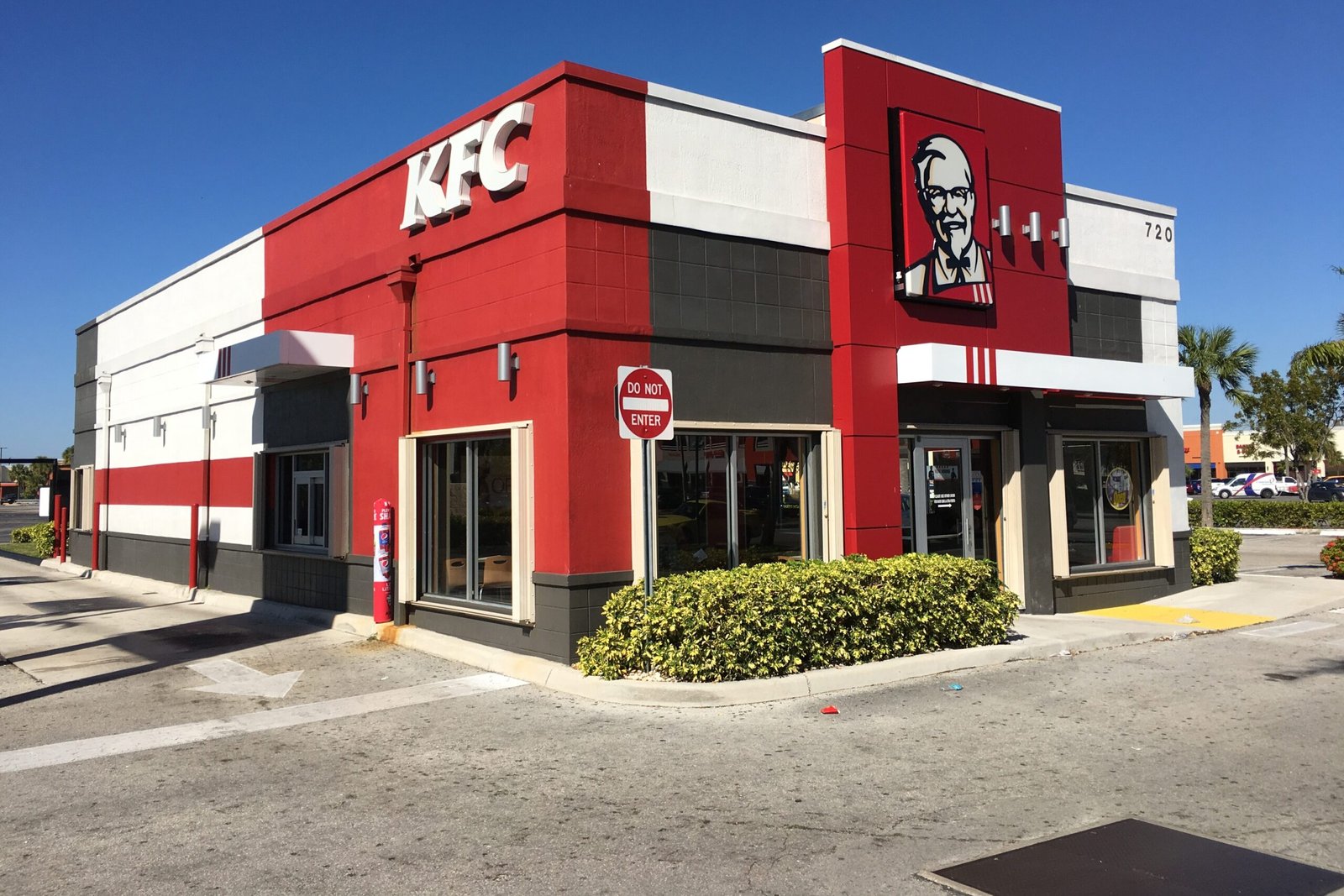
During the ’70s, KFC tried to tap into the health craze by promoting rotisserie chicken instead of fried. The “Colonel’s Rotisserie Gold” was pitched as a wholesome alternative to the bucket of crispy goodness. The problem? Nobody went to KFC for healthy food.
Customers missed the signature crunch, and sales fell flat. The rotisserie ovens were costly and hard to maintain. Within a short time, KFC quietly retired the item. It was proof that you can’t mess with a recipe that’s “finger-lickin’ good.”
11. McDonald’s McPizza
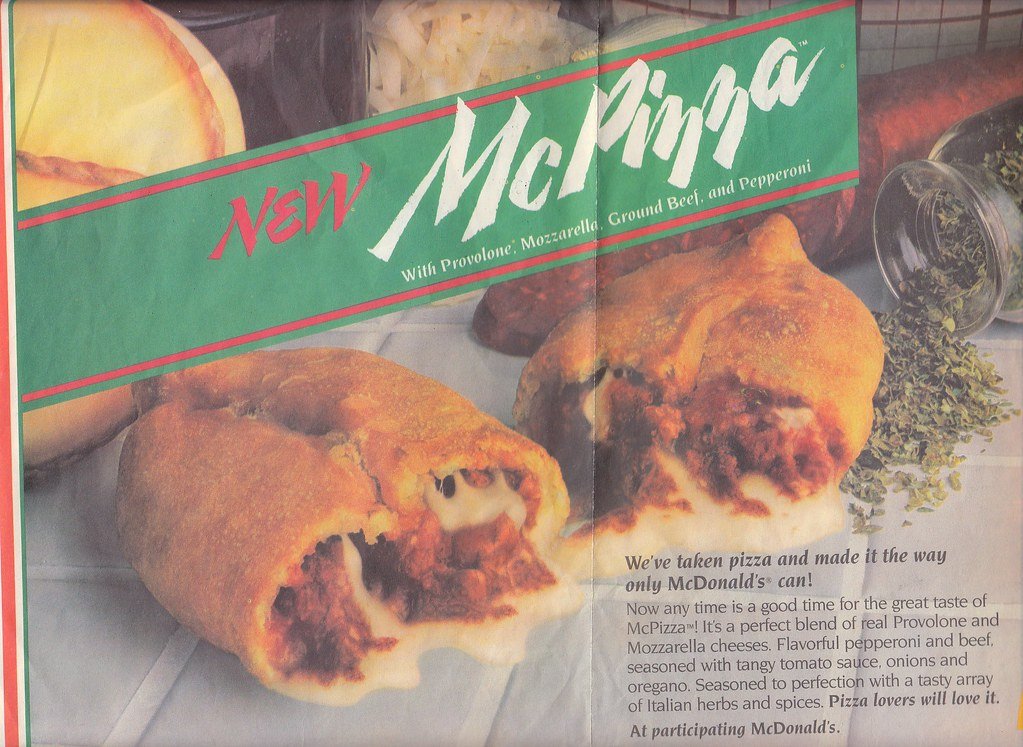
McDonald’s spent years trying to introduce pizza in the late ’70s. They even tested special ovens to bake it fast enough for drive-thru service. The catch? It wasn’t fast at all—it took over 10 minutes to cook. That kind of wait time broke the entire concept of fast food.
Families liked the idea, but individual customers weren’t patient enough. Franchise owners hated the extra equipment and slow service. The McPizza was eventually scrapped after numerous failed tests. To this day, it’s one of McDonald’s most talked-about flops.
12. Burger King’s “Dinner Baskets”
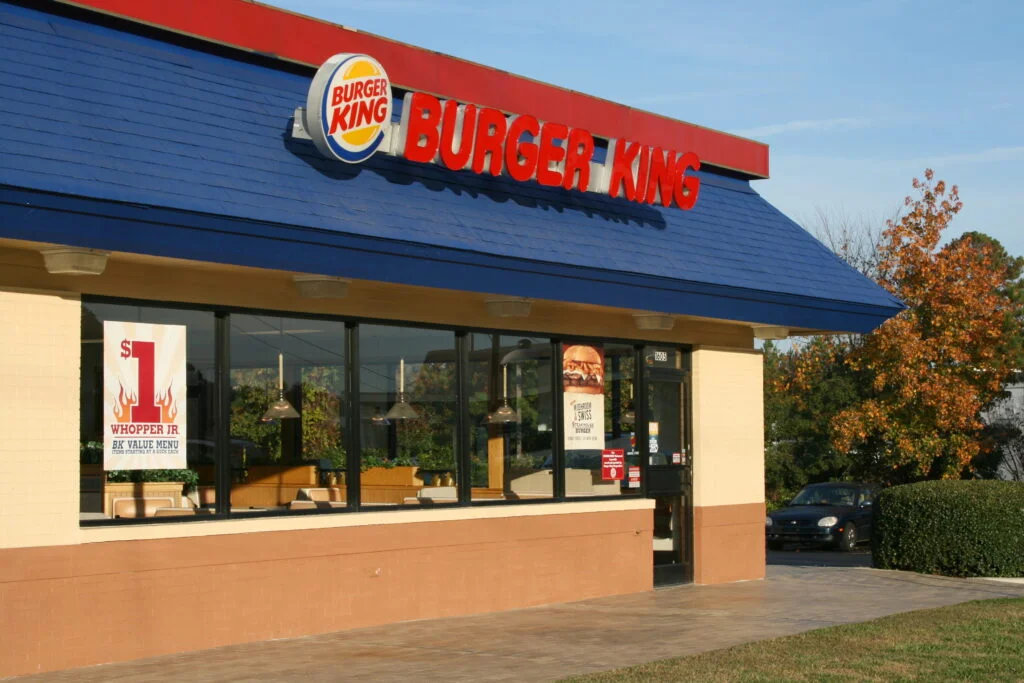
Burger King tried to lure families away from diners in the late ’70s by serving “Dinner Baskets.” They offered fried shrimp, chicken, and even steak fries, served with a side salad. The catch was you had to sit and wait, and the whole experience felt awkwardly formal.
Customers didn’t want table service or to eat shrimp in a paper crown. The baskets confused both the staff and the clientele. Burger King soon realized it wasn’t a steakhouse and went back to burgers. It’s now remembered as one of their most mismatched menu ideas.
13. Jack in the Box’s Clown Mascot Explosion
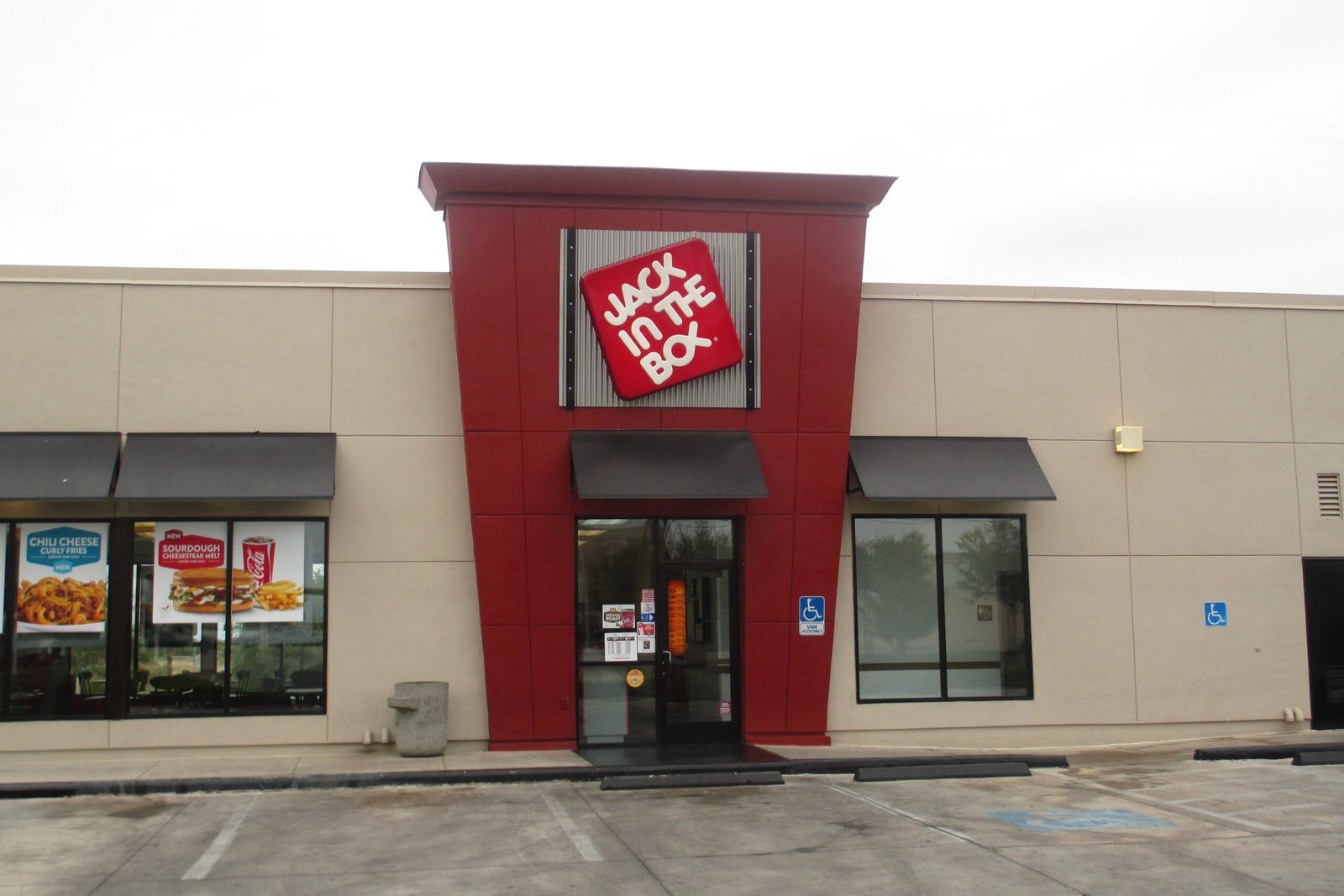
Jack in the Box once had a clown head mascot that became synonymous with their brand. But after a string of negative press and changing tastes in the late ’70s, they literally blew it up in a TV commercial. The ad featured the mascot’s head being detonated to symbolize a “new era.”
Some customers loved the shock value, while others found it disturbing. Kids were traumatized seeing their drive-thru clown explode. Although the stunt grabbed headlines, it didn’t exactly rebuild customer trust. Still, the “Jack” mascot eventually made a successful comeback decades later.
14. McDonald’s “Shamrock Sundae”
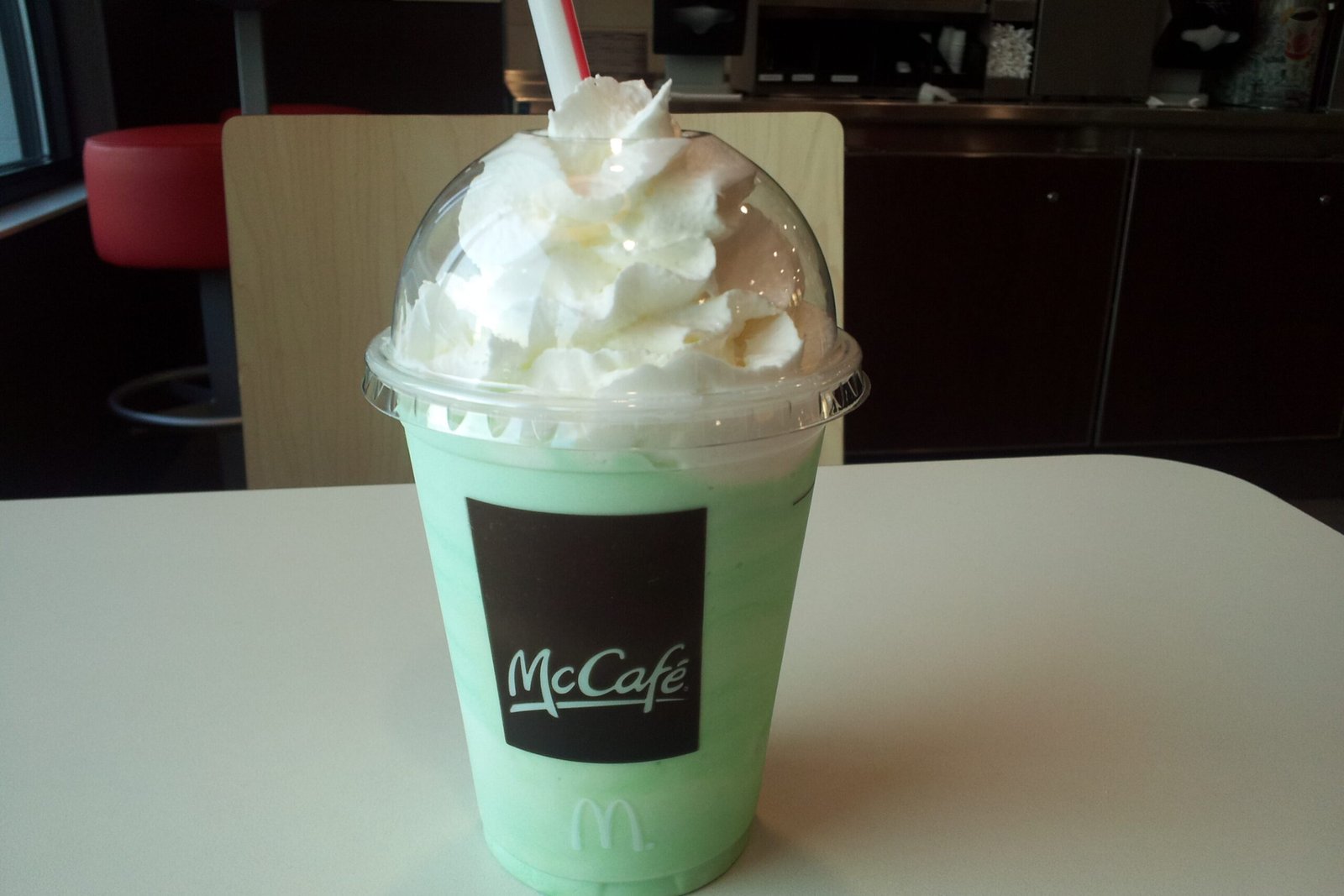
Long before the Shamrock Shake became a cult favorite, McDonald’s tried a mint-green dessert called the Shamrock Sundae. It was simply vanilla ice cream topped with bright green mint syrup. It looked festive but tasted like mouthwash to most people.
The product debuted in 1978 and was quickly pulled after poor reviews. Customers much preferred the creamy texture of shakes over a syrupy topping. McDonald’s replaced it with the now-beloved Shamrock Shake. The sundae version is a forgotten green blunder.
15. Burger Chef’s “Funmeals”
Before Happy Meals took over the world, Burger Chef launched the “Funmeal.” It came with a toy, dessert, and a comic book starring their mascots. It actually did well for a while but was overshadowed once McDonald’s copied the idea and branded it better.
McDonald’s Happy Meal debut in 1979 became a cultural juggernaut, leaving Burger Chef in the dust. The smaller chain couldn’t compete with McDonald’s marketing power. By the early ’80s, Burger Chef was bought out and faded away. Their Funmeal idea, though, lived on—just under different arches.
16. Arthur Treacher’s Fish-Themed Giveaways
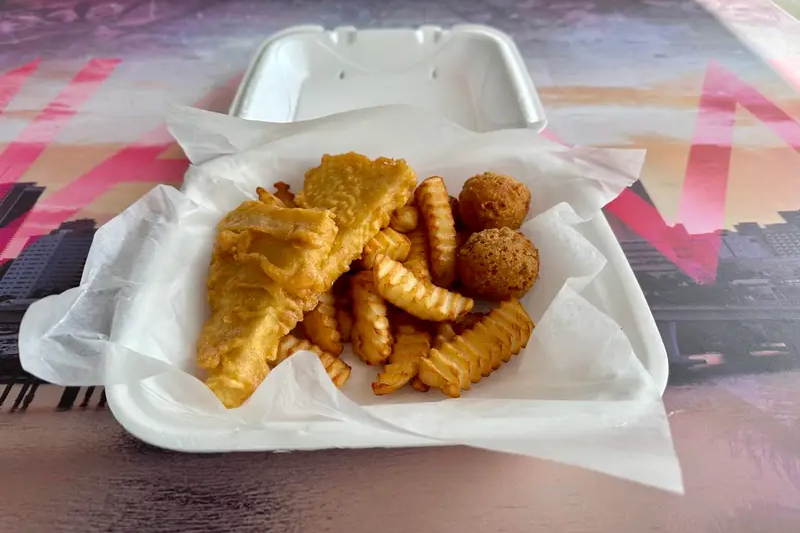
Arthur Treacher’s Fish & Chips tried to lure customers in with gimmicky giveaways in the ’70s. They handed out sailor hats, toy boats, and even plastic fish with meals. It was all part of their quirky nautical branding, but the toys ended up costing more than the food profits.
Parents didn’t find much appeal in piles of cheap trinkets, and kids quickly lost interest. The chain struggled to compete with McDonald’s and KFC and began closing locations. The promotions didn’t save them, and by the end of the decade, the gimmick had sunk. It’s a reminder that not every freebie floats.
17. KFC’s “Double Barrel” Box
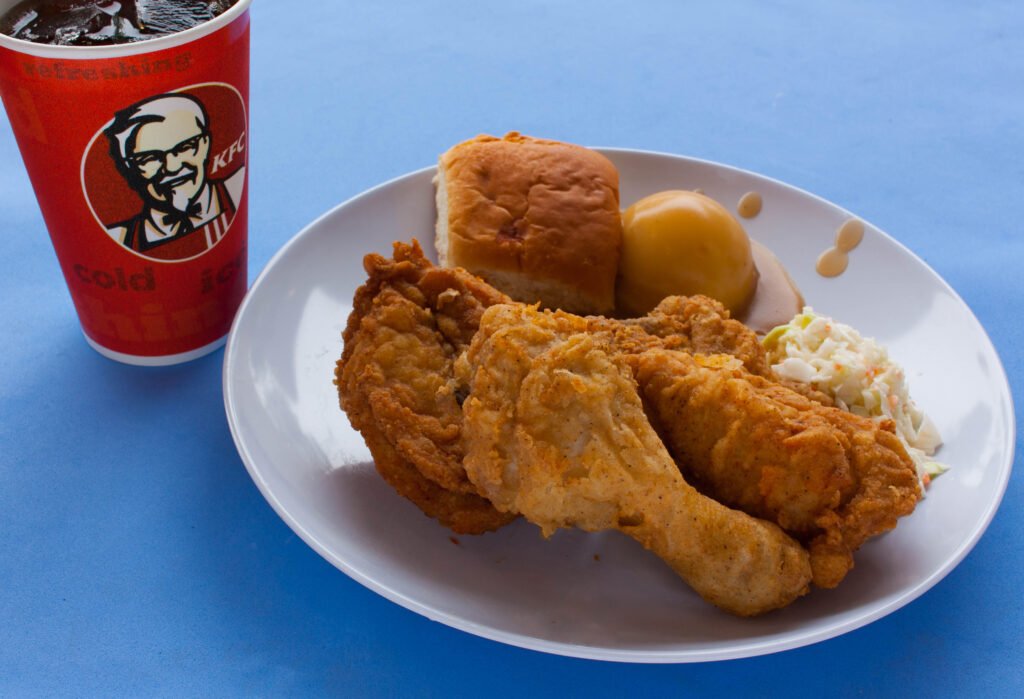
KFC once thought it could revolutionize takeout with its “Double Barrel” bucket in the late ’70s. It featured two separate compartments, one for chicken and one for sides, meant to look like a shotgun barrel. The idea was more confusing than clever.
Customers found the packaging bulky and difficult to carry. Critics mocked the name for its violent imagery, which didn’t sit well with families. The concept fizzled fast, and the box was discontinued before most people even saw one. It was a rare miss for a brand that usually knew how to serve up a hit.