
1. The Jet Belt
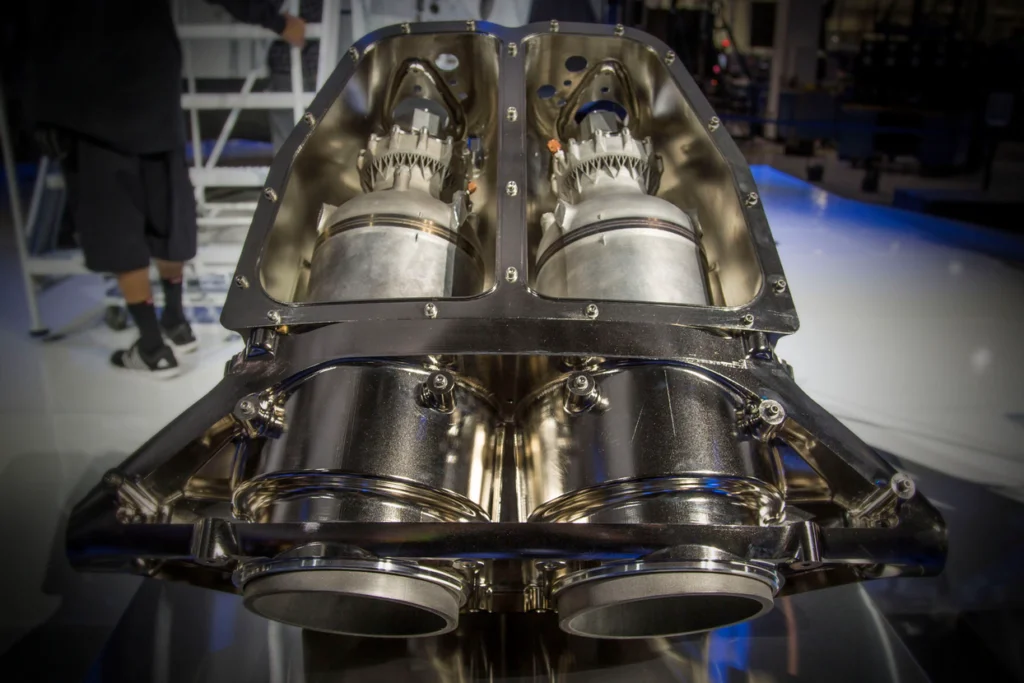
Before jetpacks became a staple of sci-fi movies, there was the Bell Rocket Belt, a genuine attempt at personal flight. Created in the early ’70s, it could lift a person a few feet off the ground using hydrogen peroxide thrust. The catch? It only stayed airborne for about 20 seconds and was wildly expensive to operate. Still, the idea of flying to work was enough to capture the public’s imagination. Demonstrations at events made it look like the future was already here.
It didn’t take long for reality to set in—limited fuel capacity, deafening noise, and safety concerns grounded it quickly. But it laid the groundwork for the jetpacks being developed today by companies like Jetpack Aviation. For its time, it was less a failure and more a peek into the future of personal travel.
2. The Wrist TV
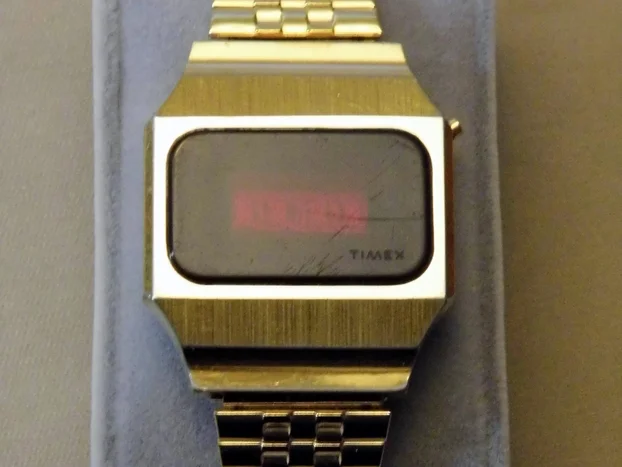
In the mid-’70s, engineers at Seiko dreamed of a television you could wear on your wrist. The Seiko TV Watch debuted in 1977 and looked straight out of a Bond movie. It had a tiny screen and a separate tuner that clipped to your belt. The picture quality was poor, and you had to squint just to make out what was happening.
Still, it was a stunning leap toward wearable technology. The same idea would resurface decades later with smartwatches capable of streaming full shows. While it didn’t exactly replace your living room TV, it showed that even in the disco era, people were already dreaming of portable entertainment.
3. The Laserdisc Player
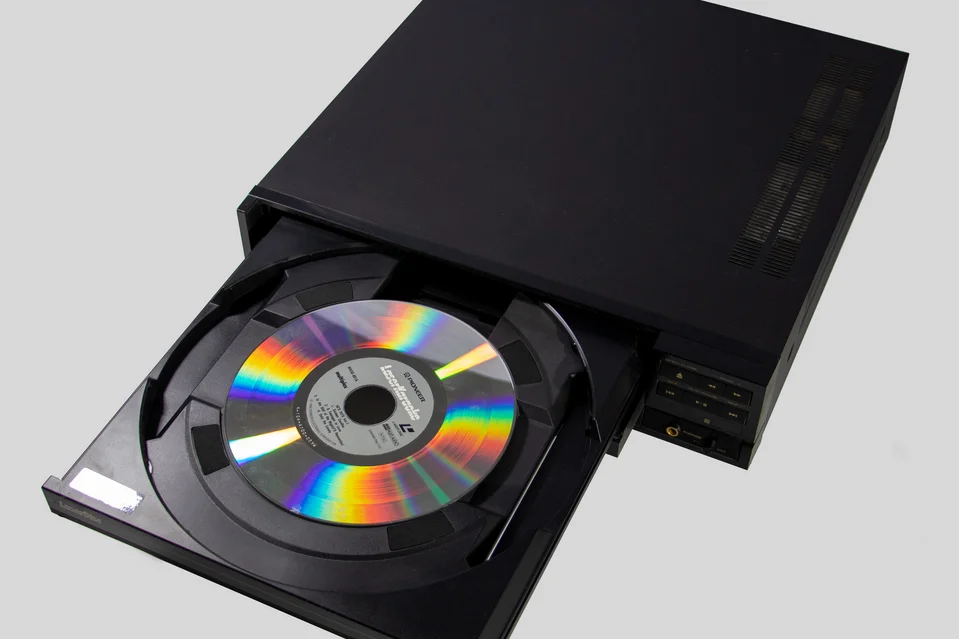
Before DVDs, there was the Laserdisc. Introduced in 1978, it offered picture quality far beyond VHS, with crisp images and the first true digital sound. The discs were massive—about the size of a vinyl record—and required a special player. While cinephiles loved them, they were far too expensive for most households.
The concept, however, was revolutionary. It introduced the idea of interactive menus and chapter skipping long before those became standard. Laserdisc failed commercially but quietly paved the way for CD, DVD, and Blu-ray technology. It was a glimpse of digital media before the world was ready for it.
4. The Motorized Roller Skates
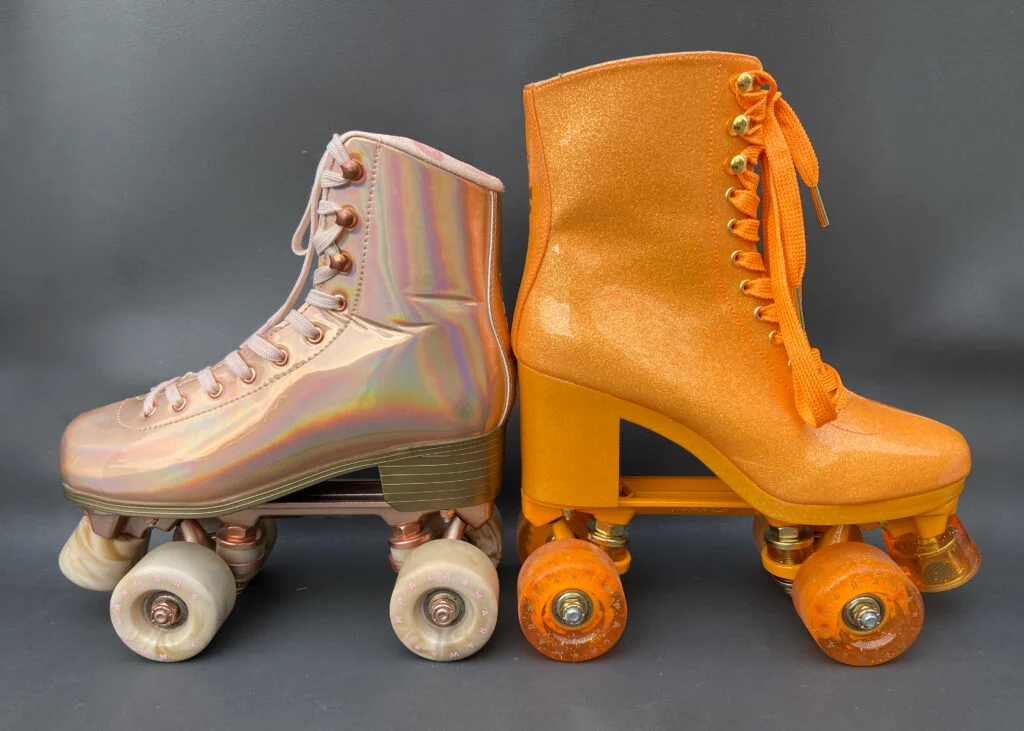
In 1970, a California inventor named Charles G. Taylor unveiled battery-powered roller skates. They were bulky and heavy, with a small motor attached to the heel of each skate. The design allowed skaters to cruise at nearly 10 mph without pushing off the ground. It sounded fun until you realized stopping was a whole different challenge.
Though they never caught on, the idea feels remarkably similar to electric scooters and hoverboards today. Taylor’s invention showed how people were already thinking about personal electric transport decades before it became practical. He might have been a few decades too early, but the vision was spot-on.
5. The Videophone
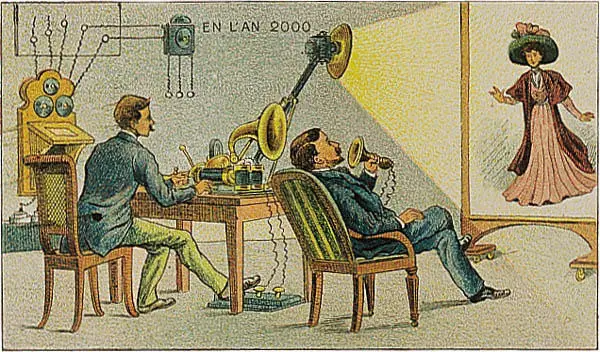
AT&T’s Picturephone debuted in the early ’70s as the next great communication breakthrough. You could see and talk to someone at the same time, which seemed like something out of The Jetsons. The technology worked, but it was expensive, clunky, and only available in select locations. Most people weren’t ready to stare at a screen while chatting.
Fast-forward to today, and video calling is part of everyday life. FaceTime, Zoom, and Skype all owe a little something to the Picturephone’s bold idea. It may have flopped commercially, but its DNA lives on in nearly every smartphone and laptop camera today.
6. The Polaroid SX-70
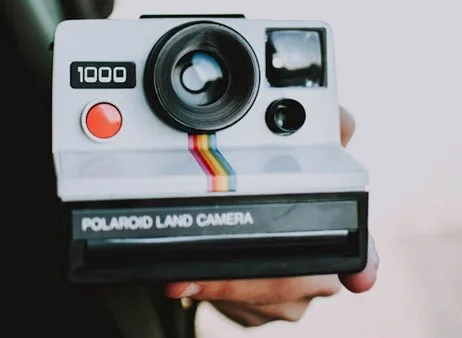
When Polaroid released the SX-70 in 1972, it was nothing short of magic. The camera didn’t just take instant photos—it developed them right before your eyes, with no need for peel-apart film or chemical packs. It folded down neatly to fit in a jacket pocket and became a cultural icon among artists and photographers.
What most people didn’t realize was how innovative it truly was. The SX-70’s engineering anticipated today’s obsession with instant gratification and digital sharing. The concept of “shoot, develop, and share instantly” now defines the social media age. Polaroid was just doing it 40 years early.
7. The Electronic Cigarette Prototype

Long before vaping took over the 2000s, a man named Herbert A. Gilbert patented the first smokeless, flavored electronic cigarette in 1963. He developed prototypes through the late ’60s and early ’70s but never found commercial backing. The world simply wasn’t ready to give up tobacco. His idea was eventually forgotten until decades later when e-cigarettes made their global debut.
Gilbert’s original design was nearly identical to modern vapes—battery-powered, vapor-producing, and nicotine-free. It’s incredible to think that something so futuristic was collecting dust in the ’70s. He was ahead of his time by at least a generation.
8. The Digital Watch
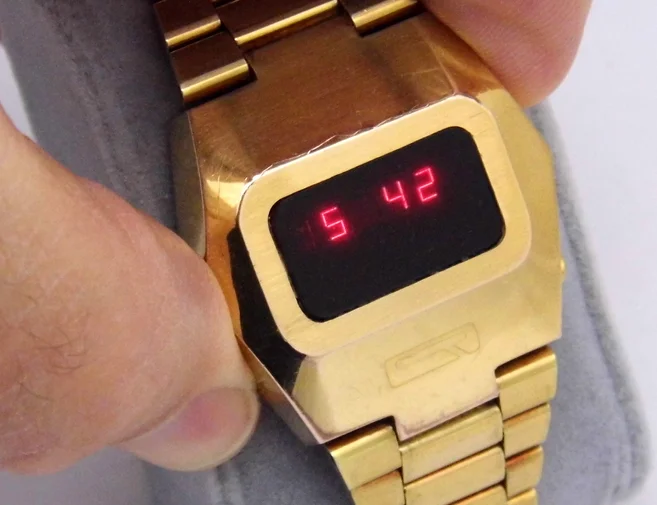
When the first digital watch appeared in 1972, it was a revelation. The Hamilton Pulsar P1 displayed time using red LED digits, making analog dials suddenly feel outdated. Celebrities like Roger Moore wore them proudly, and owning one was the ultimate tech flex. The only problem? They cost hundreds of dollars and drained batteries fast.
Still, the concept completely changed how people interacted with time. Within a decade, digital displays became affordable and commonplace. That early red glow represented the beginning of wearable electronics and the tech-driven design we take for granted today.
9. The Electric Car (Again)
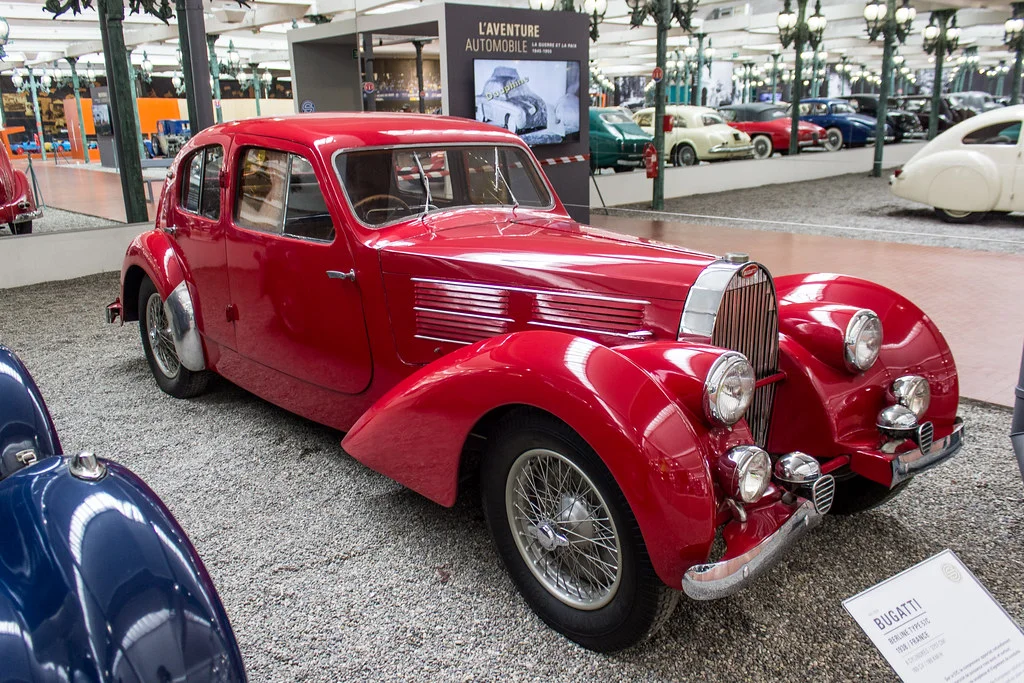
While electric vehicles feel like a 21st-century breakthrough, companies were already experimenting with them in the ’70s. Models like the Sebring-Vanguard CitiCar were boxy little cars that looked like rolling wedges of cheese. They could only go about 40 miles on a charge, but during the gas crisis, that was enough to attract attention.
The CitiCar’s quirky design and modest performance made it a curiosity rather than a contender. But the spirit behind it—reducing fuel dependence—was decades ahead of its time. Without those early experiments, companies like Tesla might never have had a roadmap to follow.
10. The Waterbed

Invented in 1968 but wildly popular through the ’70s, the waterbed was marketed as both futuristic and sensual. Instead of springs or foam, you were literally sleeping on a sealed mattress full of water. Ads promised better rest, relief from back pain, and a “floating” feeling that was unlike anything else.
While it became a punchline in later years, the design was surprisingly advanced. It introduced adjustable firmness and body-contouring long before memory foam mattresses did. Though they’ve mostly vanished, the comfort principles behind the waterbed are still used in high-end bedding today.
11. The Home Computer Kit

Before Apple and IBM made personal computers mainstream, hobbyists were tinkering with build-it-yourself kits. The Altair 8800, released in 1975, looked like a metal box full of switches and blinking lights. But it inspired an entire generation of young programmers—including Bill Gates—to dream bigger.
You couldn’t do much with it by today’s standards, but it was the spark that started the home computing revolution. The Altair proved that computers didn’t belong only in research labs. It was the DIY gadget that quietly changed the world from a garage workbench.
12. The Solar-Powered House

During the energy crisis of the ’70s, some architects began experimenting with solar homes. The concept used roof panels to capture sunlight and convert it into energy for heating and electricity. It sounded radical at the time, but a few prototypes proved it could work. The problem was cost—solar cells were prohibitively expensive then.
Still, the foundation for modern sustainable architecture was laid right there in the disco decade. Those early solar pioneers dreamed of a world where sunlight could power daily life. Fifty years later, that idea finally feels as normal as it once did futuristic.