
1. Top Gun (1986)
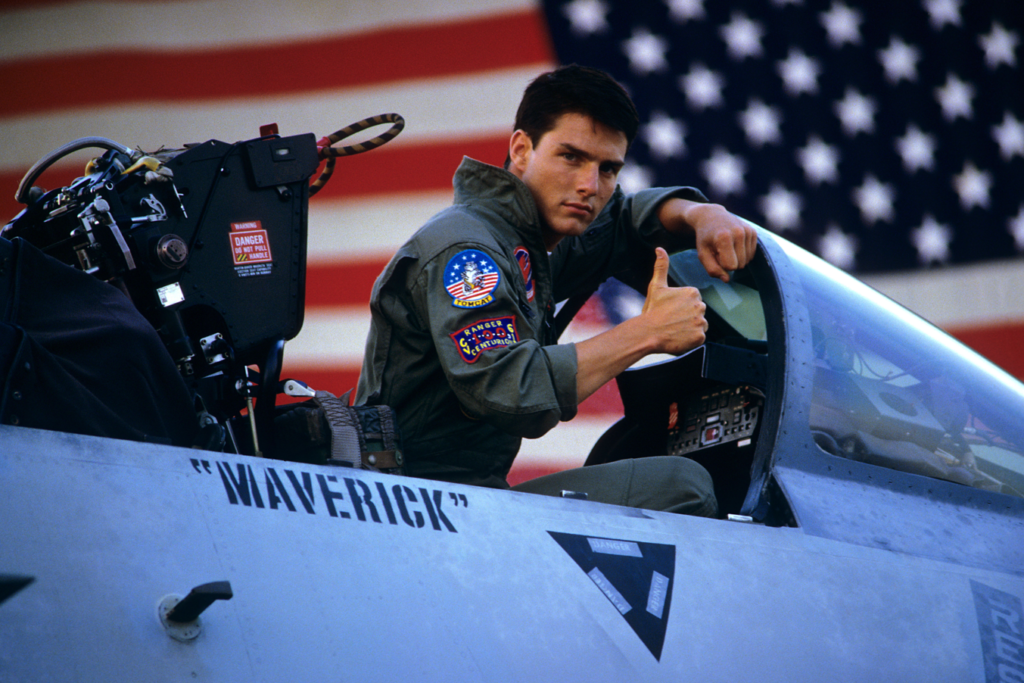
Tony Scott’s Top Gun didn’t just land—it roared into theaters with a kind of swagger that defined mid-’80s blockbuster energy. The film follows Maverick, a hotshot Navy pilot played by Tom Cruise, navigating elite fighter training and his own ego. Its aerial dogfight sequences were cutting-edge at the time and still hold up because they relied heavily on real aircraft and practical photography. The movie also turned military recruitment into a cultural phenomenon, whether intentionally or not. Its mix of adrenaline, romance, and competition gave audiences something instantly rewatchable.
The soundtrack alone became iconic, with “Danger Zone” and “Take My Breath Away” cementing its mood in pop culture. Cruise’s performance helped solidify him as a bona fide movie star rather than just a rising actor. The film’s aesthetic—aviator sunglasses, leather jackets, slow-motion volleyball—became shorthand for cool. It’s one of those movies people don’t just remember; they quote, mimic, and revisit. Forty years later, its influence is still obvious, especially after the massive success of its sequel decades later.
2. Aliens (1986)
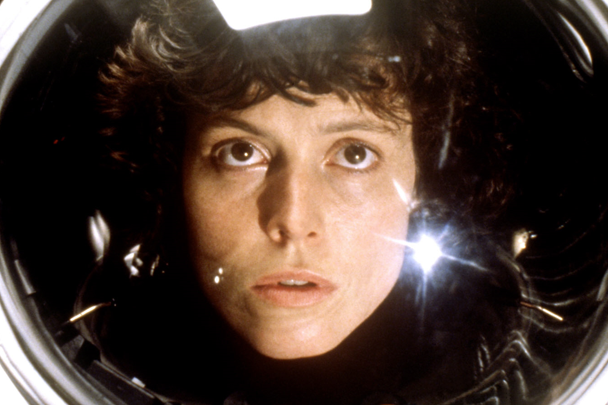
James Cameron’s Aliens took Ridley Scott’s slow-burn horror concept and turned it into a full-throttle action film without losing what made the original work. Sigourney Weaver’s Ellen Ripley returns, this time as a reluctant warrior rather than just a survivor. The film expands the mythology of the xenomorphs while introducing the now-famous Colonial Marines. It’s tense, loud, and relentless in a way that felt new for sci-fi at the time. Cameron’s pacing keeps things escalating almost constantly.
What really stands out is Ripley’s transformation into one of the most iconic action heroes ever, regardless of gender. The film balances spectacle with character-driven stakes, especially through Ripley’s bond with Newt. Lines like “Get away from her, you bitch!” became instant classics. Its practical effects and creature design still look impressive decades later. It’s widely considered one of the rare sequels that equals or surpasses the original.
3. Ferris Bueller’s Day Off (1986)
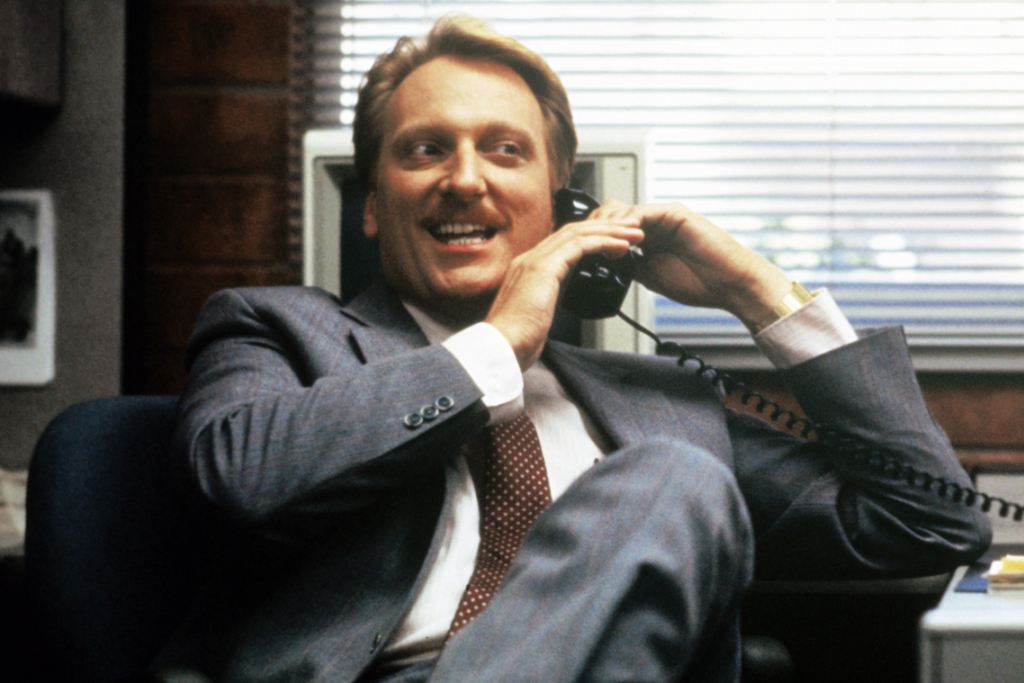
John Hughes captured teenage rebellion in its most charming form with Ferris Bueller’s Day Off. Matthew Broderick’s Ferris breaks the fourth wall and takes the audience along for his carefully orchestrated skip day in Chicago. The film is light, playful, and deceptively simple in structure. It’s essentially a series of vignettes tied together by Ferris’s charisma. Yet it manages to feel cohesive and purposeful.
There’s also a subtle emotional core, particularly through Cameron, Ferris’s anxious best friend. Hughes uses humor to explore deeper ideas about pressure, identity, and growing up. The Chicago setting is practically a character in itself, showcased through memorable sequences like the parade scene. Ferris’s direct address to the audience was unusual at the time and still feels fresh. It remains one of the most quoted and beloved teen comedies ever made.
4. Stand by Me (1986)
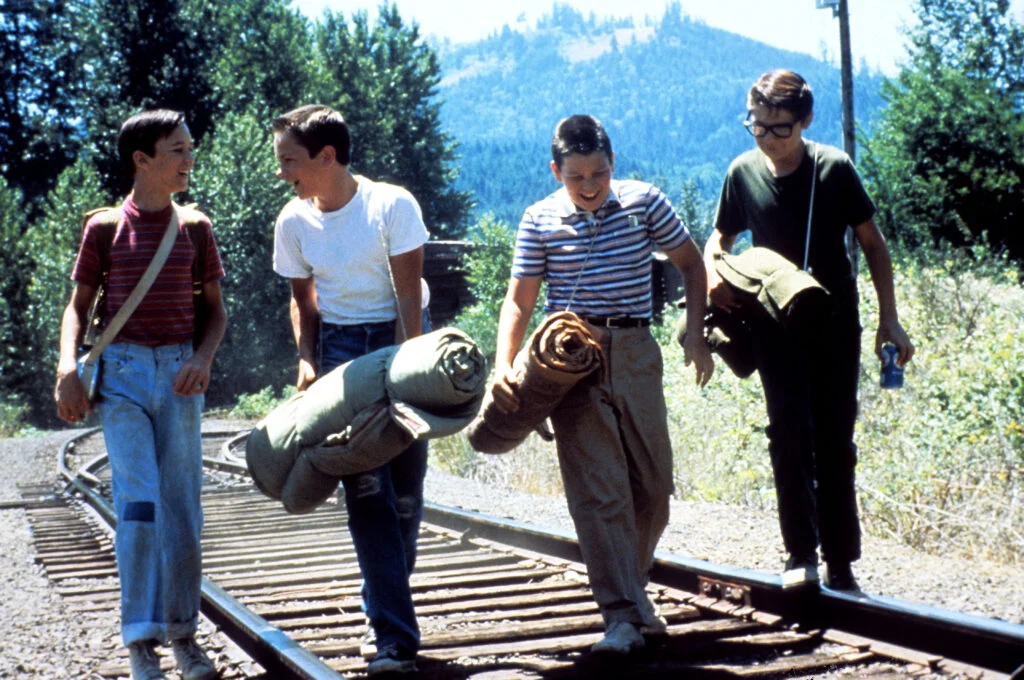
Rob Reiner’s Stand by Me is a coming-of-age story that feels intimate rather than flashy. Based on a Stephen King novella, it follows four boys on a journey to find a dead body. That premise could have leaned into horror, but instead it becomes a meditation on friendship and memory. The performances from its young cast are remarkably natural. River Phoenix, in particular, delivers a standout performance.
The film resonates because it understands how fleeting childhood can be. It doesn’t exaggerate its emotions; it lets them unfold quietly. The narration by Richard Dreyfuss adds a reflective tone that frames the story as something already lost. Moments of humor sit comfortably alongside heavier themes like abuse and mortality. It’s one of those films that tends to hit harder the older you get.
5. Platoon (1986)
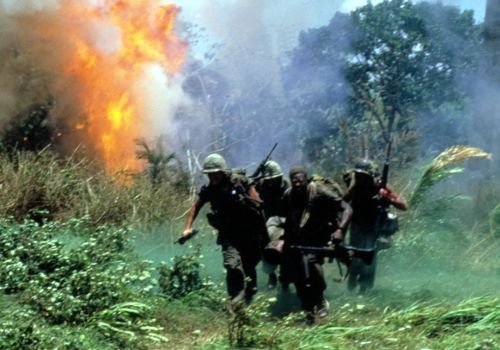
Oliver Stone’s Platoon brought a raw, personal perspective to the Vietnam War that stood apart from earlier depictions. Stone himself was a Vietnam veteran, and that authenticity shows in every frame. The film doesn’t glamorize combat; it shows confusion, fear, and moral conflict. Charlie Sheen plays a young soldier caught between two opposing influences within his platoon. The internal divisions among soldiers become just as important as the external enemy.
Willem Dafoe and Tom Berenger deliver powerful performances representing different moral extremes. The film’s realism was striking at the time, especially in its portrayal of violence and psychological strain. It won Best Picture and helped reshape how war films were approached. The imagery, including Dafoe’s iconic final scene, became instantly recognizable. It’s still considered one of the definitive Vietnam War films.
6. Crocodile Dundee (1986)
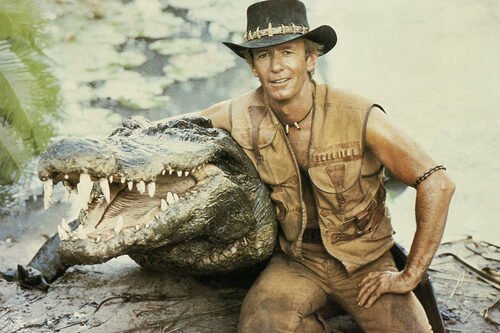
Crocodile Dundee became an international hit largely because of its fish-out-of-water charm. Paul Hogan plays Mick Dundee, an Australian bushman navigating New York City for the first time. The humor comes from cultural contrasts rather than mean-spirited jokes. It’s easygoing and accessible, which helped it connect with a wide audience. Hogan’s laid-back charisma carries the film.
The movie also introduced global audiences to a romanticized version of the Australian outback. Lines like “That’s not a knife…” became instantly recognizable. It’s not a high-concept blockbuster, but its personality made it feel like one. The chemistry between Hogan and Linda Kozlowski adds to its appeal. It ended up being one of the highest-grossing films of the year.
7. Back to School (1986)

Rodney Dangerfield’s Back to School leans heavily on his comedic persona, and that’s exactly why it works. He plays a wealthy businessman who enrolls in college to encourage his son. The premise is simple but allows for a lot of comedic set pieces. Dangerfield’s timing and delivery are the main attraction. The film doesn’t try to be subtle.
What makes it stand out is how it mixes absurd humor with moments of sincerity. Supporting performances, including a memorable appearance by Sam Kinison, add to the chaos. It also pokes fun at academia without feeling overly cynical. Dangerfield’s outsider perspective gives the film its energy. It’s a comedy that knows exactly what it is and doesn’t overreach.
8. The Color of Money (1986)
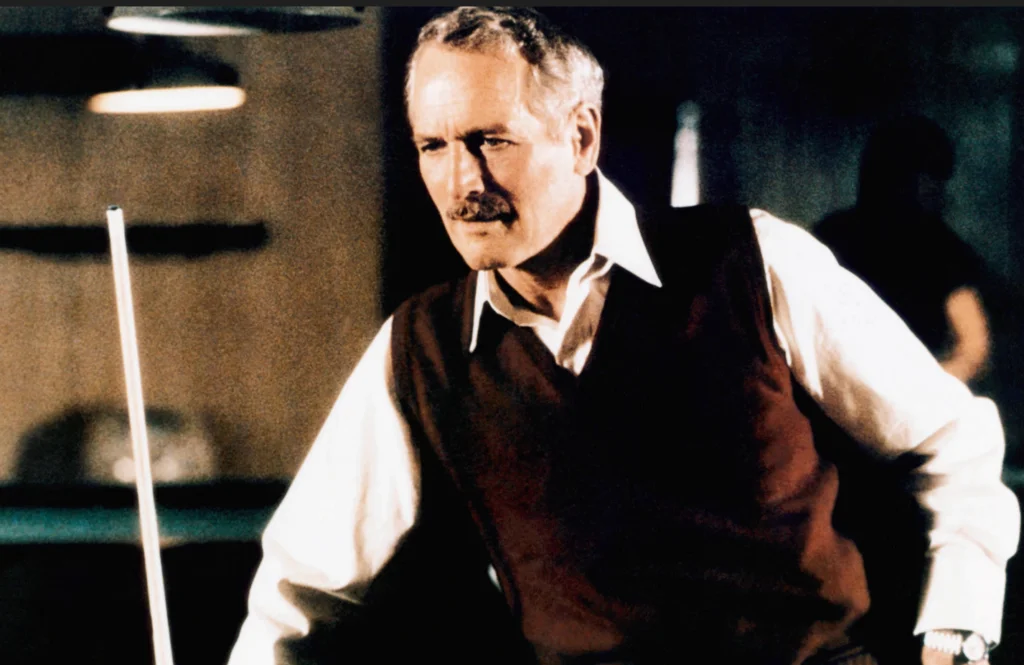
Martin Scorsese’s The Color of Money serves as a sequel to The Hustler, bringing Paul Newman back to his role decades later. This time, he plays a seasoned pool player mentoring a young, cocky protégé played by Tom Cruise. The film is less about pool itself and more about ego, control, and reinvention. Newman’s performance is layered, showing both confidence and regret. It earned him an Academy Award.
Cruise brings a contrasting energy that highlights generational differences. The dynamic between the two drives the film forward. Scorsese’s direction gives even simple pool matches a sense of tension and style. The movie also captures the atmosphere of pool halls in a way that feels authentic. It’s a character study disguised as a sports drama.
9. Star Trek IV: The Voyage Home (1986)
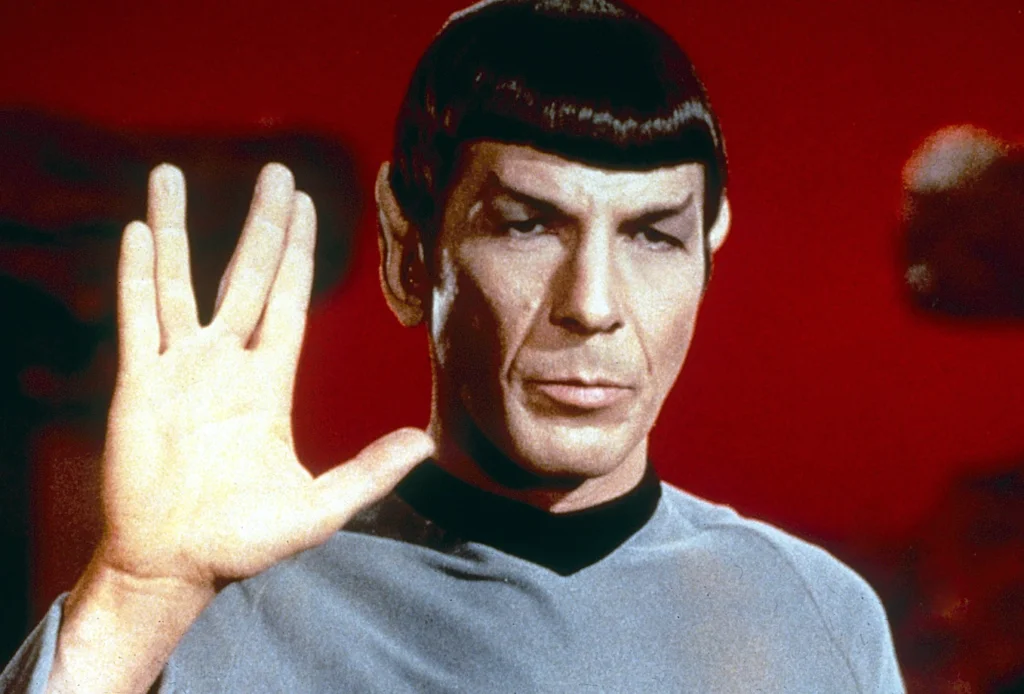
Star Trek IV: The Voyage Home took a different approach from its predecessors by leaning into humor and contemporary settings. Instead of staying in deep space, the crew travels back to 1980s San Francisco to save humpback whales. It’s a premise that sounds odd but works surprisingly well. The film balances comedy with its environmental message. It’s also one of the most accessible entries in the franchise.
The interactions between the crew and modern-day Earth provide much of the humor. Spock’s attempts to blend in are especially memorable. Despite its lighter tone, the stakes still feel real. It performed well with both fans and general audiences. Many consider it one of the most enjoyable Star Trek films.
10. Little Shop of Horrors (1986)
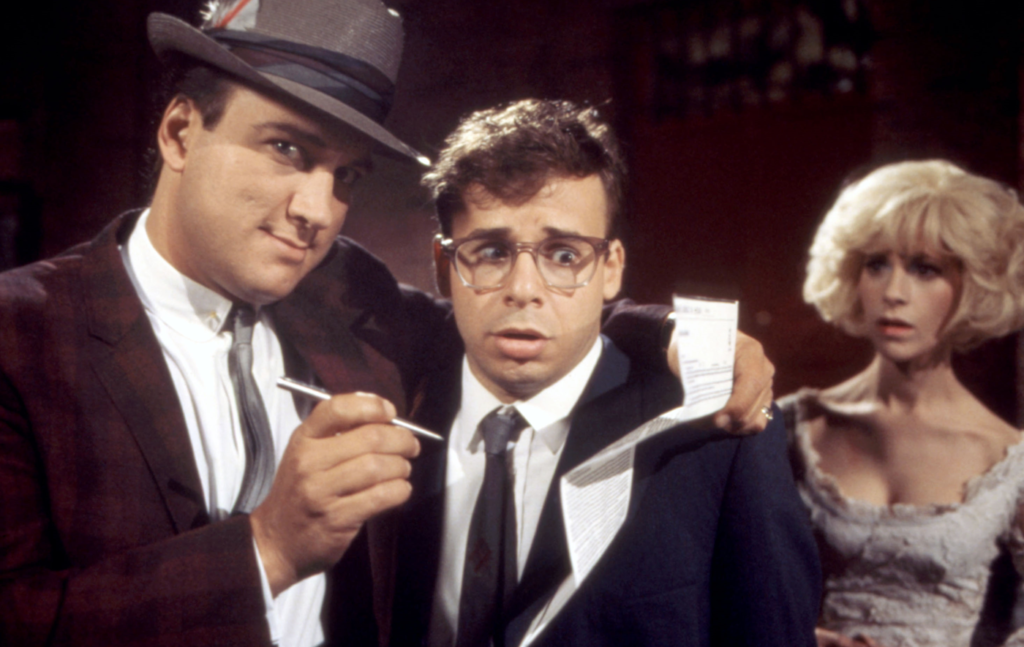
Frank Oz’s Little Shop of Horrors is a musical that blends comedy, horror, and romance in a way that feels uniquely ‘80s. Rick Moranis plays Seymour, a florist who discovers a plant that feeds on blood. The plant, Audrey II, becomes both a blessing and a curse. The film’s tone shifts easily between lighthearted and dark. Its practical effects, especially the puppetry, are impressive.
The songs are catchy and integral to the storytelling rather than just decorative. Ellen Greene’s performance adds emotional weight to the story. The film also doesn’t shy away from its darker themes, depending on which ending you watch. It’s visually distinct, with a stylized, almost theatrical look. Over time, it has developed a strong cult following.
11. Highlander (1986)
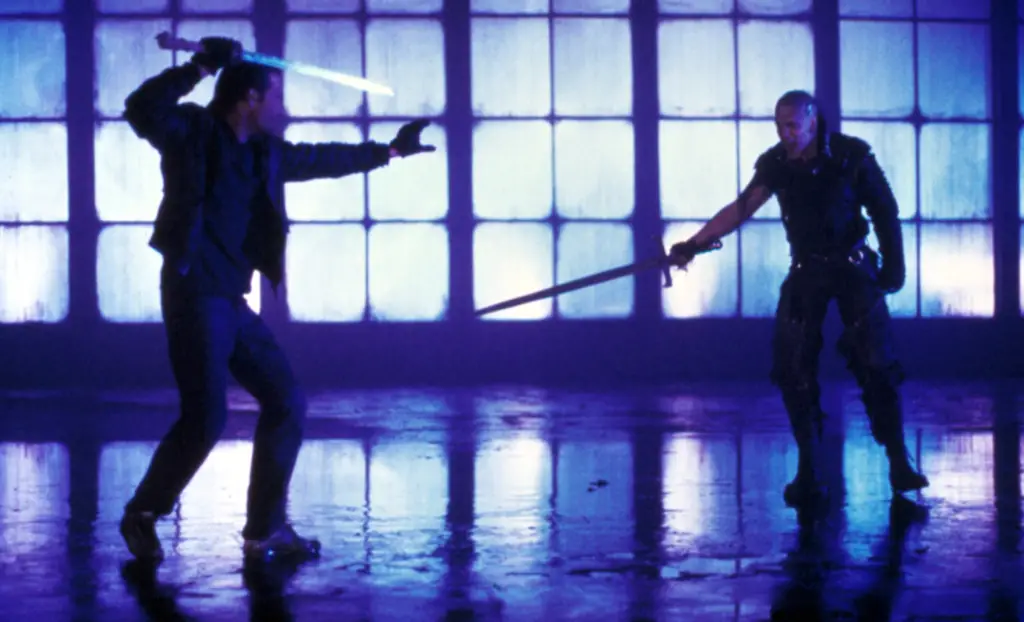
Highlander didn’t dominate the box office initially, but it became a cult classic that defined a certain kind of fantasy storytelling. The film centers on immortal warriors battling across centuries. Christopher Lambert plays Connor MacLeod, while Sean Connery adds gravitas as his mentor. The narrative jumps between timelines, which was relatively ambitious for its time. It gives the story a sense of scale.
The concept itself—“There can be only one”—is simple but compelling. The soundtrack by Queen adds a distinct energy to the film. Its mix of sword fights, romance, and mythology set it apart from more traditional fantasy films. While uneven in places, its originality made it memorable. It’s one of those movies whose influence grew significantly after its initial release.
12. The Fly (1986)

David Cronenberg’s The Fly is a horror film that doubles as a tragic character study. Jeff Goldblum plays a scientist whose teleportation experiment goes horribly wrong. The film is known for its intense body horror, but it’s also deeply emotional. Goldblum’s transformation is gradual, making it more disturbing. The practical effects are still considered some of the best ever put on screen.
Geena Davis provides a grounded, human perspective that anchors the story. The film explores themes of identity, decay, and loss of control. It’s not just about shock value; it’s about what happens when ambition overrides caution. Cronenberg’s direction ensures the horror feels personal rather than distant. It remains one of the most respected entries in the genre.