
1. Twister
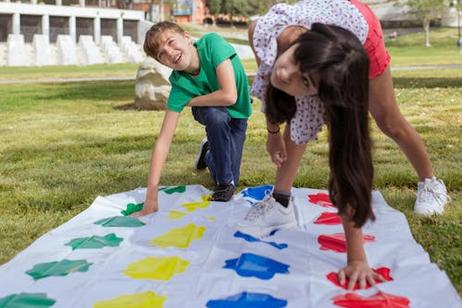
If you grew up in the ’70s, there is a good chance someone yelled “Right hand, red!” right before the entire family toppled over. Twister looked innocent enough on the box, but the moment you stepped on that plastic mat, all bets were off. Someone always cheated by lifting a heel or leaning on a sibling for balance. And no matter how careful everyone tried to be, someone’s elbow always ended up in the wrong spot. The arguments usually started when someone insisted they “totally didn’t fall.” Families treated it like a full-contact sport long before the phrase was even popular. And when that spinner clacked to a stop, everyone braced themselves for chaos.
Once the game began, giggles quickly turned into accusations of cheating. People argued about foot placement like they were litigating a courtroom case. Younger siblings became human pretzels trying to keep up. Parents tried to play referee, but that usually made things worse. Once someone slipped, the blame game kicked in. And by the end, the mat was a crumpled heap and everyone was slightly annoyed, even though they’d swear they had fun.
2. Stratego
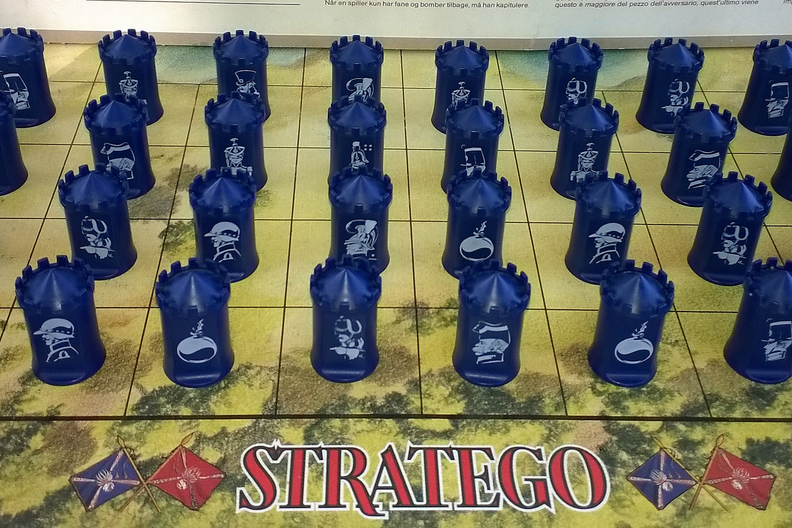
Stratego was supposed to be simple, but it turned into an intense psychological battle almost every time. Kids would do anything to protect their flag, even if it meant inventing elaborate fake strategies. The real arguments usually started when someone moved a piece illegally or insisted they “forgot” which one was the bomb. Siblings memorized each other’s poker faces and immediately accused one another of lying. And when a high-ranking piece unexpectedly blew up, someone always blamed faulty rules. The quiet tension made the living room feel like a Cold War battlefield.
Once the game was underway, the accusations came out faster than the moves. People argued over whether a piece was really a Scout or if someone sneakily swapped spots. Kids claimed sabotage when their best units were picked off. Parents tried to supervise, but everyone had their own interpretation of the rulebook. Losing felt personal, and winning usually came with a smug grin no one appreciated. Somehow, the same players ended up fighting every time.
3. Payday
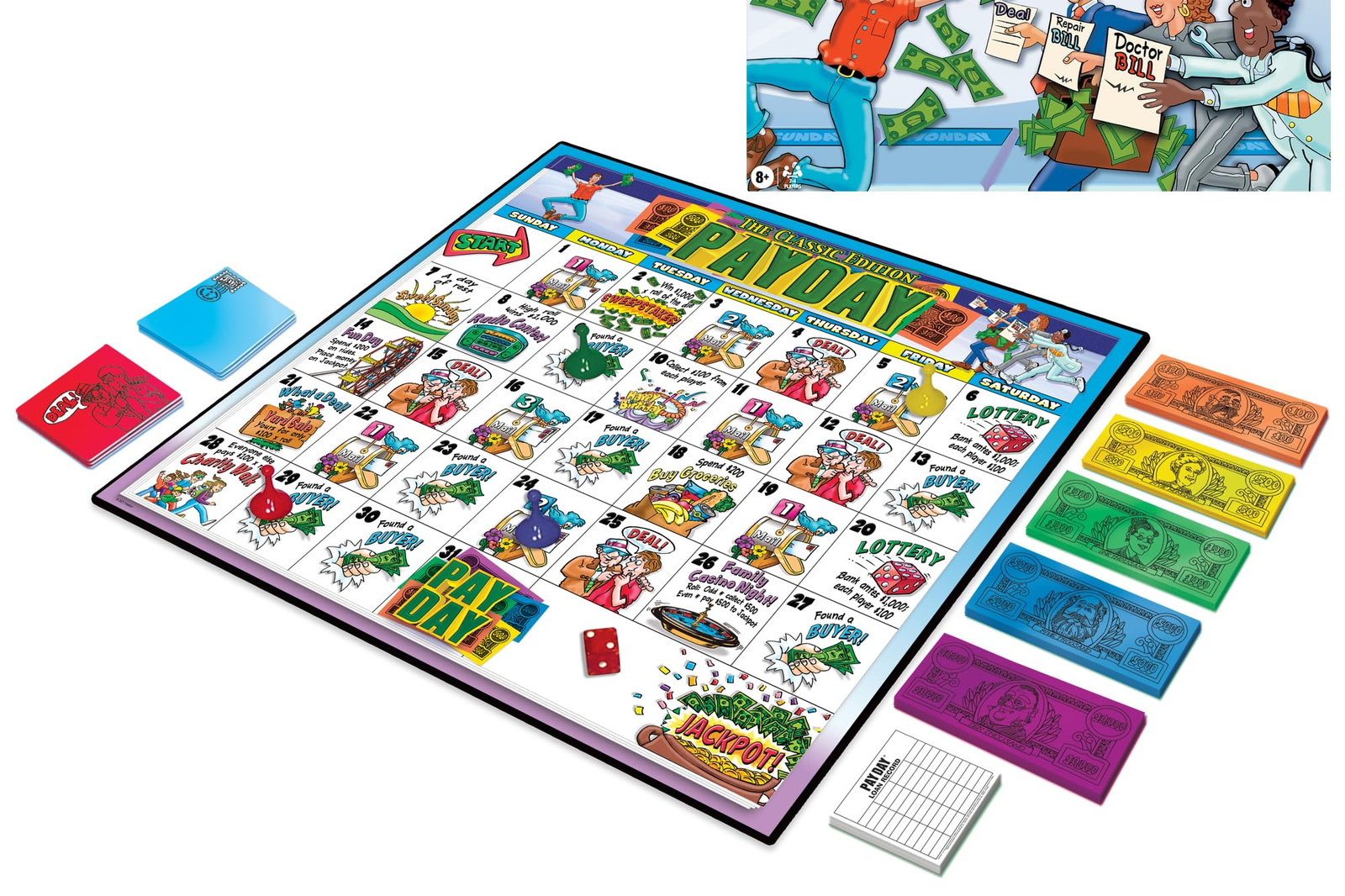
This cheerful little money game wound up causing almost as many budget fights as real life. The idea was simple, but the minute someone landed on a big bill, the complaints began. Kids learned very quickly that loans were not their friend. And siblings who tried to negotiate deals always sounded like tiny business moguls ready to swindle each other. The fun part was payday itself, but getting there felt like a month of emotional turmoil. Someone always accused the banker of miscounting.
As the game went on, families argued over who owed what. Someone always insisted they didn’t need a loan, even when the math said otherwise. Landing on Mail felt like a personal attack some rounds. And when one player suddenly pulled ahead financially, the mood in the room changed instantly. People questioned every move, every bill, and every lucky card. By the time payday finally rolled around, everyone needed a break.
4. Battleship
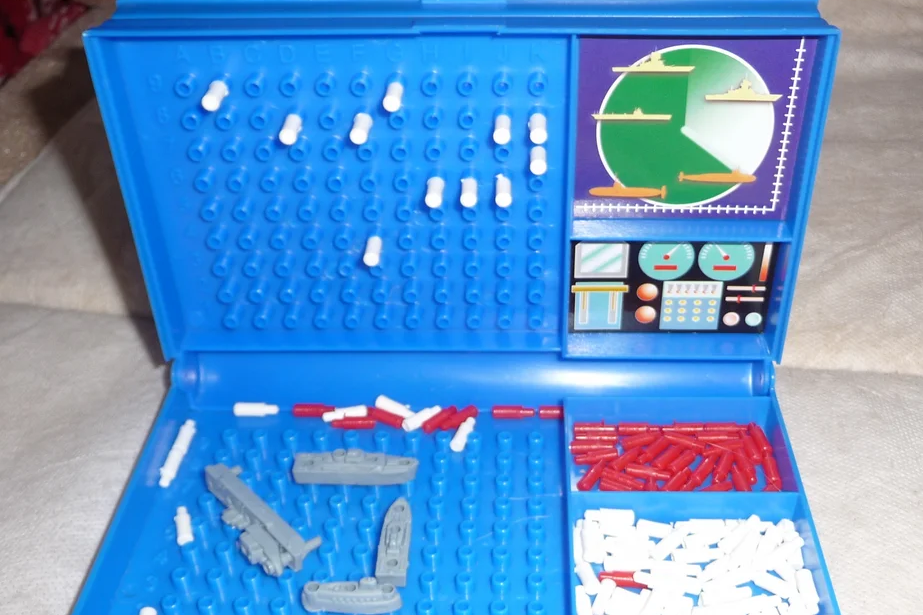
Battleship was less about sinking ships and more about accusing your sibling of lying. Calling out “B-7!” with dramatic flair was half the fun, but it always spiraled into mystery and suspicion. If someone didn’t call their hits correctly, it became a full debate. Kids tilted the boards, peeked over barriers, and tried every trick to get the upper hand. And when a sneaky player shifted a ship after taking too many hits, the argument could last the entire afternoon. The clicks of those little plastic pegs became the soundtrack of sibling rivalry.
Halfway through each game, someone always claimed they “already hit” a spot. Markers fell out, coordinates were misread, and the boards never stayed perfectly upright. Parents tried to intervene, but even they couldn’t prevent a good old-fashioned “You cheated!” moment. Victory usually felt suspicious, even to the winner. And long after the game ended, the tension lingered.
5. The Game of Life
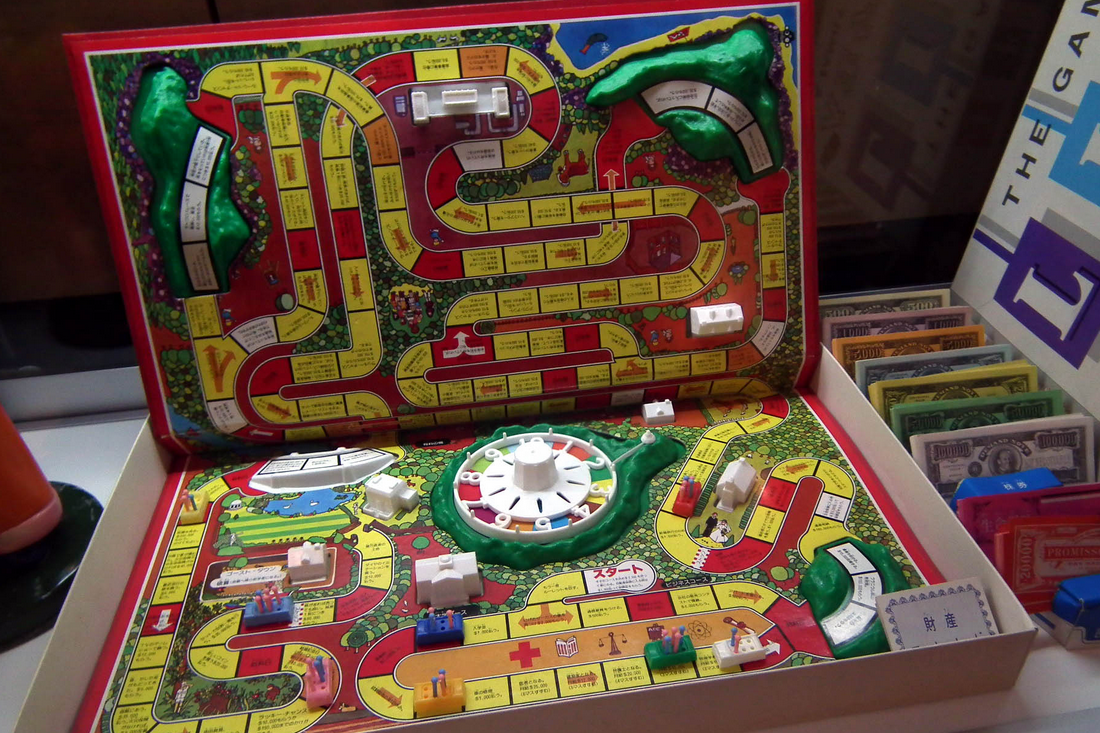
The Game of Life was supposed to teach kids about adulthood, but it mostly taught families how quickly arguments can escalate. Someone always snagged the best career and instantly became the enemy. Buying insurance or skipping college became grounds for lighthearted judgment. And landing on those expensive spaces always triggered groans. Kids learned early that becoming a millionaire on the board didn’t translate to real life.
Midway through the game, people suddenly cared very deeply about each other’s life choices. Someone questioned why a sibling had so many kids. Another insisted the banker shorted them. Spinning the wheel with “too much force” was somehow a crime. And by the end, when everyone counted their money, there was always a heated debate about who actually won.
6. Mastermind
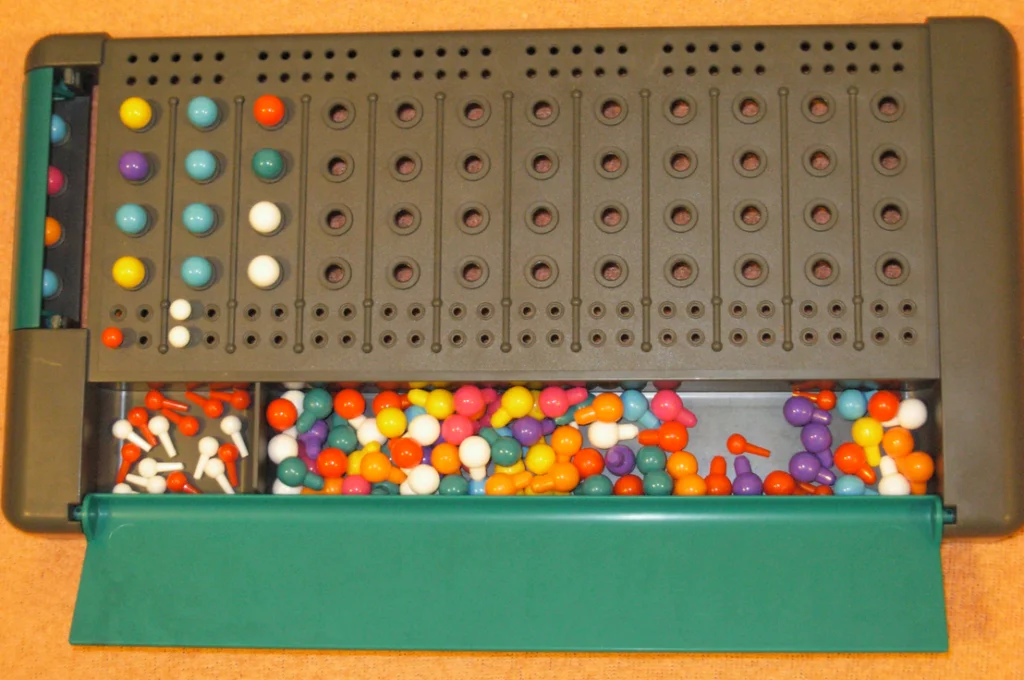
Mastermind looked sophisticated, but it brought out everyone’s inner detective, for better or worse. The goal was to break a secret code, yet families often broke each other’s patience. Guessing the color patterns led to endless theories, suspicions, and accusations. Kids got frustrated when the code-setter claimed they were giving the correct hints. And siblings who made impossible patterns were instantly accused of cheating. It was a brainy game, but it rarely ended peacefully.
During gameplay, small misunderstandings escalated quickly. Was that really one peg in the right spot or was someone bending the rules? People debated peg colors like they were discussing fine art. Guessers felt personally insulted when they missed repeatedly. And code-setters got defensive when accused of misleading hints. The board looked simple, but the tension was always high.
7. Connect Four
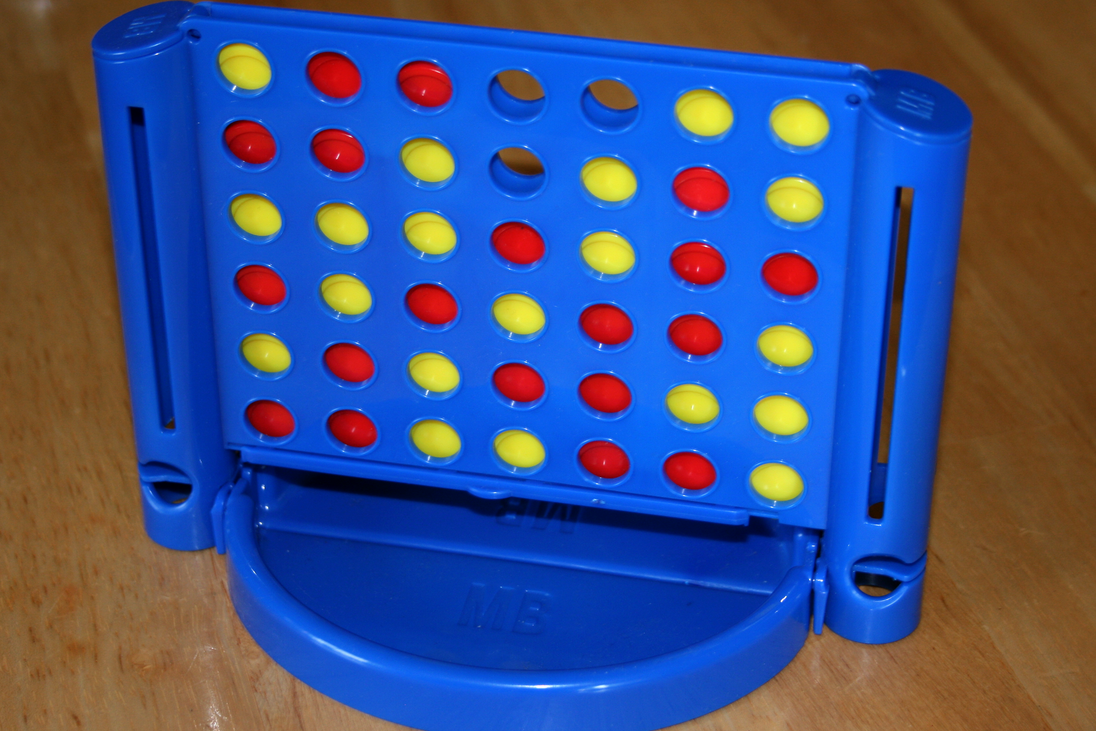
Connect Four seemed harmless until someone blocked a winning move, and suddenly the room erupted. Dropping those red and yellow discs felt lighthearted at first. But the instant someone spotted a “sneaky diagonal,” the mood changed. Families argued over whether a player “took too long” or “copied their strategy.” And once someone shouted “Connect Four!” the losing side always insisted it “didn’t count.” It was a deceptively competitive little game.
As rounds continued, emotions got bigger. Kids accused siblings of distracting them. Someone always bumped the board at the worst moment. Parents pretended not to take it too seriously but definitely did. And losing repeatedly was enough to make anyone want a rematch. The game ended quickly, but the bickering lasted much longer.
8. Trouble
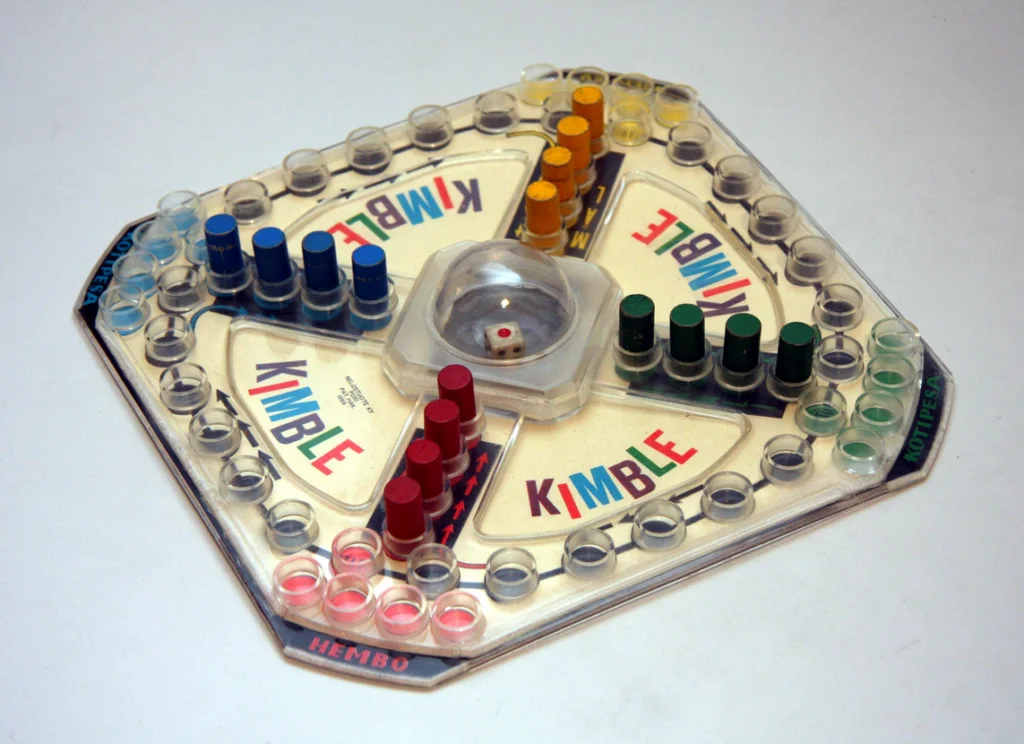
Trouble wasn’t really trouble until someone got sent back to Start. That famous Pop-O-Matic bubble made the whole table tense with anticipation. Players hovered their hands over their pieces, ready to move at lightning speed. And when someone knocked out another player’s piece, the arguments kicked in instantly. Kids acted like it was a personal betrayal. Even the sound of the pop became triggering after too many bad rolls.
As the game wore on, strategy went out the window because luck ruled everything. Someone always claimed their bubble was “rigged.” Players counted spaces twice just to be safe. The knocking-back mechanic made even mild-mannered kids defensive. Parents tried to keep the peace but usually failed. And by the time someone finally got all their pieces home, everyone was over it.
9. Mousetrap
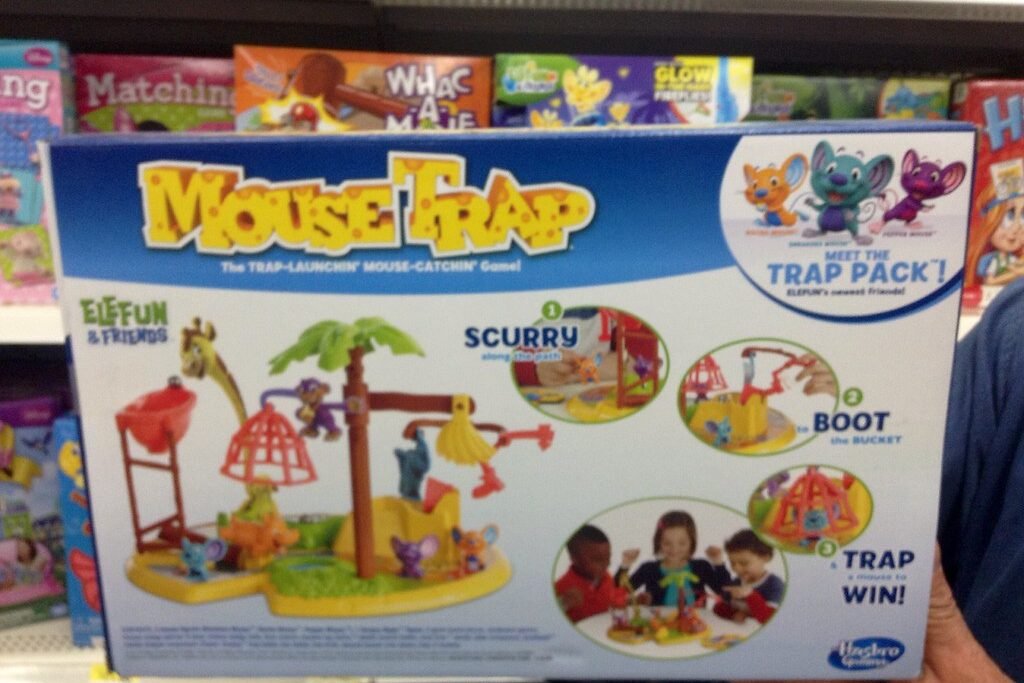
Mousetrap was 90 percent building and 10 percent playing, and somehow every part of it started arguments. Kids spent most of the time debating how the contraption was supposed to work. Someone always misplaced a piece or assembled something wrong. And when the trap didn’t go off as planned, the accusations flew. The game demanded teamwork, but families were rarely on the same page.
Once the contraption was built, the tension grew. People argued over whose turn triggered the trap. Kids tried to set it off early just to watch it fall apart. The slightest bump ruined the whole setup, leading to more chaos. And when the trap actually worked, everyone claimed they “knew it would.” Mousetrap was fun but rarely peaceful.
10. Risk

Risk was famous for turning family game night into a world domination showdown. The board became a geopolitical minefield the minute someone tried to take over Asia. Kids formed alliances, broke them, and then acted shocked when feelings got hurt. Someone always complained that another player was “ganging up” on them. And once a continent collapsed, the mood in the room shifted dramatically.
By mid-game, arguments were unavoidable. Someone took too long planning a move. Another insisted their dice rolls were cursed. Players debated troop placements like military strategists. And eliminating a sibling from the game was treated like an international scandal. The tension usually lasted long after the board was folded up.
11. Sorry!
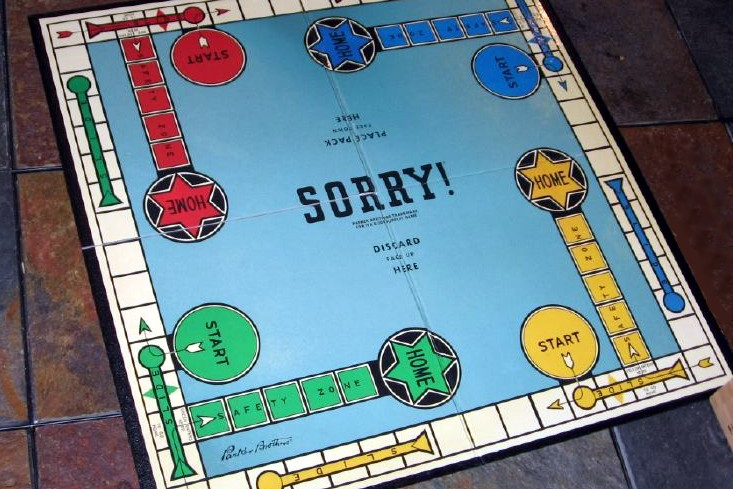
Sorry! was basically a sibling rivalry experiment disguised as a board game. Sending someone back to Start felt exhilarating for the doer and devastating for the recipient. Kids gave each other dramatic glares across the table. And even though everyone knew the rules, arguments erupted every time someone got bumped. The apology printed on the card never softened the blow.
People took the game personally almost instantly. Kids remembered every slight and plotted revenge. The card draws felt unfair half the time. Parents tried to explain it was just luck, but no one believed them. And the closer players got to home, the louder the protests became. Winning felt triumphant, but losing left everyone grumbling.
12. Othello
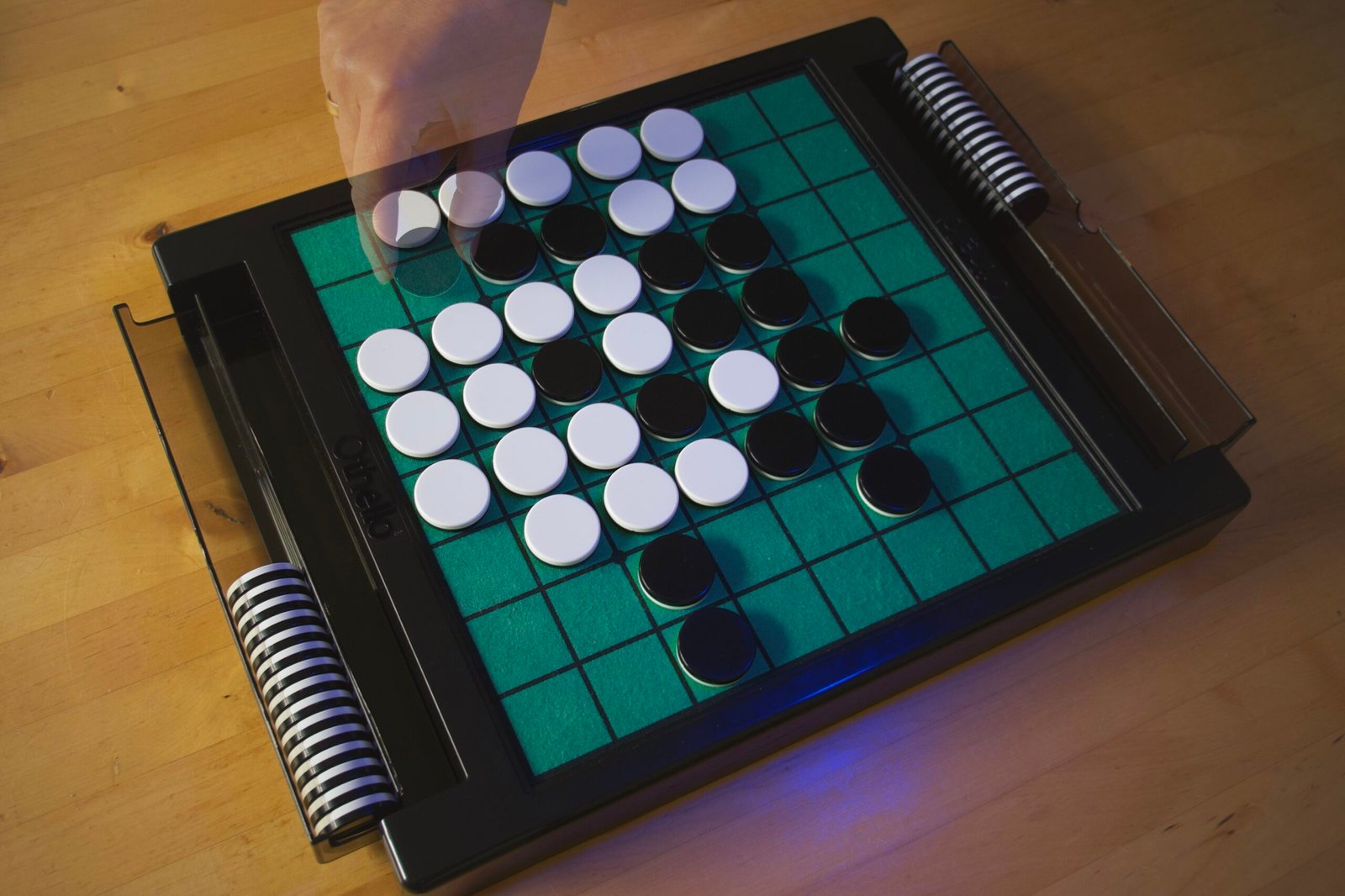
Othello required patience and strategy, two things that didn’t always mix well with kids. Flipping pieces back and forth changed the board so quickly that someone always panicked. Arguments sparked over whether a move was legal. And siblings accused each other of copying strategies or looking ahead too far. The shifting colors made it feel like the whole game was changing under everyone’s feet.
Toward the end, tensions peaked. Players tried to predict every flip but often miscalculated. Someone always complained about losing a huge chunk of their pieces. Parents attempted to mediate, but even they got swept up in the intensity. And when the board finally filled up, counting the pieces felt like another argument waiting to happen. Othello brought strategy, excitement, and a guaranteed round of bickering.