
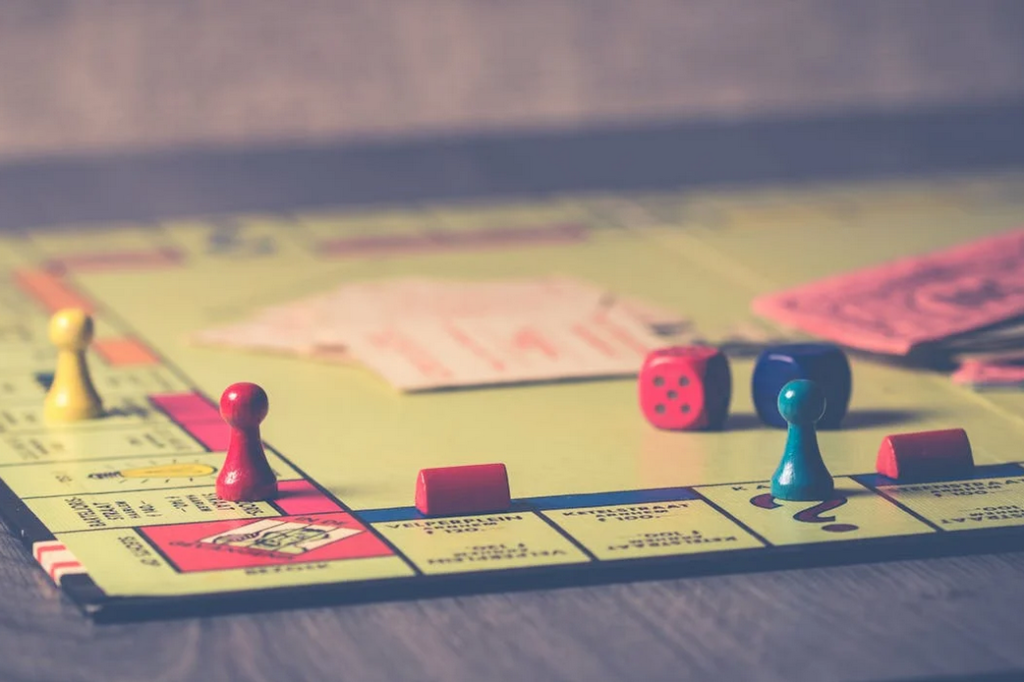
1. Monopoly
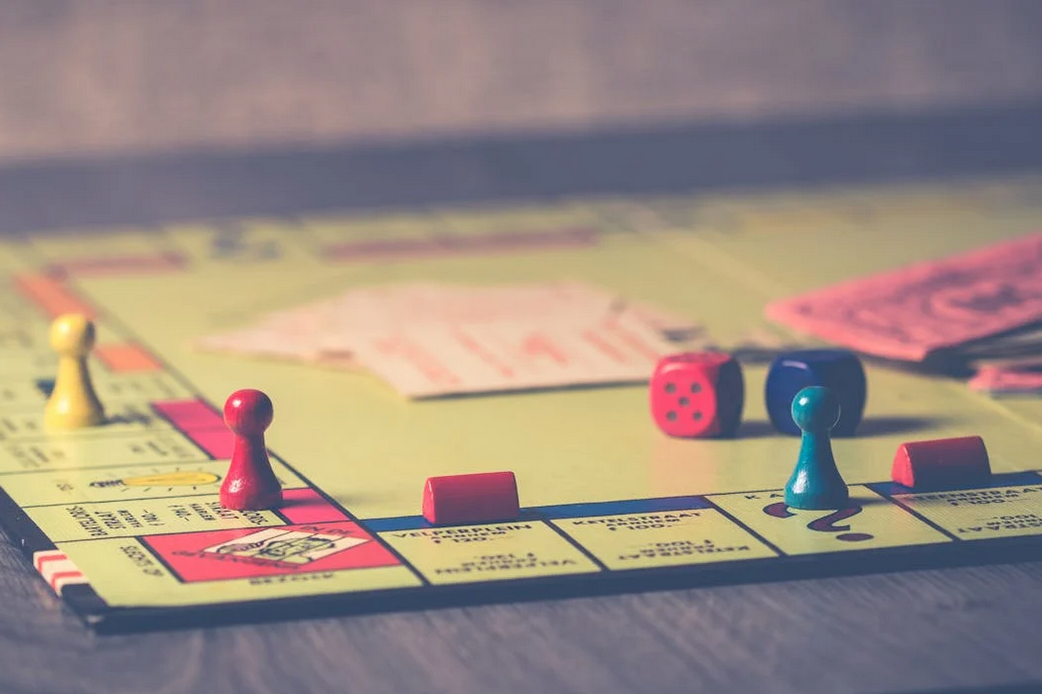
Anyone who sat down to play Monopoly in the ’70s knew they were committing their entire afternoon. Games stretched on as players hoarded properties, negotiated deals, and waited endlessly for someone to land on Boardwalk. The money piles grew slowly, and bankruptcy could take hours to finally happen. Quitting early felt like admitting defeat to the board itself.
The game dragged on because nobody wanted to give up, even when the winner felt obvious. Families paused for dinner and came back later, picking up right where they left off. The rules encouraged stubbornness, especially with house hoarding. Finishing a full game felt less like winning and more like surviving.
2. Risk

Risk turned living rooms into war rooms, and once it started, it was rarely over quickly. Players stared at maps for long stretches, plotting attacks that might not even work. Dice rolls could change everything, or absolutely nothing. The tension alone added time.
Games dragged on as players fortified continents and refused to make risky moves. Alliances formed, broke, and reformed over hours. Late-game stalemates were common and exhausting. By the end, everyone was tired but strangely proud of sticking it out.
3. Axis & Allies
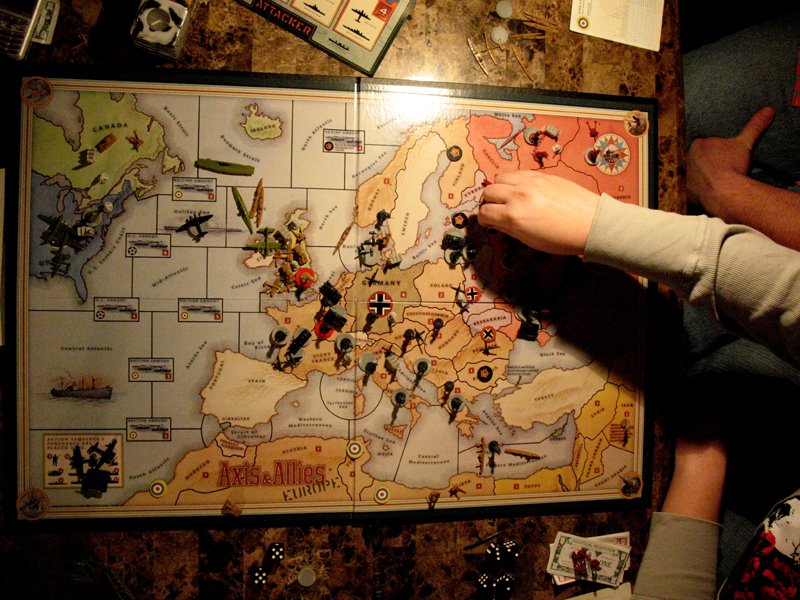
Axis & Allies was not a casual weeknight game, especially in the ’70s. The setup alone took a while, with armies carefully placed across a massive board. Every turn required planning, math, and negotiation. It felt more like a simulation than a game.
Once underway, progress was slow and deliberate. Players debated strategies endlessly before committing to a move. A single session often spilled into the next day. Finishing it felt like completing a campaign rather than playing a game.
4. Diplomacy
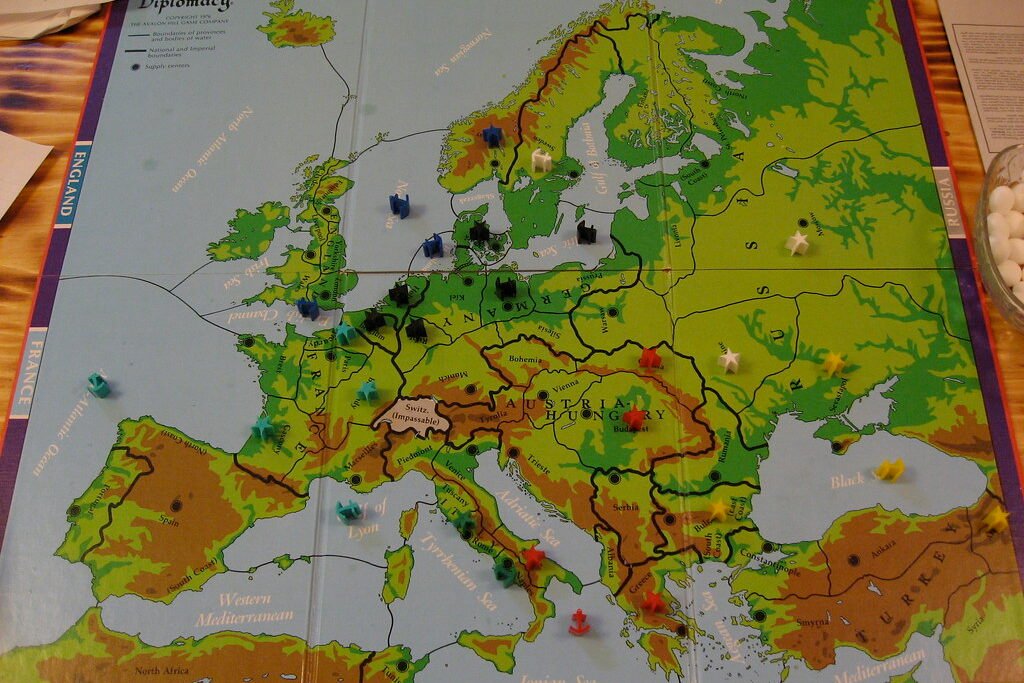
Diplomacy looked simple at first, but it was anything but. The real gameplay happened in whispered conversations and secret deals. Every turn involved negotiation, betrayal, and long pauses. Nothing moved fast because everyone was scheming.
The game dragged on as alliances shifted and grudges formed. Players spent more time talking than moving pieces. Eliminated players often stuck around just to watch the drama unfold. Ending a game felt emotionally draining in the best and worst ways.
5. Stratego
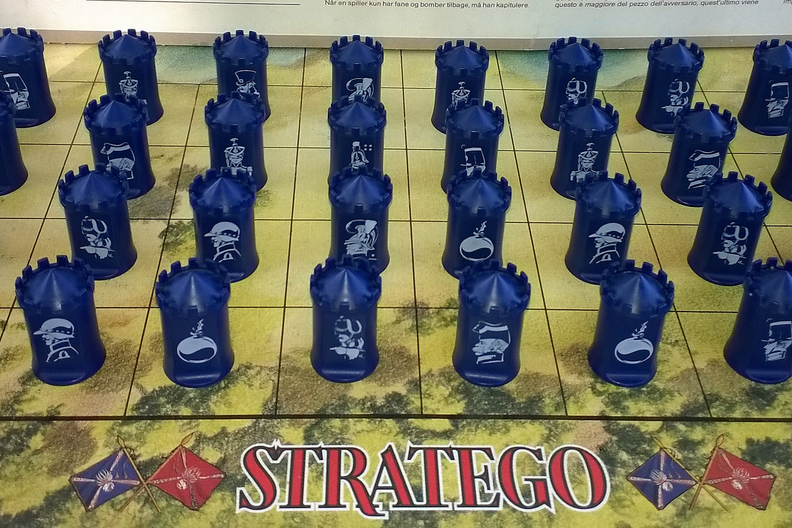
Stratego games in the ’70s could go on far longer than expected. Hidden pieces meant every move required caution and second guessing. Players advanced slowly, afraid to reveal their ranks too soon. The tension kept things creeping along.
Mid-game stalemates were common, with both sides guarding their flags obsessively. A single wrong move could undo hours of careful play. Players often replayed moments aloud, wondering what they should have done differently. Finishing felt like cracking a long puzzle.
6. Acquire
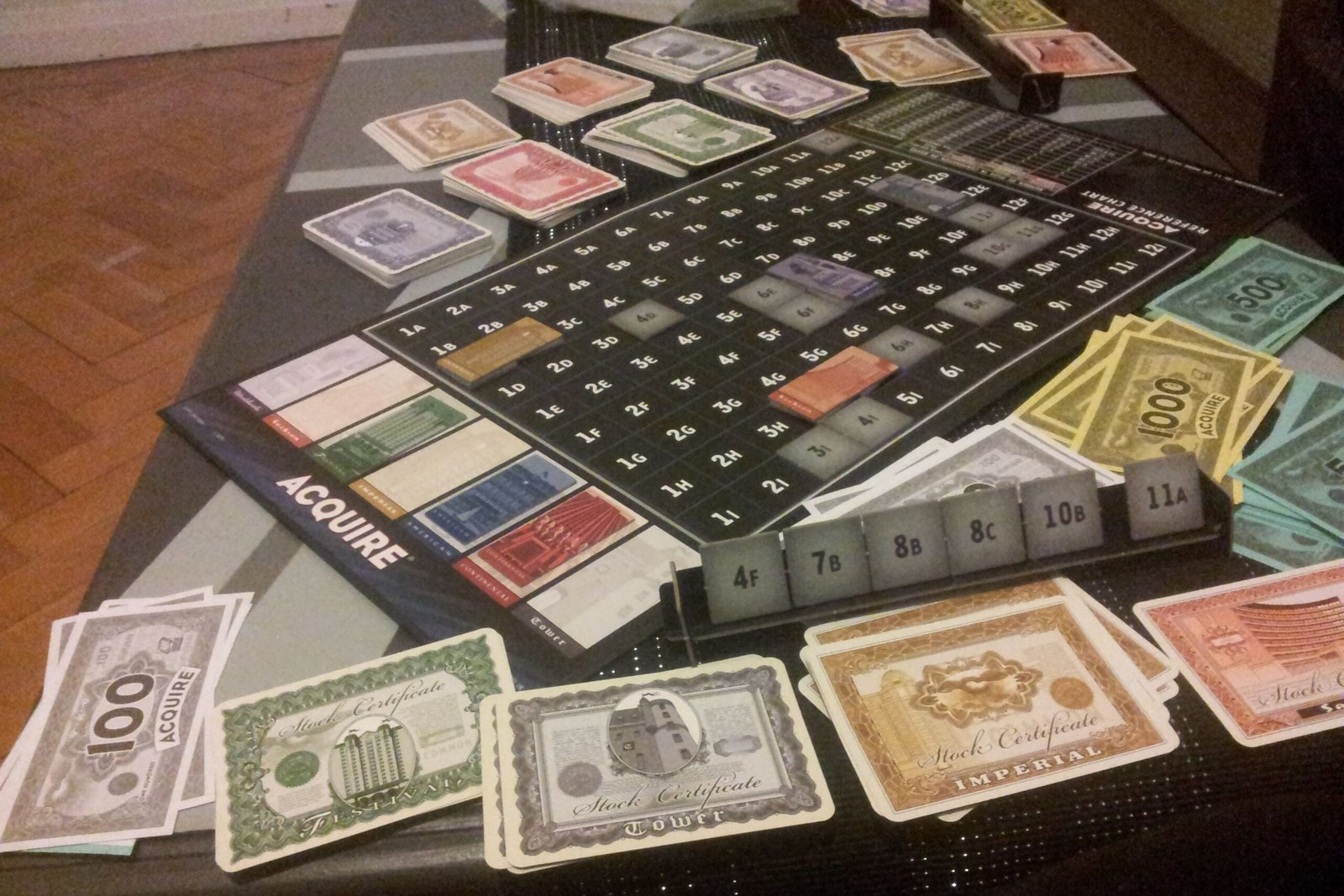
Acquire demanded patience and attention, which naturally stretched game time. Players carefully tracked hotel chains, stock prices, and mergers. Every decision carried long-term consequences. Nobody rushed through a turn.
The game slowed further as players debated mergers and payouts. Calculating stock bonuses took time and concentration. Strategic players preferred to wait rather than make bold moves. When it finally ended, it felt like closing the books on a business era.
7. Civilization

Civilization was legendary for how long it took to finish. Players guided societies from ancient times through multiple eras. Each turn added layers of complexity. It was ambitious and exhausting.
Games often required multiple sessions to complete. Negotiation, trade, and conflict all slowed progress. Players became deeply invested in their civilizations’ survival. Finishing the game felt monumental, like completing a long historical epic.
8. Careers

Careers sounded lighthearted, but it had surprising staying power. Players chased fame, fortune, or happiness through endless turns. Progress depended heavily on luck and long-term goals. That combination kept things moving slowly.
People rarely reached their win condition quickly. Players debated strategy while waiting for the right cards. Games stretched as everyone hovered just short of victory. Ending it brought relief and plenty of groans.
9. The Game of Life
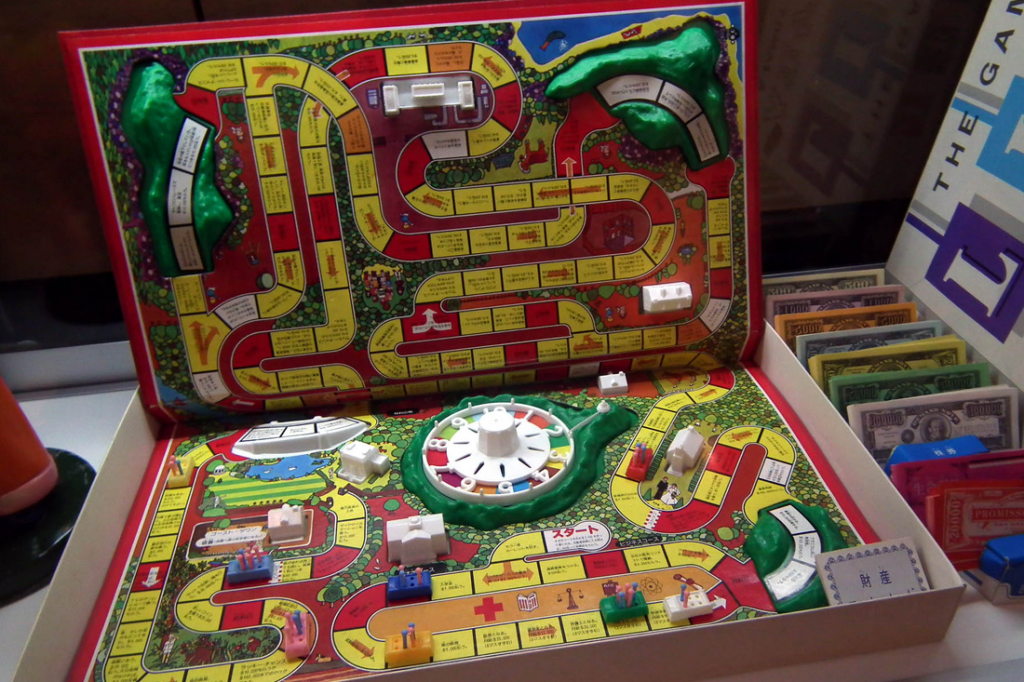
The Game of Life could take hours despite its bright, friendly look. Spinning the wheel again and again added time quickly. Players paused often to read cards and manage money. Every life event slowed the pace.
The game dragged as players argued over rules and payments. Career paths and family choices created frequent stops. Kids loved it, but adults felt the clock ticking. Reaching retirement felt like a genuine finish line.
10. Rail Baron
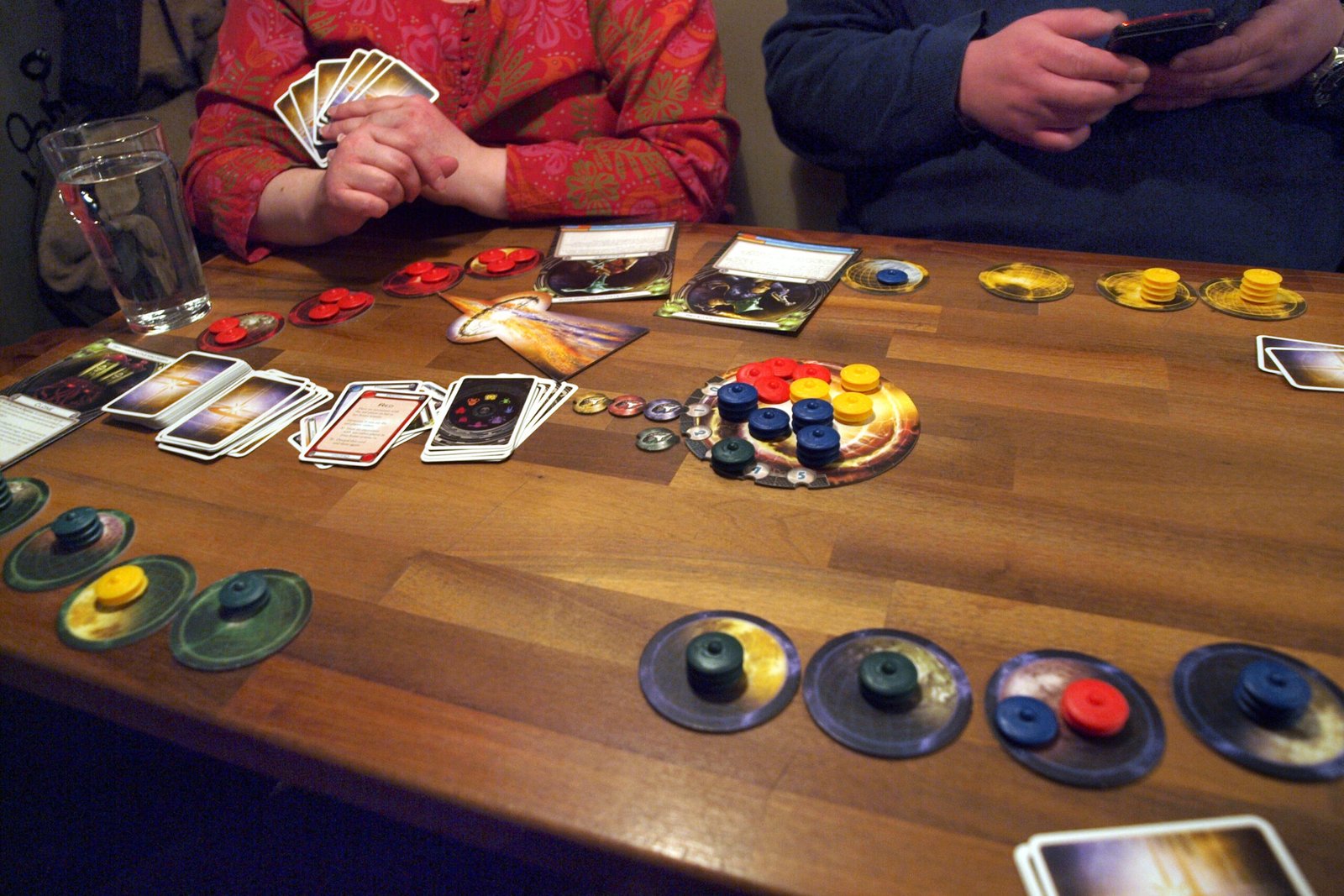
Rail Baron rewarded slow, careful planning rather than speed. Players plotted routes and calculated fares constantly. Every move required checking the map and doing math. It was not a fast experience.
Games stretched as players waited for the perfect run. A single bad roll could delay progress significantly. Players guarded routes fiercely and argued over details. Winning felt earned after hours of focus.
11. Clue
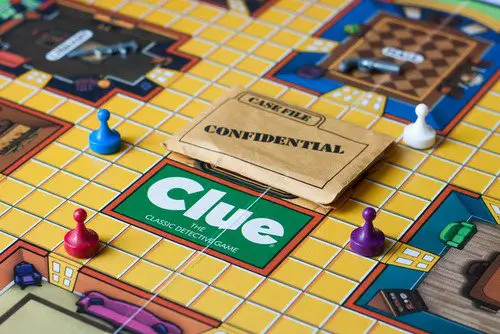
Clue did not always end quickly, especially with cautious players. Everyone moved slowly, afraid to reveal too much. Suggestions and accusations took time to process. The mystery lingered.
Some games dragged as players circled the board endlessly. Missed deductions meant extra rounds of guesswork. People often overthought every clue. Solving the case brought a sense of long-awaited closure.
12. Scotland Yard

Scotland Yard was thrilling but rarely quick. One player hid while everyone else coordinated moves. Turns involved discussion, planning, and debate. Progress felt slow but suspenseful.
The game dragged as detectives tried to trap a clever opponent. Every reveal sparked new theories and arguments. Players replayed earlier moves aloud, second guessing everything. Catching the fugitive felt like the end of a long chase.