
1. Steve McQueen
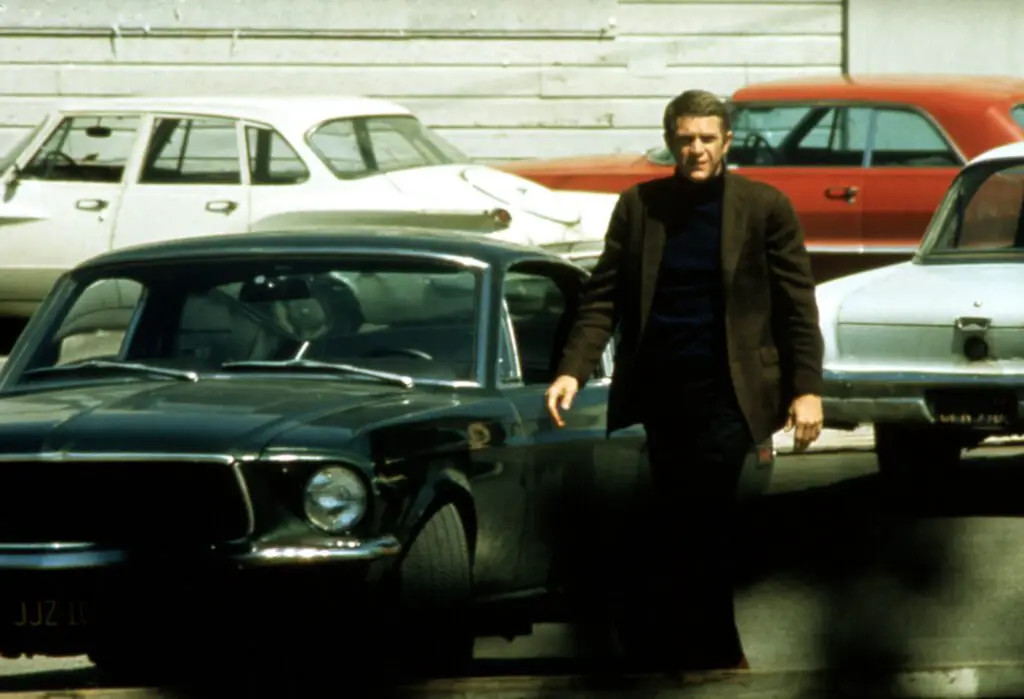
Steve McQueen did not chase cool, it followed him everywhere he went. Whether he was racing cars, riding motorcycles, or barely saying a word on screen, he projected total confidence. His laid back toughness felt natural, not studied. Audiences believed he really lived the way his characters did.
In the ’60s, McQueen represented a new kind of movie star who did not need polish to be magnetic. He dressed simply, moved with purpose, and never tried too hard. That restraint made him endlessly watchable. Cool came from what he did not say as much as what he did.
2. James Dean
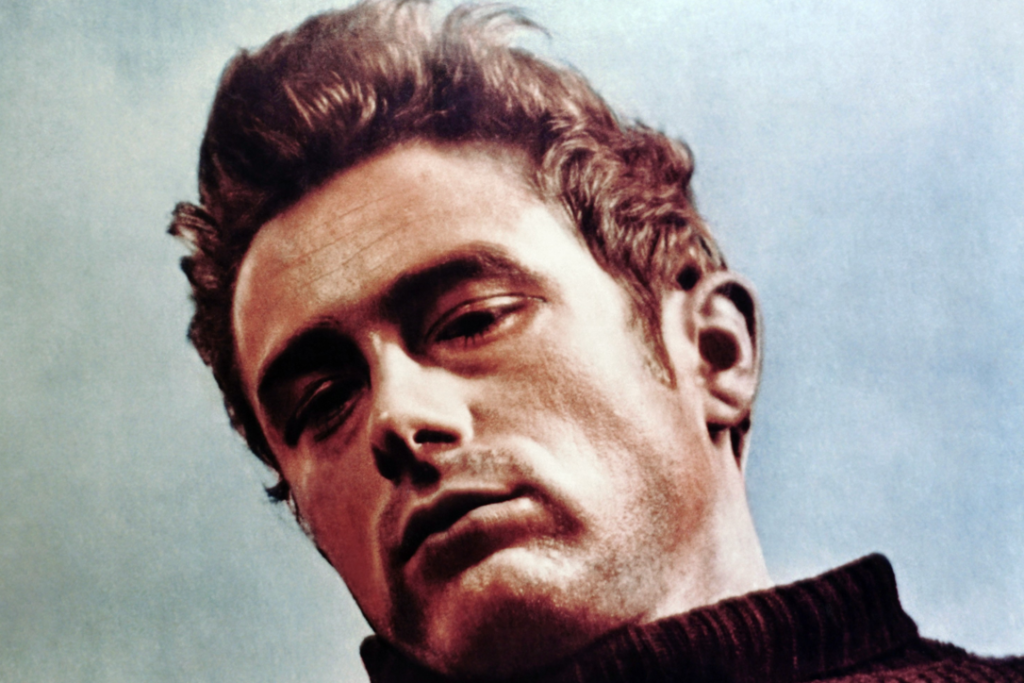
James Dean’s career was brief, but his impact on cool was enormous. He captured youthful restlessness in a way no one had before. Slouching, brooding, and emotionally raw, he looked like he belonged to no one. That sense of quiet rebellion resonated deeply.
Even after his death, Dean remained a symbol of misunderstood cool. He felt real to people who did not see themselves reflected in polished Hollywood stars. His style and attitude were copied endlessly. Cool, in his case, came from vulnerability as much as defiance.
3. Paul Newman
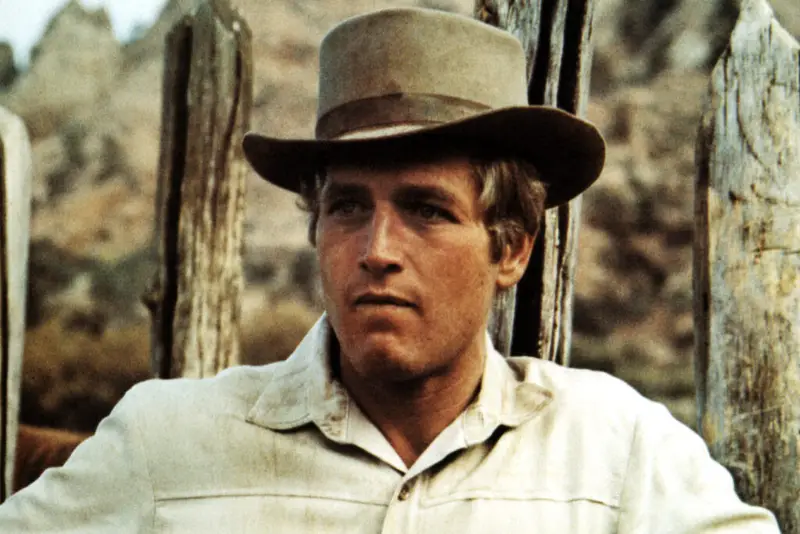
Paul Newman had movie star looks but an everyman presence. His blue eyes were legendary, but it was his warmth that made him cool. He felt approachable even while commanding the screen. That balance was rare.
During the ’60s, Newman showed that cool did not have to be distant. He played rebels, charmers, and antiheroes with equal ease. Off screen, his humility added to the appeal. People admired him because he never acted impressed with himself.
4. Marlon Brando
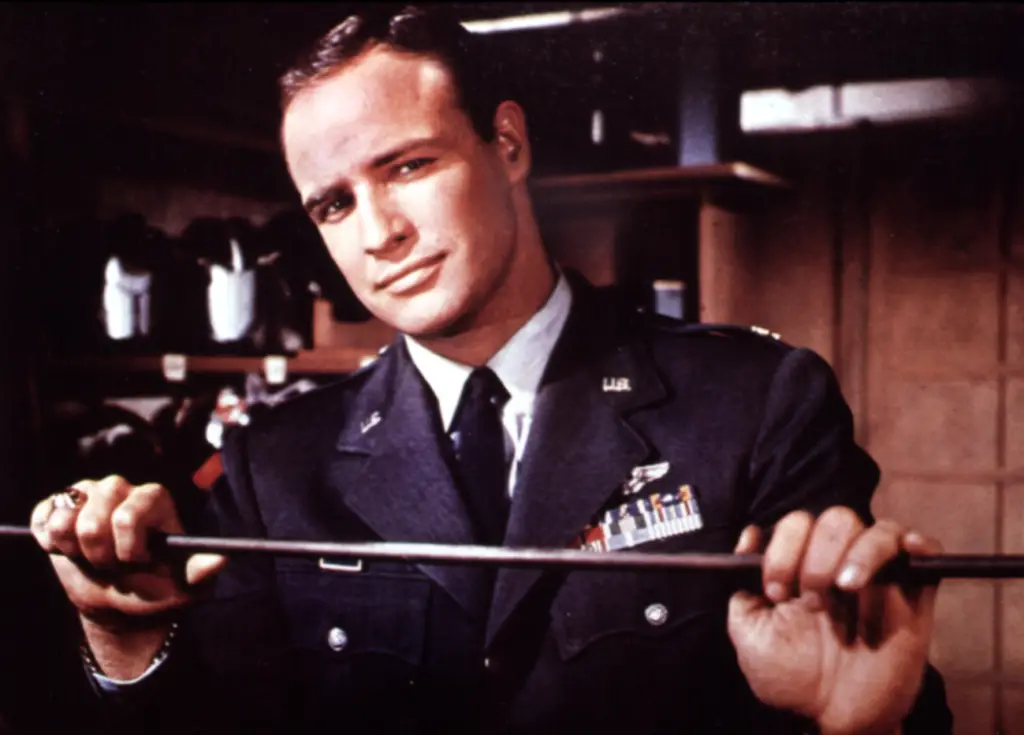
Marlon Brando changed what cool looked like before the ’60s even arrived. His naturalistic acting made everything else feel outdated. He brought raw emotion and unpredictability to the screen. That energy made him impossible to ignore.
By the ’60s, Brando’s influence was everywhere. Actors copied his style even if they could not replicate the impact. His refusal to conform became part of his legend. Cool meant doing things your own way, no matter the consequences.
5. Audrey Hepburn
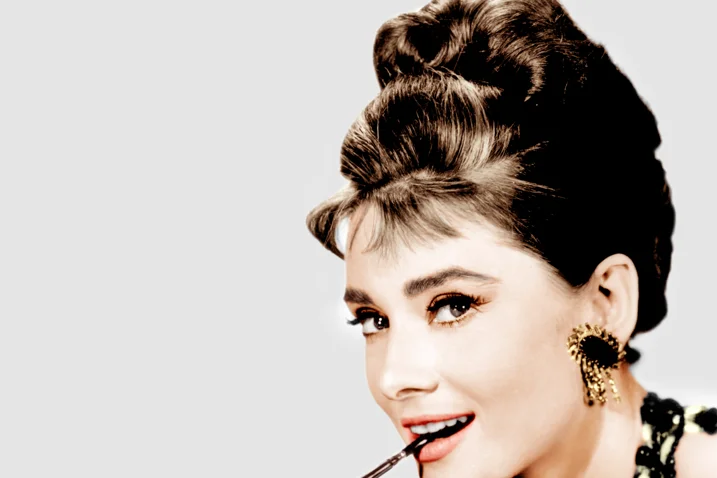
Audrey Hepburn made elegance feel effortless. She was stylish without being intimidating, refined without being stiff. Her smile carried warmth instead of distance. That combination felt fresh and modern.
In the ’60s, Hepburn defined a softer version of cool. She proved that grace and individuality could exist together. Women admired her style while also connecting to her vulnerability. Cool did not have to be loud to be powerful.
6. Jane Birkin
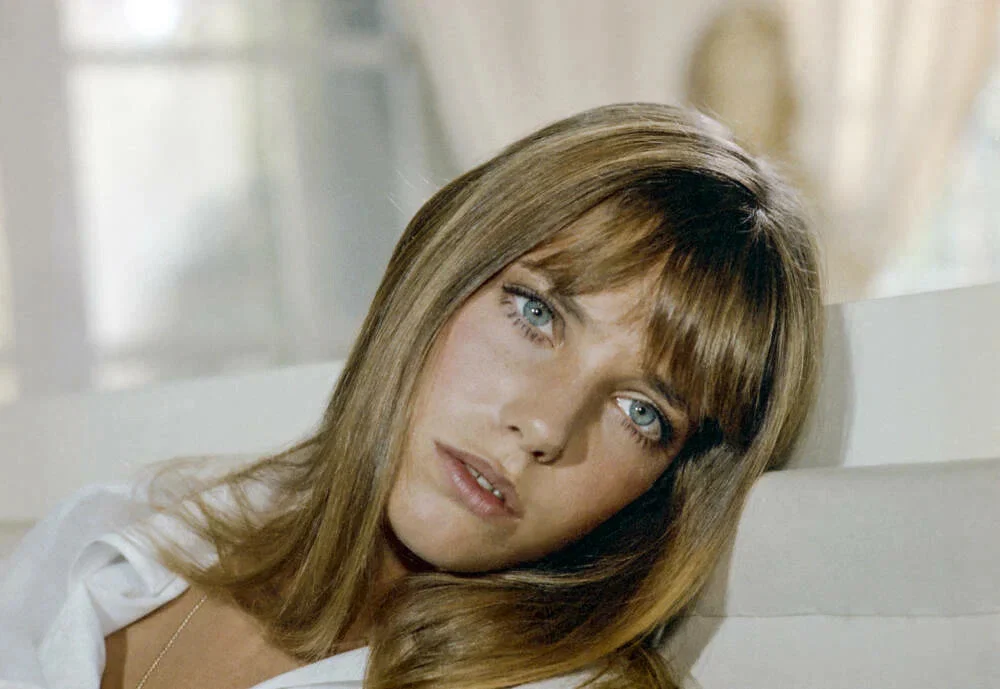
Jane Birkin embodied a relaxed, slightly rebellious European cool. Her fashion felt unplanned, like she simply threw things together and made it work. She never looked overdone. That ease was part of the appeal.
During the ’60s, Birkin became a style icon almost accidentally. She blurred the line between innocence and edge. Her influence stretched beyond film and music into everyday fashion. Cool followed her because she never chased it.
7. Bob Dylan
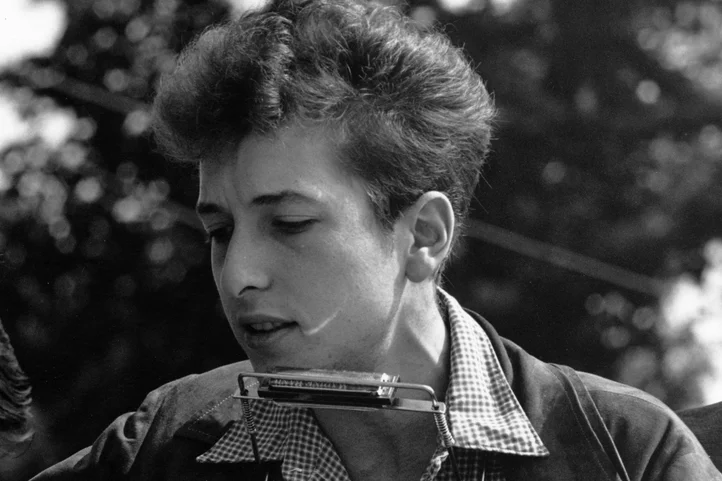
Bob Dylan redefined cool by refusing to stay the same. He challenged expectations at every turn, especially when audiences wanted familiarity. His lyrics felt personal and mysterious at the same time. That tension made people listen closely.
In the ’60s, Dylan showed that cool could come from intellect and defiance. He did not explain himself, and that only added to the intrigue. His refusal to fit into neat categories set a new standard. Cool meant staying true to your voice, even when it upset people.
8. Jimi Hendrix
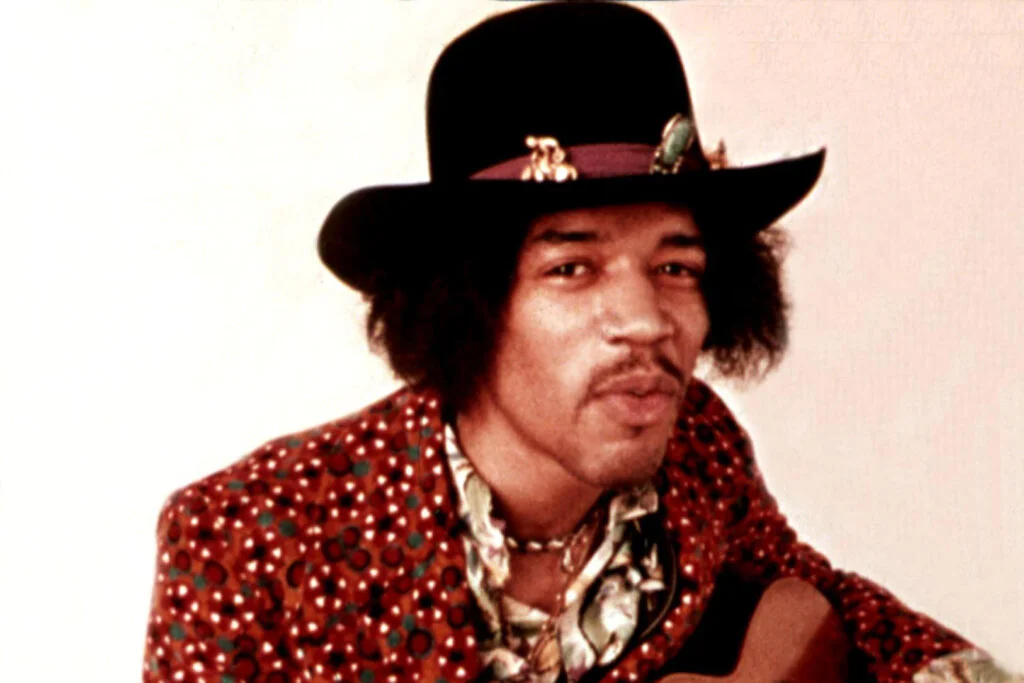
Jimi Hendrix walked onstage and immediately rewrote the rules. His guitar playing felt explosive and otherworldly. He did not just perform songs, he transformed them. Watching him felt like witnessing something new being born.
Hendrix defined ’60s cool through fearless creativity. His style, sound, and presence were inseparable. He made experimentation look effortless. Cool, in his world, was about pushing boundaries without asking permission.
9. Brigitte Bardot
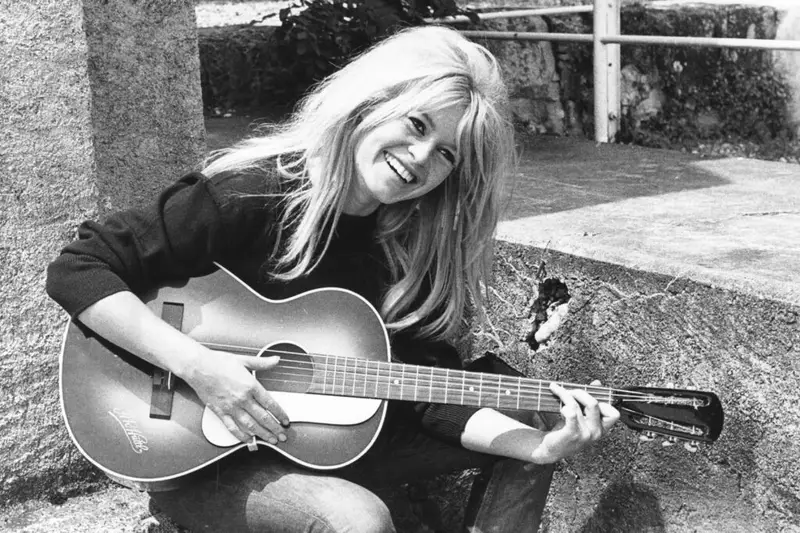
Brigitte Bardot combined glamour with a sense of freedom that felt radical at the time. She looked carefree in a way that challenged expectations. Her beauty felt natural rather than constructed. That made her magnetic.
In the ’60s, Bardot represented a shift toward personal expression. She embraced sensuality on her own terms. People did not just watch her, they studied her. Cool came from confidence and independence.
10. Sean Connery
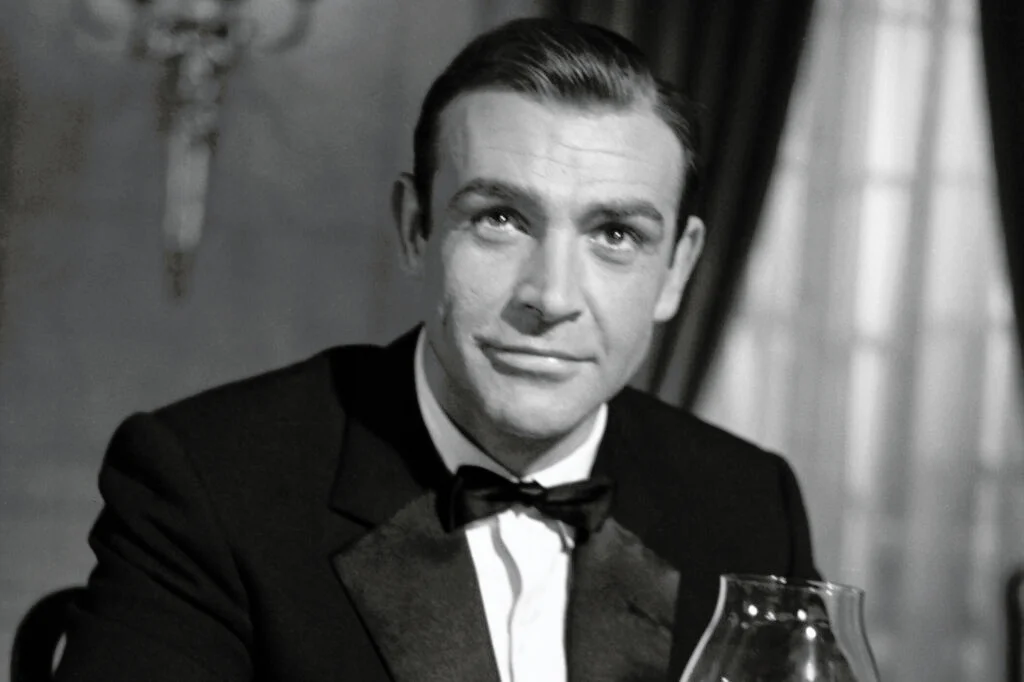
Sean Connery brought a grounded masculinity to the screen that felt effortless. He was confident without being flashy. His presence filled a room even when he stood still. That restraint was powerful.
During the ’60s, Connery became synonymous with smooth authority. He made sophistication look natural rather than forced. Audiences believed he belonged wherever he was. Cool came from calm control and quiet assurance.
11. Elvis Presley
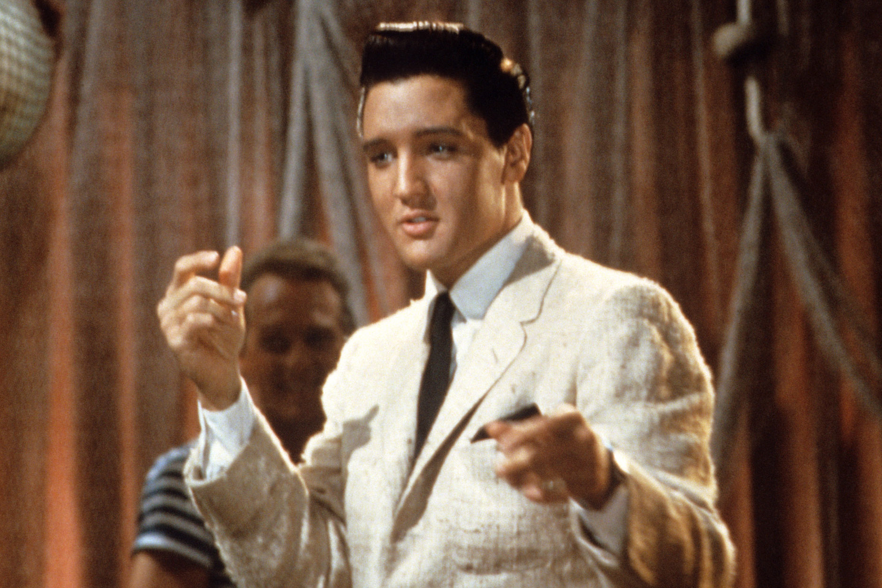
Elvis Presley entered the ’60s already a legend, but his influence never faded. His voice, movement, and charisma still felt electric. Even when trends shifted, he remained central. That staying power mattered.
Elvis defined cool through sheer presence. He commanded attention without trying to dominate it. Fans felt personally connected to him. Cool, in his case, was timeless rather than tied to a single moment.
12. Sharon Tate
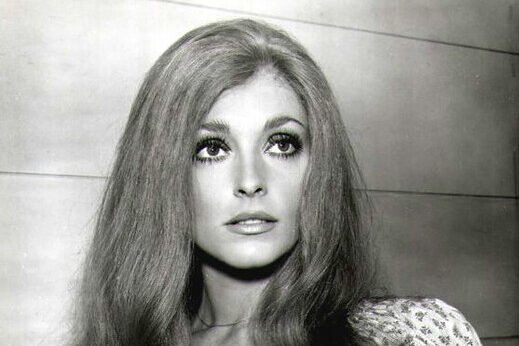
Sharon Tate radiated a gentle, modern cool that felt hopeful. She brought warmth and openness to her roles. Her charm felt genuine, not calculated. That authenticity stood out.
In the ’60s, Tate represented a softer kind of stardom. She seemed approachable even while glamorous. Her style and spirit reflected a changing era. Cool came from kindness as much as beauty.
13. Clint Eastwood

Clint Eastwood made silence intimidating. He spoke less and conveyed more. His characters felt grounded, tough, and unapologetic. That simplicity was effective.
During the ’60s, Eastwood became a symbol of understated cool. He did not rely on flashy dialogue or exaggerated emotion. His presence alone told the story. Cool meant confidence without explanation.
14. Jean Seberg
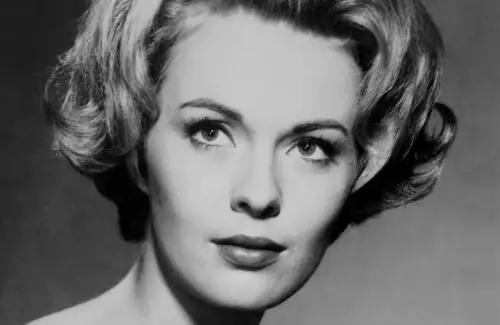
Jean Seberg brought a modern, effortless energy to the screen. Her short haircut and natural style felt revolutionary. She looked like she belonged in real life, not just on film. That relatability mattered.
In the ’60s, Seberg became a symbol of youthful independence. She embodied a break from traditional Hollywood glamour. Her influence spread quickly through fashion and film. Cool came from authenticity and simplicity.
15. Sammy Davis Jr.
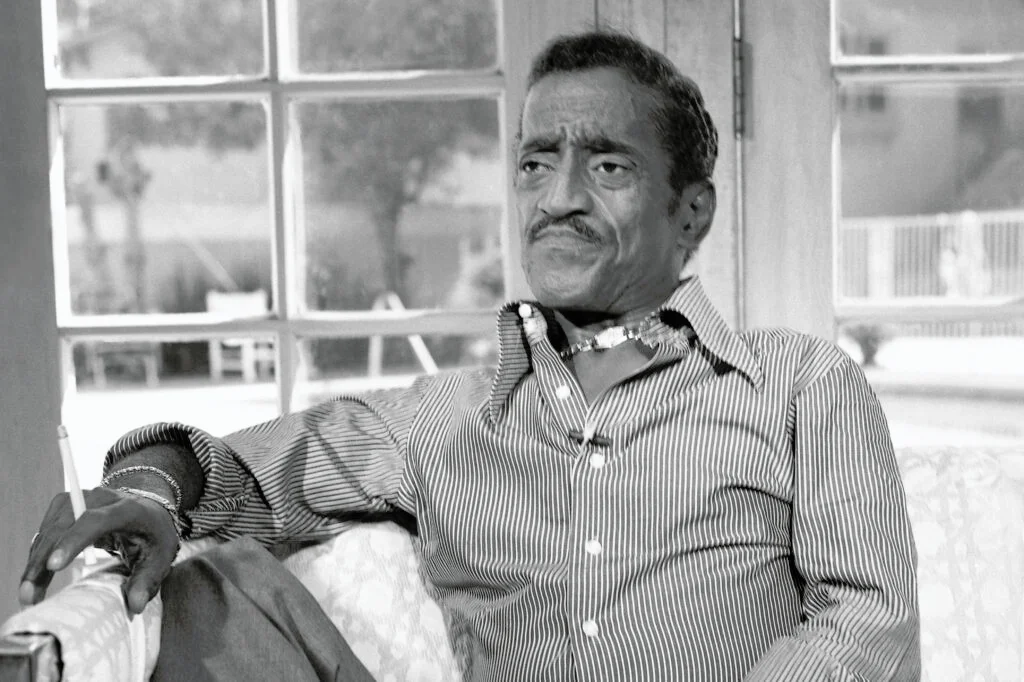
Sammy Davis Jr. had talent that crossed every boundary. He sang, danced, acted, and commanded a stage with ease. His charisma was undeniable. Audiences felt his joy immediately.
In the ’60s, Davis represented resilience and style combined. He faced obstacles without losing his spark. His confidence never felt forced. Cool came from excellence paired with heart.
16. Dennis Hopper
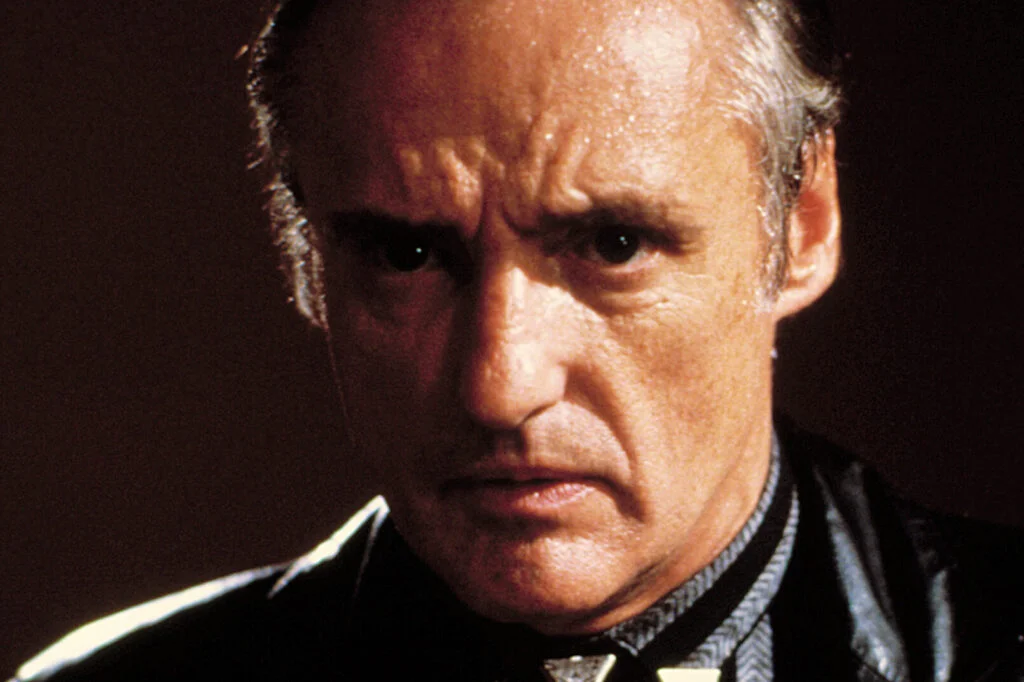
Dennis Hopper brought a restless energy that felt unmistakably ’60s. He thrived on pushing limits and challenging norms. His work reflected the chaos and creativity of the era. That edge made him compelling.
Hopper defined cool through unpredictability. He never played it safe. His presence suggested something could happen at any moment. Cool meant embracing the unknown.
17. Diana Ross
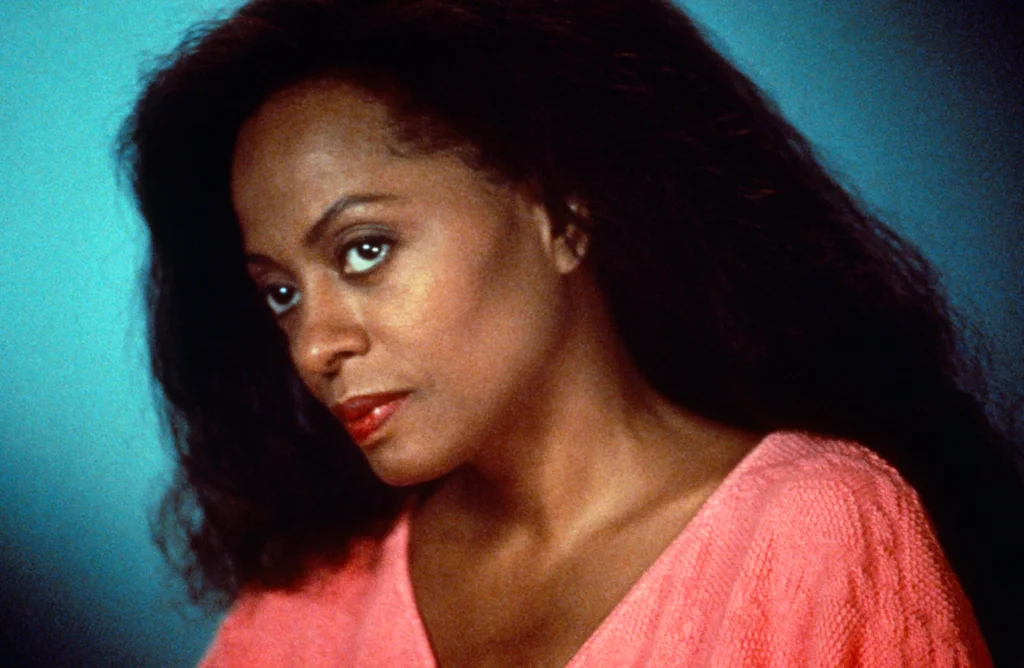
Diana Ross made cool look glamorous and strong at the same time. Her voice carried elegance and emotional clarity. She commanded attention without overpowering it. That balance was rare.
In the ’60s, Ross became a symbol of confidence and ambition. She redefined what a leading woman in music could be. Her style and presence felt forward looking. Cool came from owning the spotlight with grace.