
1. Jessica Alba Built The Honest Company
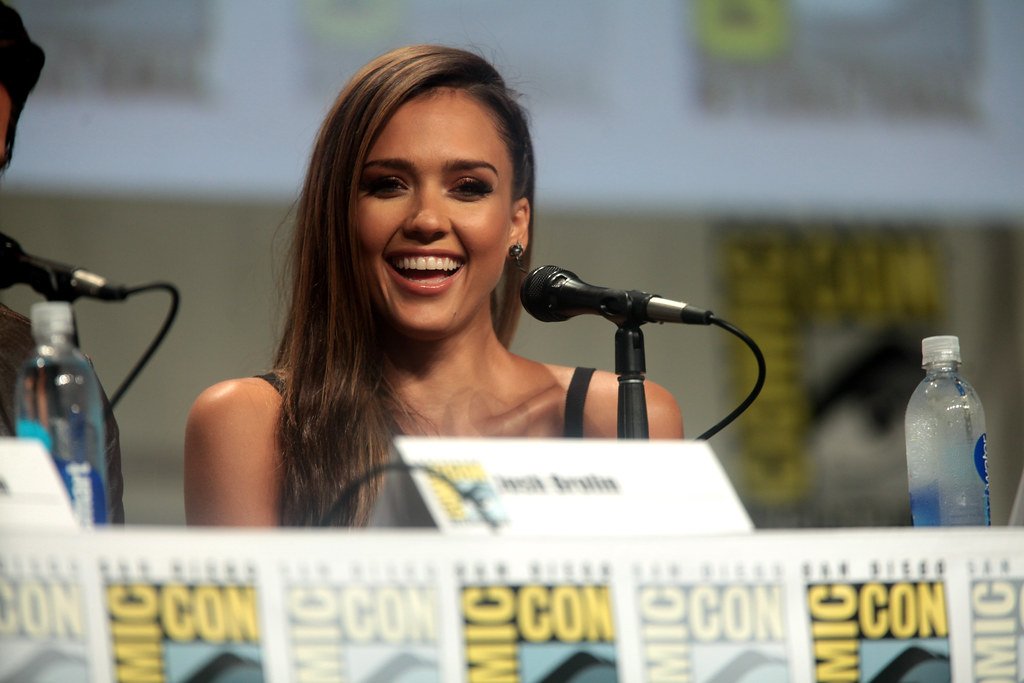
Jessica Alba didn’t just lend her name to a brand, she co-founded The Honest Company in 2011 after struggling to find safe household products for her own family. The company focuses on non-toxic baby, personal care, and cleaning products, and it quickly gained traction with parents who wanted more transparency. Alba was deeply involved in the brand’s identity and messaging, not just its marketing. Over time, the company expanded into beauty and wellness categories as well.
The Honest Company went public in 2021, marking a major milestone and confirming it wasn’t just a celebrity side project. Alba stepped back from the role of chief creative officer in 2024 but remains closely tied to the brand. The company’s growth has had ups and downs, including product recalls and competition, but it remains a recognizable name. Her transition from actor to entrepreneur is often cited as one of the more credible examples in Hollywood.
2. George Clooney Co-Founded Casamigos Tequila
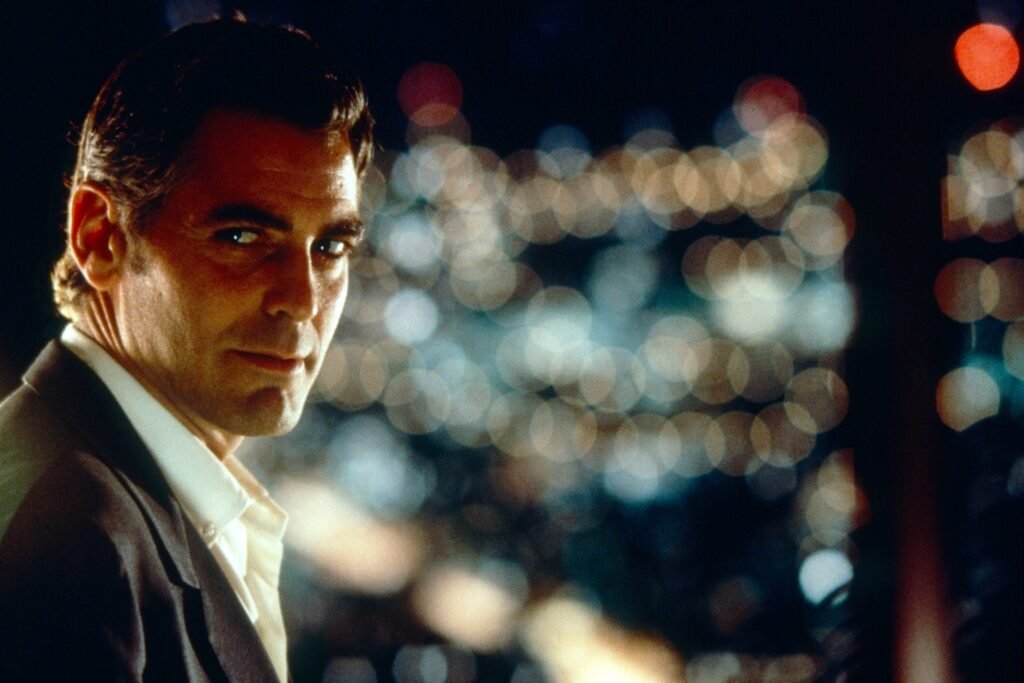
George Clooney co-founded Casamigos Tequila in 2013 alongside Rande Gerber and Mike Meldman. What started as a private label for friends quickly turned into a full-scale business. Clooney helped shape the brand’s laid-back image, which stood out in a crowded tequila market. The product emphasized smoothness and accessibility rather than traditional marketing approaches.
In 2017, Casamigos was sold to Diageo for up to $1 billion, depending on performance benchmarks. That sale made it one of the most successful celebrity-backed alcohol brands ever. Clooney’s involvement wasn’t superficial, he was active in branding and promotion from the start. The deal significantly increased his net worth and set a precedent for other celebrity liquor ventures.
3. Rihanna Built Fenty Beauty
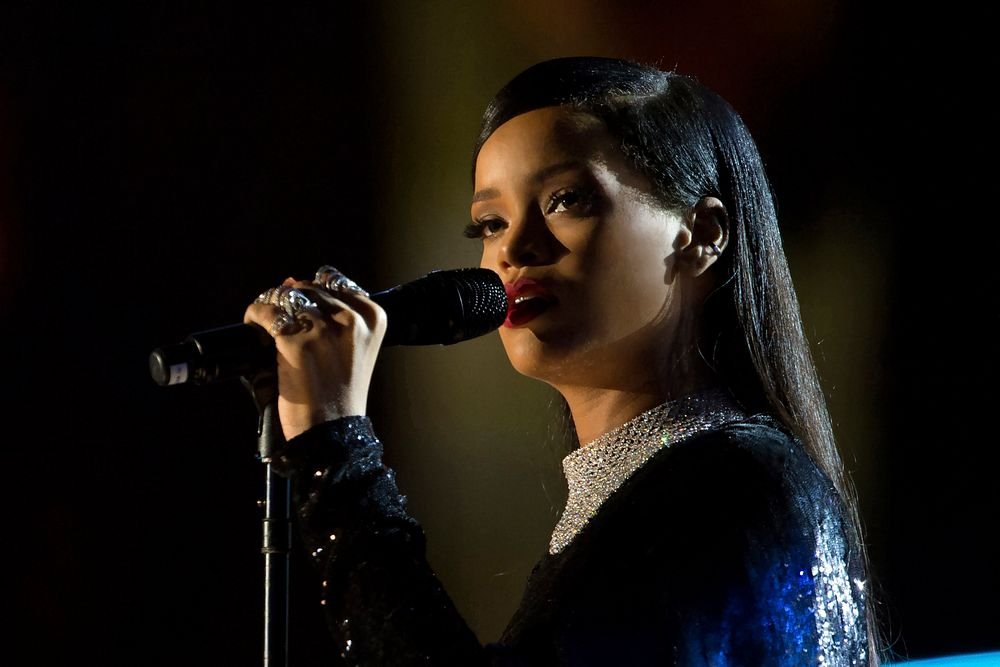
Rihanna launched Fenty Beauty in 2017 in partnership with LVMH, and it immediately disrupted the cosmetics industry. The brand became known for offering an unusually wide range of foundation shades at launch, addressing a long-standing gap in inclusivity. This move was not accidental, Rihanna had been vocal about representation in beauty long before starting the company. The brand’s early success was driven by both quality and positioning.
Fenty Beauty generated hundreds of millions in revenue within its first year. Rihanna’s stake in the brand has made her one of the wealthiest entertainers in the world. She also expanded into lingerie with Savage X Fenty, further solidifying her business presence. Unlike many celebrity brands, Fenty has maintained strong performance and cultural relevance.
4. Dr. Dre Co-Founded Beats Electronics
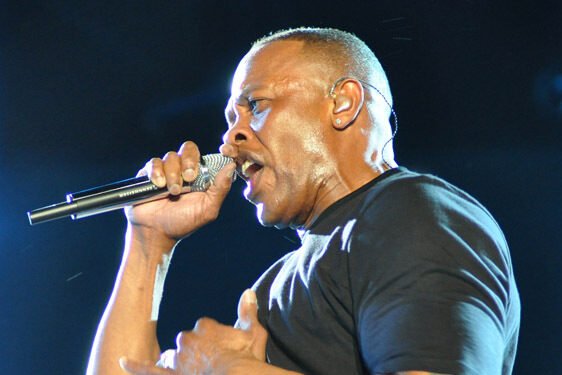
Dr. Dre co-founded Beats Electronics in 2006 with Jimmy Iovine, focusing on premium headphones and audio products. The brand quickly became associated with both sound quality and cultural cachet, particularly in hip-hop and sports. Dre’s credibility in music production gave the product legitimacy. The bold design and marketing also helped differentiate Beats from competitors.
In 2014, Apple acquired Beats for $3 billion, one of the largest deals in the company’s history. Dre reportedly earned hundreds of millions from the sale. The acquisition also integrated Beats technology into Apple’s ecosystem. This move positioned Dre as one of the most financially successful figures in the music industry.
5. Kylie Jenner Built Kylie Cosmetics
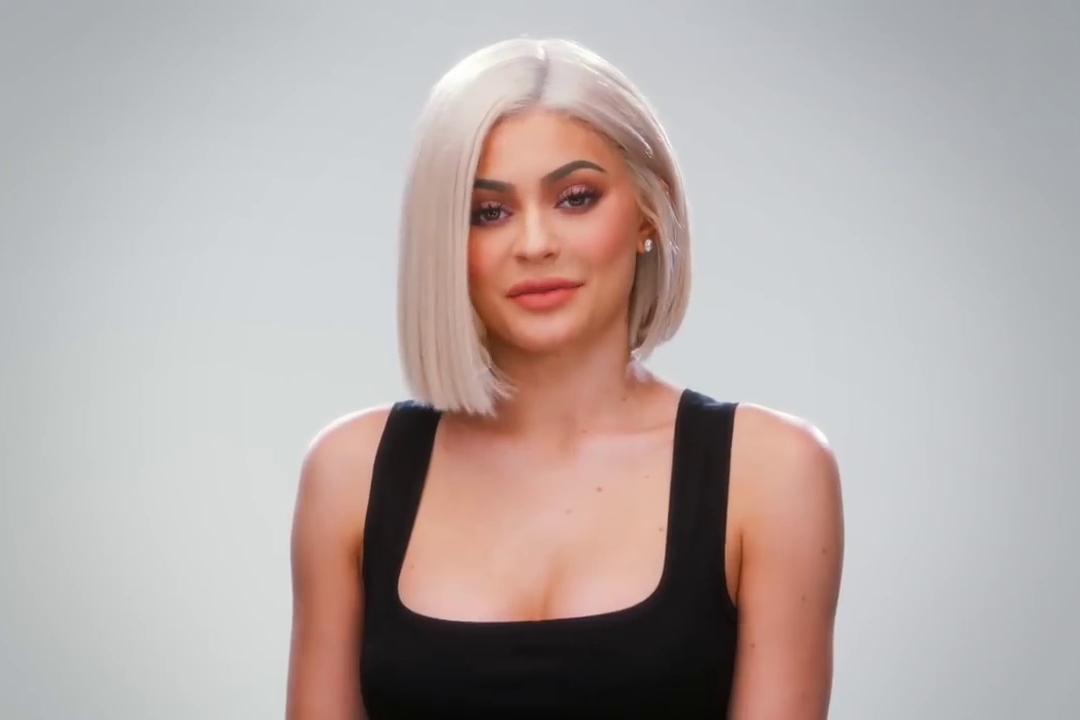
Kylie Jenner launched Kylie Cosmetics in 2015, starting with her now-famous Lip Kits. The initial product drops sold out almost instantly, driven by her social media influence. Jenner controlled a significant portion of the company early on, which allowed her to scale quickly. The brand expanded into a full cosmetics line within a few years.
In 2019, Coty acquired a 51 percent stake in Kylie Cosmetics for $600 million. That deal valued the company at roughly $1.2 billion at the time. While later reports questioned the exact valuation, the business itself remains substantial. Jenner continues to be involved in branding and product development.
6. Oprah Winfrey Built Harpo Productions
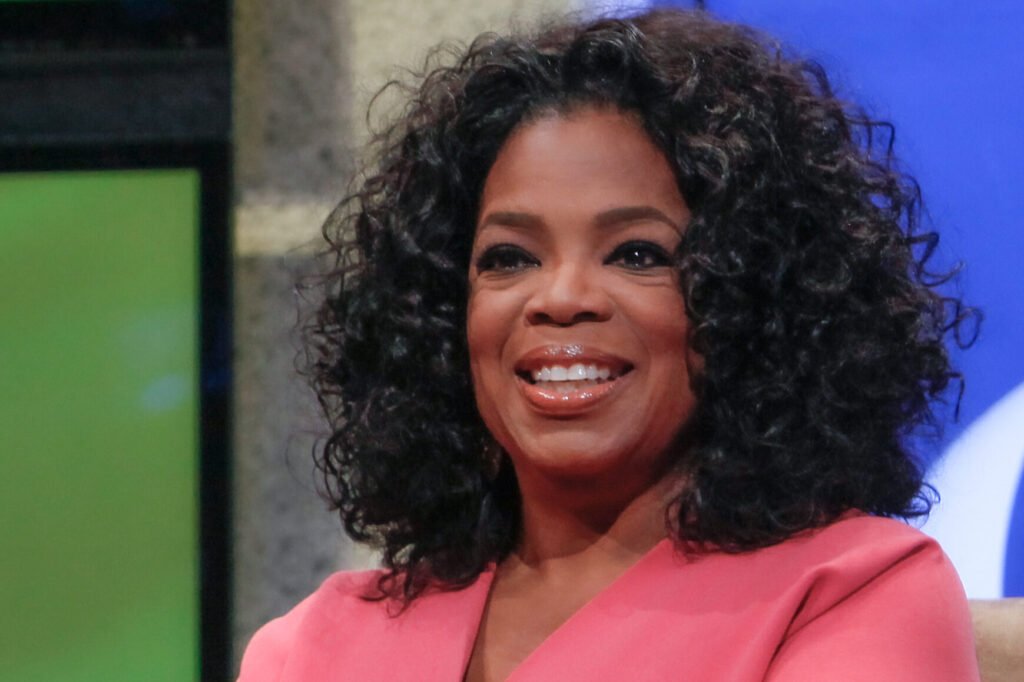
Oprah Winfrey founded Harpo Productions in 1986, giving her ownership over her own television content. This was a strategic move at a time when most talk show hosts did not control their shows. Harpo produced The Oprah Winfrey Show, which became one of the most successful talk shows in history. The company also expanded into film, publishing, and digital media.
Winfrey’s ownership model significantly increased her earnings and influence. Harpo played a key role in her transition from host to media executive. The company also produced films like The Color Purple adaptation projects and other television content. Winfrey’s business decisions helped redefine what celebrity ownership could look like in entertainment.
7. Reese Witherspoon Built Hello Sunshine
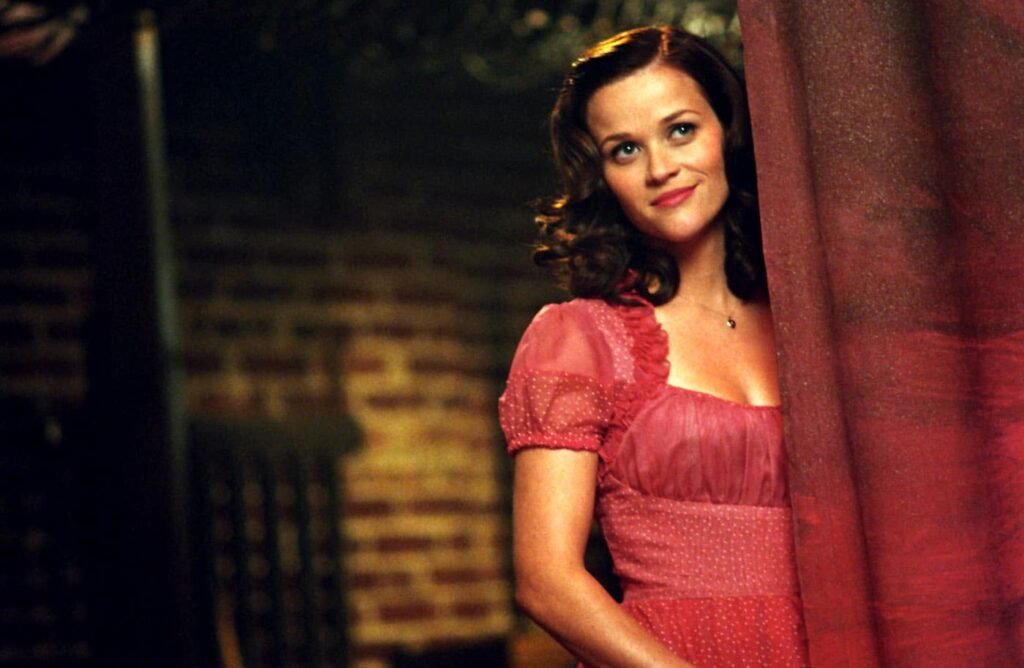
Reese Witherspoon founded Hello Sunshine in 2016 with a focus on female-driven storytelling. The company produces films, TV shows, and digital content, including projects like Big Little Lies and The Morning Show. Witherspoon was frustrated by the lack of strong roles for women, which directly shaped the company’s mission. She positioned Hello Sunshine as both a creative and commercial venture.
In 2021, a majority stake in Hello Sunshine was sold to a media company backed by Blackstone for about $900 million. Witherspoon remained involved in leadership after the sale. The company continues to produce high-profile content across platforms. It is widely viewed as a successful example of an actor leveraging influence into ownership.
8. Ryan Reynolds Co-Owned Aviation Gin
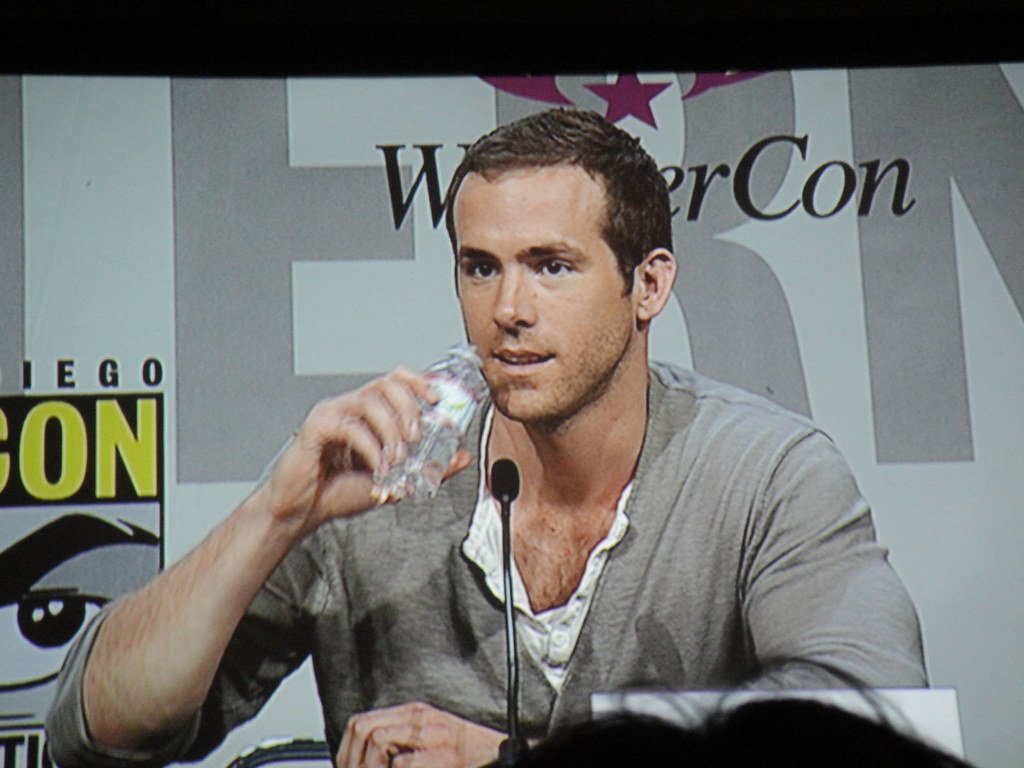
Ryan Reynolds acquired a stake in Aviation Gin in 2018 and became the face of the brand. He leaned heavily into humor-driven marketing, which helped the product stand out. Reynolds was directly involved in ad campaigns and brand voice. The approach made Aviation recognizable even to people who weren’t gin drinkers.
In 2020, Diageo purchased Aviation Gin in a deal worth up to $610 million. Reynolds retained an ongoing interest in the brand. The sale mirrored the success of Clooney’s tequila deal, reinforcing a pattern in celebrity spirits. Reynolds has since continued investing in other businesses using a similar strategy.
9. Gwyneth Paltrow Built Goop
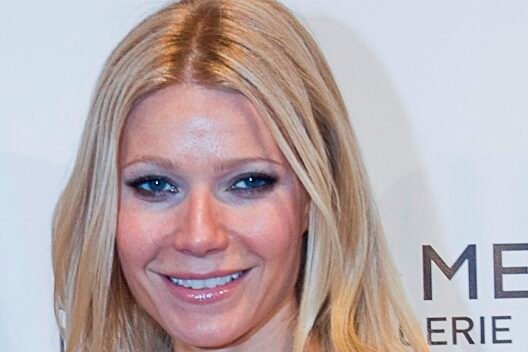
Gwyneth Paltrow launched Goop in 2008 as a lifestyle newsletter that eventually expanded into a full brand. It now includes wellness products, fashion, and content. Paltrow positioned Goop as a curated, aspirational lifestyle platform. The brand has attracted both loyal customers and significant criticism over some of its claims.
Despite controversy, Goop has grown into a multi-million-dollar company. It operates both e-commerce and media divisions. Paltrow remains the face and driving force behind the brand. The business has proven durable even in the face of public scrutiny.
10. Jay-Z Built Roc Nation and Multiple Ventures
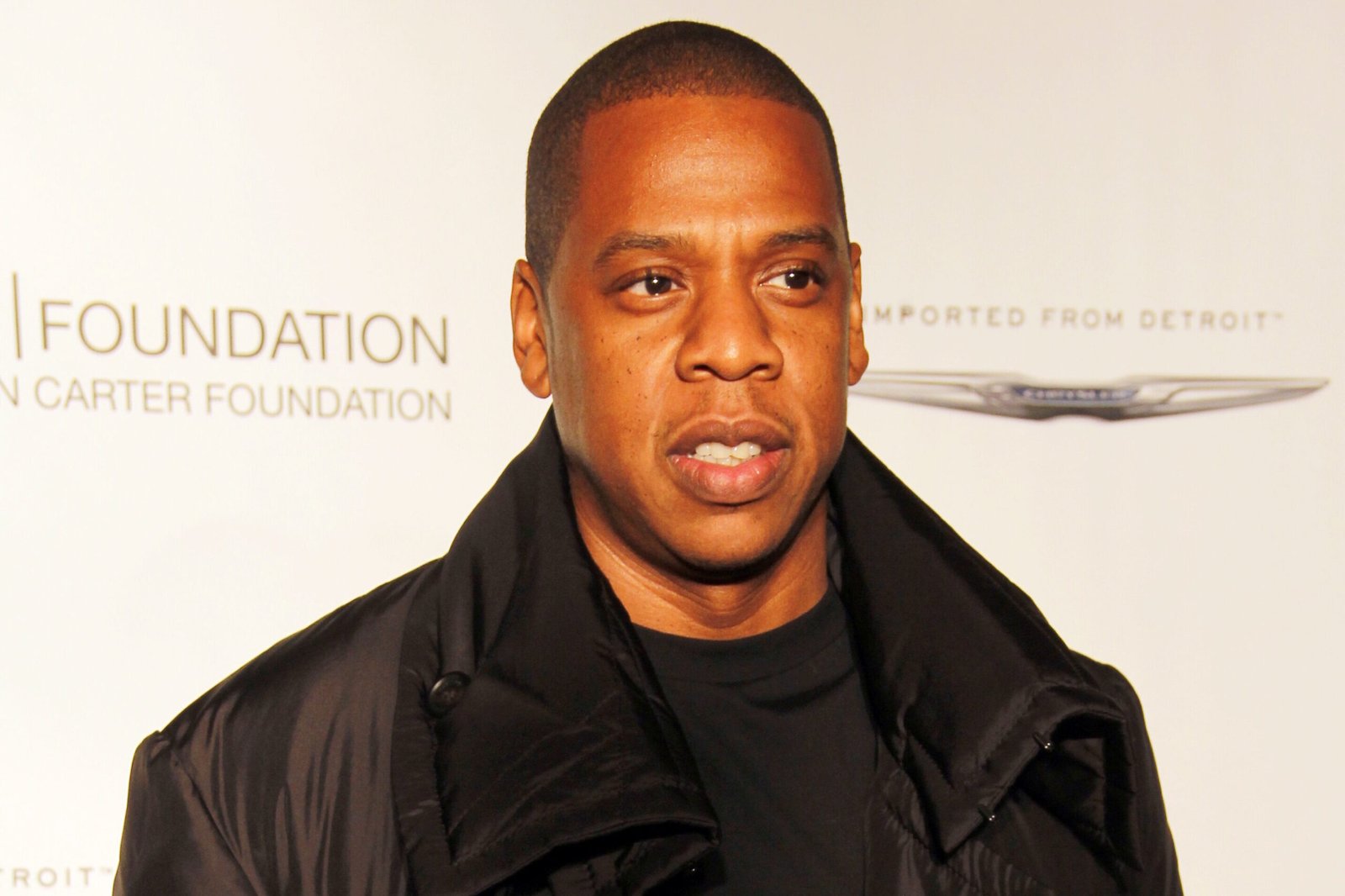
Jay-Z expanded far beyond music into a wide range of business ventures, including Roc Nation, a full-service entertainment company. Founded in 2008, Roc Nation handles artist management, publishing, and sports representation. He also invested in brands like Armand de Brignac champagne and D’Ussé cognac. His approach has consistently focused on ownership and equity.
Jay-Z sold a majority stake in D’Ussé in 2023 in a deal reportedly worth hundreds of millions. He has also held stakes in companies like Tidal and Uber. His business portfolio is diverse and strategically managed. He is often cited as one of the most successful entrepreneur figures in entertainment.
11. Sara Blakely Built Spanx
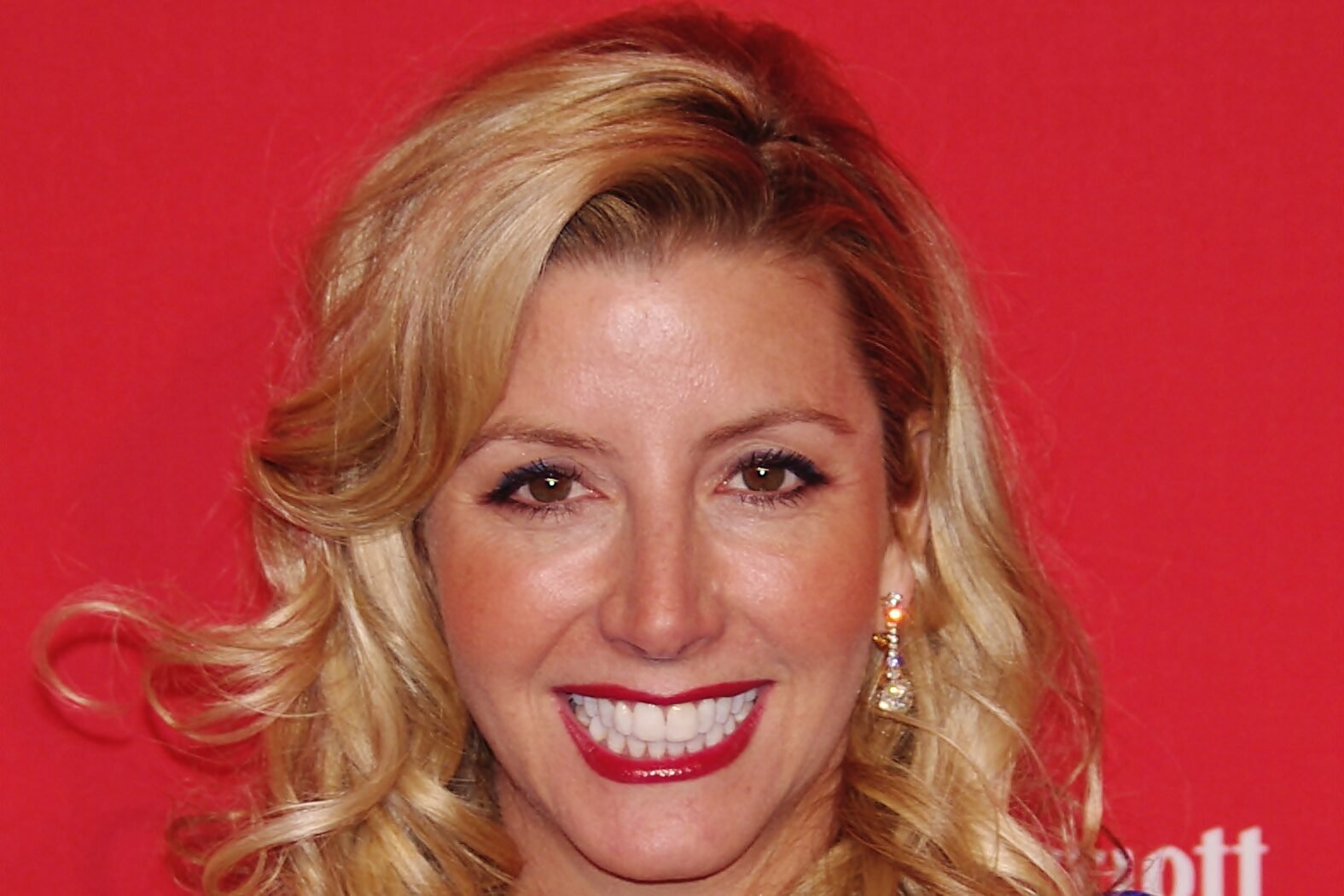
Sara Blakely, though not a traditional celebrity at first, became widely known after founding Spanx in 2000. She started the company with $5,000 and no background in fashion or business. Spanx revolutionized shapewear by focusing on comfort and practicality. Blakely maintained full ownership for years, which is unusual in retail startups.
In 2021, Blackstone acquired a majority stake in Spanx at a valuation of $1.2 billion. Blakely became one of the youngest self-made female billionaires. She remained involved in the company after the sale. Her story is often referenced as a case study in entrepreneurship.
12. Ashton Kutcher Built a Venture Capital Portfolio
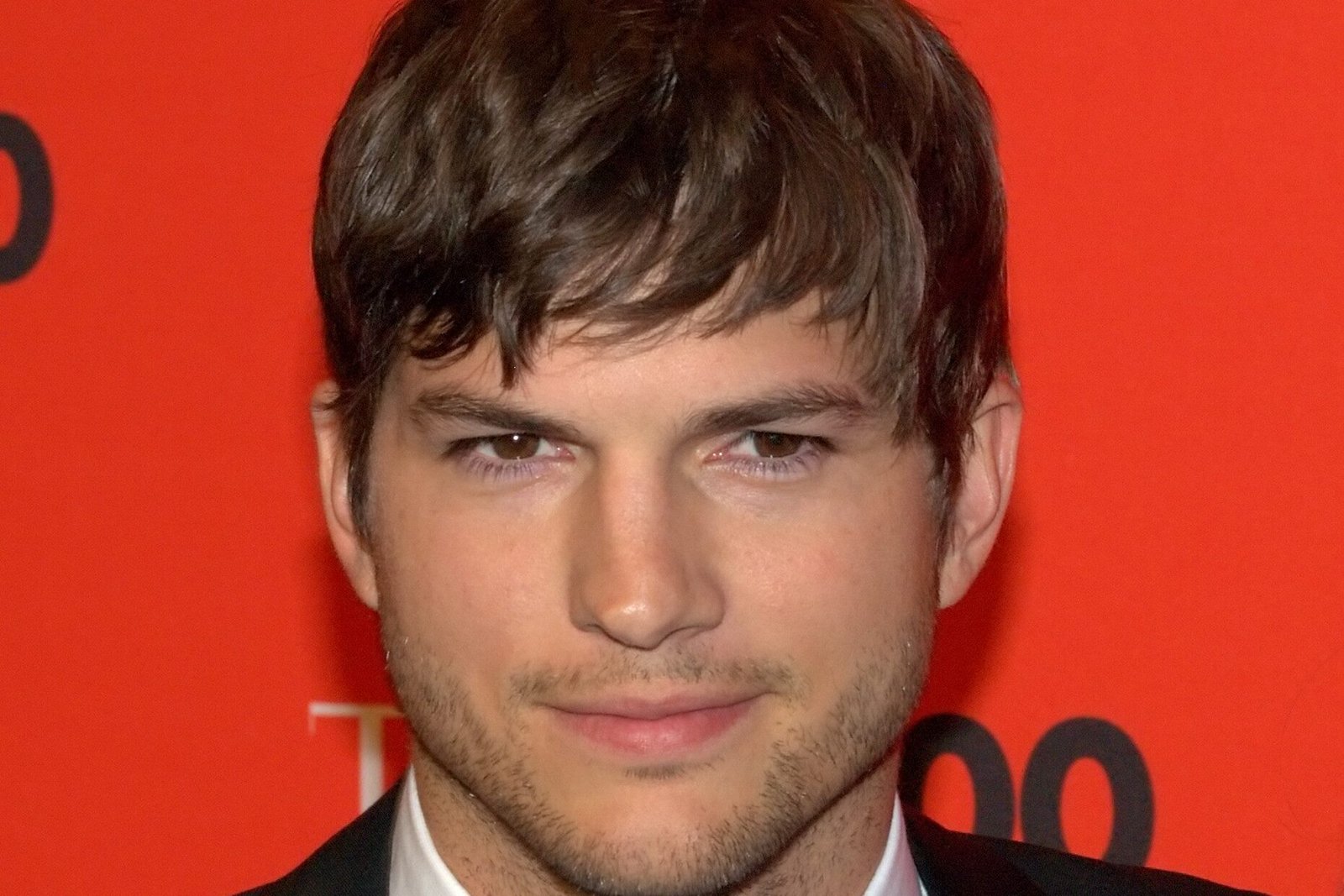
Ashton Kutcher took a different route by investing in startups through his firm A-Grade Investments. He was an early investor in companies like Uber, Airbnb, and Spotify. Kutcher’s approach focused on identifying high-growth tech opportunities. He worked closely with partners to evaluate and support these companies.
His investments have generated significant returns, establishing him as a serious figure in venture capital. Kutcher is not just a passive investor, he has been actively involved in strategy and promotion. His portfolio demonstrates a strong understanding of emerging markets. This has made him one of the more credible business figures among actors.


