
1. A Long Road Before Fame Finally Hit
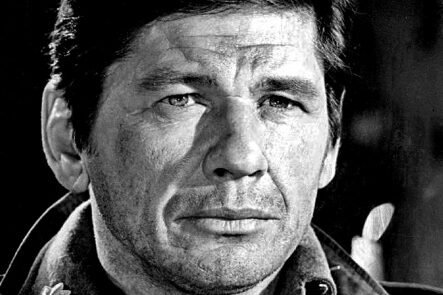
Charles Bronson didn’t become a household name overnight, even though it can feel that way looking back. He spent years in smaller roles throughout the ’50s and early ’60s, often playing tough or silent types before audiences really knew who he was. Films like The Magnificent Seven and The Great Escape helped build his reputation, but he was still part of an ensemble rather than the main draw. It wasn’t until European audiences embraced him that things began to shift in a meaningful way. His collaboration with director Sergio Leone on Once Upon a Time in the West in 1968 gave him a level of visibility he hadn’t had before.
That slow climb actually shaped the persona he would later bring to his biggest roles. By the time he became a leading man, he already had decades of experience playing hardened characters. That gave his performances a credibility that younger actors often struggled to match. It also meant his breakthrough came later in life than most Hollywood stars. Bronson was in his late 40s when he finally became a top-billed actor, which was unusual for the era. That late rise added to his mystique and made his eventual dominance in the early ’70s feel even more striking.
2. The Early ’70s Turned Him Into a Box Office Force
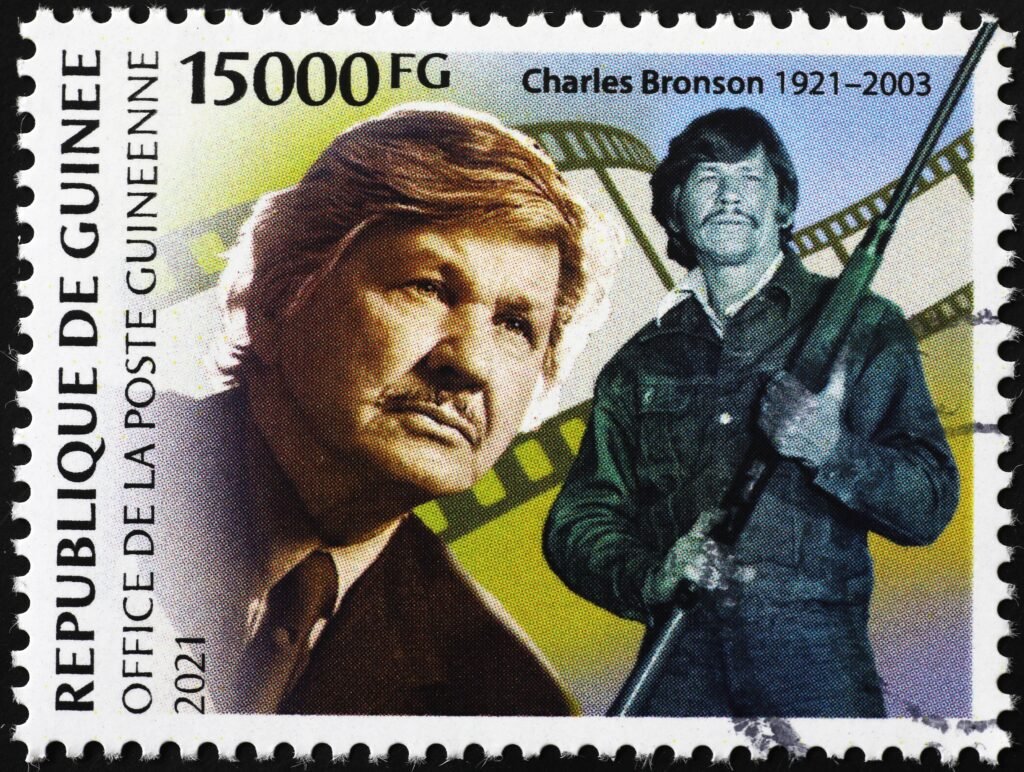
By the early ’70s, Bronson had become one of the most reliable action stars in the world. Films like The Mechanic (1972) and Death Wish (1974) positioned him as the embodiment of a certain kind of justice-driven antihero. He wasn’t flashy or overly expressive, which actually made him stand out even more. Audiences responded to the quiet intensity he brought to the screen, especially during a time when crime rates were a growing concern in the United States.
Studios leaned into that appeal, casting him in roles that emphasized vengeance, control, and moral ambiguity. Death Wish in particular became a cultural flashpoint, sparking debates about vigilantism that continue to this day. The film was a major commercial success, cementing Bronson’s place at the top of the genre. He quickly became synonymous with tough, no-nonsense characters who operated outside the system. For several years, his name alone could carry a film at the box office. That level of dominance defined his early ’70s run.
3. His On-Screen Persona Reflected Real-Life Hardship
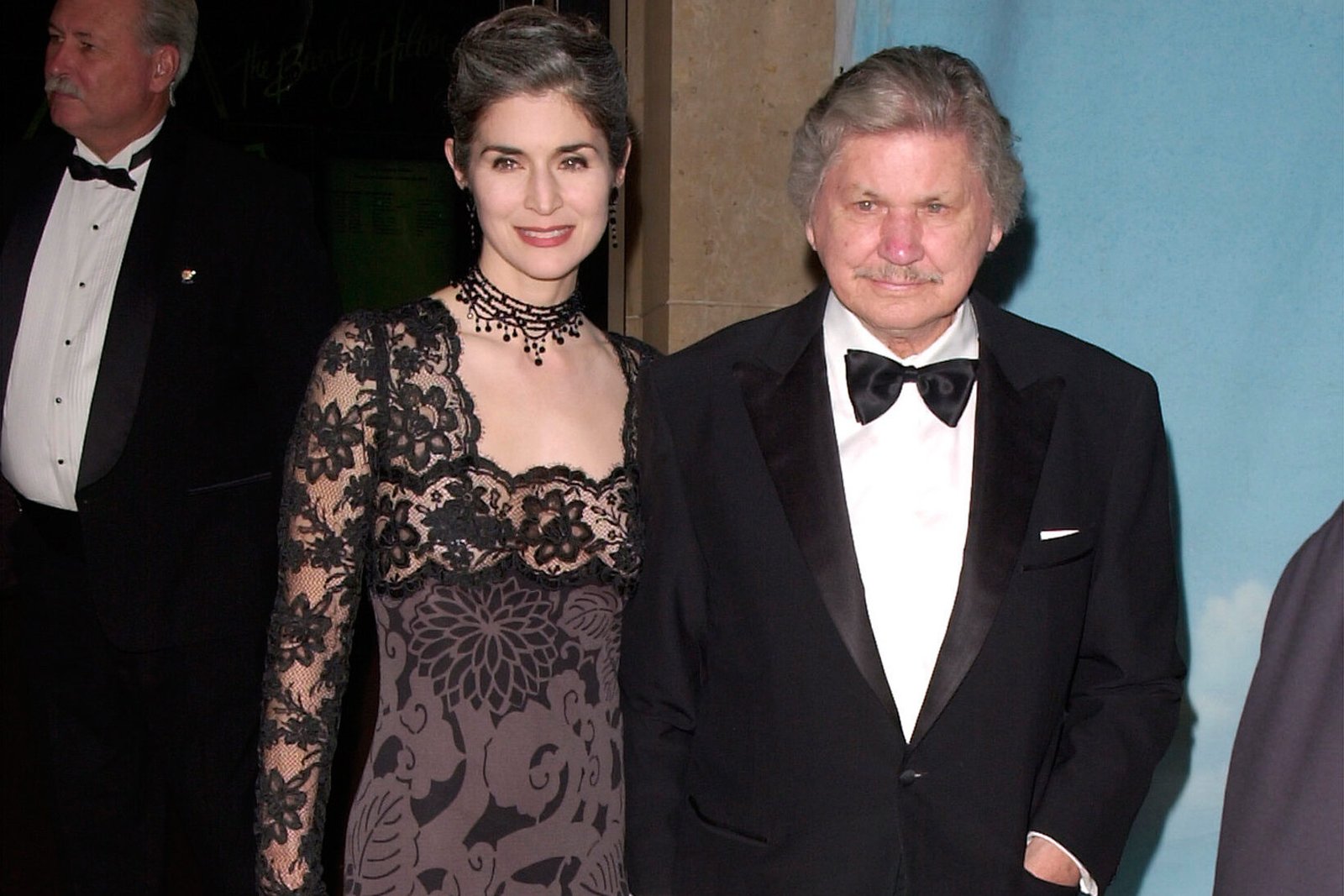
Bronson’s tough exterior wasn’t just a performance, it was rooted in his upbringing. Born Charles Buchinsky in Pennsylvania, he grew up in a coal mining family and experienced poverty firsthand. He worked in the mines himself before eventually pursuing acting, which added a layer of authenticity to the roles he later played. That background shaped how he carried himself on screen, often with very little dialogue and a strong physical presence.
Unlike many actors of his era, he didn’t rely on charm or humor to connect with audiences. Instead, he projected a kind of quiet resilience that felt earned rather than constructed. His life experience informed the characters he chose, especially those dealing with violence or survival. It also contributed to his reputation as someone who preferred privacy and avoided the Hollywood spotlight. That combination of real-life hardship and controlled performance became central to his appeal. It helped define the image that audiences associated with him throughout the ’70s.
4. “Death Wish” Changed How Audiences Saw Him

When Death Wish premiered in 1974, it didn’t just succeed commercially, it reshaped Bronson’s career. He played Paul Kersey, an architect who becomes a vigilante after a brutal attack on his family. The role tapped into public fears about crime and safety, making it especially resonant at the time. Audiences were divided, with some seeing Kersey as a hero and others as a troubling figure.
The controversy didn’t hurt the film’s success, it arguably helped it. Bronson became even more closely associated with themes of revenge and justice outside the law. The character of Kersey followed him through multiple sequels, reinforcing that identity over time. While the franchise brought him sustained popularity, it also began to narrow the types of roles he was offered. He was increasingly seen as a specialist in vigilante stories rather than a versatile actor. That shift would have long-term consequences for his career.
5. His Marriage to Jill Ireland Became Central to His Life
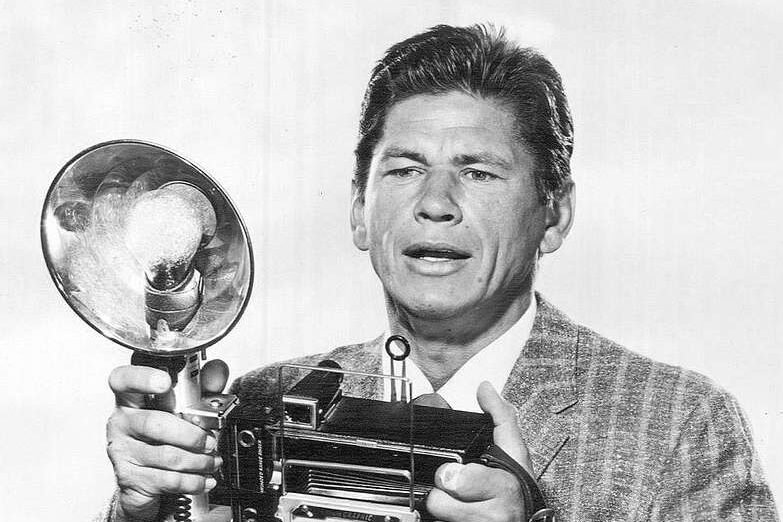
Bronson’s personal life was closely tied to actress Jill Ireland, whom he married in 1968. The two appeared together in multiple films throughout the ’70s and ’80s, forming a professional and personal partnership. Ireland often played supportive roles opposite Bronson’s characters, creating a consistent dynamic that audiences recognized. Their relationship was widely seen as stable, especially in contrast to the turbulence often associated with Hollywood couples.
Ireland’s later battle with breast cancer brought a different kind of attention to their lives. She became an advocate for cancer awareness and wrote about her experience, which resonated with many readers. Bronson remained by her side throughout her illness, and her death in 1990 had a profound impact on him. After losing her, he became even more private and selective about his work. That period marked a noticeable shift in his public presence. It added a more somber dimension to his personal story.
6. Typecasting Began to Limit His Career Options
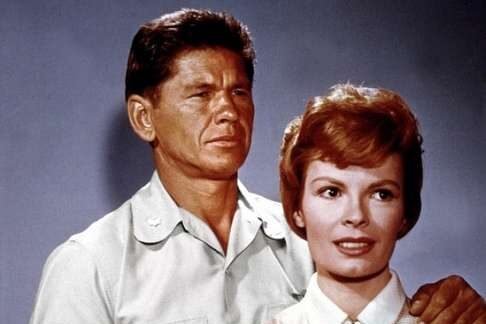
As the years went on, Bronson found himself increasingly confined to a specific type of role. The success of Death Wish led to sequels and similar projects that leaned heavily on the same formula. While these films continued to attract audiences, they didn’t offer much variety in terms of character development. Critics began to view his work as repetitive, even as his fan base remained loyal.
This typecasting made it difficult for him to transition into different kinds of roles later in his career. He had already proven his range earlier on, but the industry largely saw him through the lens of his vigilante persona. That limited the opportunities available to him, especially as action cinema evolved in the ’80s and ’90s. Younger stars with different styles began to dominate the genre. Bronson’s influence remained significant, but his presence became less central. The narrowing of his roles was a gradual but clear shift.
7. His Health Declined in His Later Years
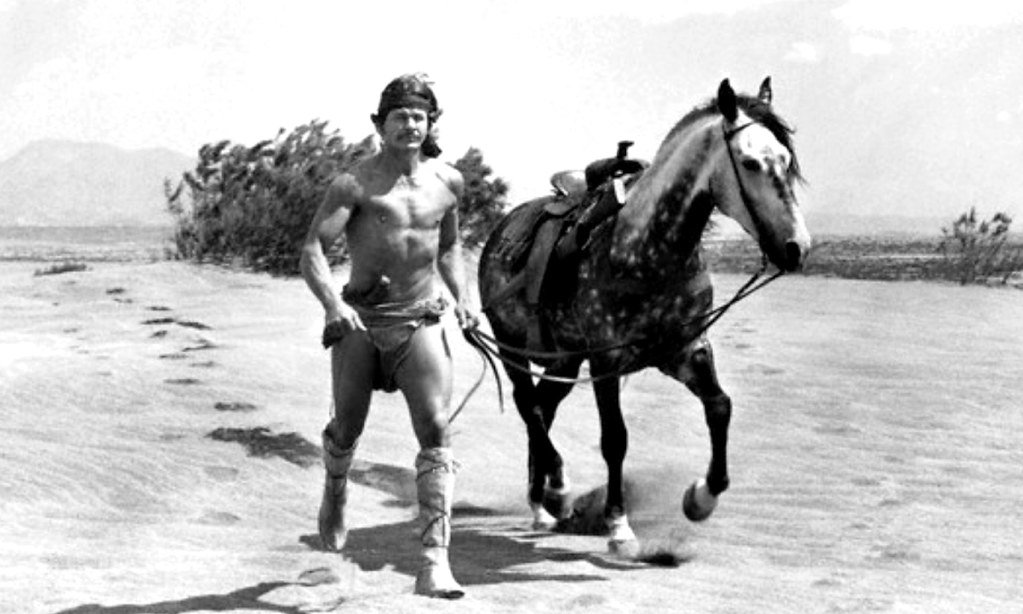
In the 1990s, Bronson began stepping away from acting as his health declined. Reports indicate that he suffered from Alzheimer’s disease in his later years, though he remained largely out of the public eye during that time. His final film appearances came in the mid-’90s, after which he retired completely. Unlike many actors, he didn’t attempt a late-career comeback or public farewell.
His withdrawal from Hollywood was consistent with the way he had lived much of his life, quietly and without much fanfare. Fans who had followed his work for decades saw fewer and fewer appearances from him. That absence added to the sense that an era was ending. His health issues were not widely discussed while he was alive, reflecting his family’s preference for privacy. It was only later that more details became publicly known. The decline marked a stark contrast to the powerful image he had projected on screen.
8. His Death Closed the Chapter on a Unique Era of Action Films
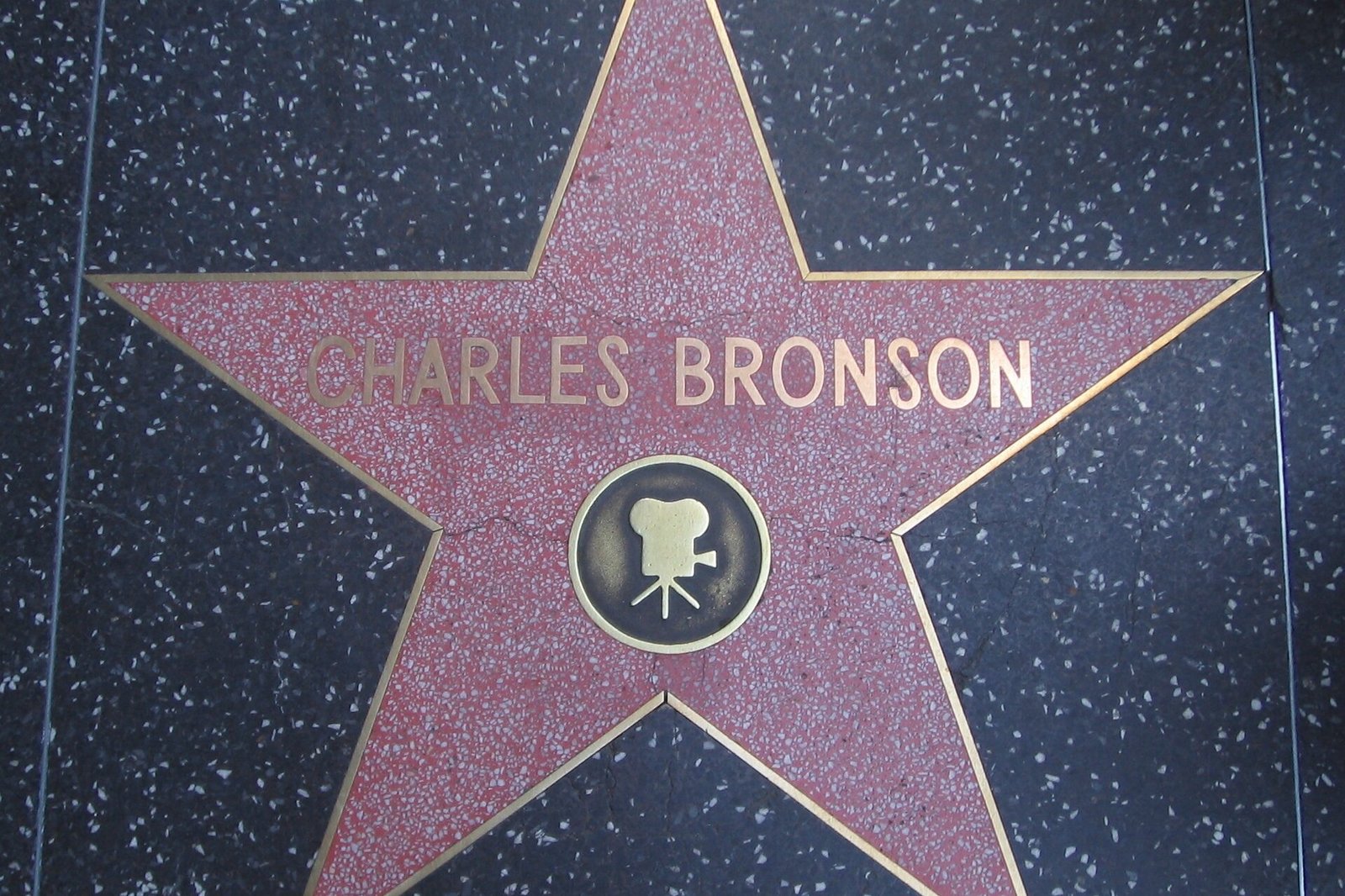
Charles Bronson died on August 30, 2003, at the age of 81. His death marked the end of a career that had spanned more than four decades and influenced generations of action stars. He had built a legacy on a very specific kind of character, one that emphasized restraint, intensity, and a willingness to operate outside conventional morality. That approach set him apart from many of his contemporaries.
In the years since, his work has continued to be revisited, particularly Death Wish, which remains a reference point in discussions about vigilantism in film. His performances are often cited as examples of how minimalism can be effective in acting. While his later years were marked by illness and retreat from the public eye, his earlier work still defines how he is remembered. The contrast between his peak and his final years is part of what gives his story its darker tone. It’s a reminder of how sharply a career, and a life, can shift over time.