
1. Lawn Darts (Jarts)
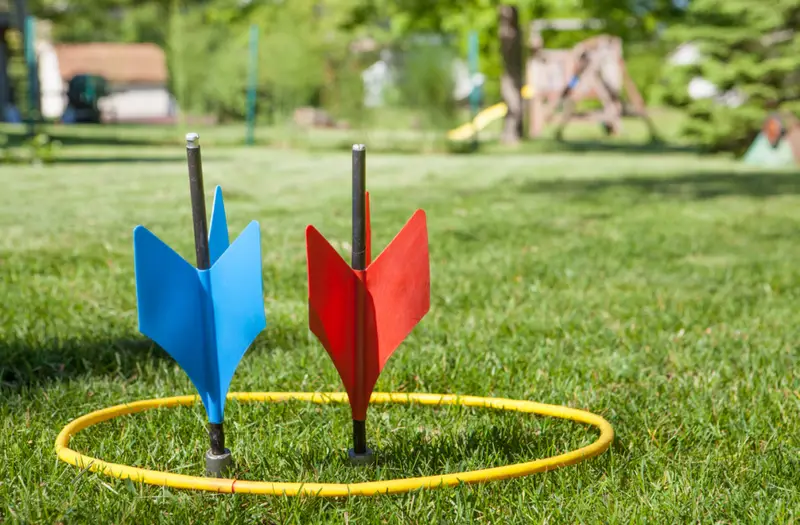
Lawn darts, often sold under the name Jarts, were marketed as a backyard game that looked harmless at first glance. The problem was that each dart had a heavy metal tip designed to stick into the ground, which also made it capable of causing serious injury. Kids would toss them into the air without much control, and the results were sometimes tragic when they landed on people instead of grass. Emergency rooms saw cases involving head injuries, puncture wounds, and even fatalities.
By the late 1980s, mounting reports of injuries and deaths pushed regulators to act. The U.S. Consumer Product Safety Commission ultimately banned the sale of lawn darts in 1988. Before that ban, thousands of injuries had already been reported, many involving children who were simply playing in their own yards. It became one of the most cited examples of a toy that was clearly more dangerous than it appeared. Today, it is often referenced as a cautionary tale about product safety.
2. Easy-Bake Oven (Early Models)
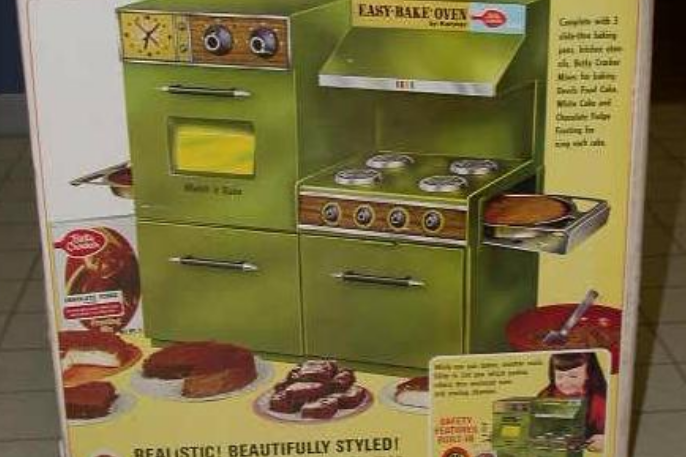
The Easy-Bake Oven became a rite of passage for many kids who wanted to feel like they were cooking on their own. Early versions used an exposed heating element that could reach surprisingly high temperatures for a toy. Children sometimes inserted their fingers into the oven opening, leading to burns that required medical attention. There were also cases where parts of the oven trapped small fingers.
Over the years, multiple redesigns were made to improve safety. A major recall in 2007 addressed newer models that still posed burn and entrapment risks. Reports at the time included dozens of injuries, some severe enough to require surgery. While the toy is still around today, it now includes much stricter safety measures. The earlier versions remain a reminder of how even seemingly gentle toys could cause harm.
3. Slip ‘N Slide
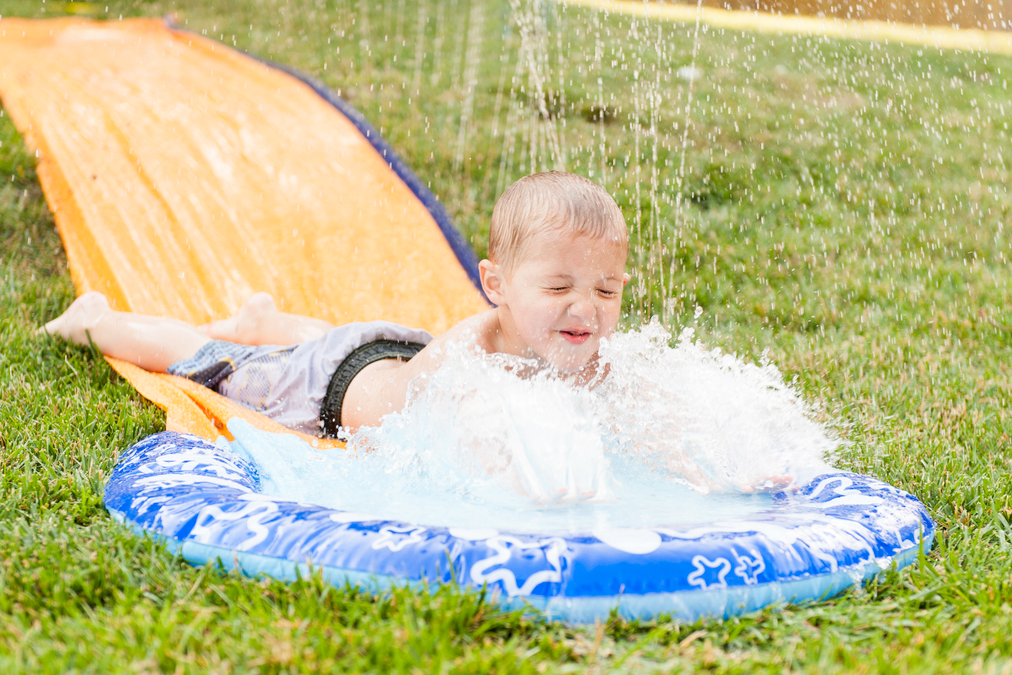
The Slip ‘N Slide looked like pure summer fun, a long plastic sheet that turned a backyard into a mini water park. Kids would run and dive headfirst onto the slick surface, often gaining more speed than expected. While it worked well for smaller children, older kids and adults quickly discovered the risk of hitting the ground too hard. This led to neck and spinal injuries, some of them serious.
Emergency room visits tied to the Slip ‘N Slide became common enough that warnings were eventually added. The manufacturer began specifying strict age and size limits to reduce risk. Injuries were especially likely when the slide was used on uneven ground or with too little water. Despite its continued popularity, it remains one of those toys that requires careful supervision. Many of the injuries could be traced back to misuse rather than design alone.
4. Clackers

Clackers were made of two hard acrylic balls attached to a string, designed to be swung so they hit each other repeatedly. The idea was simple, but the execution was risky. When the balls struck each other at high speed, they could shatter and send sharp fragments flying. Kids using them often had little protection from those fragments.
Emergency rooms treated injuries ranging from cuts to eye damage. The toys were eventually pulled from many markets due to safety concerns. Some versions were redesigned with less brittle materials, but the original damage had already been done. They became one of the more infamous fads of the late ’60s and early ’70s. Even today, they are remembered more for their risks than their entertainment value.
5. Sky Dancers
Sky Dancers were pull-string toys that spun rapidly and launched into the air like tiny helicopters. The appeal was immediate, watching them lift off and glide unpredictably. The problem was that they often flew directly into faces instead of open space. Their spinning blades could strike eyes, cheeks, and foreheads with surprising force.
In the 1990s, reports of injuries led to a recall of millions of units. The Consumer Product Safety Commission documented over a hundred injury reports, many involving facial cuts and eye injuries. Kids loved them, but they were difficult to control once launched. The unpredictability made them especially risky indoors. Their recall marked one of the largest toy safety actions of that decade.
6. Creepy Crawlers Thingmaker
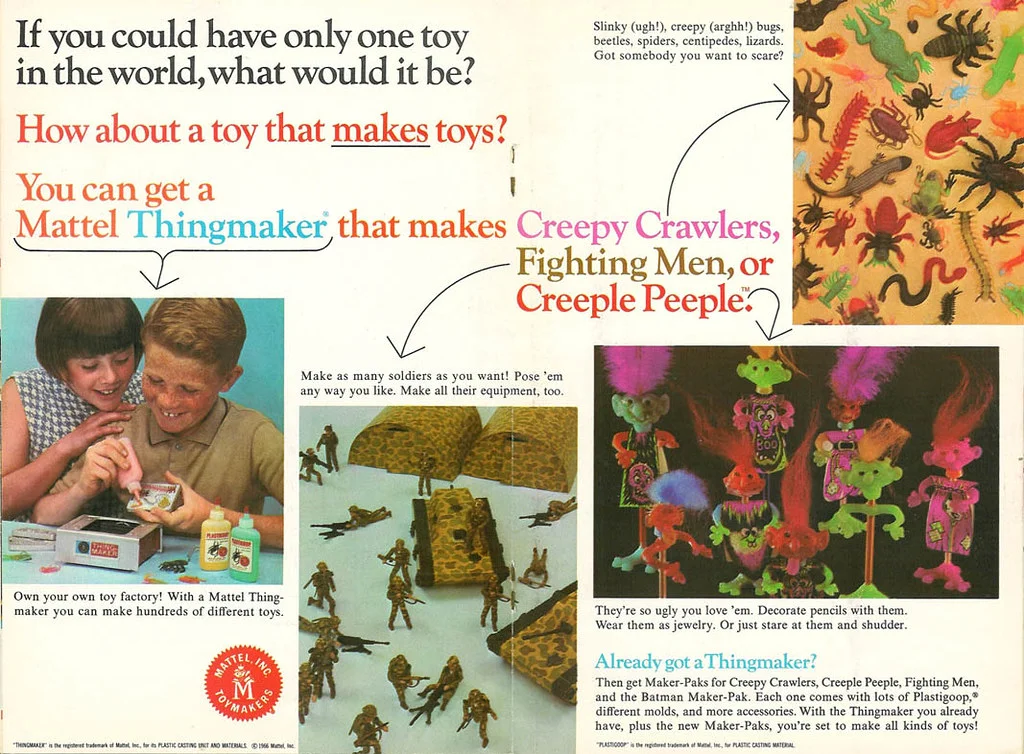
The Creepy Crawlers Thingmaker let kids create rubbery insects using liquid plastic heated in a metal mold. It was essentially a miniature hot plate marketed as a toy. The heating element reached temperatures high enough to cause serious burns if touched. Children were expected to pour and handle hot materials with limited supervision.
Burn injuries were not uncommon, particularly when kids rushed the process. Spilled liquid plastic could stick to skin and worsen the damage. Over time, safety concerns led to the toy disappearing from mainstream shelves. Later versions were redesigned to eliminate the need for high heat. The original remains a clear example of how creative toys sometimes came with real hazards.
7. Magnetix Building Sets
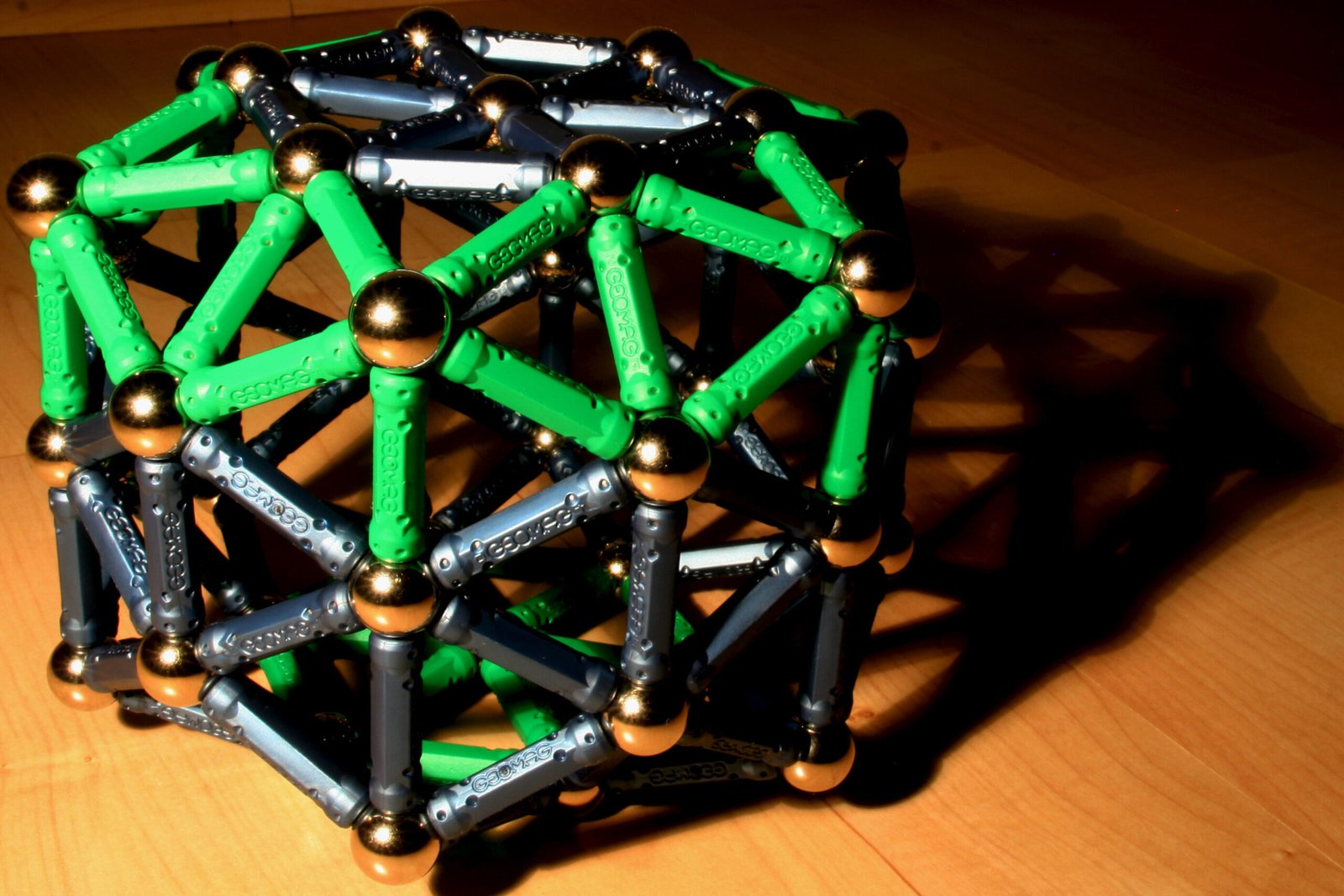
Magnetix sets used small, powerful magnets inside plastic rods and metal balls to create structures. The danger came when the magnets became loose or were swallowed. If more than one magnet was ingested, they could attract each other inside the body, causing internal damage. This led to serious medical emergencies that often required surgery.
In the mid-2000s, reports of injuries prompted recalls and redesigns. The Consumer Product Safety Commission documented multiple cases involving intestinal perforations. These incidents were especially dangerous because symptoms were not always immediate. Parents often had no idea what had happened until the child became seriously ill. The situation led to stricter regulations on magnetic toys. It remains a key example of hidden internal risks.
8. BB Guns (Marketed to Youth)
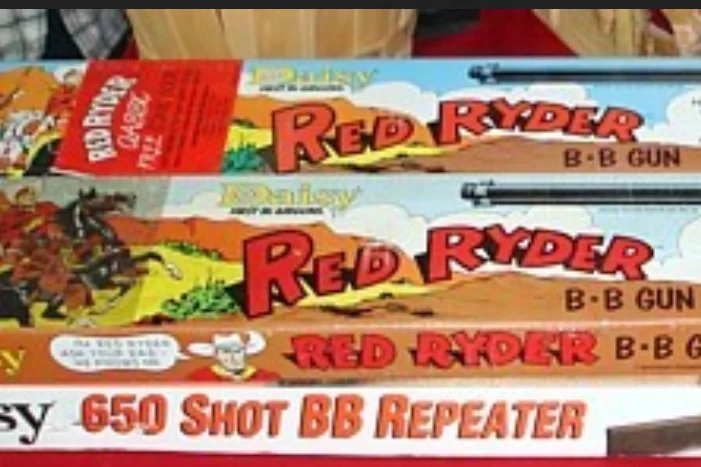
BB guns have been around for decades and were often marketed as starter guns for kids. While not always classified strictly as toys, many were sold in a way that made them seem like one. They could fire small projectiles at high speeds, easily causing injury if misused. Eye injuries were especially common, sometimes resulting in permanent vision loss.
Emergency rooms have treated thousands of BB gun-related injuries over the years. Safety groups have long warned about the risks, particularly when protective eyewear is not used. Despite warnings, many children used them casually in backyards or neighborhoods. The phrase about shooting an eye out became widely recognized for a reason. These devices continue to require strict supervision and caution.
9. Super Soaker CPS Models
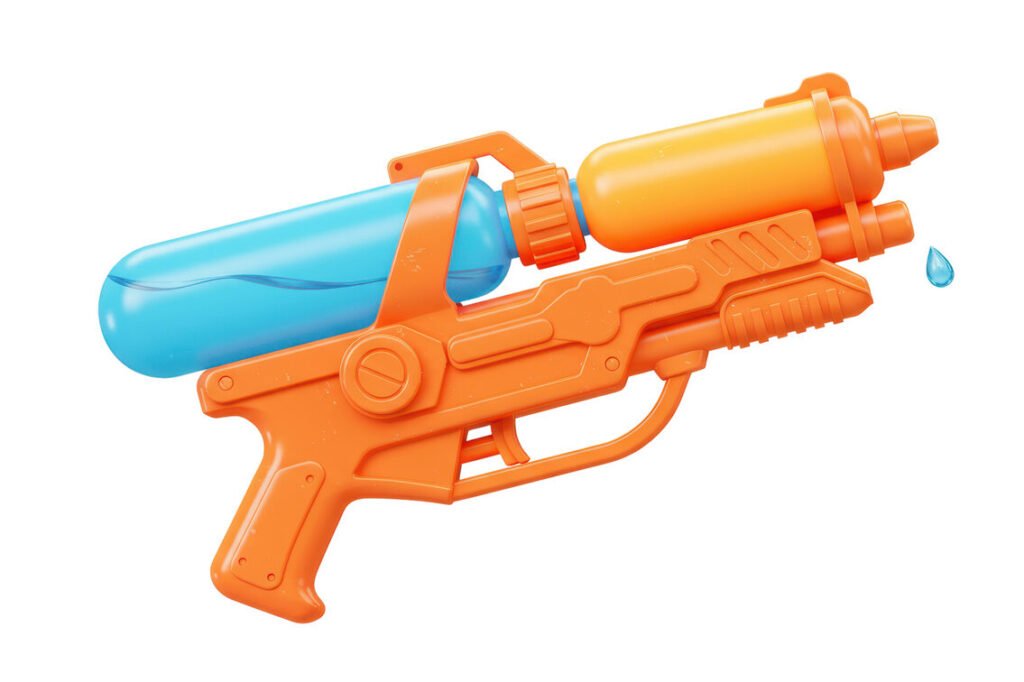
Super Soaker water guns were generally safe, but some of the high-powered CPS models operated at much higher pressures. Kids could pump them to create powerful streams that sometimes caused minor injuries. In rare cases, misuse led to eye irritation or injury when sprayed at close range. The force was far greater than typical squirt toys.
Manufacturers eventually included clearer warnings about proper use. Most injuries were preventable but still frequent enough to be noted. The popularity of water gun battles often encouraged rough play. While not as dangerous as some other toys, they still contributed to ER visits. The issue was less about design and more about how they were used.
10. Yo-Yo Water Balls
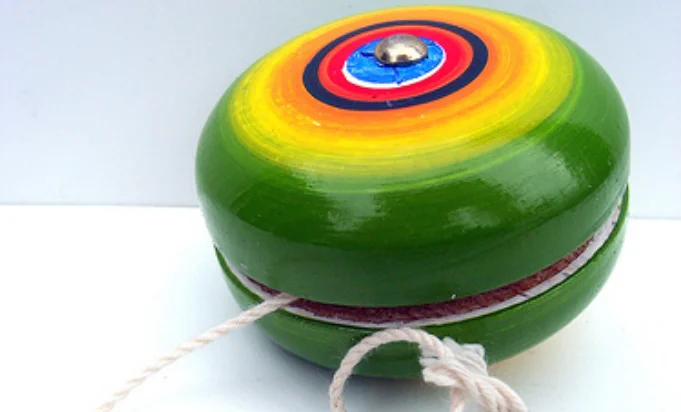
Yo-yo water balls were stretchy toys attached to elastic cords, designed to bounce and snap back toward the user. The problem was that the cord could wrap around a child’s neck during play. This created a strangulation hazard that led to serious injuries. The toy’s unpredictable movement made it difficult to control.
In the late 1990s, reports of injuries and at least a few deaths led to widespread bans and recalls. The Consumer Product Safety Commission identified them as a significant hazard. Many versions were removed from store shelves entirely. Some states took additional action to restrict their sale. They quickly went from popular novelty to safety concern.
11. Atomic Energy Lab Kit
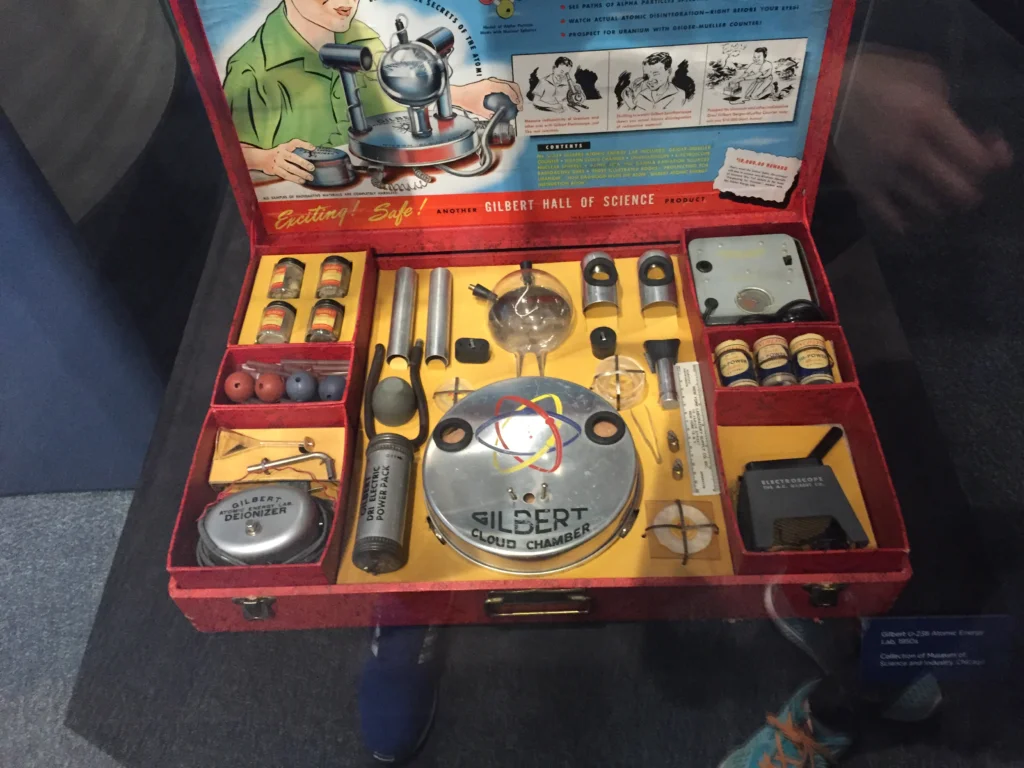
The Gilbert U-238 Atomic Energy Lab was sold in the early 1950s as an educational science kit. It included small samples of radioactive materials meant to demonstrate atomic principles. While the radiation levels were relatively low, the idea of giving children access to such materials raised serious concerns. At the time, the risks were not fully understood or communicated.
Although there is limited evidence of widespread injuries, the potential danger was significant. Experts later criticized the kit as an example of misplaced optimism about nuclear science. It is often cited in discussions about risky toys, even if ER visits were not well documented. The concern centered more on long-term exposure than immediate injury. Today, it is considered one of the most controversial toys ever sold.
12. Roller Skates (Metal Clamp-On Style)
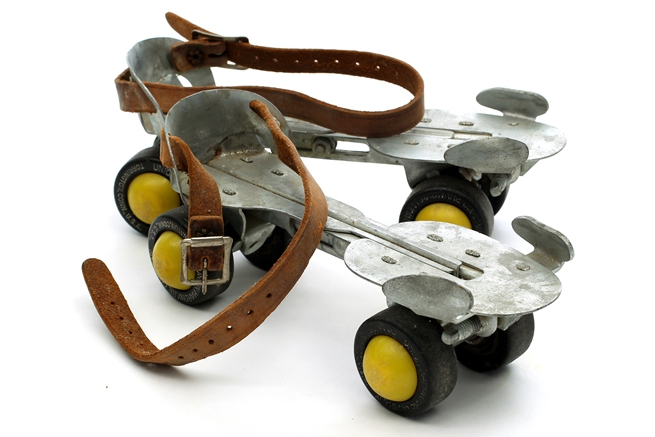
Old-style metal roller skates that clamped onto shoes were a staple for kids before modern designs took over. They were adjustable but often unstable, especially on uneven pavement. Falls were common, and without proper protective gear, injuries followed. Broken wrists, scraped knees, and head injuries were frequent outcomes.
Emergency rooms saw a steady stream of skating-related injuries over the decades. The lack of secure fastening made them particularly risky. Kids would often skate in streets or driveways without supervision. Improvements in skate design eventually reduced these risks. Still, the earlier versions left a lasting impression on anyone who used them.
13. Pogo Sticks
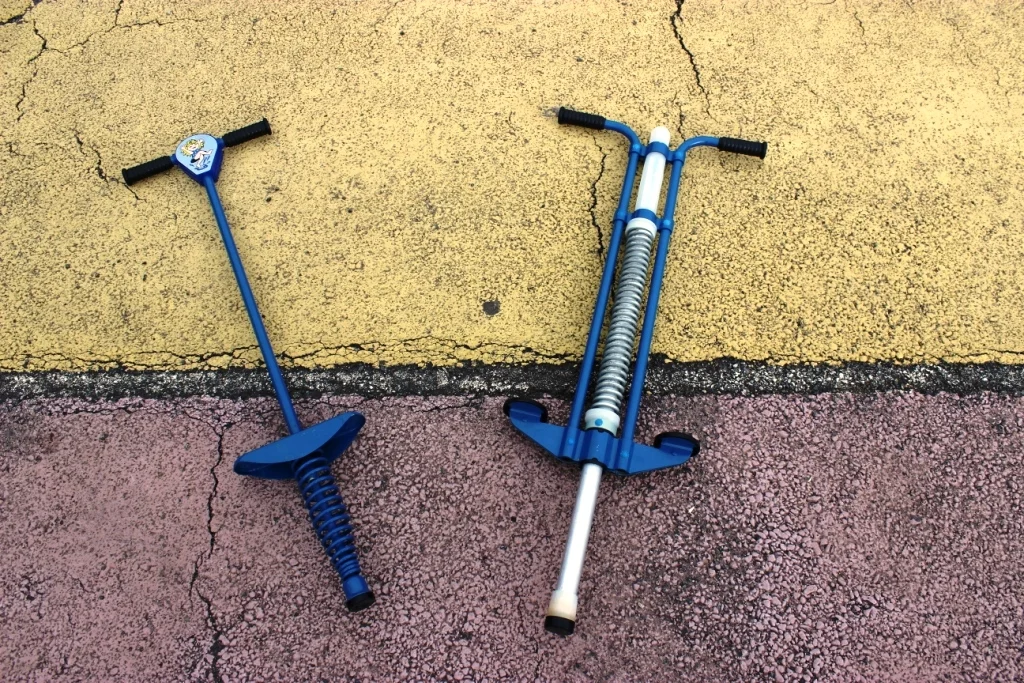
Pogo sticks offered a simple thrill, bouncing higher and higher with each jump. The challenge was maintaining balance, which many kids struggled to do. Falls from even a modest height could result in sprains, fractures, or head injuries. The repetitive motion also increased the chance of losing control.
ER visits tied to pogo sticks were not uncommon, especially during their peak popularity. Protective gear was rarely used, which made injuries more severe. Manufacturers added safety features over time, but the basic risk remained. The toy required coordination that not every child had yet developed. Despite that, it stayed a favorite for generations.
14. Mini Trampolines
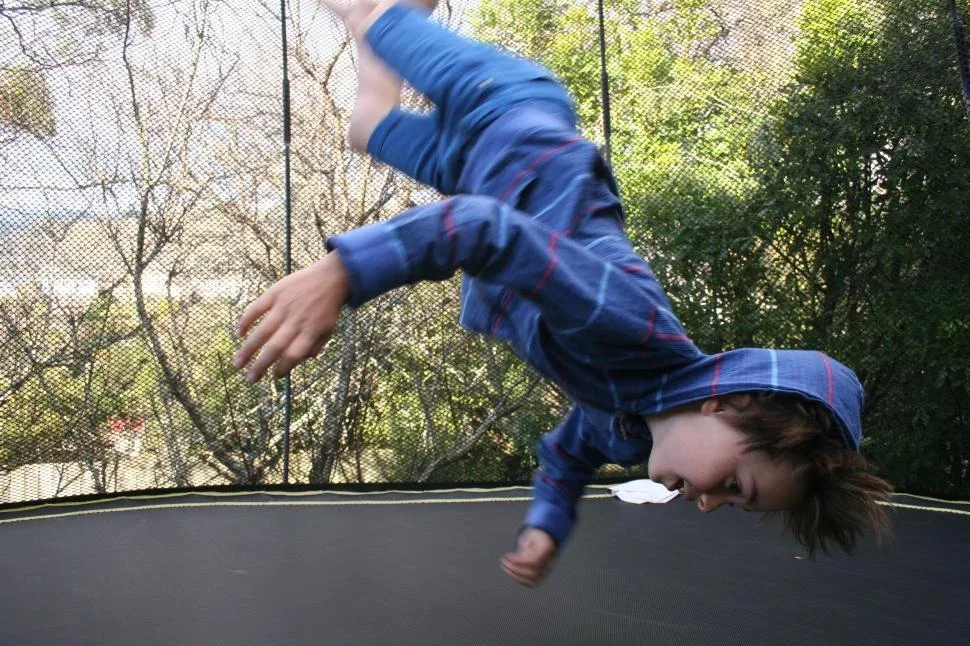
Mini trampolines were often marketed as a safer alternative to full-sized ones. In reality, they still carried significant risks, especially when used indoors. Kids could easily bounce off and land on hard surfaces. Collisions with furniture or other children were also common.
Emergency rooms treated injuries ranging from sprains to fractures. Even with padding, the risk of falling awkwardly remained high. Safety guidelines were often ignored during play. The confined space of indoor use made accidents more likely. They continue to be used, but with stronger emphasis on supervision and safety rules.
15. Dart Guns with Suction Cups
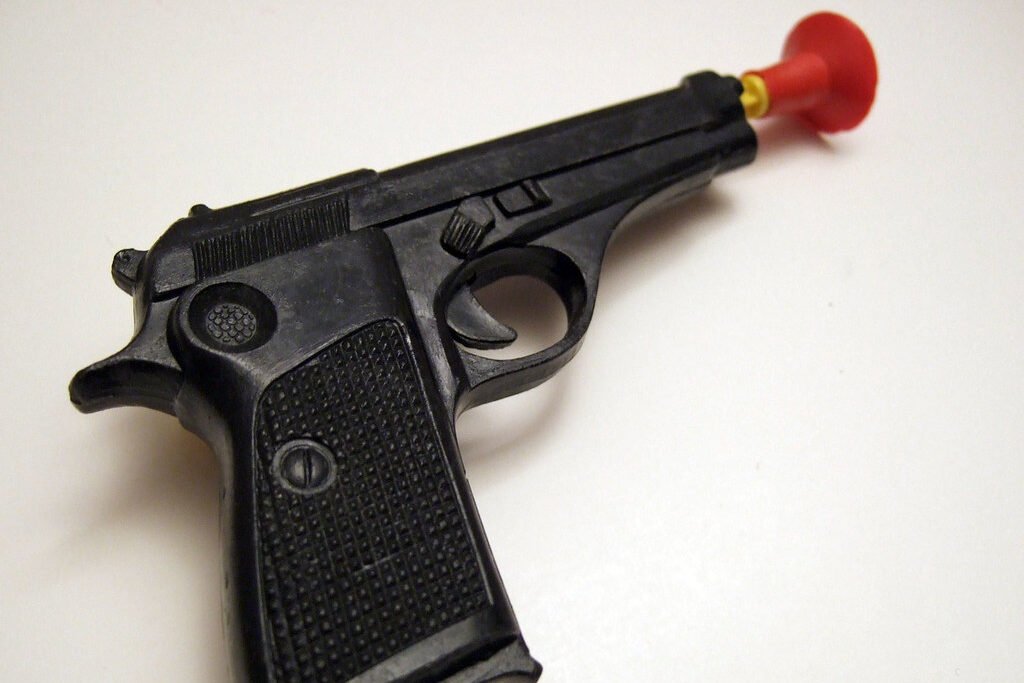
Dart guns that fired suction-cup darts seemed harmless compared to sharper projectiles. However, kids often modified or misused them, removing the suction tips or aiming at faces. Even with the suction cups intact, eye injuries could occur at close range. The darts could strike with enough force to cause damage.
Emergency room visits linked to dart guns were reported over the years, particularly involving eye injuries. Manufacturers added warnings, but enforcement was difficult during play. The toys were widely available and easy to use improperly. They became another example of how even low-risk designs could lead to real harm. Proper supervision made a significant difference, but it was not always present.