
1. Rock Hudson
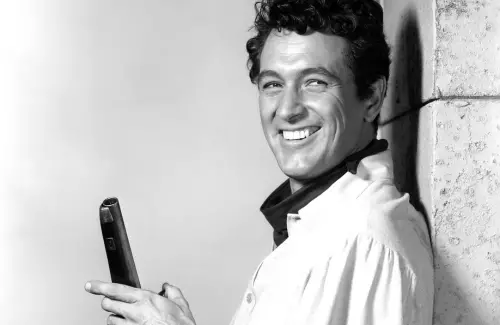
Rock Hudson was one of the biggest leading men of the 1950s and 1960s, starring in films like Pillow Talk and Giant. On screen, he embodied the ideal Hollywood romantic lead, tall, handsome, and effortlessly charming. Off screen, however, his personal life was carefully managed by studios and agents. His sexuality was widely known within Hollywood circles, but never publicly acknowledged during his career. He even entered a brief marriage with his agent’s secretary in 1955, widely understood as a strategic move to quiet rumors.
Within the industry, his relationships with men were an open secret, particularly among insiders and journalists. Still, the studio system worked aggressively to protect his image, knowing his career depended on it. That silence held until the 1980s, when Hudson publicly revealed he had AIDS, becoming one of the first major celebrities to do so. His announcement forced a shift in public conversation about both sexuality and the disease. Looking back, his life is often cited as one of the clearest examples of Hollywood’s enforced silence around gay stars.
2. Tab Hunter
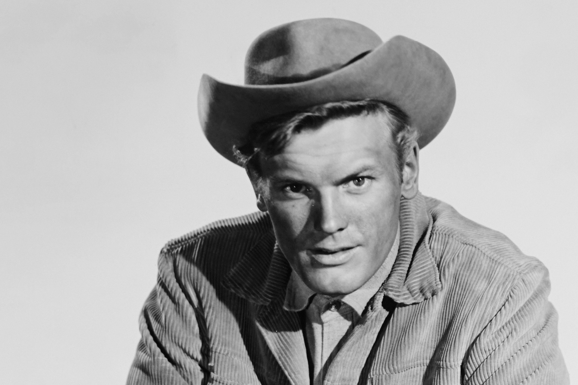
Tab Hunter was marketed as the all-American heartthrob, starring in films like Battle Cry and recording hit songs in the late 1950s. His clean-cut image was carefully cultivated by Warner Bros., which controlled much of his public persona. Behind the scenes, Hunter was in relationships with men, including actor Anthony Perkins. While this was known among friends and industry insiders, it was never publicly acknowledged at the time.
Hunter later confirmed in his 2005 memoir that studios actively suppressed stories about his sexuality. At one point, a tabloid threatened to expose him, prompting studio intervention to contain the damage. Despite the pressure, Hunter maintained a successful career, though he eventually stepped away from the spotlight. Decades later, he spoke openly about the experience, offering a rare firsthand account of what it meant to live closeted in classic Hollywood. His story reflects how carefully constructed star images often masked very different realities.
3. Anthony Perkins
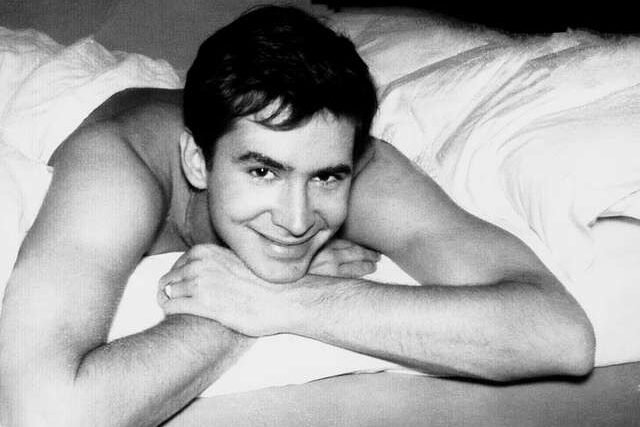
Anthony Perkins is best remembered for playing Norman Bates in Psycho, a role that defined his career. Before that, he was seen as a sensitive, leading-man type with a strong following. During the 1950s and early 1960s, Perkins had relationships with several men, including Tab Hunter. His sexuality was known within certain circles, though never discussed publicly.
In later interviews, Perkins acknowledged that he had relationships with men before eventually marrying actress Berry Berenson. That marriage, like others in Hollywood at the time, has been interpreted by historians as partly influenced by social expectations. Perkins’ career suffered from typecasting after Psycho, but the pressures of maintaining a public image likely added another layer of complexity. He never publicly came out, and much of his story emerged after his death. Today, his life is often examined as part of a broader pattern of closeted actors navigating studio-era expectations.
4. Montgomery Clift
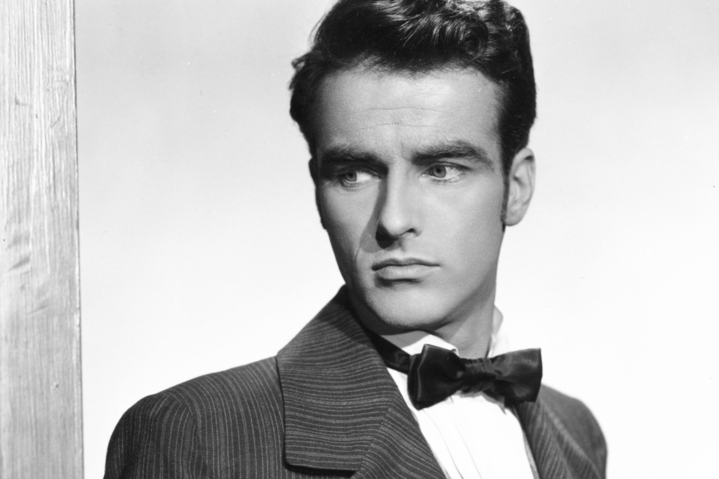
Montgomery Clift was one of the most respected actors of his generation, known for films like A Place in the Sun and From Here to Eternity. His acting style was naturalistic and emotionally intense, setting him apart from many of his contemporaries. Clift had relationships with both men and women, and many historians describe him as bisexual. Within Hollywood, this was not a secret, though it was never publicly addressed during his lifetime.
Clift resisted the studio system more than many actors, refusing to enter into publicity-driven relationships to hide his personal life. That independence came at a cost, as he often clashed with industry expectations. His struggles with addiction and a serious car accident further complicated his career. After his death, biographers and colleagues spoke more openly about his sexuality. His story is frequently cited as an example of someone who lived with less concealment than others, even if the public narrative remained incomplete.
5. Cary Grant
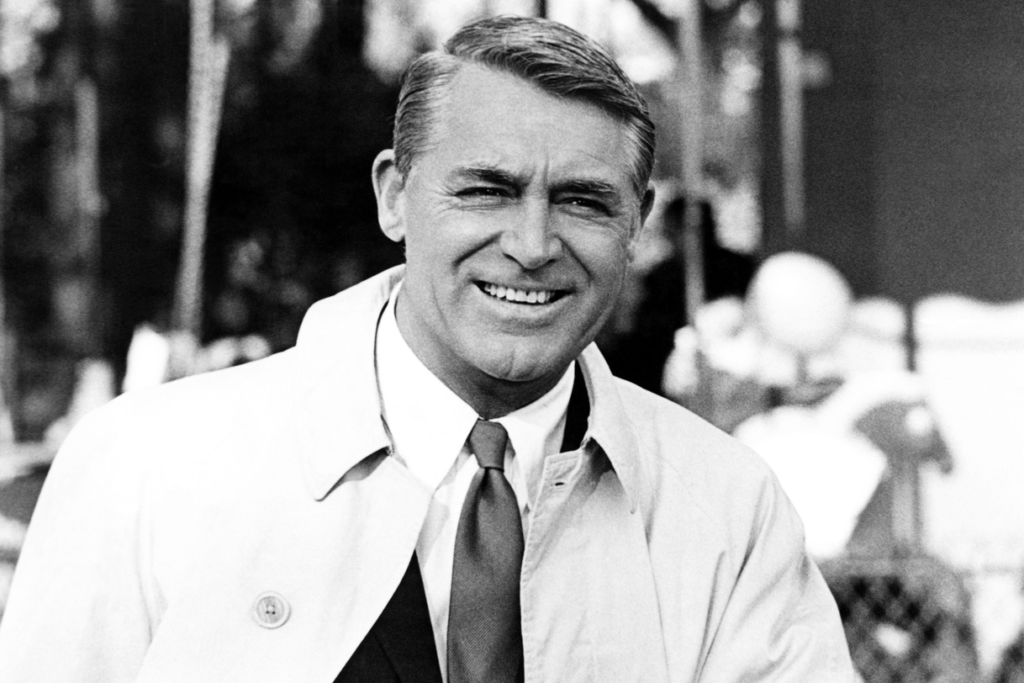
Cary Grant was one of Hollywood’s most iconic leading men, starring in classics like North by Northwest and His Girl Friday. His suave, sophisticated persona made him a symbol of masculinity for decades. Off screen, his personal life has long been the subject of speculation, particularly regarding his close relationship with actor Randolph Scott. The two lived together for years in the 1930s, and their domestic arrangement drew quiet attention within Hollywood.
There is no definitive public statement from Grant confirming his sexuality, and historians remain divided on the extent of his relationships with men. However, many biographers argue that his relationships and lifestyle were widely understood within the industry. Studio publicity framed his life in conventional terms, emphasizing his marriages to women. Despite the speculation, Grant maintained tight control over his public image throughout his career. The ambiguity surrounding his personal life continues to be debated, but the underlying awareness within Hollywood circles was significant.
6. Greta Garbo
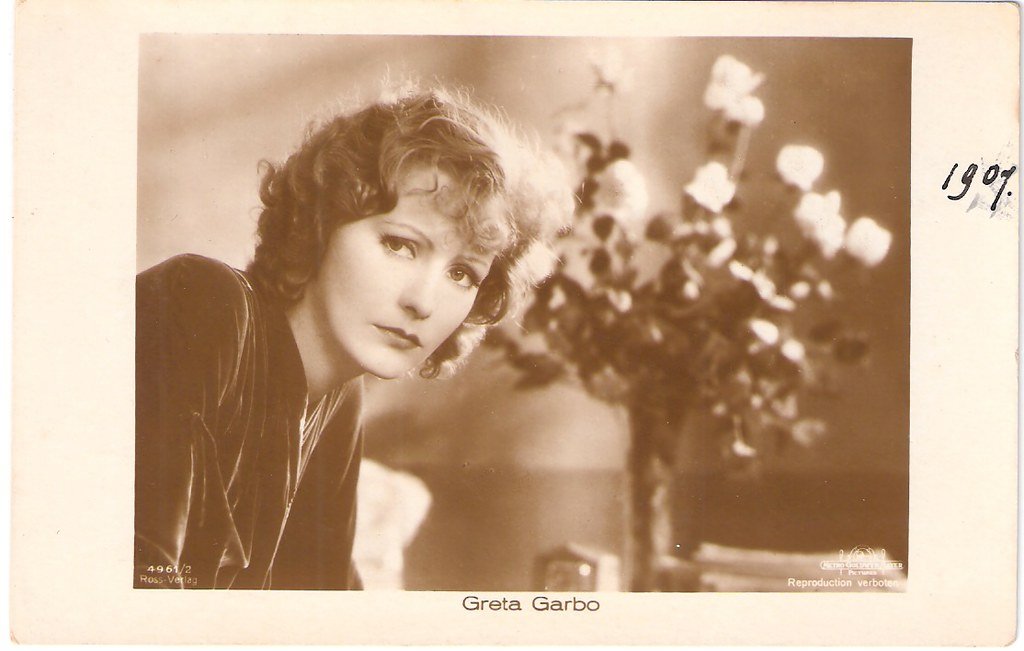
Greta Garbo was one of the most enigmatic stars of classic Hollywood, known for films like Camille and Ninotchka. She cultivated an intensely private life, avoiding publicity and rarely giving interviews. Garbo had close relationships with both men and women, including writer Mercedes de Acosta. Letters and documented accounts suggest she had romantic connections with women, though she never publicly defined her sexuality.
Within Hollywood, her relationships were known among insiders, but her mystique allowed her to avoid direct scrutiny. The studio system did not push her into a conventional public narrative as aggressively as it did with others. After retiring early, Garbo lived quietly, further limiting public discussion of her personal life. Historians generally describe her as bisexual, based on available evidence. Her story stands out because her privacy, rather than denial, helped maintain that silence.
7. Marlene Dietrich
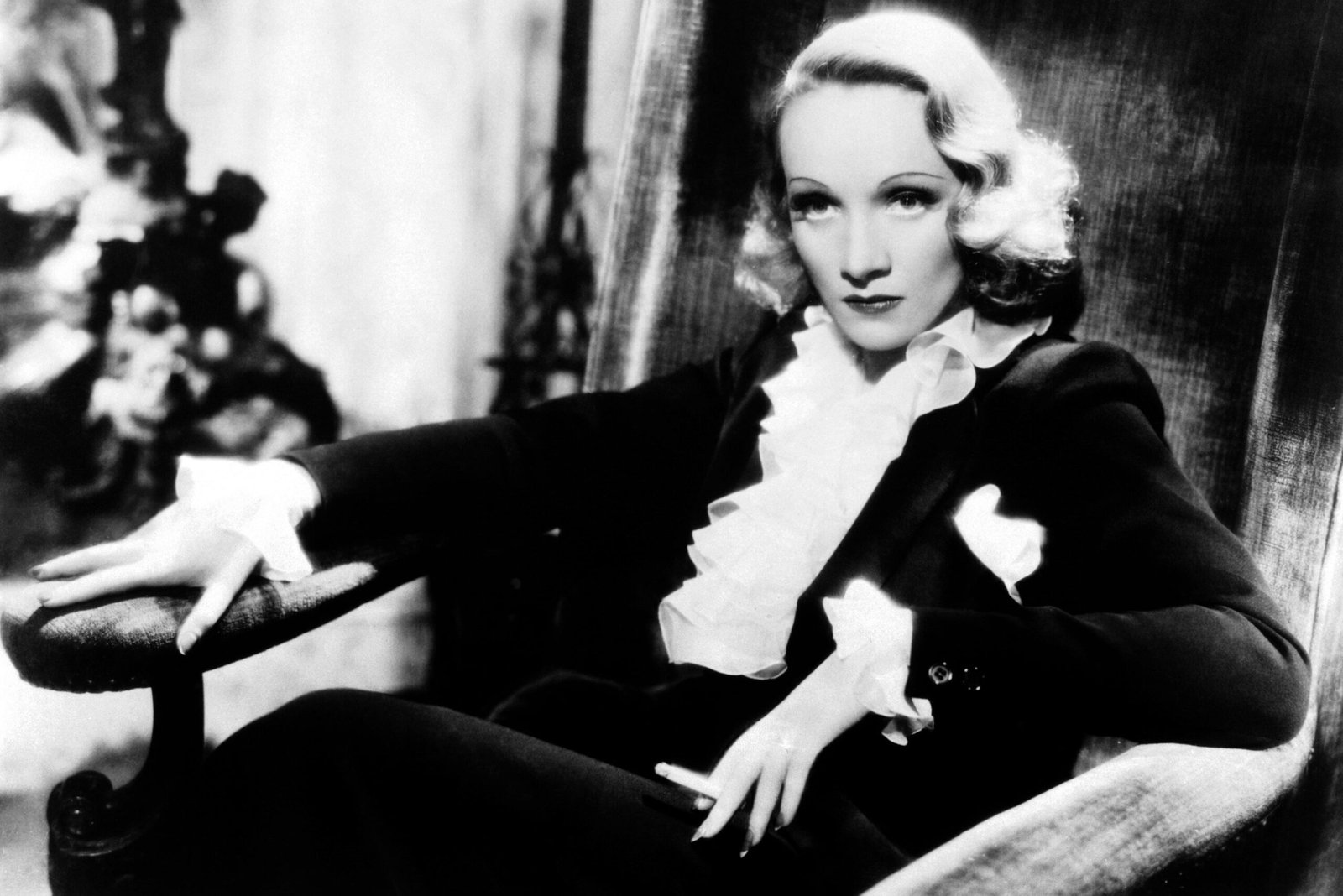
Marlene Dietrich was known for her bold persona, both on screen and off, starring in films like Morocco and Shanghai Express. Unlike many of her contemporaries, Dietrich did not strictly hide her relationships with women. She was openly involved in affairs with both men and women, including rumored relationships with actresses and writers. While the public did not always fully acknowledge this, it was widely known within entertainment circles.
Dietrich’s image was deliberately unconventional, which gave her more freedom than most stars of her era. She wore men’s clothing in public and embraced a more fluid presentation of gender and sexuality. Even so, the full scope of her relationships was rarely discussed in mainstream media at the time. Later biographies confirmed what many had already suspected. Dietrich’s career demonstrates that some stars could exist outside strict norms, though still within limits.
8. Ramon Novarro
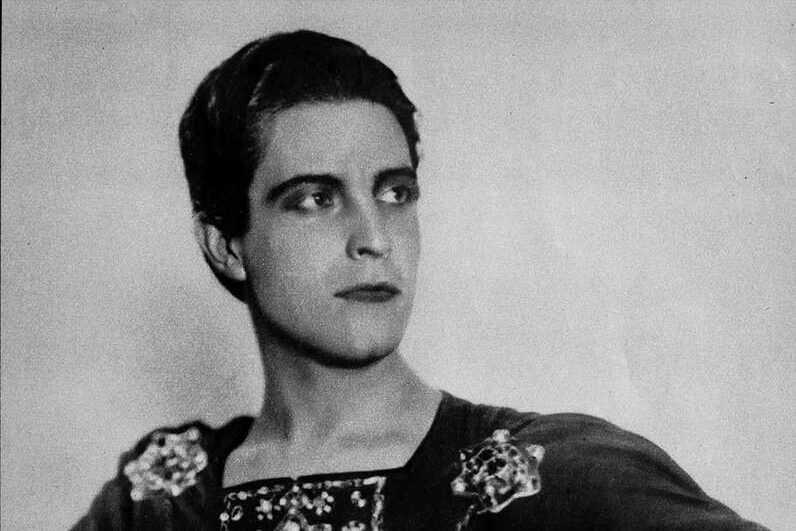
Ramon Novarro was a major silent film star, best known for his role in Ben-Hur (1925). As a leading man, he was positioned as a romantic figure for audiences worldwide. Off screen, Novarro was gay, and his sexuality was known within Hollywood. Like many actors of his time, he kept this aspect of his life hidden from the public to protect his career.
Novarro never married, which occasionally fueled speculation, though it was rarely addressed directly. He lived quietly and remained active in film and television into later years. After his death, more details about his personal life became widely known. His story is often discussed alongside others who navigated similar constraints in early Hollywood. It reflects how even major stars had limited control over how much of their lives could be visible.
9. William Haines
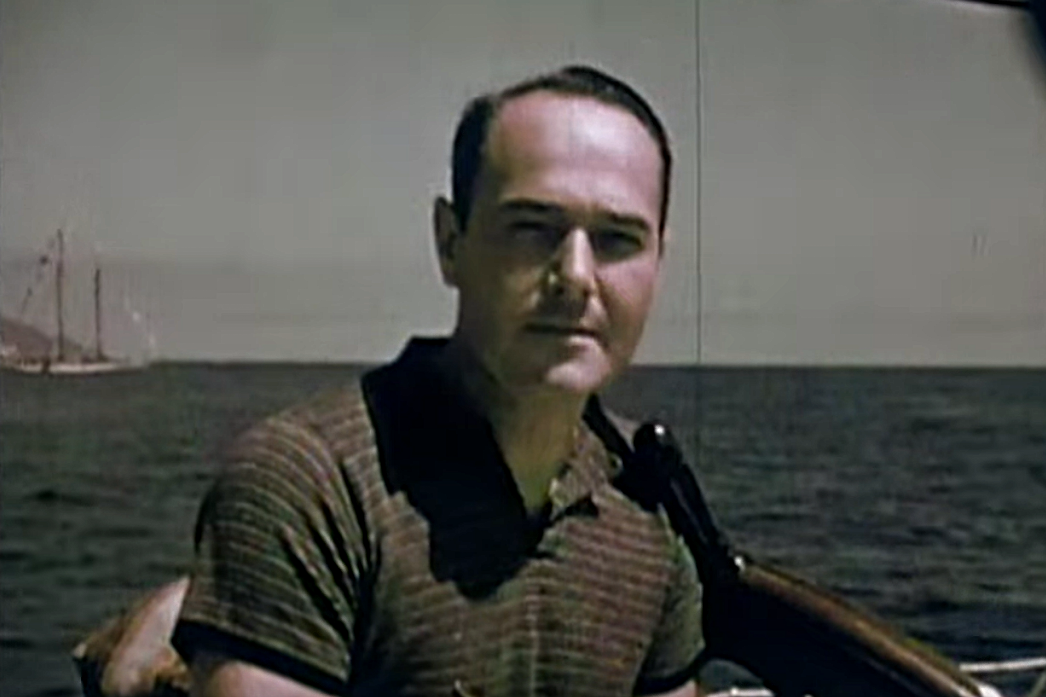
William Haines was a successful MGM star in the late 1920s and early 1930s, known for his charismatic screen presence. Unlike many of his peers, Haines refused to hide his sexuality when confronted by studio executives. He was in a long-term relationship with his partner, Jimmie Shields, and made it clear he would not leave him. MGM ultimately gave him an ultimatum: end the relationship or lose his career.
Haines chose to walk away from acting rather than comply. His film career ended abruptly, but he went on to become a highly successful interior designer. Within Hollywood, his stance was widely known and respected, even if it came at a professional cost. His story is one of the rare cases where a star openly resisted the system. It highlights the consequences of refusing to conform during that era.
10. Sal Mineo
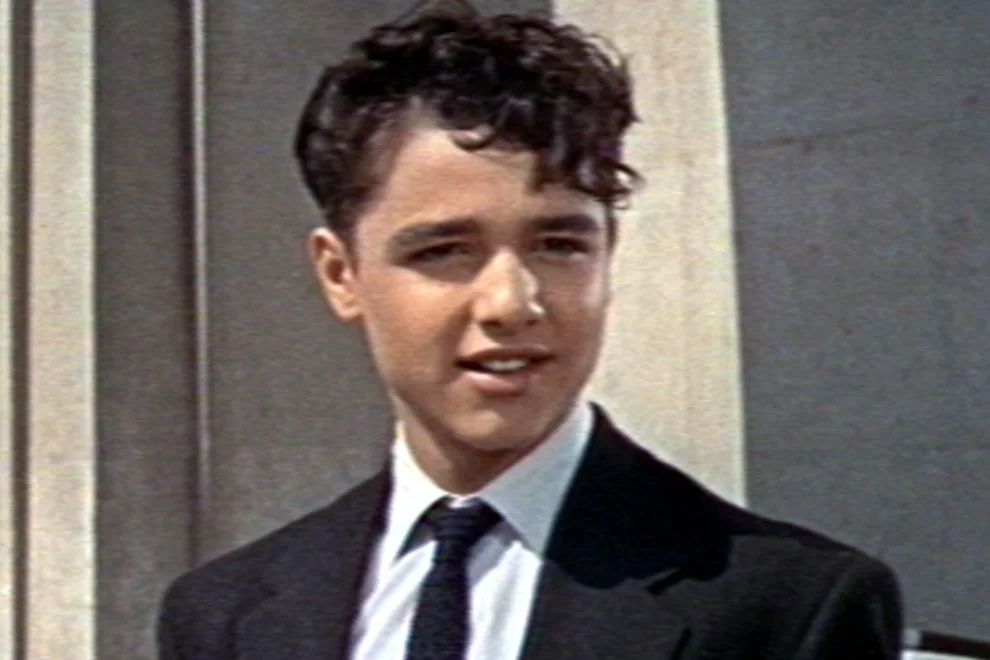
Sal Mineo rose to fame with his role in Rebel Without a Cause, earning an Academy Award nomination at a young age. He continued to work steadily through the 1950s and 1960s, though his career later slowed. Mineo had relationships with both men and women, and he eventually became more open about his sexuality later in life. Within Hollywood, this was already understood by many colleagues and insiders.
By the late 1960s and early 1970s, Mineo was less constrained by studio control and began speaking more openly. He acknowledged his bisexuality in interviews, which was still relatively rare at the time. His career did not fully recover to its earlier heights, though it is difficult to attribute that solely to his personal life. After his death in 1976, discussions of his sexuality became more direct. His story reflects a transitional period when some actors began to move toward greater openness, even if the industry had not fully changed.