1. Tag
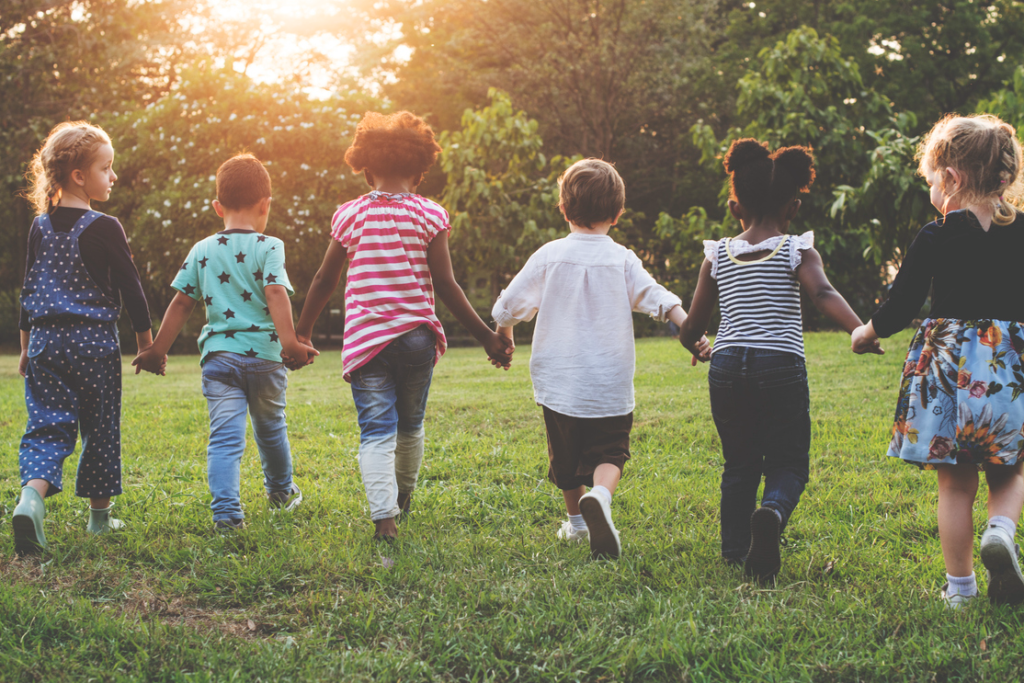
Tag was the default game when no one could agree on anything else, and it required almost no setup. One person was “it,” and their entire job was to chase everyone else down and tag them. The rules could shift depending on the group, sometimes adding safe zones or freeze variations, but the core idea stayed the same. It worked on any playground, field, or even a driveway, which made it incredibly flexible. Kids learned quickly who was fast and who could dodge well.
What made tag memorable was how quickly it could escalate into chaos. Someone would get tagged and immediately sprint off after a new target, often laughing or shouting. It burned off energy fast, which is probably why adults rarely stopped it. Variations like “freeze tag” or “TV tag” kept it from getting stale. No equipment, no arguing over rules, just pure running until everyone was out of breath.
2. Hide and Seek

Hide and seek had a rhythm that most kids understood instinctively. One person covered their eyes and counted while everyone else scattered to find hiding spots. The goal was simple, stay hidden as long as possible without being found. It worked especially well in neighborhoods with trees, fences, or backyard obstacles. The tension built during the counting phase, when you had just seconds to decide where to go.
Once the seeker started looking, everything slowed down. Kids would hold their breath, hoping not to be spotted or heard. If someone was found, they either joined the seeker or waited for the next round, depending on the version. The best hiding spots became legendary among friends. It was quiet, suspenseful, and just a little competitive.
3. Red Light, Green Light

This game depended entirely on self-control, which made it surprisingly difficult. One person stood at the front and called out “green light” to let players move forward, then “red light” to make them stop. Anyone caught moving after “red light” had to go back or was out, depending on the rules. It required quick reactions and a good sense of timing. The goal was to reach the caller first.
What made it fun was how unpredictable it could be. The caller might switch signals quickly or try to catch people off guard. Kids would creep forward cautiously, then suddenly sprint when they thought they had an opening. It rewarded both patience and boldness. By the end, everyone was laughing at who got caught mid-step.
4. Kick the Can
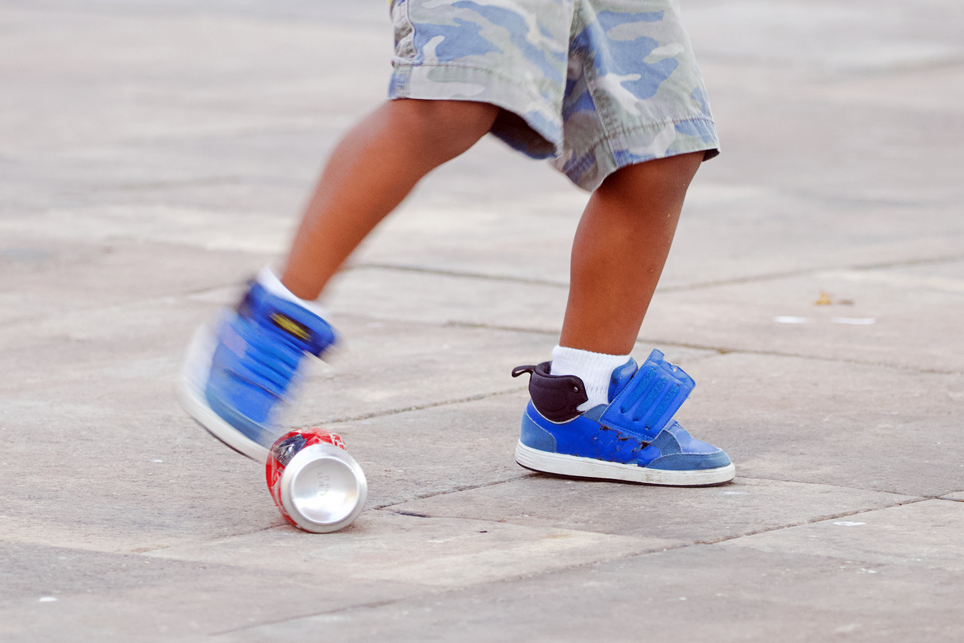
Kick the Can blended tag with hide and seek, and it usually centered around a literal can or object placed in an open area. One person guarded the can while the others hid. The goal for the hidden players was to sneak in and kick the can without being tagged. If they succeeded, anyone who had been caught was freed. It created a mix of strategy and risk.
The tension came from deciding when to make a move. Players had to watch the guard carefully and time their run just right. Sometimes someone would sprint in as a distraction while another person went for the kick. It often stretched into long games, especially when players got good at hiding. It was one of those games that felt bigger than the playground itself.
5. Four Square
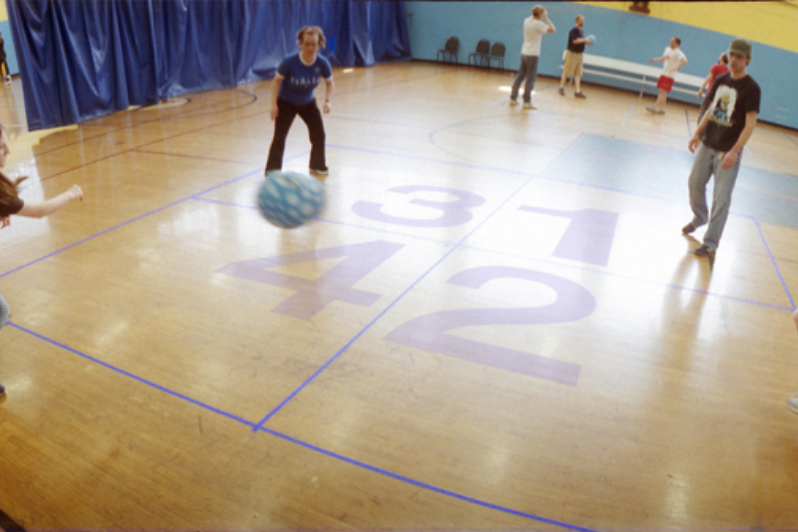
Four Square used a simple chalk grid and a rubber ball, but it could get competitive quickly. The square was divided into four sections, each assigned a rank. The highest-ranked player served the ball, bouncing it into another square. If someone missed or made a mistake, they moved to the lowest rank or rotated out. The goal was to reach and stay in the top square.
The game had a steady rhythm that made it easy to jump into. Kids developed their own techniques, including spins, fast bounces, or tricky angles. Arguments over rules were common, but they usually got settled quickly. It required coordination, timing, and a bit of creativity. Even kids waiting in line stayed engaged, watching for their turn.
6. Dodgeball
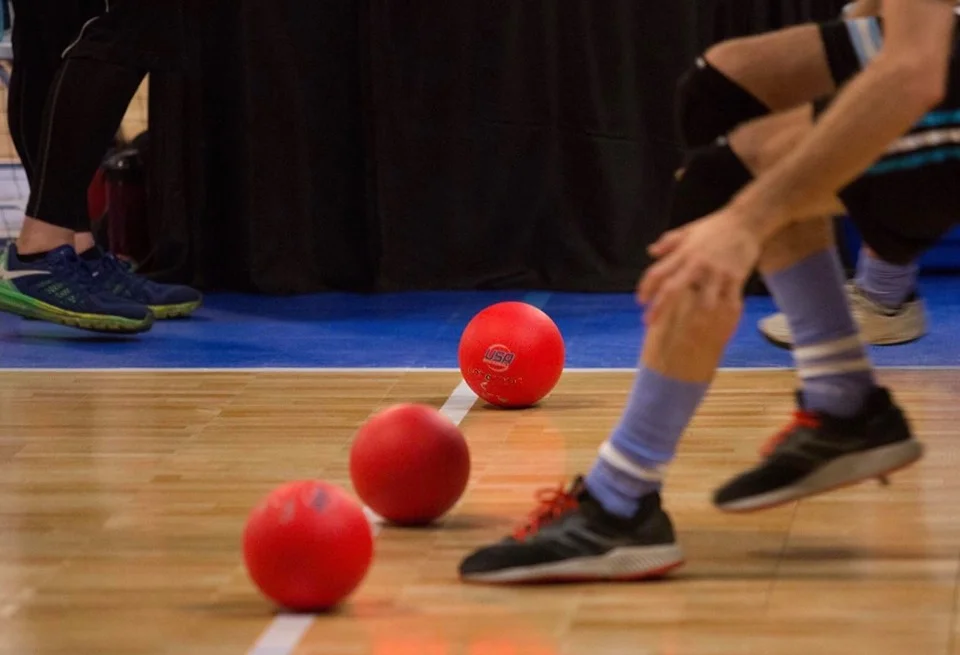
Dodgeball was one of the more intense playground games, usually played with a soft ball or rubber ball. Players were divided into teams, and the goal was to hit opponents with the ball to get them out. If you caught a ball, the thrower was out instead. It involved quick reflexes and a willingness to move constantly. Staying still was almost guaranteed to get you eliminated.
The pace could shift quickly depending on how many players were left. Some games ended fast, while others turned into long standoffs. Kids learned how to throw harder, aim better, or dodge more effectively over time. It was loud, competitive, and sometimes chaotic. Despite that, it remained a staple because it was easy to organize and always engaging.
7. Hopscotch
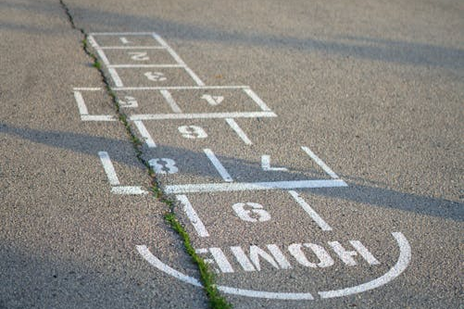
Hopscotch was a quieter game, often played with chalk and a small object like a stone. Players tossed the object into numbered squares and hopped through the pattern on one foot, skipping the square with the object. It required balance and coordination more than speed. The sequence had to be completed without stepping on lines or losing balance.
What made it appealing was its simplicity. It could be played solo or with a small group taking turns. Kids often drew their own variations of the grid, adding new challenges. It provided a break from more intense games while still being active. Even younger kids could join in without much explanation.
8. Simon Says
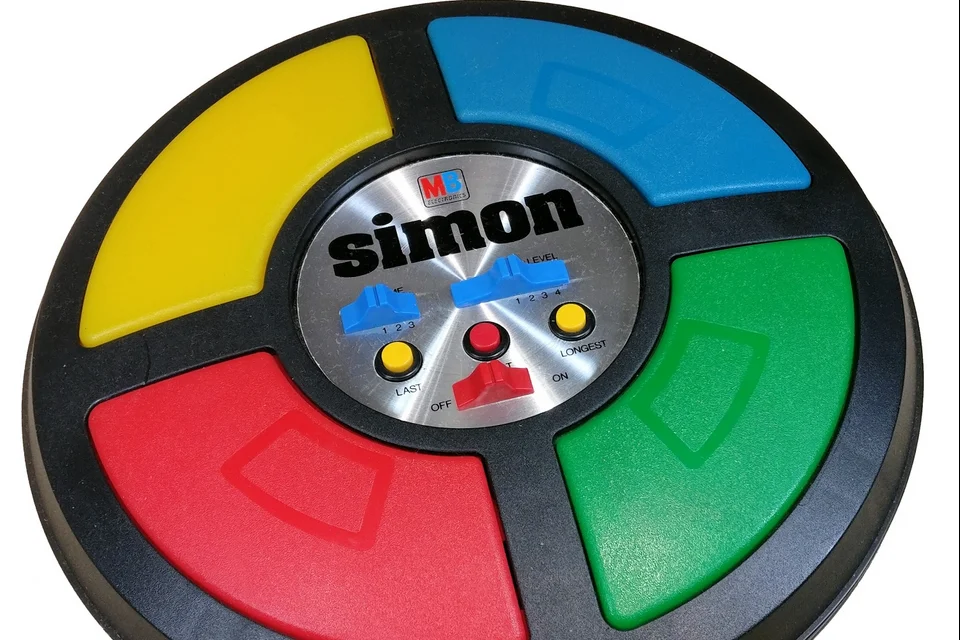
Simon Says focused more on listening than physical skill, but it still involved movement. One person acted as “Simon” and gave commands, but players were only supposed to follow them if the phrase “Simon says” came first. If someone followed a command without that cue, they were out. It required attention and quick thinking. The trick was not getting caught off guard.
The game often turned funny when Simon tried to trip people up with rapid instructions. Kids would laugh when someone accidentally followed the wrong command. It worked well with larger groups and didn’t need any space setup. The rules were easy to understand, which made it accessible to everyone. It was more about focus than speed.
9. Capture the Flag
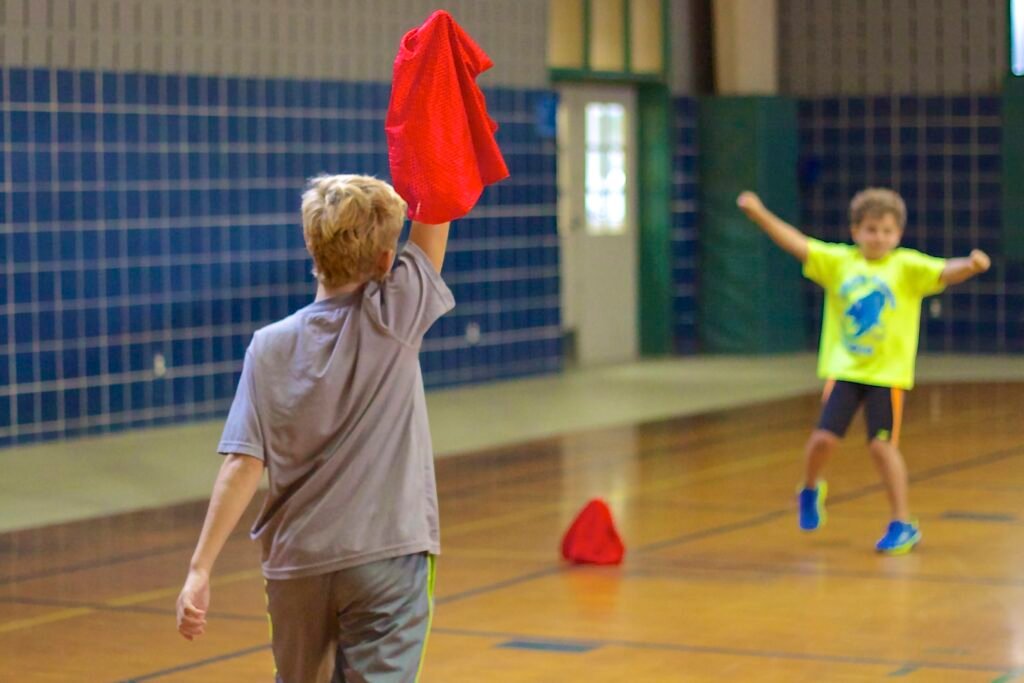
Capture the Flag worked best with larger groups and open space. Two teams each had a territory and a flag, and the goal was to sneak into the other team’s area and grab their flag. If you were tagged in enemy territory, you could be sent to a designated “jail.” Teammates could rescue you, which added another layer of strategy. It required teamwork and planning.
Games could last a long time, especially if both teams were evenly matched. Some players focused on defense, while others took risks to capture the flag. It often involved running, hiding, and quick decisions. The mix of roles kept everyone involved. It felt more like a full-scale event than a quick playground game.
10. Duck, Duck, Goose
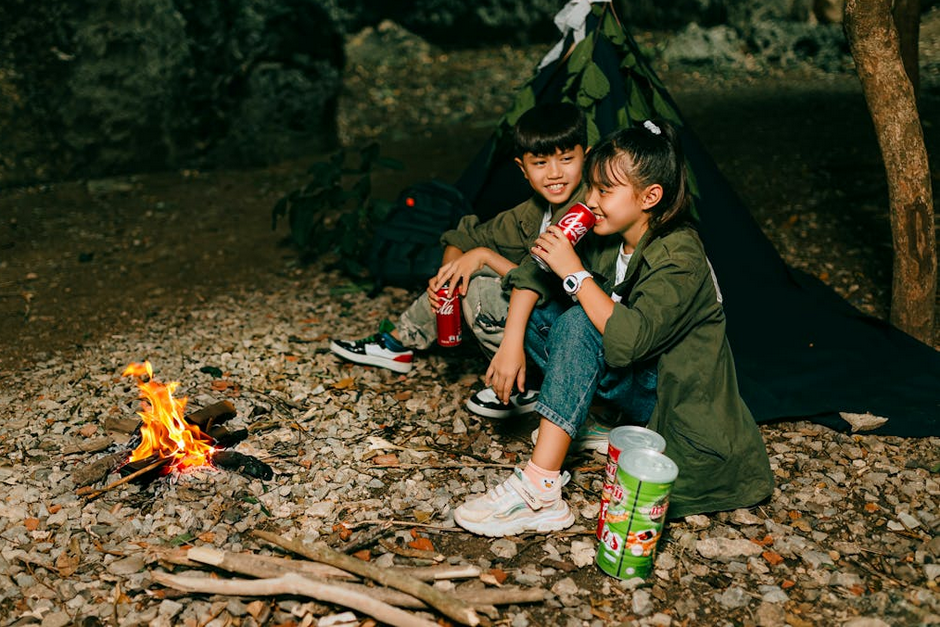
Duck, Duck, Goose was usually played in a circle, with one player walking around tapping others on the head. They would say “duck” until choosing someone as “goose,” prompting that person to chase them. The goal was to run around the circle and sit in the empty spot before being tagged. If caught, the runner stayed in the middle or repeated the role. It was simple but surprisingly energetic.
The anticipation built as the person walked around the circle. Kids would lean forward slightly, hoping to be picked or trying to guess when it would happen. The chase itself was quick and often loud with laughter. It worked well for younger groups because the rules were clear. It combined suspense with bursts of movement.
11. Jump Rope
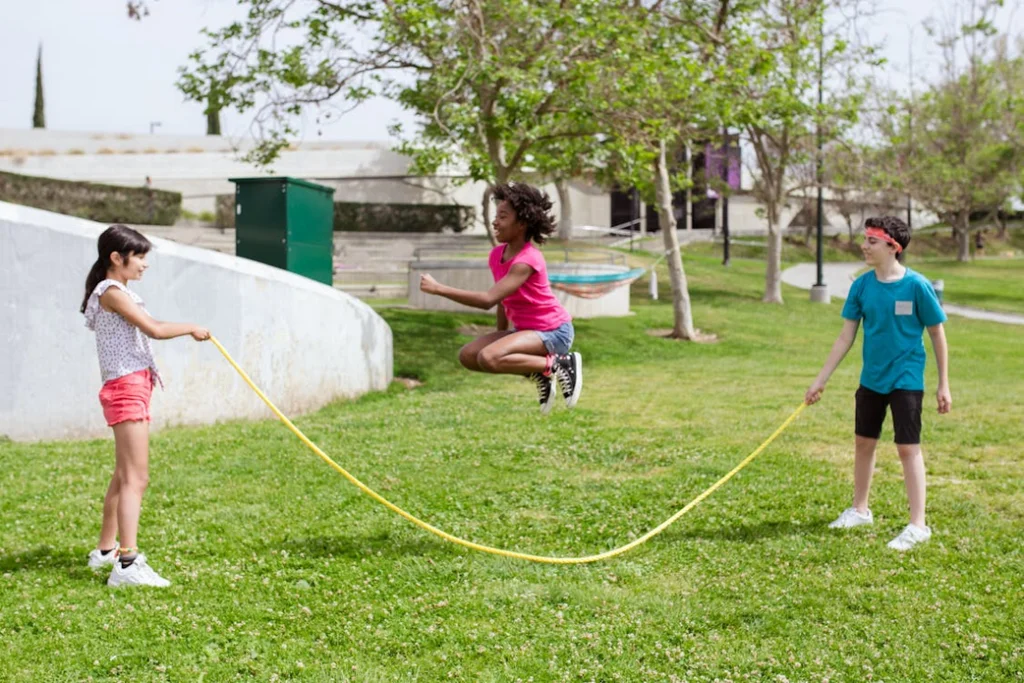
Jump rope could be played solo or in groups, often with one long rope turned by two people. Players jumped in and tried to keep rhythm as the rope swung overhead. There were often rhymes or chants that added a steady beat. Missing a jump usually meant switching out with someone else. It required coordination and timing.
Group jump rope could become quite elaborate. Kids created patterns, double jumps, or faster speeds to challenge each other. It was one of the few games that blended physical skill with rhythm. The repetition made it easy to practice and improve. It stayed popular because it could scale from simple to advanced quickly.
12. Mother May I
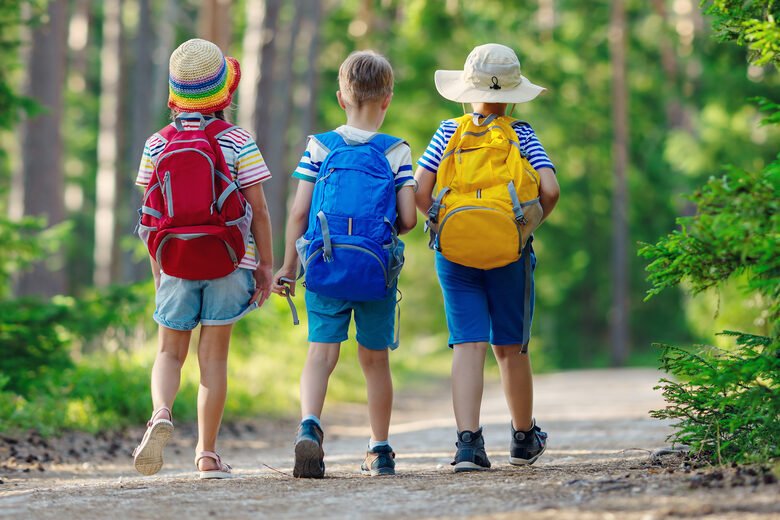
Mother May I was a slower-paced game that emphasized listening and strategy. One player, the “mother,” stood at a distance while others asked for permission to take steps forward. The steps could vary, from baby steps to giant steps. If a player forgot to say “Mother, may I,” they were sent back to the start. The goal was to reach the mother first.
The game depended heavily on how the leader gave instructions. Some were strict, while others tried to trick players into mistakes. It created a mix of careful planning and quick decisions. Kids had to think about which requests would move them forward the fastest. It was less about speed and more about paying attention.
13. Sardines

Sardines was essentially the reverse of hide and seek. One person hid while everyone else searched for them. When a player found the hidden person, they squeezed into the hiding spot quietly. The game continued until everyone was packed together, often in a tight space. The last person to find the group lost.
What made Sardines memorable was the absurdity of it. Kids would end up crammed into closets, behind bushes, or under playground structures. Trying to stay quiet while squeezed together often led to stifled laughter. The final reveal, when the last person found everyone, was always dramatic. It turned a simple idea into something surprisingly funny.