1. The Brady Bunch House from The Brady Bunch
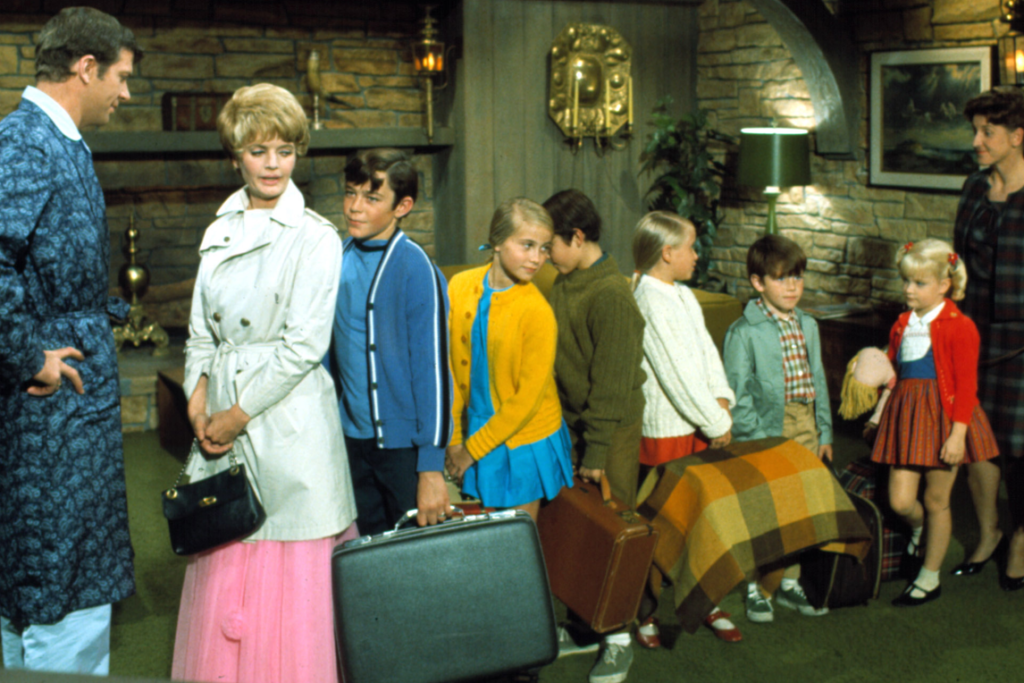
The house used for exterior shots of the Brady family home is located in Studio City, California, and became one of the most recognizable TV homes of all time. Even though the interior scenes were filmed on a soundstage, that split-level exterior is instantly tied to the show. When The Brady Bunch aired from 1969 to 1974, viewers never saw the real inside of the house, but it didn’t matter because the outside became iconic. The property itself was built in 1959 and was chosen because it matched the show’s suburban aesthetic. For decades, fans drove by just to see it in person.
Interest in the house surged again when HGTV purchased it in 2018 and renovated it to match the interior sets. That project became the series A Very Brady Renovation, which drew huge attention from longtime fans. The house sold again in 2023, showing just how much cultural value it still holds. Even people who never watched the show can recognize that distinctive façade. It’s one of those rare TV homes that crossed into real-world fame.
2. The Tanner House from Full House
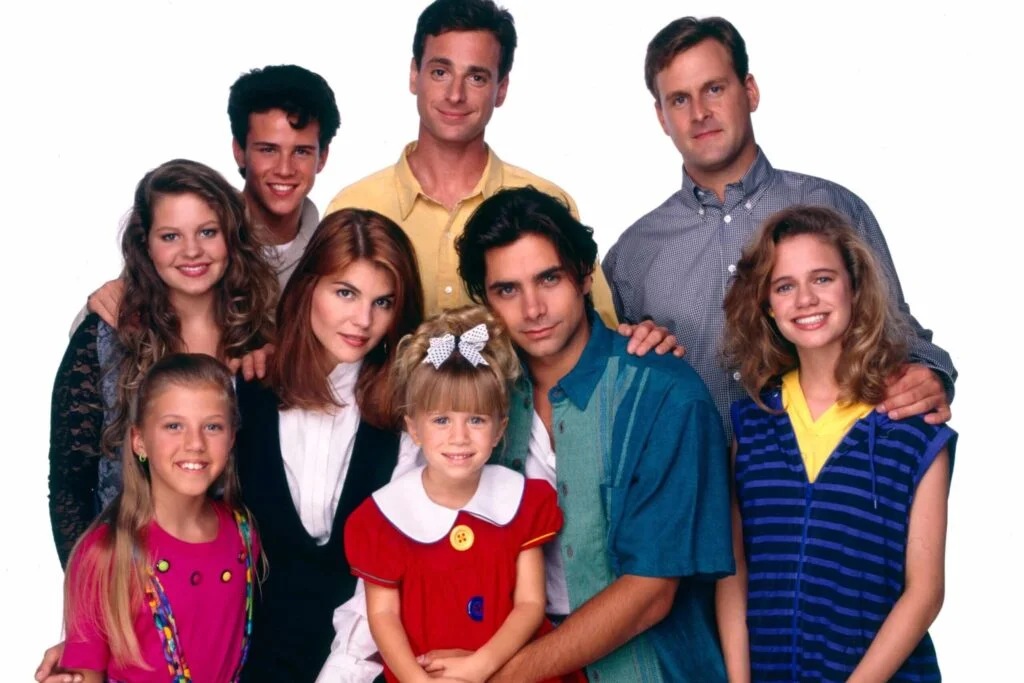
The Victorian home used for the Tanner family sits in San Francisco and is part of the famous row of colorful houses often associated with the city. Although many people assume it’s one of the “Painted Ladies,” it’s actually located on Broderick Street. Full House made that exterior a staple of its opening credits in the late ’80s and early ’90s. The home became so tied to the show that it remained a tourist attraction long after the series ended. Fans still stop to take photos on the sidewalk.
When Fuller House premiered on Netflix in 2016, the house returned to the spotlight again. The property has changed ownership several times, including a period when Full House creator Jeff Franklin owned it. At one point, he even restored it to resemble the show more closely. While interiors were never filmed there, the outside alone is enough to trigger recognition. It remains one of the most photographed TV homes in the country.
3. The Banks Mansion from The Fresh Prince of Bel-Air
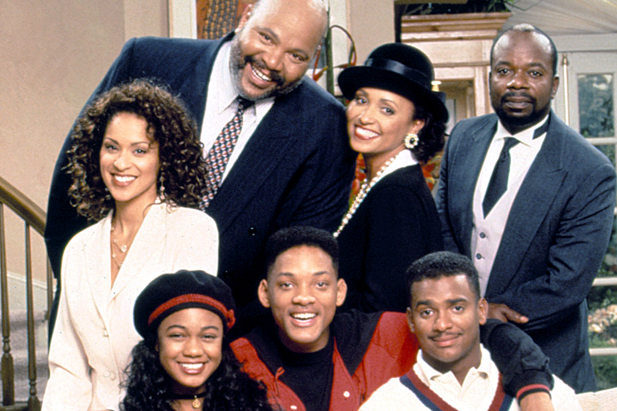
The elegant mansion associated with the Banks family is located in Brentwood, Los Angeles, not Bel-Air as the show suggests. Its white exterior, tall columns, and gated driveway gave The Fresh Prince of Bel-Air a sense of luxury that contrasted sharply with Will’s background. The show ran from 1990 to 1996, and that house became central to its identity. Viewers immediately associate it with Will arriving in a taxi and stepping into a completely new world. The exterior was used consistently in establishing shots.
Interestingly, the interior scenes were filmed on a soundstage, and they don’t match the real layout of the house. The property itself is privately owned and not open to the public. Despite that, fans still recognize it from even a brief glimpse. It’s one of those homes where the exterior alone carries the entire memory of the show. The visual contrast it provided is a big part of why it stuck with audiences.
4. The Seaver House from Growing Pains
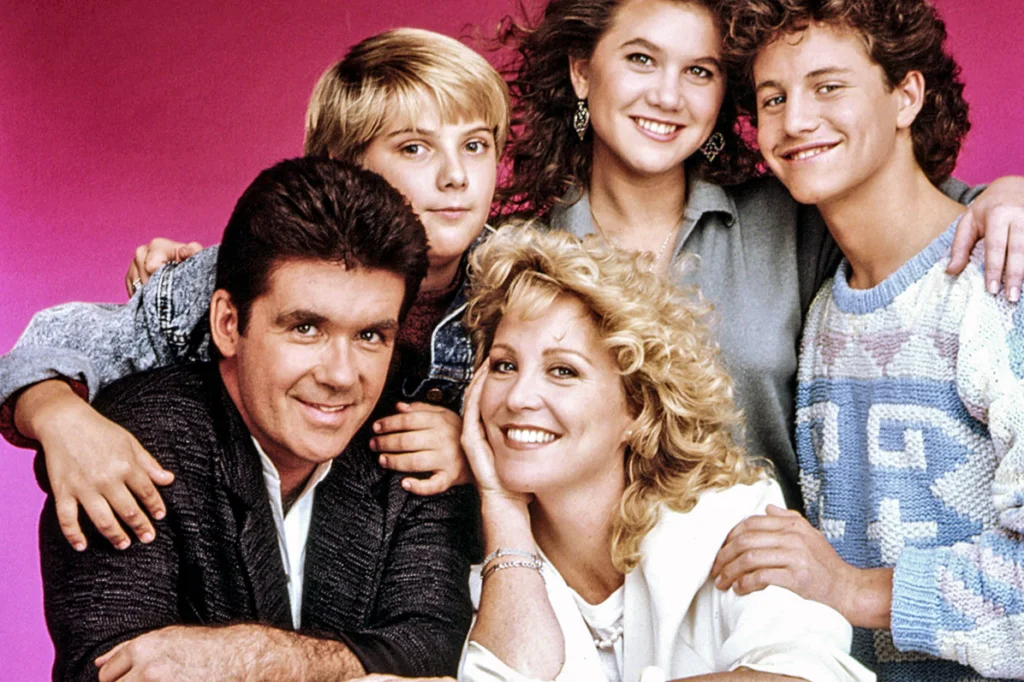
The Seaver family home from Growing Pains is a real house located in Burbank, California. The series aired from 1985 to 1992, and the home’s exterior became a familiar sight during its run. It had a classic suburban look that matched the show’s tone perfectly. The house was used in numerous establishing shots, making it easy for viewers to recognize. It helped ground the show in a relatable, everyday setting.
Like many sitcom homes, the interior was filmed on a soundstage and doesn’t reflect the real structure. Still, the exterior became closely tied to the characters and their storylines. Over the years, fans have continued to visit the location. It doesn’t have the same level of tourism as some others, but it remains recognizable. For many viewers, it represents a very specific era of family sitcoms.
5. The Cunningham House from Happy Days
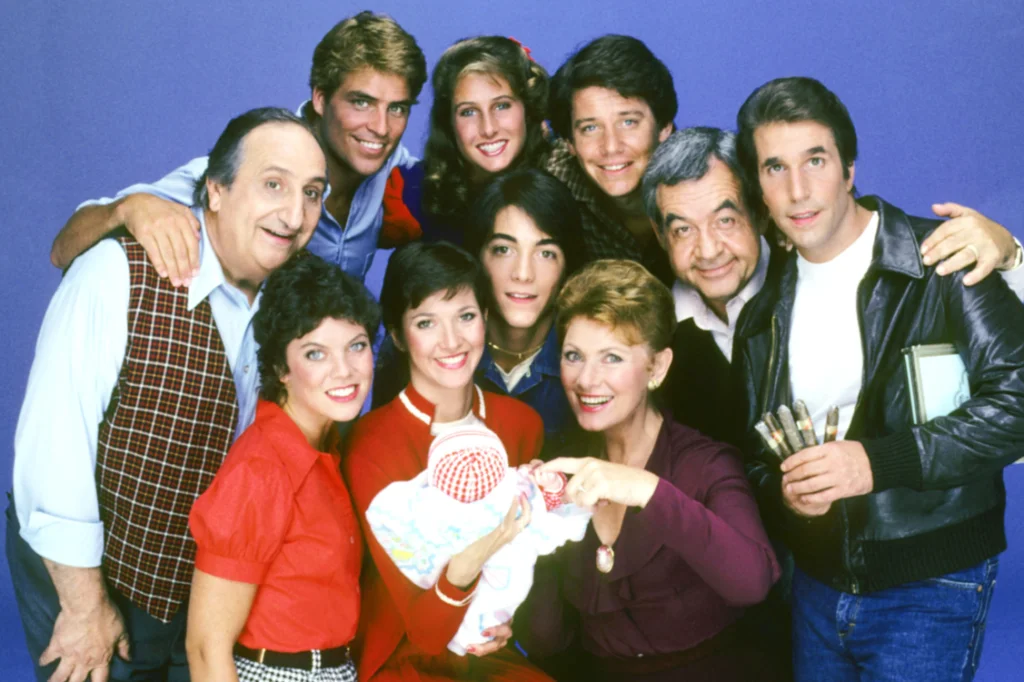
The Cunningham home from Happy Days is located in Los Angeles, even though the show is set in Milwaukee, Wisconsin. Its modest, traditional design helped reflect the show’s ’50s setting. Happy Days ran from 1974 to 1984, and the house became a consistent visual anchor. The exterior appeared regularly, especially in early seasons. It helped establish the nostalgic tone the show was known for.
The interior scenes were filmed on a soundstage, as was typical for sitcoms at the time. Even so, the exterior remains strongly associated with the Cunningham family. It’s not as widely visited as some other TV homes, but it’s still recognizable to fans. The simplicity of the house is part of what made it effective. It felt believable, which made the show feel more grounded.
6. The Munster Mansion from The Munsters
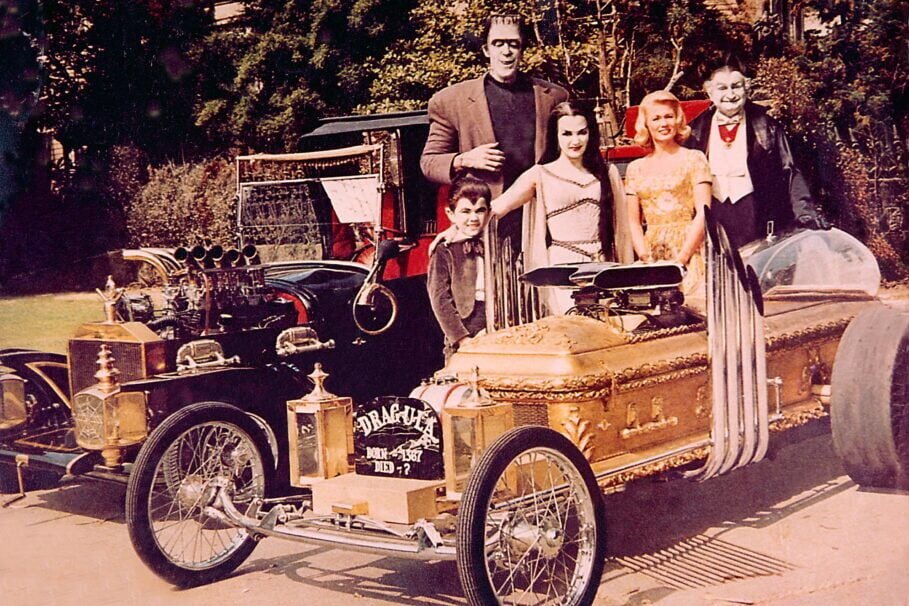
The Munster family’s spooky home is one of the most visually distinctive houses in television history. Located on the Universal Studios lot, it was specifically built for The Munsters, which aired from 1964 to 1966. The Gothic design, with its dark exterior and unusual architecture, made it stand out immediately. It was meant to contrast humorously with the suburban neighborhood around it. That contrast became a key part of the show’s identity.
Because it was built on a studio lot, the house has been recreated and modified over the years. It has appeared in various forms in later productions and theme park attractions. Unlike real residential homes, this one exists primarily as a set piece. Still, its look is instantly recognizable to multiple generations. Few TV houses are as visually unique as this one.
7. The Addams Family House from The Addams Family
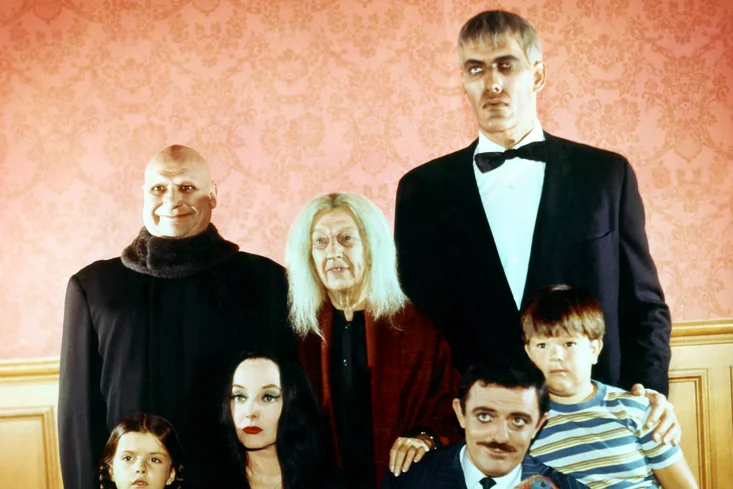
The eerie mansion associated with The Addams Family was created using a combination of a real house exterior and studio sets. The original series aired from 1964 to 1966, and the home became central to its gothic tone. The exterior used in early shots was based on a real Victorian-style house in Los Angeles. Its tall, narrow structure and dark appearance made it memorable. It perfectly matched the show’s offbeat humor.
The interior was entirely fictional, designed to enhance the strange and playful atmosphere. Over time, the house has been reimagined in various adaptations, including films and animated versions. Despite those changes, the original look remains the most iconic. It’s one of those homes where even a silhouette is enough for recognition. The design helped define the entire series.
8. The Walton House from The Waltons
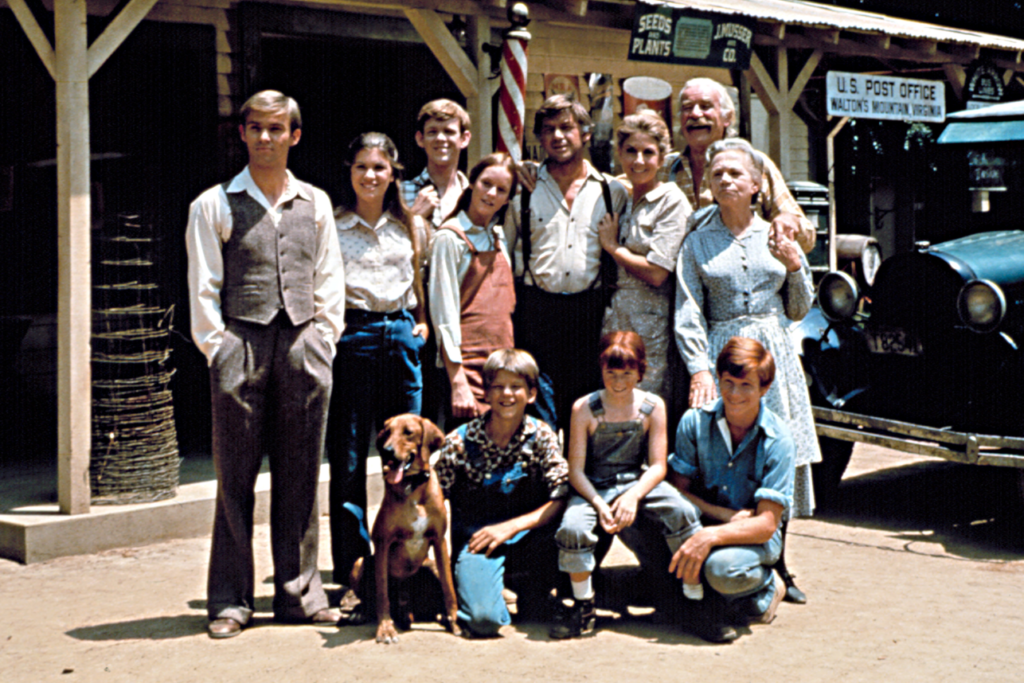
The Walton family home was located on the Warner Bros. studio lot and designed to reflect rural Virginia during the Great Depression. The Waltons aired from 1972 to 1981, and the house played a central role in the storytelling. Its simple wooden structure reinforced the show’s focus on family and resilience. Unlike many sitcom homes, it was meant to feel modest and realistic. That authenticity helped it stand out.
The set became so closely associated with the series that it was reused in later TV productions. While it wasn’t a real residence, it still feels grounded in reality. Fans often remember the house as much as the characters themselves. It served as the emotional center of the show. Its design remains recognizable to viewers who grew up watching the series.
9. The Clampett Mansion from The Beverly Hillbillies
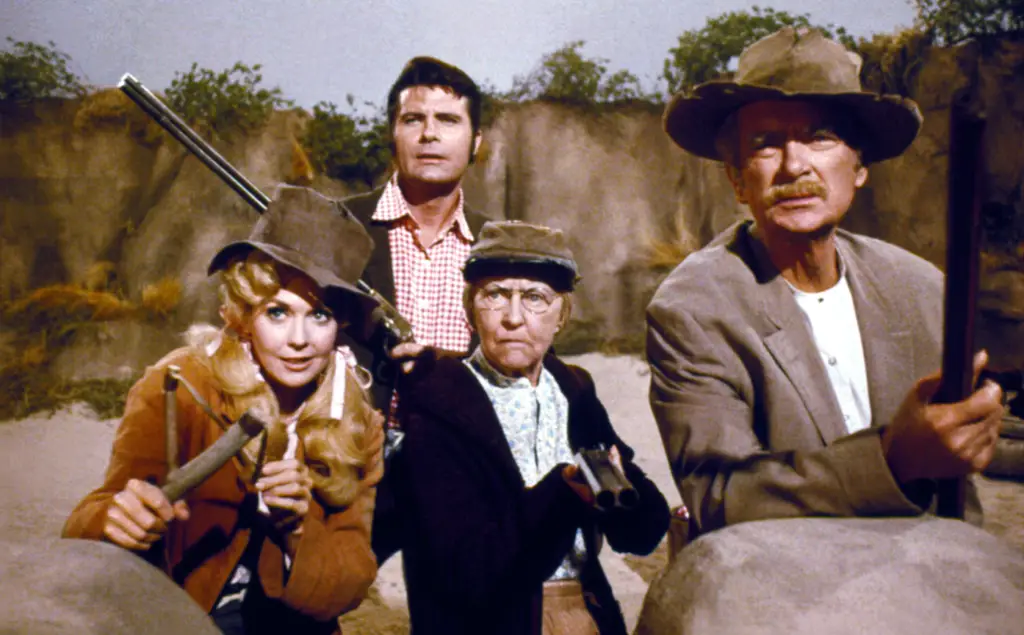
The mansion featured in The Beverly Hillbillies is a real property known as Chartwell Estate, located in Bel-Air, California. The show aired from 1962 to 1971 and used the estate for exterior shots. Its grand scale and formal design emphasized the contrast between the Clampett family and their new surroundings. The house itself became a symbol of sudden wealth. It was central to many of the show’s jokes.
Chartwell Estate has remained a high-profile property over the years, selling for extremely high prices. It’s one of the most expensive homes ever featured on television. Even people unfamiliar with the show often recognize it from its appearances. The estate’s size and design make it hard to forget. It remains one of the most famous TV mansions ever used.
10. The Partridge Family House from The Partridge Family
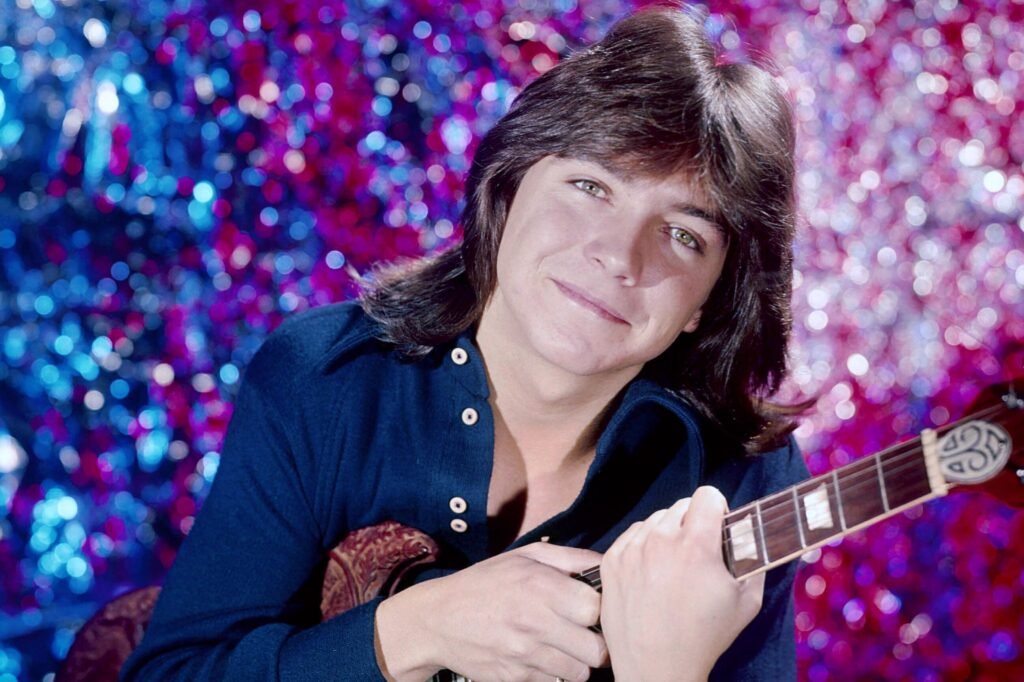
The Partridge family home is a real house located in Los Angeles and was used for exterior shots throughout the show’s run. The Partridge Family aired from 1970 to 1974, and the home’s bright, welcoming appearance matched the show’s tone. It looked like a typical suburban house, which made it relatable. That simplicity helped viewers connect with the family. It wasn’t flashy, but it was memorable.
The interior scenes were filmed on a soundstage, as with most sitcoms of the time. Still, the exterior became closely tied to the show’s identity. Fans often associate it with the family’s colorful bus parked nearby. Over the years, the house has remained largely unchanged. It continues to be recognized by those familiar with the series. It represents a lighter, music-driven era of television.
11. The Bunker House from All in the Family
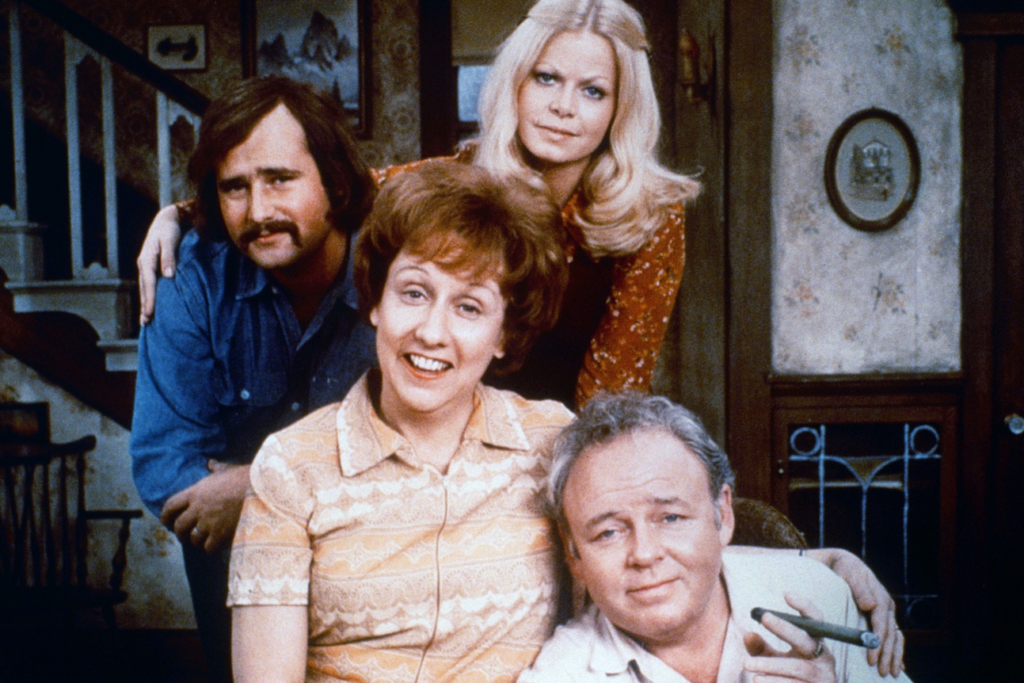
The exterior of the Bunker home from All in the Family is located in Queens, New York, matching the show’s setting. The series aired from 1971 to 1979 and used the house to establish its working-class environment. Its modest appearance reflected the reality of the characters’ lives. That authenticity was a major part of the show’s impact. The house felt lived-in and real.
Interior scenes were filmed on a soundstage, but the exterior grounded the show in a specific place. Fans still recognize the house from its appearances in opening shots. It’s not flashy or elaborate, but that’s exactly why it worked. It represents a different kind of TV home, one rooted in realism rather than fantasy. That approach helped the show stand out.
12. The Flintstone House from The Flintstones

While The Flintstones is animated, the Flintstone house is still one of the most recognizable homes in TV history. Its stone construction, open layout, and prehistoric design made it instantly distinctive. The show originally aired from 1960 to 1966 and became a massive success. The house played a big role in establishing the world of Bedrock. Its design was both simple and creative.
The concept of a stone-age suburban home was unique and memorable. Everything from the furniture to the layout reflected the show’s playful approach. Even decades later, the house is easy to identify. It has been recreated in theme parks and merchandise. Few animated homes have had that level of lasting recognition.
13. The Lucy and Ricky Apartment from I Love Lucy

The apartment shared by Lucy and Ricky Ricardo in I Love Lucy is one of the most famous interiors in television history. The show aired from 1951 to 1957, and while there was no real exterior house used consistently, the interior itself became iconic. The layout of the living room, kitchen, and bedroom is instantly familiar to fans. It was all filmed on a soundstage, but it felt real to viewers. The set became part of the show’s identity.
Because so many key moments took place inside that apartment, it’s often remembered as if it were a real location. The design was simple but effective. Over time, it has been recreated in museums and exhibits. Fans can often recognize it from a single frame. It proves that a TV “home” doesn’t need to be real to be iconic.
14. The Bewitched House from Bewitched
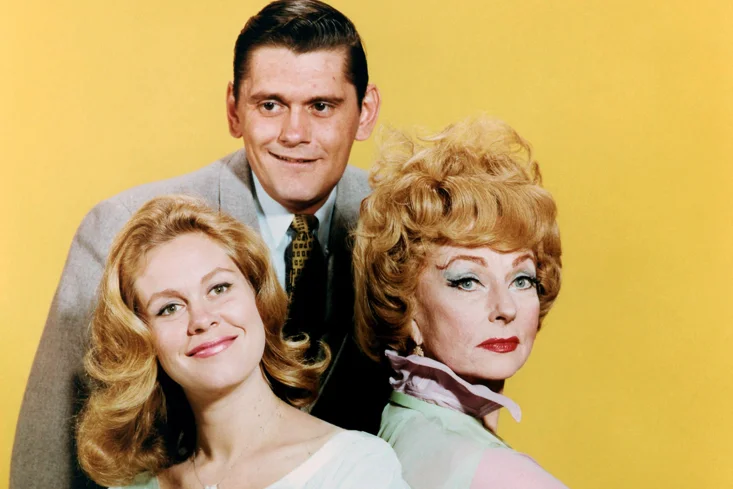
The house used for Bewitched is located in Los Angeles and became synonymous with suburban magic during the show’s run from 1964 to 1972. Its traditional exterior contrasted with the supernatural events happening inside. That contrast was central to the show’s appeal. The home looked like any other in the neighborhood, which made the magical elements more surprising. It was used frequently in exterior shots.
The interior was filmed on a soundstage, featuring the famous staircase and living room where many scenes took place. Over time, the house became closely associated with Samantha and her double life. Fans still recognize it decades later. It represents a blend of ordinary suburban life and fantasy. That combination helped make it one of the most memorable TV homes.