
1. Garbage Pail Kids Cards
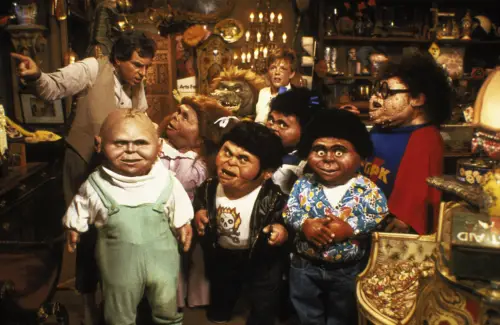
Garbage Pail Kids were gross, hilarious, and absolutely sacred if you were an ’80s kid. You did not casually bend one, smear one, or trade one without studying the other kid’s stack like a seasoned appraiser. Kids memorized card numbers, knew which characters were rare, and argued endlessly about which ones were the most offensive in the best way. A perfectly centered card felt like winning the lottery.
Trading happened at recess with all the seriousness of a Wall Street deal. A single shiny or especially disgusting card could command three lesser ones without apology. Some kids even carried their cards in plastic sleeves, which felt wildly grown up at the time. Losing a favorite card could ruin an entire afternoon.
2. Cabbage Patch Kids Dolls
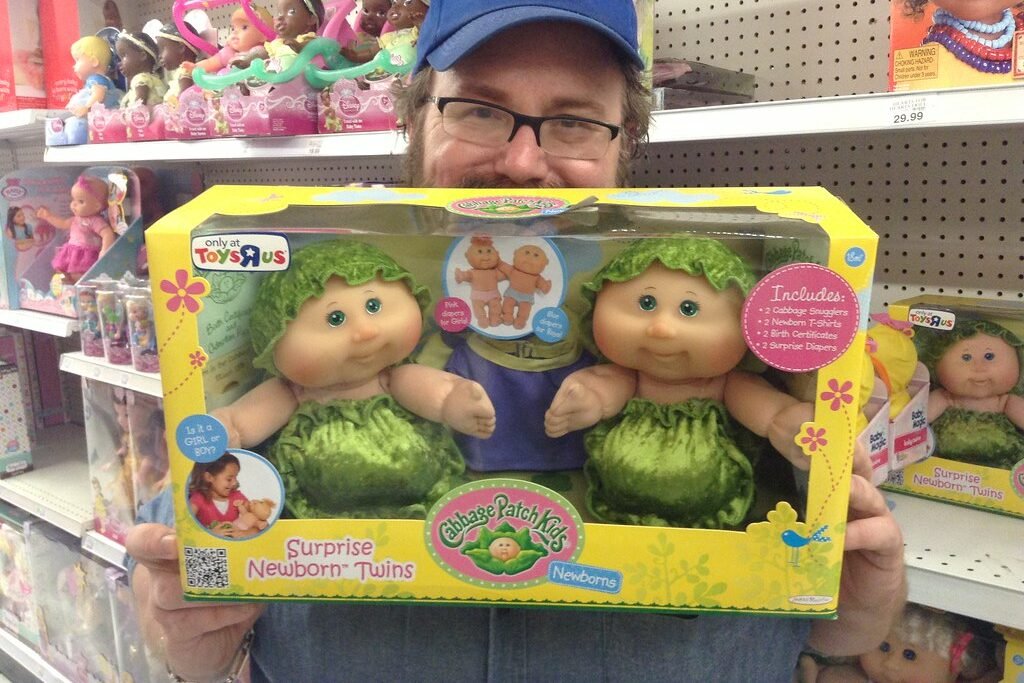
Cabbage Patch Kids were not just dolls, they were dependents. Each one came with a name, a birth certificate, and a sense of responsibility that kids took very seriously. You did not rename one lightly, because that felt like erasing its identity. Showing up with a new one instantly made you the center of attention.
Kids compared hairstyles, outfits, and adoption dates like proud parents. Arguments broke out over whose doll was cuter, rarer, or clearly more special. Some kids insisted theirs slept in a specific spot every night. If you forgot your doll at home, it felt like you had forgotten a limb.
3. Transformers Figures
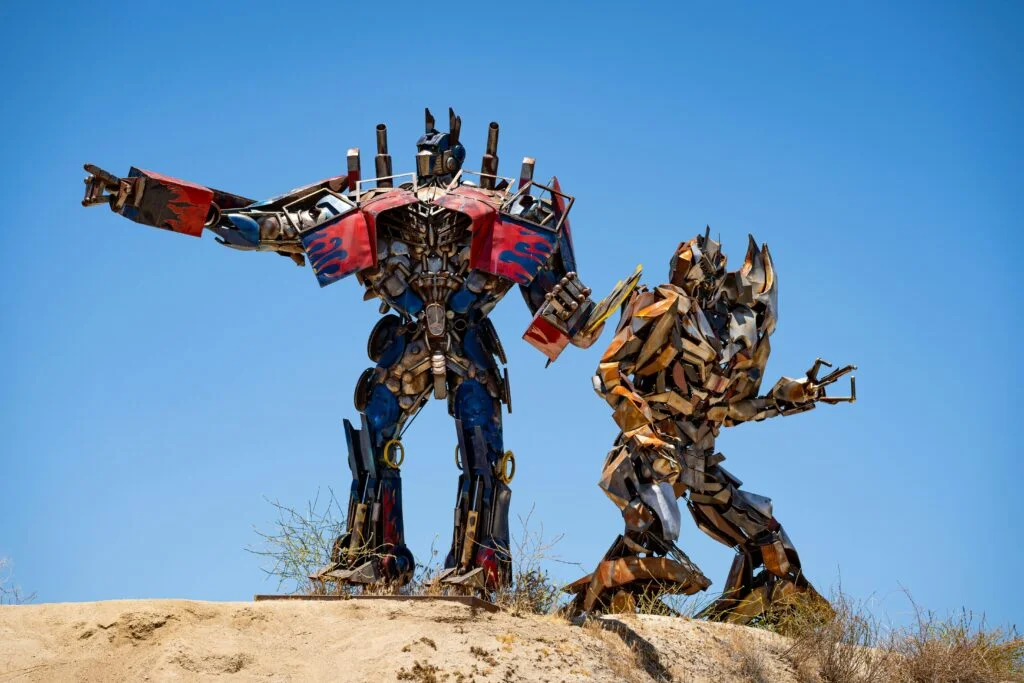
Transformers demanded patience, focus, and a steady hand. You did not rush the transformation process unless you wanted broken pieces and public shame. Knowing how to convert Optimus Prime without instructions was a true badge of honor. Kids judged each other quietly based on how smoothly the transformation went.
Loose joints were devastating, especially when they ruined a perfect pose. Some kids lined theirs up in military formation, while others staged elaborate Autobots versus Decepticons battles. Losing a single accessory felt like a tragedy. The toys were action figures, but they were also puzzles that proved your skill.
4. My Little Pony Figures
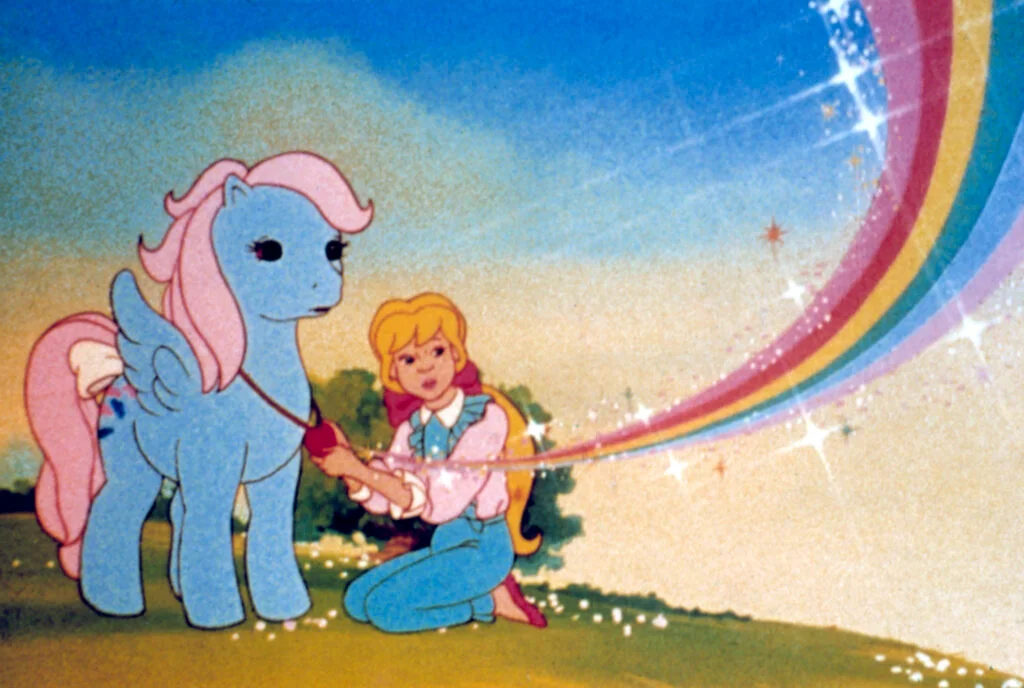
My Little Pony were treated like a full social circle. Kids knew every pony’s name, symbol, and personality without hesitation. Hair condition mattered a lot, and frizz was considered a serious problem. A well brushed mane was a point of pride.
Trading ponies was emotional and carefully negotiated. Some kids refused to trade at all, believing their collection was already perfect. Display setups were thoughtfully arranged, often by color or theme. If someone bent a pony’s tail, it could spark an immediate argument.
5. Nintendo Game Cartridges
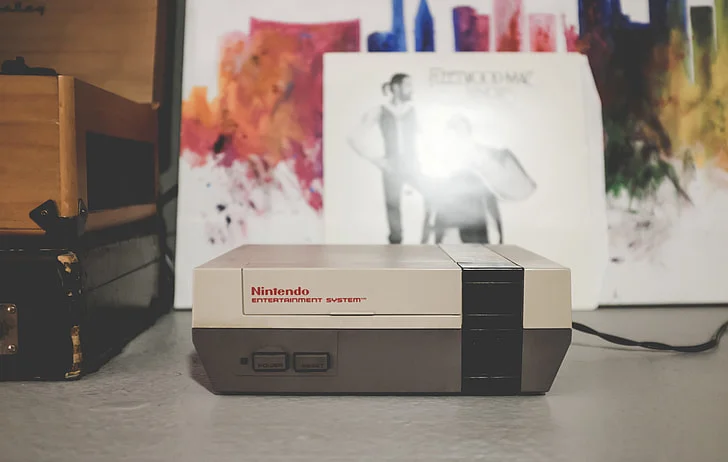
Nintendo Entertainment System games were handled with ritual-level care. Blowing into the cartridge was treated like a sacred troubleshooting technique. Kids stacked them carefully, labels facing out, as if they were books in a library. Lending one out required trust and a clear return agreement.
Save progress was everything, and accidental resets were unforgivable. Kids memorized cheat codes and shared them like classified information. Owning a rare or new release instantly boosted your status. Even the boxes were saved by kids who understood their importance early on.
6. Baseball Cards
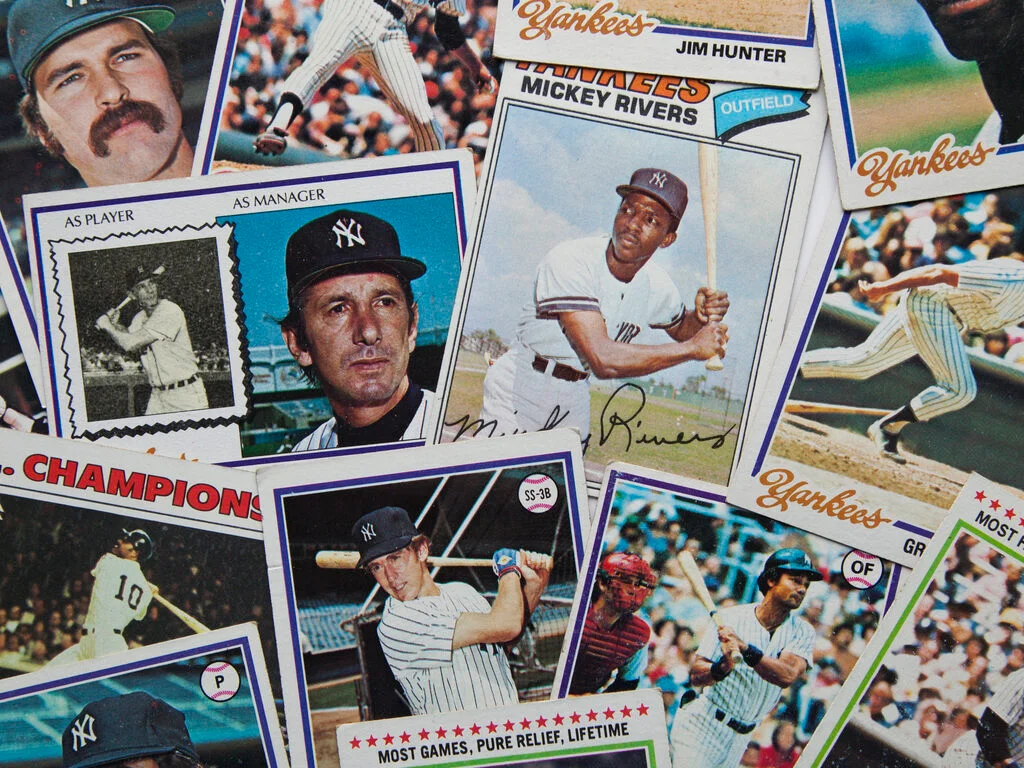
Major League Baseball cards turned many kids into amateur statisticians. They studied batting averages and rookie years even if they barely understood them. Corners mattered, centering mattered, and gum stains were tragic. A mint condition card felt powerful.
Kids carried stacks in rubber bands, despite knowing better. Trades were debated loudly and sometimes ended friendships for the day. Price guides were treated like law books. Finding a star player card in a pack felt like fate choosing you.
7. Star Wars Action Figures
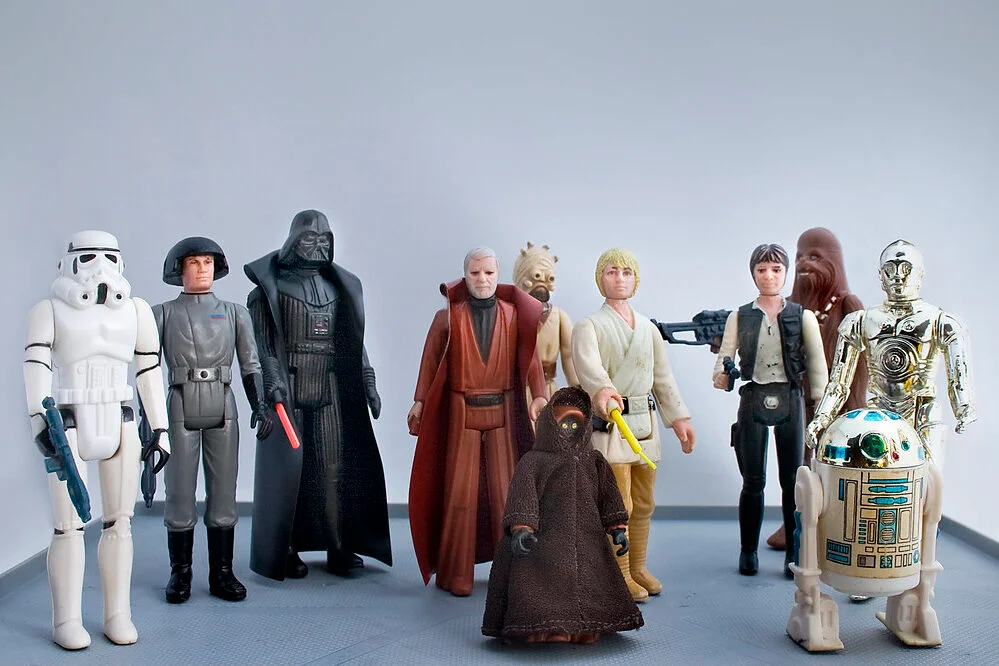
Star Wars figures were not toys you just tossed in a bin. Each character had a role in an ongoing story that kids remembered exactly. Missing accessories, especially lightsabers, were a constant source of frustration. Kids knew which figures were harder to find.
Play scenarios followed strict rules that everyone agreed on. Darth Vader could not suddenly be defeated without a dramatic battle. Vehicles were prized possessions and often displayed more than played with. These figures felt like extensions of the movies themselves.
8. Care Bears Figures
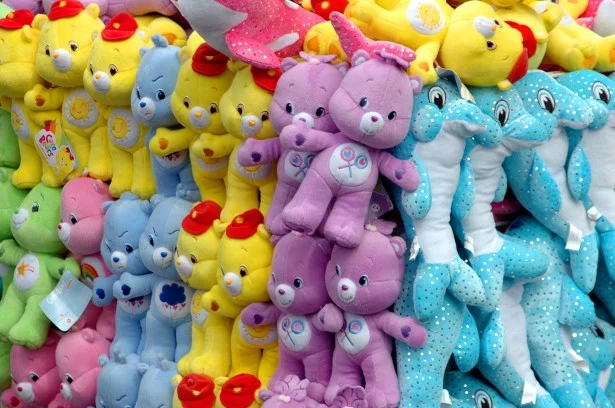
Care Bears represented feelings before kids had the words for them. Each bear’s belly badge meant something important, and kids took that meaning seriously. You picked favorites based on personality, not just color. Some kids believed certain bears brought good luck.
Collections were often arranged carefully on shelves or beds. Trading was selective, because letting go of a bear felt emotional. Kids assigned roles and relationships to each one. A missing Care Bear could genuinely upset the whole mood of playtime.
9. Smurfs Figurines
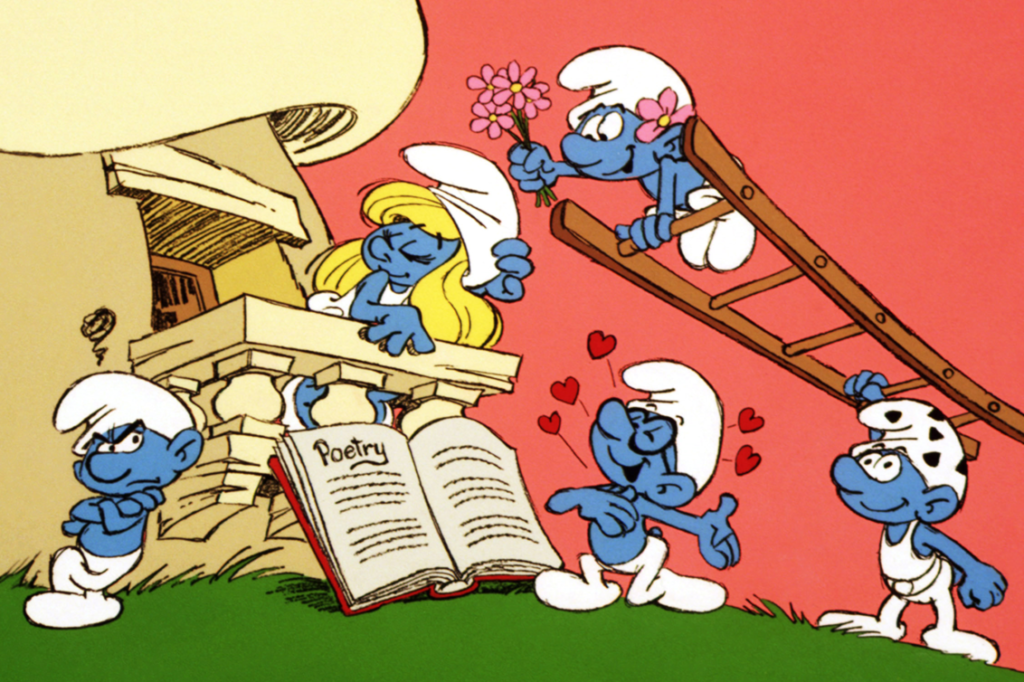
The Smurfs figures were small, but the obsession was big. Kids could name dozens of Smurfs and knew exactly which ones they were missing. Finding a rare pose felt like striking gold. These tiny figures traveled everywhere.
Kids lined them up meticulously, often in height or character order. Gargamel figures were especially prized or feared, depending on the kid. Losing one was easy and heartbreaking. Entire playground games were built around these little blue characters.
10. Scratch-and-Sniff Stickers
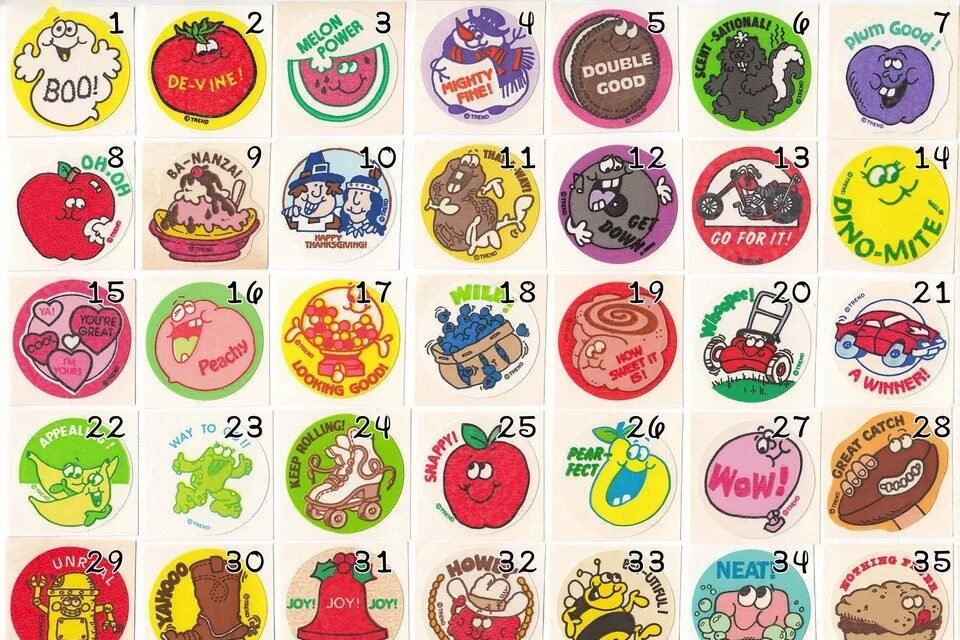
Scratch and Sniff Stickers were currency, not decoration. Kids knew which scents were good and which ones were lies. Pizza and popcorn were suspicious, while grape usually delivered. A full sheet was something to brag about.
Teachers tried to control them, which only made them more powerful. Trading was fast and emotional, often done under desks. Kids judged each other’s collections silently. The scent fading over time felt like betrayal.
11. Rubik’s Cubes

Rubik’s Cube separated the patient kids from the rest of us. Solving one felt like magic and proof of genius. Even getting one side right earned respect. Kids practiced endlessly, often pretending not to care.
Some peeled stickers off to cheat, which everyone noticed. Others memorized algorithms without knowing that word yet. A solved cube was displayed proudly. It was a toy that felt like an intellectual achievement.
12. Trapper Keepers
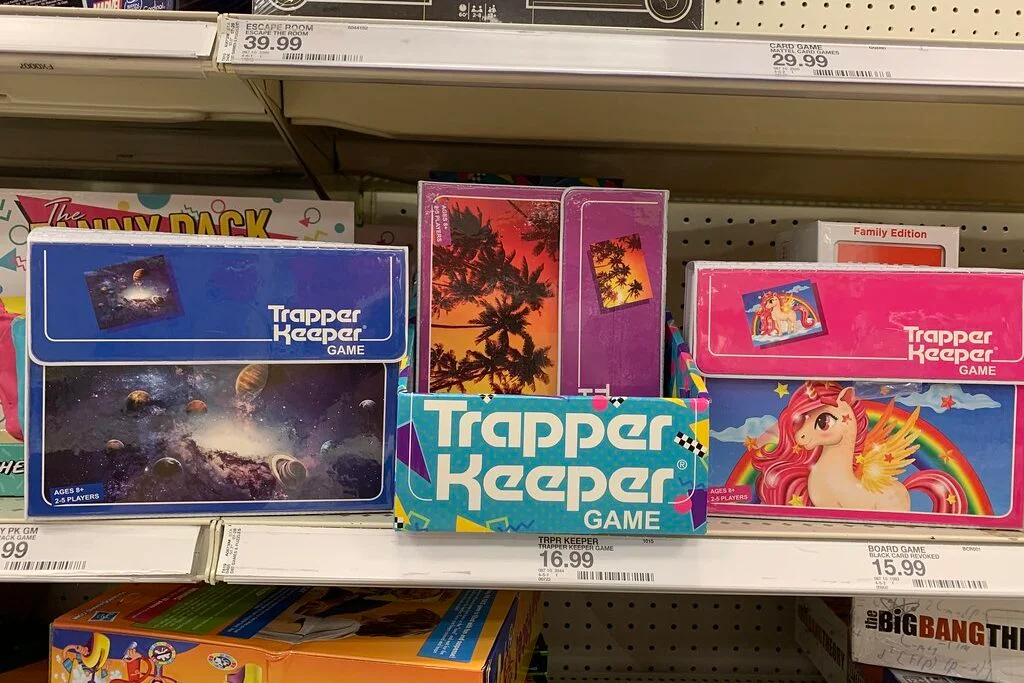
Trapper Keeper were about identity as much as organization. The cover design said everything about who you were or wanted to be. Opening the Velcro made a sound that commanded attention. Kids guarded theirs closely.
Inside organization mattered more than homework. Stickers, notes, and folded papers were arranged with intention. Borrowing someone’s Trapper Keeper was a big deal. A brand new one at the start of the year felt like a fresh start.
13. Teddy Ruxpin Tapes
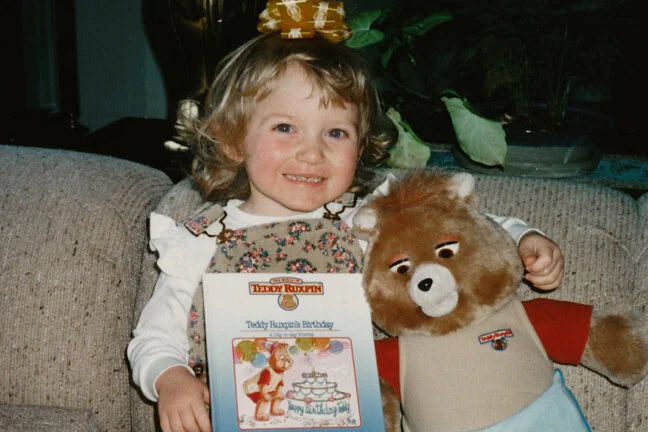
Teddy Ruxpin tapes were treated like precious media. Kids handled them carefully, knowing one bad rewind could ruin everything. Watching Teddy’s mouth move felt magical every time. You did not interrupt a story once it started.
Kids debated which tapes were the best and which were boring. Some memorized entire stories word for word. Losing a tape meant losing part of the experience. Teddy was not just a toy, he was an event.