1. Apple “1984”
This commercial didn’t just sell a computer, it sold a revolution. Airing during the Super Bowl, it played out like a dystopian short film inspired by George Orwell, complete with ominous marching figures and a lone heroine. For viewers at home, it felt more like a trailer for a sci fi movie than an ad break. You could almost forget it was about technology at all.
The story built tension instead of listing features, which was unheard of at the time. There was no friendly spokesperson explaining specs, just mood and symbolism. When the hammer flew, it felt like a true cinematic climax. People talked about it for weeks, which was exactly the point.
2. Coca-Cola “Mean Joe Greene”

This one unfolded like a gentle character drama in under a minute. A battered football star limps into a tunnel, and a kid offers him a Coke with nothing expected in return. The emotional arc was clear, simple, and deeply human. By the time the jersey is tossed, you’re fully invested.
It felt like a scene from a sports movie instead of a soda commercial. There was conflict, vulnerability, and a quiet payoff. The brand barely needed to announce itself. You remembered the feeling more than the product.
3. Levi’s “Laundrette”

This ad played out like a slice of life indie film set to music. A young man casually strips down in a laundromat, completely unfazed by the stares around him. There’s no dialogue, just attitude and confidence. It made denim feel cinematic and cool without saying a word.
The setting did most of the storytelling work. The slow pacing let the moment breathe instead of rushing to a slogan. By the end, Levi’s jeans felt like part of a lifestyle, not just clothing. It lingered the way a memorable movie scene does.
4. McDonald’s “The Showdown”
This commercial felt like a full blown sports short with a clear beginning, middle, and end. Larry Bird and Michael Jordan face off in an escalating contest that keeps topping itself. Each shot raises the stakes a little higher. You forget you’re watching an ad and just want to see who wins.
The humor was character driven, not gimmicky. The editing mimicked a sports montage instead of a sales pitch. By the time fries are involved, you’re already hooked. It played like a playful buddy movie in miniature form.
5. Calvin Klein “Obsession”
This commercial leaned heavily into mood and mystery. Close ups, whispers, and dramatic lighting gave it an art house feel. It didn’t explain the fragrance at all, and it didn’t need to. The atmosphere told the story.
It felt more like a perfume scene from a European film than an American ad. Everything was suggestive and slow. The lack of information made it feel sophisticated. You were meant to feel something, not learn something.
6. Pepsi “New Generation”
This spot played like a musical montage packed into seconds. Youth, music, and movement were stitched together into a fast paced story. It felt like the opening number of a pop movie. You could almost imagine the rest of the film continuing after the logo.
The editing was sharp and energetic, matching the soundtrack perfectly. Faces flashed by like characters you wanted to know more about. Pepsi wasn’t just a drink, it was a cast member. The vibe mattered more than the product shot.
7. Nike “Bo Knows”
These commercials felt like short sports documentaries with personality. Bo Jackson was shown excelling at everything, turning myth into narrative. Each moment added to his legend. It built a character arc in seconds.
The storytelling leaned into exaggeration without losing authenticity. It felt playful but grounded in real talent. Nike positioned itself as part of an epic story. You weren’t watching shoes being sold, you were watching a hero being built.
8. Wendy’s “Where’s the Beef?”
This ad played like a perfectly timed comedy sketch. Three characters inspect a massive bun with almost no meat, and the now famous line lands like a punchline. The humor felt scripted, not forced. It was a complete story with a beginning and payoff.
The characters were instantly recognizable. You could imagine them showing up in another scene. Wendy’s became the sensible hero of the narrative. It felt like a sitcom moment frozen in time.
9. Miller Lite “Tastes Great Less Filling”
These ads felt like ensemble comedies. Athletes and celebrities argued like characters in a barroom drama. Each commercial added to an ongoing story. Viewers picked sides like it was a real debate.
The format rewarded repeat viewing. You recognized the faces and the dynamic immediately. It felt serialized, like short episodes instead of standalone ads. The product was secondary to the characters.
10. Maxell “Blown Away Guy”
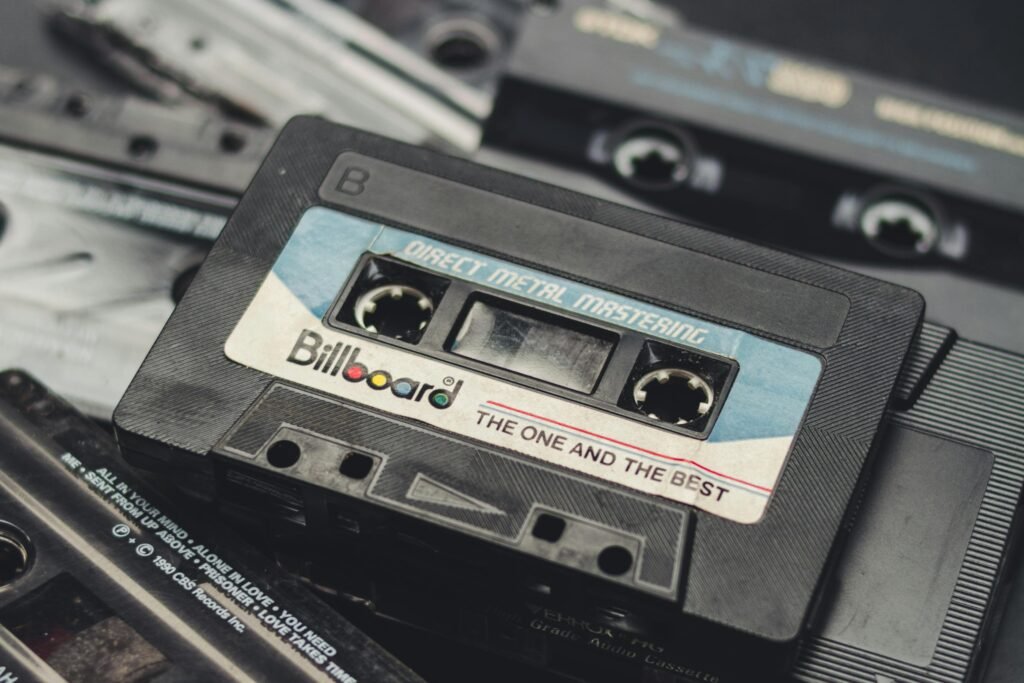
This commercial told a visual story without a single spoken word. A man listens to music so powerful it physically moves the room around him. The image did all the talking. It felt surreal and cinematic.
The pacing was deliberate, letting the moment build. You understood the point instantly without explanation. It played like a visual metaphor straight out of a film. The final image stuck with you long after.
11. Polaroid “Moments”
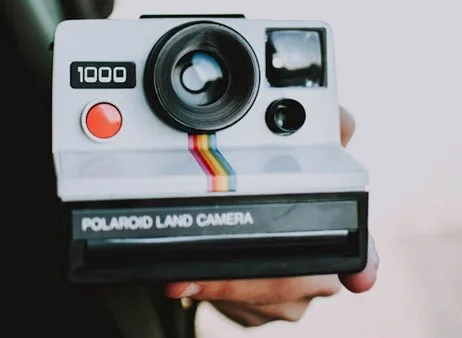
These commercials felt like quiet family dramas. A single snapshot captured something emotional and fleeting. The story was often complete before the photo even developed. It leaned into nostalgia in a very cinematic way.
The focus was always on people, not technology. Polaroid became the observer of meaningful moments. The storytelling was gentle and sincere. It felt like watching a memory instead of an ad.
12. AT&T “Reach Out and Touch Someone”
This campaign unfolded like a series of heartfelt vignettes. Long distance calls were framed as emotional lifelines. Each commercial felt like a short drama about connection. The phone company faded into the background.
The tone was warm and intimate. You felt the absence and the reunion in seconds. It played like a montage from a relationship movie. The slogan felt earned, not forced.
13. Budweiser “Clydesdales”
These ads felt like period films in miniature. Sweeping shots, solemn music, and majestic horses set the tone. The pacing was slow and deliberate. It trusted viewers to sit with the moment.
There was usually no dialogue, just imagery and emotion. The horses became characters with quiet dignity. Budweiser wasn’t shouting for attention. It felt like a cinematic pause during commercial breaks.