
1. It Was Invented by a French Electrician, Not a Toy Company
The Etch A Sketch didn’t start out as a polished toy concept at all. It was invented in the late 1950s by André Cassagnes, an electrician from France who stumbled onto the idea while working with aluminum powder and static electricity. He originally called it “L’Écran Magique,” which translates to “The Magic Screen.” Cassagnes reportedly noticed that aluminum powder would stick to glass after being charged, which became the foundation for the drawing effect. It wasn’t designed with children in mind at first, just as an interesting visual experiment.
When he presented the idea to toy companies, it didn’t immediately take off. Eventually, the Ohio Art Company saw potential and purchased the rights, refining the design for mass production. The toy made its debut in the United States in 1960 and quickly became a hit. Cassagnes didn’t become widely known for his invention until much later, even though the product sold millions. His contribution remained somewhat under the radar compared to the toy’s fame.
2. The Drawing Mechanism Is Completely Mechanical
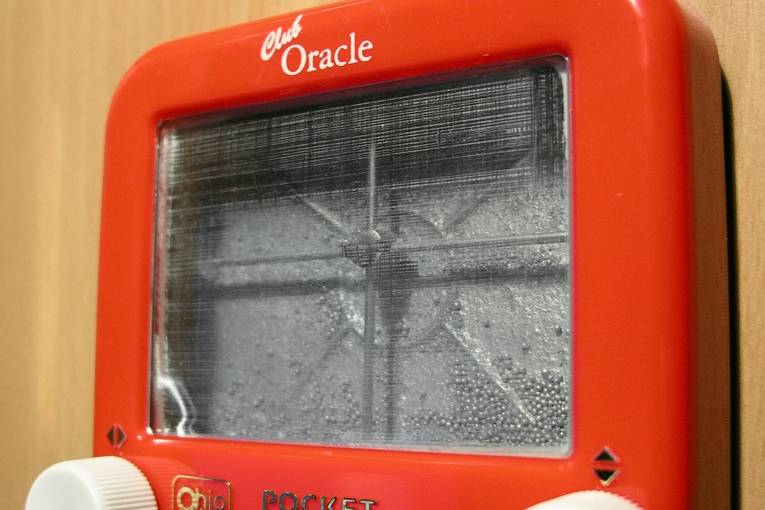
What makes the Etch A Sketch so fascinating is that there’s no ink, paint, or digital screen involved at all. Inside the sealed frame is a layer of aluminum powder and tiny plastic beads. The knobs control a stylus that scrapes the powder off the screen from the inside, revealing darker lines where the aluminum has been removed. Turning one knob moves the stylus horizontally, while the other controls vertical movement.
Because of this setup, drawing diagonals requires a steady combination of both knobs at the same time. That’s why even simple shapes can feel surprisingly difficult at first. There’s no way to “lift” the stylus either, which means every line is connected unless you shake the screen clean. The simplicity of the mechanism is part of what made it so enduring. It’s a purely physical system that still works the same way decades later.
3. It Became a Massive Holiday Sensation in the 1960s
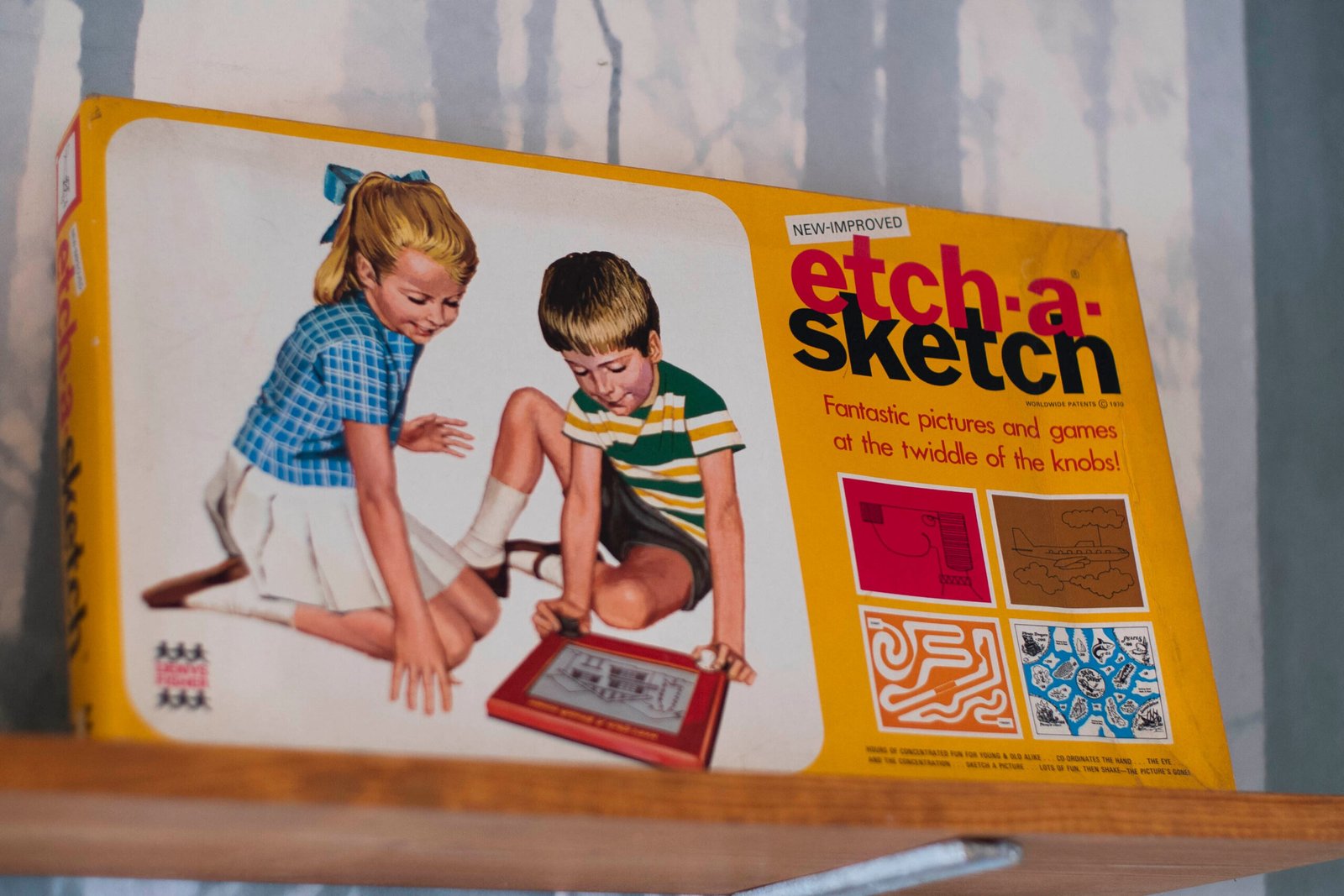
When the Etch A Sketch launched in 1960, it didn’t just quietly enter the market. It became one of the biggest toy hits of that holiday season almost immediately. Demand surged as kids and parents were drawn to the novelty of being able to “draw” without crayons or paper. By the end of that first Christmas season, millions of units had already been sold.
The toy stood out in a time when most children’s activities were more traditional and less interactive. Its success helped solidify the Ohio Art Company as a major player in the toy industry. Over the years, sales continued to climb into the tens of millions worldwide. Even today, it remains one of the most recognizable toys from the mid-20th century. Its popularity has proven to be unusually long-lasting compared to many fads from the same era.
4. Shaking It Isn’t Just for Fun, It’s How You Erase Everything
One of the most satisfying parts of using an Etch A Sketch is giving it a good shake and watching the screen reset. That isn’t just a gimmick, it’s how the toy actually clears the image. When you shake it, the aluminum powder inside redistributes evenly across the screen, covering up any lines that were previously drawn. The tiny beads help spread the powder smoothly so the surface looks clean again.
This design means there’s no permanent record of anything you draw. For kids, that often made the experience feel low-pressure, since mistakes could be erased instantly. At the same time, it also meant that anything impressive you created was temporary unless you took a photo. That balance between creativity and impermanence became part of the toy’s appeal. It encouraged experimentation without worrying about wasting materials.
5. Creating Detailed Art Takes Serious Skill
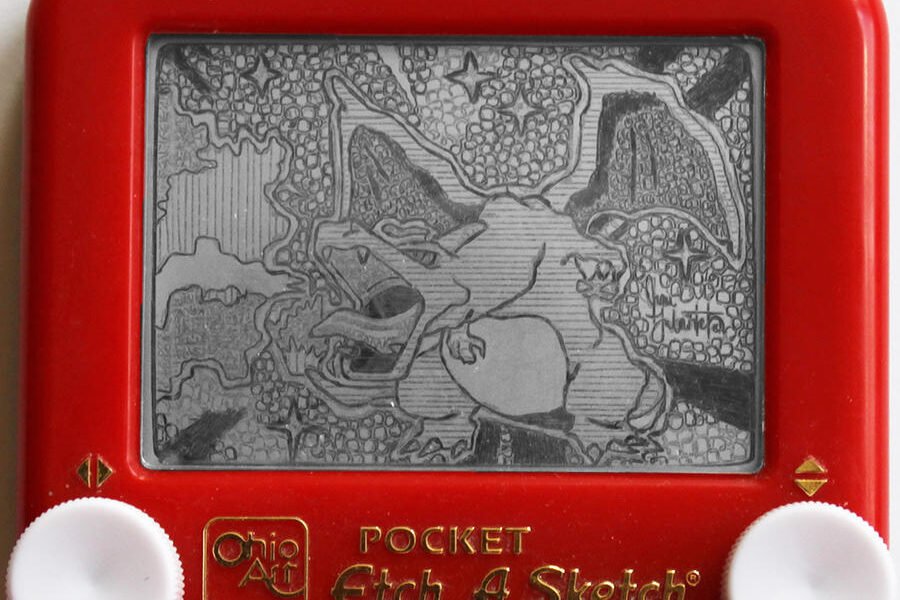
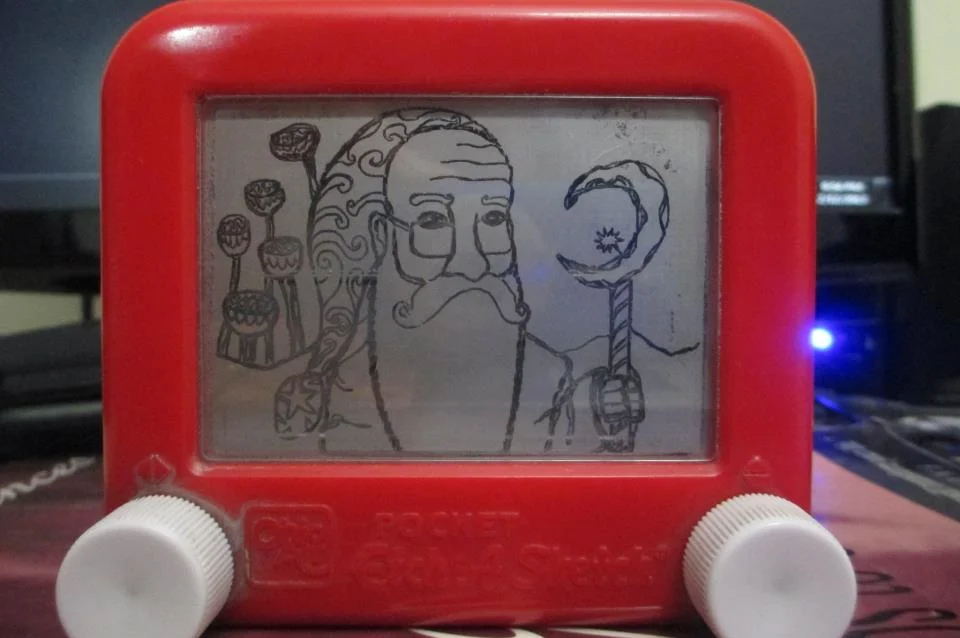
At first glance, the Etch A Sketch seems like a simple toy meant for basic doodles. But over time, some users have turned it into a serious artistic medium. Because you can’t lift the stylus and can only move in horizontal and vertical directions, creating curves and detailed images requires careful planning. Artists often have to mentally map out their entire drawing before they even start.
There are competitions and exhibitions dedicated to Etch A Sketch art, where people produce incredibly detailed portraits and landscapes. Some artists even avoid shaking the device for weeks while working on a single piece. The level of control needed is much higher than it looks from the outside. This has helped the toy gain a kind of cult following among creative hobbyists. It’s a reminder that limitations can sometimes lead to more inventive results.
6. It’s Been Updated, But the Core Design Hasn’t Changed
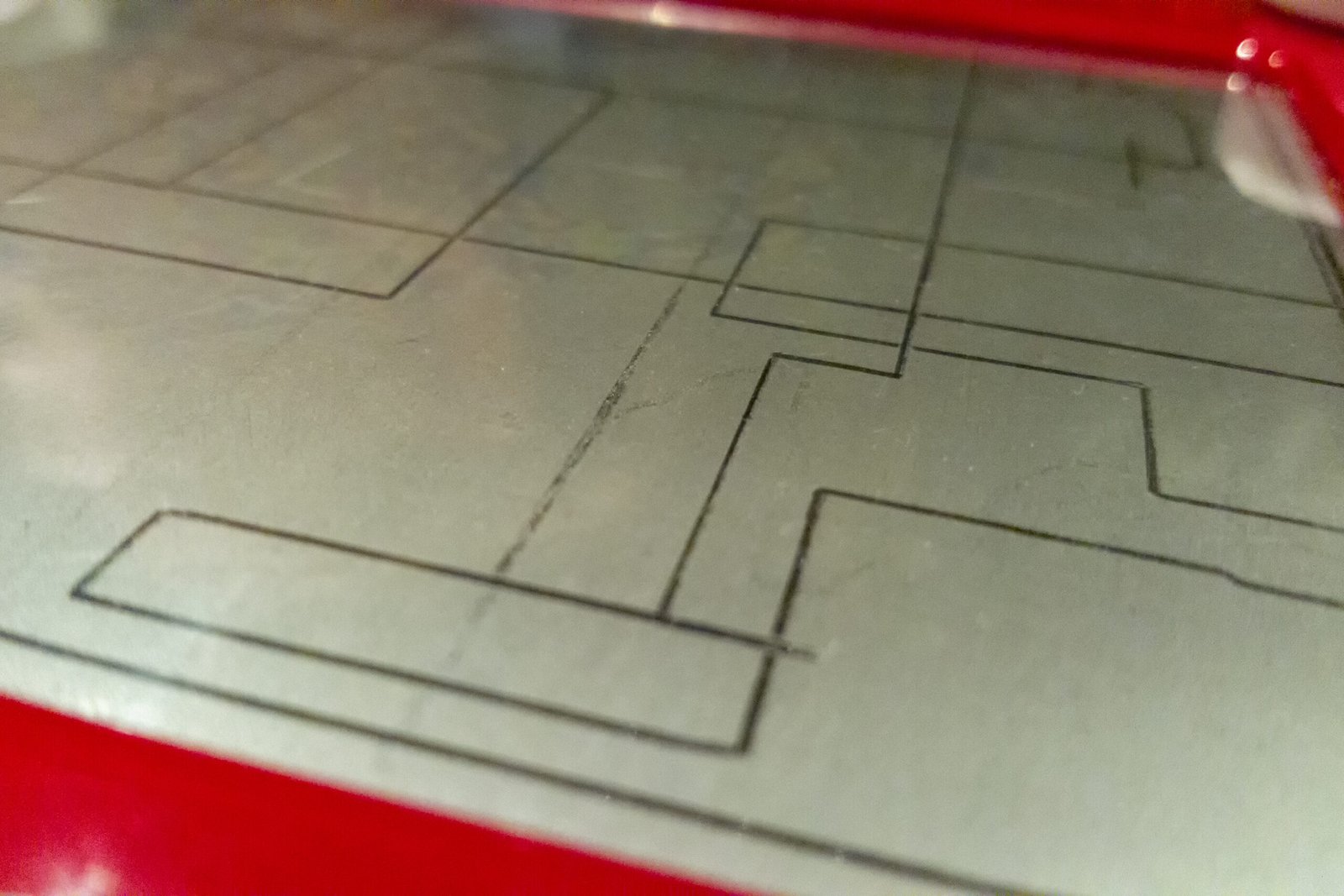
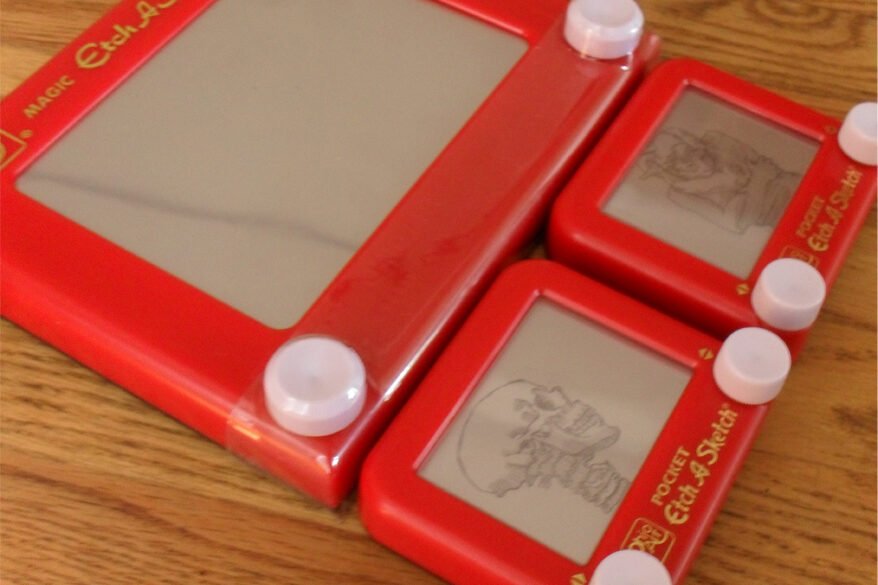
Over the decades, there have been various versions of the Etch A Sketch released. Some include color screens, different shapes, or even stylus variations aimed at younger children. Despite those updates, the core mechanism has remained essentially identical to the original design from 1960. The knobs, the internal powder, and the shake-to-erase function are all still there.
This consistency is part of why the toy feels so timeless. Unlike many products that are constantly redesigned, the Etch A Sketch hasn’t needed major changes to stay relevant. It continues to be sold in toy stores around the world. The fact that it still works without batteries or screens also gives it a different kind of appeal today. It stands in contrast to more modern, tech-driven toys.
7. It Even Made Its Way Into Pop Culture Moments
The Etch A Sketch has shown up in several memorable pop culture moments over the years. One of the most widely recognized appearances was in the Toy Story franchise, where the toy is portrayed as a character capable of drawing messages. That version kept the same basic functionality but added a personality that audiences connected with. It helped introduce the toy to a new generation of kids.
It has also been referenced in television, advertising, and even politics, where the idea of “shaking things up” has been used metaphorically. The toy’s instantly recognizable design makes it easy to reference visually and conceptually. Even people who haven’t used one in years can usually picture exactly how it works. That kind of cultural staying power is rare for a simple mechanical toy. It has managed to remain relevant long after its original debut.