
1. Clint Eastwood
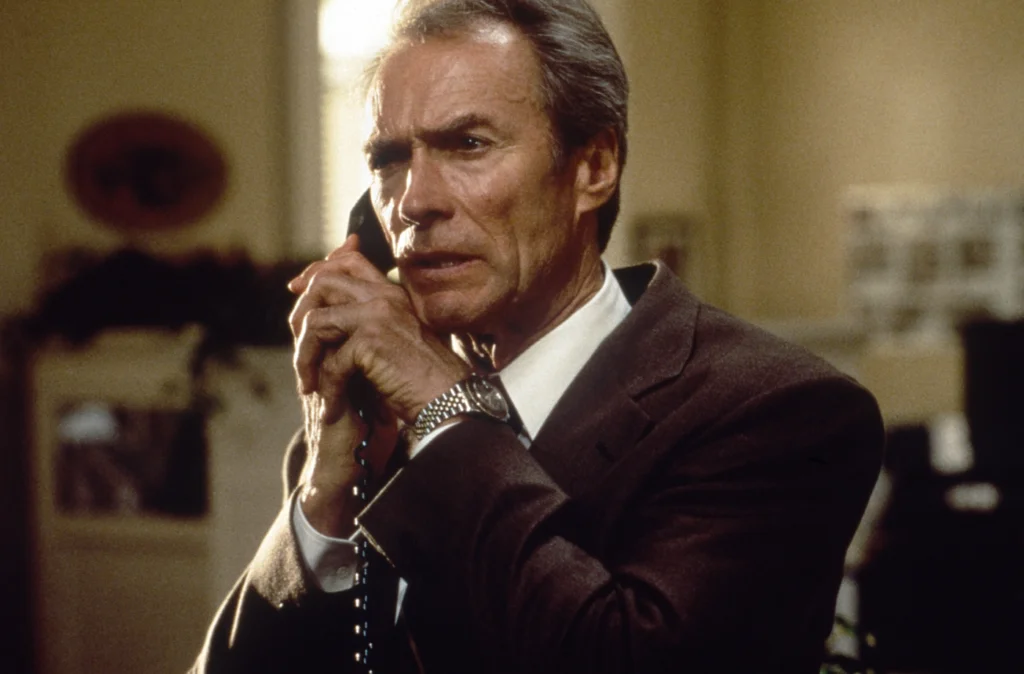
Before he was the squinting face of tough-guy cinema, Clint Eastwood was drafted into the U.S. Army during the Korean War. He ended up stationed at Fort Ord in California, which, in a twist of fate, kept him stateside rather than overseas. One of the most dramatic moments of his service came when he survived a plane crash into the Pacific Ocean after a mechanical failure. He had to swim to shore, something he has referenced in later interviews as a formative experience. At the time, acting wasn’t even on his radar in a serious way.
Eastwood’s time in the Army didn’t make him famous, but it shaped his discipline and quiet confidence. After his discharge, he began taking acting classes and eventually landed roles that led to Rawhide and later Dirty Harry. There’s something fitting about the fact that his calm, controlled screen presence traces back to real-life experiences that required exactly that. It’s one of those backstories that makes his later roles feel less like acting and more like an extension of who he already was.
2. Morgan Freeman
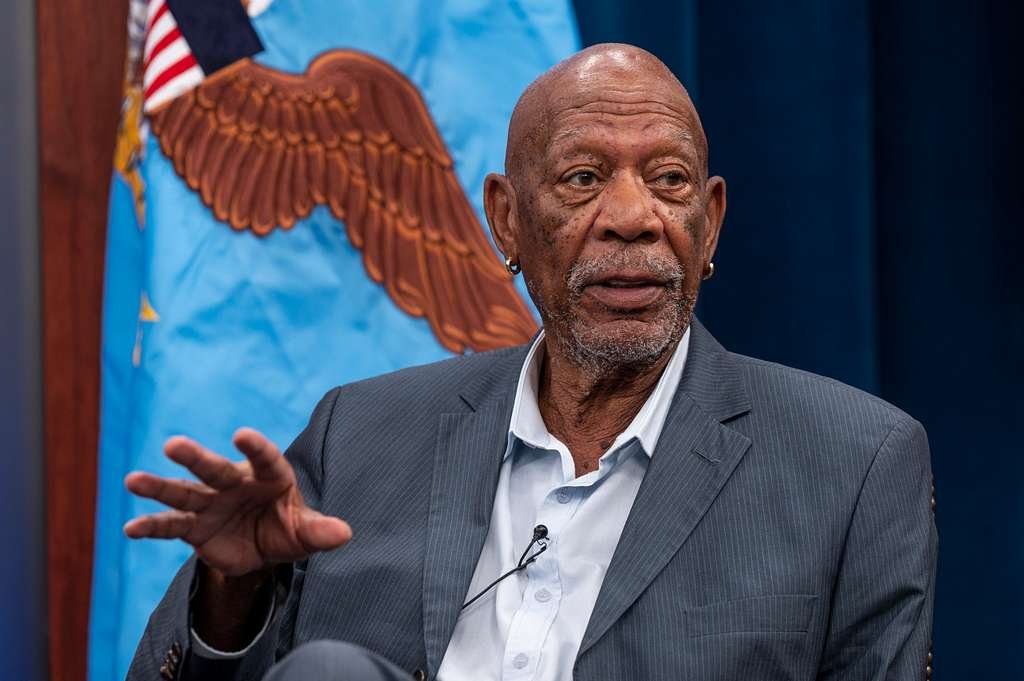
Morgan Freeman joined the U.S. Air Force right after high school, turning down a partial college scholarship to pursue aviation. He served as a radar technician from 1955 to 1959, stationed primarily in Texas. Freeman has said that he initially dreamed of becoming a fighter pilot, but the reality of military life shifted his perspective. Watching planes take off made him realize he preferred watching to doing, a realization that nudged him toward acting.
His military experience didn’t directly lead to Hollywood, but it gave him time to reflect on what he really wanted. After leaving the Air Force, he moved to Los Angeles and began studying acting seriously. That measured, thoughtful presence he brings to roles like in The Shawshank Redemption feels consistent with someone who spent years observing and thinking. It’s not hard to imagine those early years helping shape the voice and authority audiences now instantly recognize.
3. Elvis Presley
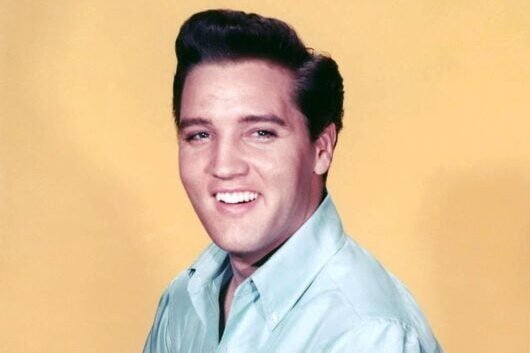
Before becoming a global music and film icon, Elvis Presley was drafted into the U.S. Army in 1958 at the height of his fame. He served in Germany, where he was treated largely like any other soldier rather than a celebrity. During his service, he met Priscilla Beaulieu, who would later become his wife. Presley’s time in the military also exposed him to different cultures and experiences that subtly influenced his later work.
Unlike some stars who used connections to avoid service, Presley embraced it, which earned him public respect. He completed his service in 1960 and returned to a career that quickly resumed its upward trajectory. His films and music took on a slightly more polished image after his return, reflecting a shift in both public perception and personal maturity. It remains one of the most talked-about examples of a superstar stepping away at their peak to serve.
4. Paul Newman
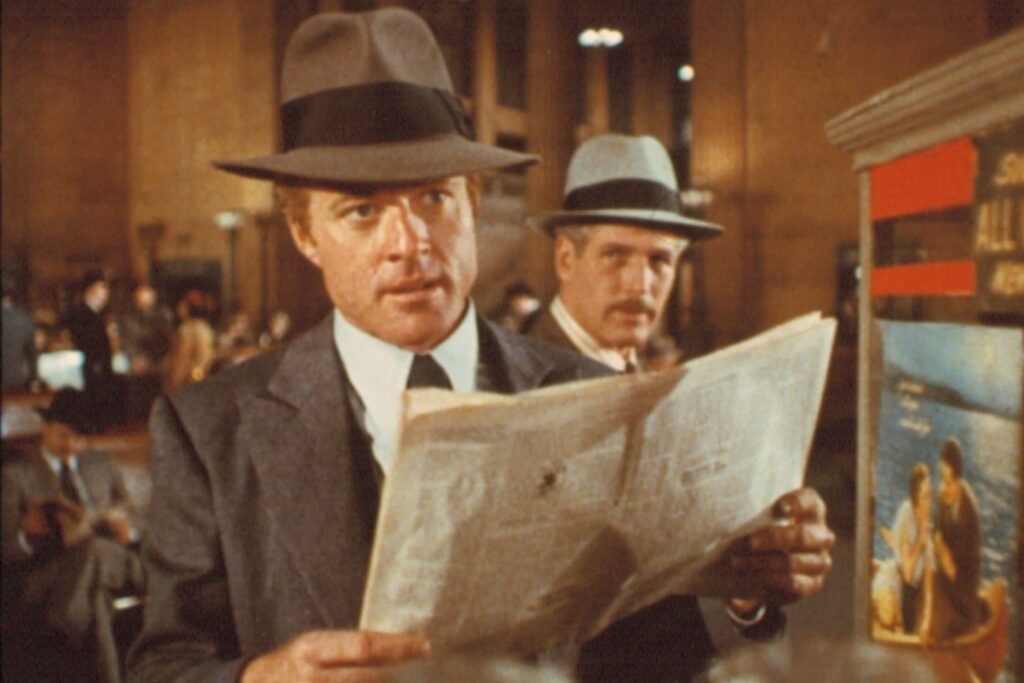
Paul Newman served in the U.S. Navy during World War II, training as a pilot before becoming a radioman-gunner. He was stationed in the Pacific theater, though he never saw combat due to a color vision deficiency that kept him from flying. Still, he participated in missions and training exercises that were far from routine. His time in the Navy came during a formative period in his early twenties.
After the war, Newman took advantage of the G.I. Bill to attend college, eventually studying drama at Yale. That transition from military life to the arts might seem unlikely, but it wasn’t uncommon for veterans seeking a new direction. Newman’s grounded, introspective acting style often reflected a sense of life experience beyond his years. It’s easy to see how those early responsibilities influenced the steady presence he brought to films like Cool Hand Luke.
5. Jimmy Stewart
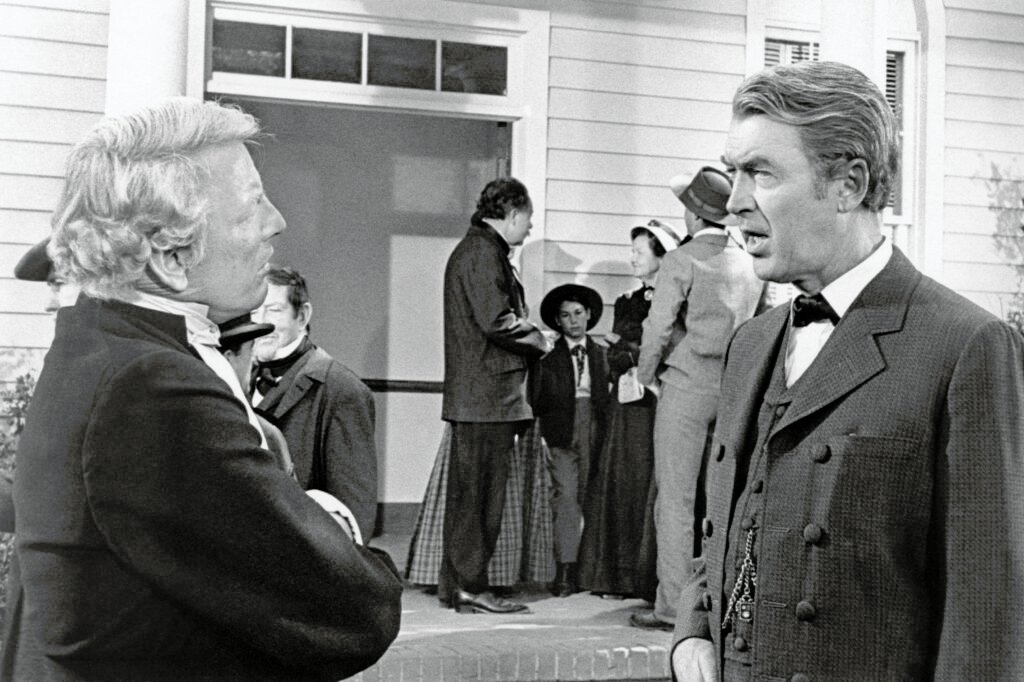
Jimmy Stewart’s military service is one of the most substantial among Hollywood actors. He enlisted in the U.S. Army Air Corps before the U.S. officially entered World War II and became a highly decorated pilot. Stewart flew combat missions over Europe and eventually rose to the rank of brigadier general in the Air Force Reserve. His service included real danger, not just symbolic involvement.
When he returned to acting after the war, there was a noticeable shift in his performances. Films like It’s a Wonderful Life carried a deeper emotional weight that many attribute to his wartime experiences. Stewart remained involved in the military long after his acting career resumed, continuing to serve in the reserves. His story stands out because he didn’t just serve, he built a second career in uniform alongside his Hollywood legacy.
6. Mel Brooks
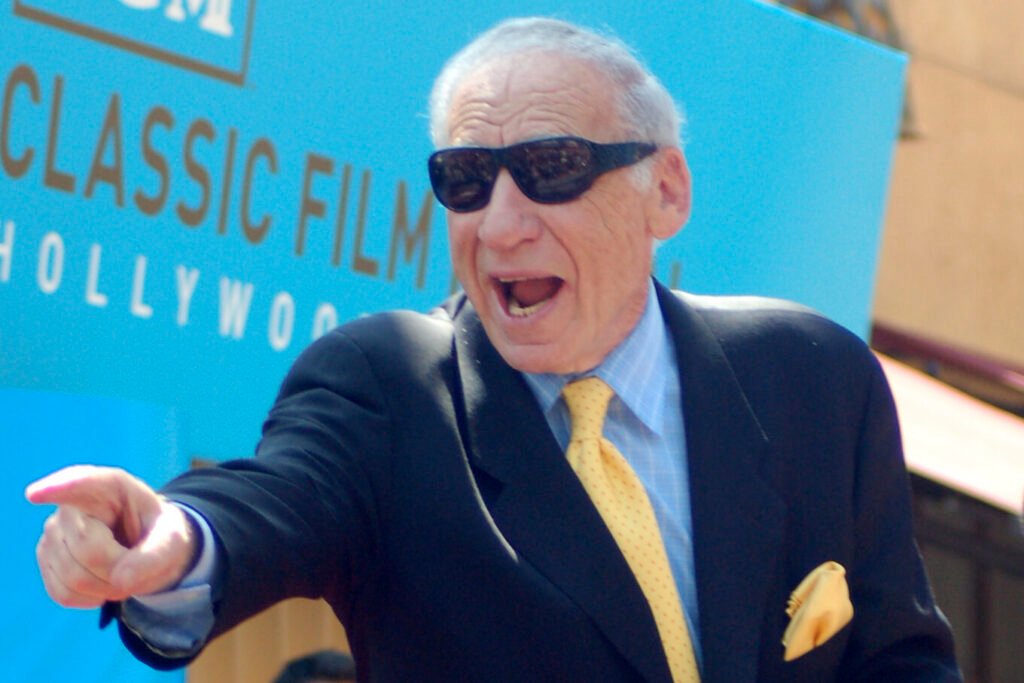
Mel Brooks served in the U.S. Army during World War II as a combat engineer. He was part of the 1104th Engineer Combat Battalion and helped defuse land mines in Europe, a dangerous and highly technical role. Brooks has spoken about how the experience exposed him to both the horrors of war and the absurdity that sometimes accompanies it. That mix would later influence his comedic style.
After the war, Brooks used humor as a way to process what he had seen and experienced. His later work, including Blazing Saddles and Young Frankenstein, often blended sharp satire with a sense of controlled chaos. It’s striking to think that one of comedy’s most fearless voices started out doing something so serious and life-threatening. The contrast between his military role and his later career is part of what makes his story so compelling.
7. Adam Driver
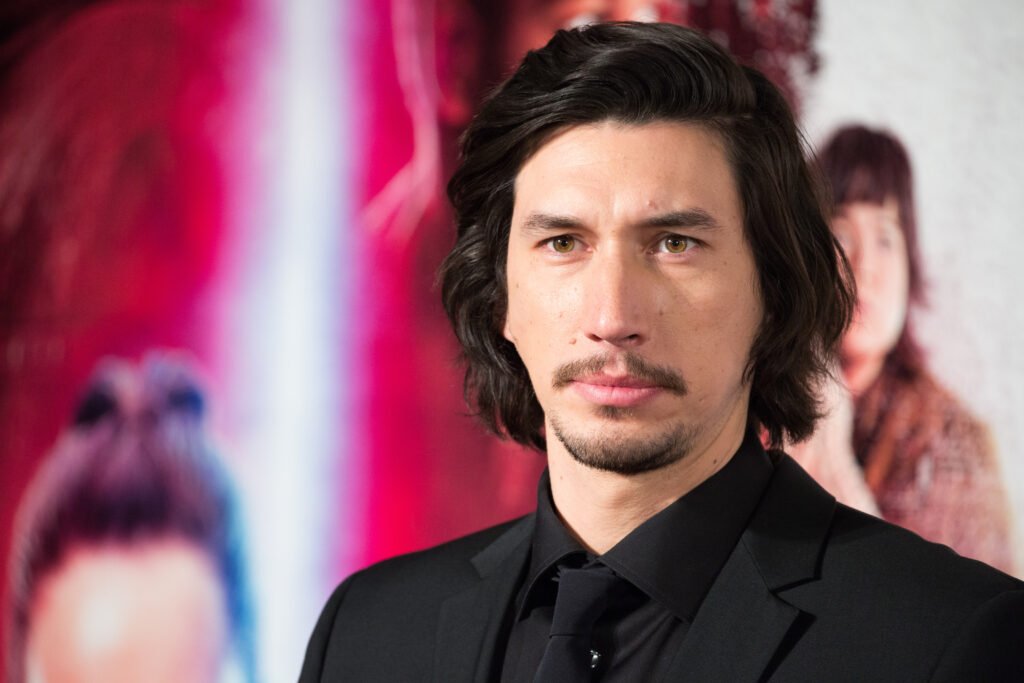
Adam Driver enlisted in the U.S. Marine Corps shortly after the September 11 attacks. He served for about two years and was medically discharged after a mountain biking accident that injured his sternum. During his time in the Marines, he trained extensively and developed a strong sense of discipline and focus. Acting wasn’t initially part of his plan.
After leaving the military, Driver attended Juilliard, where he began honing his craft. That transition from Marine to actor might seem abrupt, but it’s something he has described as a natural shift once he found a new direction. His intensity on screen, especially in roles like Marriage Story and Star Wars, often reflects that disciplined background. It’s one of those cases where the military experience clearly carries over into the emotional depth of his performances.
8. Drew Carey
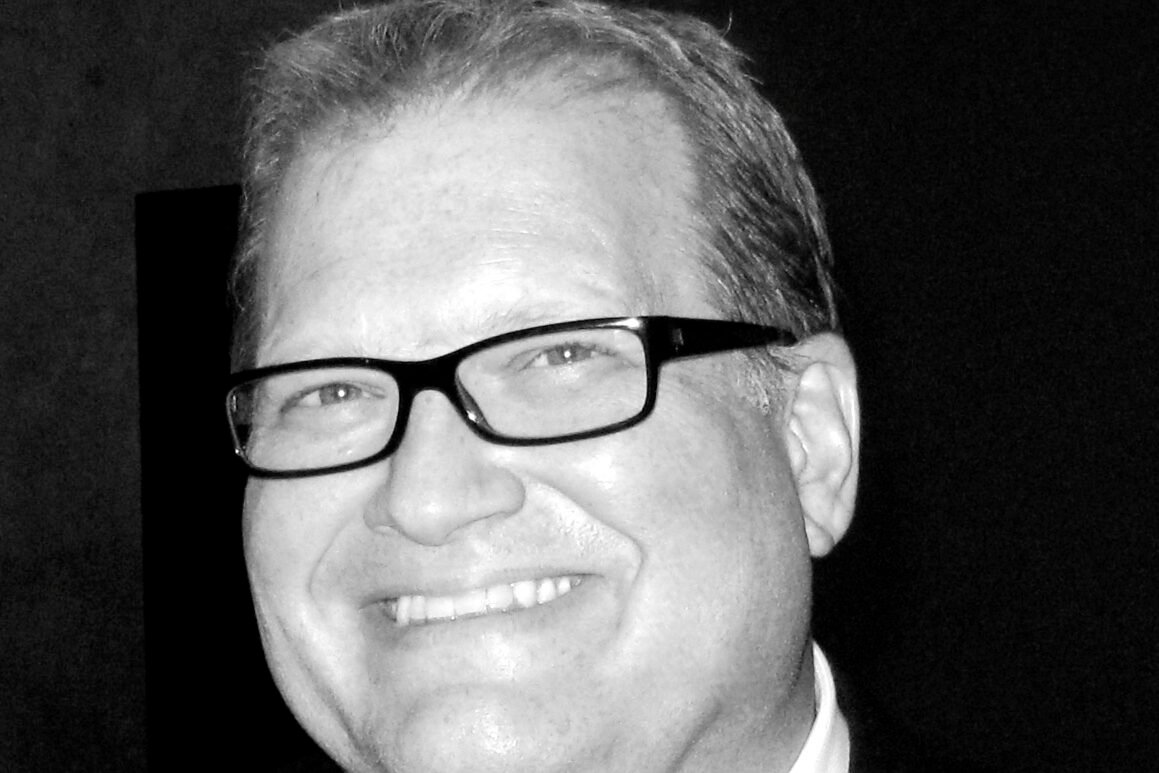
Before becoming a household name in comedy, Drew Carey served in the U.S. Marine Corps Reserve. He enlisted in 1980 and served for six years, working as a field radio operator. Carey has often spoken about how the Marines gave him structure at a time when he needed it most. It also helped him develop the confidence that would later serve him well on stage.
After his service, Carey turned to stand-up comedy, eventually leading to The Drew Carey Show and hosting The Price Is Right. His easygoing, everyman persona contrasts with the discipline required in the military, but the foundation is still there. He has remained supportive of military causes and frequently acknowledges that period as a turning point. It’s a reminder that some of the most relatable entertainers have surprisingly rigorous beginnings.
9. James Earl Jones
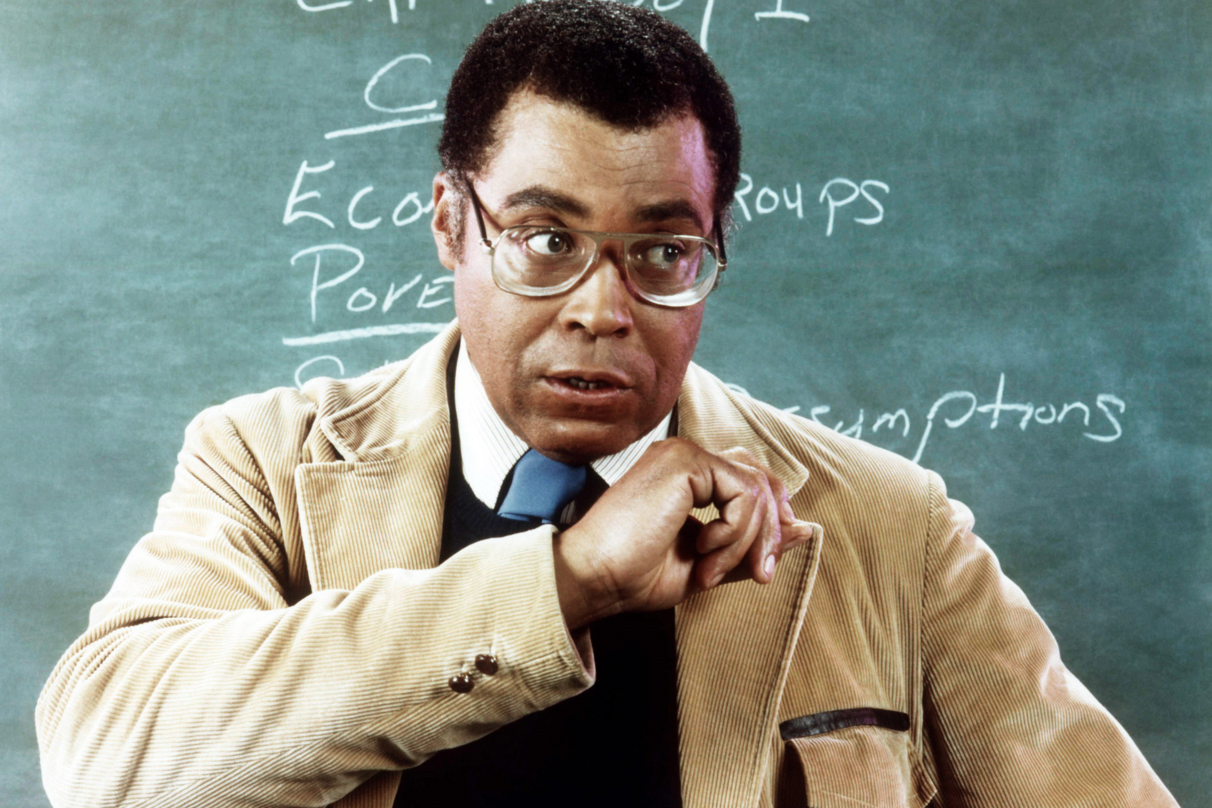
James Earl Jones served in the U.S. Army during the Korean War and reached the rank of first lieutenant. He was part of a Ranger training program and was stationed in Colorado. Jones has spoken about how his military experience helped him develop confidence, something he struggled with due to a childhood stutter. That period of growth proved critical in shaping his later career.
After leaving the Army, Jones pursued acting and eventually became one of the most recognizable voices in entertainment. From Star Wars to The Lion King, his voice carries authority and depth that feel earned rather than performed. It’s hard to separate that commanding presence from the discipline and self-assurance he built during his service. His journey is a clear example of how personal challenges and structured environments can intersect in meaningful ways.
10. Alan Alda
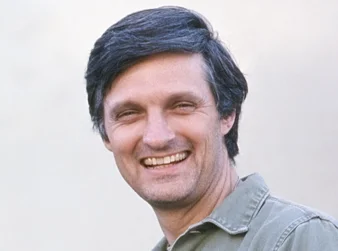
Alan Alda served in the U.S. Army Reserve after college, completing a six-month active duty tour. He was stationed at Fort Benning, Georgia, where he trained as a gunnery officer. Alda has shared stories about the challenges of military life, including dealing with extreme conditions during training exercises. Those experiences stayed with him long after his service ended.
Years later, Alda would draw on those memories while starring in MASH*, one of television’s most iconic shows about military life. His portrayal of Hawkeye Pierce carried a sense of authenticity that resonated with audiences. It wasn’t just acting, it felt informed by real experience. That connection between past and performance is part of what made his work so memorable.
11. Chuck Norris
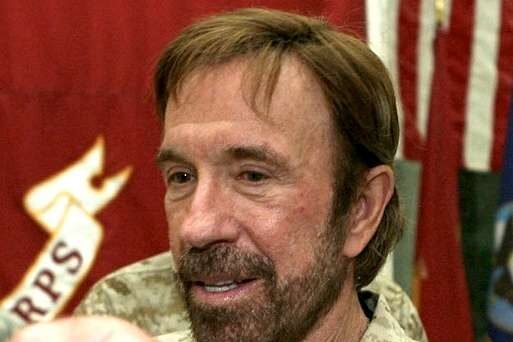
Chuck Norris joined the U.S. Air Force in 1958 and was stationed in South Korea as an air policeman. It was during his time there that he began studying martial arts, which would later define his career. Norris developed his skills in Tang Soo Do and eventually became a black belt. His military posting played a direct role in shaping his future path.
After leaving the Air Force, Norris opened martial arts schools and began competing professionally. That eventually led to film roles and his long-running series Walker, Texas Ranger. His disciplined, no-nonsense persona on screen closely mirrors the structure of his early training. In his case, the connection between military service and later fame is especially direct and easy to trace.
12. Gene Hackman
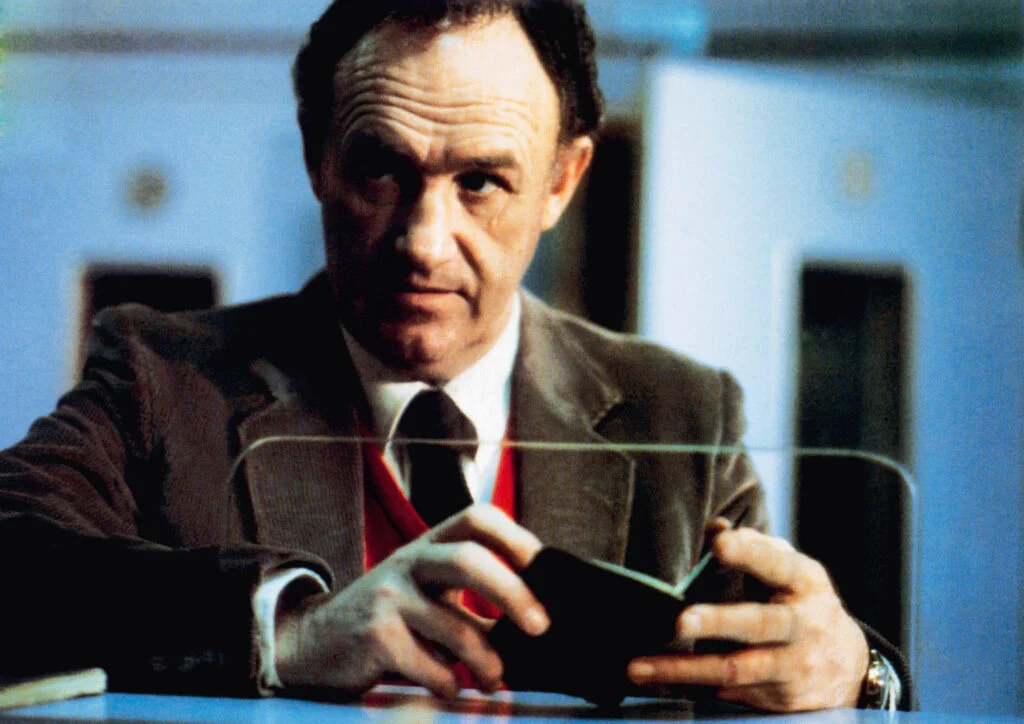
Gene Hackman served in the U.S. Marine Corps after lying about his age to enlist at 16. He spent over four years in the service, stationed in places like China and Japan. Hackman worked as a field radio operator, a role that required both technical skill and reliability. His time in the Marines ended before he ever considered acting as a serious career.
After his discharge, Hackman struggled to find direction before eventually studying acting at the Pasadena Playhouse. His gritty, realistic performances in films like The French Connection often reflected a toughness that felt lived-in rather than performed. That sense of authenticity likely has roots in his early experiences. It’s another example of how unconventional paths can lead to some of Hollywood’s most compelling careers.
13. Tom Selleck
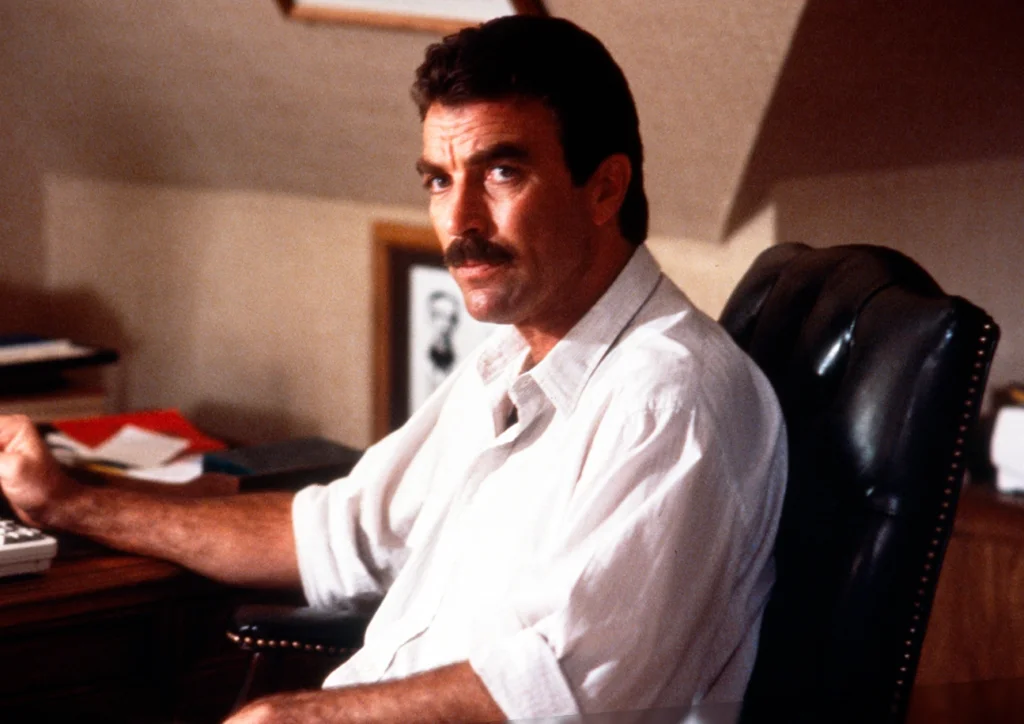
Tom Selleck served in the California Army National Guard during the Vietnam War era. He was part of the 160th Infantry Regiment from 1967 to 1973. While he did not see combat overseas, his service still required training and commitment during a tense period in U.S. history. Selleck has spoken respectfully about his time in uniform and the responsibilities it carried.
After completing his service, Selleck pursued acting and eventually became a star with Magnum, P.I.. His confident, steady presence on screen aligns with the discipline associated with military training. He has remained an advocate for veterans and often reflects on that chapter of his life with pride. It’s a quieter form of service compared to some others on this list, but no less significant in shaping who he became.