
1. Abbott and Costello
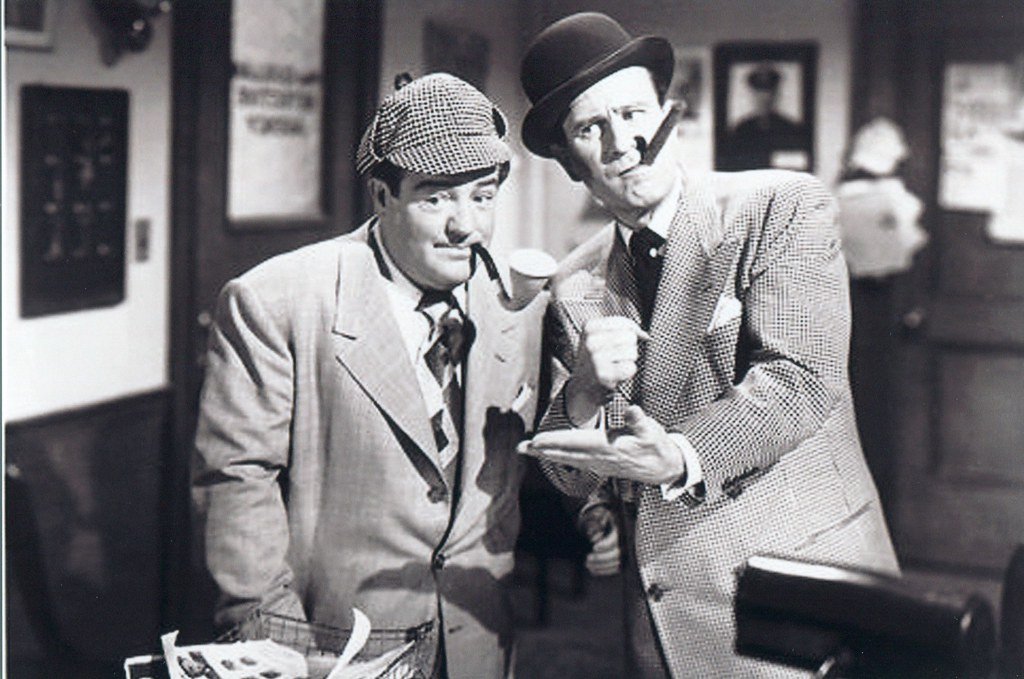
Bud Abbott and Lou Costello were one of the most successful comedy teams of the 1940s, with routines like “Who’s on First?” becoming legendary. Onscreen, their timing felt effortless, but behind the scenes, things were far more complicated. By the mid-1940s, their partnership had grown tense due to financial disputes and disagreements over billing. Costello believed he deserved a larger share of earnings, especially as his popularity grew with audiences. Abbott, who handled much of the business side, saw things differently.
The strain eventually became personal, with the two barely speaking off-camera in their later years together. Their partnership officially ended in 1957, and they never reconciled before Costello’s death in 1959. Despite their differences, their comedy remains tightly woven together, which makes the contrast even more striking. It is one of those cases where the act stayed seamless even as the relationship unraveled.
2. Martin and Lewis
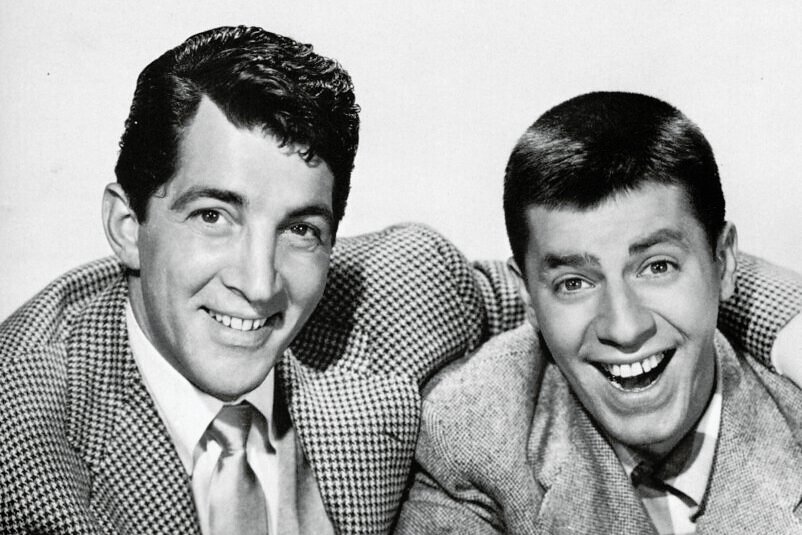
Dean Martin and Jerry Lewis were everywhere in the late 1940s and early 1950s, from nightclubs to films and television. Their chemistry made them one of the most beloved comedy duos of their era. But as Lewis became the bigger star, creative control became a constant source of friction. Martin felt overshadowed and increasingly frustrated with Lewis’s growing influence over their work.
By 1956, the tension reached a breaking point, and the duo split. For years afterward, they barely spoke, and the estrangement became well known in Hollywood. It took decades for them to appear together again publicly, thanks to Frank Sinatra orchestrating a brief reunion in 1976. Even then, it was more symbolic than a true reconciliation. Their partnership remains a classic example of success paired with personal incompatibility.
3. Cheech and Chong
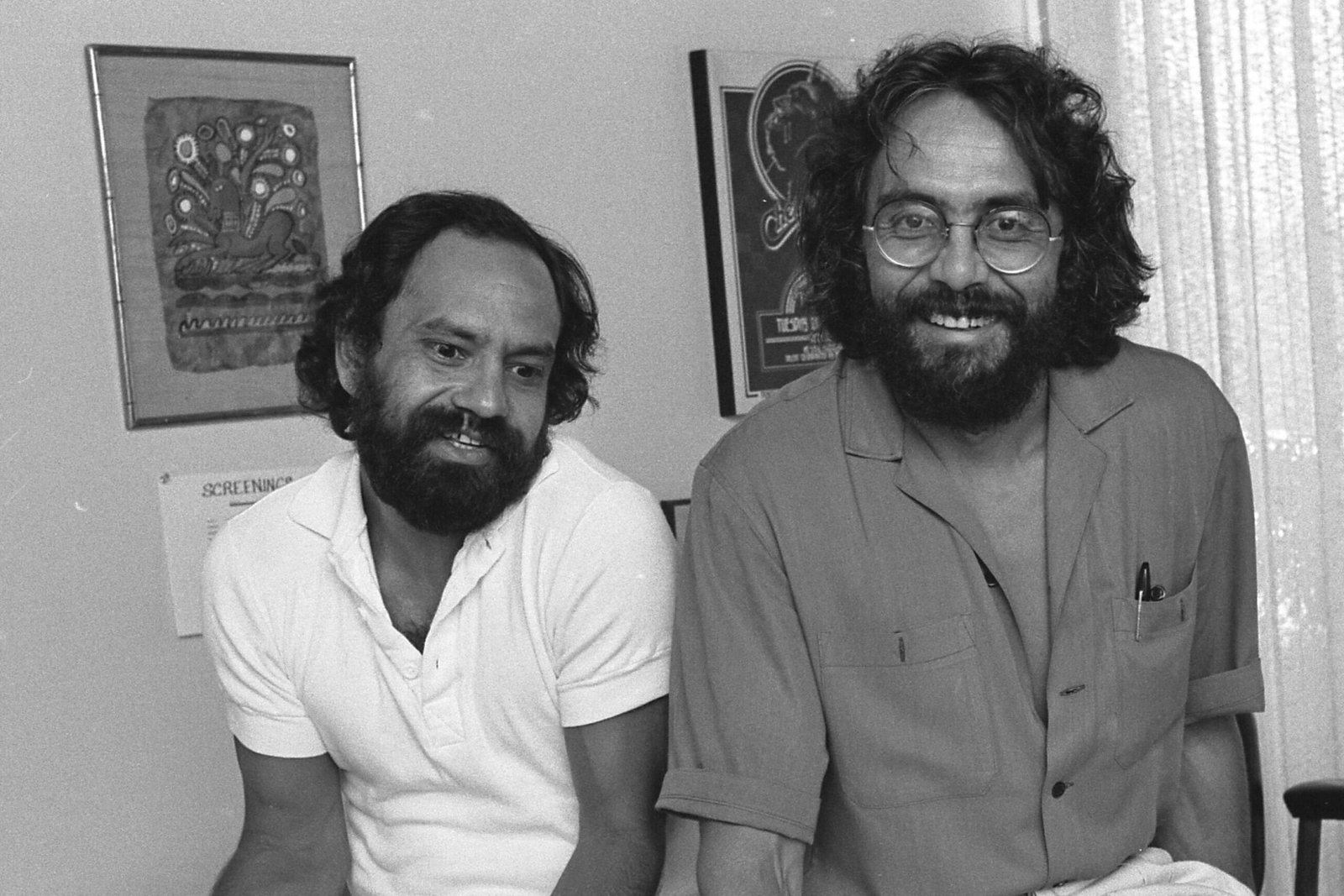
Cheech Marin and Tommy Chong defined a generation of counterculture comedy with their laid-back, cannabis-infused humor. Their films and albums were hugely popular in the 1970s and early 1980s. However, creative differences began to surface as Marin wanted to branch out into more mainstream acting roles. Chong, meanwhile, preferred to stick with their established comedic style.
The disagreement led to a split in the mid-1980s, and the two did not work together for years. Marin later spoke openly about feeling limited by the duo’s brand. Although they eventually reunited for tours decades later, the earlier tension was real and significant. Their story shows how evolving ambitions can pull even successful partnerships apart.
4. The Smothers Brothers
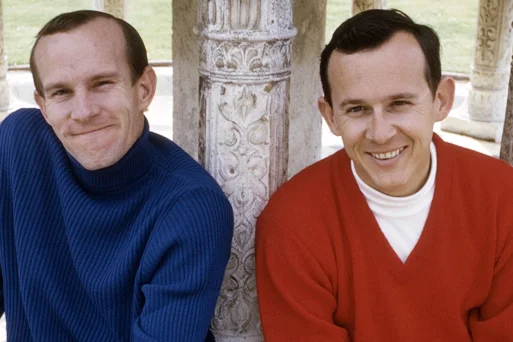
Tom Smothers and Dick Smothers built a career on sibling banter that felt playful but was rooted in real dynamics. Their television show, The Smothers Brothers Comedy Hour, became known for its sharp political satire. Behind the scenes, the brothers often clashed over creative direction and control. Tom, the more politically outspoken of the two, frequently pushed boundaries that Dick was less comfortable with.
Their disagreements were not just professional but deeply personal, reflecting long-standing sibling tensions. These conflicts persisted even after their show was canceled in 1969. Although they continued performing together over the years, their relationship remained complicated. Their act worked in part because it drew from that genuine friction.
5. Mike Nichols and Elaine May
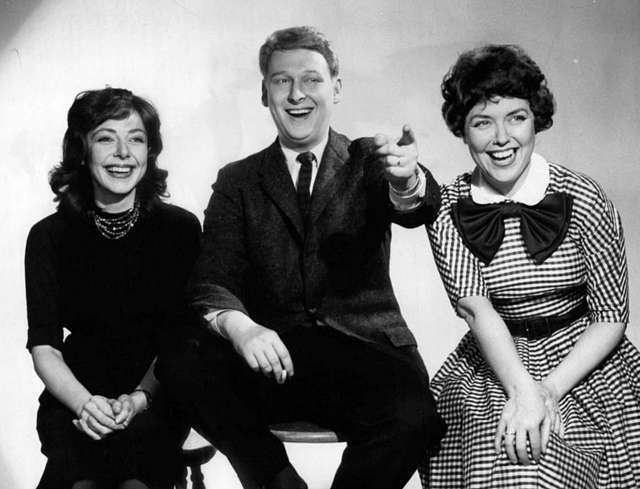
Mike Nichols and Elaine May were a groundbreaking improvisational duo in the late 1950s and early 1960s. Their sharp, intelligent sketches earned critical acclaim and a devoted audience. However, their working relationship became increasingly strained as both pursued individual creative visions. May was known for her perfectionism, while Nichols grew frustrated with delays and disagreements.
The tension ultimately led to their split in 1961 at the height of their success. Although both went on to have major careers, they did not continue as a performing duo. Their breakup surprised fans who saw them as inseparable. It is a classic case of artistic brilliance colliding with incompatible working styles.
6. The Marx Brothers
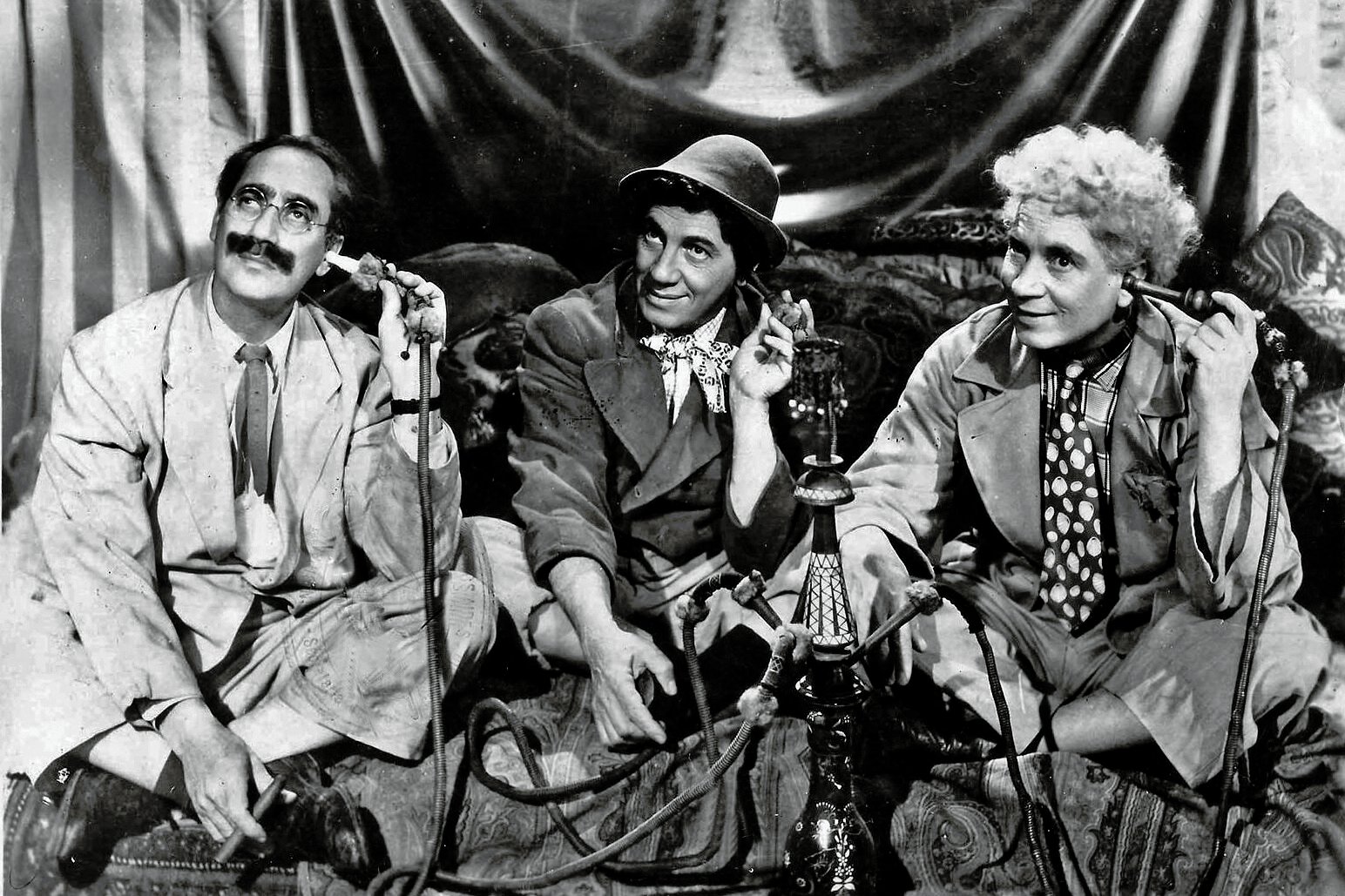
Groucho Marx, Chico Marx, and Harpo Marx created some of the most influential comedy films of the early 20th century. While they appeared unified onscreen, their offscreen relationships were more complex. Groucho, in particular, had a more distant and sometimes strained relationship with his brothers. Financial issues and personality differences added to the tension over time.
Chico’s gambling habits also caused friction within the group, especially when it affected their finances. Although they continued working together for years, the closeness often associated with sibling acts was not always present. Their professional success masked underlying disagreements. Still, their films remain tightly coordinated despite those personal challenges.
7. Monty Python (Cleese and the Group)
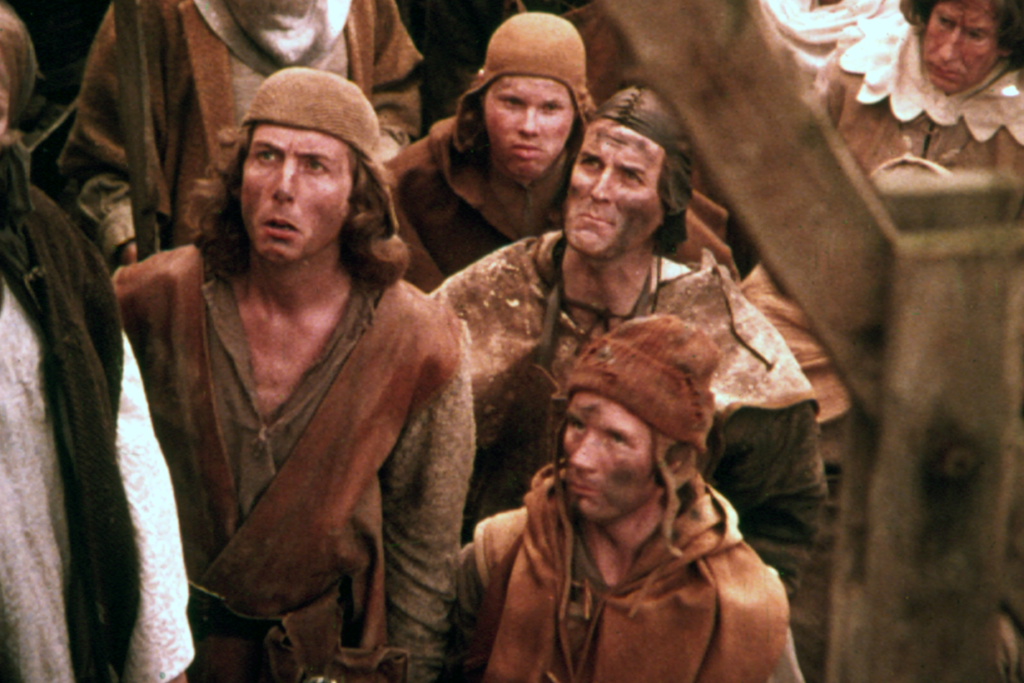
John Cleese was a central figure in Monty Python, but his relationship with the rest of the troupe became strained over time. While the group functioned collaboratively, Cleese often clashed with others over writing and creative direction. He eventually left the team before their final projects were completed. Differences in comedic style and decision-making played a role.
Cleese has spoken openly about disagreements, particularly regarding how sketches were developed. While not outright hostility, the friction was significant enough to affect the group’s cohesion. Despite this, their body of work remains cohesive and influential. It is a reminder that even collaborative groups can have strong internal divisions.
8. The Three Stooges (Later Lineups)
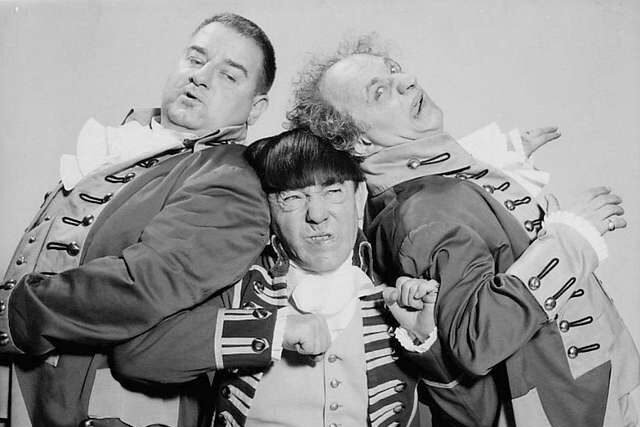
The Three Stooges went through several lineup changes, and not all of them were smooth. While Moe Howard remained the constant leader, tensions arose with different members over contracts and direction. When Shemp Howard replaced Curly due to illness, and later when Joe Besser joined, the dynamics shifted significantly. Not all members got along well behind the scenes.
In particular, Besser reportedly resisted the physical comedy style that defined the group, causing friction with Moe. These disagreements affected both performances and morale. Although the brand remained strong, the interpersonal relationships were not always stable. The revolving door of members reflected those ongoing tensions.
9. Bob Hope and Bing Crosby
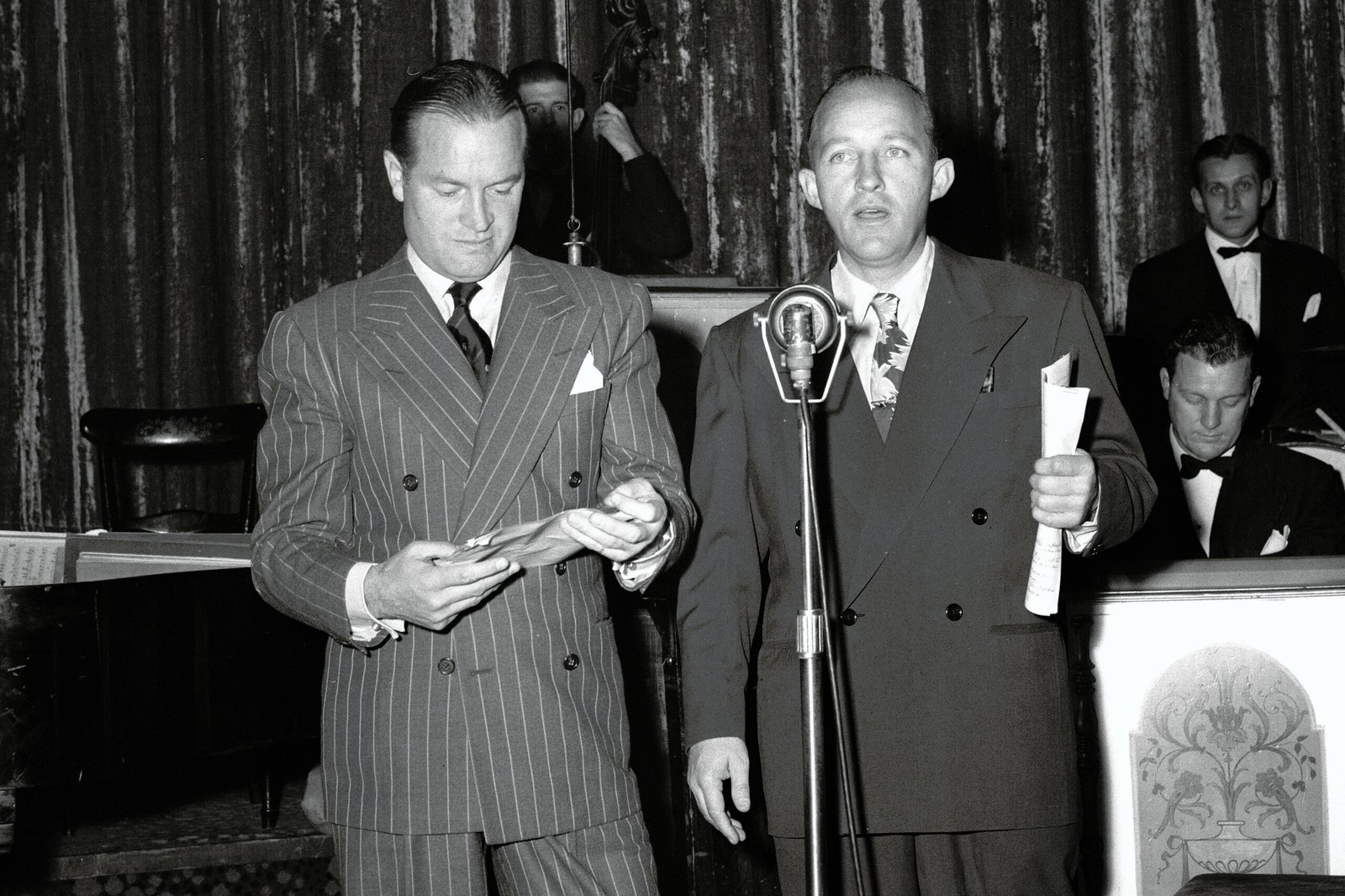
Bob Hope and Bing Crosby starred together in the popular “Road to…” films. Their onscreen chemistry relied on playful rivalry, which audiences loved. Offscreen, however, there was a real competitive edge between them. Each was highly conscious of his own star power and public image.
While they maintained a working relationship, there were underlying tensions about billing and recognition. Hope was known for his relentless work ethic, while Crosby had a more relaxed approach, which sometimes caused friction. Their partnership endured professionally, but it was not without strain. The rivalry that fueled their humor was not entirely fictional.
10. Mike Myers and Dana Carvey
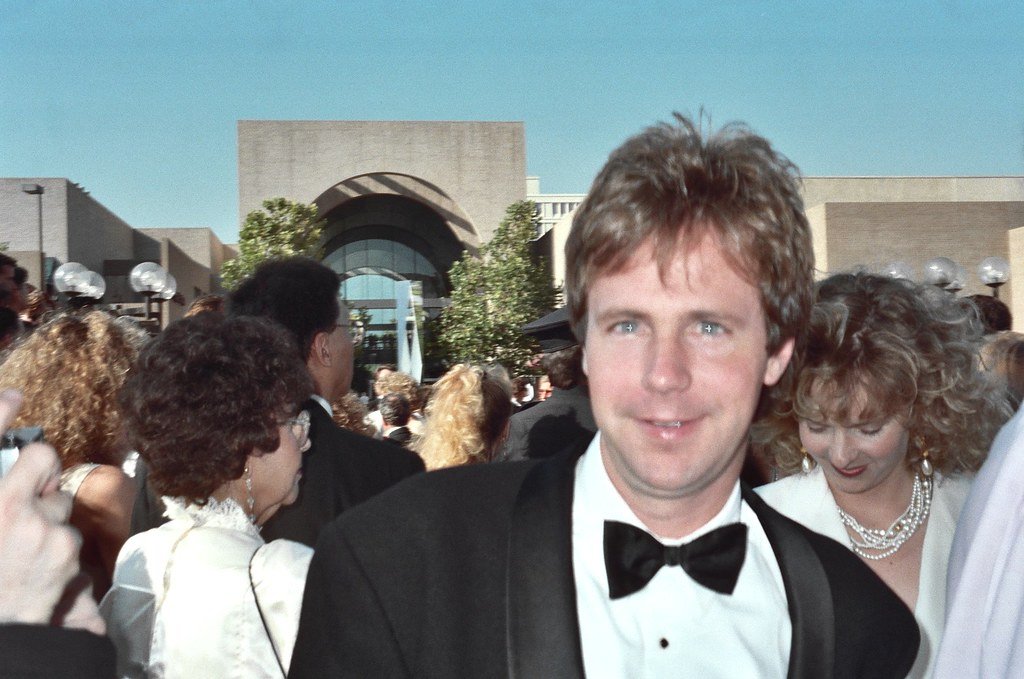
Mike Myers and Dana Carvey rose to fame together on Saturday Night Live and later with the Wayne’s World films. Their characters became cultural icons in the early 1990s. However, tension reportedly developed after Myers used a character in Austin Powers that Carvey felt was too similar to one of his own impressions. Carvey later spoke about feeling hurt by the situation.
Although they have both downplayed the conflict at times, the issue created a noticeable strain in their relationship. They did not collaborate frequently after their initial success. Over time, their relationship appears to have softened, but the earlier tension is well documented. It highlights how creative overlap can lead to conflict.
11. Harold Ramis and Bill Murray
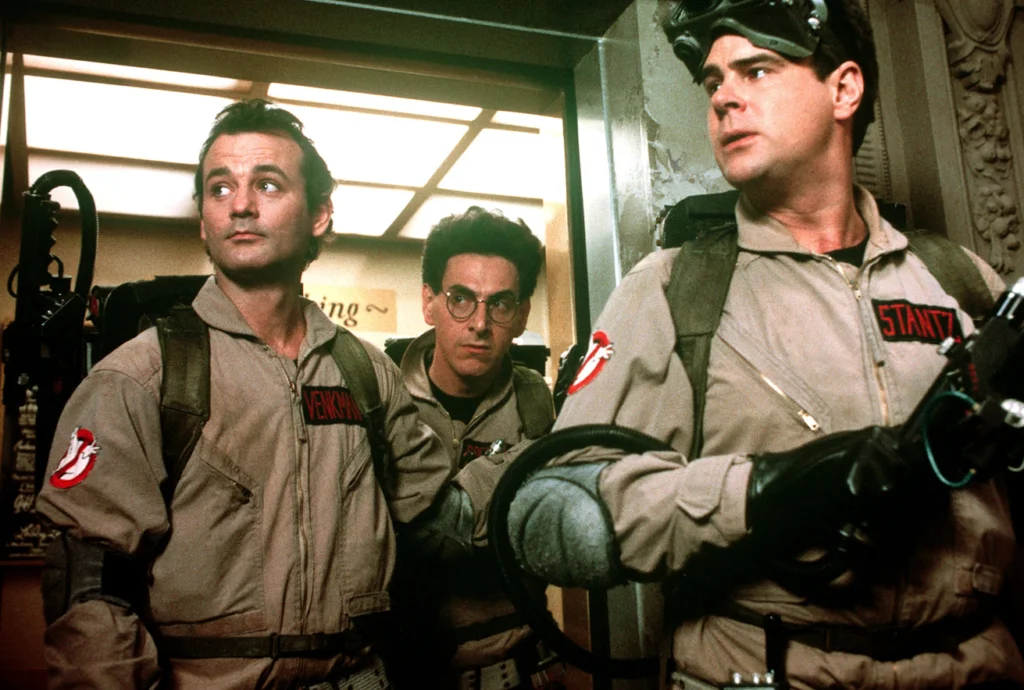
Harold Ramis and Bill Murray collaborated on several classic comedies, including Ghostbusters. Their partnership was highly successful, blending Ramis’s structured approach with Murray’s improvisational style. However, during the filming of Groundhog Day, their relationship became strained. Differences in work style and personal issues contributed to the conflict.
The two reportedly did not speak for years after the film’s release. It was only shortly before Ramis’s death in 2014 that they reconciled. Their creative partnership produced enduring work, but the personal cost was significant. It is one of the more well-known behind-the-scenes rifts in comedy.
12. Will Ferrell and Adam McKay
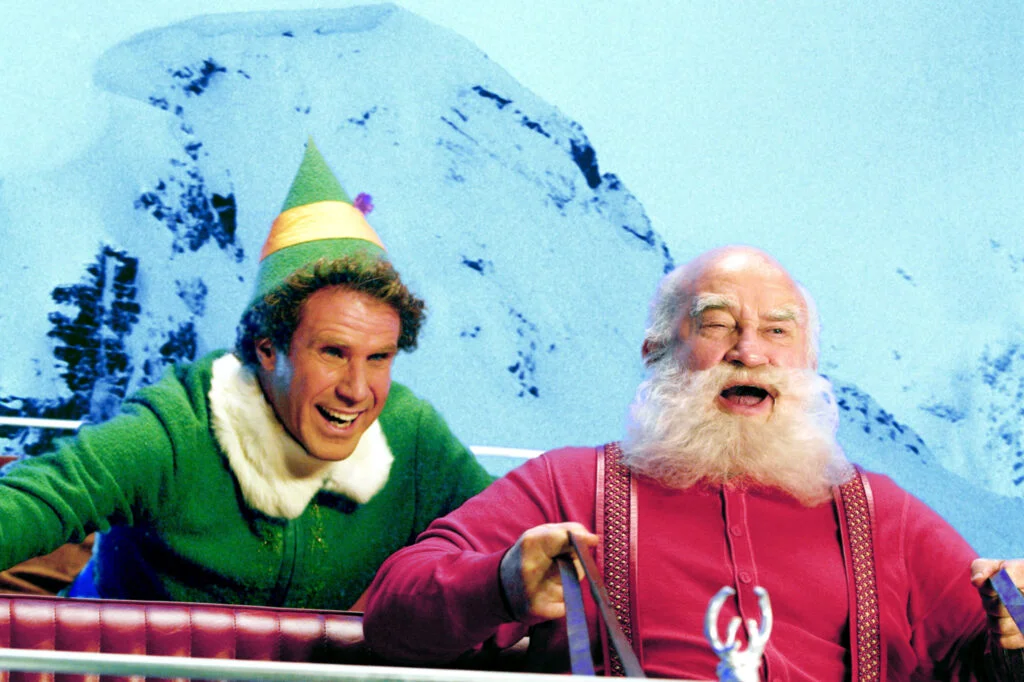
Will Ferrell and Adam McKay were responsible for some of the most popular comedies of the 2000s, including Anchorman. For years, they worked closely through their production company, Gary Sanchez Productions. However, their partnership ended after a disagreement over casting in a planned project about the Los Angeles Lakers. McKay cast John C. Reilly in a role that Ferrell had expected.
The decision created a rift that ultimately ended both their professional and personal relationship. McKay later acknowledged that the situation was handled poorly. Despite years of successful collaboration, the fallout was abrupt. It serves as a reminder that even long-term partnerships can fracture over a single major disagreement.
13. Laurel and Hardy
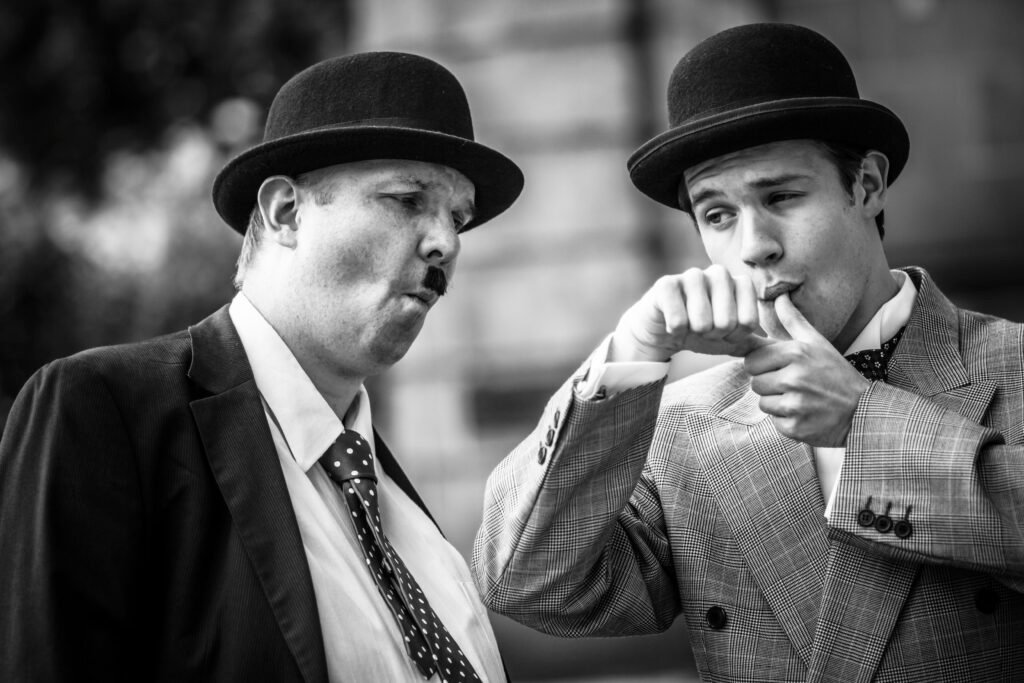
Stan Laurel and Oliver Hardy are often remembered as one of the most seamless comedy duos ever, with a partnership that defined early Hollywood humor. Onscreen, they played perfectly off each other, with Laurel’s childlike innocence clashing against Hardy’s frustrated authority. Offscreen, though, their relationship was more complicated than fans might expect. Much of the tension came from business arrangements rather than personal dislike.
Laurel was deeply involved in the creative process, often feeling frustrated by studio decisions that Hardy was more willing to accept. Hardy tended to take a more relaxed, professional approach, which sometimes clashed with Laurel’s perfectionism. While they were not openly hostile, there was a clear disconnect in how they viewed their work. Their friendship cooled over time, especially during contract disputes. Even so, they continued working together because their partnership was too successful to abandon.
14. Key and Peele
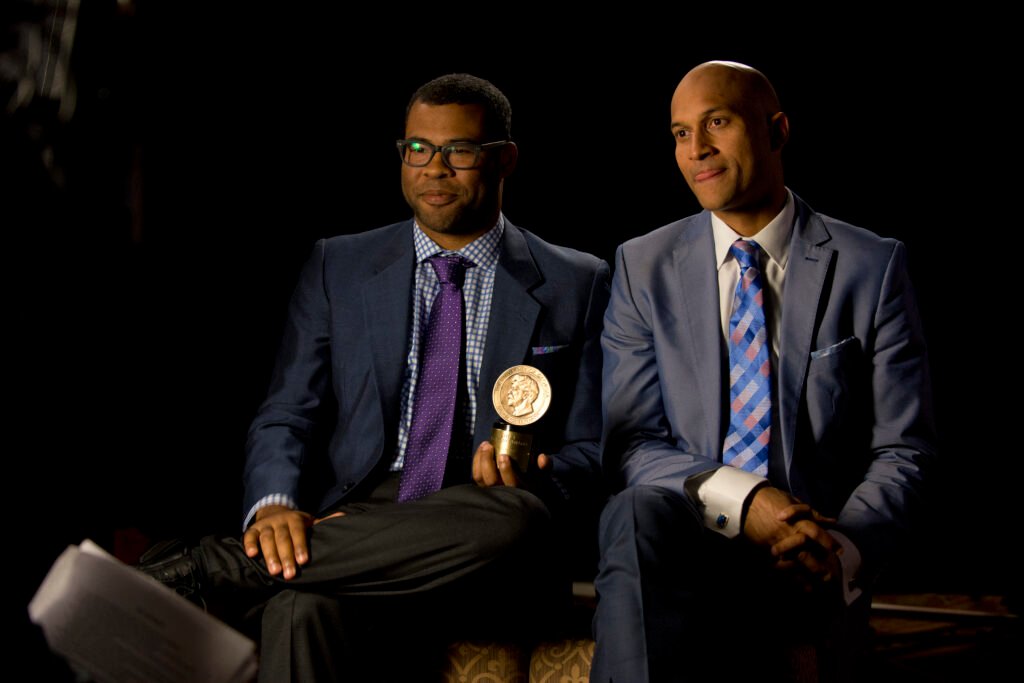
Keegan-Michael Key and Jordan Peele became widely popular through their sketch series Key & Peele. Their comedic chemistry felt natural and sharp, with sketches that quickly became viral hits. Behind the scenes, there was no widely confirmed personal feud between them. However, their partnership ended as Peele shifted focus toward directing, particularly in horror and socially driven films.
The separation was more about diverging creative goals than personal conflict. Peele’s success with films like Get Out changed the trajectory of his career significantly. Key continued acting and voice work, building his own path in comedy and film. While they remain on good terms publicly, their collaboration effectively ended due to those differences. I cannot confirm any evidence that they “couldn’t stand each other,” but their split still reflects how creative partnerships can quietly dissolve.
15. Fry and Laurie
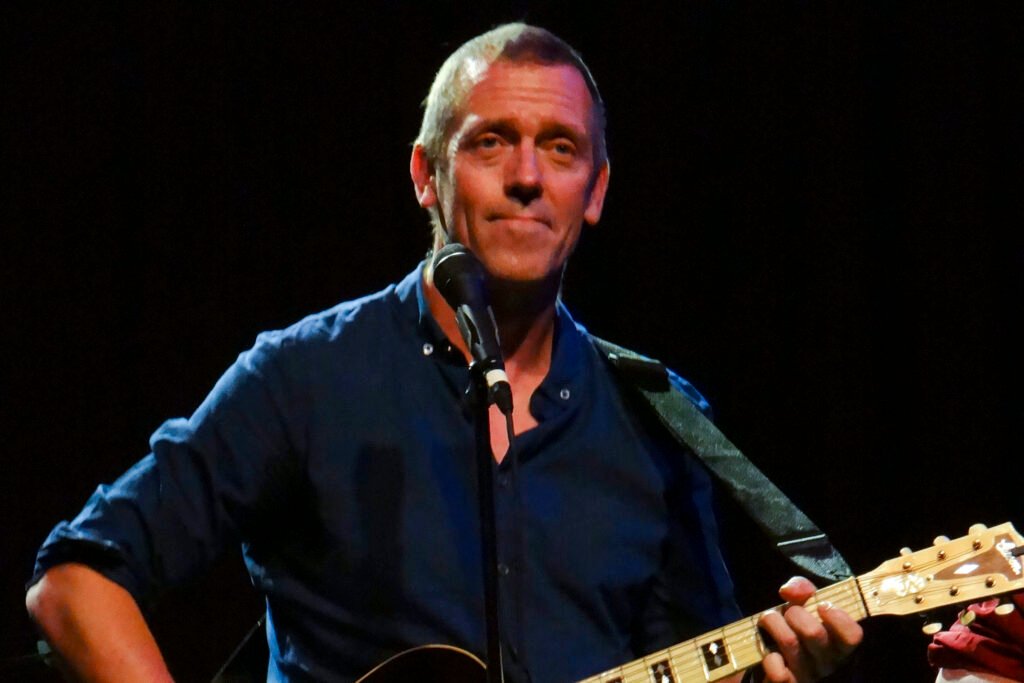
Stephen Fry and Hugh Laurie created one of Britain’s most beloved comedy duos through A Bit of Fry & Laurie. Their intellectual humor and wordplay made them stand out in the late 1980s and early 1990s. While they maintained a strong working relationship, there were periods of tension, particularly related to Fry’s mental health struggles. Fry has spoken about stepping away at times, which affected their collaboration.
Their partnership did not end in a dramatic fallout, but rather evolved as both pursued individual careers. Laurie went on to global fame with House, while Fry expanded into writing, acting, and hosting. Any strain between them appears to have been situational rather than rooted in personal dislike. They have reunited occasionally and spoken respectfully about each other. This is another case where distance came from life changes rather than animosity.
16. Penn and Teller
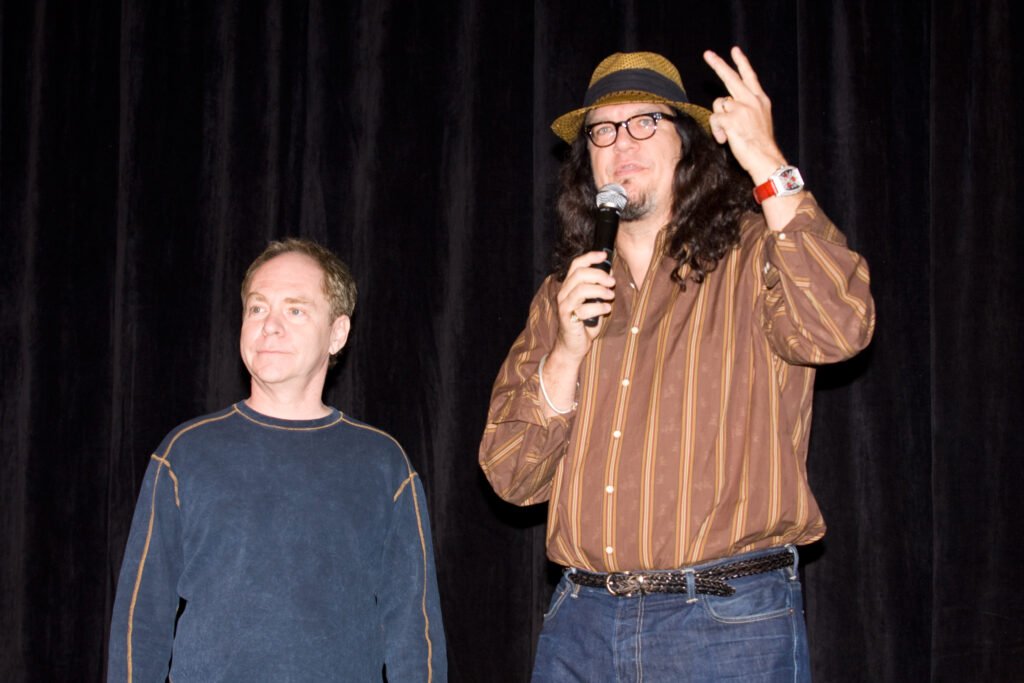
Penn Jillette and Teller are known for their long-running magic and comedy partnership. Their act depends heavily on contrast, with Penn as the outspoken narrator and Teller remaining silent. Despite decades of working together, they have openly acknowledged that they are not close friends outside of their professional relationship. Jillette has described their bond as more like a business partnership.
They have also said they rarely socialize together offstage, which is unusual for such a long-running duo. However, this distance has not translated into public feuds or major conflicts. Instead, they maintain a clear separation between work and personal life. Their success suggests that not all partnerships require deep friendship. It is a more pragmatic version of a comedy duo dynamic.
17. Rowan Atkinson and Richard Curtis

Rowan Atkinson and Richard Curtis collaborated on projects like Blackadder, which became a defining British comedy series. While not a traditional performing duo, their creative partnership was central to the show’s success. Tension reportedly arose during production, particularly around creative decisions and script direction. Atkinson’s performance instincts and Curtis’s writing approach did not always align.
Despite these disagreements, they continued working together across multiple seasons. Over time, both moved on to other projects, with Curtis focusing on film writing and Atkinson continuing in television and film. There is no clear evidence of a lasting personal feud, but the working relationship was not without friction. Their collaboration shows how creative tension can exist even within highly successful partnerships. The results, however, remain widely celebrated.
18. Dan Aykroyd and Chevy Chase
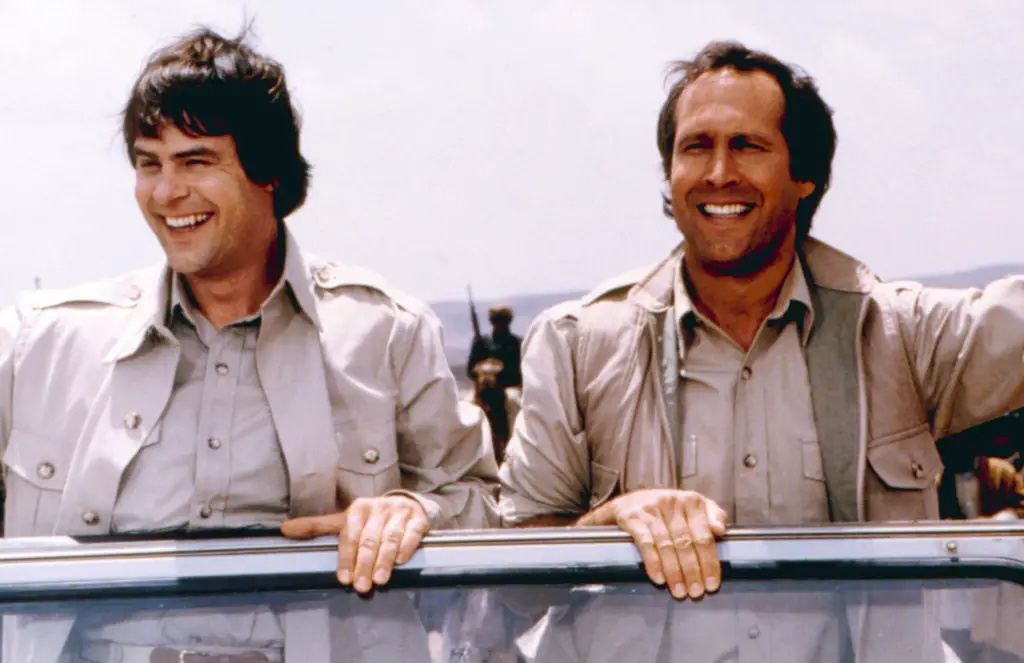
Dan Aykroyd and Chevy Chase were early stars of Saturday Night Live and later appeared together in films like Caddyshack. While they were not a formal duo, their comedic pairing was well known during the early years of SNL. Behind the scenes, there were significant tensions, particularly involving Chase’s reputation for being difficult to work with. Aykroyd himself has acknowledged physical altercations between them.
One widely reported incident involved a backstage fight during SNL rehearsals in 1978. The conflict reflected broader issues within the cast at the time, not just between the two of them. Although they continued their careers successfully, they did not maintain a close working relationship. Their interactions became part of SNL lore, highlighting the pressures of live television and rising fame. It is a reminder that even early collaborations can leave lasting friction.
19. Gene Wilder and Richard Pryor
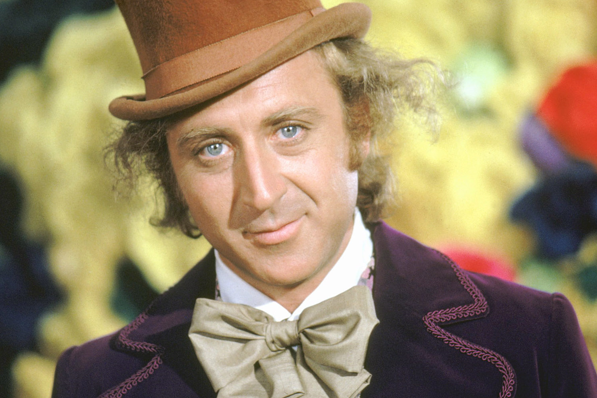
Gene Wilder and Richard Pryor created unforgettable chemistry in films like Silver Streak and Stir Crazy. Their contrasting styles, Wilder’s anxious energy and Pryor’s sharp, unpredictable humor, worked extremely well onscreen. Offscreen, however, their relationship became strained over time. Pryor’s personal struggles, including substance abuse issues, created instability that affected their collaboration.
Wilder later spoke about feeling disappointed and hurt by Pryor’s behavior during certain periods. Their partnership gradually faded, and they did not continue working together despite their success. While there was mutual respect, the closeness that audiences imagined was not sustained. Their dynamic remained powerful in film, even as the personal connection weakened. It is one of those cases where the work outlasted the relationship.
20. Bette Davis and Joan Crawford
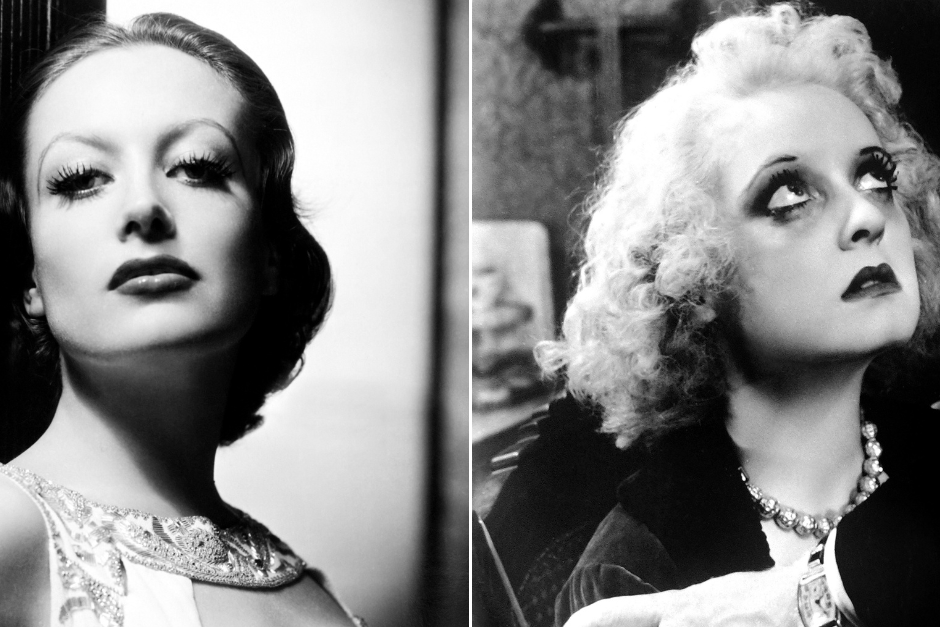
Bette Davis and Joan Crawford are often associated with one of Hollywood’s most famous rivalries, especially during the filming of What Ever Happened to Baby Jane?. While not a traditional comedy duo, their performances leaned heavily into dark, biting humor. The tension between them was very real and well documented. Their dislike for each other extended far beyond the set.
Reports from the production describe ongoing hostility, including pranks and deliberate attempts to undermine one another. The animosity became part of the film’s legacy, adding an extra layer to their performances. Although the film was a success, it did not bring them any closer. Their rivalry continued for the rest of their lives. It remains one of the most talked-about feuds in classic Hollywood.
21. Tina Fey and Tracy Morgan
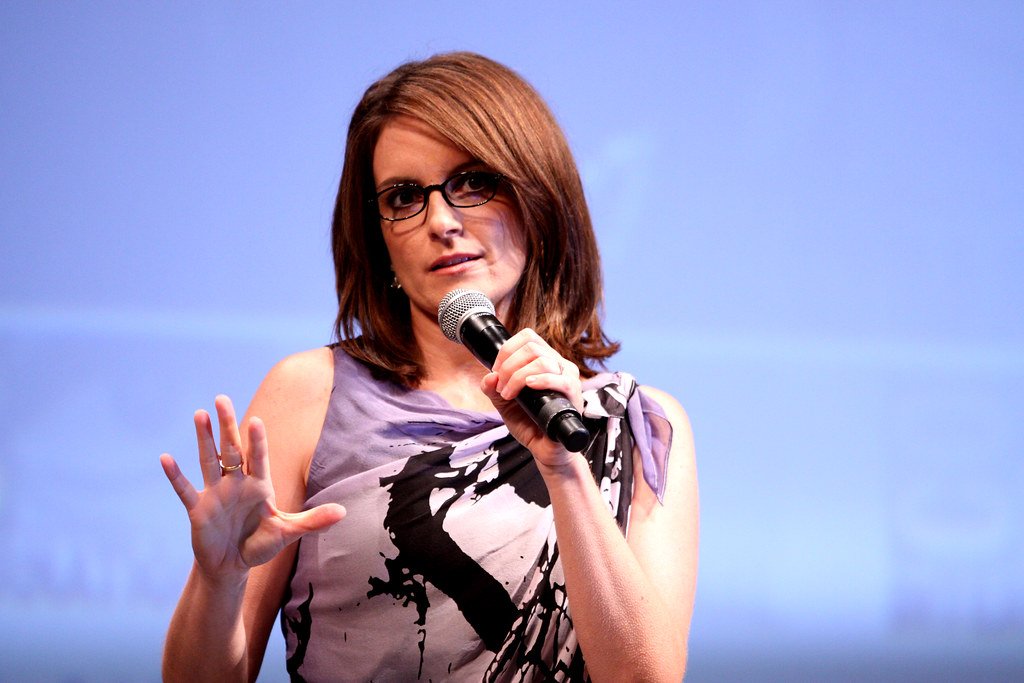
Tina Fey and Tracy Morgan worked closely on 30 Rock, where their characters’ interactions drove much of the show’s humor. Their comedic chemistry felt sharp and effortless. However, Morgan’s controversial comments in interviews and stand-up performances created tension during the show’s run. Fey, as both a performer and head writer, had to navigate those situations publicly.
While they continued working together professionally, the incidents created a complicated dynamic behind the scenes. Fey addressed the controversy directly, emphasizing the importance of accountability. Despite this, they maintained a working relationship and completed the series successfully. There is no clear evidence that they “couldn’t stand each other,” but the strain was real at certain points. Their collaboration endured, though not without challenges.
22. Chevy Chase and Bill Murray
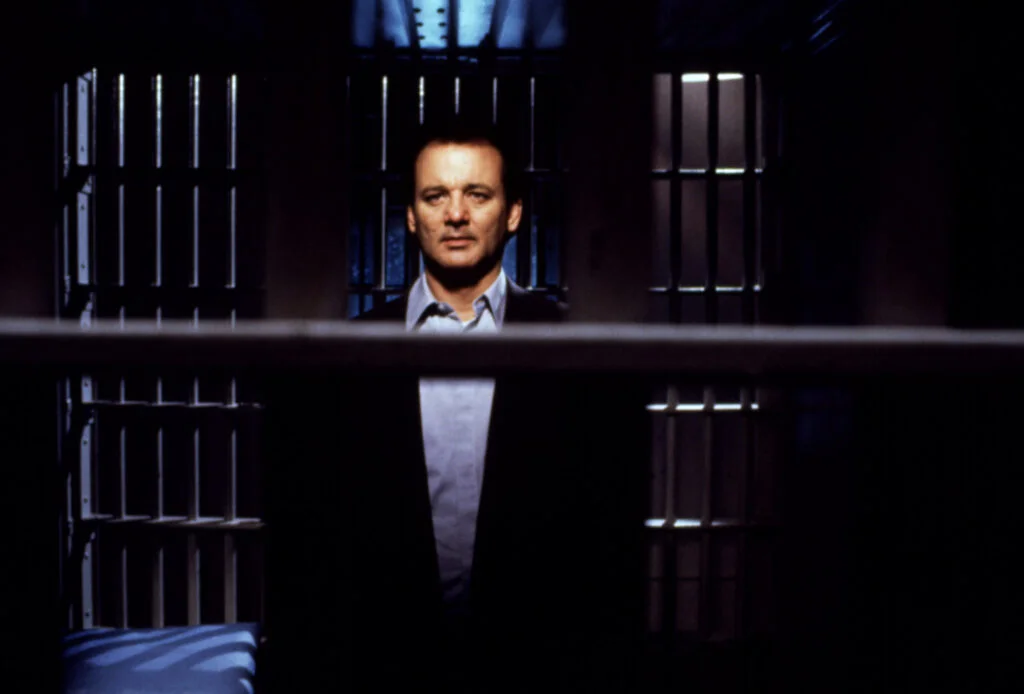
Chevy Chase and Bill Murray are both iconic figures from the early years of Saturday Night Live. When Chase returned to host the show in 1978, tensions between him and Murray escalated quickly. The two reportedly engaged in a heated argument that turned physical backstage. The conflict was fueled by ego, competition, and resentment over Chase’s early success.
Although they later appeared together in Caddyshack, their relationship remained uneasy. Neither has portrayed the other as a close collaborator. The incident became one of the most famous behind-the-scenes stories from SNL’s early years. It highlights how quickly camaraderie can turn into rivalry under pressure. Their shared history is marked more by conflict than partnership.
23. Chris Farley and David Spade

Chris Farley and David Spade were a standout duo on Saturday Night Live and in films like Tommy Boy. Their comedic dynamic, loud and physical paired with dry and sarcastic, made them a natural team. Offscreen, they were close friends for much of their careers. However, their relationship became strained later on, particularly after Spade made a joke about Farley on television.
Farley was reportedly deeply hurt by the joke, which aired during a vulnerable period in his life. The incident created distance between them, and they were not on good terms at the time of Farley’s death in 1997. Spade has spoken openly about the regret he feels over that period. Their story is less about long-term dislike and more about a friendship that fractured under pressure. It remains one of the more emotional examples on this list.
24. Ricky Gervais and Stephen Merchant
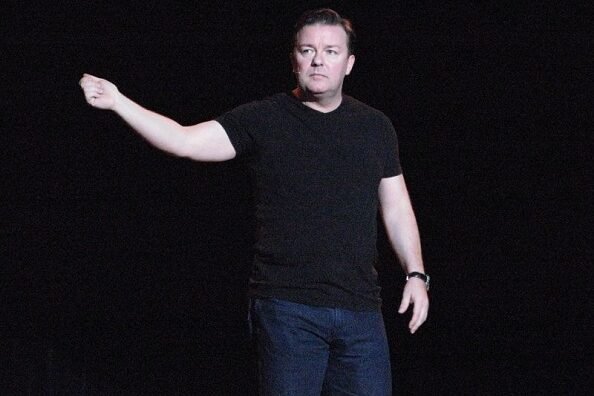
Ricky Gervais and Stephen Merchant co-created The Office, which became a defining comedy series in the UK and later in the US. Their collaboration was highly successful, extending to other projects like Extras. Over time, however, their partnership became less frequent. Both pursued individual projects, and their professional paths diverged.
There has been speculation about tension between them, though neither has confirmed a serious falling-out. They have both acknowledged that they simply work separately now. I cannot confirm that they “couldn’t stand each other,” but the shift in their collaboration is noticeable. Their joint work remains influential, even as their partnership has effectively ended. It reflects how creative duos can quietly drift apart without a dramatic split.