1. Bell-Bottom Jeans
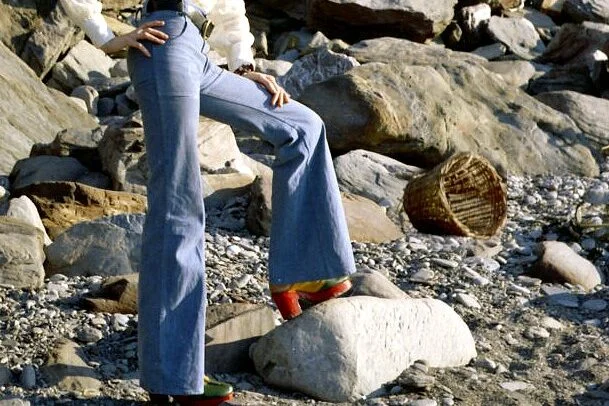
Bell-bottom jeans were practically a uniform in the ’70s, flaring out dramatically from the knee and making every step feel a little theatrical. They showed up in classrooms, concerts, and grocery stores, worn by teens and adults alike. Some were snug and structured, others were soft and worn-in, but all of them made a statement. Even people who claimed they did not care about fashion somehow owned a pair.
The beauty of bell-bottoms was how they worked with almost anything. You could wear them with a fitted tee, a peasant blouse, or a chunky sweater and feel instantly current. They also made shoes matter more, since platforms and clogs looked best peeking out underneath. For many people, these jeans were the first item that made getting dressed feel expressive.
2. Platform Shoes
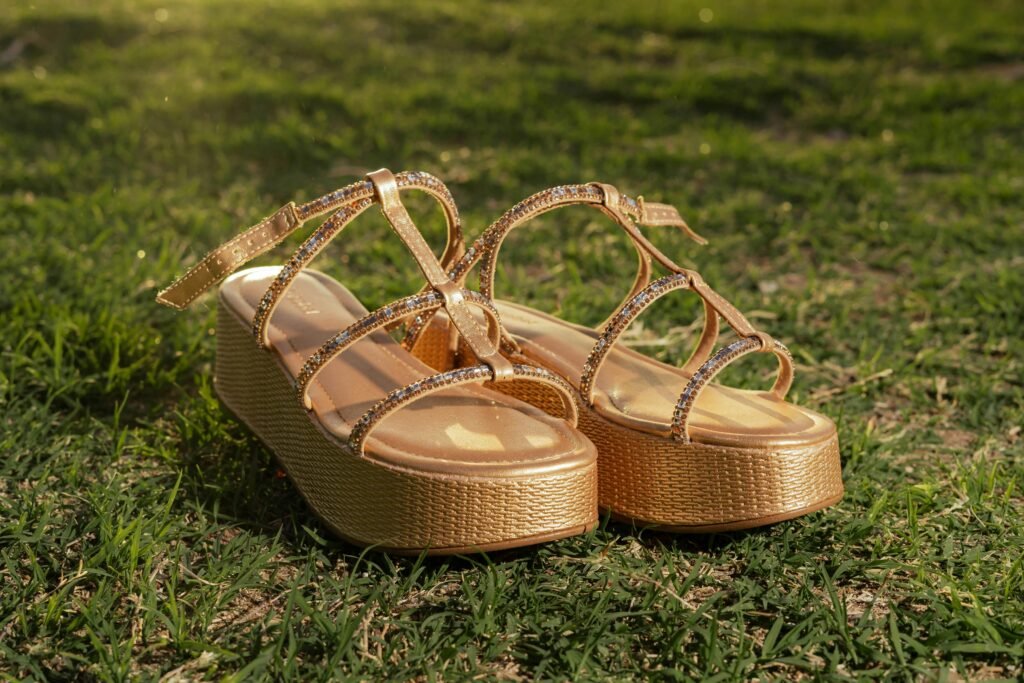
Platform shoes turned ordinary outfits into full-on looks the moment you put them on. Whether they were sandals, boots, or sneakers, the thick soles added height and attitude. They were worn by everyone from disco regulars to kids heading to school. Walking in them could be tricky, but no one seemed to care.
These shoes paired perfectly with flared pants and maxi dresses, which helped balance out the extra height. Platforms came in leather, cork, wood, and sometimes eye-catching colors. They were bold without being fussy, which made them feel approachable. Even people who stuck to simple clothes often had at least one platform option in the closet.
3. Polyester Leisure Suits
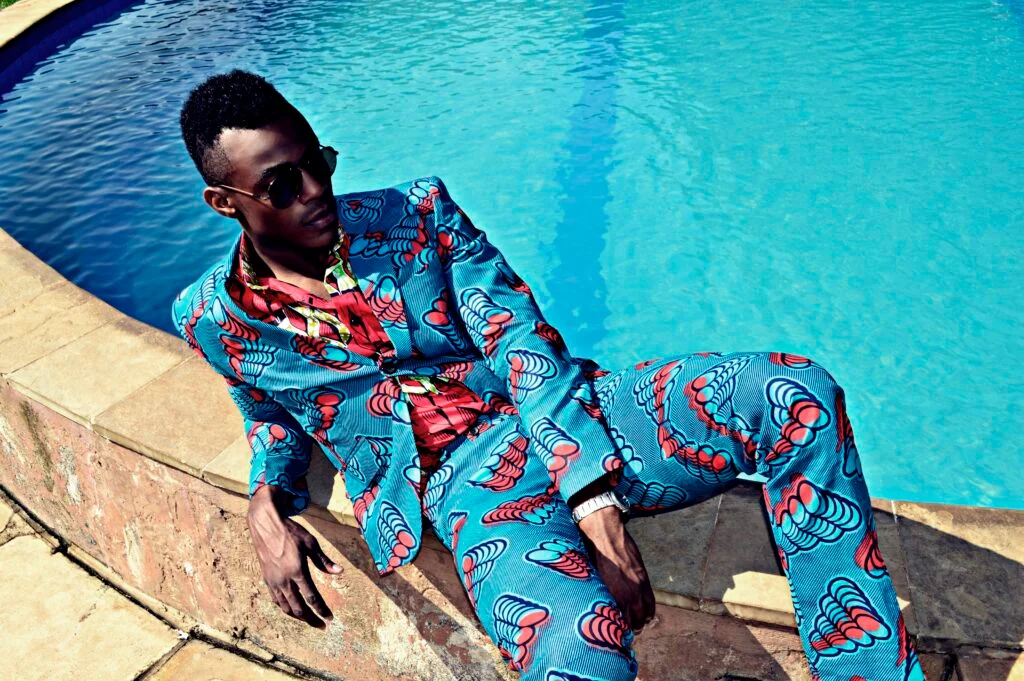
Leisure suits were shiny, loud, and completely unapologetic. Made mostly from polyester, they promised comfort while still looking dressed up. Men wore them to parties, dinners, and sometimes even to work. The wide collars and matching jackets made them instantly recognizable.
What made leisure suits so popular was how easy they were. You did not have to think about matching pieces, because everything already went together. They resisted wrinkles and survived long nights out. Even though they became a punchline later, they were once a serious fashion staple. Nearly every closet had at least one version hanging inside.
4. Turtleneck Sweaters
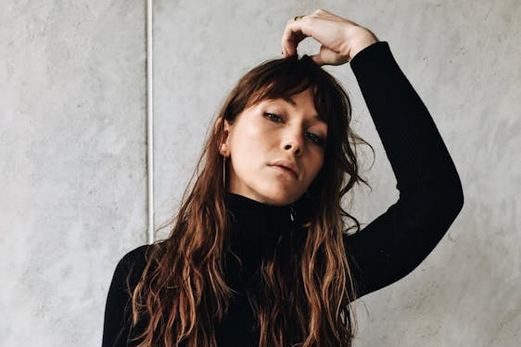
Turtlenecks had a quiet confidence that fit perfectly with the decade’s style. They could look intellectual, cozy, or cool depending on how they were worn. People layered them under jackets or wore them alone with jeans. They came in solid colors, ribbed knits, and soft stretchy fabrics.
These sweaters worked year-round, especially in air-conditioned spaces or chilly evenings. They also felt slightly grown-up, which appealed to teens trying to look older. A black or cream turtleneck was considered especially stylish. It was one of those pieces that made you feel pulled together with very little effort.
5. Maxi Dresses
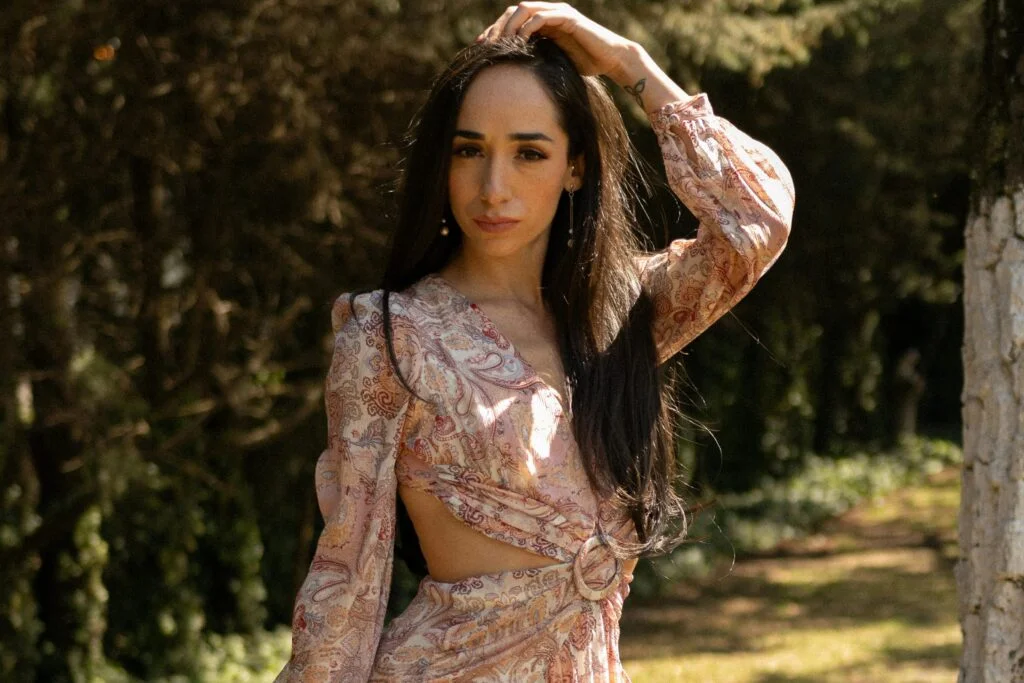
Maxi dresses swept the floor and gave off an effortless, flowing vibe. They were often made with bold prints, earthy colors, or floral patterns. Women wore them to casual outings as well as more dressed-up occasions. The long length felt dramatic without being uncomfortable.
These dresses were popular because they were easy and forgiving. You could slip one on and instantly look styled. They worked with sandals in the daytime and platforms at night. For many closets, a maxi dress was the go-to when jeans felt too ordinary.
6. Denim Jackets
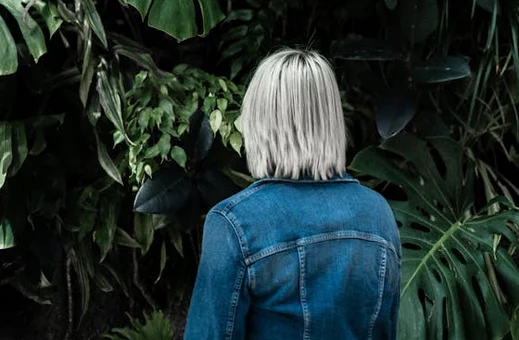
Denim jackets were worn hard and loved even harder throughout the ’70s. They showed up at concerts, road trips, and weekend hangouts. Some were decorated with patches or pins, making them feel personal. Others stayed plain and faded naturally over time.
What made denim jackets so universal was their versatility. They worked over dresses, tees, and sweaters without clashing. The more worn they looked, the better they seemed to get. Many people kept the same jacket for years. It was a reliable piece that never felt out of place.
7. Peasant Blouses
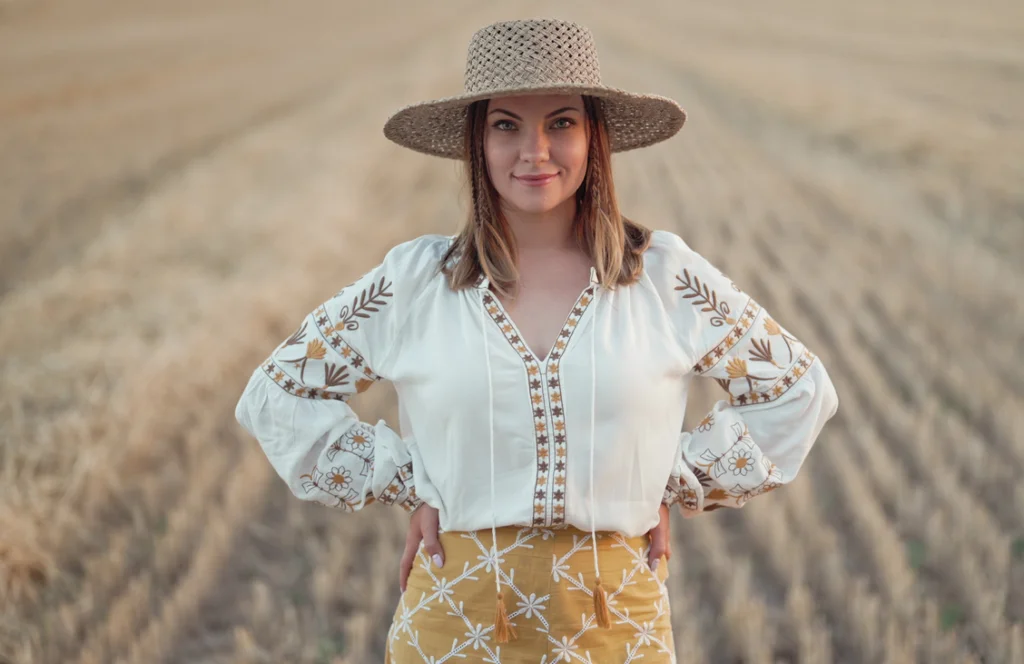
Peasant blouses brought a soft, romantic feel into everyday wardrobes. With their loose fits, embroidery, and flowing sleeves, they stood out from more structured tops. They were often worn off the shoulder or with a relaxed neckline. The look felt artistic and carefree.
These blouses paired beautifully with jeans and skirts. They were comfortable enough for daily wear but still felt special. The styles often drew inspiration from folk fashion. Owning at least one peasant blouse was almost expected during the decade.
8. Corduroy Pants
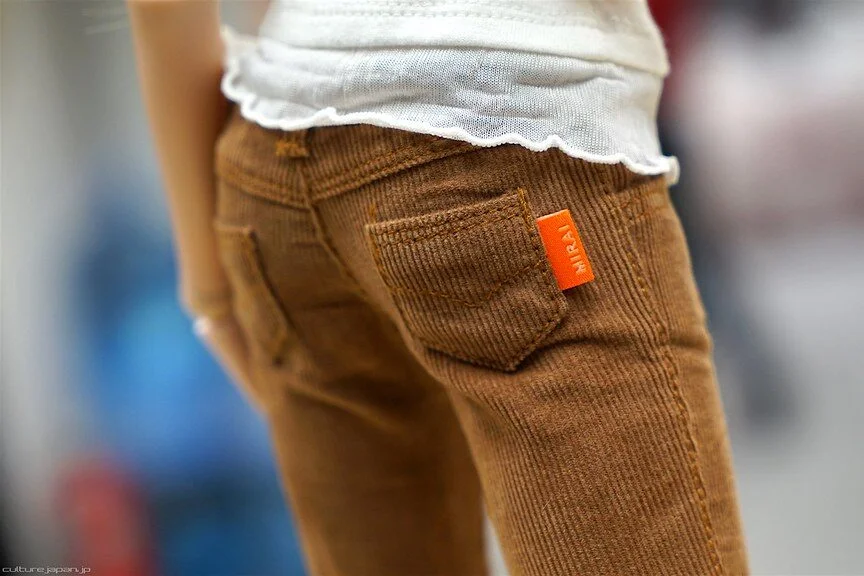
Corduroy pants were a textured alternative to denim that felt warm and durable. They came in rich colors like rust, mustard, and forest green. Many people wore them to school, work, and casual outings. The soft ridges made them instantly recognizable.
Corduroy worked especially well in cooler months. It felt practical while still being stylish. These pants often had wide legs to match the era’s silhouette. They were a staple for anyone who wanted something different from jeans without trying too hard.
9. Fringe Jackets

Fringe jackets brought movement and drama to even the simplest outfit. Inspired by Western and bohemian styles, they featured dangling strips along the sleeves and back. They were usually made from suede or faux suede. When you walked, the fringe moved with you.
These jackets felt adventurous and expressive. They were popular at concerts and festivals, but also showed up in everyday wear. Pairing one with jeans and boots was an instant look. Fringe jackets made people feel bold, even if the rest of the outfit was simple.
10. Wide-Collar Shirts
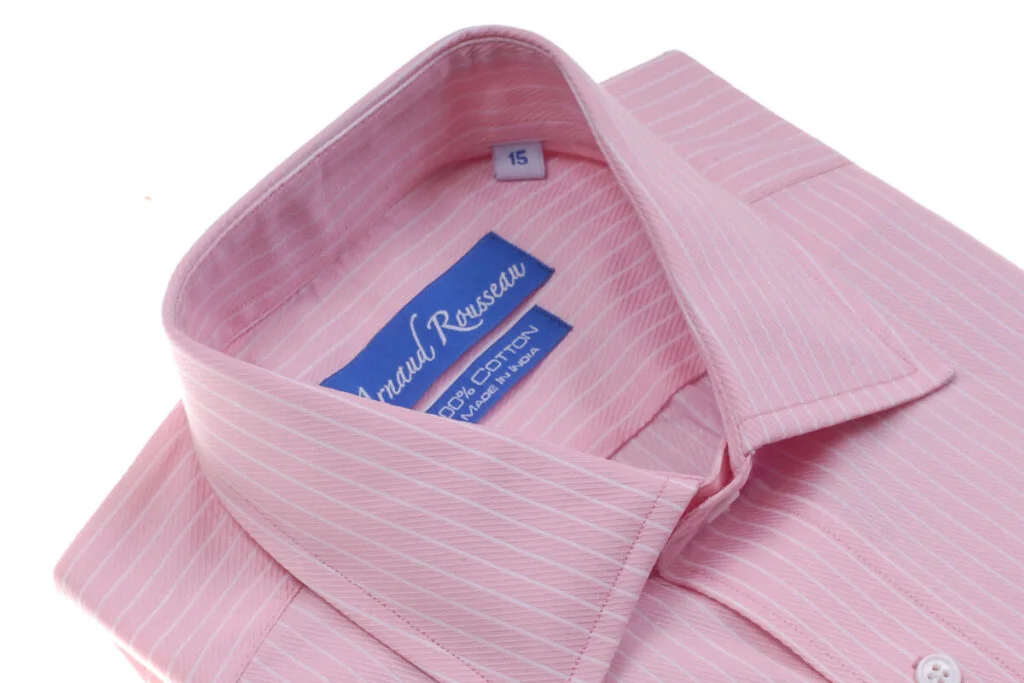
Wide-collar shirts were a defining detail of ’70s fashion. The exaggerated points framed the face and often peeked out from under jackets. These shirts came in solids, stripes, and eye-catching prints. They were worn by men and women alike.
The collar alone could transform an outfit. It added personality without needing extra accessories. Even a basic shirt felt special with that dramatic shape. Closets across the decade were filled with them in multiple colors.
11. Earth-Tone Sweaters
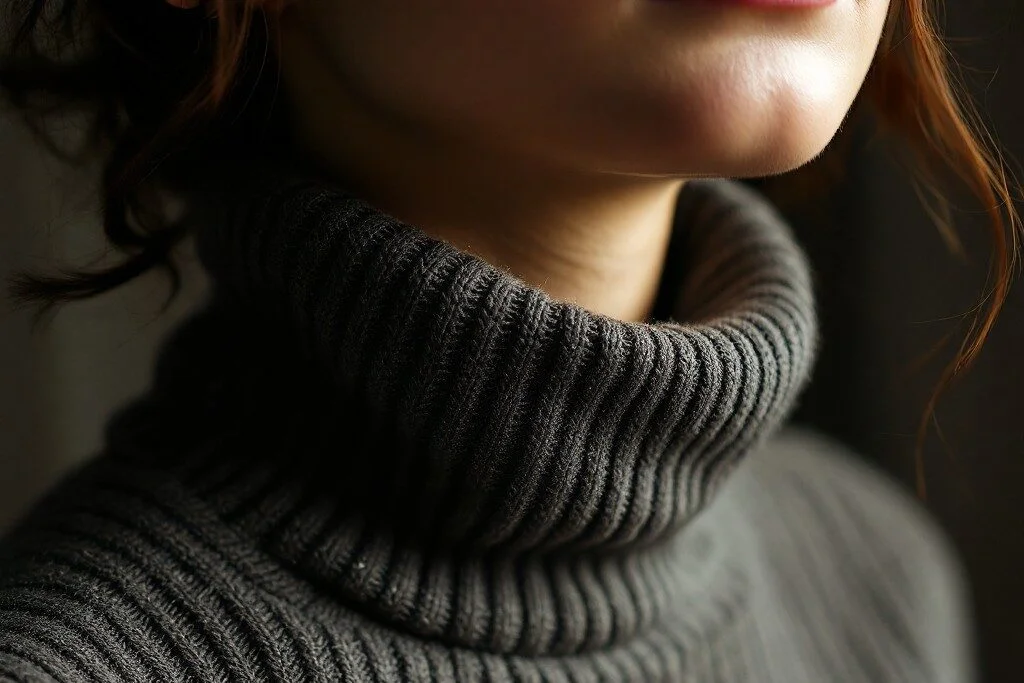
Earth-tone sweaters reflected the decade’s love of natural colors. Shades like brown, olive, rust, and cream dominated closets. These sweaters felt cozy and grounded. They were often chunky or slightly oversized.
People loved how easy they were to style. Earth tones worked with jeans, skirts, and corduroys. They also felt seasonless, working in fall, winter, and cool spring days. These sweaters made outfits feel relaxed and approachable.
12. Overalls

Overalls crossed over from workwear into everyday fashion during the ’70s. They were worn by kids, teens, and adults without much distinction. Denim versions were the most common, but other fabrics showed up too. One strap undone became a popular casual look.
Overalls were loved for their comfort and durability. They felt playful but practical at the same time. People layered them over tees, tanks, and sweaters. For many closets, overalls were a fun alternative to jeans.
13. Head Scarves
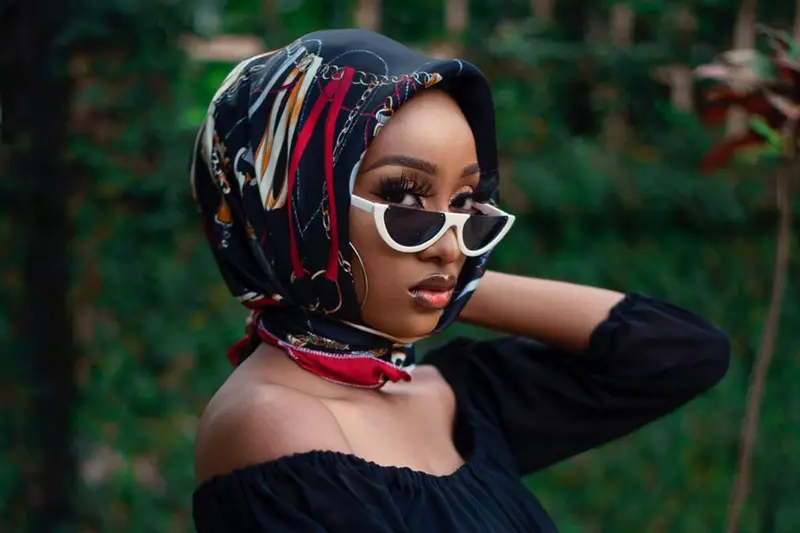
Head scarves were both fashionable and functional. They kept hair in place while adding color and personality. People wore them tied under the chin, around ponytails, or wrapped turban-style. Patterns ranged from florals to bold geometric prints.
Scarves were an easy way to change up an outfit. They also felt a little glamorous, especially when paired with sunglasses. You could fold one into a pocket when not wearing it. Almost everyone had at least one tucked away.
14. Suede Boots
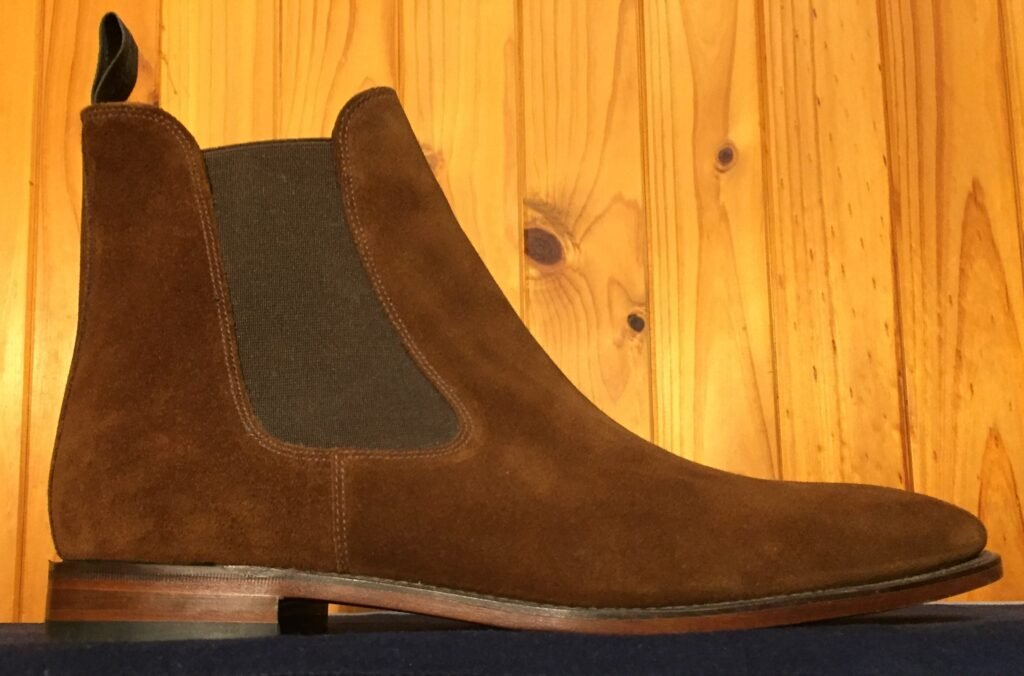
Suede boots were a favorite footwear choice throughout the decade. They came in ankle, mid-calf, and knee-high styles. Soft and flexible, they felt more relaxed than polished leather boots. Neutral colors made them easy to wear.
These boots paired perfectly with flared pants and skirts. They worked in cooler weather but were still lightweight. Many people wore them until they were visibly worn down. A good pair of suede boots became a trusted staple.
15. Graphic Band Tees
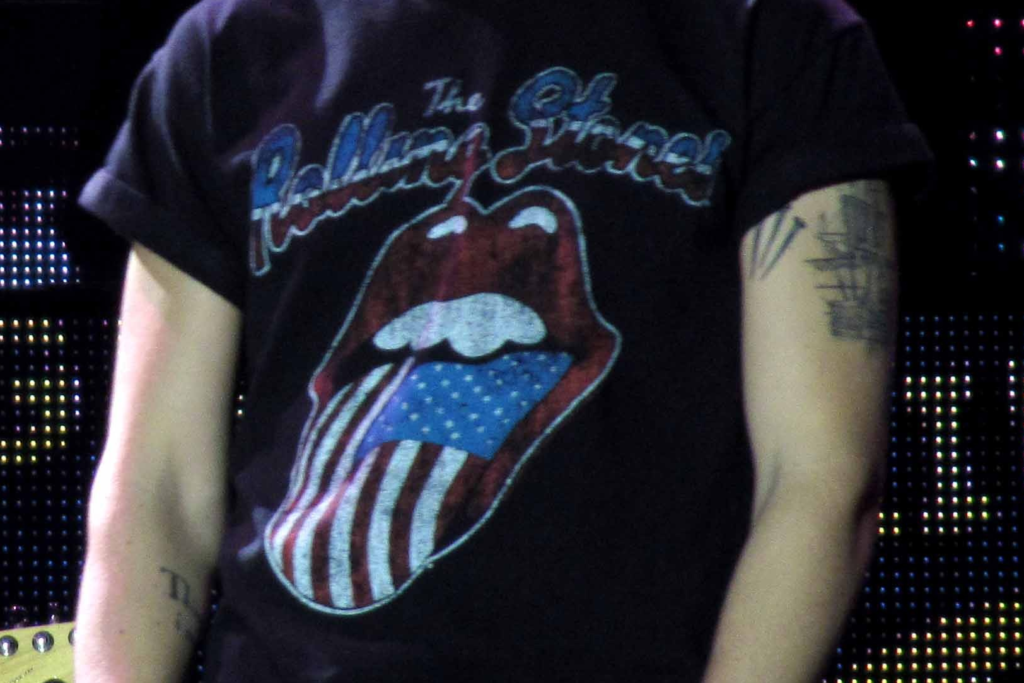
Graphic band tees let people show off their music taste without saying a word. They were worn oversized, tucked in, or knotted at the waist. Concert tees were especially prized and worn proudly. Even faded designs had charm.
These shirts felt personal and expressive. They paired effortlessly with jeans, skirts, and jackets. Wearing one felt casual but intentional. By the end of the decade, band tees had become a regular sight in nearly every closet.