1. Mini Skirts
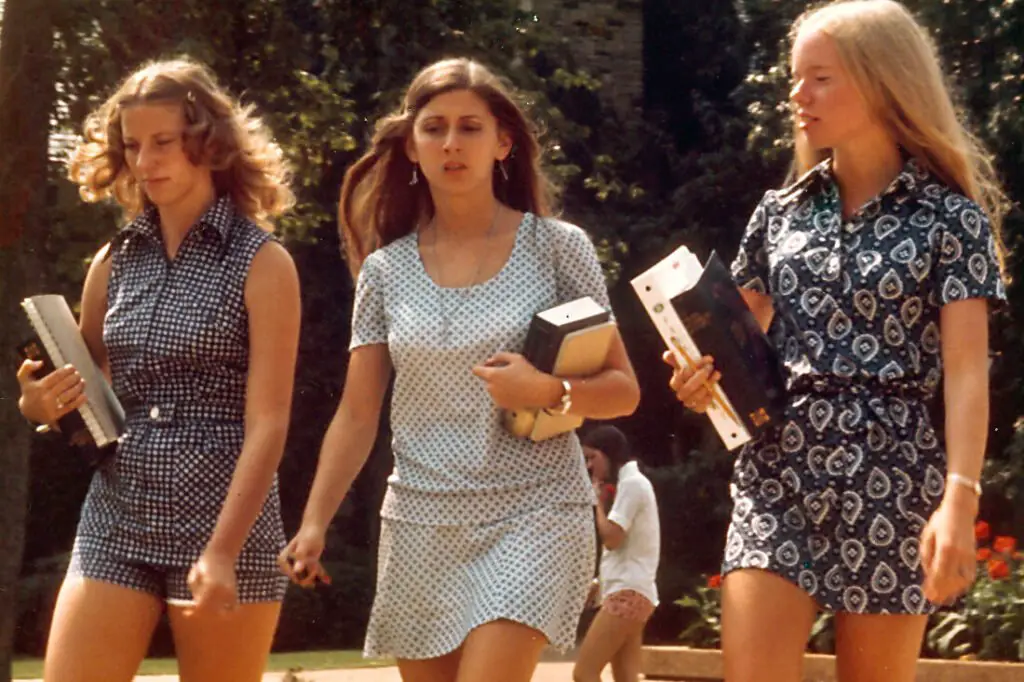
The mini skirt didn’t just change hemlines, it changed attitudes. In the ’60s, it symbolized youth, freedom, and a very public break from conservative fashion rules. Women wore them with tights, knee high boots, and unapologetic confidence. That same energy still shows up today whenever a mini makes a comeback on runways or sidewalks.
Modern minis come in denim, leather, pleats, and everything in between. They pop up in street style, festival looks, and even office appropriate versions with tailoring. The length may shift slightly, but the statement stays the same. It’s still about confidence and movement.
2. Go Go Boots
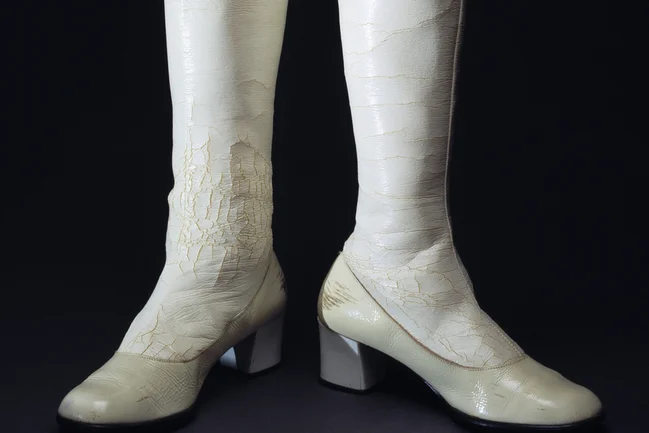
Those glossy white boots became inseparable from ’60s pop culture almost overnight. They felt futuristic at the time, like something you’d wear dancing in a space age club. Paired with minis or shift dresses, they created a bold, playful look. They were practical too, flat enough for dancing all night.
Today’s versions swap white vinyl for leather, suede, and bold colors. Designers bring them back season after season with updated shapes and materials. They still carry that mod energy, even when styled with jeans or oversized coats. The spirit of fun never left.
3. Shift Dresses
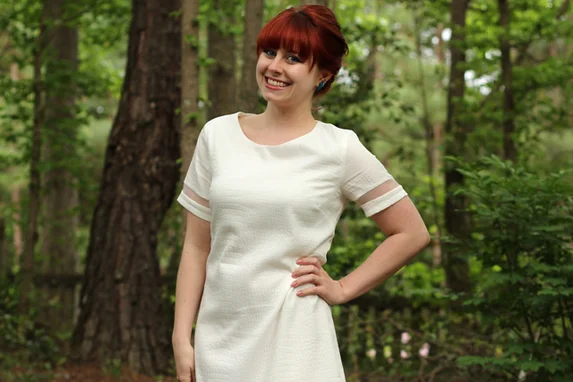
Shift dresses were refreshingly simple during a decade full of change. They skimmed the body instead of hugging it, making them easy to wear and endlessly flattering. Women loved the freedom they offered, especially compared to restrictive earlier silhouettes. The look felt modern and youthful.
That same simplicity is why shifts still dominate closets today. They work in casual settings, offices, and dressed up events with the right accessories. The shape remains nearly unchanged, which says everything. Some designs truly get it right the first time.
4. Bold Geometric Prints

The ’60s loved patterns that demanded attention. Circles, squares, zigzags, and optical illusions showed up everywhere, especially on dresses and coats. These prints felt artistic, playful, and a little rebellious. They mirrored the decade’s fascination with modern art and design.
You still see these patterns cycling through fashion every few years. Designers remix them with new color palettes and fabrics. Even when toned down, the influence is obvious. They instantly add personality to any outfit.
5. Cat Eye Sunglasses
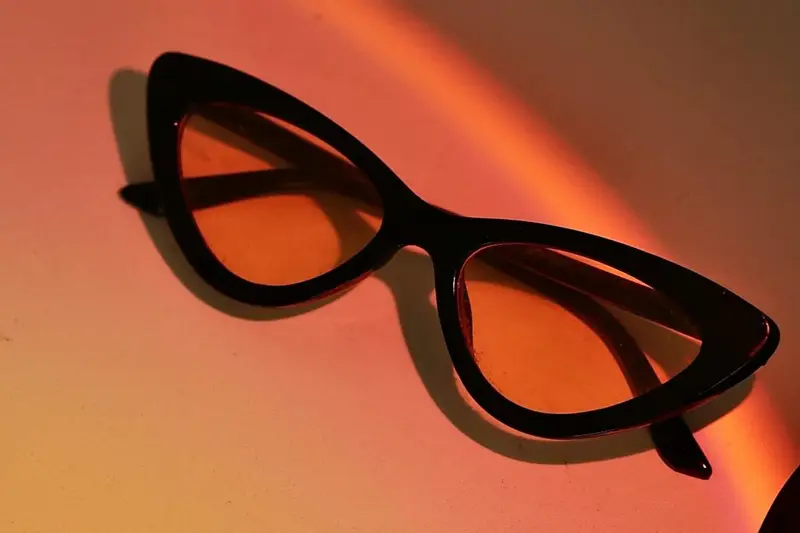
Cat eye sunglasses were already glamorous before the ’60s, but the decade pushed them into icon territory. The sharp upswept corners added drama and attitude to any look. They felt confident and a little mysterious. You didn’t need much else when you wore them.
Today, cat eyes come oversized, slim, and everything in between. They show up in classic black as well as bright, playful colors. The shape still flatters and still turns heads. It’s one of those accessories that never feels dated.
6. Turtlenecks
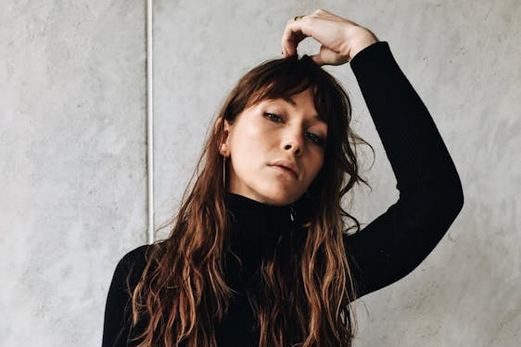
Turtlenecks became a wardrobe staple in the ’60s thanks to their clean, modern look. They worked for artists, activists, and everyday style lovers alike. Worn under dresses or paired with trousers, they felt smart without trying too hard. They also had a slightly intellectual edge.
That versatility is exactly why turtlenecks never disappear. They layer beautifully and work across seasons. You can dress them up or down without effort. Few pieces feel as timeless.
7. Mod Color Blocking
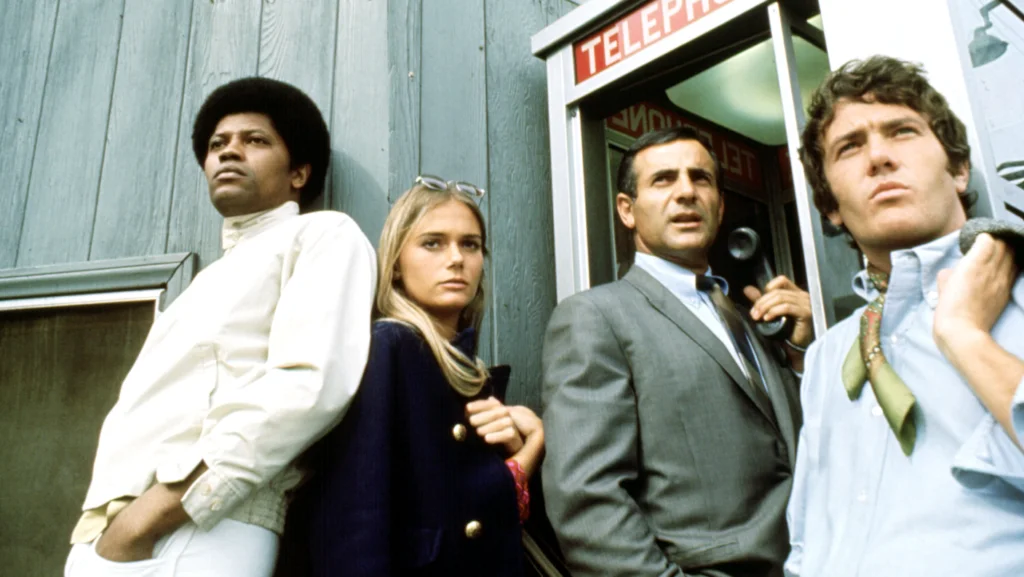
Color blocking exploded during the mod movement. Bright, contrasting panels turned clothing into wearable art. It was bold, youthful, and impossible to ignore. The look perfectly captured the optimism of the era.
Modern designers still borrow heavily from this style. You’ll see it in dresses, sweaters, and even activewear. The colors may shift, but the graphic impact remains. It’s still a confidence move.
8. A Line Silhouettes
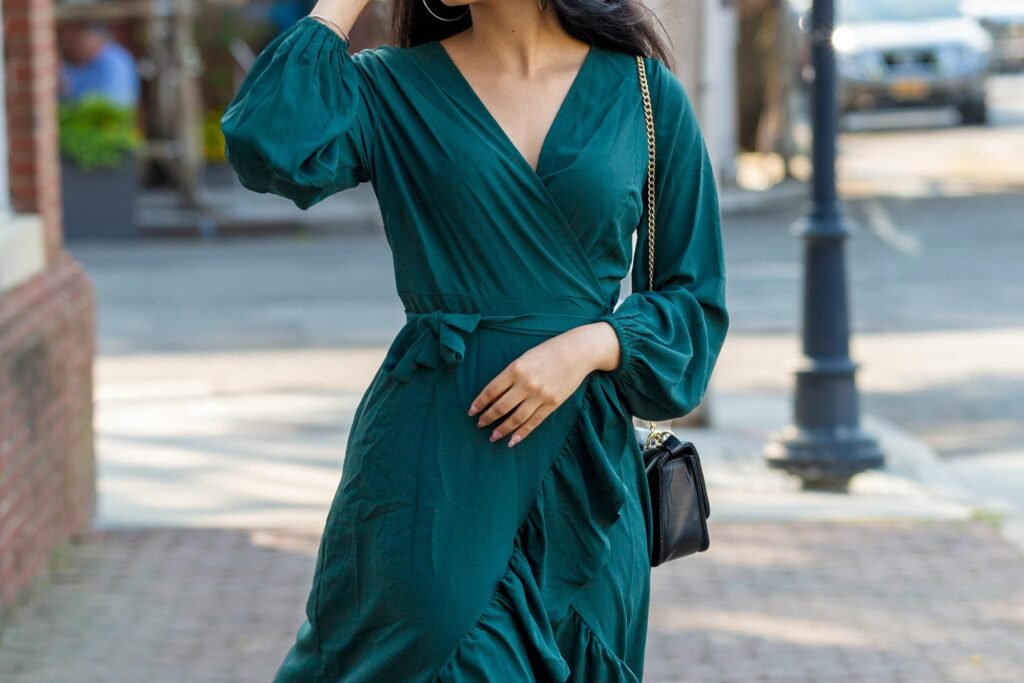
The A line shape felt revolutionary in its simplicity. Fitted at the top and gently flaring out, it offered comfort without sacrificing style. It suited almost everyone, which made it wildly popular. Women could move freely and still look polished.
That universal appeal keeps A line pieces relevant today. Skirts and dresses in this shape appear in every season. They flatter without effort. Sometimes fashion really does get it perfect.
9. Statement Accessories

Accessories in the ’60s were anything but subtle. Oversized earrings, chunky necklaces, and bold hair pieces finished off otherwise simple outfits. The idea was to have fun and make an impact. Accessories became conversation starters.
That philosophy still guides modern styling. A bold bag or dramatic earrings can define an entire look. Minimal outfits often rely on standout accessories for personality. The lesson stuck.
10. Tailored Trousers
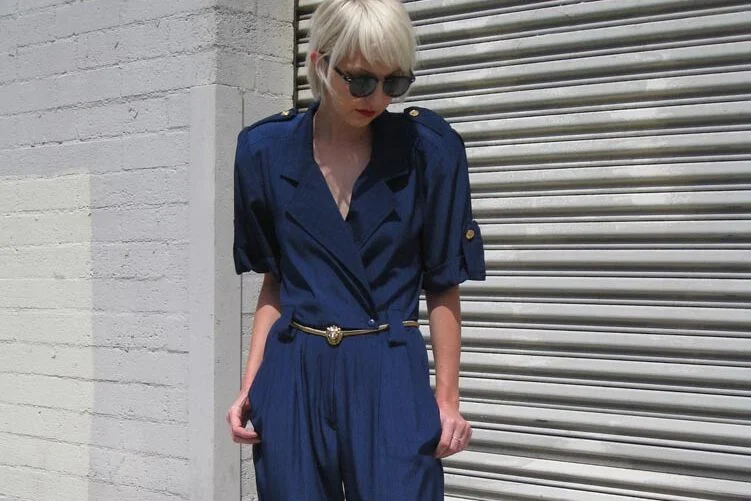
While dresses dominated the decade, tailored trousers made major strides. Women embraced slim cuts and cropped lengths that felt fresh and modern. Pants became a symbol of confidence and independence. They were styled sharp but approachable.
Today’s tailored trousers owe a lot to that era. High waists, clean lines, and ankle lengths keep returning. They balance comfort and polish effortlessly. It’s a look that still feels powerful.
11. Monochrome Outfits
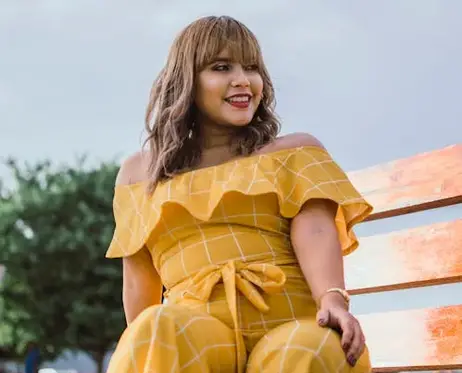
Wearing one color head to toe became a signature ’60s move. It created a sleek, graphic effect that looked intentional and stylish. Black and white were especially popular, but bright colors joined in too. The look was simple but striking.
Monochrome dressing remains a favorite today. It makes getting dressed easier while still looking put together. Stylists love how clean it feels. The impact never faded.
12. Headbands and Hair Accessories
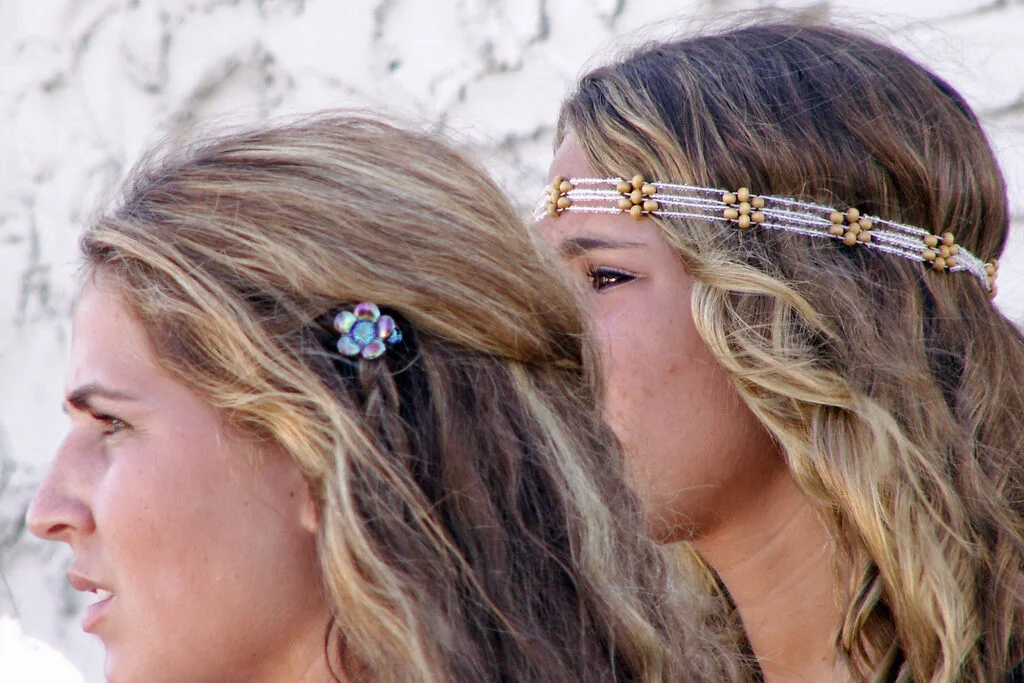
Hair accessories had a major moment in the ’60s. Headbands, scarves, and decorative clips were part of everyday style. They helped complete a look and added polish. Hair was treated as another canvas.
That mindset still exists now. Headbands and scarves cycle in and out of trends constantly. They offer an easy way to change up an outfit. Sometimes the smallest details matter most.
13. Youth Driven Fashion

The ’60s were the first time youth culture truly drove fashion trends. Young people dictated what was cool, not just designers or tradition. Clothing became playful, experimental, and expressive. Age rules suddenly felt outdated.
That shift still defines modern fashion. Trends often start with younger generations and spread outward. Fashion continues to prioritize self expression. The ’60s changed the hierarchy forever.
14. Casual Meets Polished Style
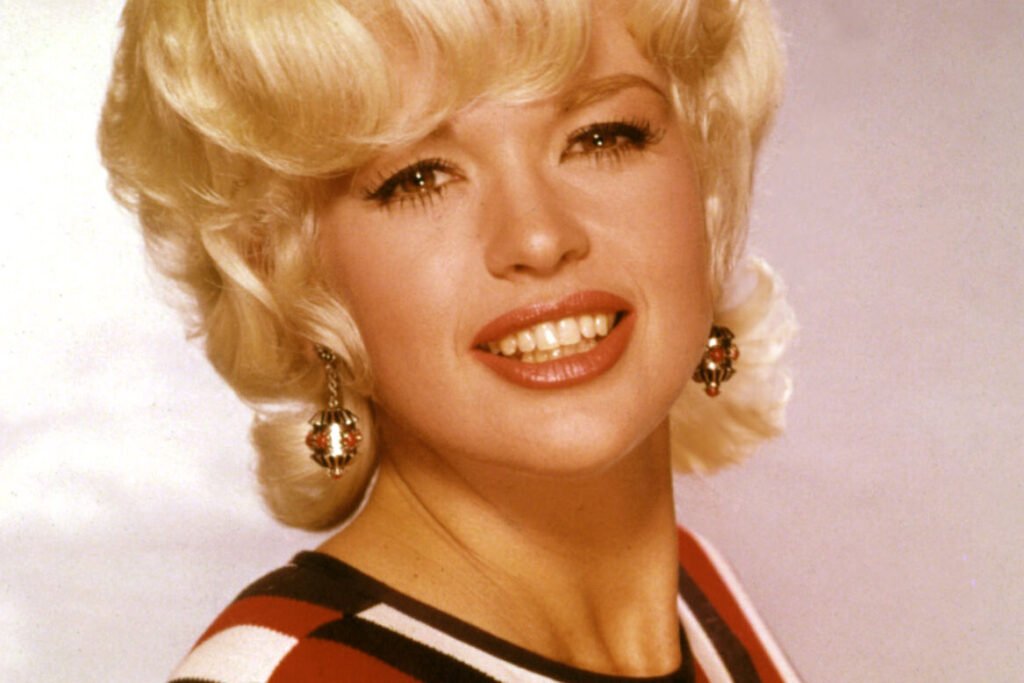
One of the decade’s biggest influences was blending casual and polished elements. Simple dresses paired with bold accessories or flats instead of heels felt refreshingly modern. Comfort and style no longer competed. They worked together.
That balance defines today’s everyday fashion. Sneakers with dresses, relaxed tailoring, and easy layers all trace back to this mindset. Looking good doesn’t have to mean feeling uncomfortable. The ’60s made that clear.