1. The Rolling Stones on The Ed Sullivan Show (1964)
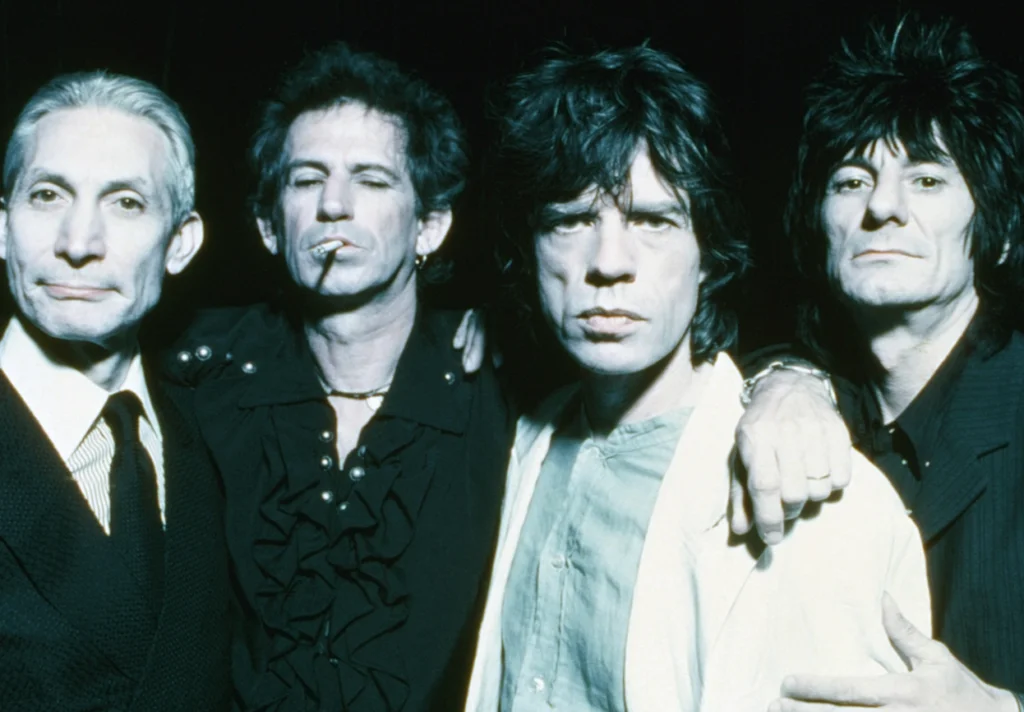
When The Rolling Stones first appeared on The Ed Sullivan Show, they brought a raw, unruly energy that felt shocking compared to the polished acts viewers were used to seeing. Teenagers loved it, but plenty of adults clutched their pearls and wondered what television was turning into. Mick Jagger’s swagger was something new for late night, especially on a show known for carefully curated performances. The performance didn’t just introduce the band to millions of Americans, it signaled a cultural shift right in people’s living rooms. You can practically feel the divide between generations stretching across the screen. Even Sullivan himself seemed unsure what to do with all that attitude. But in true ’60s fashion, that tension made the moment unforgettable. It helped set the stage for a decade that loved to push boundaries.
The Stones returned several times, each appearance chipping away at the formality that had long ruled late-night variety shows. Their first performance opened the door for more rock acts to make the leap from clubs to national TV. Viewers suddenly expected a little chaos, a little volume, and a lot more personality. And even though Sullivan famously tried to rein them in with lyric changes, the band’s rebellious tone still blasted through. Looking back, it’s wild to realize how much this appearance shaped late-night expectations. It helped cement rock music as a TV staple, not a passing fad. And for a generation of young fans, that night felt like a spark. It told them television didn’t have to stay polite forever.
2. Judy Garland’s Comeback Medley on The Tonight Show (1968)
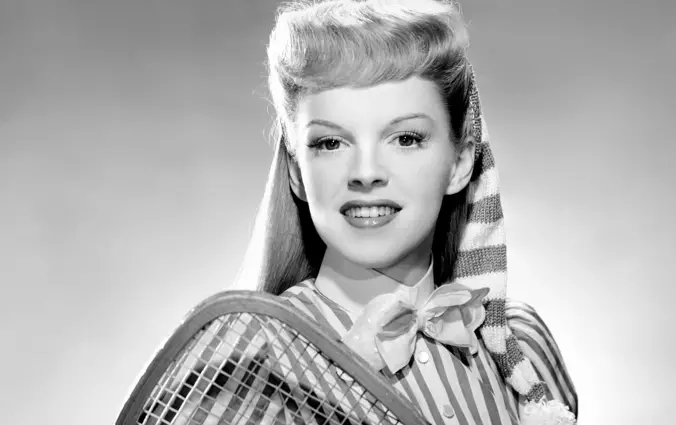
Judy Garland’s 1968 appearance on The Tonight Show wasn’t just a performance, it was a moment of resilience. She walked onstage with that unmistakable warmth, and you could practically feel the room holding its breath. When she launched into her medley of signature songs, the audience erupted in a way that felt almost protective. Garland wasn’t at her career peak, but her voice that night still carried all the emotion that made her a legend. Watching her, you couldn’t help but root for her. Her vulnerability made the whole thing feel intimate, as if she were singing just for the people at home. It reminded everyone why she’d been beloved for so long. It was late-night television at its most human.
That appearance helped reinvigorate interest in Garland at a time when she desperately needed it. Critics praised her sincerity, and viewers were moved by her ability to reconnect with her audience. Even Carson seemed genuinely captivated, giving her space to shine. It was the kind of moment that lived far past its air date because it felt so real. With so many performers trying to look effortless, Garland showed that honesty could be its own form of stage presence. Her medley ended up becoming one of the most talked-about late-night performances of the decade. And for fans watching from home, it felt like a small but meaningful comeback. It proved television still had the power to create collective emotional experiences.
3. The Supremes’ Glamorous Set on The Ed Sullivan Show (1966)
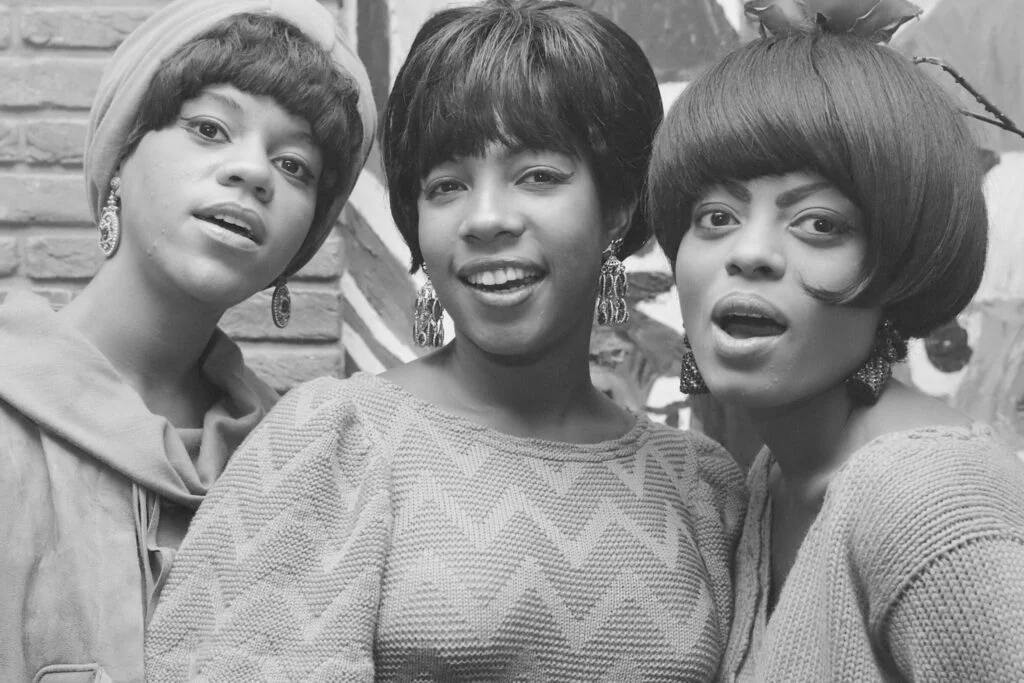
When The Supremes performed on The Ed Sullivan Show, they didn’t just sing, they brought elegance and star power that made the whole stage feel new. Their sparkling gowns and flawless choreography were a perfect match for their polished harmonies. Diana Ross had a way of looking into the camera that made viewers at home feel like they were right in the front row. Their performance felt bigger than a typical variety-show slot, more like a moment of cultural celebration. Motown acts were rising fast, but this appearance pushed them firmly into mainstream American households. People talked about it for days afterward. Even those who weren’t fans of pop music found themselves humming along. It was a turning point for representation on television.
After that night, The Supremes became regular fixtures in American pop culture conversation, and late-night shows began booking more diverse performers. Their performance proved that viewers loved seeing new styles, new sounds, and new faces on national TV. The group’s confidence and charm raised the bar for what musical guests could deliver. Suddenly, the production value of these shows started to matter a lot more. Performances needed to look and feel memorable. The Supremes sparked a trend of more polished sets, costumes, and staging. And for young viewers, they became icons overnight. That single appearance helped reshape what a late-night musical slot could be.
4. The Beatles’ Final Ed Sullivan Appearance (1965)
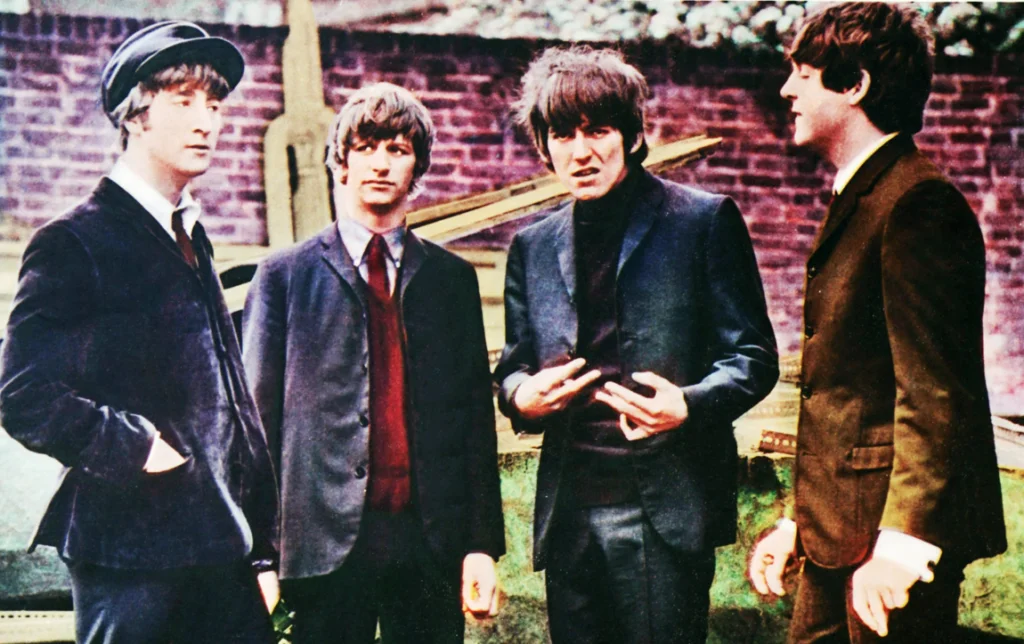
By the time The Beatles made their final Ed Sullivan appearance in 1965, they were already household names. But this performance felt like a victory lap. Their sound had evolved, their hair had gotten a little longer, and the audience shrieks somehow seemed louder. Watching them perform was like watching lightning in a bottle for the last time on that stage. Even Sullivan, who wasn’t exactly a rock enthusiast, seemed to realize he was witnessing something special. The cameras captured a group at the top of their game. It was controlled chaos in the best possible way. And it reminded everyone just how much they’d changed television in only a few short years.
Their farewell appearance signaled the end of an era for variety shows that had relied on safe, predictable acts. After the Beatles, viewers expected music to be bold, modern, and full of personality. Television couldn’t go back to the way it had been. Producers took note of the ratings spike and scrambled to find the “next big thing.” Meanwhile, fans clung to this performance as one last moment of collective Beatlemania on a Sunday night. Looking back, it’s incredible that a band could transform TV that quickly. Their final bow on Ed Sullivan proved just how powerful live music on television could be. And it left audiences wanting more, even as the band moved on.
5. Sammy Davis Jr.’s Electric Dance Break on The Tonight Show (1965)
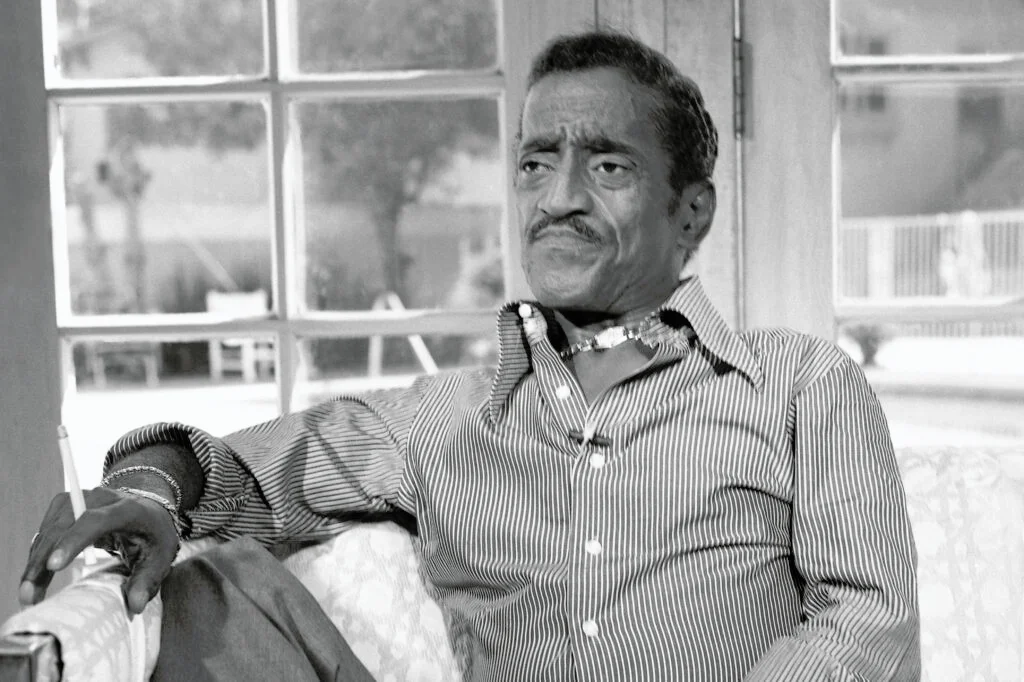
Sammy Davis Jr. always knew how to put on a show, but his 1965 performance on The Tonight Show was something else entirely. He started with a smooth vocal number, charming the audience with that effortless charisma he carried everywhere. But halfway through, he broke into a dance sequence that felt spontaneous and thrilling. Viewers could hardly believe what they were watching. His rhythm, his precision, and his joy were contagious. The band scrambled to keep up with him, laughing as they followed his lead. Carson loved every second of it. It was late-night unpredictability at its best.
That moment became an instant highlight reel for Davis, proving he could outshine almost anyone on a stage. It also showed late-night producers that variety could still surprise people. Musical acts didn’t need to stay within tidy boxes, especially not performers as talented as Davis. After the episode aired, other entertainers started to loosen up during their own appearances. The energy had shifted. Davis gave viewers permission to expect spontaneity. And it reminded everyone that a great performer doesn’t just sing or dance, they make you feel something. His 1965 appearance did exactly that.
6. Ella Fitzgerald’s Effortless Jazz Set on The Merv Griffin Show (1964)
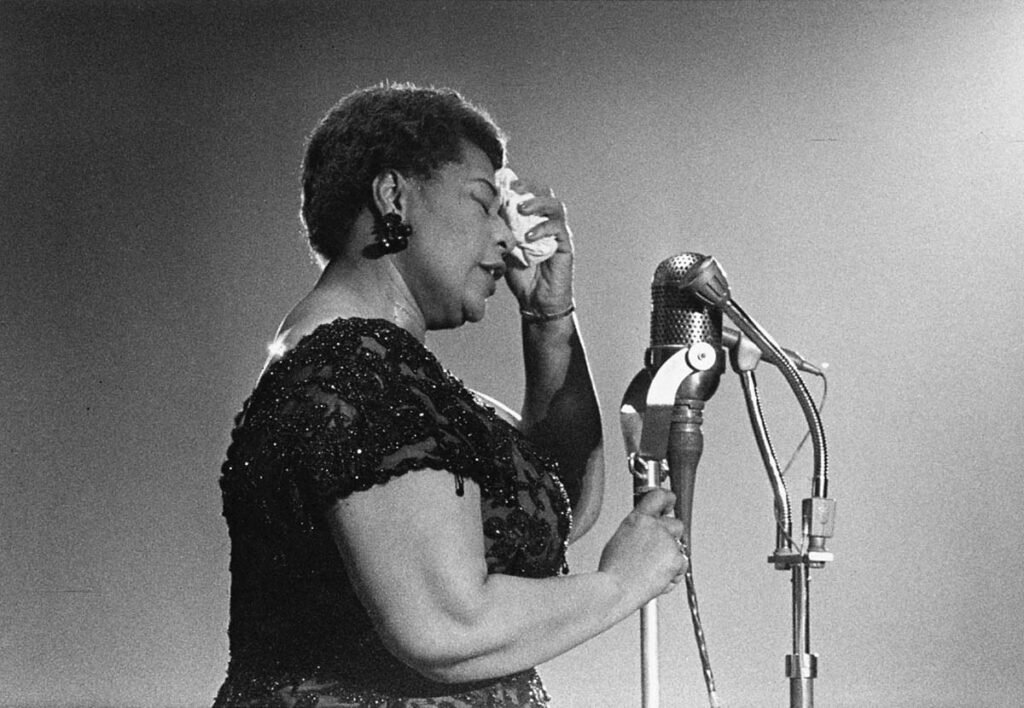
Ella Fitzgerald brought pure musical grace to late-night TV when she appeared on The Merv Griffin Show. Her voice floated so smoothly that it almost felt unreal coming through television speakers. Griffin, clearly starstruck, gave her room to take her time with each note. Viewers got to see the magic of her phrasing up close, something usually reserved for intimate clubs. She made difficult arrangements look deceptively easy. And the audience sat silently soaking it in, which is rare for a talk-show crowd. It was one of those performances that felt like a masterclass without ever trying to be one.
Her appearance helped broaden late-night audiences’ musical vocabulary. Jazz wasn’t always given the spotlight it deserved on mainstream television, but Fitzgerald proved how captivating it could be. Critics praised her tone and control afterward, noting how rare it was to hear jazz presented with such reverence on TV. Other talk shows took notice and started inviting more jazz greats. Fitzgerald’s calm confidence made the entire set feel elevated. She didn’t rely on flashy staging or gimmicks, she simply let the music speak. And people remembered it because it felt like something entirely authentic.
7. The Doors’ Controversial Ed Sullivan Spot (1967)
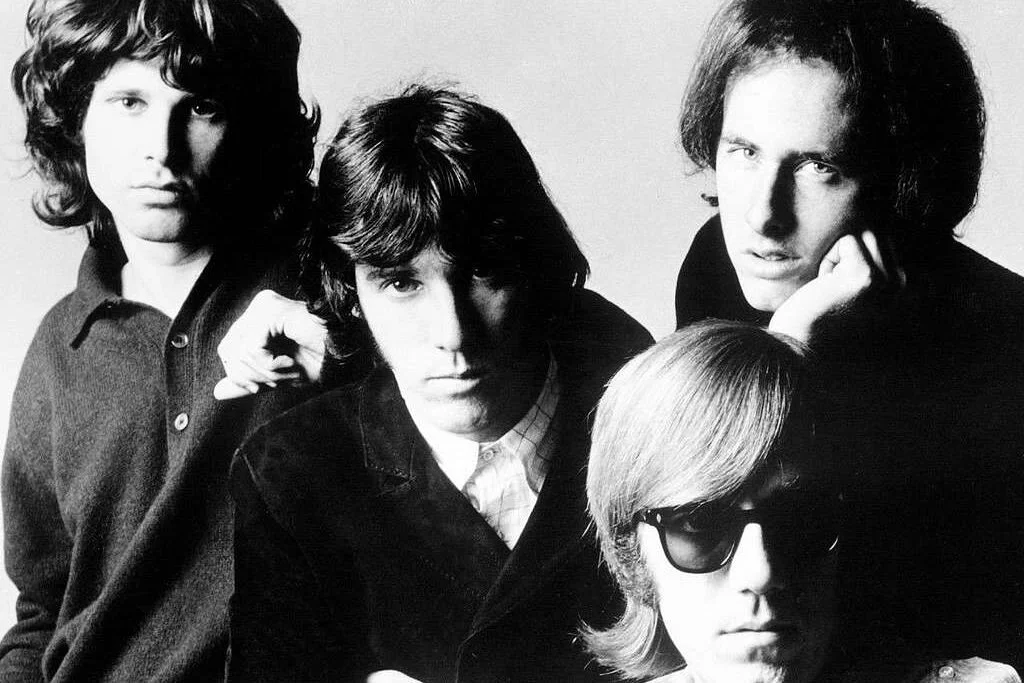
The Doors’ first and only appearance on The Ed Sullivan Show became infamous almost immediately. They’d been asked to change the lyric “girl, we couldn’t get much higher” in “Light My Fire,” and they agreed backstage. But when the cameras rolled, Jim Morrison sang the original line without hesitation. It stunned Sullivan, infuriated producers, and thrilled young viewers. The tension was palpable. The band finished the song as if nothing happened. But everyone watching knew they’d just witnessed a small act of rebellion live on television. It was messy and unforgettable.
The fallout was swift. Sullivan told them they’d never be invited back, and the band reportedly shrugged it off. In some ways, that moment defined The Doors’ image for years. It also marked a shift in how late-night TV handled rock acts. Producers realized they couldn’t fully control them. And oddly enough, the controversy only boosted the band’s popularity. Young fans viewed Morrison’s decision as a stand for authenticity. It proved television couldn’t sanitize every performance. And it added a new layer of unpredictability to late-night bookings.
8. Janis Joplin’s Soul-Bearing Performance on The Dick Cavett Show (1969)
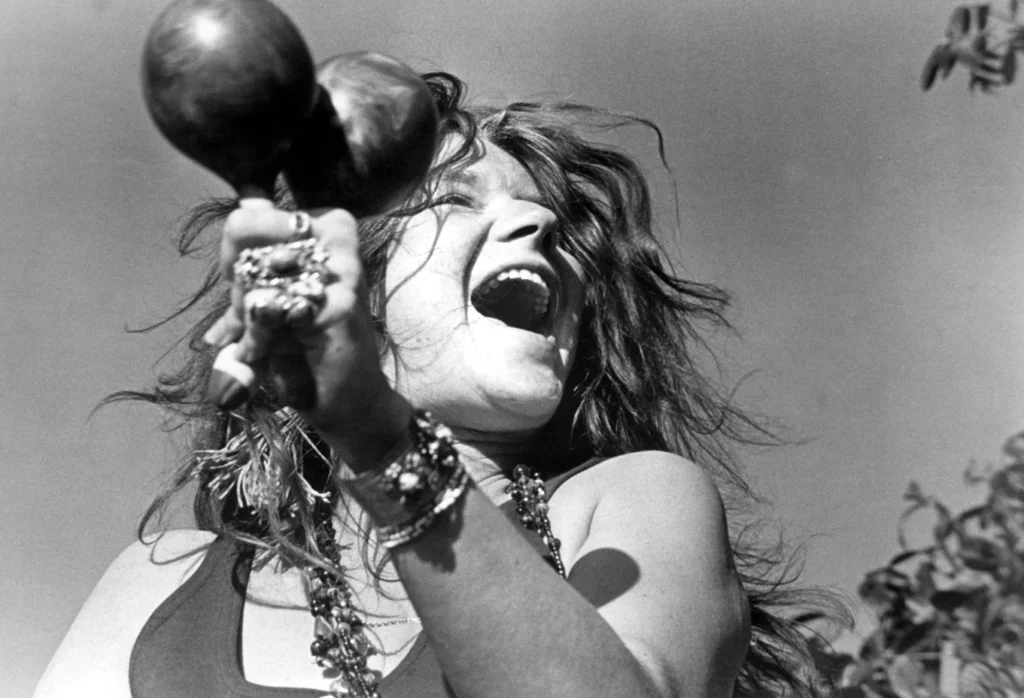
Janis Joplin’s appearance on The Dick Cavett Show in 1969 remains one of the most emotionally powerful late-night performances ever aired. Her voice cracked with raw feeling as she belted out songs that seemed pulled straight from her heart. Cavett treated her with genuine affection, which made the interview segments feel almost tender. Joplin was vulnerable one minute and playfully confident the next. Audiences were drawn to her authenticity, something hard to fake under bright studio lights. Seeing her perform in such an intimate space made the moment feel personal. It was like watching a friend pour out their soul on national TV. And it left a lasting impression on anyone who saw it.
Her appearance broadened the perception of what late-night music could be. Instead of polished choreography or pristine vocals, Joplin gave viewers honesty and emotional grit. Critics praised her for bringing something real and unfiltered to television. Fans felt even more connected to her after that night. Cavett became known as one of the few hosts who truly respected musical artistry. And Joplin’s visit proved that late-night TV didn’t always need gloss to be memorable. Sometimes the rawest performances were the ones that stuck with people the longest.
9. Stevie Wonder’s Breakthrough Moment on The Mike Douglas Show (1966)
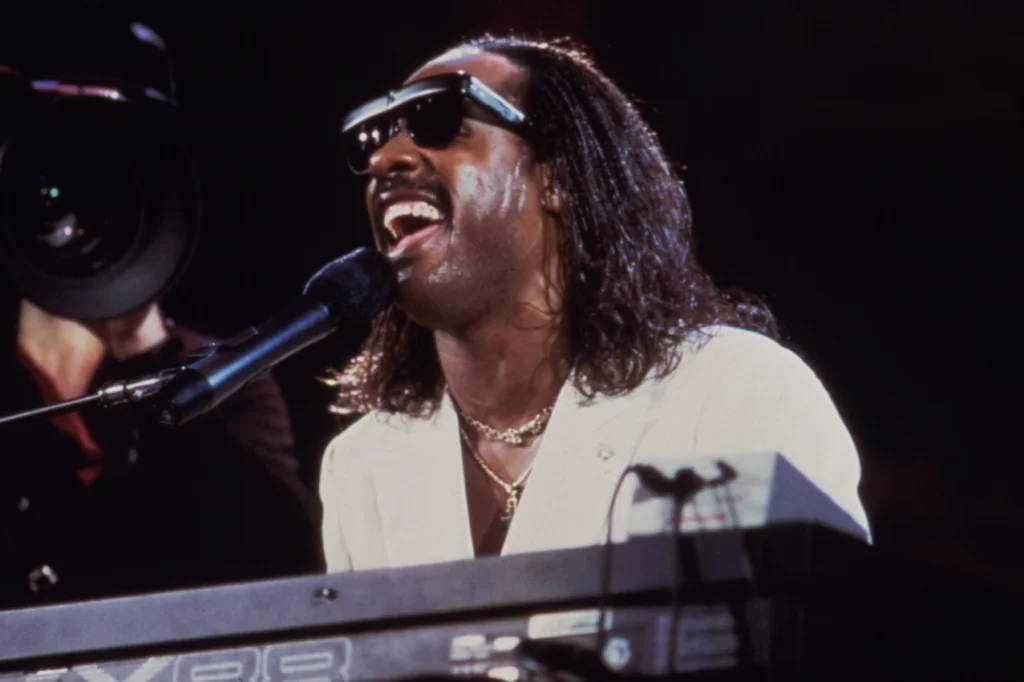
Stevie Wonder was still a teenager when he appeared on The Mike Douglas Show, but the moment he touched the keyboard, the entire audience perked up. His musical instincts were already years ahead of his age. He bounced between instruments with an ease that made seasoned musicians smile in admiration. Douglas kept praising him, clearly aware he was witnessing something special. Wonder’s joy was infectious, and you could feel the energy in the room rise with every note. His youthful confidence made the whole thing irresistible. It felt like the beginning of something big.
That performance introduced Wonder to an even wider audience just as he was transitioning from “Little Stevie” into a more mature artist. Viewers saw firsthand how much talent he had beyond his early hits. His ability to move from soulful melodies to upbeat rhythms impressed critics and fans alike. Television suddenly became an important stepping-stone in his growing career. Other shows quickly took note and booked him soon after. The performance made people realize they were watching the evolution of a superstar. And it gave late-night TV one of its most joyful musical moments of the ’60s.
10. Louis Armstrong’s Heartfelt Singing on The Tonight Show (1968)
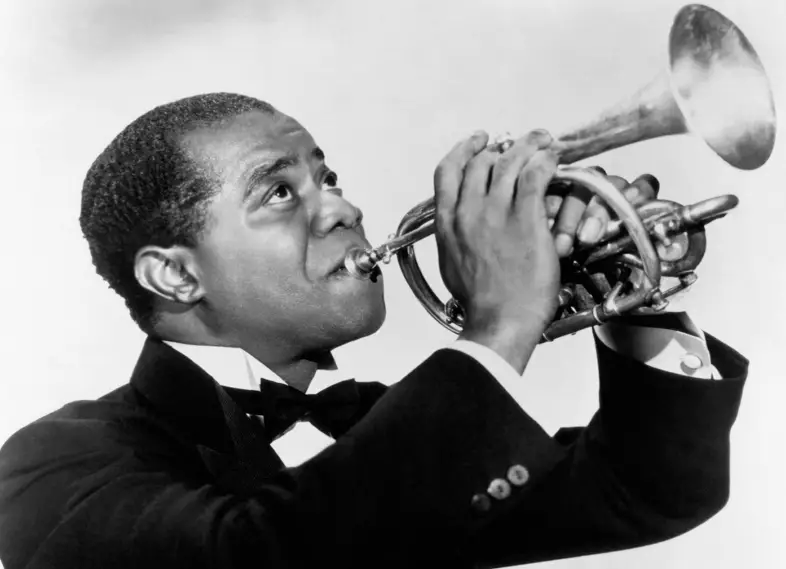
Louis Armstrong appeared on The Tonight Show many times, but his late-’60s performances carried extra poignancy. His voice had taken on a softer, more emotional quality that resonated deeply with viewers. When he sang “What a Wonderful World,” he did it with a sincerity that felt like a warm blanket through the screen. Carson treated him with enormous respect, letting the moment breathe. Armstrong smiled between lines, clearly savoring the chance to share the song. The audience listened quietly, absorbing every word. It was a rare stillness for late-night TV. And it made the performance feel almost sacred.
The appearance helped revive interest in Armstrong at a time when rock was dominating the airwaves. It also gave younger viewers a chance to appreciate a legend whose influence stretched across decades. Critics praised the emotional weight of his voice, noting how moving it felt on television. After the show aired, the song gained renewed appreciation. Armstrong reminded audiences that simplicity could be powerful. And his warmth created a moment that stayed in people’s memories long after the credits rolled.
11. Bob Dylan’s Surprise Return to Live TV on The Johnny Cash Show (1969)
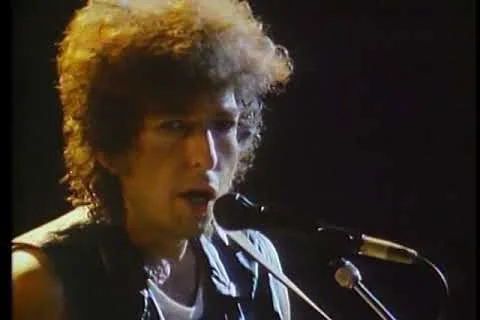
Bob Dylan’s appearance on The Johnny Cash Show marked one of his first major televised performances after a long recovery from his 1966 motorcycle accident. Fans had been waiting anxiously to see him again, and when he stepped onstage with Cash, it felt monumental. His voice was rougher than before, but it carried a new depth that fascinated viewers. Cash introduced him with genuine admiration, treating him less like a guest and more like a trusted friend. Together, they created a quiet, meaningful moment onstage. It wasn’t flashy, but it was powerful. Seeing Dylan return in such a humble setting surprised a lot of people.
The performance introduced a broader audience to Dylan’s newer, more introspective style. It also helped cement Cash’s show as one of the most musically significant programs on TV. Critics praised the pairing, calling it one of the decade’s most important televised musical moments. Fans appreciated the unpolished authenticity both men brought to the stage. Dylan’s return helped shape expectations for what late-night performances could offer. And it showed that vulnerability could be just as captivating as spectacle. It was a quiet turning point, but an important one.
12. Cass Elliot’s Radiant Solo Spot on The Smothers Brothers Comedy Hour (1968)
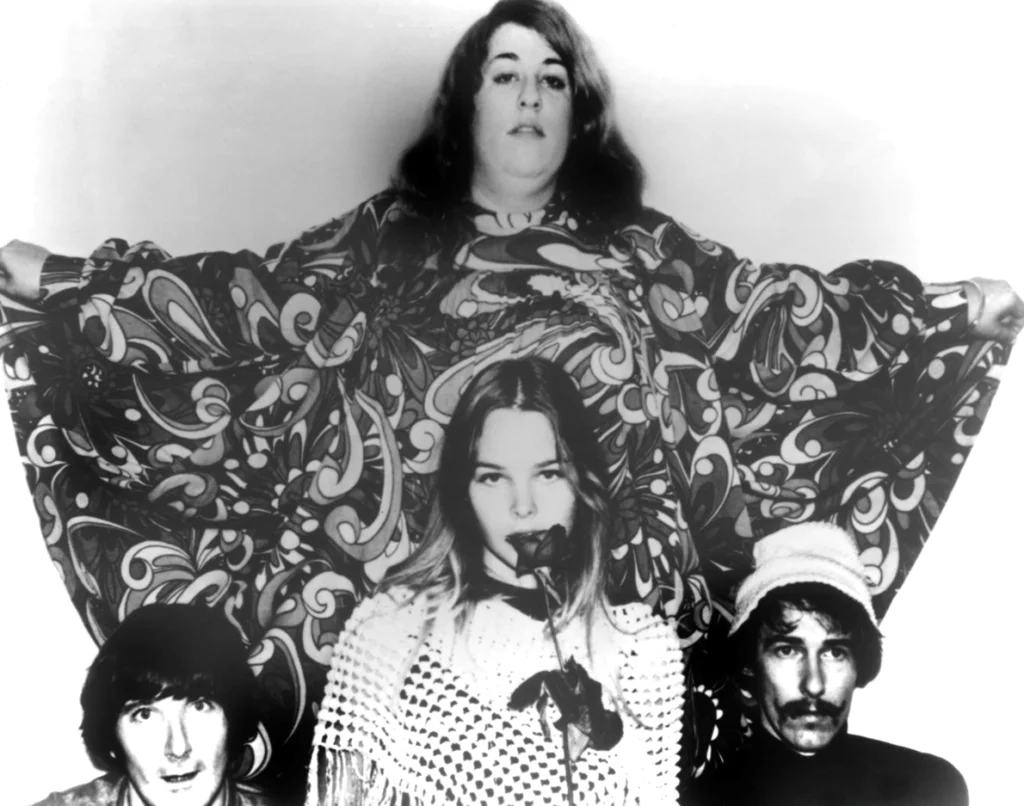
Cass Elliot’s solo performance on The Smothers Brothers Comedy Hour became an instant standout of the late ’60s. Her warm voice and gentle confidence filled the room in a way that felt comforting and powerful at the same time. She had spent years as part of The Mamas & The Papas, but this moment showed how captivating she was on her own. The audience adored her, and the camera clearly did too. She radiated joy and vulnerability with every note. Even in a decade filled with powerhouse performers, she managed to carve out her own unique space. That night felt like her official breakout as a solo star.
Her performance also highlighted how variety shows could uplift artists who were branching out from group acts. Critics praised her poise and vocal strength, noting how naturally she held the spotlight. Afterward, late-night producers saw how eager audiences were to embrace her. She became a frequent guest on multiple shows, each appearance widening her fanbase. It was a turning point not just for Elliot, but for how television showcased rising solo talent. And it reminded people that true star power didn’t require spectacle, just genuine presence.
13. Glen Campbell’s Seamless Guitar Work on The Smothers Brothers Comedy Hour (1967)
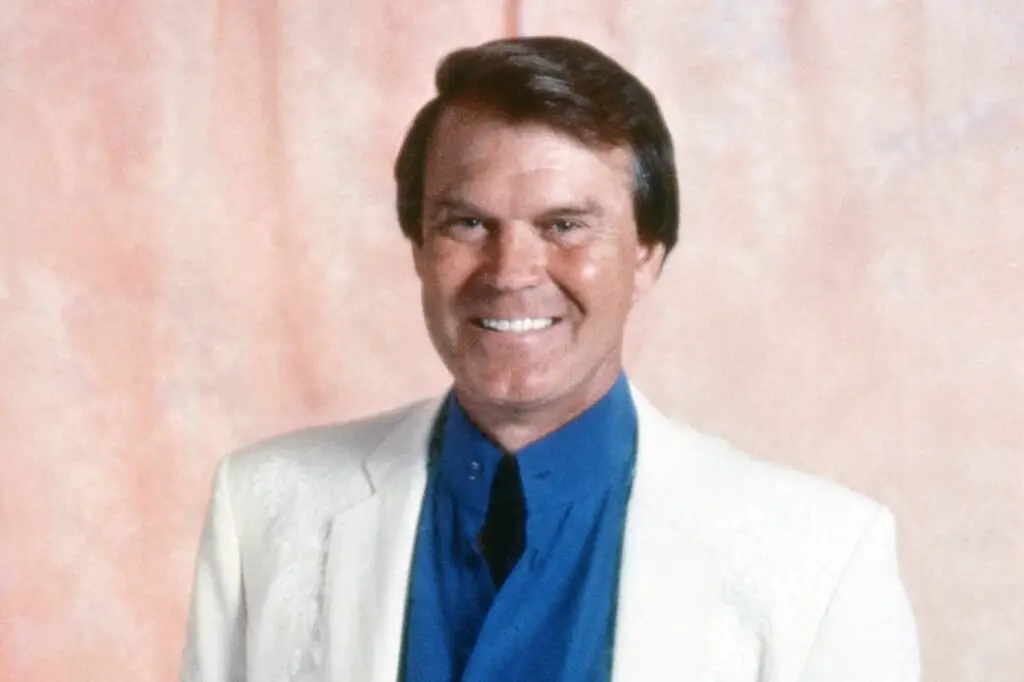
Glen Campbell’s appearance on The Smothers Brothers Comedy Hour gave viewers a rare chance to see his guitar skills up close. His picking was so smooth and precise that it almost didn’t look real. He transitioned from mellow melodies to upbeat riffs with an ease that left even the band impressed. The audience clapped along, clearly enjoying every moment. Campbell smiled through the whole thing, making the performance feel personal and warm. It was one of those sets where everything clicked perfectly. And it helped viewers understand why he was quickly rising to stardom.
This performance also showcased how powerful musicianship could be when given room to shine. Campbell had been a session musician for years, but appearing on national TV let people appreciate his talent firsthand. Critics praised his technical ability and relaxed charm. Late-night hosts took notice, inviting him back repeatedly. His appearances helped bridge the gap between country and pop audiences. And they reinforced the idea that late-night shows could be a launching pad for musicians who were ready to step into the spotlight.
14. Ike & Tina Turner’s High-Voltage Set on The Hollywood Palace (1966)
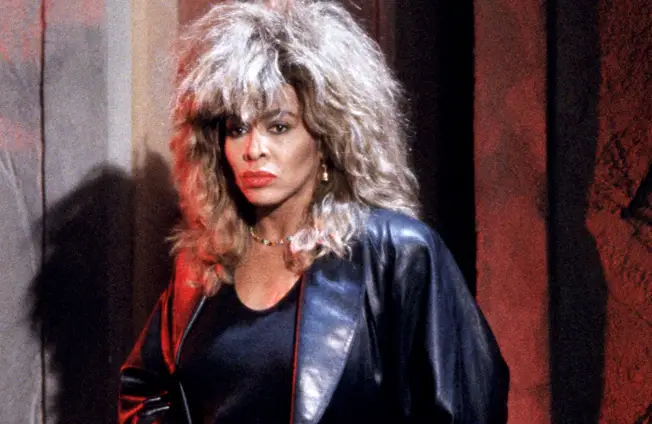
Ike and Tina Turner brought pure electricity to The Hollywood Palace when they performed in 1966. Tina’s energy was off the charts, and viewers couldn’t take their eyes off her. She danced with a ferocity that felt completely new for television. Their sound was gritty, soulful, and full of momentum. The band behind them matched her intensity note for note. Even in a decade full of incredible performers, Tina managed to stand out effortlessly. It was the kind of performance that made people sit up straight on their couches. And it left audiences buzzing long after the show ended.
Their appearance pushed late-night producers to rethink what high-energy performances could look like on TV. The Turners showed that music didn’t have to be polite to be powerful. Their bold style inspired other artists to bring more movement and intensity to their sets. Critics praised Tina’s stage presence, calling her one of the most dynamic performers on television. The performance helped expand what audiences expected from late-night music. And it cemented the Turners’ reputation as one of the most electrifying acts of the decade.