1. To Sir, With Love (1967)
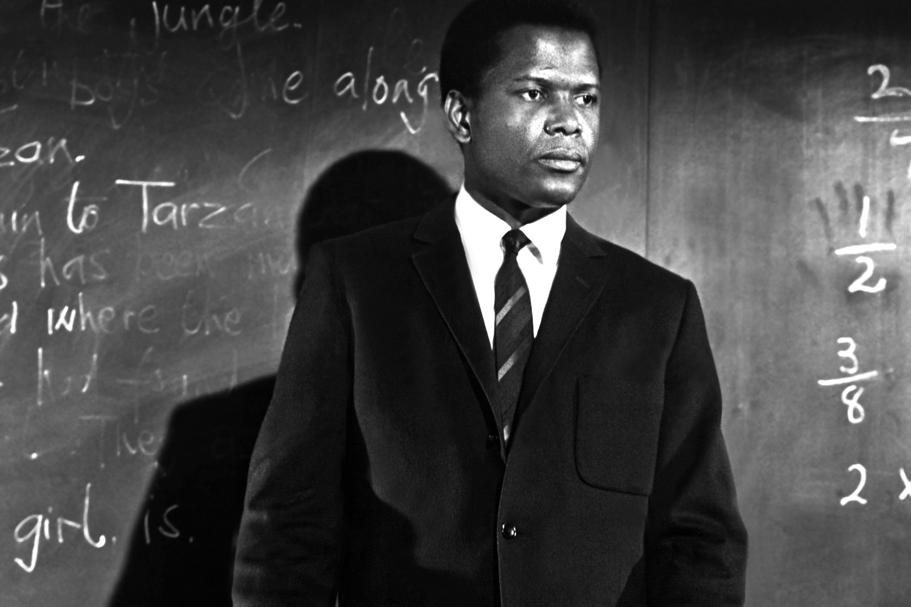
You might remember this Sidney Poitier classic for its heartwarming story about a teacher changing lives in London’s East End, but the soundtrack was just as unforgettable. Lulu’s hit title song became a massive success, topping charts around the world and defining a generation. The rest of the soundtrack, featuring soulful pop and mod beats, captured the changing mood of the late ’60s.
Listening now, the album still feels like a love letter to youth, rebellion, and transformation. There’s something timeless about the way the music bridges pop and soul, echoing the social shifts happening both onscreen and off. It’s impossible not to hum along to “To Sir, With Love,” but the deeper cuts deserve revisiting too. They bring back the feeling of possibility that defined the decade.
2. The Graduate (1967)
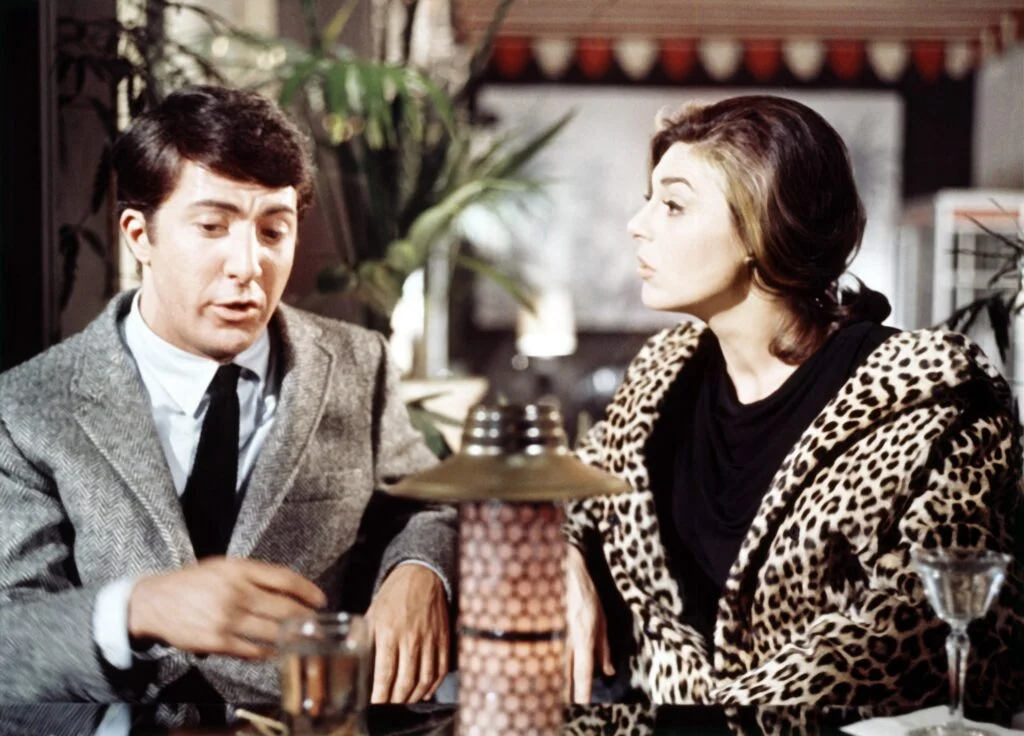
While The Graduate is still widely praised, its soundtrack sometimes gets overshadowed by the film’s iconic visuals. Simon & Garfunkel’s songs like “Mrs. Robinson” and “The Sound of Silence” became cultural landmarks, but the full album captures the uncertainty and drifting spirit of the late ’60s. It’s one of the first soundtracks to blend pop music so naturally into a film’s storytelling.
Revisiting it now feels like reading an emotional diary of the era. The acoustic guitar, haunting harmonies, and melancholy lyrics speak to anyone who’s ever felt lost after growing up too fast. It’s not just background music, it’s the soul of the film. Every track still sounds fresh, especially when you realize how groundbreaking it was at the time.
3. A Hard Day’s Night (1964)
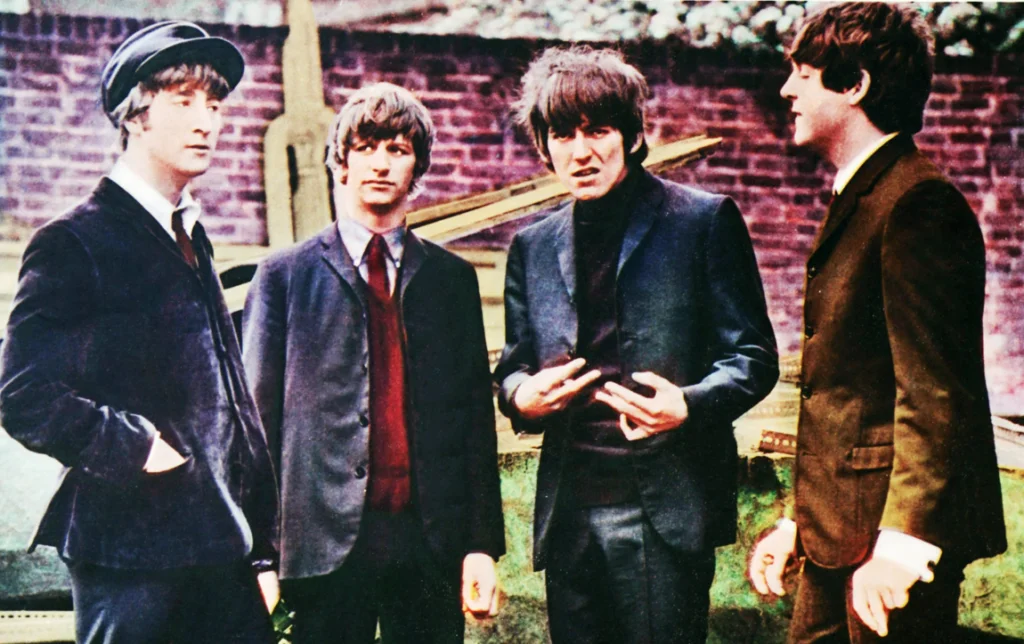
The Beatles’ first feature film was a turning point for pop music and movies alike. The soundtrack to A Hard Day’s Night wasn’t just a collection of hits, it was a statement that rock ’n’ roll had truly arrived. Songs like “Can’t Buy Me Love” and “If I Fell” made teenagers swoon and parents shake their heads in confusion.
The energy of the record is contagious, perfectly matching the film’s fast-paced, cheeky humor. Even decades later, you can feel the youthful optimism bursting out of every chord. It’s hard to imagine a time when the Beatles were still new, but this album captures that spark. Listening to it now feels like hearing the world turn from black and white to color.
4. The Pink Panther (1963)
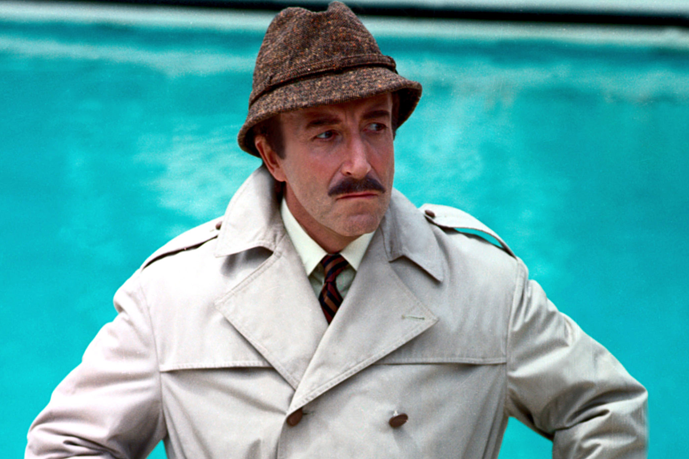
Henry Mancini created one of the most recognizable themes in movie history, but the rest of The Pink Panther soundtrack is often forgotten. Beyond the sneaky saxophone melody everyone knows, the album is full of smooth, jazzy arrangements that defined sophisticated ’60s style. It’s playful, cool, and endlessly listenable.
Mancini’s music practically oozes charm, making even a bumbling detective like Inspector Clouseau feel suave. The soundtrack became a staple of cocktail parties and bachelor pads across the decade. Revisit it today, and you’ll see why it became the soundtrack to mischief and elegance alike. It’s pure, silky fun from start to finish.
5. Easy Rider (1969)
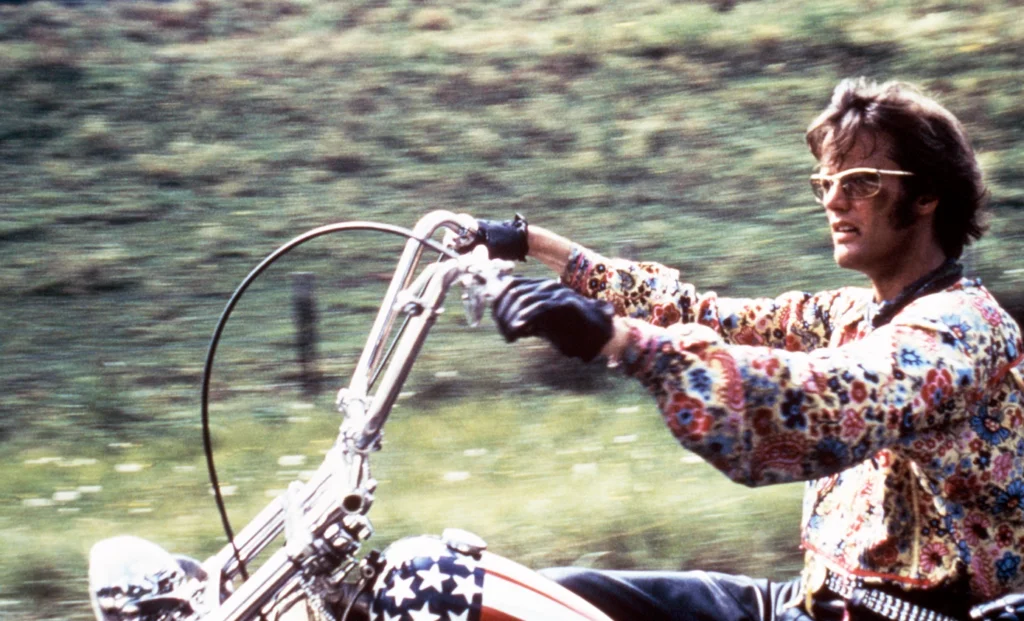
While Easy Rider is mostly remembered for its freedom and rebellion, its soundtrack was revolutionary in its own right. With tracks from Steppenwolf, The Byrds, and Jimi Hendrix, it became the blueprint for the rock movie soundtrack. It wasn’t composed for the film—it was the film, carrying its mood and message more than dialogue ever could.
Hearing it again today feels like rolling down an open highway with no plan but freedom. Every song, from “Born to Be Wild” to “The Weight,” captures the counterculture’s wild heart. It’s gritty, loud, and real, the kind of soundtrack that made parents nervous and kids dream of escape. It’s not just a time capsule—it’s a revolution in stereo.
6. The Good, the Bad and the Ugly (1966)
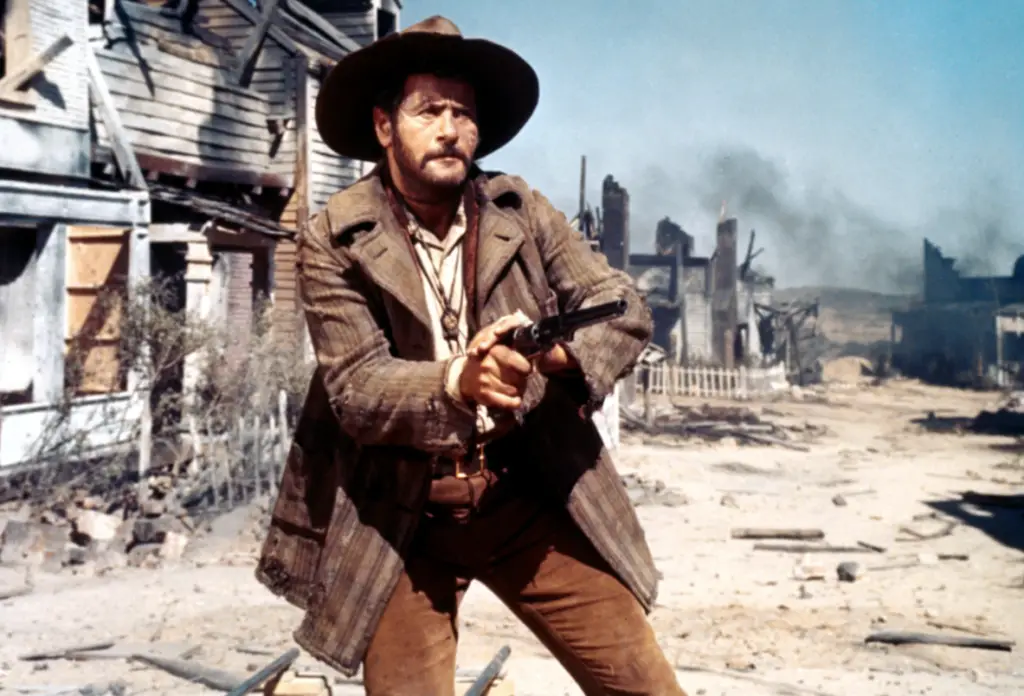
Ennio Morricone’s score for this Spaghetti Western isn’t just a soundtrack, it’s a soundscape that changed film music forever. The famous whistle, the haunting guitars, the operatic vocals—all of it feels larger than life. Yet outside of the title theme, many of the album’s other tracks often go overlooked.
Morricone’s genius lies in how he made silence and sound work together like dueling guns. The music gives every dusty showdown and lonely ride its own heartbeat. Replaying it now, you can almost feel the heat of the desert and the tension of the standoff. It’s cinematic perfection that deserves another spin, even off-screen.
7. The Thomas Crown Affair (1968)
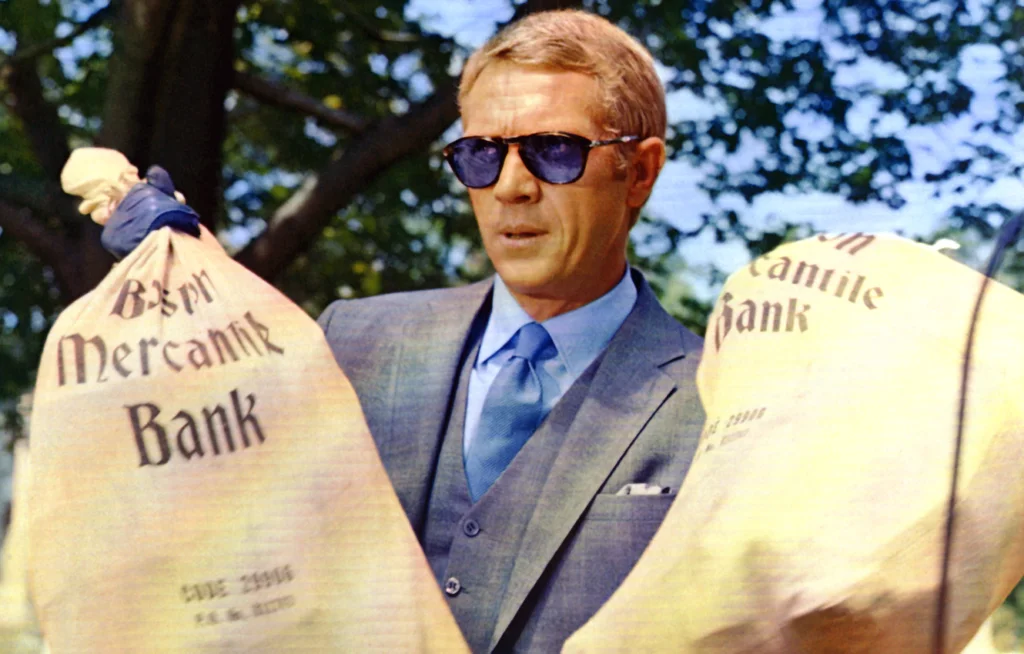
Before Pierce Brosnan ever took the role, Steve McQueen made The Thomas Crown Affair a stylish ’60s heist film full of charm and cool confidence. Michel Legrand’s jazz-infused score, especially “The Windmills of Your Mind,” won an Academy Award and became a signature of the era. Yet the rest of the soundtrack is just as smooth and mysterious.
It’s music made for dim lighting and whispered secrets. Legrand’s arrangements capture that glamorous side of the late ’60s—where crime, romance, and sophistication blended together effortlessly. The soundtrack plays like the pulse of a caper that never ends. It’s perfect for anyone who still dreams in technicolor and martini glass reflections.
8. Butch Cassidy and the Sundance Kid (1969)
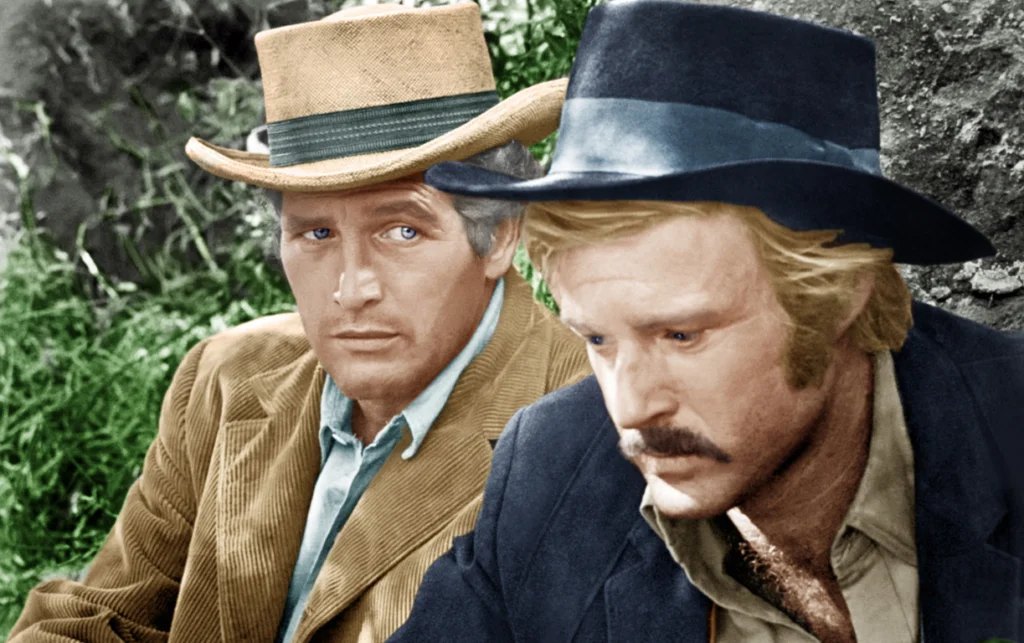
Everyone remembers “Raindrops Keep Fallin’ on My Head,” but few remember how eclectic the rest of this Burt Bacharach soundtrack truly is. The mix of Western motifs and modern pop was daring for its time, helping the movie feel both nostalgic and contemporary. It’s a cheerful yet melancholy listen, full of unexpected instrumentals and playful rhythms.
Revisiting it reminds you just how bold Bacharach’s sound was. His melodies have that unmistakable ’60s charm—sunny on the surface, bittersweet underneath. It’s a rare soundtrack that can make you smile and sigh at the same time. The perfect companion for a lazy afternoon or a quiet drive.
9. Midnight Cowboy (1969)
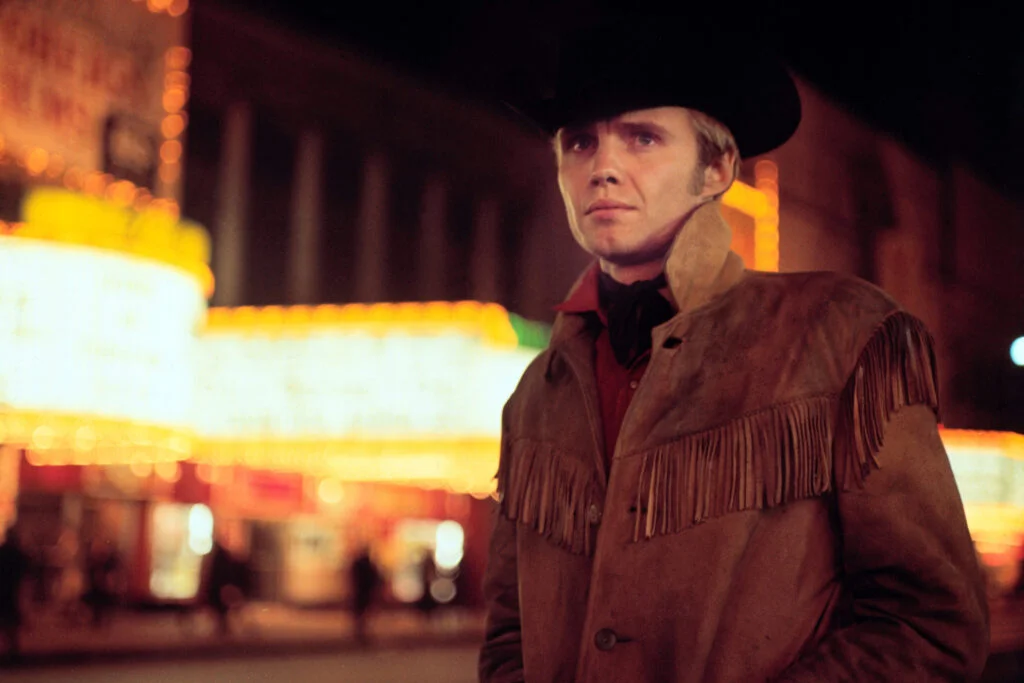
While technically released right after the decade closed, Midnight Cowboy’s soundtrack grew from the same spirit. Harry Nilsson’s “Everybody’s Talkin’” became the film’s emotional centerpiece, and John Barry’s score tied it all together with aching beauty. It’s moody, lonely, and unforgettable.
There’s a sense of lost innocence running through every note, echoing the film’s gritty realism. Listening now feels like walking through a city at 2 a.m., where hope and heartbreak share the same streetlight. It’s one of the most quietly powerful soundtracks of its time. Every song lingers long after it ends.
10. Doctor Zhivago (1965)
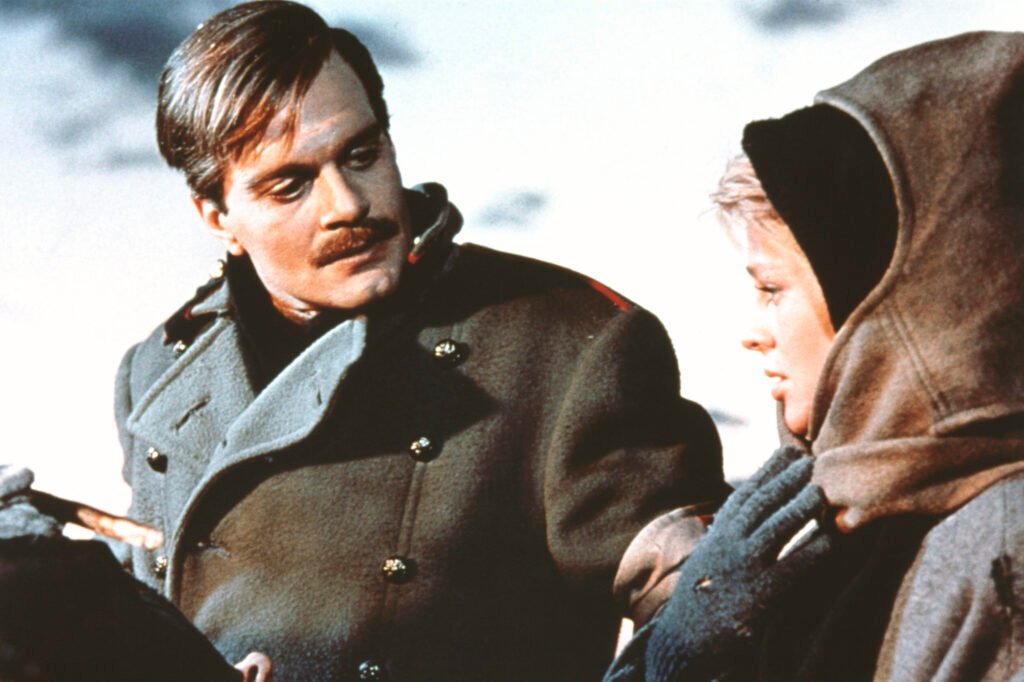
Maurice Jarre’s sweeping score for Doctor Zhivago brought Russian romance to Hollywood, and while “Lara’s Theme” became famous, the rest of the soundtrack is just as moving. The orchestration is lush and emotional, capturing both the grandeur and tragedy of the story.
It’s a soundtrack that rewards slow listening—each piece unfolding like a love letter. The way Jarre’s melodies rise and fall makes it feel timeless, even beyond the movie’s epic setting. It’s not just background music, it’s storytelling in symphonic form. A perfect winter listen when you want to feel something deep.
11. The Sound of Music (1965)
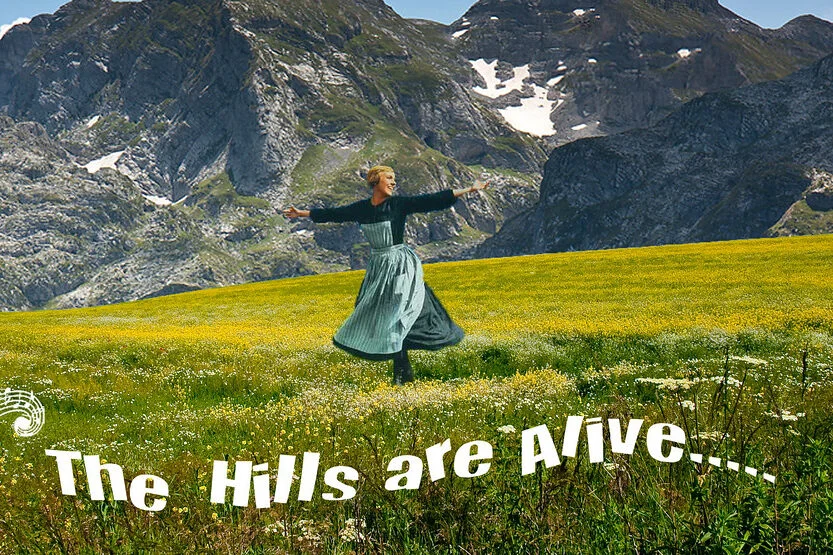
This one may not be forgotten in name, but the full soundtrack often gets reduced to a handful of songs everyone knows by heart. Beyond “Do-Re-Mi” and “My Favorite Things,” the album holds a depth of orchestration and emotional nuance that deserves rediscovery. Rodgers and Hammerstein’s compositions soar even outside the film.
Listening to it today can surprise you—it’s more than childhood nostalgia. The harmonies, orchestral arrangements, and pure vocal performances capture a rare sincerity that’s hard to find in modern musicals. It’s one of those records that remind you why music, above all else, can heal and uplift.
12. The T.A.M.I. Show (1964)
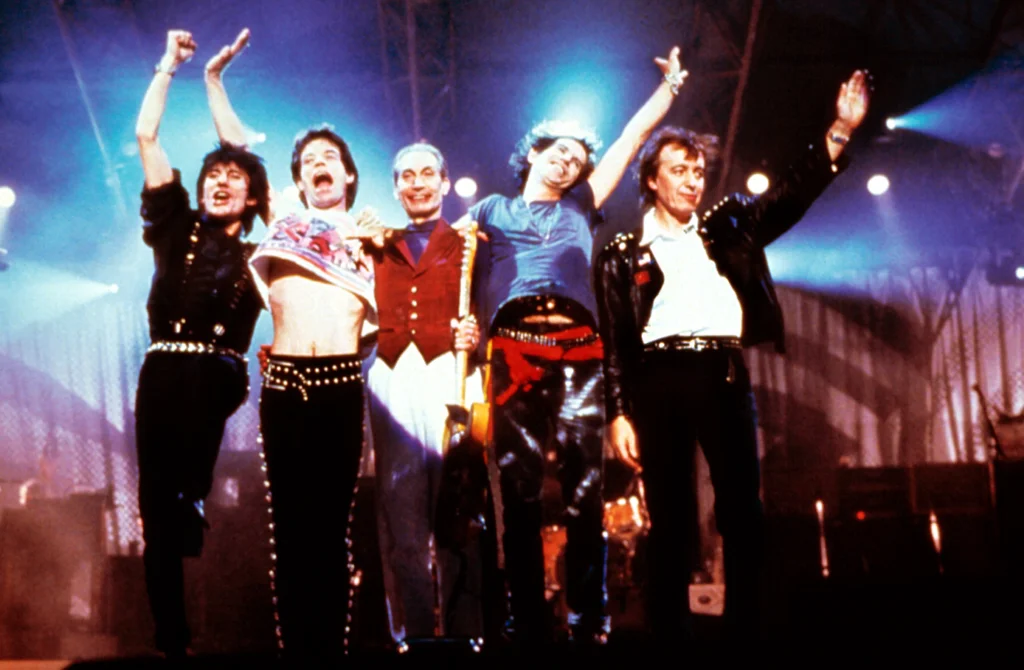
This concert film captured lightning in a bottle, yet its soundtrack often gets overlooked compared to other live albums. Featuring performances from The Rolling Stones, The Supremes, James Brown, and The Beach Boys, it was a who’s who of ’60s legends before they became icons.
Listening to the live cuts now feels like eavesdropping on history. There’s a rawness and immediacy that studio albums can’t touch. James Brown’s set alone is worth the revisit—it’s a masterclass in pure energy. This soundtrack is rock and soul in its most electric form.
13. Valley of the Dolls (1967)

Few soundtracks capture the glamorous melancholy of the late ’60s like Valley of the Dolls. André and Dory Previn crafted lush orchestrations that matched the film’s glossy drama and heartbreak. The title track, sung by Dionne Warwick, is hauntingly beautiful and perfectly sums up the era’s shifting sense of fame and loneliness.
It’s one of those albums that lingers long after you play it. Each song feels like it’s hiding a secret behind the shimmer. Beneath the lush arrangements, you can hear the ache of disillusionment that defined the end of the decade. It’s the ’60s in one bittersweet package.
14. Breakfast at Tiffany’s (1961)
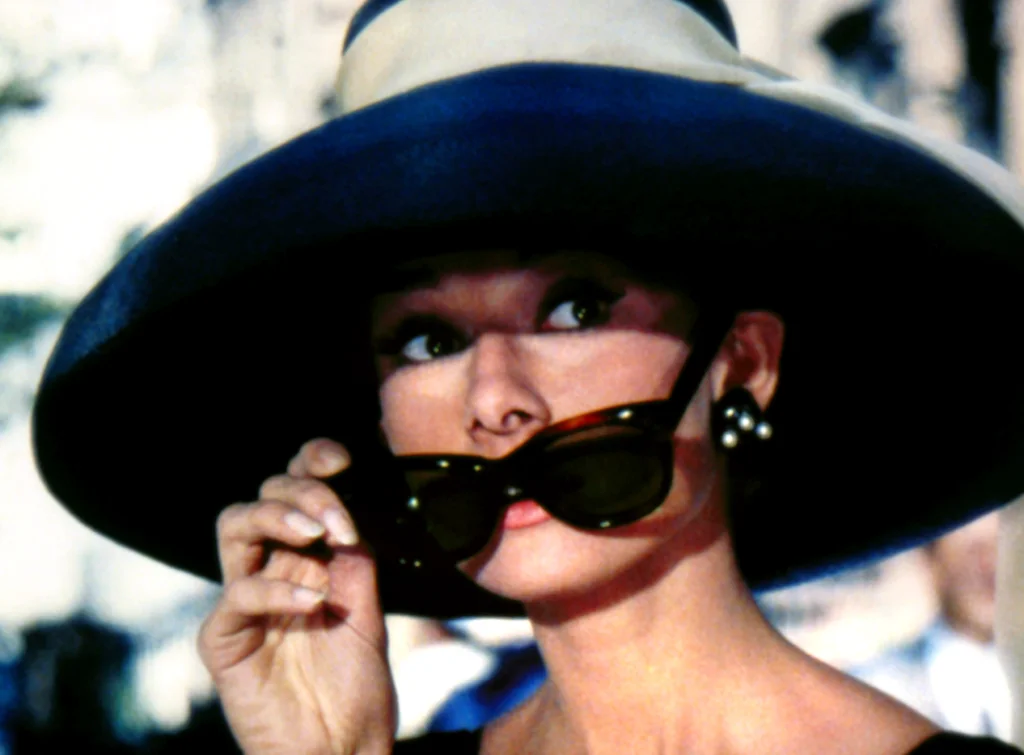
Henry Mancini struck gold with Breakfast at Tiffany’s, but while “Moon River” became an instant classic, the rest of the album deserves equal love. The jazz instrumentals and gentle orchestral cues weave elegance and longing into every moment. It’s sophisticated but never cold, romantic without being sugary.
Playing it today feels like walking down a rain-damp New York street at sunrise. The melodies linger softly, making even ordinary moments feel cinematic. Mancini’s music defined an entire aesthetic of mid-century grace. It’s a perfect closer for any trip back to the golden glow of ’60s cinema.