
1. Cleopatra (1963)
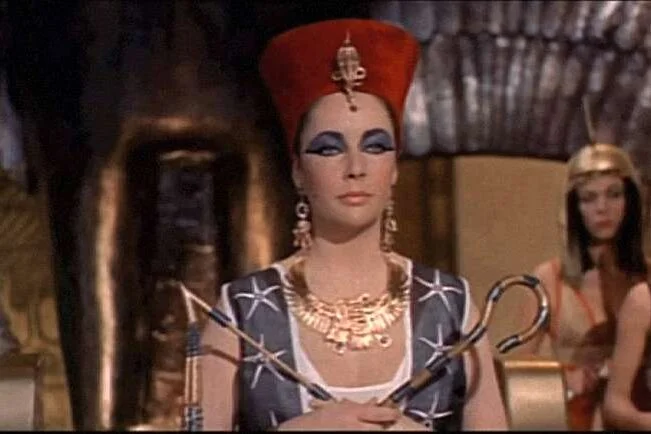
When Cleopatra was first promoted, the trailer promised “the motion picture event of a generation.” It boasted sweeping sets, glittering costumes, and the on-screen chemistry between Elizabeth Taylor and Richard Burton. While the trailer delivered opulence, the movie’s bloated four-hour runtime and backstage scandals overshadowed everything. What was supposed to be a romantic epic became infamous for nearly bankrupting 20th Century Fox.
Still, the trailer is mesmerizing to watch now, almost like a time capsule of Hollywood excess. Its booming narration, slow zooms on Taylor’s face, and dramatic orchestral score made audiences believe they were witnessing a new cinematic age. They got grandeur, yes—but also more melodrama and studio chaos than anyone expected.
2. Doctor Dolittle (1967)
The trailer for Doctor Dolittle sold it as a whimsical musical adventure “for the entire family.” With Rex Harrison serenading animals and colorful sets bursting with life, it looked like pure magic. But when it hit theaters, critics panned it for being overly long, slow, and awkwardly charming in all the wrong ways.
The preview promised Mary Poppins energy, yet the result felt more like a lavish school play. The talking animals didn’t quite convince anyone, and audiences grew restless halfway through. Today, the trailer’s sunny tone feels almost too optimistic, given how much trouble the production faced. Still, it’s a perfect example of 1960s Hollywood believing spectacle could solve anything.
3. Casino Royale (1967)
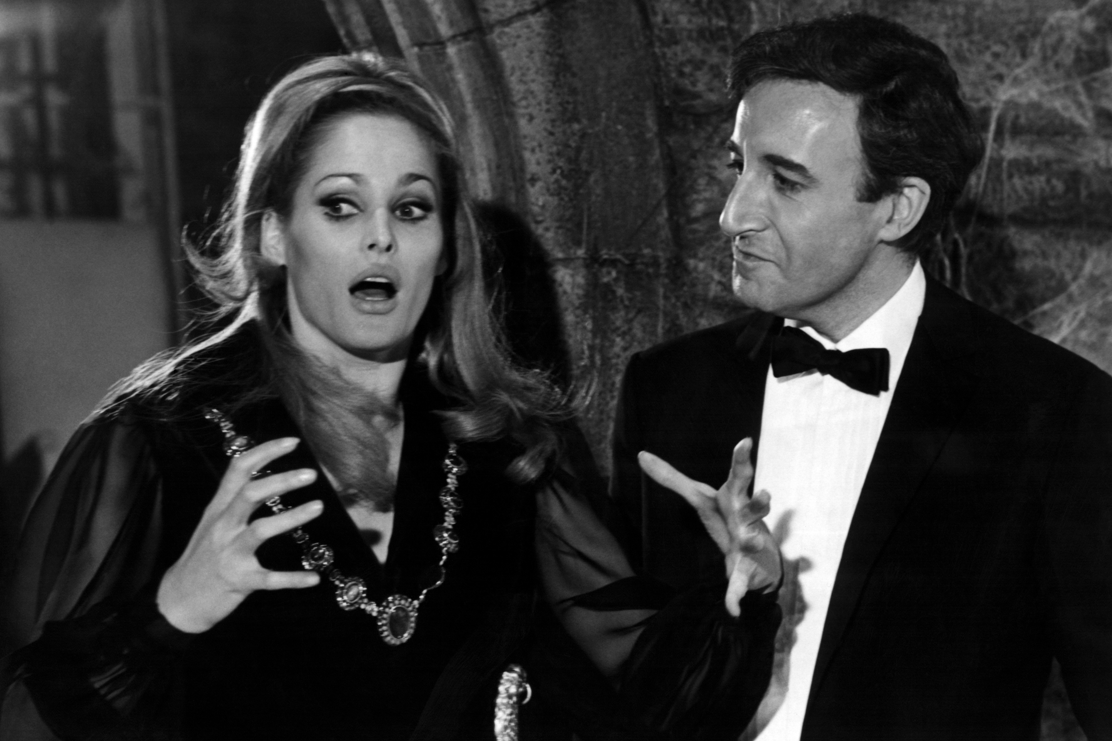
Before Daniel Craig, there was the chaotic 1967 Casino Royale, and its trailer promised “the wildest spy adventure of all time.” With multiple James Bonds, psychedelic editing, and a chaotic collage of beautiful women and explosions, it looked like a groovy masterpiece. In reality, it was a confusing spoof that barely made sense, despite its star-studded cast.
The trailer’s energy was infectious—set to swinging jazz, full of bold colors and flashing text—but it completely misrepresented what viewers got. Instead of sharp satire, audiences were treated to a messy parade of disjointed scenes. Still, that trailer remains iconic for capturing the exact moment when Hollywood tried too hard to be hip.
4. Valley of the Dolls (1967)

“Sex. Glamour. Drugs. Success.” The Valley of the Dolls trailer made it look like the most scandalous film ever made. Based on Jacqueline Susann’s bestselling novel, the preview promised a raw and daring look at fame’s dark side. What audiences got was pure melodrama—campy, overacted, and unintentionally funny.
The trailer sold it as shocking realism, but the result was more soap opera than expose. Still, it worked; moviegoers couldn’t resist seeing what all the fuss was about. Today, the overhyped trailer feels almost self-aware, like Hollywood accidentally made fun of itself. Few previews better capture the glittering excess of the late ’60s.
5. Camelot (1967)
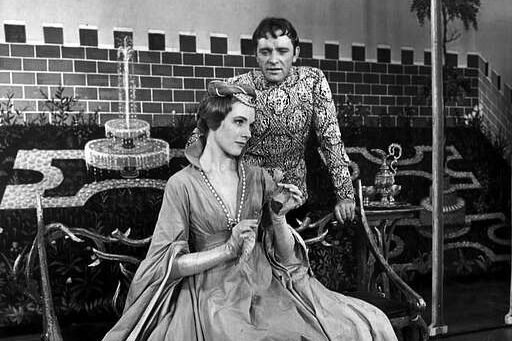
The Camelot trailer promised sweeping romance, stunning visuals, and the majesty of Arthurian legend brought to life. With Richard Harris, Vanessa Redgrave, and Franco Nero, it looked like the ultimate love story. But what unfolded on screen was slow, uneven, and far less magical than its marketing.
The trailer lingered on Redgrave’s beauty and the lush scenery, hoping to sell fantasy and grandeur. Yet by the second act, most viewers were more enchanted by the costumes than the story. Its preview oversold the emotional depth, turning what could’ve been a quiet tragedy into a bloated musical epic. The trailer still stands as a gorgeous illusion—proof that not even Camelot was perfect.
6. Bonnie and Clyde (1967)
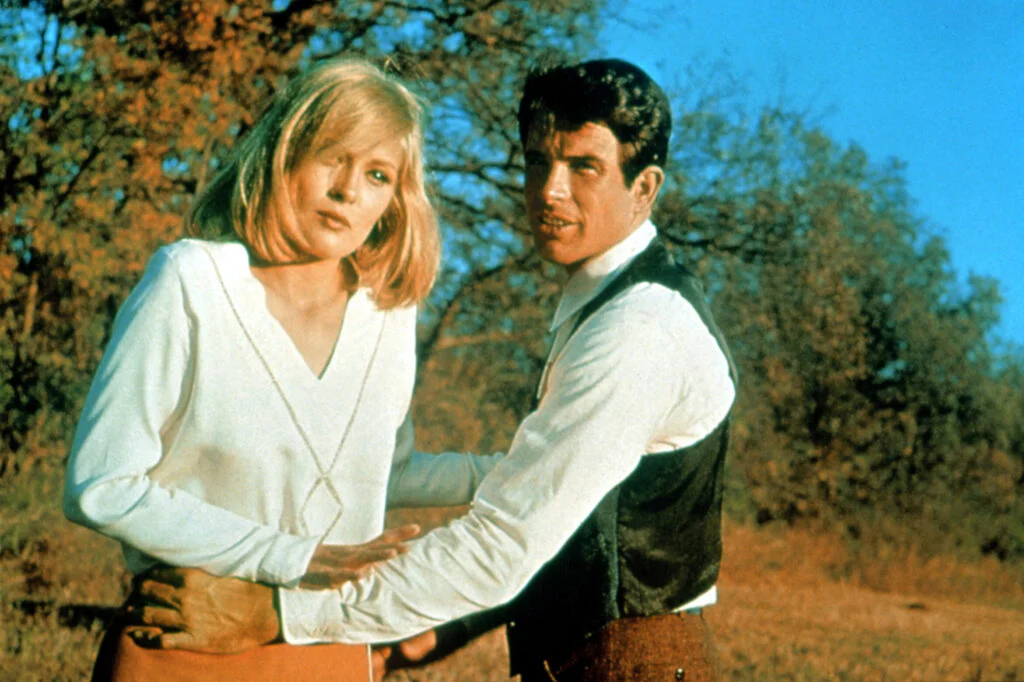
The trailer for Bonnie and Clyde promised a stylish, fast-paced romp about two lovers on the run. It made the pair look glamorous and daring, with flashy editing and upbeat jazz. What no one expected was how violent and tragic the film would be. Audiences walked in thinking they’d see a quirky love story and left shaken.
The preview danced around the movie’s brutality, selling more of its swagger than its soul. That choice made the actual film hit even harder, but also left early viewers confused. Critics were divided at first, since the trailer didn’t prepare them for something so groundbreaking. It’s a perfect example of marketing missing the movie’s real message.
7. Barbarella (1968)
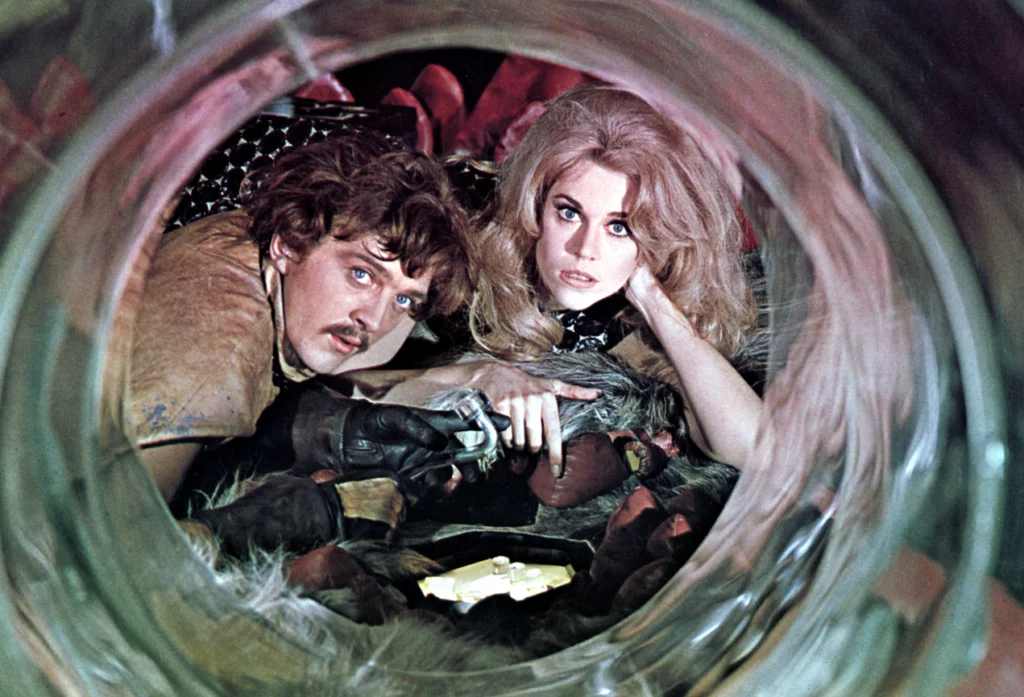
Jane Fonda’s Barbarella trailer promised an intergalactic sex comedy “beyond your imagination.” It was all space-age costumes, campy dialogue, and teasing glimpses of Fonda in futuristic outfits. The movie did deliver all that—but in such a bizarre, uneven way that many viewers didn’t know what to make of it.
The trailer’s flirtatious narration sold it as naughty but clever. Instead, it became one of the strangest cult films ever made. For 1968 audiences, the trailer’s promise of “thrills and chills in outer space” set expectations the film couldn’t match. Still, few previews from the decade capture the psychedelic weirdness of the era quite like it.
8. The Happening (1967)

Before M. Night Shyamalan’s The Happening, there was this 1967 comedy caper starring Anthony Quinn. The trailer promised a wild counterculture romp full of groovy chaos. It had upbeat music, quick cuts, and hip language designed to attract young audiences. But the film itself was more confusing than cool.
Despite its mod visuals and jazzy soundtrack, it didn’t resonate with critics or moviegoers. The trailer oversold its “youth rebellion” energy while missing the fact that it didn’t actually have much to say. In hindsight, the preview feels like a desperate attempt by the studio to sound hip. It’s proof that not every movie can bottle the spirit of the ’60s, no matter how hard the trailer tries.
9. The Sound of Music (1965)
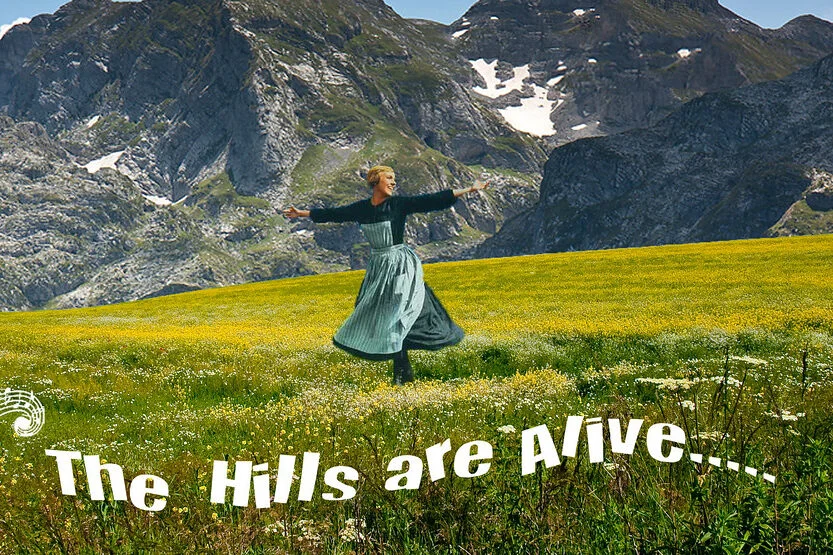
The trailer for The Sound of Music promised “the happiest sound in all the world.” While the film eventually became a classic, early marketing leaned heavily on its sunny tone. The previews made it look like a light, frothy musical rather than a heartfelt story about war, faith, and family.
Many early audiences were surprised by how emotional it was. The trailer skipped over the darker elements and focused only on the hills, songs, and smiles. Of course, history proved the movie didn’t need hype—it spoke for itself. But that early marketing underestimated how deep it really was.
10. Doctor Zhivago (1965)
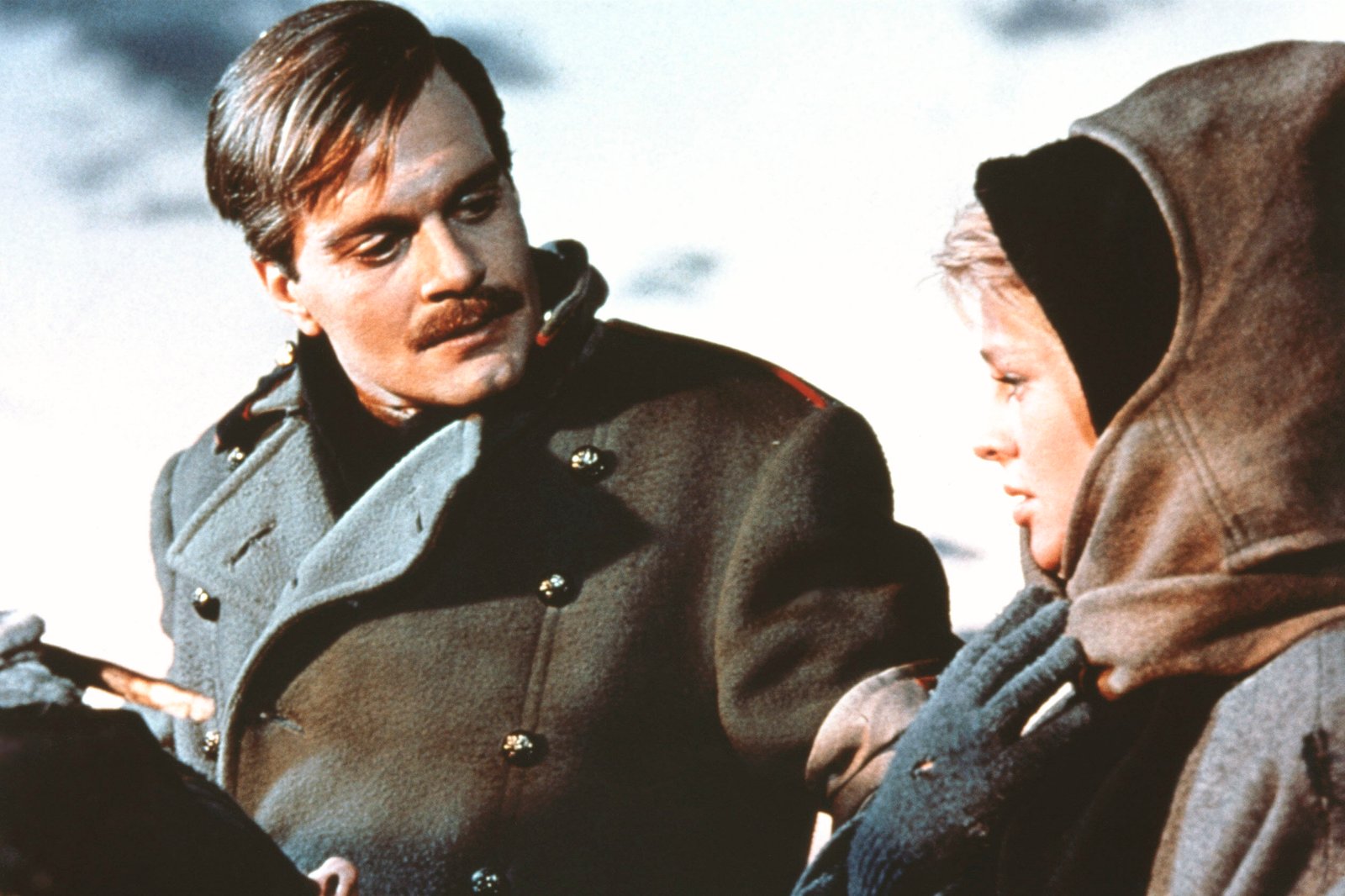
The trailer for Doctor Zhivago promised “a love that defied revolution,” with sweeping snow scenes and lush music. It made the film look like pure romantic escapism. While it’s undeniably beautiful, the actual movie is a slow, sprawling historical epic that can feel more exhausting than passionate.
The preview condensed years of Russian turmoil into two minutes of longing glances and music swells. It made audiences expect a straightforward love story, not a dense tragedy about survival and loss. Still, the trailer remains a classic example of old Hollywood marketing—romance over realism, emotion over clarity.
11. My Fair Lady (1964)
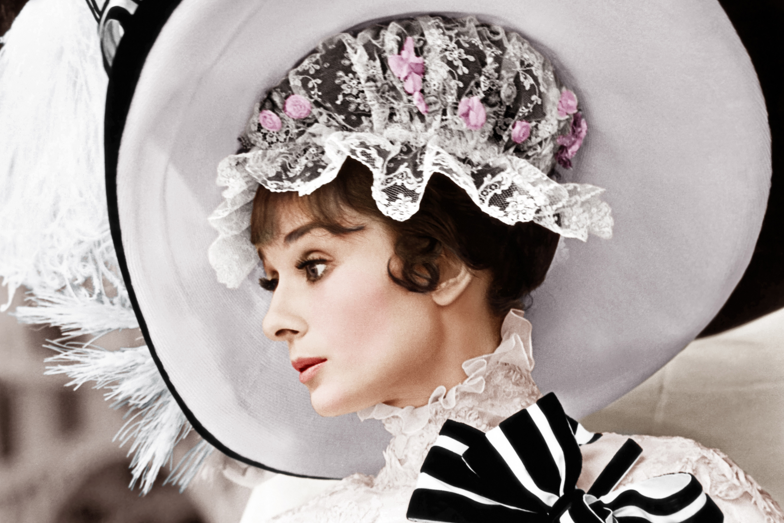
The My Fair Lady trailer sold it as “the most delightful musical ever made.” It promised elegance, laughter, and charm—and to be fair, it mostly delivered. But it also glossed over the fact that the story is really about manipulation, class, and identity. Many viewers went in expecting carefree fun and were surprised by its darker undertones.
The trailer’s lush Technicolor and witty snippets made it seem lighter than it truly was. Still, it worked perfectly to draw crowds, even if it oversimplified what made the movie so interesting. Looking back, it feels like Hollywood trying to sell sophistication as sparkle.
12. The Graduate (1967)
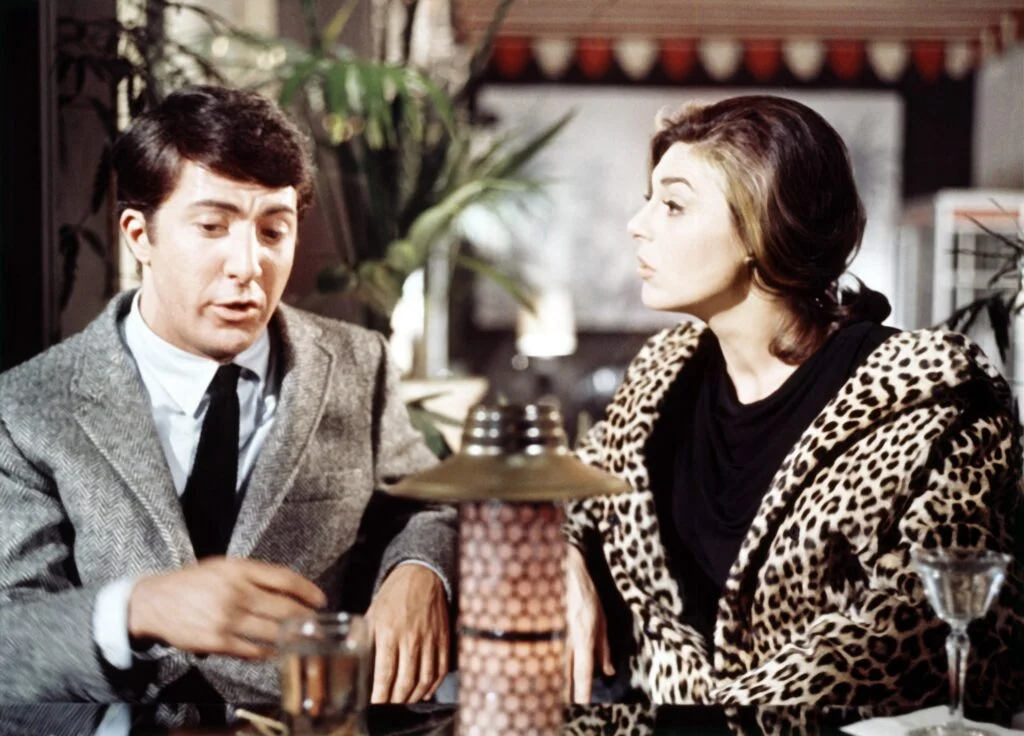
The trailer for The Graduate sold it as a quirky comedy about an awkward young man. With snippets of Simon & Garfunkel songs and Dustin Hoffman’s confused expressions, it seemed breezy and fun. Few were ready for how deeply ironic and melancholic the film actually was.
The preview skipped over the emotional complexity, making it feel more like a romantic farce. Still, that tone helped it stand out in 1967—a marketing move that may have worked better than anyone planned. Audiences walked in for laughs and walked out thinking about life’s expectations.
13. Planet of the Apes (1968)
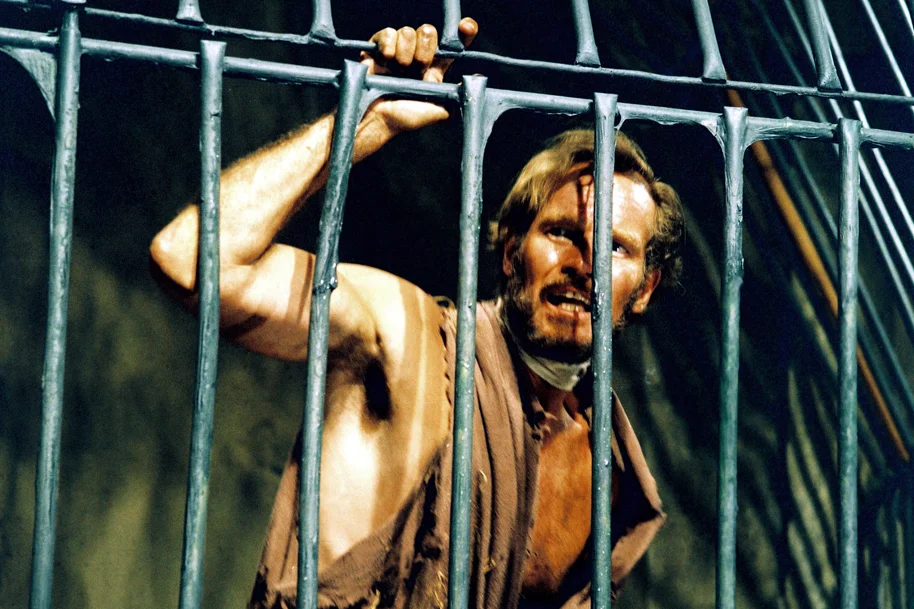
The trailer for Planet of the Apes teased “a shocking world where man is the animal.” It showed just enough of the ape civilization to intrigue audiences but gave away far too much of the story. Even the twist was hinted at in ways modern marketers would never risk.
While the movie became a landmark in sci-fi, the trailer’s over-the-top narration nearly spoiled its biggest surprise. Its booming tone promised pulp adventure rather than social commentary. Still, that bold approach helped turn it into a cultural event—and one of the most memorable overpromises of the decade.
14. Paint Your Wagon (1969)
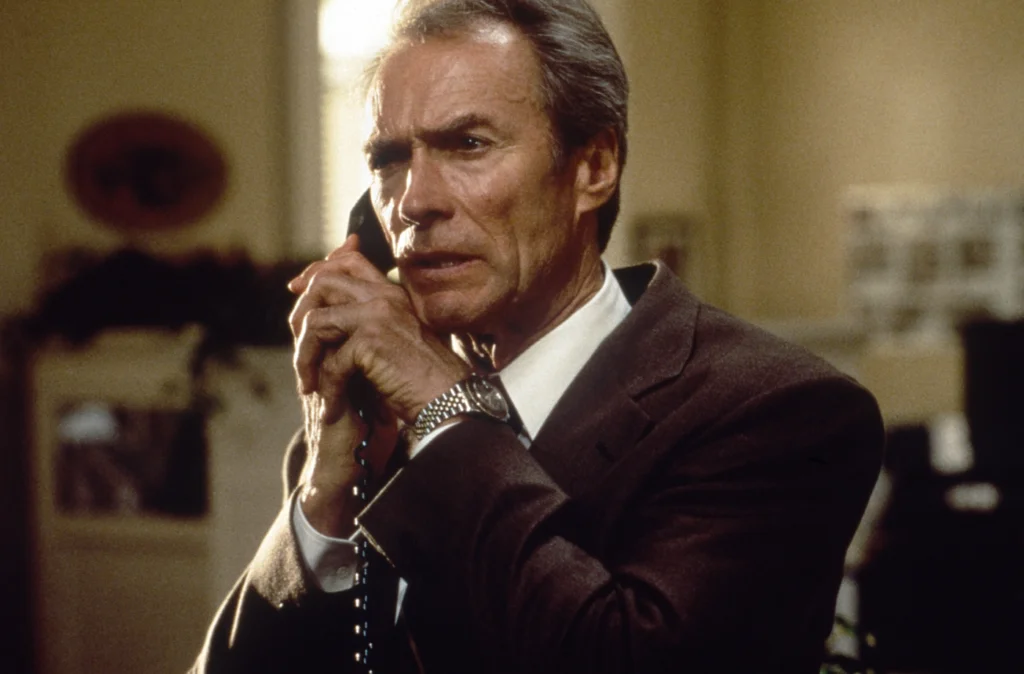
Clint Eastwood and Lee Marvin singing in a western? The trailer for Paint Your Wagon made it sound like a rollicking, romantic romp through gold country. It promised humor, adventure, and toe-tapping tunes. What audiences got was a nearly three-hour film that left many scratching their heads.
The trailer highlighted its star power and musical numbers but forgot to mention how uneven the pacing was. Critics were baffled, and even fans of the genre weren’t sure what to make of it. Still, the preview is pure gold in hindsight—an artifact of when Hollywood believed any genre could sing its way to box office glory.