
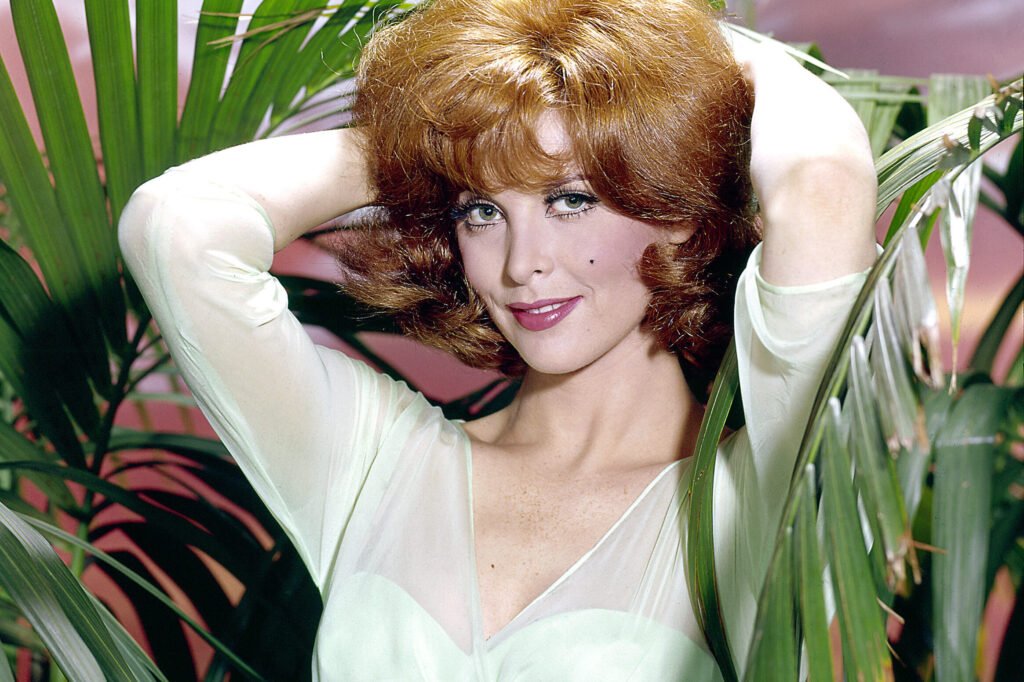
1. Tina Louise
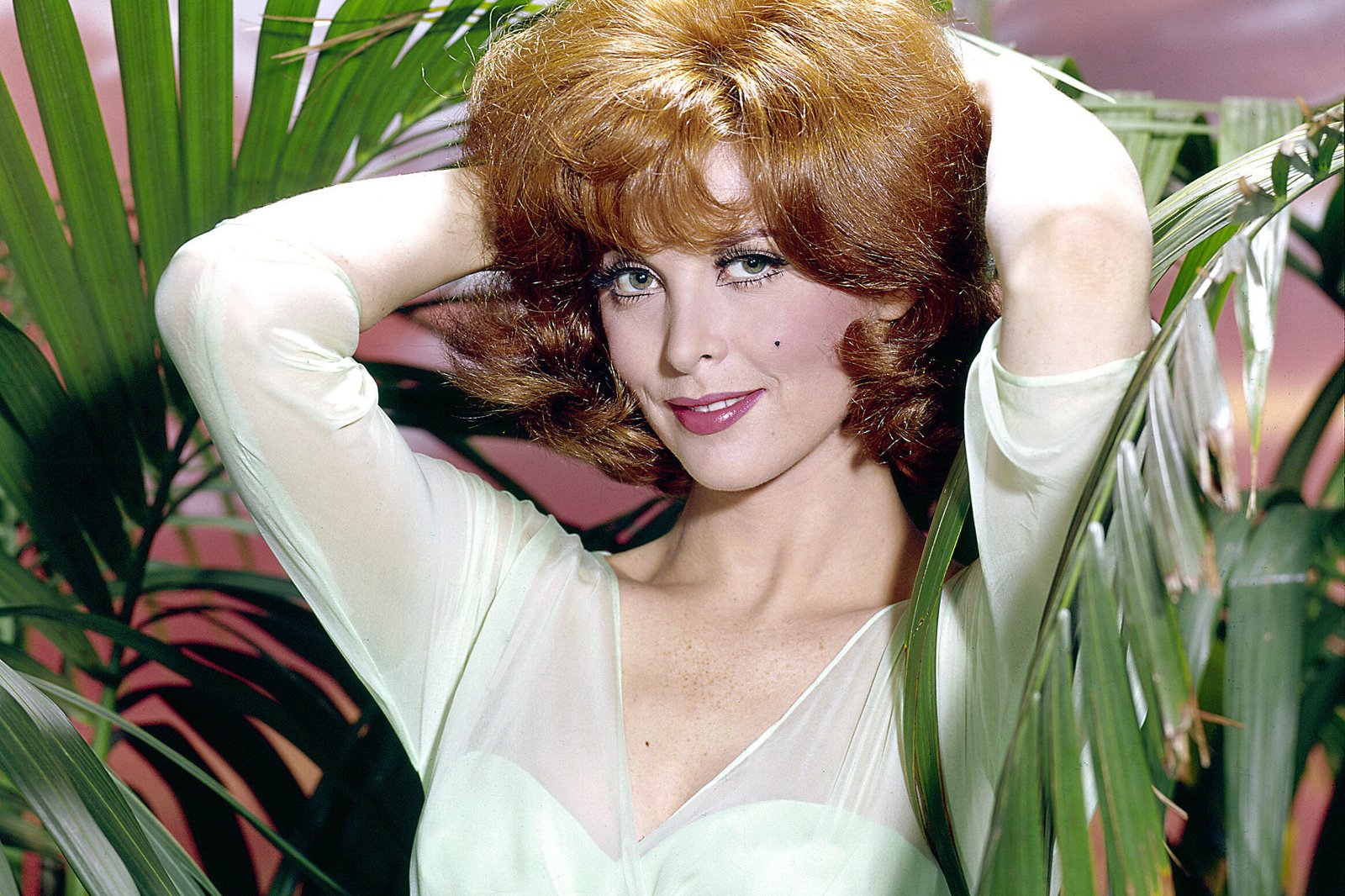
Tina Louise will always be remembered as Ginger Grant from Gilligan’s Island, but after the show ended in 1967, she wanted to shed her image as the glamorous movie star. Instead of sticking with sitcoms, she turned her focus to more serious acting roles, appearing in films like The Stepford Wives and The Wrecking Crew. However, she eventually found that Hollywood wasn’t offering her the kinds of parts she wanted anymore.
By the late ’70s, Louise quietly stepped away from acting and shifted her attention to education and philanthropy. She became an advocate for literacy, working with the Learning Leaders program in New York City’s public schools. She also wrote children’s books that encouraged reading, including When I Grow Up. Today, she’s remembered not just as a TV icon but as someone who helped inspire a love of learning in a new generation.
2. Don Grady
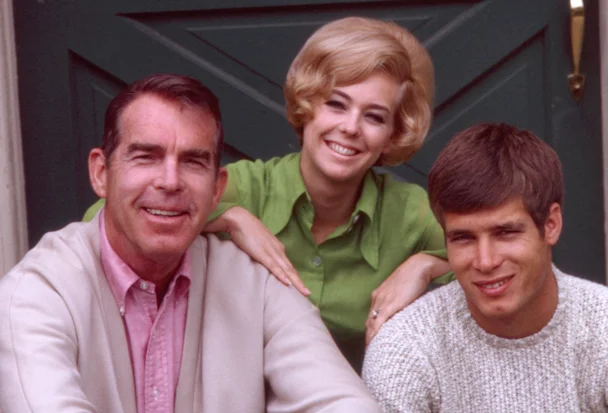
Best known as Robbie Douglas on My Three Sons, Don Grady was a household name during the ’60s. But once the long-running sitcom wrapped, he chose a completely different path—music. He had always been passionate about it, even composing for the show at times, and after leaving acting, he threw himself into that world full-time.
Grady became a composer and songwriter, working on everything from Disney projects to Las Vegas stage productions. He even wrote music for The Phil Donahue Show and released his own albums. His transition wasn’t a publicity stunt—it was a genuine creative evolution. Grady showed that the entertainment industry didn’t have to be limited to what audiences saw on-screen.
3. Shelley Fabares
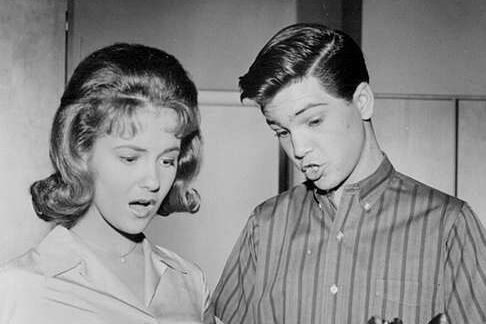
Shelley Fabares charmed audiences as Mary Stone on The Donna Reed Show and as the love interest in several Elvis Presley movies. But after years in front of the camera, she began to explore what happened behind it. When acting roles slowed in the ’70s, she found fulfillment in producing and voice work.
She also became an advocate for health causes after her own serious medical struggles later in life. Fabares underwent a liver transplant in 2000 and has since used her platform to raise awareness for organ donation. Though she occasionally appeared on shows like Coach, her true second act was one of personal strength and advocacy.
4. Richard Chamberlain
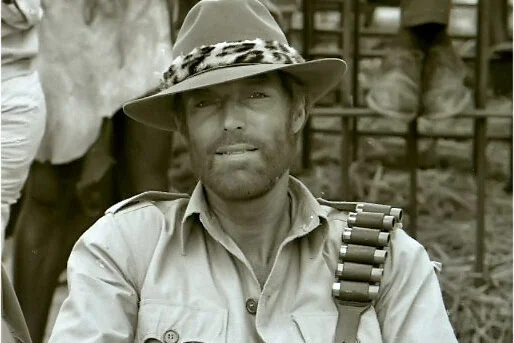
Richard Chamberlain became a heartthrob as Dr. Kildare in the early ’60s, but after the series ended, he didn’t want to be typecast. He moved to England to focus on stage acting and spent years working in Shakespearean theater, away from the glare of Hollywood. The shift gave him credibility as a serious actor.
Eventually, Chamberlain returned to the U.S. with renewed confidence, earning acclaim for The Thorn Birds and Shōgun. He also became one of the first major actors of his era to live openly as a gay man later in life. While he didn’t fully abandon acting, the way he reinvented himself artistically made him a rare example of a ’60s star who truly grew beyond fame.
5. Patty Duke
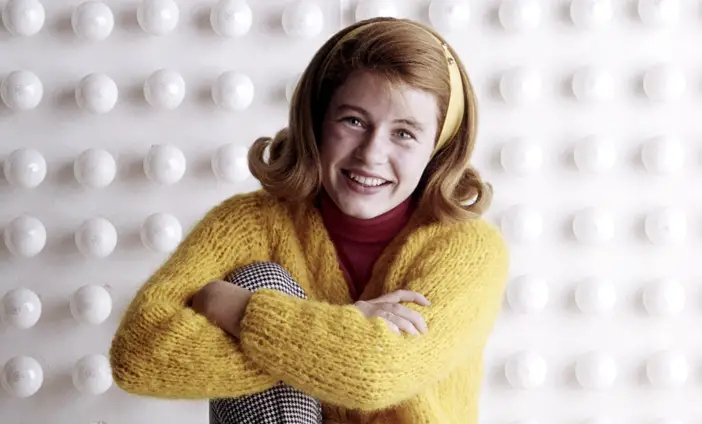
Patty Duke made TV history playing identical cousins on The Patty Duke Show, but after years of public and private struggles, she moved toward a more purposeful career path. She battled mental health challenges and was eventually diagnosed with bipolar disorder in the 1980s.
That diagnosis became a turning point—Duke spent the rest of her life advocating for mental health awareness. She wrote books, gave lectures, and worked to destigmatize mental illness. Acting became less central as her advocacy grew, and she became a beloved spokesperson for those seeking understanding. Her courage to speak openly changed countless lives.
6. Clint Walker
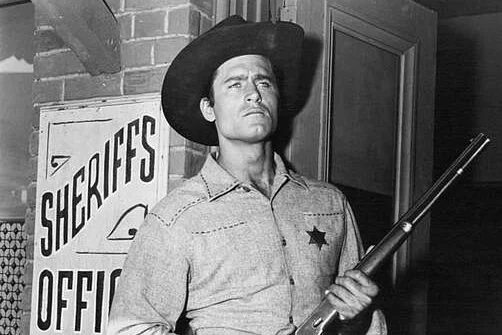
Clint Walker, the tall, soft-spoken star of Cheyenne, was one of the most recognizable faces of ’60s Western TV. But when the genre started fading in popularity, Walker began looking for new outlets. He made a few movie appearances but gradually distanced himself from Hollywood life.
Instead, he focused on personal projects and physical training, becoming something of a fitness pioneer before it was trendy. Walker also got involved in motivational speaking and even dabbled in writing, co-authoring a Western novel. His quiet retirement from show business was a deliberate choice, one that reflected his calm, grounded nature.
7. Sally Field
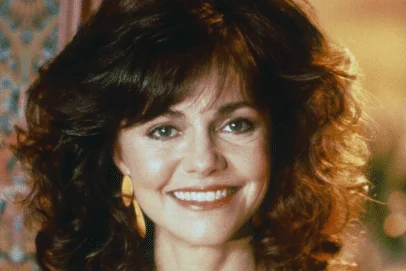
Before her Oscar wins, Sally Field was known for playing sweet, naive characters on Gidget and The Flying Nun. But she was frustrated by the lightweight roles being offered to her after those series. Determined to grow as an actress, she began taking acting classes with Lee Strasberg at the Actors Studio.
The training changed everything. Field reemerged as a powerhouse dramatic performer, winning Oscars for Norma Rae and Places in the Heart. Her career shift wasn’t about leaving acting—it was about redefining it entirely. She went from TV ingénue to one of Hollywood’s most respected stars.
8. Robert Horton
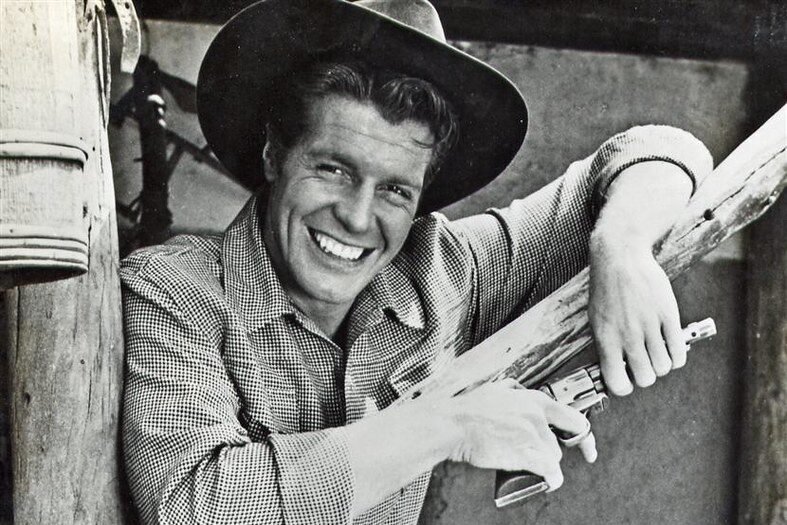
Robert Horton, known for playing the rugged scout Flint McCullough on Wagon Train, surprised fans when he left the hit Western at its peak. Rather than chase more TV fame, Horton decided to return to his first love: musical theater. He took to Broadway, performing in productions like 110 in the Shade.
He also recorded albums and toured the country with stage companies well into the ’80s. The move away from television may have puzzled some fans, but Horton found lasting fulfillment in live performance. It was a quieter, more personal kind of success that let him stay connected to his craft without the glare of Hollywood.
9. Dwayne Hickman
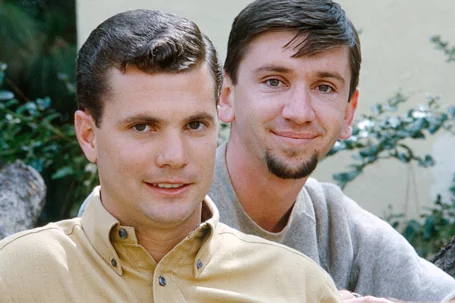
Dwayne Hickman became a teen idol as the star of The Many Loves of Dobie Gillis, but when the series ended, he didn’t see a future in front of the camera. Instead, he went behind it, working as a CBS programming executive. He helped oversee shows like MASH* and Maude, proving he had a sharp instinct for television.
Later, he returned to directing and painting, finding new creative outlets. Hickman’s shift from actor to executive showed a rare kind of humility—he didn’t need to be the star to make an impact. He simply loved entertainment in all its forms.
10. Elinor Donahue
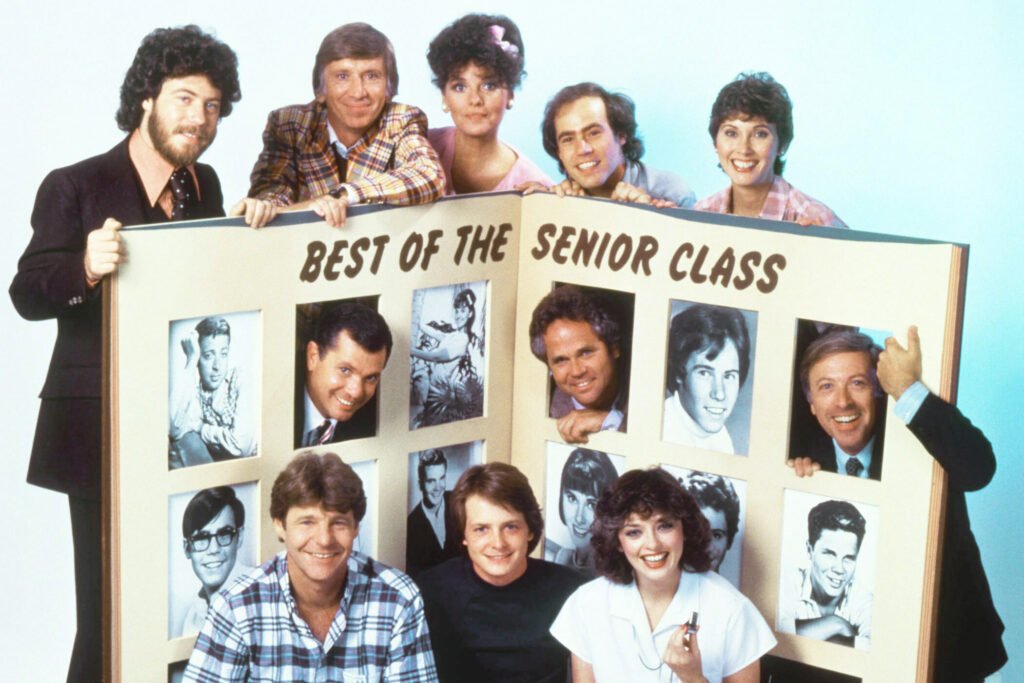
Elinor Donahue spent her youth playing Betty Anderson on Father Knows Best, followed by roles on The Andy Griffith Show and The Odd Couple. But after decades in front of the camera, she decided to slow down and focus on family life.
She continued to take occasional acting roles, but her primary focus became volunteer work and spirituality. Donahue became deeply involved in her church community and even co-wrote a book called In the Kitchen with Elinor Donahue. Her later years reflect a life of quiet contentment rather than fame.
11. George Maharis
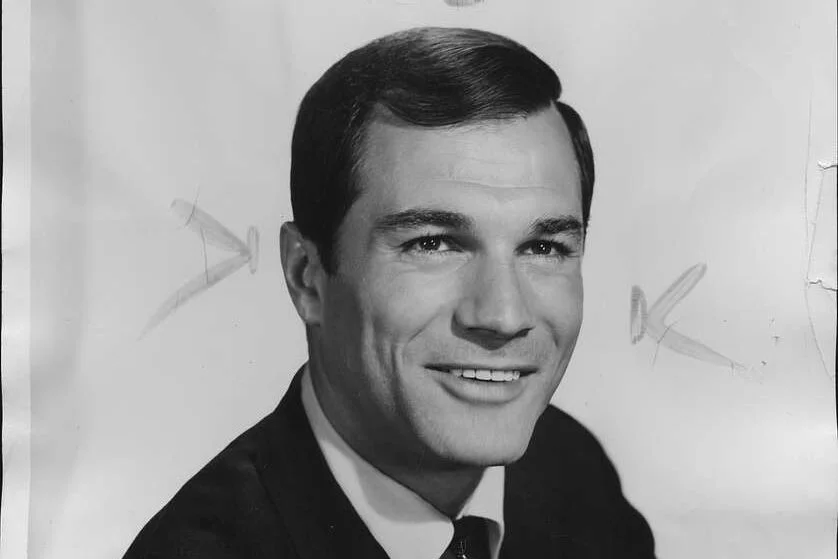
George Maharis became a breakout star in Route 66, but after leaving the series, he struggled with typecasting and health issues. Instead of fighting to stay in Hollywood, he gradually turned to another passion—painting.
Maharis studied art seriously and began showing his work in galleries, finding peace and creative fulfillment outside of acting. He once said that painting gave him a freedom he never found in show business. His art career lasted decades longer than his TV fame, proving reinvention can be its own reward.
12. Barbara Eden
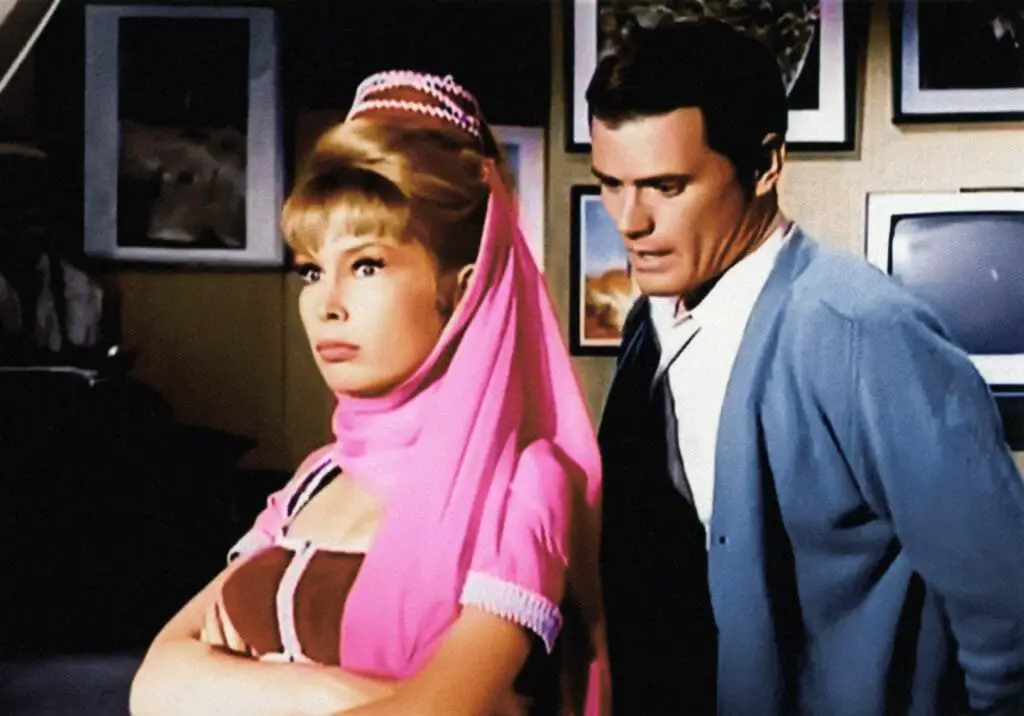
Barbara Eden’s magic as Jeannie in I Dream of Jeannie made her an icon, but after the show ended, she faced the same struggle many ’60s actresses did: finding serious roles in a changing industry. Rather than fade away, she reinvented herself as a performer, author, and public speaker.
Eden became a frequent guest on talk shows, toured in stage plays, and wrote a bestselling memoir about her life in Hollywood. She also began appearing at conventions and charity events, embracing her legacy rather than trying to escape it. Her career evolution showed that longevity often comes from grace and gratitude.
13. Paul Petersen
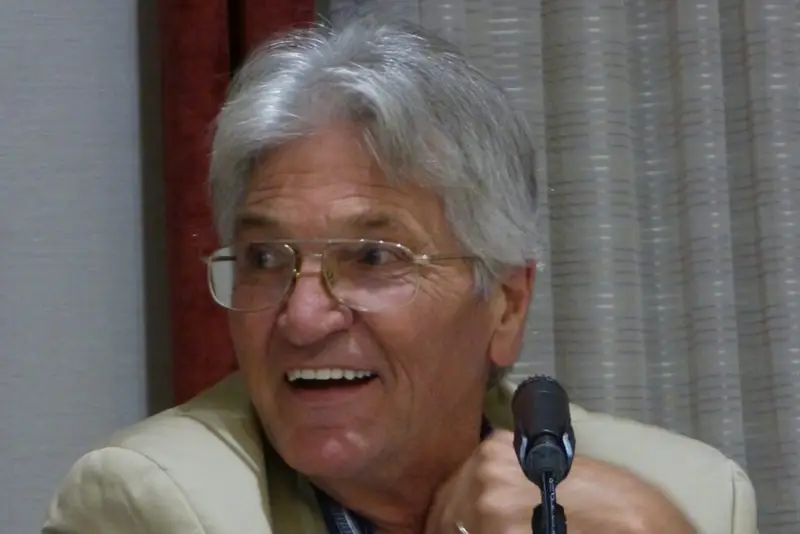
Paul Petersen grew up on The Donna Reed Show, playing Jeff Stone, the wholesome son America loved. But when the show ended, Hollywood wasn’t kind to its child stars, and Petersen struggled to find meaningful roles as he got older. Rather than chase fame, he turned his personal experience into advocacy.
In 1990, he founded A Minor Consideration, a nonprofit dedicated to protecting young performers from exploitation and helping former child actors adjust to adulthood. His work changed real industry policies and gave countless kids the support he never had. Petersen’s shift from actor to activist gave his legacy lasting depth beyond his time on television.
14. Yvonne Craig
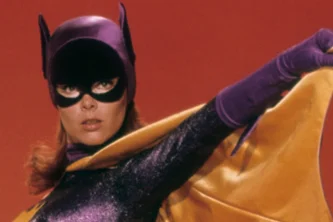
Yvonne Craig swung into fame as Batgirl on the final season of Batman, instantly becoming a pop culture icon. But when the series ended, she found herself stuck in campy roles that didn’t reflect her range. By the late ’70s, she quietly decided to leave acting behind.
She went on to work in public relations and later became a licensed real estate broker in California. Still, she never stopped engaging with fans, attending conventions and speaking about women’s empowerment in media. Craig’s graceful career shift showed that reinvention didn’t have to mean disappearance.
15. Ed “Kookie” Byrnes
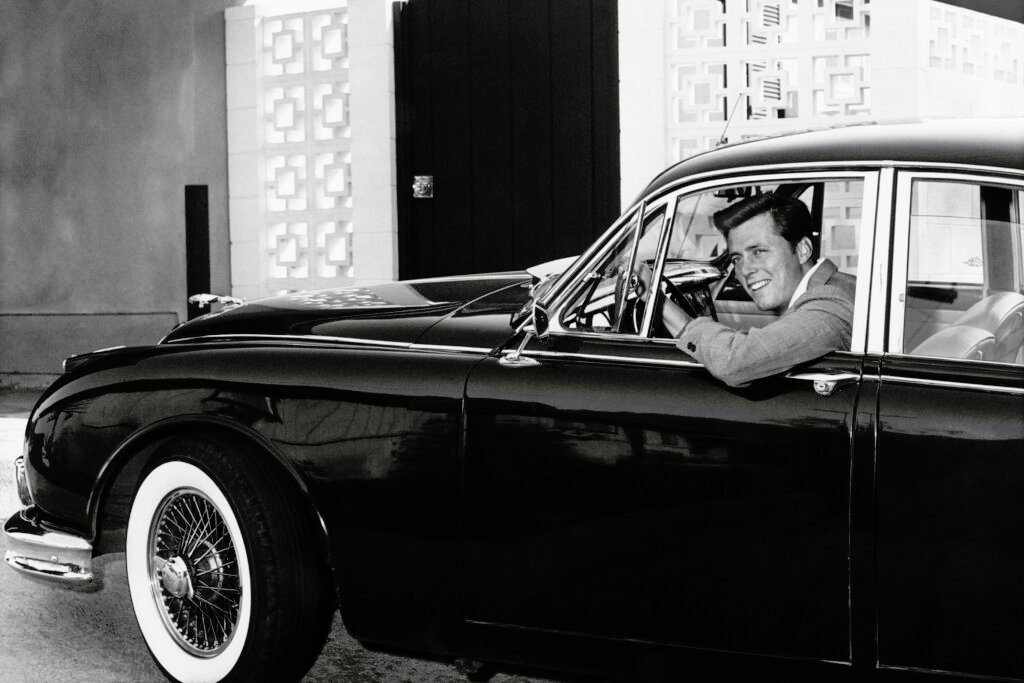
With his slick hair and catchy slang, Ed Byrnes became a teen idol as the parking attendant “Kookie” on 77 Sunset Strip. His cool persona defined late ’50s and early ’60s TV, but he grew tired of being typecast. Hollywood’s obsession with his image made it hard to move forward.
By the mid-’70s, Byrnes stepped away from acting to focus on voice work and real estate investments. He became a savvy businessman, preferring privacy to public attention. Though he popped up occasionally in nostalgic cameos, Byrnes’ quieter life suited him just fine.
16. Marta Kristen
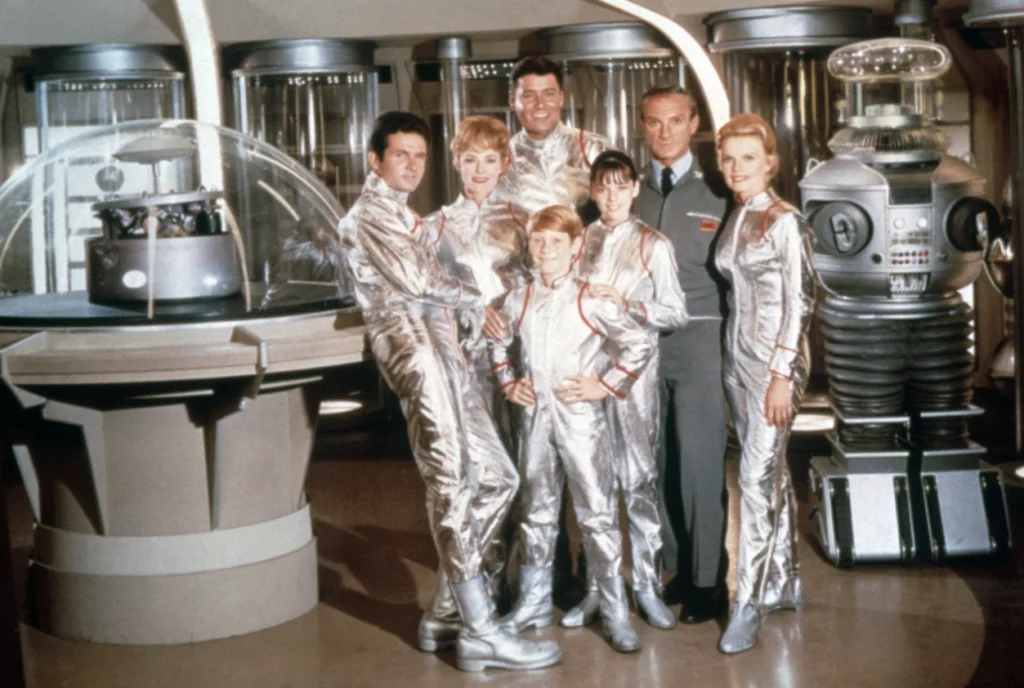
Marta Kristen, best remembered as Judy Robinson from Lost in Space, never lost her creative spark, but she wanted more control over her life than acting offered. After the series ended, she began to explore painting and photography.
Her work was featured in local galleries, and she became involved in animal rescue and charity efforts in California. Kristen also became an advocate for adoption awareness after reconnecting with her biological mother as an adult. While she still appeared in the occasional fan event, her post-TV life became defined by art and compassion.
17. Jerry Mathers
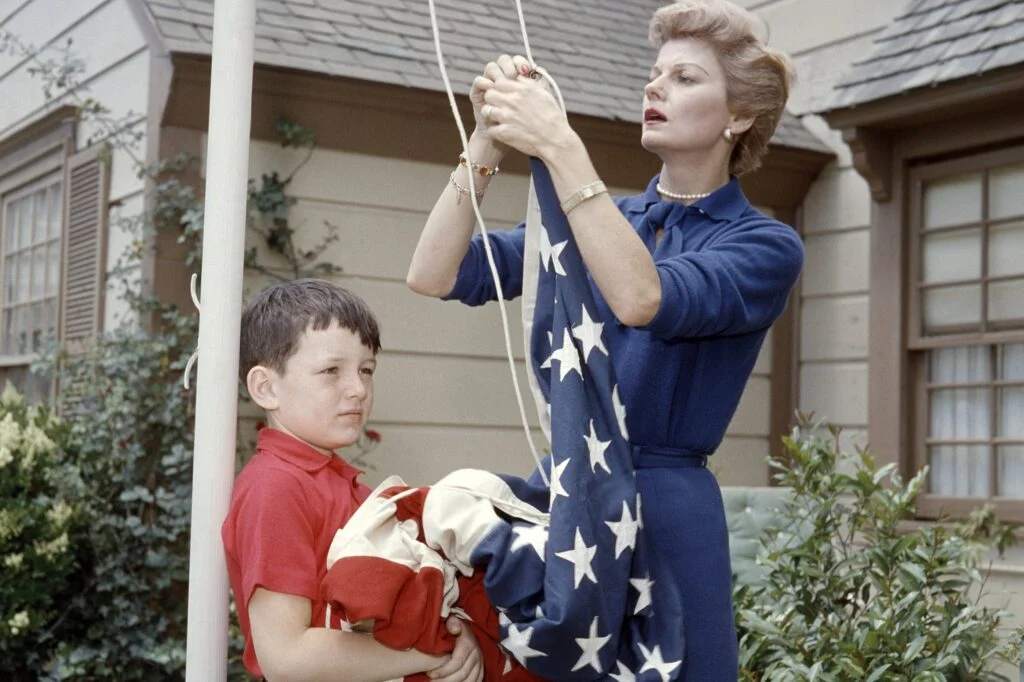
Jerry Mathers will forever be “The Beaver” from Leave It to Beaver, but after the show ended, he decided to step away from acting for a while. He attended college, joined the Air National Guard, and later built a career in real estate and banking.
Mathers eventually returned to entertainment for reunion specials and nostalgic appearances, but his second act as a businessman gave him stability away from the spotlight. He also became a public advocate for diabetes awareness after his own diagnosis. Mathers’ ability to balance fame with a practical, grounded life made him one of the few child stars to truly thrive as an adult.
18. Diahann Carroll
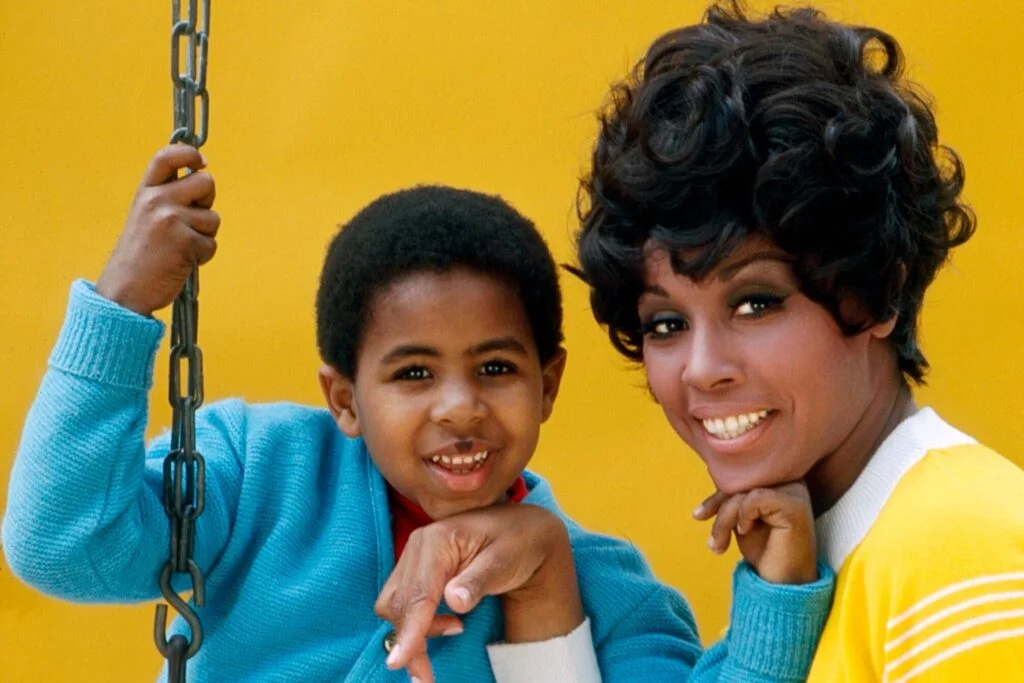
Diahann Carroll made television history as the first Black woman to star in her own series, Julia, in 1968. The show broke barriers, but after a few seasons, Carroll chose to move beyond acting into singing and stage work full-time. She became a highly respected performer on Broadway and in cabaret settings, showing her versatility far beyond sitcom fame.
Carroll also became a trailblazer off-screen, mentoring younger artists and advocating for representation in the arts. Her later career included producing and public speaking, where she reflected on breaking racial barriers in Hollywood. Even when she left television behind, her influence continued to open doors for those who came after her.