
1. The Game of Life (1977 edition)
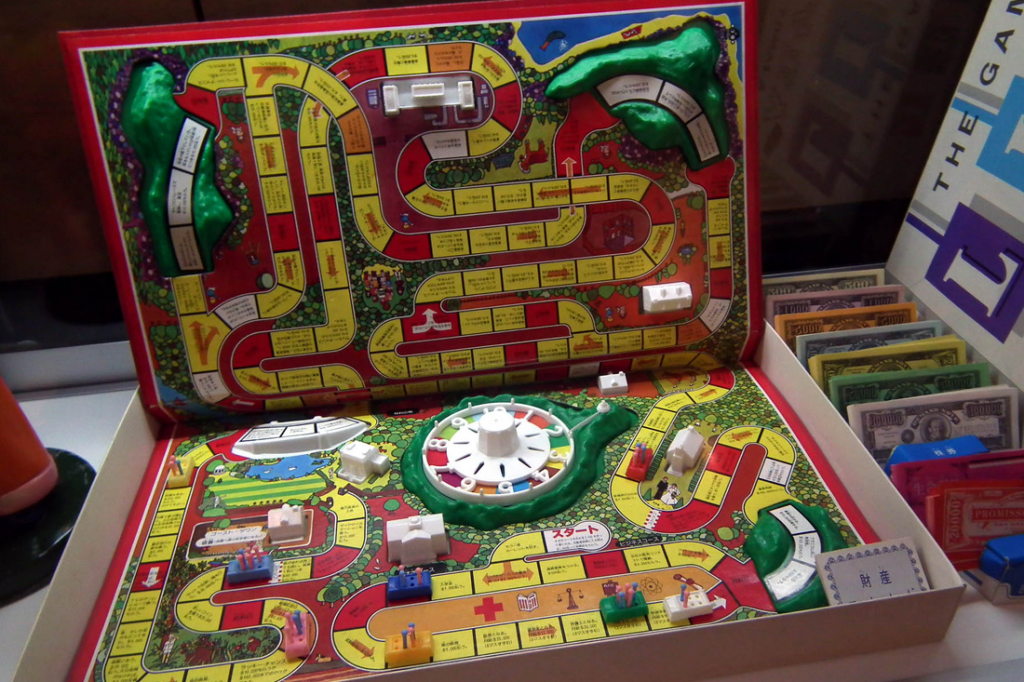
By the ’70s, The Game of Life had already become a household staple, but the brightly redesigned 1977 version gave it a fresh burst of popularity. Kids spun the wheel and sent their little plastic cars through college, careers and the occasional surprise baby. The board looked like a colorful map of adulthood, complete with winding roads and unexpected detours. Even children who barely understood mortgages or insurance somehow found the whole thing fascinating.
Part of the fun was seeing how wildly different each player’s life turned out. One round you might become a millionaire doctor, the next you could struggle through life with a station wagon full of kids. Families often joked about the strange twists the game threw their way. On long rainy afternoons, it felt like playing out a fast forward version of the American dream.
2. Mystery Date
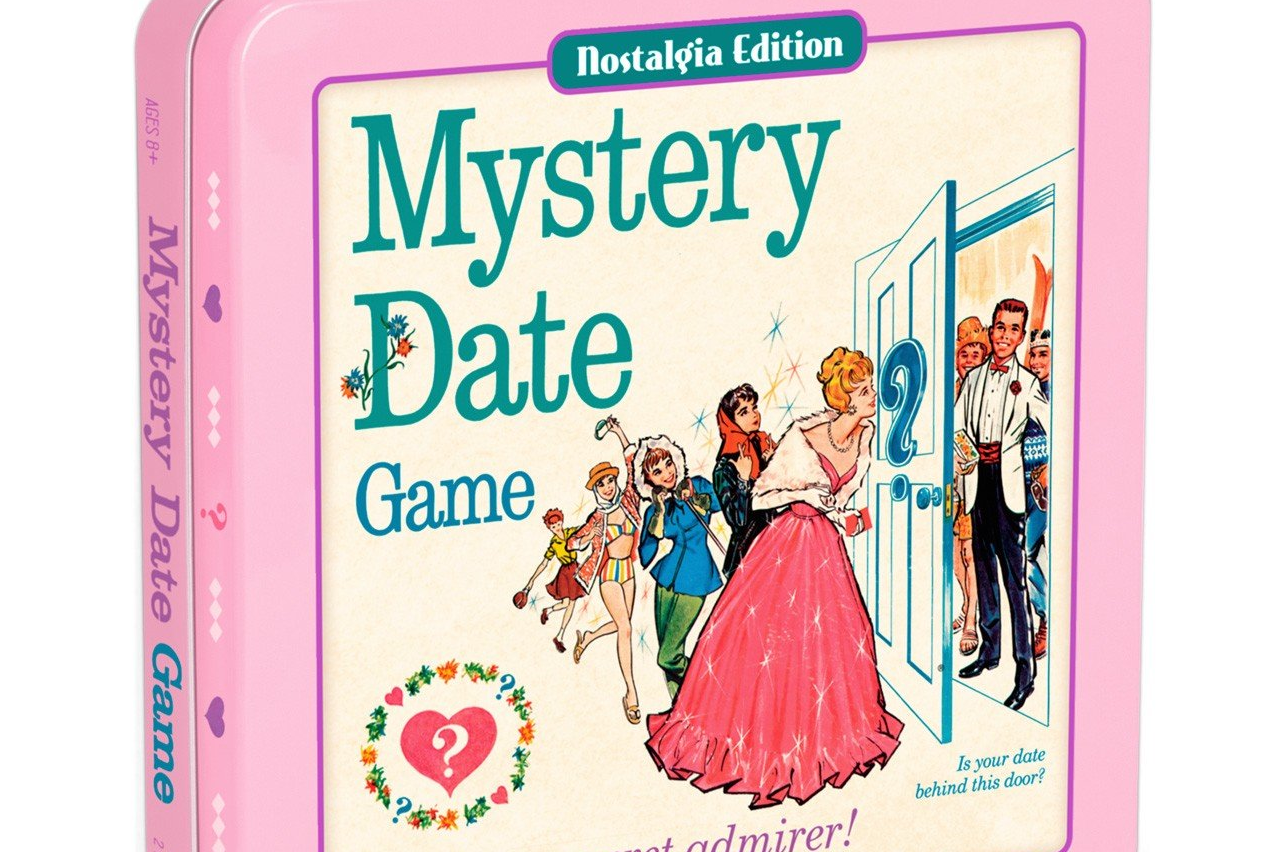
Few board games from the era captured the imagination of young players quite like Mystery Date. The goal was simple but oddly suspenseful, players opened doors on the board hoping to reveal the “dream date.” Every door brought the possibility of finding the right match or the dreaded “dud.” The reveal always drew groans or cheers around the table.
The game leaned heavily into the pop culture style of the time, with characters dressed in everything from formal wear to sporty outfits. Kids often debated which date was the best long before the doors were even opened. It was lighthearted, silly and surprisingly memorable. For many players, it became one of those games forever associated with sleepovers and rainy weekends.
3. Sorry!
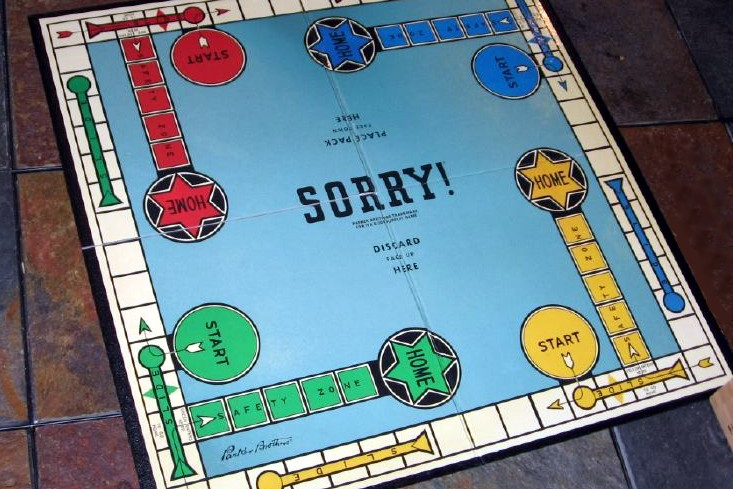
Sorry! was deceptively simple but could turn ruthless in seconds. Players moved their pawns around the board while trying to send opponents all the way back to the start. Drawing the right card at the perfect moment could completely change the outcome of the game. One well timed move might undo ten minutes of someone else’s progress.
Families quickly learned that the game rewarded patience and a little bit of mischief. There was always someone waiting for the perfect moment to bump a rival piece. The cheerful board colors disguised just how competitive it could get. Many rainy afternoons ended with laughter and someone dramatically declaring “sorry” while knocking a sibling back to square one.
4. Battleship
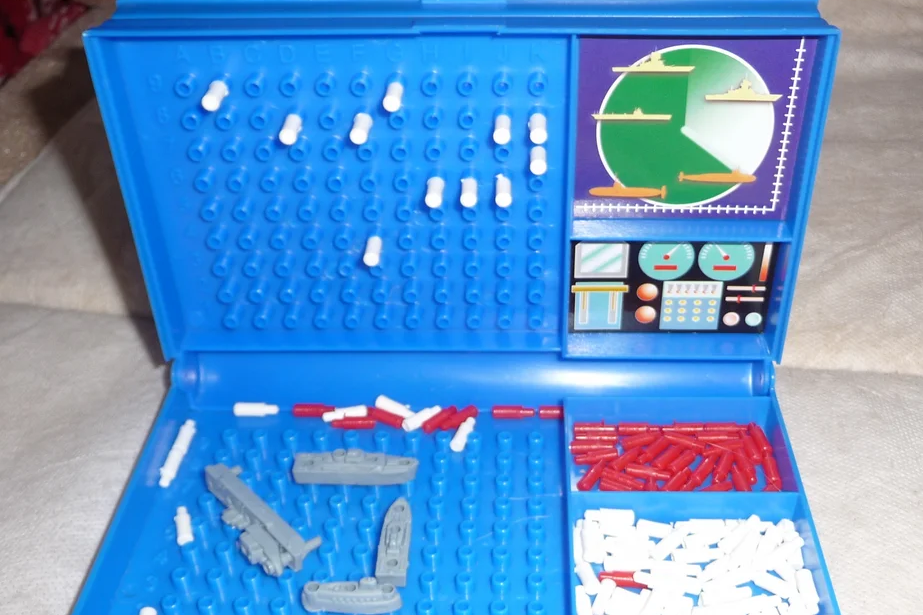
Battleship brought strategy and suspense to the kitchen table. Each player secretly arranged a fleet of ships on their grid while the opponent tried to guess their positions. Calling out coordinates felt almost like launching a missile. A single hit could instantly shift the mood of the game.
The real excitement came when someone started to piece together the location of an entire ship. A few successful guesses in a row could wipe out a destroyer or battleship in dramatic fashion. Kids loved the quiet tension of the guessing game. Even decades later, many people can still picture those gray plastic boards snapping open.
5. Connect Four
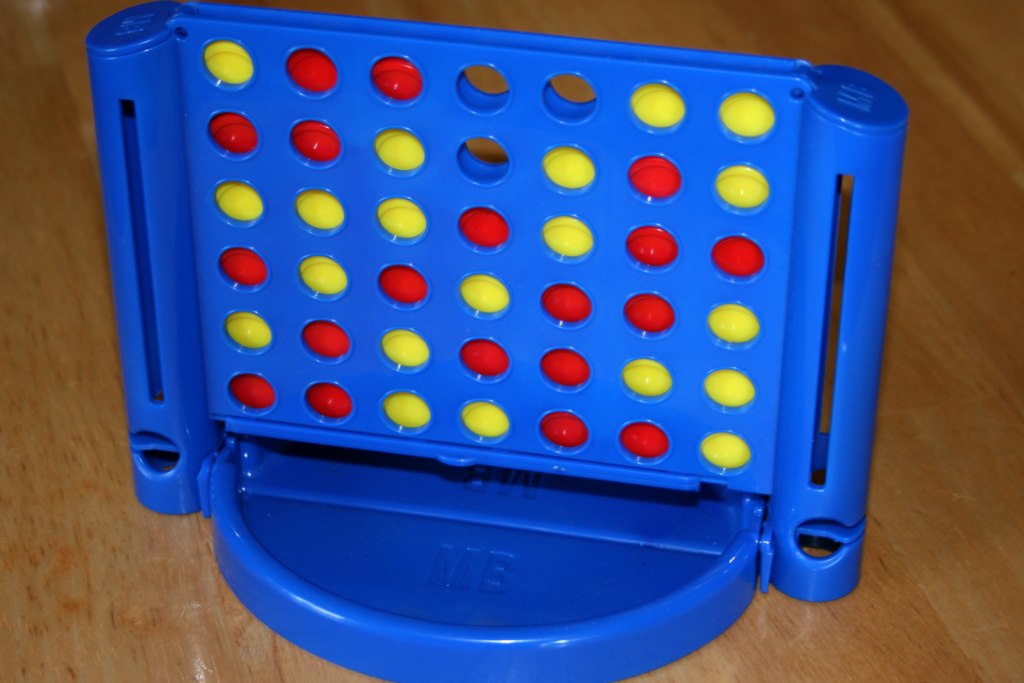
Connect Four was one of the fastest games to learn and one of the hardest to master. Players dropped colored discs into the vertical grid, trying to line up four in a row before their opponent could block them. The mechanics were simple enough that anyone could start playing within seconds. That simplicity was exactly what made it so addictive.
Every move required a quick bit of strategy. One careless drop could accidentally set up your opponent for victory. Games often lasted only a few minutes, which meant everyone immediately demanded a rematch. On a rainy day, it was the kind of game that could be played over and over again.
6. Clue
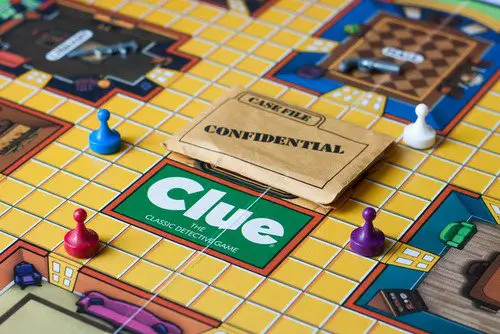
Clue turned the living room into a miniature murder mystery. Players moved through the mansion collecting clues about who committed the crime, with what weapon and in which room. Each suggestion narrowed the possibilities and pushed the investigation forward. It felt more like solving a puzzle than playing a traditional board game.
Families often slipped into dramatic storytelling as the game unfolded. Someone might loudly accuse Professor Plum in the library with the candlestick. The slow buildup toward the final accusation kept everyone paying attention. For many kids, it was their first taste of detective work.
7. Trouble
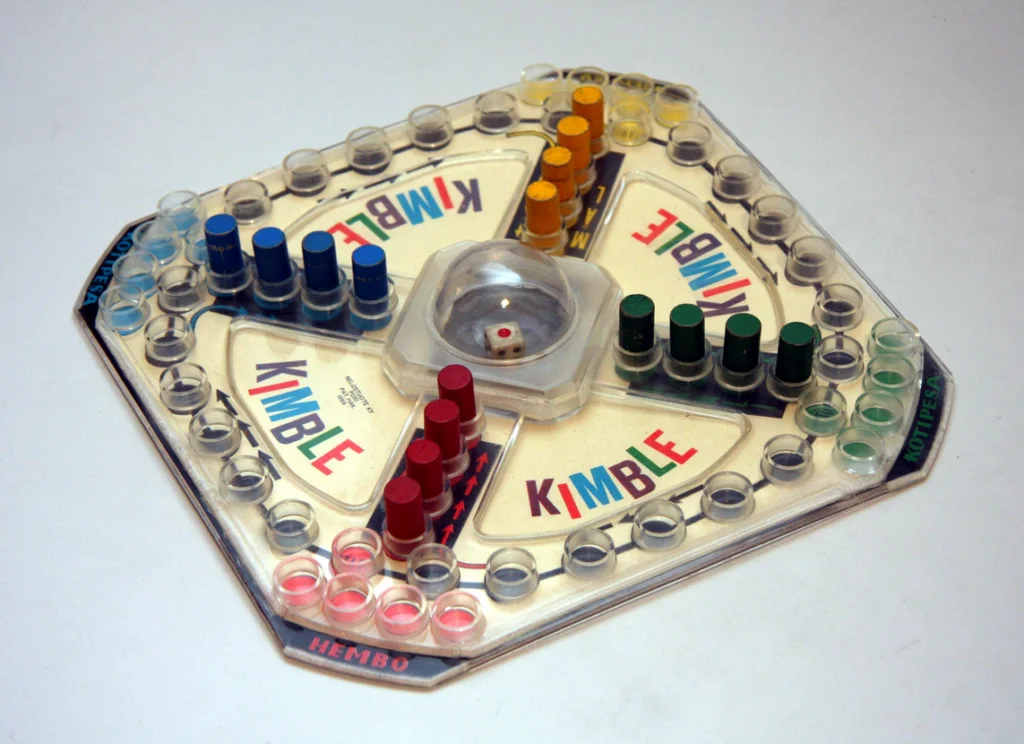
Trouble became instantly recognizable because of its famous Pop O Matic bubble. Instead of rolling dice, players pressed the plastic dome to pop the die inside. That simple mechanic was oddly satisfying and kept players constantly engaged. The game itself was a race to move all four pieces around the board.
The popping sound became part of the experience. Kids often pressed the bubble just for the fun of hearing it snap. While the rules were straightforward, landing on an opponent’s piece could send them right back to the start. It was quick, chaotic and perfect for restless afternoons indoors.
8. Operation
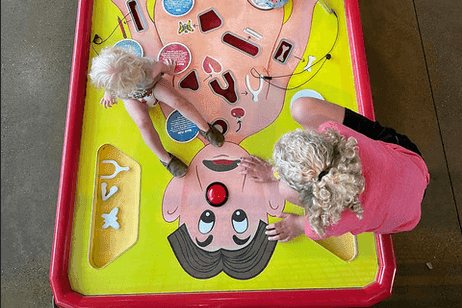
Operation challenged players to perform delicate “surgery” on a buzzing patient named Cavity Sam. Using metal tweezers, players attempted to remove tiny plastic ailments from the board. One slip of the hand triggered the dreaded buzzer and lit up Sam’s red nose. The sound usually made everyone jump.
The game tested steady hands and nerves of steel. Even confident players often froze when the tweezers got too close to the metal edges. Spectators leaned in, holding their breath as each piece was lifted out. Few games produced as many laughs or sudden jolts of surprise.
9. Mouse Trap
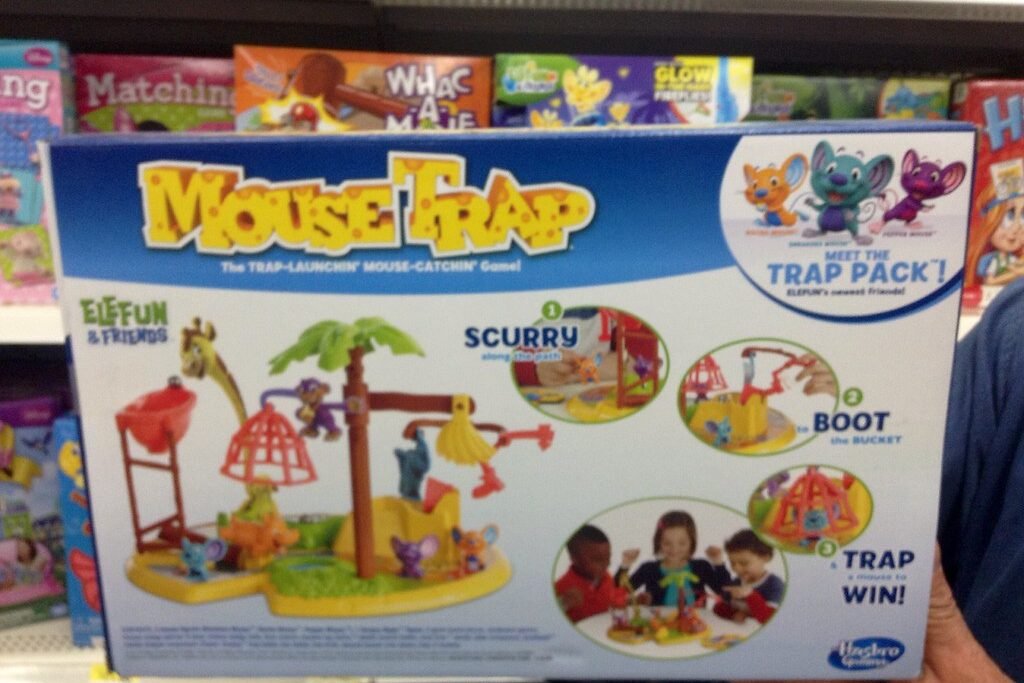
Mouse Trap was as much about building the contraption as it was about playing the game. Players gradually assembled a complicated Rube Goldberg style machine piece by piece around the board. The structure included ramps, marbles and a swinging boot that eventually dropped the trap. Watching the entire mechanism run was the real reward.
Kids often rushed through the early part of the game just to see the trap in action. When everything worked correctly, the chain reaction felt magical. Sometimes the contraption misfired, which only made the moment funnier. Either way, it became the highlight of the afternoon.
10. Yahtzee
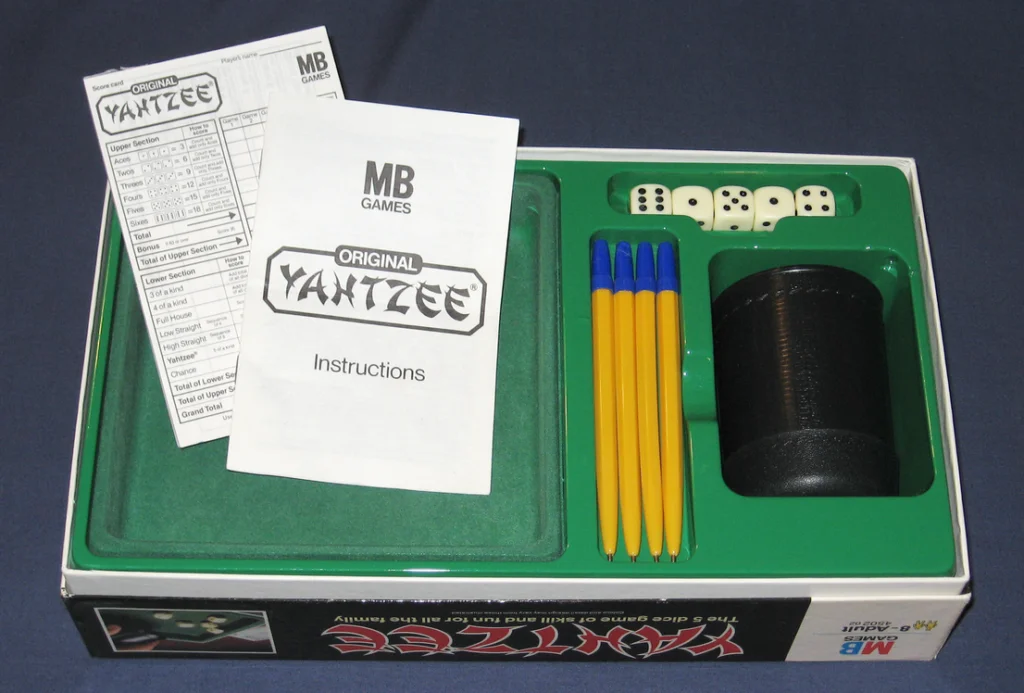
Yahtzee proved that a handful of dice could keep a family entertained for hours. Players rolled five dice and tried to build specific number combinations for points. The game balanced luck with just enough strategy to keep everyone thinking. Deciding which dice to keep or reroll became the key choice.
The thrill came from chasing the elusive five of a kind. When someone finally rolled a Yahtzee, it usually caused a small celebration around the table. Scorecards filled up slowly as players pushed their luck. It was easy to learn but hard to walk away from.
11. Twister
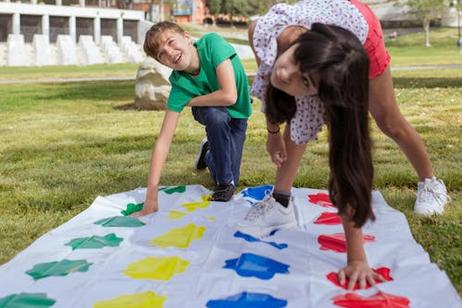
Twister blurred the line between board game and physical comedy. Instead of pieces, players placed their hands and feet on colored circles according to a spinner. As the positions became more awkward, the entire game turned into a balancing act. People twisted themselves into hilarious shapes trying not to fall.
The real fun came when several players were tangled together on the mat. A single wobble could send everyone collapsing in a heap of laughter. It was loud, chaotic and perfect for groups. Rainy days often ended with someone sprawled across the mat in defeat.
12. Perfection
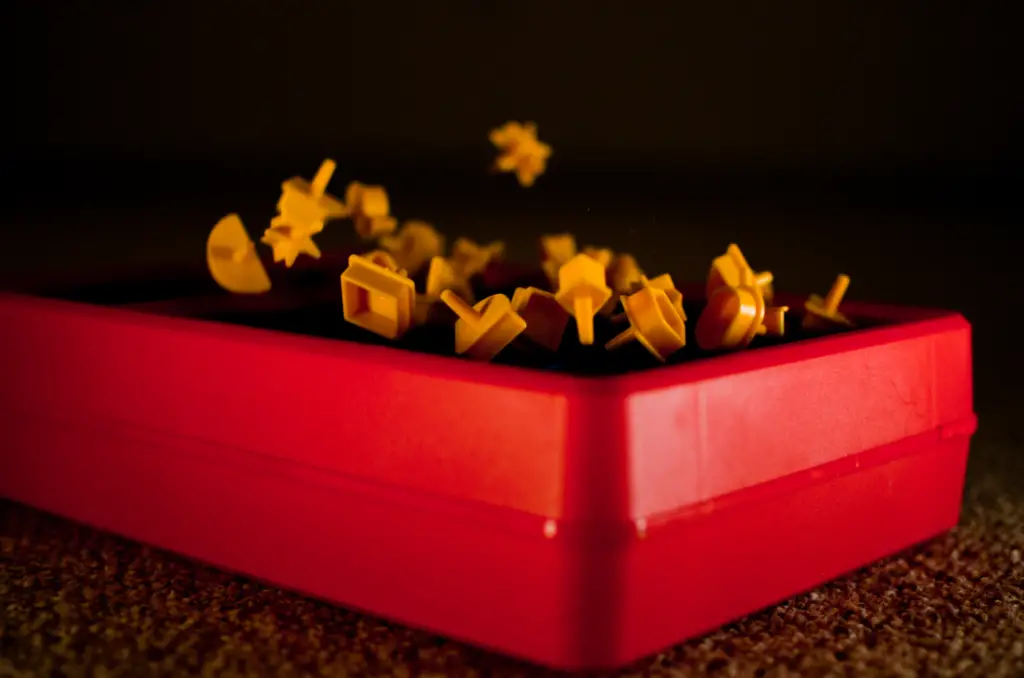
Perfection turned shape sorting into a nerve wracking race against time. Players rushed to fit small geometric pieces into matching holes before the timer ran out. If time expired, the board exploded and sent pieces flying everywhere. The sudden pop always caught players off guard.
Kids quickly learned to work faster as the ticking sound grew louder. Even experienced players felt the pressure building in the final seconds. When the pieces finally flew into the air, everyone usually burst out laughing. It was one of those games that people remembered as much for the surprise ending as the gameplay itself.