1. Led Zeppelin’s 1973 U.S. Tour
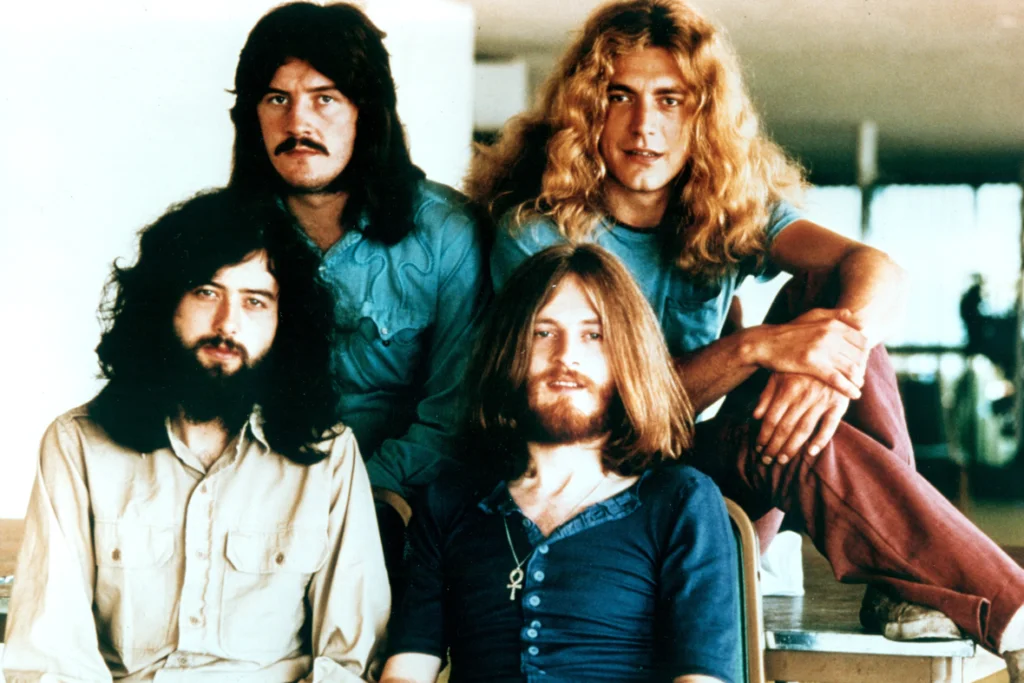
When Led Zeppelin hit the road in 1973, they were already larger than life, but this tour cemented their status as rock gods. They sold out arenas in record time, including Tampa Stadium, where they played to over 56,000 fans—more than The Beatles ever did. With Jimmy Page’s blistering guitar solos and Robert Plant’s howling vocals, every night felt like a thunderstorm set to music. Fans camped out for tickets and even bootlegged shows on cassette tapes to relive the chaos later.
The setlist was a mix of hits like “Stairway to Heaven” and “Whole Lotta Love,” but what really set this tour apart was its scale. Private jets, elaborate stage setups, and hotel destruction followed the band everywhere. It was a glimpse into the decadent excess that defined ‘70s rock. For those lucky enough to see it, it wasn’t just a concert—it was mythology in motion.
2. Fleetwood Mac’s Rumours Tour (1977–78)
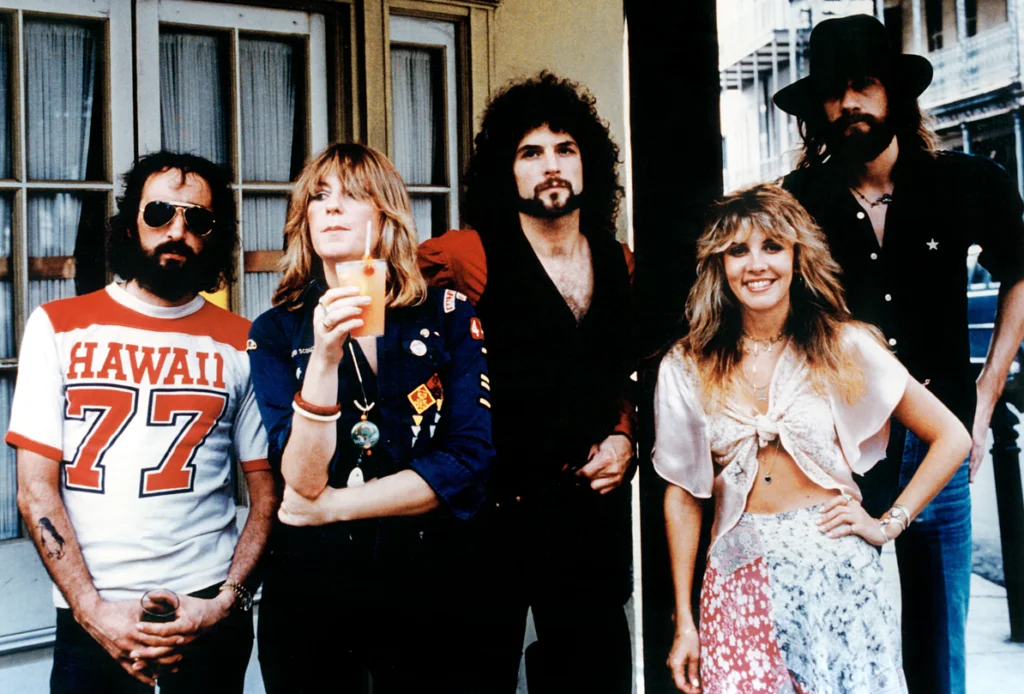
By the time Fleetwood Mac’s Rumours album dropped, their personal lives were as tangled as their harmonies. The tour that followed became a fascinating mix of heartbreak and perfection, with Stevie Nicks and Lindsey Buckingham singing breakup songs to each other onstage every night. The emotional tension only made the performances more powerful. Fans could feel every ounce of heartache in “Go Your Own Way” and “Dreams.”
Behind the scenes, the band was barely holding it together, but the magic never wavered on stage. The Rumours tour captured the beauty and pain of the ‘70s all in one spotlight. It was messy, it was human, and it defined an era of deeply personal rock. Despite the drama, the tour produced some of the most memorable live performances of the decade.
3. The Rolling Stones’ 1972 “Exile on Main St.” Tour
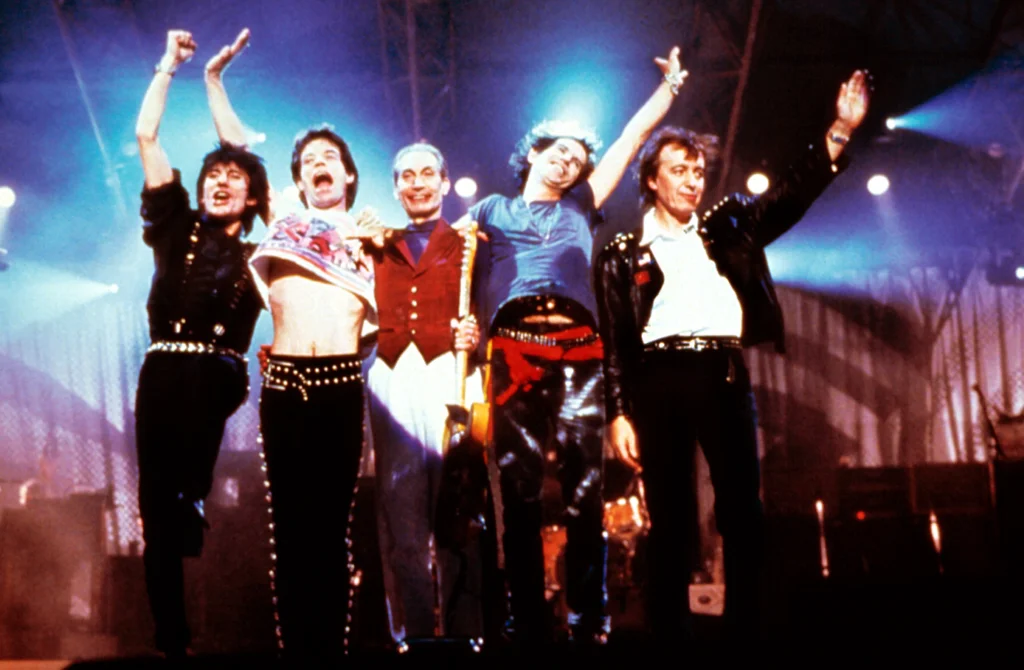
The Stones’ 1972 tour in support of Exile on Main St. was pure, unfiltered rock ‘n’ roll. It was sweaty, loud, and chaotic, often described as a traveling circus of excess. Mick Jagger strutted across the stage in sequins, while Keith Richards’ riffs hit like lightning bolts. Fans never knew what to expect, and that was exactly the point.
This tour also marked the beginning of the “arena rock” era, with massive production and a traveling entourage that rivaled a small city. The backstage parties became the stuff of legend. The energy was unpredictable, and so were the performances—but that was the beauty of it. The Stones managed to turn pure chaos into unforgettable entertainment.
4. Elton John’s Goodbye Yellow Brick Road Tour (1973–74)
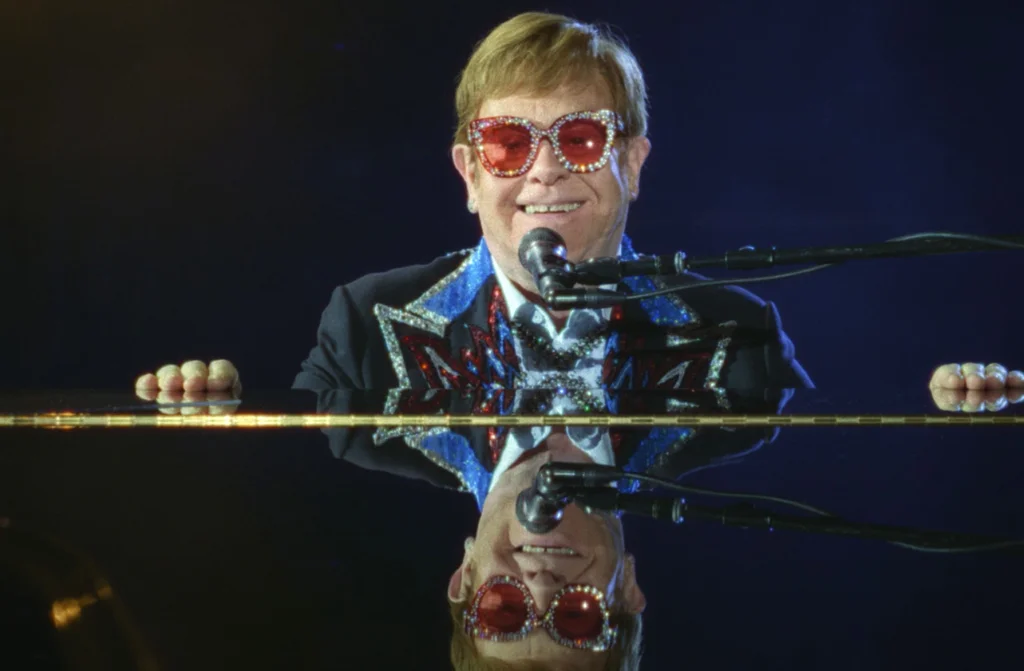
Elton John was unstoppable in the mid-’70s, and this tour proved it. Dressed in glitter, feathers, and sometimes even baseball uniforms, he turned every arena into a spectacle. Fans came for the music, but they stayed for the performance—complete with grand pianos, outrageous costumes, and unmatched showmanship.
Songs like “Bennie and the Jets” and “Candle in the Wind” had audiences singing along night after night. It wasn’t just a concert, it was a theatrical experience that blurred the line between rock and Broadway. Elton’s mix of glam, talent, and personality made this one of the most defining tours of the decade. It showed that music could be both personal and larger than life.
5. Pink Floyd’s The Dark Side of the Moon Tour (1972–73)
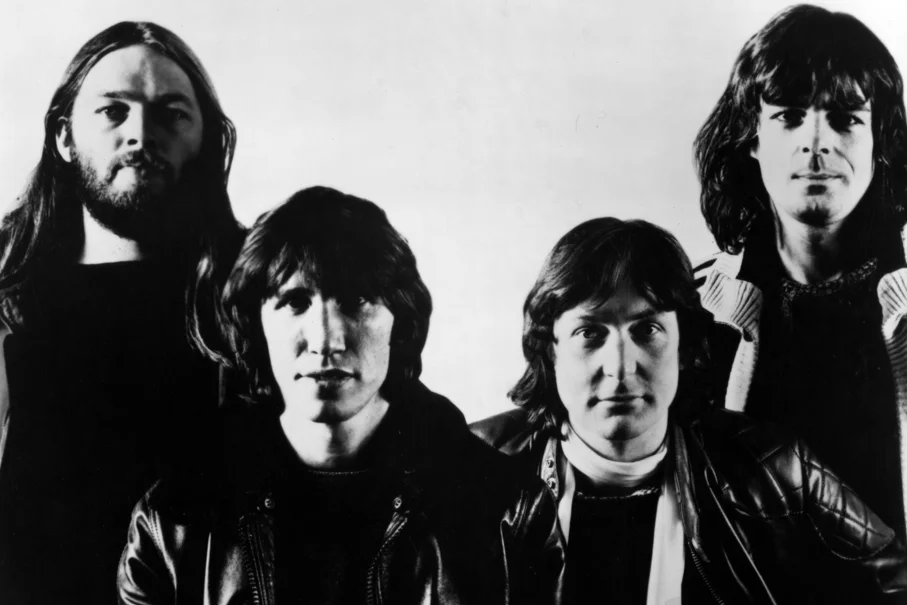
Before The Dark Side of the Moon became one of the best-selling albums of all time, Pink Floyd brought it to life on stage. The tour was an ambitious experiment, featuring surround sound, dazzling light shows, and early synthesizer effects that blew audiences away. Fans were treated to an entire new kind of concert experience—one that felt immersive, like stepping inside the music itself.
Each performance was both haunting and hypnotic, with songs like “Time” and “Us and Them” echoing across packed venues. The combination of visuals and soundscapes made every show unforgettable. It was more than just a tour, it was the beginning of the modern multimedia concert. Pink Floyd redefined what live music could be.
6. The Eagles’ Hotel California Tour (1976–77)
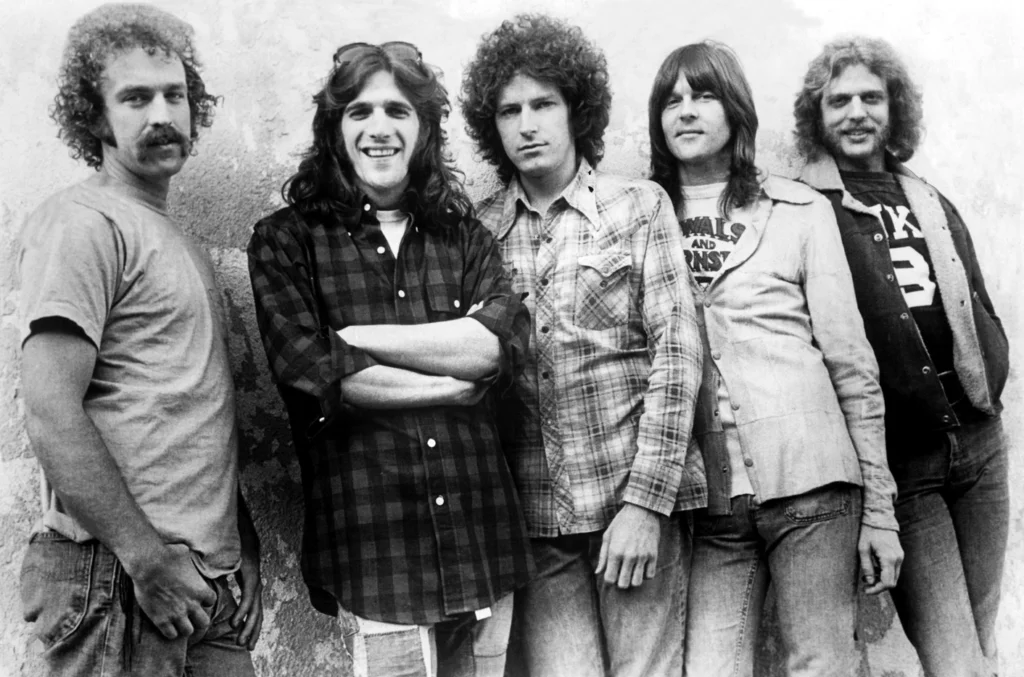
When The Eagles hit the road after releasing Hotel California, they were at the height of their fame. Their harmonies were crisp, their guitars were sharp, and their sound defined the California rock scene of the decade. The album’s title track became an anthem, and hearing it live sent chills through audiences.
The tour also marked the beginning of tensions that would later break the band apart. But in that moment, The Eagles captured everything about the ‘70s—freedom, fame, and the dark side of both. Fans filled arenas coast to coast to hear songs like “New Kid in Town” and “Life in the Fast Lane.” It was rock perfection, wrapped in melancholy.
7. David Bowie’s Ziggy Stardust Tour (1972–73)
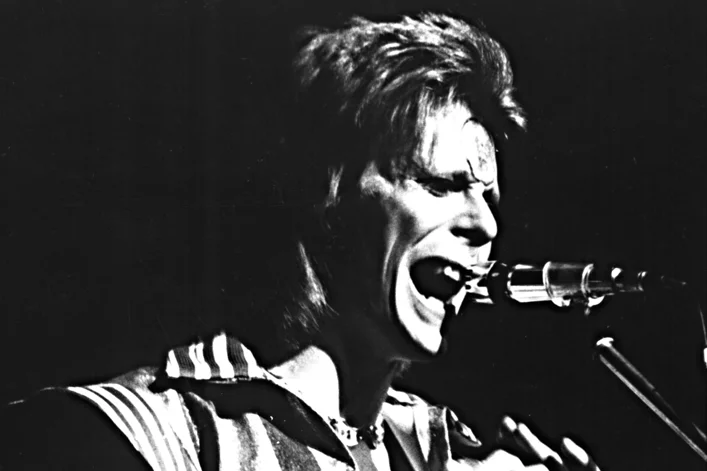
When David Bowie took his Ziggy Stardust persona on tour, the world had never seen anything like it. With his flame-red hair and space-age costumes, he transformed every stage into another planet. Audiences didn’t just watch—they witnessed a character come to life in real time.
The music was just as electric, from “Starman” to “Suffragette City,” performed with raw energy and theater-like precision. The tour made Bowie a global icon and pushed rock into a new dimension of art and identity. By the time he retired Ziggy onstage in 1973, fans were in shock. The legend of Ziggy had already changed music forever.
8. The Who’s Quadrophenia Tour (1973)
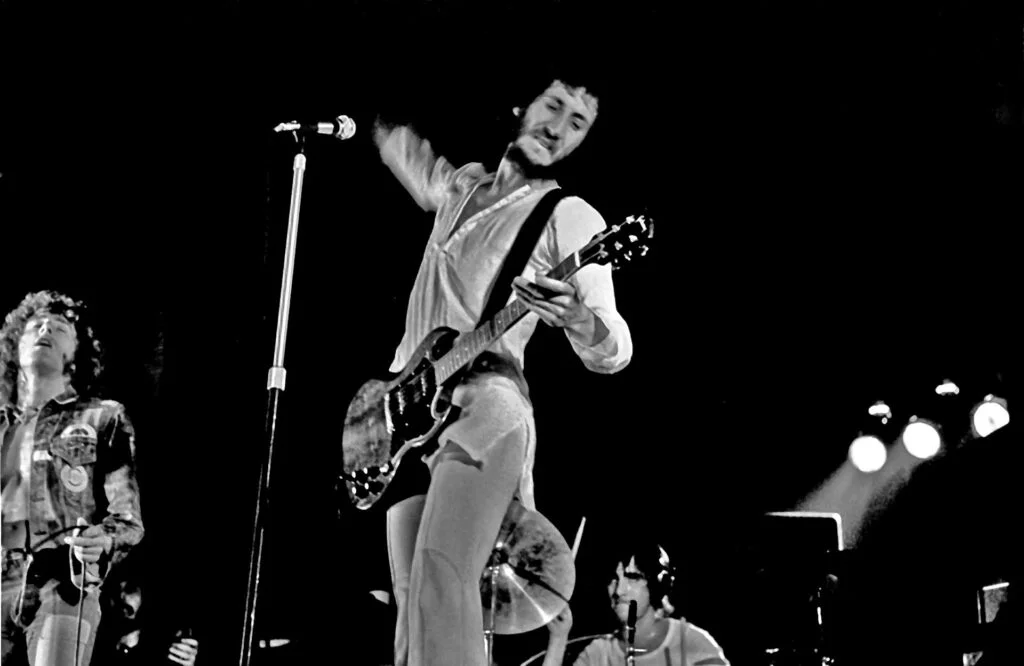
The Who’s Quadrophenia tour was ambitious from the start. Pete Townshend wanted to tell a story through music, film, and sound effects, making it one of rock’s first concept tours. The technical challenges were immense, but when it worked, it was breathtaking. Fans were swept up in the story of Jimmy the Mod and the rebellion of British youth.
The live versions of “Love, Reign O’er Me” and “The Real Me” were pure power. Roger Daltrey’s voice filled arenas while Keith Moon’s drumming made the walls shake. Though the tour had its share of chaos, it showcased The Who’s daring creativity. It was a bold step toward turning concerts into storytelling experiences.
9. Bruce Springsteen’s Born to Run Tour (1975)
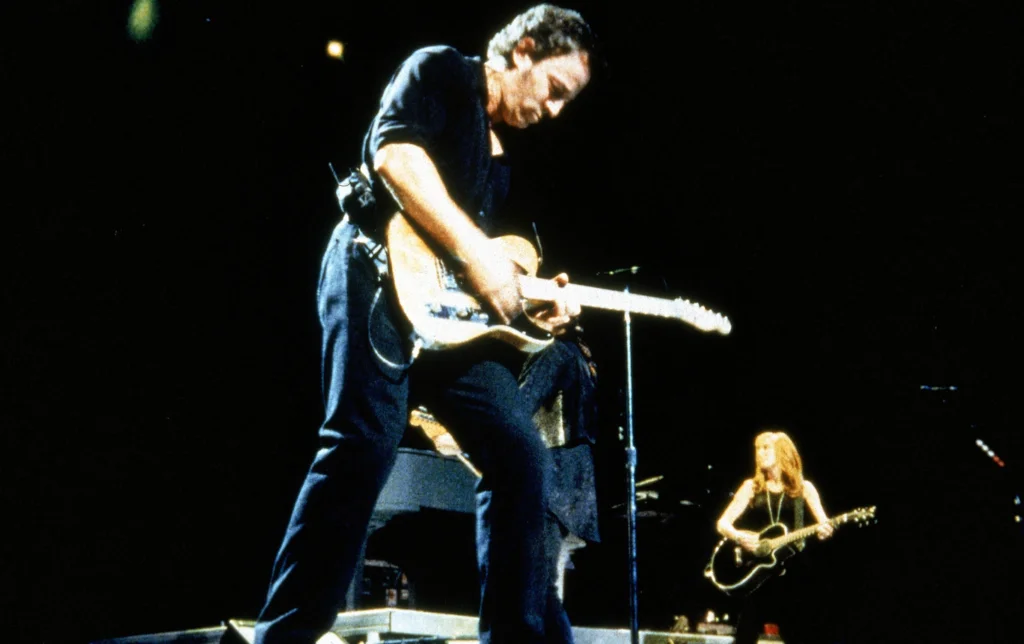
In 1975, Bruce Springsteen was on the edge of stardom, and the Born to Run tour pushed him over. Each show was a marathon of sweat, emotion, and storytelling, sometimes running past the three-hour mark. The E Street Band played like their lives depended on it.
Springsteen wasn’t just performing—he was connecting. Every song felt like it was written for the person in the front row. With his mix of working-class grit and wild enthusiasm, the tour made him a symbol of American rock. It wasn’t about fame or flash; it was about heart.
10. Queen’s A Night at the Opera Tour (1975–76)
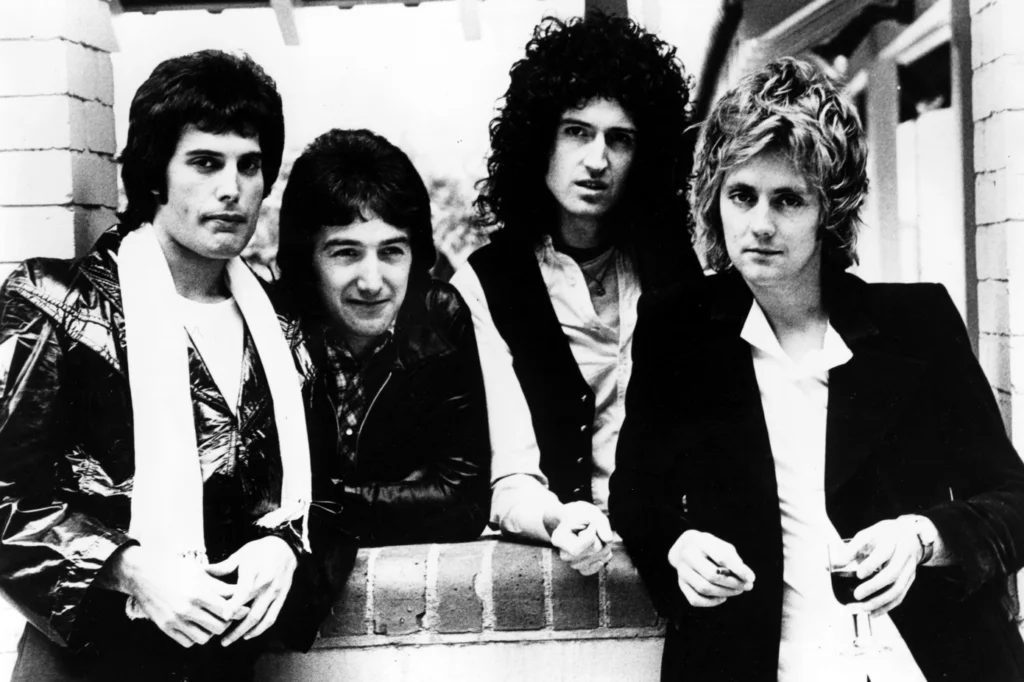
Queen’s tour following A Night at the Opera proved that rock could be both theatrical and technically masterful. Freddie Mercury commanded the stage with unmatched charisma, dressed in flowing white outfits that seemed to glow under the lights. Fans were mesmerized by his voice and presence.
“Bohemian Rhapsody” became the centerpiece of the show, a song that no one thought could be pulled off live—but Queen found a way. They mixed live performance with pre-recorded harmonies and creative visuals to make it unforgettable. This tour cemented Queen’s reputation as one of the greatest live acts in history. It was spectacle with soul.
11. The Grateful Dead’s Europe ’72 Tour
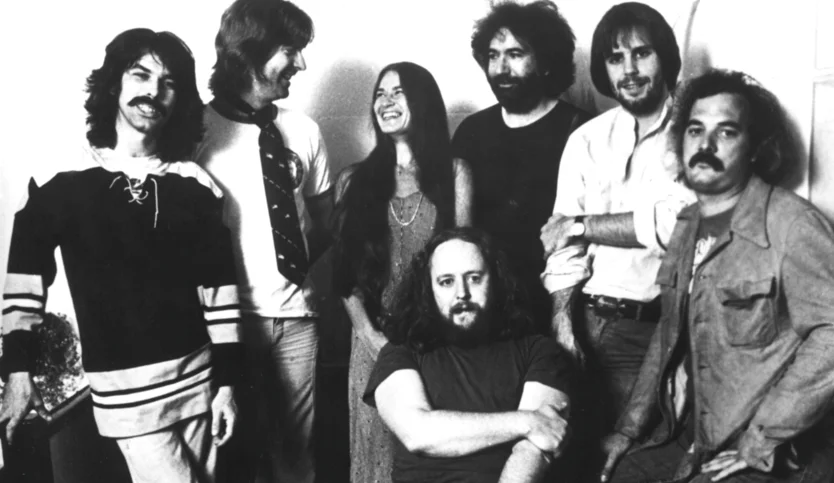
For the Deadheads, the Europe ’72 tour was more than just concerts—it was a pilgrimage. The band brought their freeform jams across the Atlantic, performing in iconic cities like London, Paris, and Copenhagen. Each show was unique, filled with extended improvisations that could stretch songs into half-hour journeys.
The recordings from the tour became legendary, capturing the essence of the band’s live spirit. Fans remember it as a cultural exchange as much as a musical one, spreading the Dead’s message of peace, community, and endless rhythm. The Europe ’72 tour wasn’t about perfection—it was about feeling alive.
12. Bob Dylan’s Rolling Thunder Revue (1975–76)
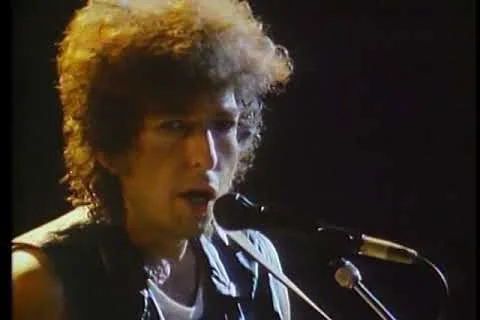
Bob Dylan’s Rolling Thunder Revue wasn’t your typical tour. It was part concert, part traveling circus, featuring friends like Joan Baez, Joni Mitchell, and Roger McGuinn. The shows were intimate, often in small theaters, creating a sense of connection that big arenas couldn’t replicate.
The performances were fiery and unpredictable, with Dylan reinventing his songs nightly. He wore white face paint, played acoustic and electric sets, and turned each stop into a musical gathering of poets and wanderers. The tour was chaotic, soulful, and unforgettable. It was Dylan at his most human, and it captured the restless spirit of the 1970s.