
1. Tattletales

Tattletales was one of those game shows that thrived on gentle embarrassment, and audiences could not get enough of it in the early ’70s. Celebrity couples answered questions about their private lives, often revealing just how little they actually knew about each other. The humor came from awkward pauses and surprised reactions rather than big punchlines. It felt cozy, chatty, and perfectly suited to prime time viewing.
What made Tattletales such a hit was how relaxed it felt compared to flashier competition shows. Viewers liked seeing famous marriages look just as messy and relatable as everyone else’s. For a while, it was a staple of evening television. Today, it is rarely mentioned, even though it once defined a certain kind of ’70s game show intimacy.
2. The Newlywed Game

The Newlywed Game was built on a simple but irresistible idea, how well do newly married couples really know each other. In the ’70s, it became a prime time favorite thanks to its cheeky questions and candid answers. Some of those moments pushed boundaries for network television at the time. Watching couples squirm was part of the fun.
The show captured a very specific cultural moment when audiences were eager for openness and humor about relationships. It felt daring without being mean spirited. While the format still exists in memory, its prime time dominance is often forgotten. For years, it was appointment television.
3. To Tell the Truth
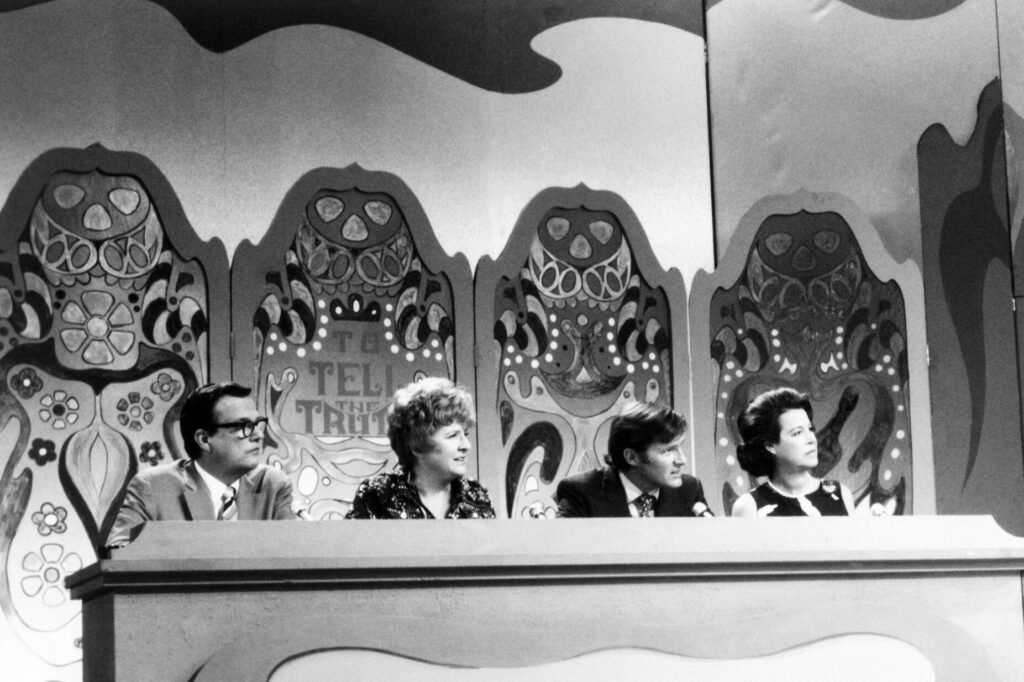
To Tell the Truth thrived on curiosity and clever deception, which made it perfect for evening audiences. Contestants had to identify the real person among impostors, all claiming the same unusual story. The guessing game kept viewers engaged right up until the reveal. It was smart, social, and surprisingly addictive.
In the ’70s, the show enjoyed strong prime time runs that made it a household name. Families played along from their couches, arguing over who seemed the most convincing. Over time, it became overshadowed by louder formats. Its calm, clever style now feels like a time capsule.
4. What’s My Line?
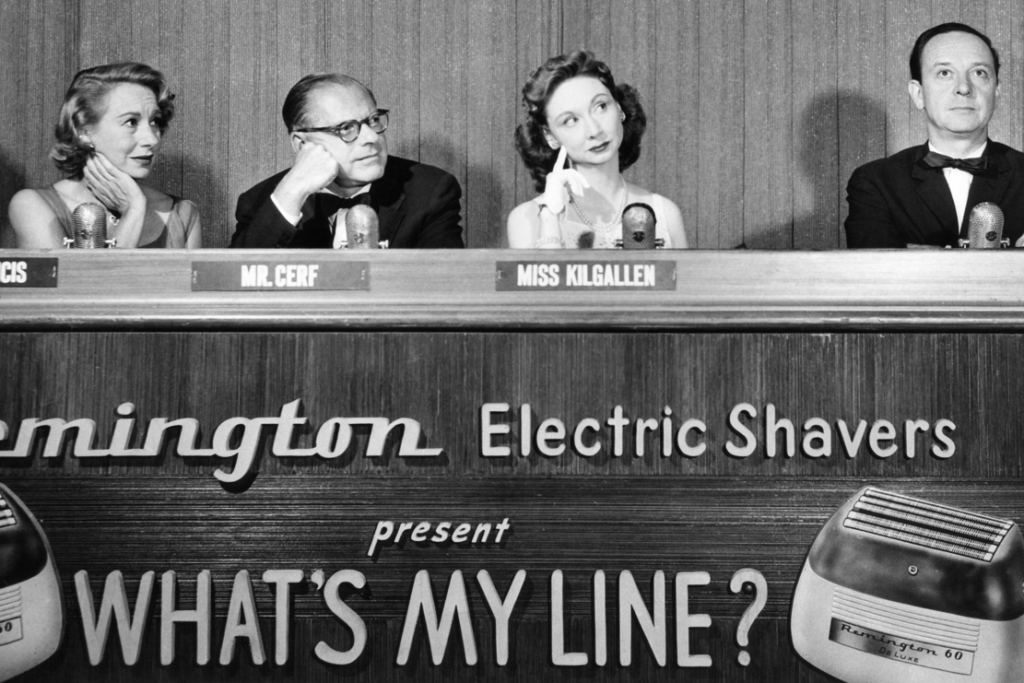
Although it began earlier, What’s My Line? continued to pull in prime time audiences during the ’70s. The panel’s job was to guess a contestant’s occupation using only yes or no questions. The pace was polite and witty rather than frantic. It trusted viewers to enjoy conversation and deduction.
By the ’70s, the show felt almost old fashioned, yet people kept watching. There was comfort in its routine and charm. As television changed, that style quietly faded away. Today, its long run and prime time popularity are easy to overlook.
5. Name That Tune
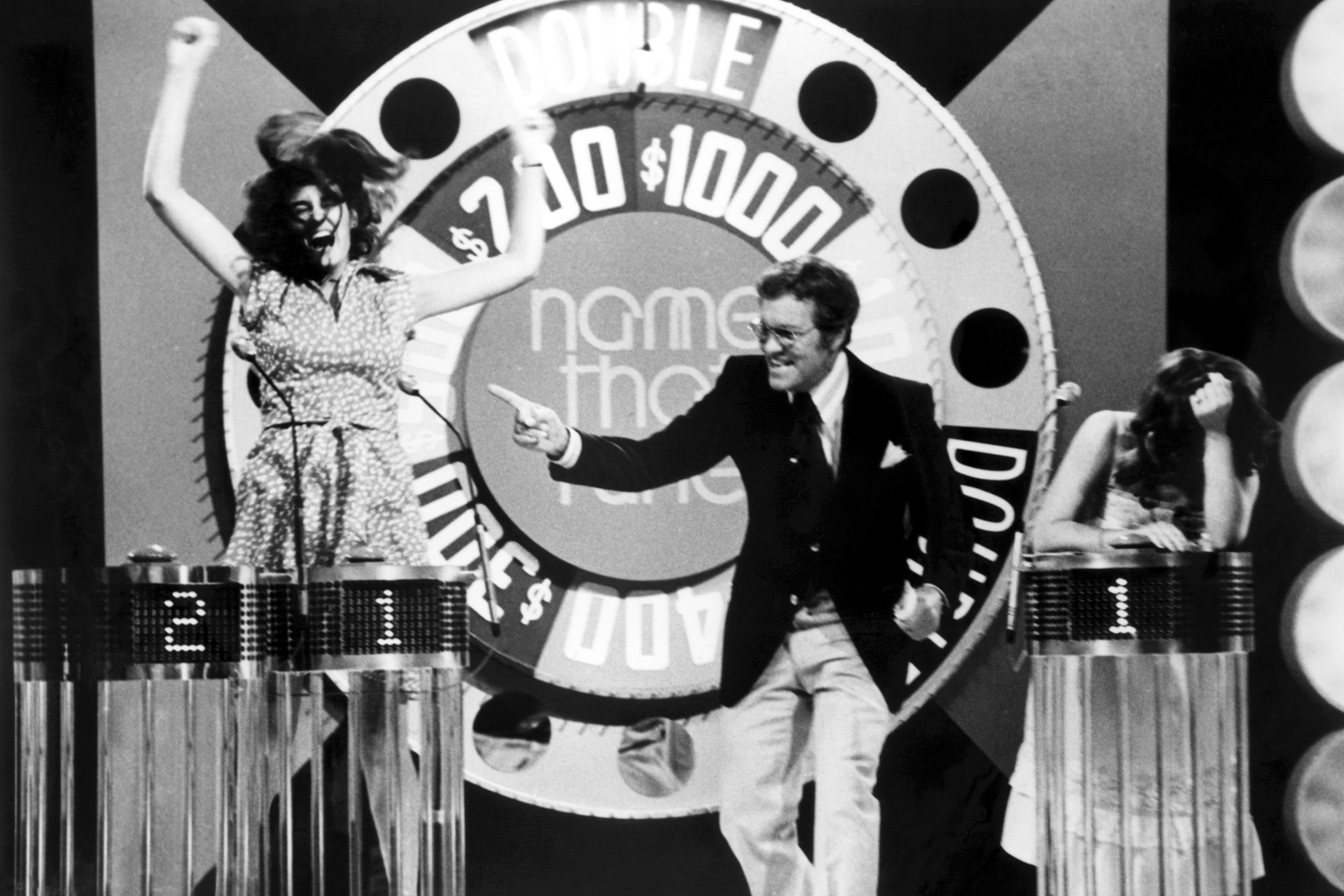
Name That Tune tapped directly into America’s love of music, which made it a natural prime time success. Contestants tried to identify songs after hearing just a few notes, often under intense pressure. The show moved quickly and felt exciting without being chaotic. Music lovers especially tuned in.
During the ’70s, its evening versions drew large audiences. It was competitive, familiar, and fun to play along with at home. Over time, it became associated more with daytime reruns. Its prime time impact is rarely remembered now.
6. The Dating Game
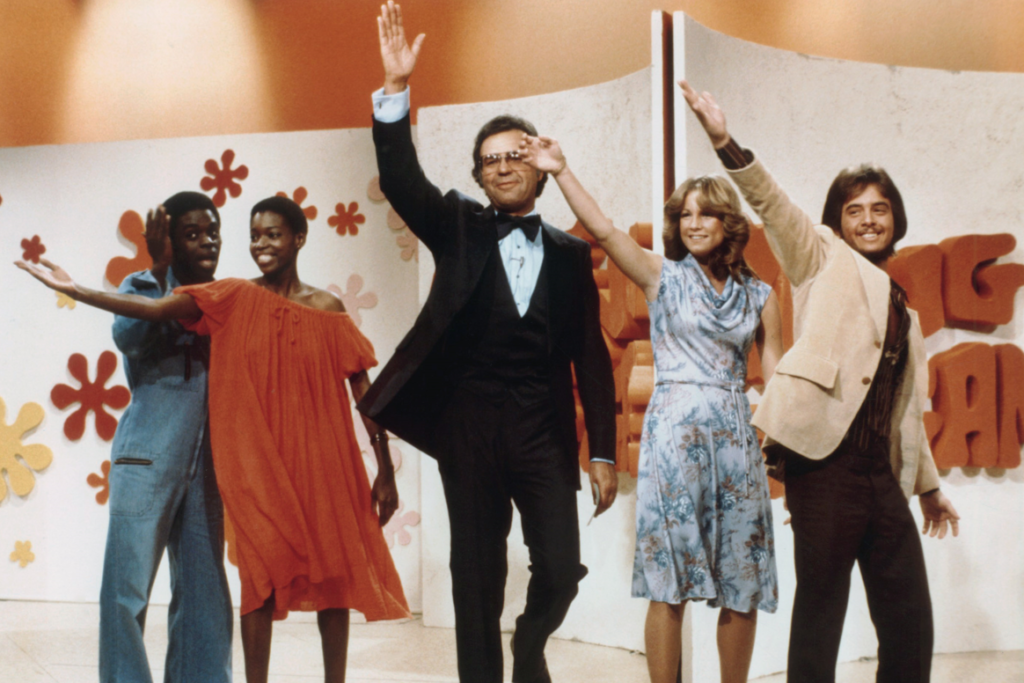
The Dating Game was a cultural phenomenon that thrived in the ’70s, including prime time airings that sparked plenty of conversation. One contestant asked questions while hidden suitors tried to sound charming and clever. The answers were often awkward, funny, or unintentionally revealing. Watching strangers flirt was endlessly entertaining.
The show reflected changing attitudes about romance and independence. It felt playful but also slightly unpredictable, which kept viewers hooked. While the format is still recognizable today, its evening popularity has faded from memory. At its peak, it was everywhere.
7. I’ve Got a Secret
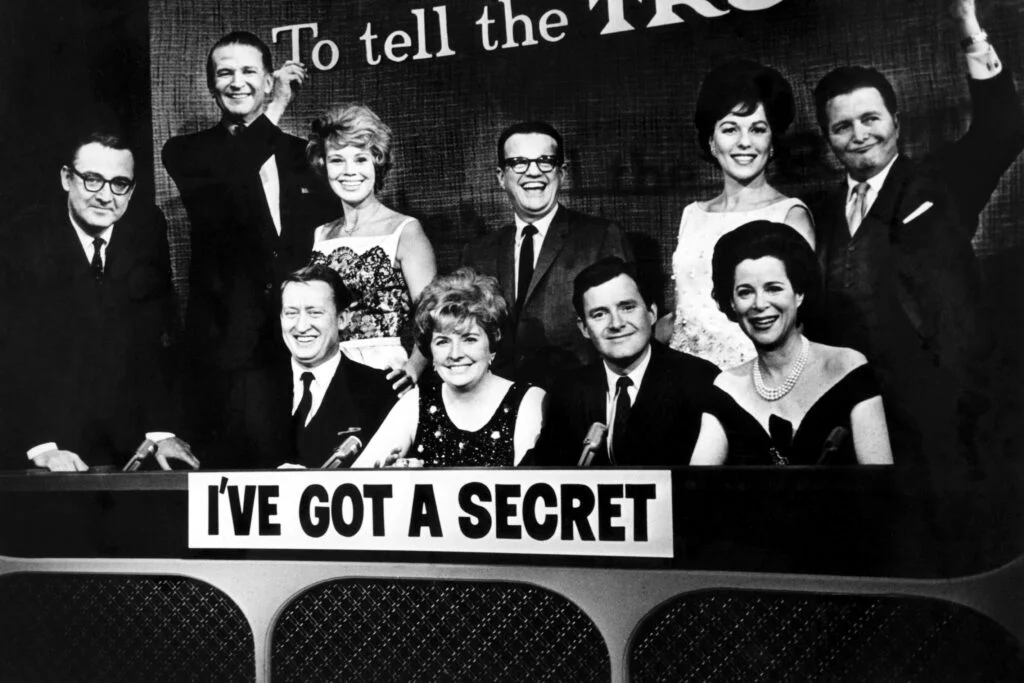
I’ve Got a Secret built its appeal around anticipation and surprise, making it ideal for prime time. Contestants hid unusual facts about themselves while celebrity panelists tried to uncover them. The secrets ranged from impressive to downright strange. Each reveal felt like a small event.
In the ’70s, the show still commanded attention during its nighttime runs. Audiences enjoyed guessing along and waiting for the final reveal. As television tastes shifted, the show quietly disappeared. Its once strong presence is rarely discussed today.
8. The Joker’s Wild
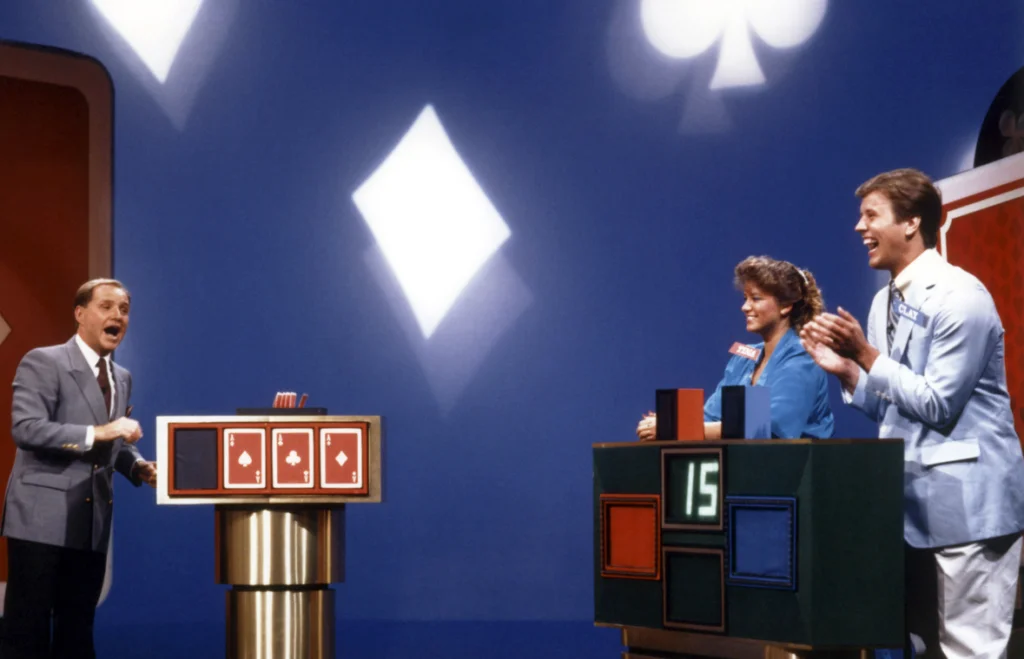
The Joker’s Wild blended trivia with slot machine style visuals, which felt fresh at the time. The flashing lights and spinning elements gave it a casino vibe that stood out in prime time. Contestants needed both knowledge and luck to win. That balance kept things unpredictable.
During the ’70s, viewers were drawn to its energetic pacing. It felt modern compared to more traditional quiz shows. Eventually, newer formats pushed it aside. Its prime time success is now mostly forgotten.
9. High Rollers
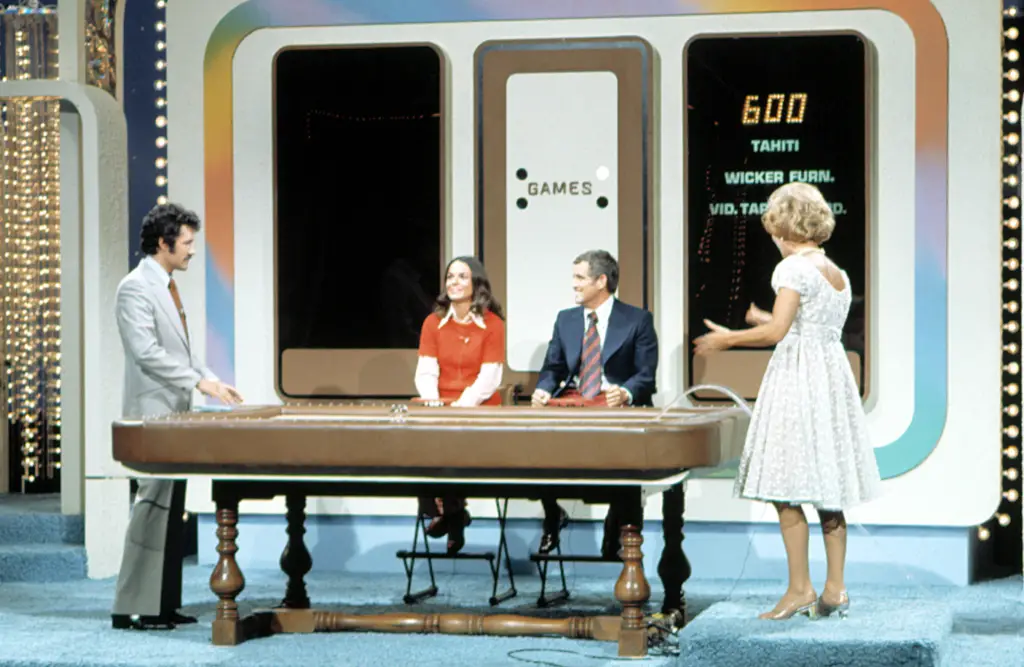
High Rollers combined trivia with giant dice, which made it instantly memorable. Contestants answered questions to control the dice and move around the board. The visual spectacle made it feel bigger than life for television audiences. It was flashy without being overwhelming.
In the ’70s, prime time viewers enjoyed its game night atmosphere. It felt like something the whole family could watch together. As trends changed, the show slipped out of the spotlight. Today, it is rarely mentioned despite its popularity.
10. Sale of the Century
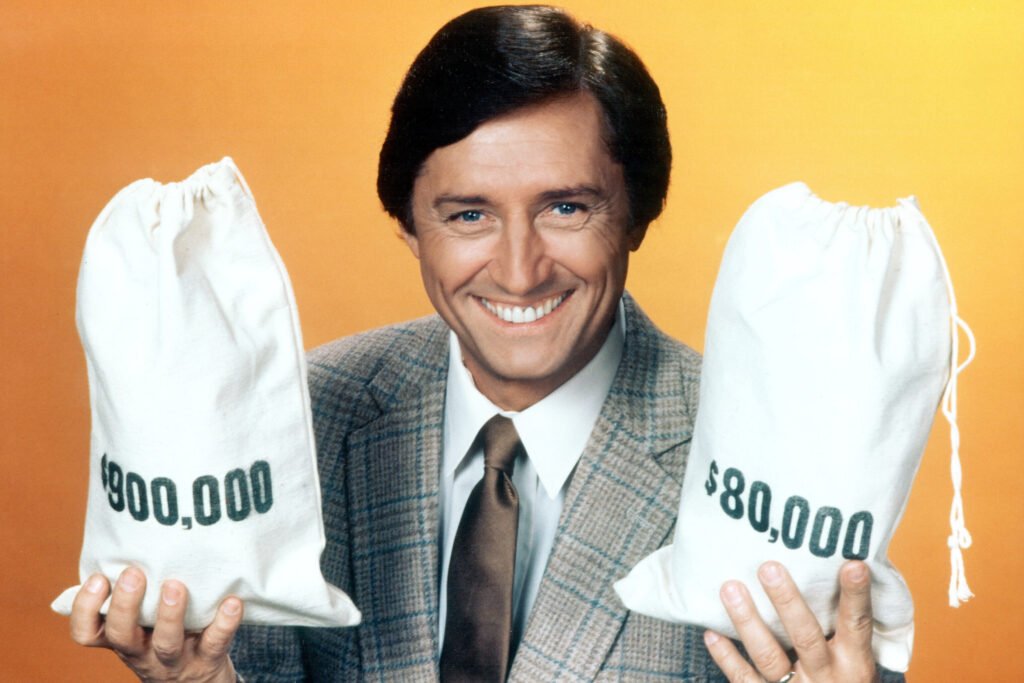
Sale of the Century stood out by offering luxury prizes and a competitive edge. Contestants used strategy as much as knowledge, deciding when to spend or save their winnings. The stakes felt high, which worked well for prime time drama. Watching someone risk it all was part of the thrill.
The show drew strong audiences during its ’70s evening runs. It felt sophisticated compared to simpler quiz formats. Over time, its influence faded as flashier shows emerged. Its dominance is often overlooked now.
11. Celebrity Sweepstakes
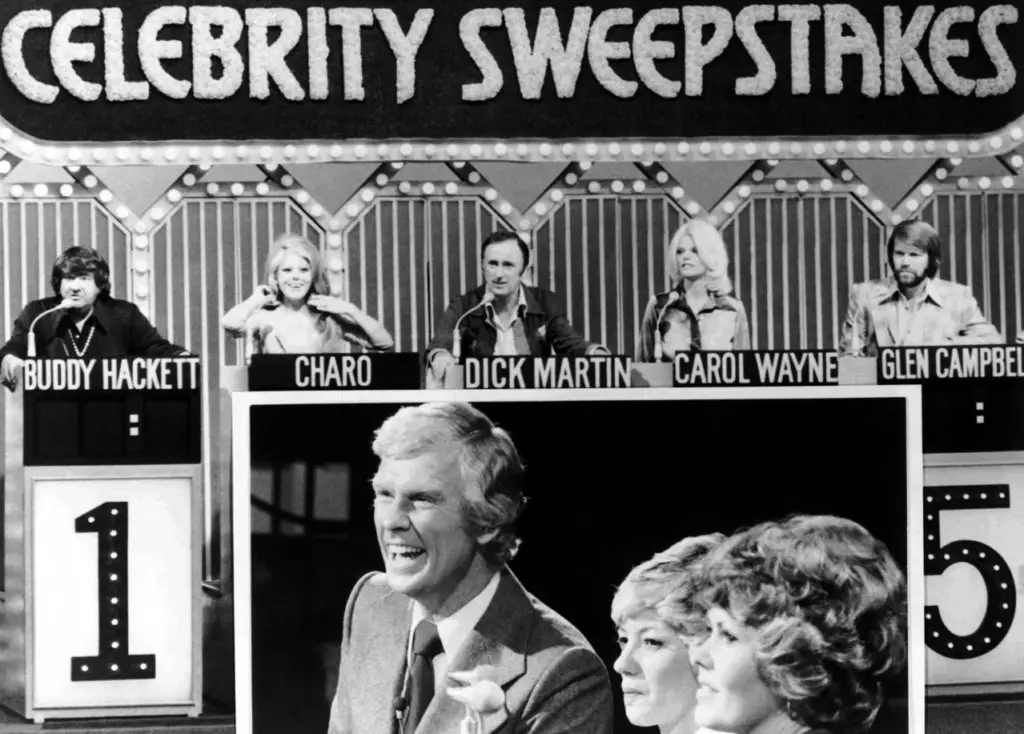
Celebrity Sweepstakes leaned into humor by pairing celebrities with regular contestants. The twist was that wrong answers sometimes earned more points than correct ones. That reversal kept things light and unpredictable. Viewers tuned in for the comedy as much as the game.
In the ’70s, the show enjoyed prime time success thanks to its playful tone. It never took itself too seriously, which made it refreshing. As television comedy evolved, it quietly vanished. Few remember how popular it once was.
12. The $10,000 Pyramid
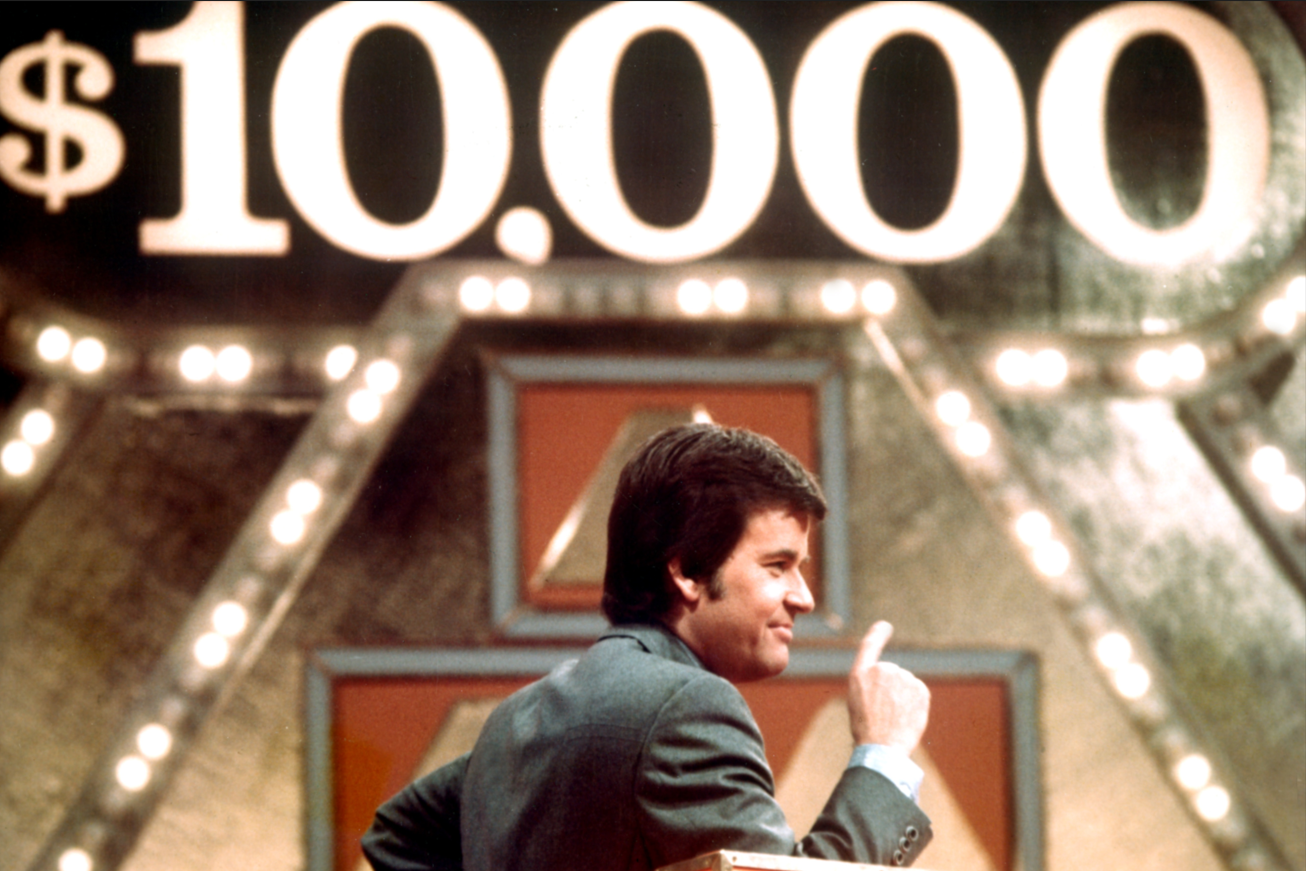
The $10,000 Pyramid became a sensation in the ’70s, including highly watched prime time versions. The fast paced word guessing format created genuine excitement. Celebrities and contestants worked together, which added warmth to the competition. The ticking clock made every round tense.
For a time, it dominated evening schedules and water cooler conversations. Its structure was simple but incredibly effective. While the show is still remembered, its prime time reign often gets overshadowed by later revivals. In the ’70s, it was a powerhouse.
13. Match Game
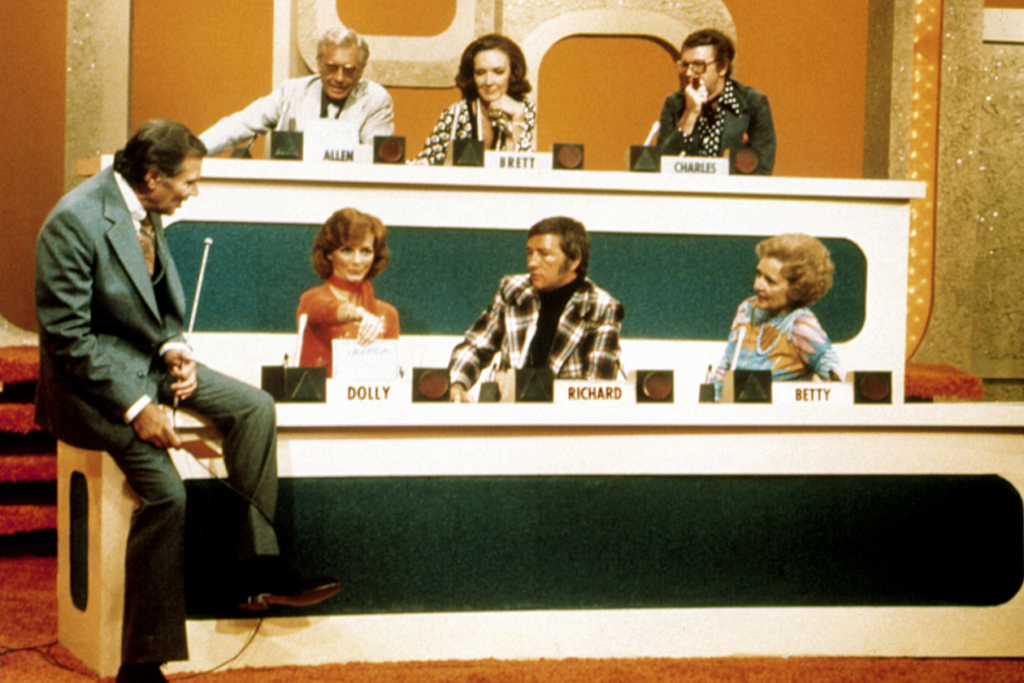
Match Game was one of the loudest and loosest game shows of the ’70s, and that energy translated perfectly to prime time. Celebrities filled in the blanks with answers that were often more suggestive than anyone expected. The real entertainment came from their reactions, side comments, and barely contained laughter. It felt more like a party than a competition.
Audiences loved the anything can happen feeling. It reflected the freer, funnier tone of the decade. For several years, it dominated evening television and pop culture conversations. Today, it is often remembered fondly but rarely credited for just how massive it once was.
14. Hollywood Squares
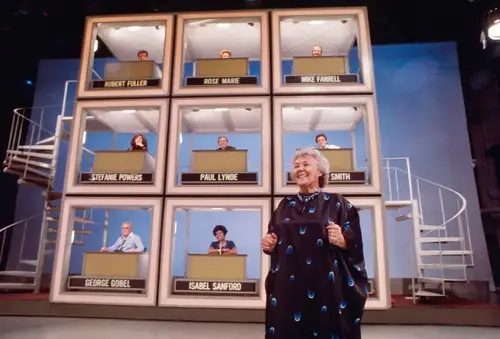
Hollywood Squares turned tic tac toe into a celebrity showcase that thrived in prime time during the ’70s. Stars filled the squares with jokes, sarcasm, and occasional genuine trivia knowledge. The format allowed personalities to shine as much as the game itself. Viewers tuned in as much for the panel as the contestants.
The show became a nightly habit for many households. It felt glamorous and approachable at the same time. As television comedy styles shifted, the format faded from dominance. Its prime time popularity is easy to underestimate now.
15. Family Feud
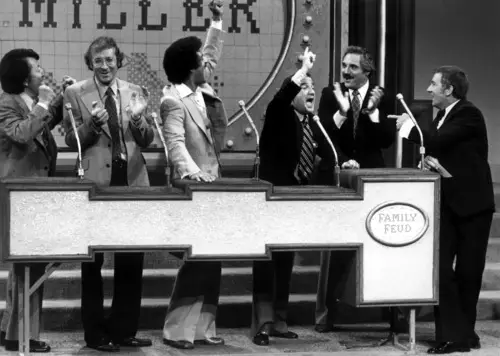
Family Feud debuted in the mid ’70s and quickly became a prime time sensation. Watching families guess what the survey said created instant drama and humor. The game encouraged loud reactions, playful arguments, and big celebrations. It felt familiar and competitive at the same time.
Audiences enjoyed seeing ordinary families under pressure. The questions sparked plenty of couch debates at home. While the show is still widely known today, its original prime time takeover is often overlooked. In the ’70s, it felt brand new and unstoppable.
16. The Gong Show
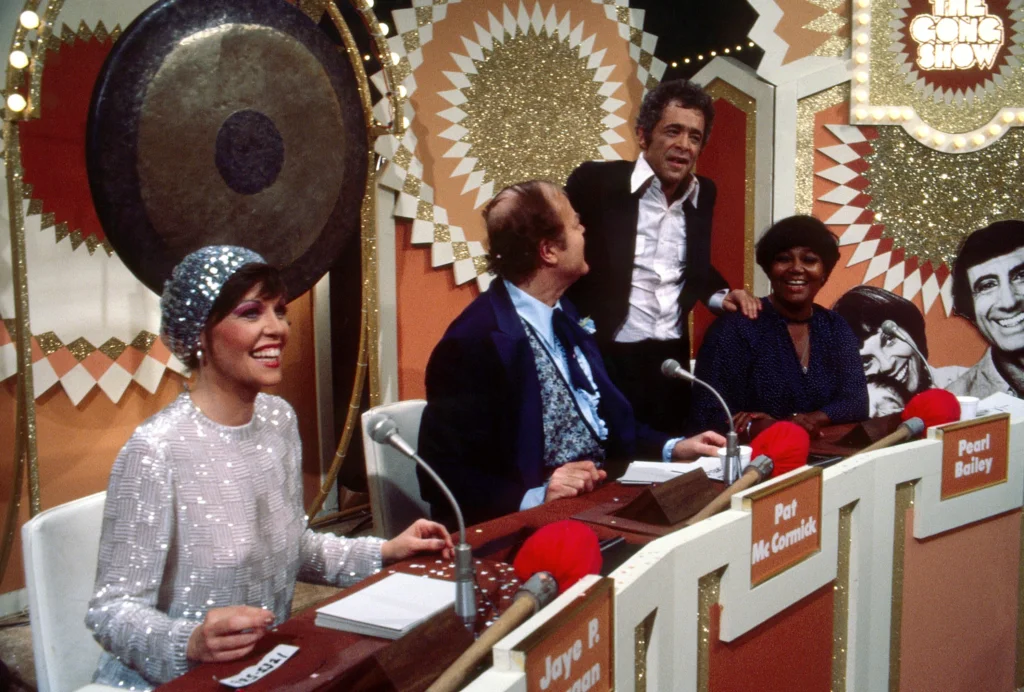
The Gong Show was pure chaos by design, and that unpredictability made it a prime time hit. Amateur performers took the stage knowing they might be cut off at any moment. The celebrity judges were unpredictable and often part of the spectacle themselves. Viewers never knew what they were about to see.
The show captured the anything goes spirit of the late ’70s. It was strange, uncomfortable, and oddly addictive. For a while, it dominated conversations the next day. Its prime time success feels almost unbelievable now.
17. Card Sharks
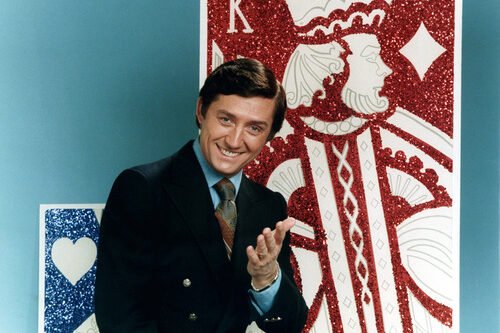
Card Sharks brought high stakes tension to prime time television in the late ’70s. Contestants guessed whether the next card would be higher or lower, often with big money on the line. The simplicity of the rules made it easy to follow. The suspense came from watching players risk everything.
Audiences loved the mix of strategy and chance. Every flip felt dramatic. While the show has had revivals, its original prime time run is rarely discussed. At the time, it was must see TV.
18. Password
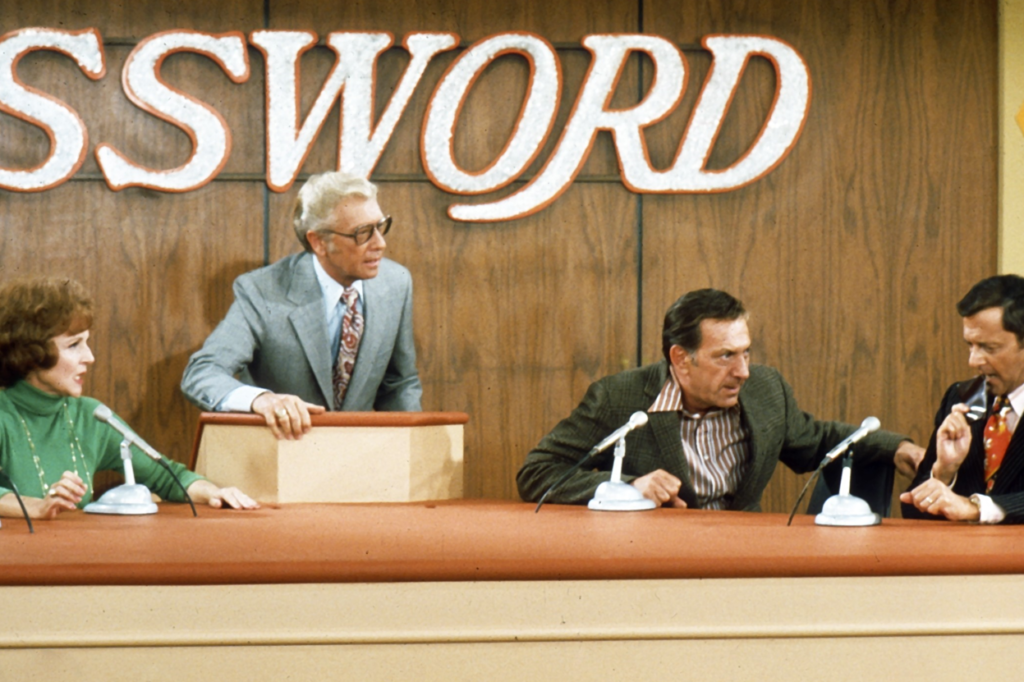
Password continued to draw strong prime time audiences during the ’70s with its clever wordplay. Contestants tried to guess a secret word using one word clues from celebrity partners. The game rewarded restraint and quick thinking. Every clue mattered.
The show felt smart and social rather than flashy. Viewers enjoyed playing along from home. As faster paced formats took over, Password quietly faded from the spotlight. Its influence and prime time success deserve more recognition.