1. Star Wars Action Figure Aisle Launch
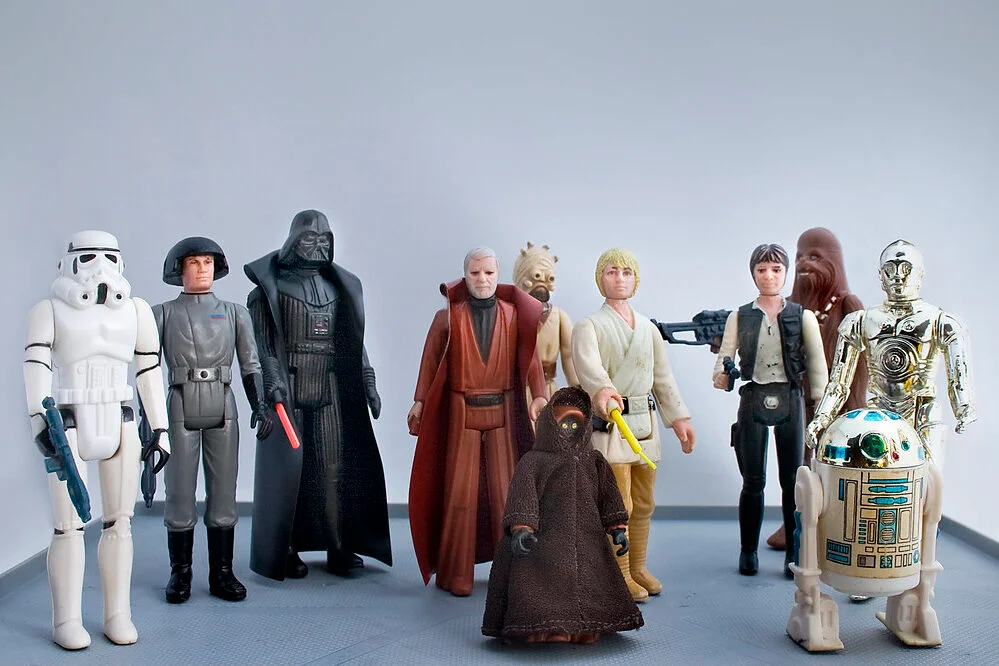
When Star Wars mania hit toy stores in 1977, the displays were unlike anything kids had ever seen. Shelves were stacked with Kenner’s tiny figures, and the backdrops recreated the Death Star, Tatooine, and even the Millennium Falcon cockpit. Kids could press buttons that made lights flash and sound effects play, creating the illusion they were inside the movie. Parents couldn’t leave without hearing “I need Luke Skywalker!” at least once.
The most exciting part was spotting the figures that were sold out everywhere else, hanging there like buried treasure. Some stores even had cardboard cutouts of Darth Vader that towered over shoppers. It was immersive marketing before anyone used that term. For many, it was the first time a toy display felt like a full experience.
2. Barbie’s Malibu Dreamhouse Setup
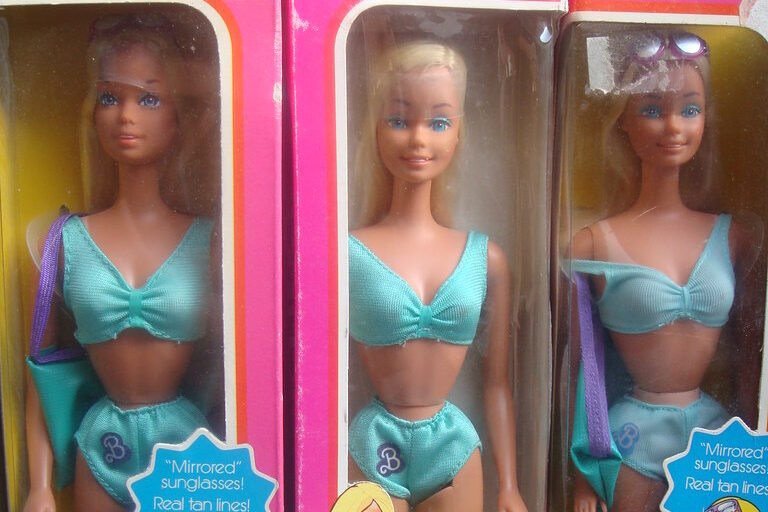
In the mid-’70s, Barbie’s world exploded in color and sunshine, and toy stores made sure you noticed. Mattel rolled out full Malibu Dreamhouse scenes with palm trees, pink convertibles, and tan, smiling dolls posed like they’d just come back from the beach. Some stores even sprinkled sand beneath the displays to complete the California fantasy. You could practically smell the suntan lotion in the air.
Little girls stood wide-eyed at the sight of Barbie’s glamorous setup, dreaming of pool parties and stylish sunglasses. It wasn’t just about the dolls, it was about stepping into Barbie’s perfect world. These elaborate scenes made every little shopper want to bring a piece of Malibu home. It was marketing magic that worked every time.
3. Hot Wheels Super Track Displays
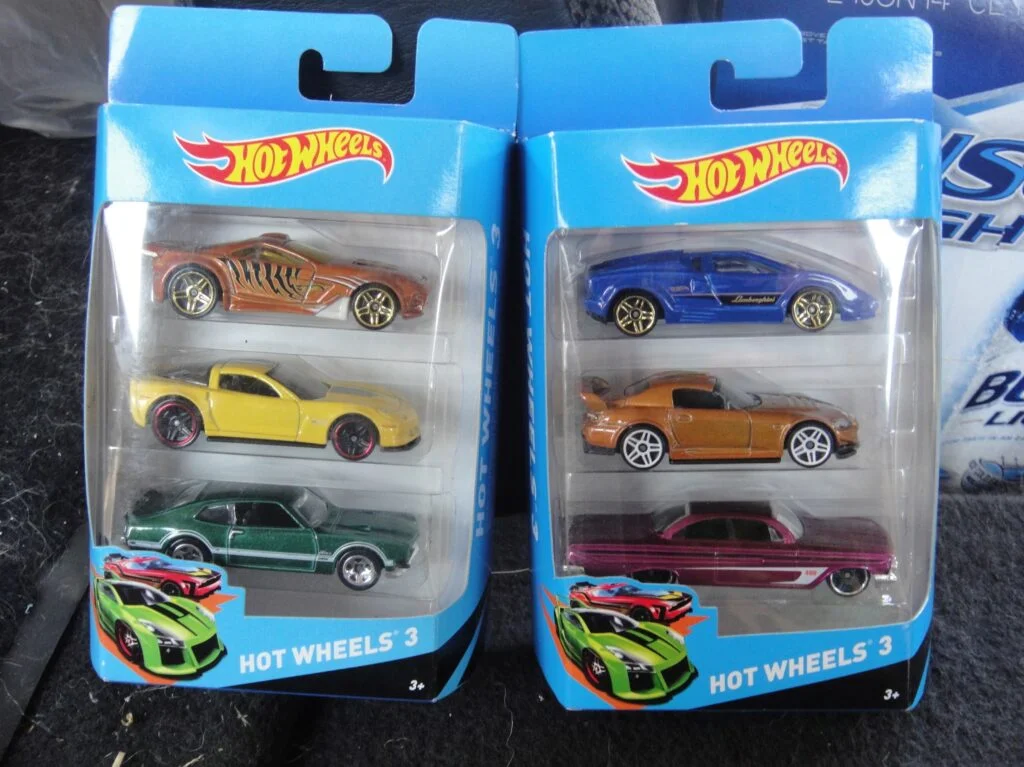
Hot Wheels displays were kinetic masterpieces, always full of motion and sound. The orange tracks wound around every corner, looping through fiery rings or plunging into tunnels. Store clerks would set off a few cars at a time, sending them racing to the cheers of kids crowded around the demo. It was impossible to walk by without stopping.
The displays showed off the thrill of speed that every kid wanted to recreate at home. Some even had “test tracks” where you could try your car before buying it. The smell of rubber wheels and the hum of tiny motors made the aisle feel alive. For many, that was their first taste of racing glory.
4. Fisher-Price Little People Towns
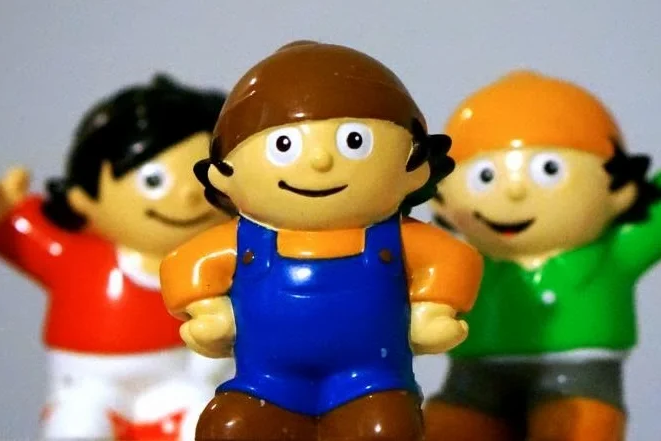
In the ’70s, Fisher-Price dominated the preschool aisle with cheerful towns built entirely from Little People sets. Toy stores built entire neighborhoods complete with garages, schools, and farms, each connected with winding plastic roads. Kids could move the figures from one building to another and watch the story unfold right before their eyes. It felt like entering a tiny, perfect world.
Parents loved the simplicity, and kids loved the sense of control. The displays often included sound buttons that made farm animals moo or cars honk, which added to the magic. It wasn’t about screens or batteries, just imagination. Looking back, it’s amazing how much joy those tiny plastic figures brought.
5. G.I. Joe Battle Stations
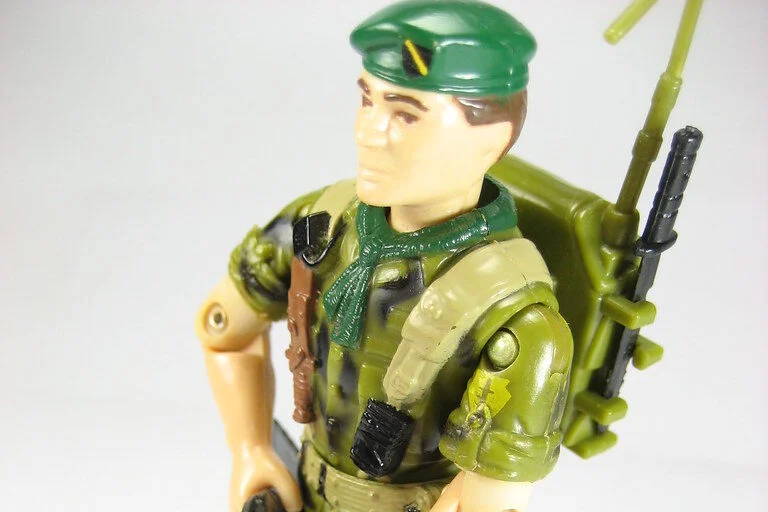
Before video games and computer graphics, G.I. Joe displays gave kids their action fix. Stores would set up elaborate battlegrounds complete with tanks, bunkers, and helicopters suspended from fishing wire. Each scene looked like a mini war movie frozen in time, and the attention to detail was incredible. It was impossible not to want one of everything.
Boys spent what felt like hours studying the layouts, plotting imaginary missions. The figures looked heroic, the vehicles massive, and the whole setup screamed adventure. The sound of plastic clattering and whispered battle cries filled the aisle. It was every kid’s fantasy come to life.
6. Stretch Armstrong Strength Challenge
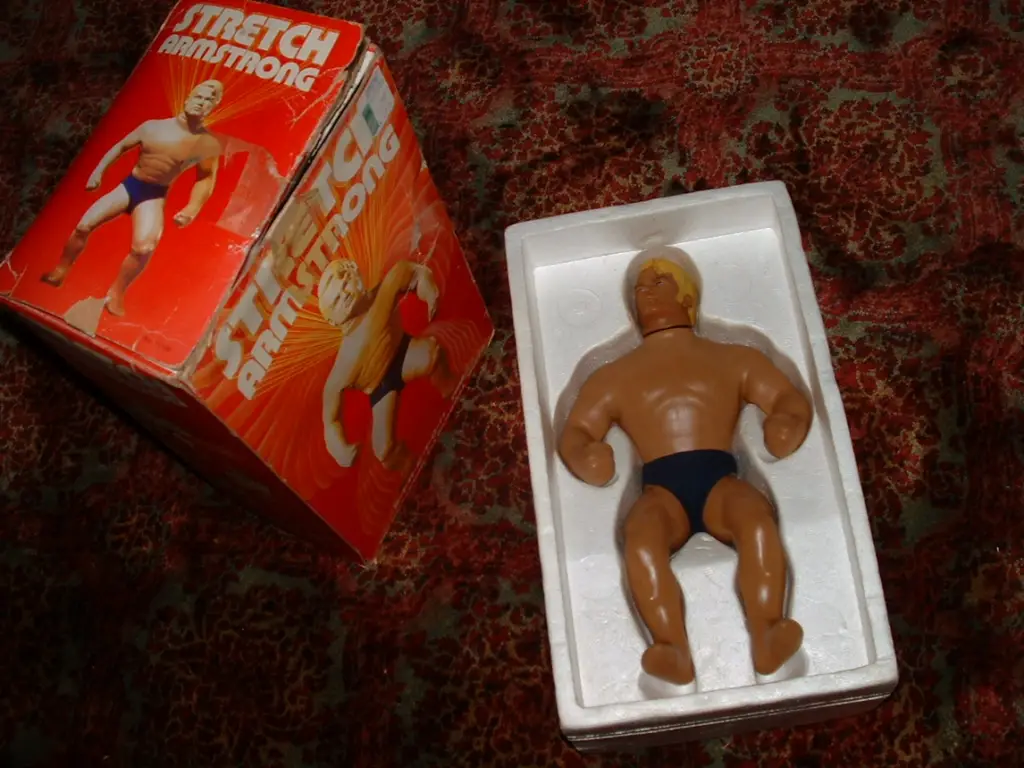
Stretch Armstrong wasn’t just a toy, it was a phenomenon, and the store displays treated it that way. A huge cardboard version of Stretch usually stood near the toy aisle, his arms outstretched like a challenge to anyone who dared to pull them. Kids would tug, twist, and stretch him as far as they could, marveling that he didn’t snap in two. It was part toy and part science experiment.
The tactile fun was addictive, and stores often encouraged kids to “test his strength.” The result was a crowd of giggling kids seeing who could stretch him the farthest. For many, that goofy grin on Stretch’s face became a symbol of childhood wonder. Even adults couldn’t resist giving it a try.
7. Evel Knievel Stunt Cycle Demos
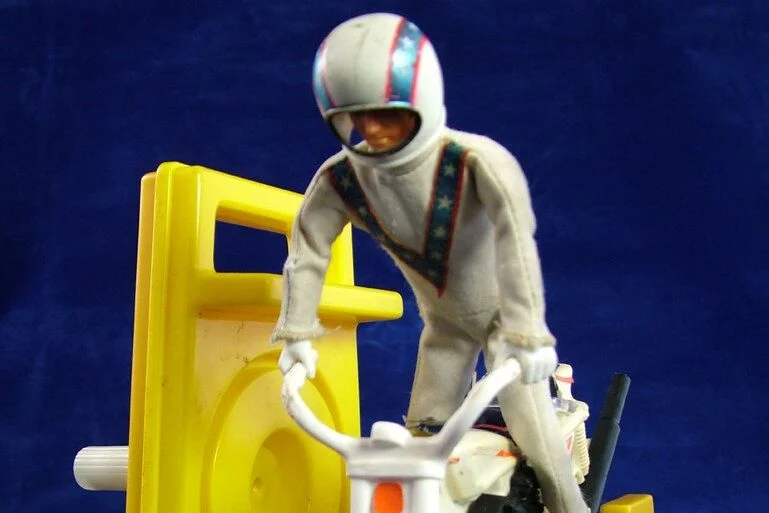
If you grew up in the ’70s, you probably remember the Evel Knievel display at your local toy store. A toy motorcycle, a plastic ramp, and the daredevil’s image plastered everywhere—it was impossible to miss. Store clerks would rev up the toy, let it fly, and everyone would gasp as it jumped the mini cars. It was pure adrenaline in aisle three.
The energy around those demos was electric. Kids would beg for “just one more jump,” and sometimes the toy would crash spectacularly, making it even better. Evel Knievel represented danger and excitement, and his toy brought that feeling to your fingertips. It’s no wonder those displays are still burned into memory.
8. Play-Doh Creative Corners
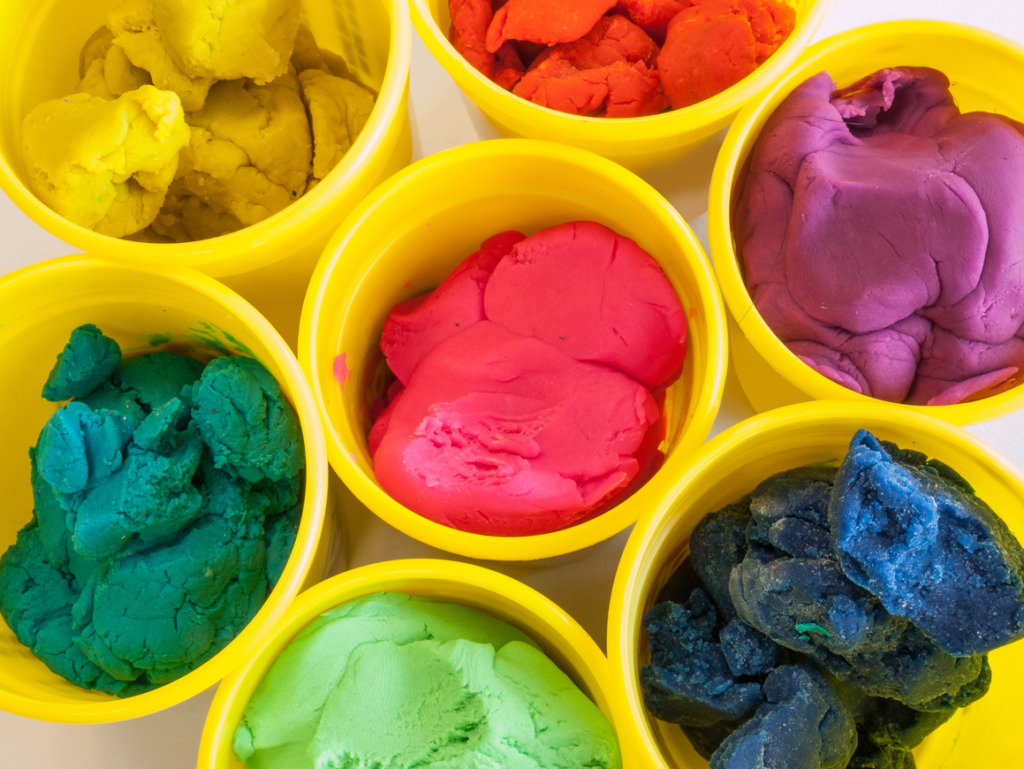
Play-Doh’s bright, squishy world came alive in stores with interactive stations where kids could press, roll, and mold to their hearts’ content. Towers of colorful cans surrounded tables full of shaped molds and extruders. The smell of fresh Play-Doh filled the air, a scent anyone from that era can still recall instantly. It was creativity in its purest form.
The displays often showed off new sets, like the Fun Factory or Play-Doh Kitchen, complete with pretend burgers and fries. Parents didn’t mind letting kids play because it felt educational. For a few minutes, every shopper got to feel like an artist. It was one of the few toy displays where everyone left with a smile—and probably a few specks of Play-Doh on their clothes.
9. Lincoln Logs Frontier Town

Before building blocks became high-tech, Lincoln Logs brought old-fashioned fun to the toy aisle. Stores set up sprawling frontier towns with cabins, forts, and tiny wagons pulled by plastic horses. The rustic look stood out among all the neon packaging of other toys. It felt grounded and nostalgic, even back then.
Kids marveled at how the logs fit together perfectly, and many displays let you try building a cabin yourself. It was simple, hands-on play that encouraged patience and imagination. Seeing the final town, complete with paper campfires and toy soldiers, made every kid want to go home and start stacking. It was a quieter kind of magic, but unforgettable all the same.
10. Weebles Wobble Village
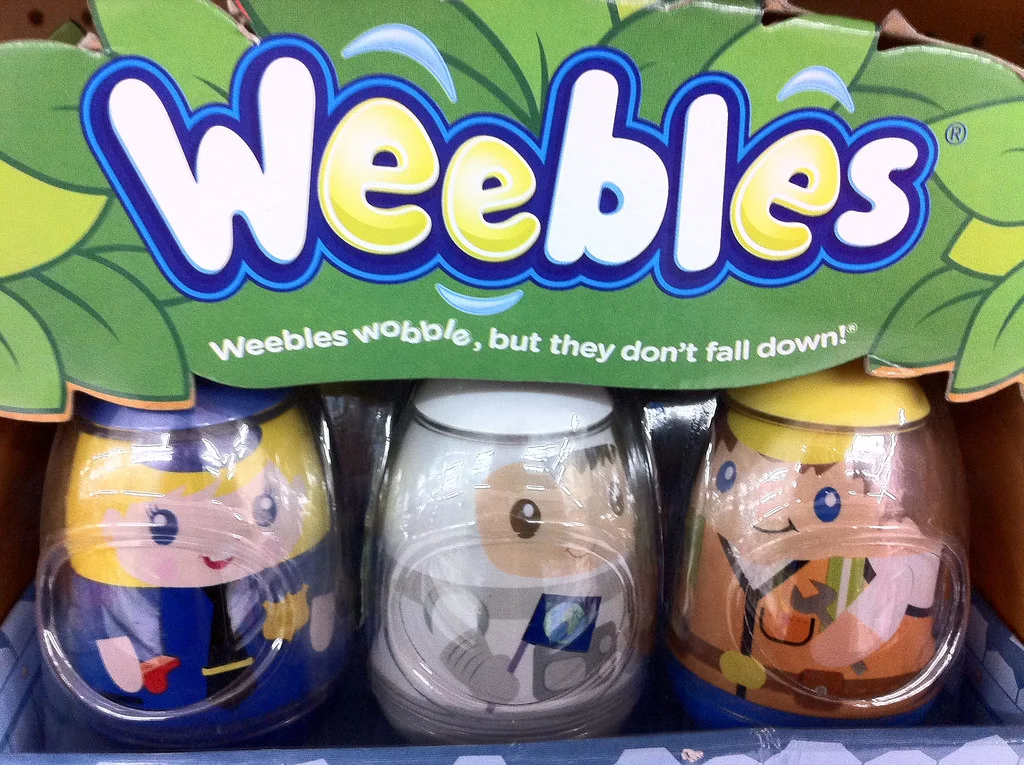
Weebles might have been small, but their displays packed plenty of fun. Toy stores built whole villages with wobbling figures, playgrounds, and tiny cars that rolled down ramps. The figures never fell down, which fascinated kids to no end. Watching them wobble was oddly satisfying.
The best displays had motion features, with electric motors that gently rocked the figures around their homes. It was hypnotic in a way, like watching a cartoon in real life. Every wobble brought laughter and curiosity. It’s hard to believe such a simple idea became such a phenomenon.
11. Tonka Truck Construction Zone
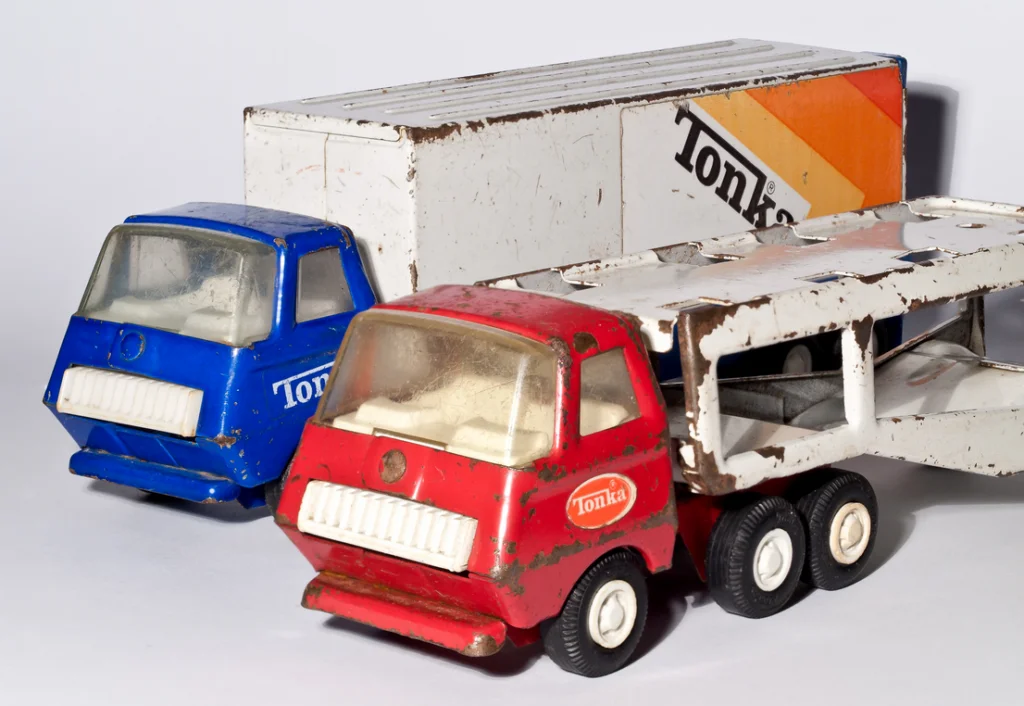
Tonka Trucks ruled the toy aisles with their bold yellow steel and rugged designs. Toy stores created massive “construction zones” complete with mounds of real sand and gravel. Kids could scoop, dump, and haul to their hearts’ content, testing out the trucks’ durability firsthand. Parents loved that they were built to last.
These displays turned every shopping trip into an adventure. Kids would line up to take turns driving the trucks over little bridges or through fake mud pits. The clanking sound of metal and sand filled the air like a mini worksite. It was dirty, noisy, and completely perfect.
12. Easy-Bake Oven Bakery Display
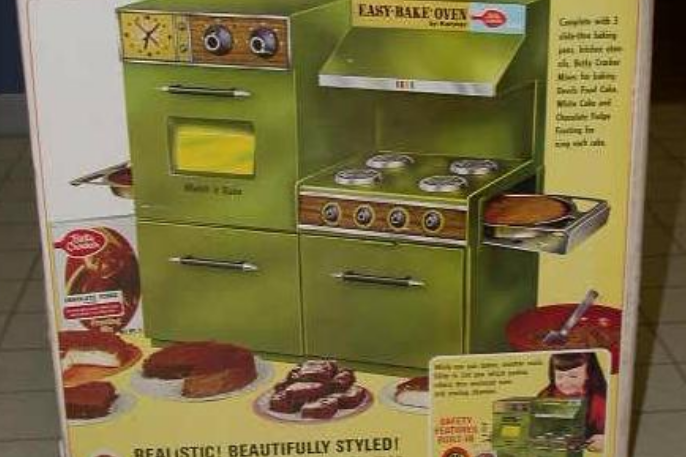
The Easy-Bake Oven aisle smelled like sweet victory for every aspiring young chef. Toy stores showcased the ovens surrounded by tiny cakes, brownies, and frosted treats baked with nothing more than a light bulb. Demo tables sometimes offered samples baked right there, which instantly sold the toy. It was childhood independence in appliance form.
Girls and boys alike were captivated by the idea of baking something “real.” The pastel colors and cheerful packaging made the whole setup irresistible. Parents were happy to buy it, thinking it encouraged creativity and patience. And for kids, it felt like running their very own bakery right in their bedroom.