
1. They Live (1988)
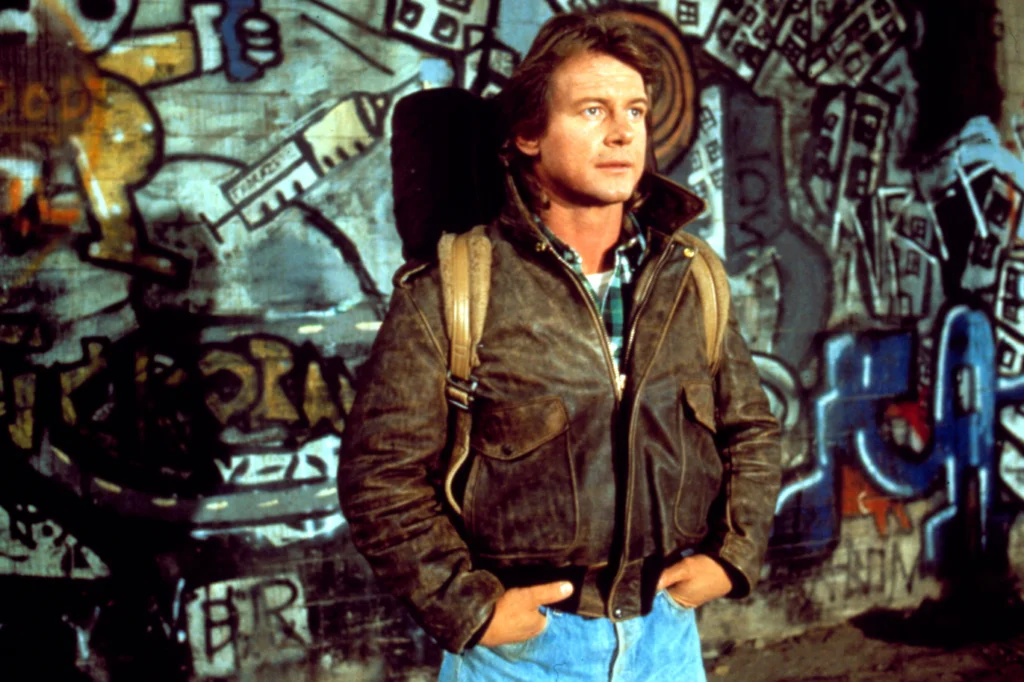
John Carpenter’s They Live is often remembered for its campy fight scene and “I have come here to chew bubblegum and kick butt” line, but at its core, this movie was tackling consumerism and media manipulation in a way few films dared to in the late ’80s. It followed a drifter who stumbles upon sunglasses that reveal the hidden truth about the world: aliens are secretly controlling humanity through advertising and subliminal messages.
What makes it feel ahead of its time is how it predicted conversations about corporate greed and media influence that dominate discussions today. The idea that our society is lulled into complacency by consumer goods resonates more now than ever. Though dismissed as pulpy sci-fi back then, it’s now seen as a biting satire that was years before its time.
2. Repo Man (1984)
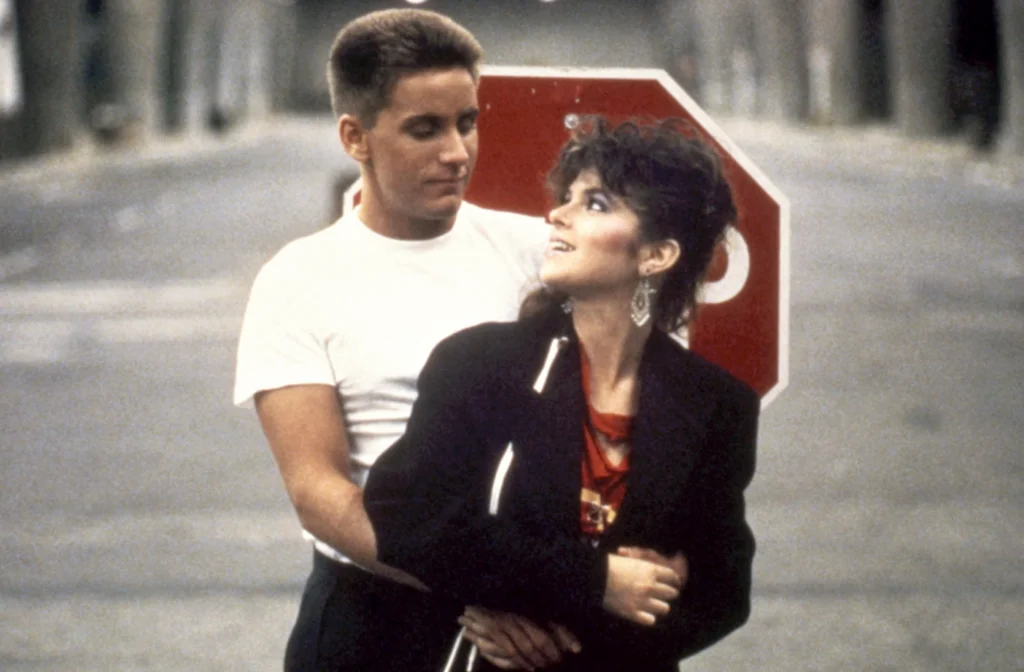
On the surface, Repo Man looks like a quirky punk comedy about a young man working for a repossession company, but it’s layered with biting social commentary and surreal sci-fi elements. Emilio Estevez plays Otto, who finds himself entangled in a bizarre world of government conspiracies, glowing cars, and nihilistic humor.
The film was way too strange for mainstream audiences in ’84, but it has aged into something prophetic. Its critique of consumer culture, authority, and empty suburban living feels sharper in hindsight. The mix of absurdity and social commentary set a tone that would influence cult cinema and shows like Twin Peaks.
3. Videodrome (1983)
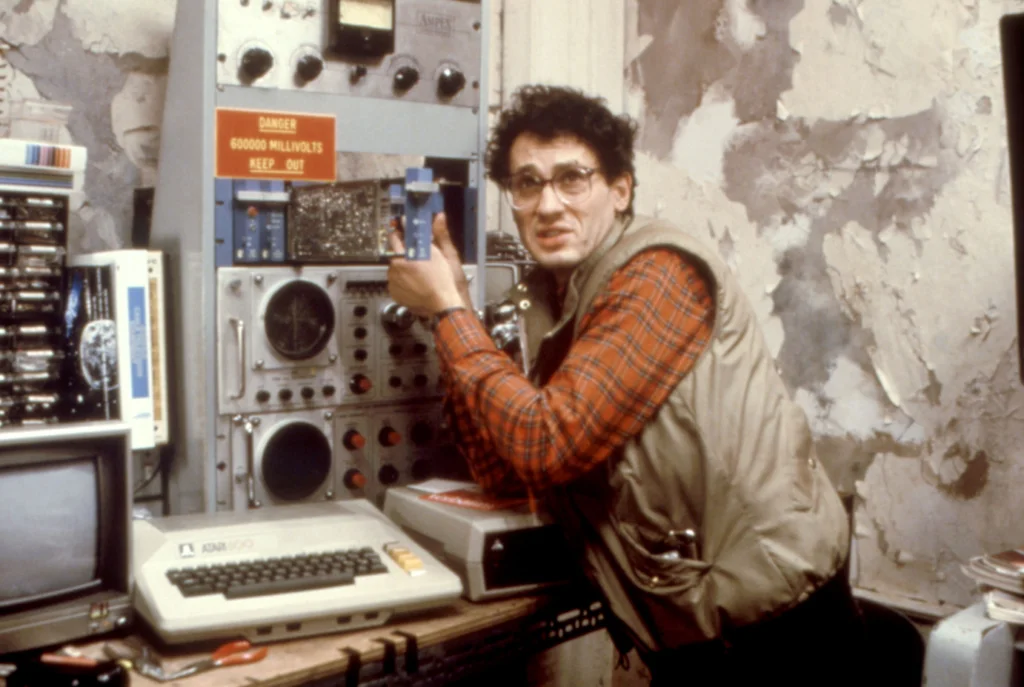
David Cronenberg’s Videodrome might be one of the eeriest explorations of technology and media addiction ever put on screen. James Woods stars as a sleazy TV programmer who stumbles across a broadcast that’s violent, bizarre, and mind-controlling. The film dives deep into the merging of man and machine and the blurring of reality and hallucination.
At the time, critics weren’t sure what to make of it, but today it feels almost prophetic about the internet age. Cronenberg warned of a future where people crave disturbing content and lose themselves in it, which sounds eerily like scrolling through social media today. The body horror may be grotesque, but the message hits closer to home than ever.
4. The Running Man (1987)
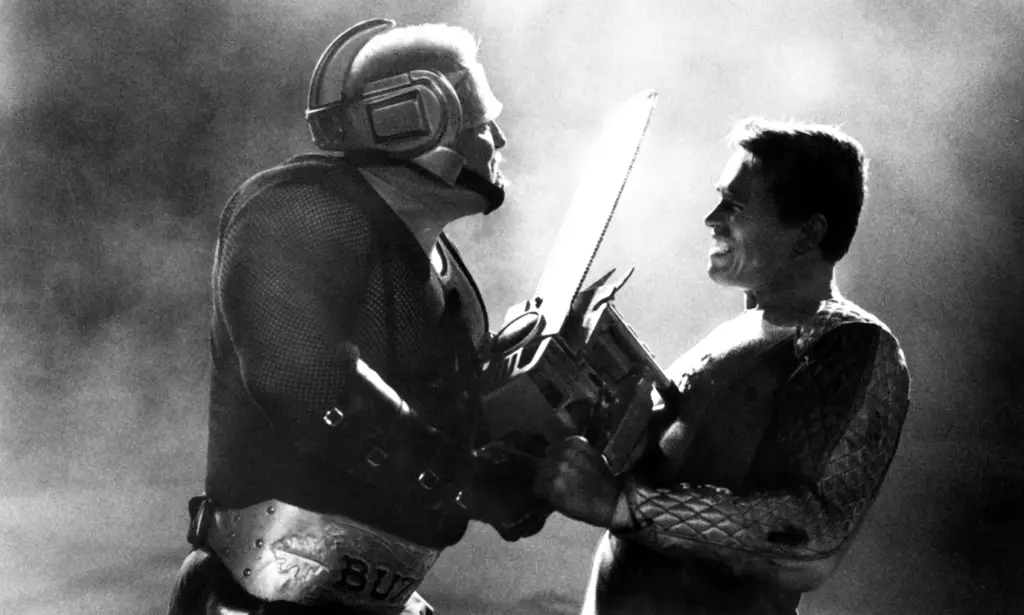
Based on a Stephen King story, The Running Man is set in a dystopian future where prisoners are forced to compete in a deadly reality TV show for the amusement of the masses. Arnold Schwarzenegger stars as the wrongly convicted hero fighting for survival while being hunted by outrageous killers.
While audiences back then saw it as an over-the-top action flick, the movie was years ahead in predicting reality television’s obsession with spectacle. It suggested a future where entertainment would push boundaries at the expense of humanity. With today’s mix of game shows, streaming content, and fascination with violence, The Running Man feels startlingly on point.
5. WarGames (1983)

Long before most people had a computer at home, WarGames imagined what might happen if a teenager accidentally hacked into a military system. Matthew Broderick stars as David, a curious high schooler who thinks he’s accessing a video game but instead almost launches World War III. The film balances suspense with a sense of youthful curiosity that made it stand out at the time.
What makes WarGames so forward-thinking is how it predicted the rise of hacking, cybersecurity threats, and the dangers of automated military technology. It warned about the risks of letting computers make life-and-death decisions, a theme that feels even more relevant in today’s era of AI and drones. While it was a hit in the ’80s, its message has only grown stronger with time, making it one of the most visionary movies of the decade.
6. Manhunter (1986)
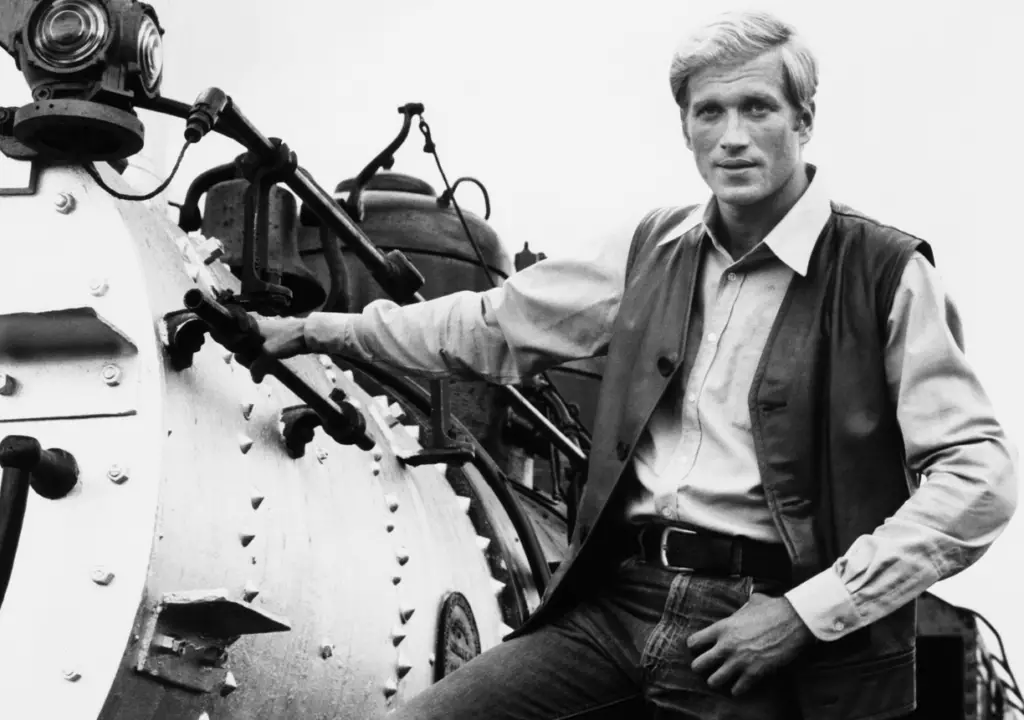
Years before Anthony Hopkins terrified audiences as Hannibal Lecter, Michael Mann directed Manhunter, the first adaptation of Thomas Harris’s Red Dragon. The film follows FBI profiler Will Graham as he tries to catch a serial killer with the help of an imprisoned Hannibal Lecter.
Audiences didn’t embrace it then, partly because it was overshadowed by more sensational thrillers. But Mann’s sleek, stylized direction and psychological tension paved the way for Silence of the Lambs and later crime dramas like Se7en. It feels like a blueprint for the entire true-crime and psychological thriller wave of the ’90s and beyond.
7. Tron (1982)
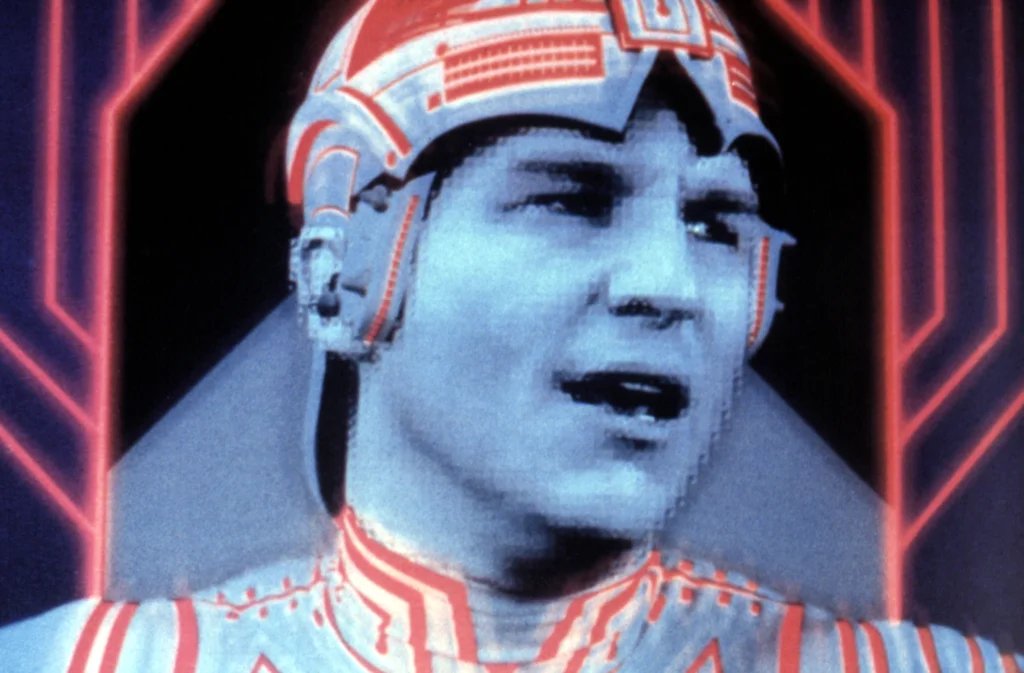
When Tron hit theaters in 1982, audiences weren’t quite ready for its dazzling mix of live action and computer-generated imagery. Jeff Bridges plays a computer programmer who gets pulled into a digital world where programs are living beings and video games become battles for survival. At the time, the visuals were groundbreaking, even if critics and viewers didn’t fully appreciate what Disney was attempting.
Looking back, Tron feels like it predicted not only the rise of video game culture but also the way people would one day live and work inside digital spaces. Its concept of entering a computer world foreshadowed virtual reality, the internet, and even today’s talk about the metaverse. It might have been too early for mass success, but its influence is everywhere now.
8. Blue Velvet (1986)
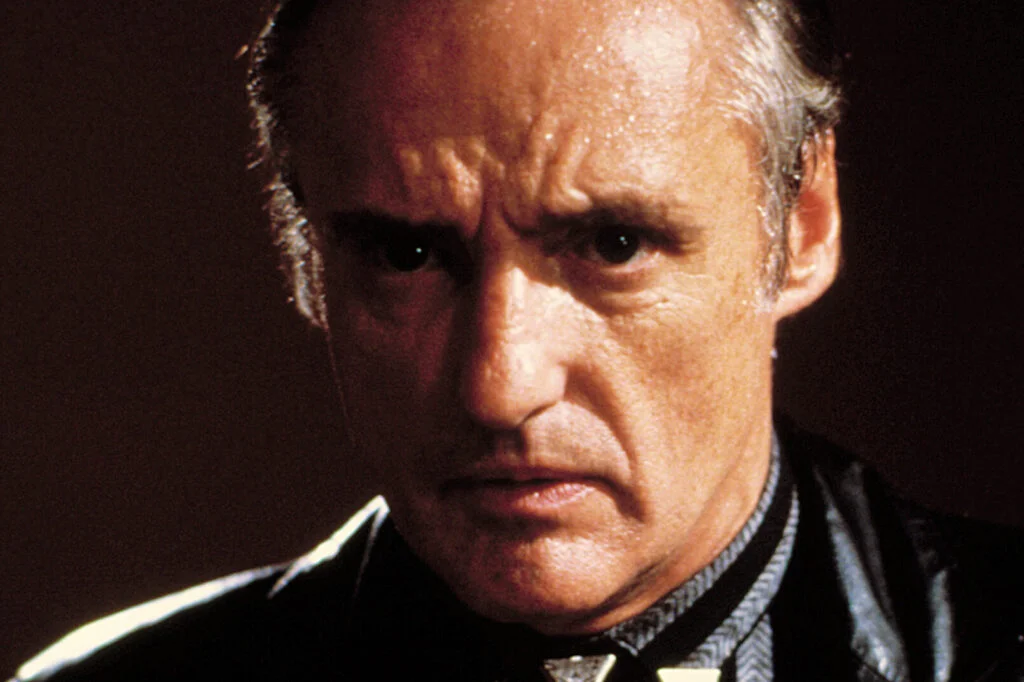
David Lynch’s Blue Velvet shocked audiences by peeling back the glossy surface of small-town America to reveal something dark and twisted. The story begins with a severed ear found in a field, which leads to a nightmarish world of crime, abuse, and obsession.
Back then, people weren’t ready for Lynch’s surreal and unsettling style blended with noir storytelling. Today, it’s recognized as a groundbreaking film that showed how cinema could explore the darkness lurking under everyday life. Its boldness in mixing dreamy visuals with disturbing themes influenced countless directors.
9. The Last Starfighter (1984)
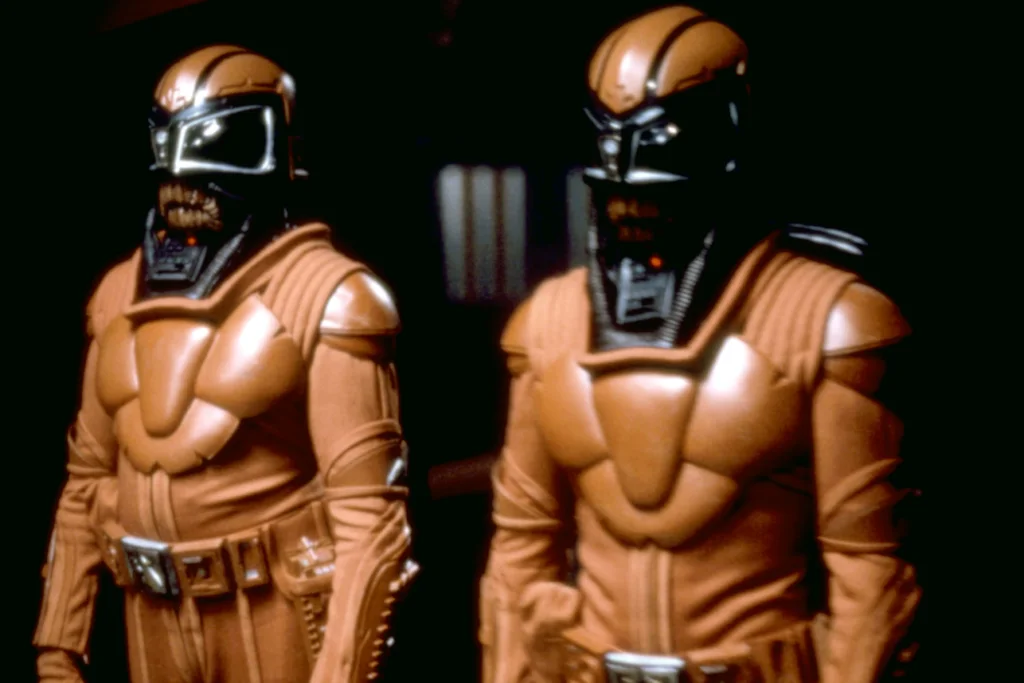
This space adventure was one of the first movies to use extensive computer-generated effects. It tells the story of a teenager whose video game skills land him a role as a starfighter pilot in an intergalactic war.
While it didn’t become the blockbuster its makers hoped for, the film was pioneering in its use of CGI. Looking back, it foreshadowed a future where video games and virtual reality would shape not just entertainment but entire industries. It’s easy to see its DNA in modern gaming culture and sci-fi storytelling.
10. Brazil (1985)
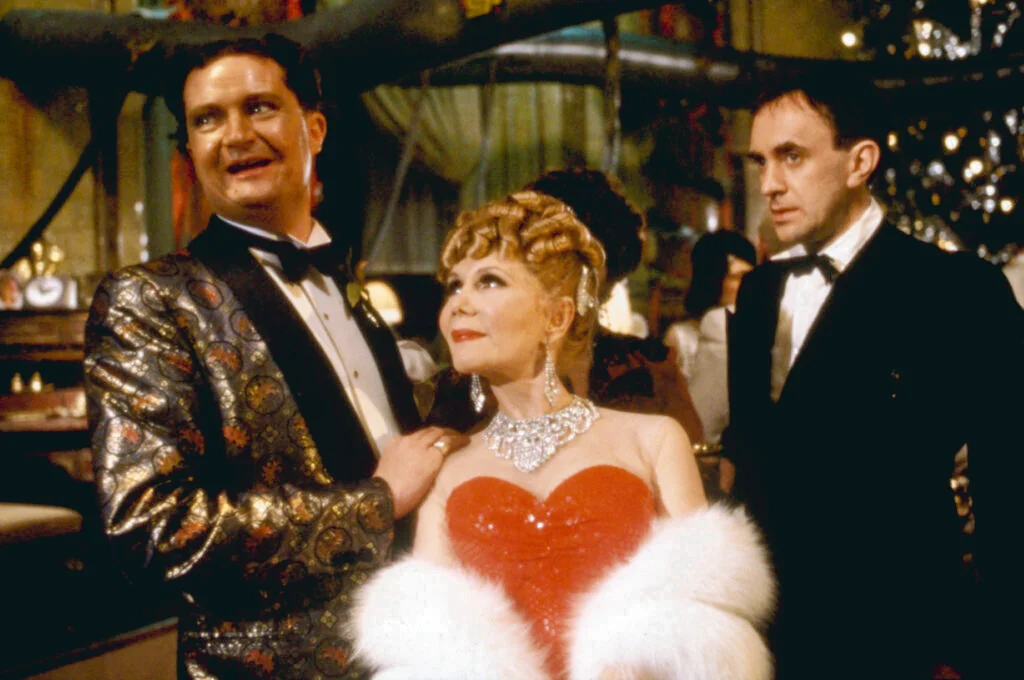
Terry Gilliam’s dystopian satire Brazil is a surreal look at bureaucracy, government control, and the crushing of individuality. It follows a low-level worker who becomes entangled in a nightmarish world of paperwork, surveillance, and absurdity.
Audiences at the time weren’t quite ready for its dark humor and bleak vision, but the film feels almost eerily accurate now. With themes of constant surveillance and suffocating red tape, it resonates more in today’s world than it did in the ’80s. Its quirky visuals and biting critique make it one of the decade’s most forward-thinking films.
11. Starman (1984)
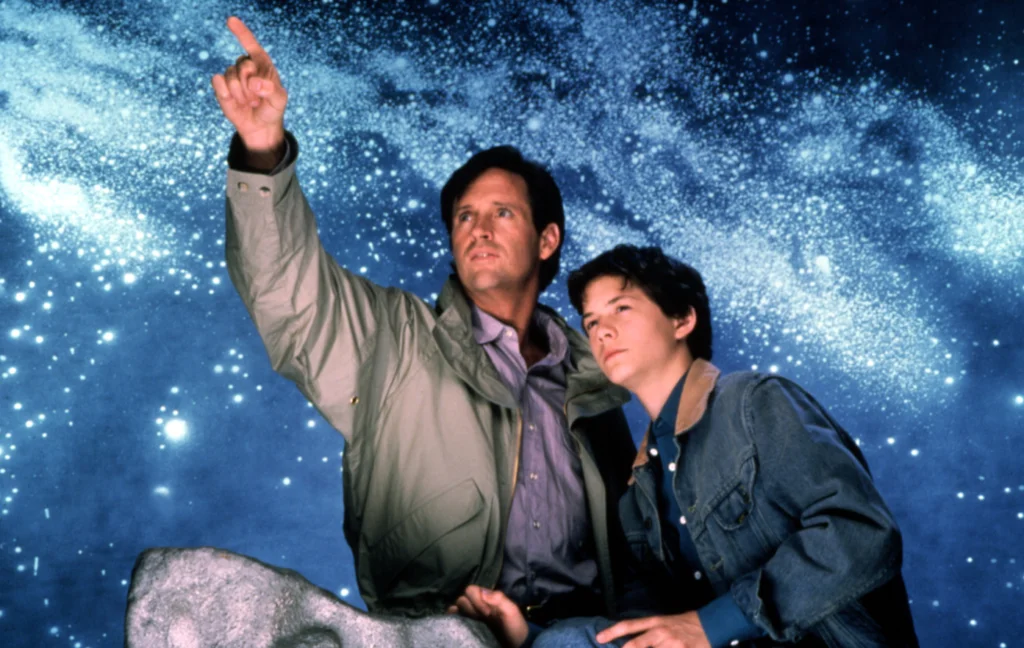
Often overshadowed by bigger sci-fi blockbusters, John Carpenter’s Starman told a gentler, more emotional story about an alien who takes the form of a widow’s late husband. Jeff Bridges earned an Oscar nomination for his moving performance as the otherworldly visitor trying to understand humanity.
What set it apart was its mix of science fiction with romance and heart, something unusual for the era’s action-heavy sci-fi. It suggested that alien encounters didn’t always need to be about war and fear, but about empathy and connection. In many ways, it predicted the softer side of sci-fi storytelling that would flourish later.
12. To Live and Die in L.A. (1985)

This gritty crime thriller directed by William Friedkin centered on a Secret Service agent chasing a ruthless counterfeiter. It was raw, violent, and stylistically daring, with an unforgettable car chase that rivaled The French Connection.
At the time, audiences were more comfortable with cleaner action stories, so its bleakness kept it from mainstream success. But its dark realism and morally complex characters paved the way for later crime dramas like Heat and Breaking Bad. Today it feels far more in line with the antihero-driven stories we crave.
13. Altered States (1980)

Ken Russell’s Altered States dove headfirst into psychedelic science fiction, telling the story of a scientist experimenting with sensory deprivation and hallucinogens to explore human consciousness. William Hurt, in his film debut, plays the obsessive researcher who slowly begins to regress into earlier forms of human evolution.
Audiences at the time were unsettled by its mix of surreal visuals and heady philosophy, but it feels prophetic in how it explored altered states of mind. In an age where psychedelics are once again being studied for their medical potential, the movie’s premise feels startlingly modern. It was part horror, part sci-fi, and part spiritual exploration, making it a truly unique product of its time.
14. The Hidden (1987)
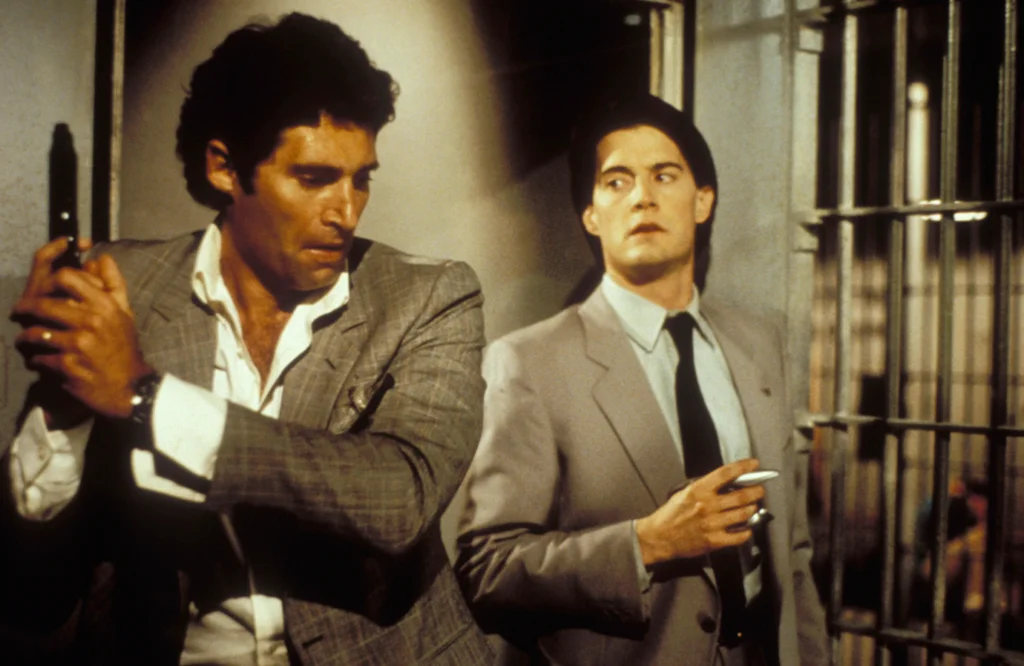
On paper, The Hidden looks like a typical buddy-cop action flick, but it quickly morphs into something stranger. Kyle MacLachlan plays an FBI agent who teams up with a local cop to track down a criminal—except the “criminal” is actually a parasitic alien that body-hops from one host to another.
What made it ahead of its time was its mix of sci-fi horror and sleek action, years before that became common. The alien body-swapping concept feels like a precursor to films like Men in Black and even shows like The X-Files. While overlooked in the ’80s, it has since become a cult favorite with a surprisingly smart story beneath the gunfire and car chases.
15. My Dinner with Andre (1981)

This film is almost the opposite of what people expect from cinema—it’s just two men, Wallace Shawn and André Gregory, sitting in a restaurant and talking. There are no action scenes, no special effects, just a deep conversation about life, philosophy, art, and human connection.
At the time, it baffled audiences who were expecting something more traditionally dramatic, but today it feels like it predicted podcast culture. The idea of listening to two people share ideas over a long, uninterrupted dialogue is exactly what modern audiences consume daily. It’s an ’80s movie that plays like it was made for today’s streaming world.
16. The Adventures of Buckaroo Banzai Across the 8th Dimension (1984)
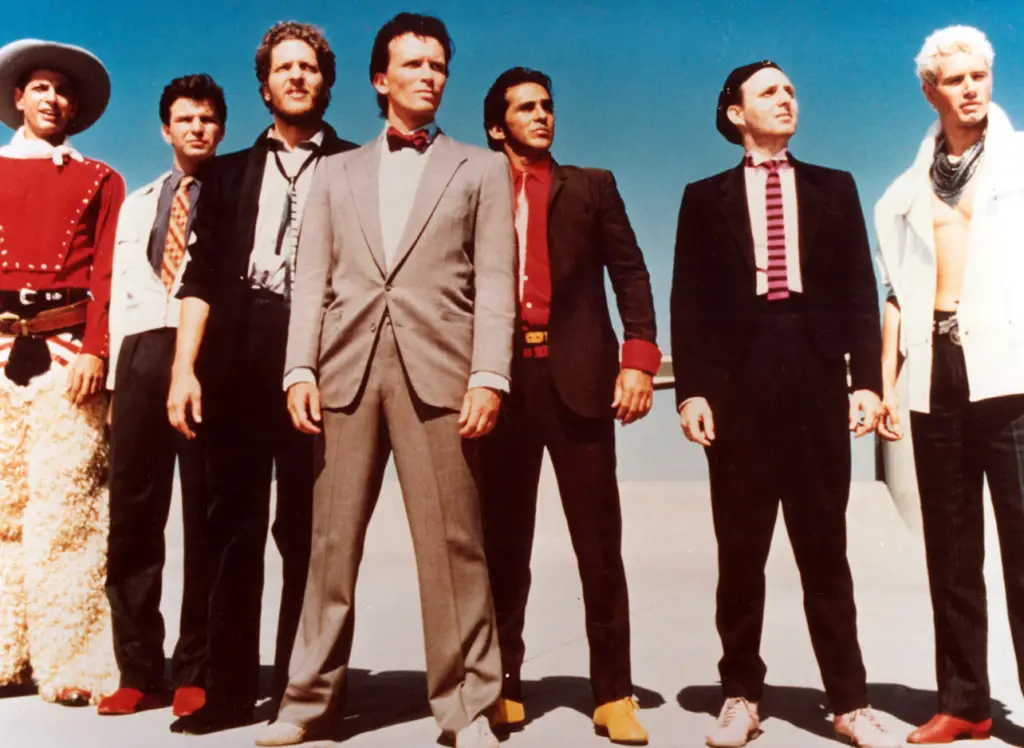
This oddball cult classic combined science fiction, comedy, rock music, and comic-book energy into one wild ride. Peter Weller starred as Buckaroo Banzai, a neurosurgeon, physicist, and rock star who battles aliens from another dimension. It was unlike anything else in theaters at the time.
While audiences didn’t know what to make of its chaotic mix of tones, it actually foreshadowed the kind of genre-bending, quirky world-building that Marvel and other franchises lean into now. Its humor, self-awareness, and willingness to embrace weirdness were decades ahead of their time. Today, it feels like a blueprint for cult universes that thrive on fan devotion.
17. Ladyhawke (1985)
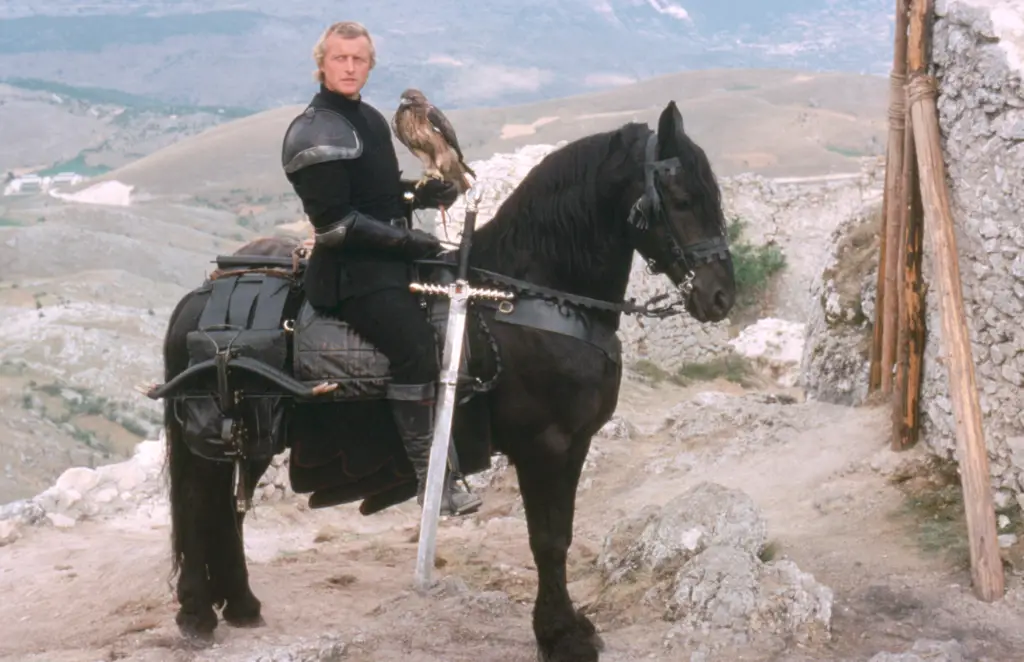
Richard Donner’s Ladyhawke mixed fantasy, romance, and tragedy in a way that was unusual for the ’80s. Rutger Hauer and Michelle Pfeiffer play lovers cursed by an evil bishop: he turns into a wolf at night, and she transforms into a hawk during the day, keeping them forever apart. Matthew Broderick added a touch of comic relief as the thief who helps them.
What made it ahead of its time was its blending of dark fairytale storytelling with emotional depth. Most fantasy films of the era leaned into swashbuckling adventure, but this one leaned into heartbreak and mythic romance. It feels closer to the type of fantasy epics and love stories that gained traction in later decades.
18. After Hours (1985)

Directed by Martin Scorsese, After Hours is a darkly comedic thriller about one man’s disastrous night in New York City. Griffin Dunne plays a word processor whose attempt at a casual date turns into a surreal odyssey of misadventures, coincidences, and escalating chaos.
At the time, it confused audiences used to Scorsese’s crime dramas, but its mix of paranoia, absurdity, and late-night energy makes it feel like a modern indie film. It captured the sense of urban alienation and randomness in a way that resonates even more today. It’s now seen as one of Scorsese’s most underrated and experimental works, years ahead of its time.


