
1. Where’s the beef?
The Wendy’s catchphrase exploded in 1984, thanks to Clara Peller’s unimpressed delivery as she stared down a tiny hamburger patty. People loved how blunt it was, and it quickly jumped from a fast food ad to everyday conversations everywhere. Before long, politicians were quoting it, comedians were using it, and kids were repeating it at school lunch. The phrase became a way to call out anything that felt skimpy or half baked. It is still one of the most instantly recognizable lines from the decade. Even now, hearing it can bring you right back to the era of square burgers and oversized lapels. It remains a perfect example of how a single line can outlive the commercial it came from.
The catchphrase also turned Peller into a pop culture icon almost overnight. Wendy’s even sold merchandise because fans could not get enough of her cranky charm. What made it unforgettable was how honest it felt, like she was saying what everyone was thinking. It became shorthand for demanding more substance from just about anything. People still quote it without even remembering where it started. That kind of accidental longevity is rare in advertising. You can still hear someone say it today, and it always lands with the same playful punch.
2. I want my MTV
When MTV launched in 1981, it needed a bold way to convince cable providers to carry the new channel. The network turned to rock stars and teenagers to demand, loudly and proudly, that they wanted their MTV. The shout became a cultural rallying cry for the generation that grew up glued to music videos. Every time a kid yelled it at their TV, it felt like they were part of something big and new. Hearing Pat Benatar or Mick Jagger say it added instant credibility. The line captured the excitement of a channel that felt like a revolution. Saying it now still brings back that first era of flashy graphics, nonstop music, and neon everything.
The phrase worked because it felt rebellious but harmless. It encouraged teens to bug their parents into upgrading the cable package, which they absolutely did. Commercials featuring the catchphrase ran constantly, and the line quickly became part of the decade’s slang. It summed up how hungry everyone was for this new thing called music television. Even people who never watched MTV remember the command. It helped define a whole generation of media habits. Hearing it today still sparks a wave of nostalgia for the early days of music video culture.
3. Time to make the donuts
Dunkin’ Donuts introduced this line with the tired but dedicated Fred the Baker, who always seemed to be up before dawn. His weary “Time to make the donuts” quickly became the motto of anyone who felt like they were dragging themselves out of bed. People related to Fred because he showed the grind in a funny, gentle way. The catchphrase turned into a cultural wink about the daily hustle. It even earned the character a small but loyal fan base. Dunkin’ used the phrase throughout the 80s, cementing it as part of the breakfast routine for millions. Hearing it today still brings back coffee counters and pink donut boxes.
The line resonated because it was simple and honest. Anyone who had ever set an early alarm immediately understood Fred’s pain. It was one of the few catchphrases that felt both funny and comforting. Families repeated it to tease each other on slow mornings. Workplaces tossed it around when things got busy. The phrase had a staying power that surprised even Dunkin’. It still lives on as a shorthand for dragging yourself through the day with determination.
4. Calgon, take me away!
Calgon’s famous relief-seeking line became a staple for anyone overwhelmed by life. The commercial usually showed a frazzled woman dealing with noise, traffic, or endless chores before pleading “Calgon, take me away.” It felt like an open invitation to escape into a bubble bath, which sounded pretty amazing in the middle of hectic 80s life. The phrase caught on because everyone has had that moment where they just need a break. People repeated it whenever the day got chaotic. It became an instantly recognizable shorthand for wanting peace and quiet. Even hearing it now can bring back the scent of bath beads and soft background music.
The ad worked because it leaned into pure fantasy. It suggested that a few minutes in warm water could fix almost anything. The line also became a playful exaggeration that people used to lighten stressful moments. Office workers quoted it over messy desks, and parents used it after long afternoons of kid chaos. It was everywhere for a while, turning a simple bath product into a cultural reference point. Today it is still remembered as one of the most soothing catchphrases of the decade. It left behind a legacy of sparkle-filled escape moments.
5. Pardon me, do you have any Grey Poupon?

This catchphrase introduced many Americans to mustard that seemed extremely fancy at the time. The commercial featured two refined gentlemen in limousines politely asking for Grey Poupon through rolled-down windows. The overly posh delivery made it funny, especially because most families were spreading regular yellow mustard on sandwiches. The line quickly became a way to poke fun at anything that felt pretentious. Kids repeated it in silly fake accents. Adults used it to tease friends who got a little too highbrow. It turned a jar of mustard into a running joke that still shows up in pop culture today.
The phrase worked because it was polite but absurd. The visual of two luxury cars sharing mustard will always be memorable. People loved repeating the line in unexpected situations, often at dinner tables and school cafeterias. It became a playful way to make everyday moments feel fancier than they were. Grey Poupon leaned into the joke and kept the commercial running for years. Even today, people still quote it when reaching for condiments. It is one of those 80s lines that sticks around because it is endlessly fun to repeat.
6. This is your brain on drugs

The 1987 anti drug PSA delivered one of the starkest and most quoted lines of the decade. The narrator held up an egg, compared it to your brain, and then cracked it into a frying pan to sizzle dramatically. The voiceover drove the message home plainly with “This is your brain on drugs.” It was shocking, intense, and unforgettable, especially for kids who watched it during Saturday morning cartoons. The PSA became a major cultural reference, used in parodies, skits, and school assemblies. It was impossible to escape the sizzling-egg metaphor for years. Even now, the imagery remains one of the most iconic public service messages ever aired.
The catchphrase became so widely known because it was simple and visual. It offered a serious message in a way that stuck immediately. People repeated it jokingly, but also seriously, depending on the moment. Teachers quoted it during lessons, and comedians riffed on it constantly. It reached every corner of pop culture, from sitcoms to editorial cartoons. Whether you agreed with the message or not, the phrase became part of the decade’s vocabulary. It remains one of the best known PSAs in television history.
7. Reach out and touch someone

AT&T introduced this warm, emotional catchphrase to encourage long distance phone calls. The line appeared in sentimental commercials showing people calling loved ones they missed. For many families in the 80s, long distance was a rare treat, so the ads struck a real chord. The phrase became a shorthand for checking in on someone you care about. It had a soft, inviting feel that stayed with viewers long after the commercial ended. People repeated it whenever making a call they felt good about. The line became part of the decade’s language around staying connected. Even today, it still feels comforting and familiar.
The catchphrase worked because it made a phone call feel meaningful. Instead of focusing on technology, it focused on relationships. People loved the emotional tone, which gave the ads lasting power. Families referenced it when calling grandparents or college kids. It also showed up in jokes whenever someone used the phone a little too often. The phrase captured a more analog time when staying in touch required effort. That nostalgia keeps the line alive for anyone who remembers rotary phones and phone bills.
8. Plop plop fizz fizz oh what a relief it is
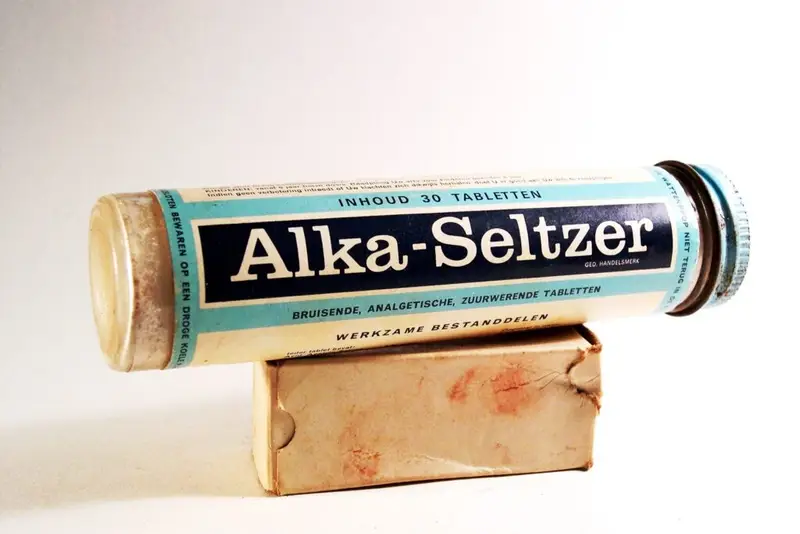
Although the Alka-Seltzer jingle first appeared earlier, it continued strong throughout the 80s and remained one of the most repeated advertising lines on TV. The sing song rhythm made it easy to memorize, and people loved how cheerful it sounded. The imagery of two tablets dropping into a glass of water became instantly recognizable. Even kids who had never taken Alka-Seltzer could quote the line. Families found themselves humming it without meaning to. The catchphrase became a part of everyday humor, especially after big meals. It was one of those jingles that completely took over the decade.
Its staying power came from how catchy and lighthearted it was. People repeated it because it was genuinely fun to say. The rhyme made it perfect for gentle teasing when someone had an upset stomach. It also helped the brand become a household name for quick relief. The line showed up everywhere from sitcoms to radio stations. Even now, people can recite it from memory instantly. It stands as one of the most iconic ad jingles of the era.
9. Sometimes you feel like a nut

Almond Joy and Mounds made this playful jingle famous, and it continued running throughout the 80s. The line compared the two candy bars in a catchy, upbeat way. It stuck with people because it was cheerful and silly. Kids repeated it constantly because they loved the rhythm. Adults leaned into it when craving something sweet. The commercial made candy feel fun and a little mischievous. Hearing it now instantly brings back bright grocery store aisles and crinkly wrappers.
The catchphrase also became a gentle way to tease someone. People would say it whenever someone acted a little goofy. The jingle ran often enough that it felt like part of everyday language. It was memorable without being pushy, which is rare in advertising. The contrast between Almond Joy and Mounds made it easy to remember. Fans still quote it today because it feels nostalgic and lighthearted. It continues to be associated with some of the most memorable candy ads ever made.
10. He likes it, hey Mikey!
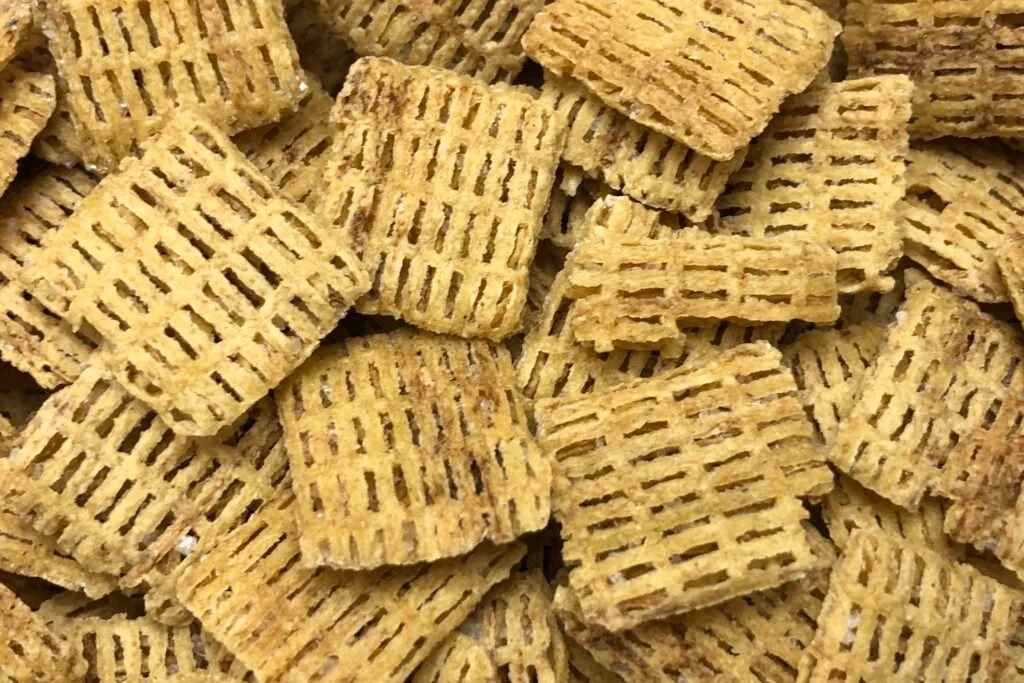
The Life cereal commercial featuring picky little Mikey became one of the most beloved ads of the era. The two older brothers challenge him to try the cereal, fully expecting him to hate it. When he actually enjoys it, they deliver the thrilled shout, “He likes it, hey Mikey!” The line caught on because it felt so genuine and playful. Kids repeated it with their friends whenever someone unexpectedly liked something new. The commercial ran for years, so it became deeply familiar.
The catchphrase also stuck because Mikey looked completely unimpressed until that moment. It captured a funny slice of sibling life that felt relatable. Many families used the line at the dinner table as a joke. It became shorthand for being pleasantly surprised by anything. The ad became a classic, and the phrase lived well beyond its original run. Even today, people quote it when someone changes their mind about a food they thought they would hate.
11. Nobody beats the Wiz
This electronics store slogan became famous thanks to energetic 80s commercials across the East Coast. The line was delivered with absolute confidence, which made it catchy and fun. People repeated it because it was bold and slightly over the top. Even if you never shopped there, you probably heard the commercials. The phrase became a regional icon that spilled into national pop culture. Sports fans even heard it at games thanks to sponsorship deals. It was one of those lines that felt impossible to forget.
The catchphrase worked because it had a strong rhythm and a sense of flair. It made the store sound unbeatable in every way. Families joked about it whenever making big purchases. Kids loved repeating it because it felt dramatic. The line became a cultural artifact of 80s advertising style. Today it lives on mostly through nostalgia, but people who grew up with it still quote it with a smile. It is a perfect example of how a regional brand can create a national memory.
12. I’ve fallen and I can’t get up
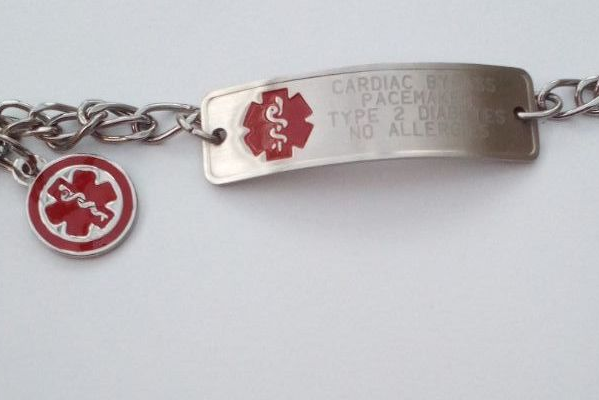
This line came from a 1989 commercial for a medical alert device, and it became one of the most quoted ads of the decade. The dramatic delivery made it instantly memorable. People repeated it everywhere, sometimes playfully and sometimes earnestly. The commercial became iconic almost immediately. The phrase even became part of sitcom jokes and late night monologues. Everyone knew exactly what it referenced. It was one of the last great catchphrases of the 80s.
The line stuck around because it was easy to repeat and instantly recognizable. People referenced it anytime someone tripped or dropped something. The phrase also highlighted a real product that helped many people, which gave it a more serious side. It lived in both comedy and genuine caregiving conversations. It remains one of the most quoted commercial lines ever. Even today, people say it with the same familiar tone, proving just how deeply it embedded itself in pop culture.