

1. Strawberries

Strawberries are often at the top of lists when it comes to pesticide residue, and that reputation isn’t exaggerated. Because they grow low to the ground and have a soft, porous surface, they tend to absorb what’s sprayed on them. Washing helps, but it does not remove everything, especially residues that penetrate the skin. That is why many food safety groups consistently flag strawberries as a crop where organic can make a meaningful difference. If you eat them frequently, the exposure can add up over time.
Organic strawberries are grown without synthetic pesticides, which reduces that concern significantly. You might notice they spoil a little faster, which is often a sign they have not been treated with preservatives or coatings. They can also taste slightly sweeter or more fragrant, especially when in season. If you are choosing just a few items to buy organic, strawberries are usually one of the first experts recommend prioritizing.
2. Spinach

Spinach is another crop that consistently shows high levels of pesticide residue in conventional farming. The leaves are thin and delicate, which makes them more likely to retain chemical traces even after washing. Because spinach is often eaten raw in salads or smoothies, there is no cooking step to reduce exposure. That combination makes it a particularly important candidate for going organic.
Organic spinach avoids synthetic pesticides and fertilizers, which can be especially relevant if you eat greens daily. It also tends to have a cleaner, slightly more earthy flavor. While it may cost more, many people consider it worth it due to how frequently spinach appears in healthy diets. If leafy greens are a staple for you, switching this one makes a noticeable difference.
3. Kale

Kale has earned a reputation as a superfood, but it has also been found to carry pesticide residues when conventionally grown. Some studies have detected multiple pesticide types on a single batch, which raises concern for regular consumers. Since kale is often eaten raw or lightly cooked, residues can remain present when consumed. Its textured leaves can trap sprays more easily than smoother produce.
Choosing organic kale reduces exposure to those chemicals and aligns better with how frequently people use it in juices and salads. Many people also report that organic kale tastes less bitter, though that can depend on the variety and growing conditions. Because kale is often consumed in larger quantities, especially in health-focused diets, it is a logical item to prioritize. It is one of the vegetables where organic is widely recommended.
4. Nectarines
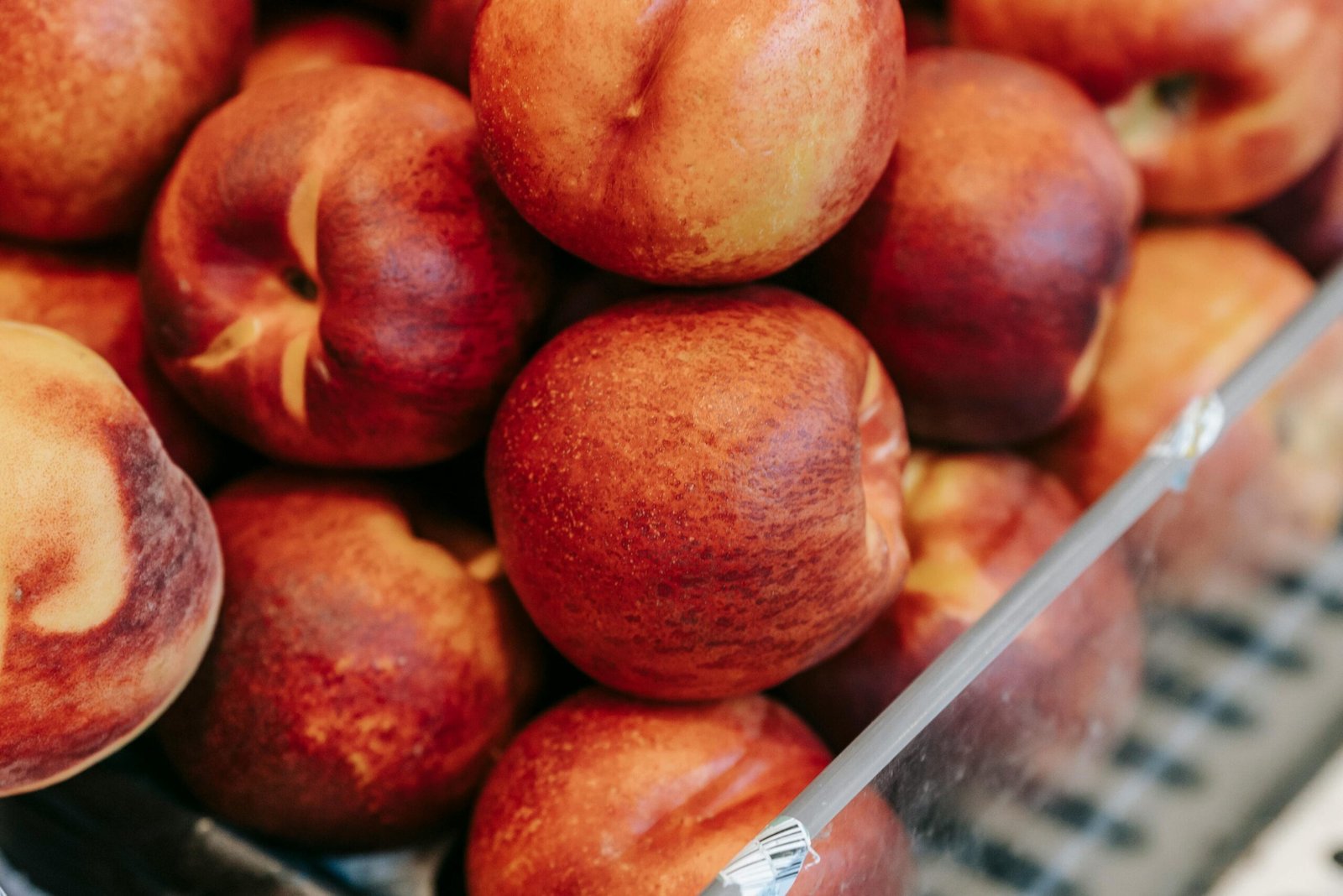
Nectarines have thin, smooth skin that does little to block pesticides from penetrating the fruit. Unlike bananas or oranges, you eat the skin along with the flesh, which increases potential exposure. Conventional nectarine crops are often treated multiple times during the growing process. That combination makes them a frequent appearance on lists of produce where organic matters more.
Organic nectarines eliminate synthetic pesticide use, which can be especially relevant if you eat them regularly in the summer. They tend to be just as juicy and flavorful, though sometimes slightly smaller. Because the skin is so delicate, organic varieties can bruise more easily, so handling them carefully helps. If you enjoy stone fruits often, switching to organic nectarines is a practical step.
5. Apples

Apples are one of the most widely consumed fruits, and they are also commonly treated with pesticides in conventional farming. Since the skin is typically eaten, residues can remain even after washing. Some apples are also coated with wax to extend shelf life, which can trap additional substances on the surface. This makes them a common recommendation for buying organic when possible.
Organic apples are grown without synthetic pesticides and wax coatings, which reduces overall exposure. You may notice they have a more natural, slightly matte appearance compared to conventional ones. Flavor can vary by variety, but many people find organic apples taste fresher. Given how often apples are eaten by both adults and children, they are often considered a priority for organic purchasing.
6. Grapes

Grapes are another fruit where pesticide use can be relatively high in conventional farming. Their thin skins and clustered growth make them vulnerable to pests, which leads to more frequent spraying. Because grapes are eaten whole, there is no barrier between you and any residue that remains. Washing helps but does not remove everything.
Organic grapes avoid those synthetic treatments and are a safer option for frequent snacking. They can taste just as sweet, though they may be slightly less uniform in size. Since grapes are easy to eat in large quantities, the potential exposure from conventional ones can add up quickly. This is one fruit where switching to organic can make a meaningful difference.
7. Peaches
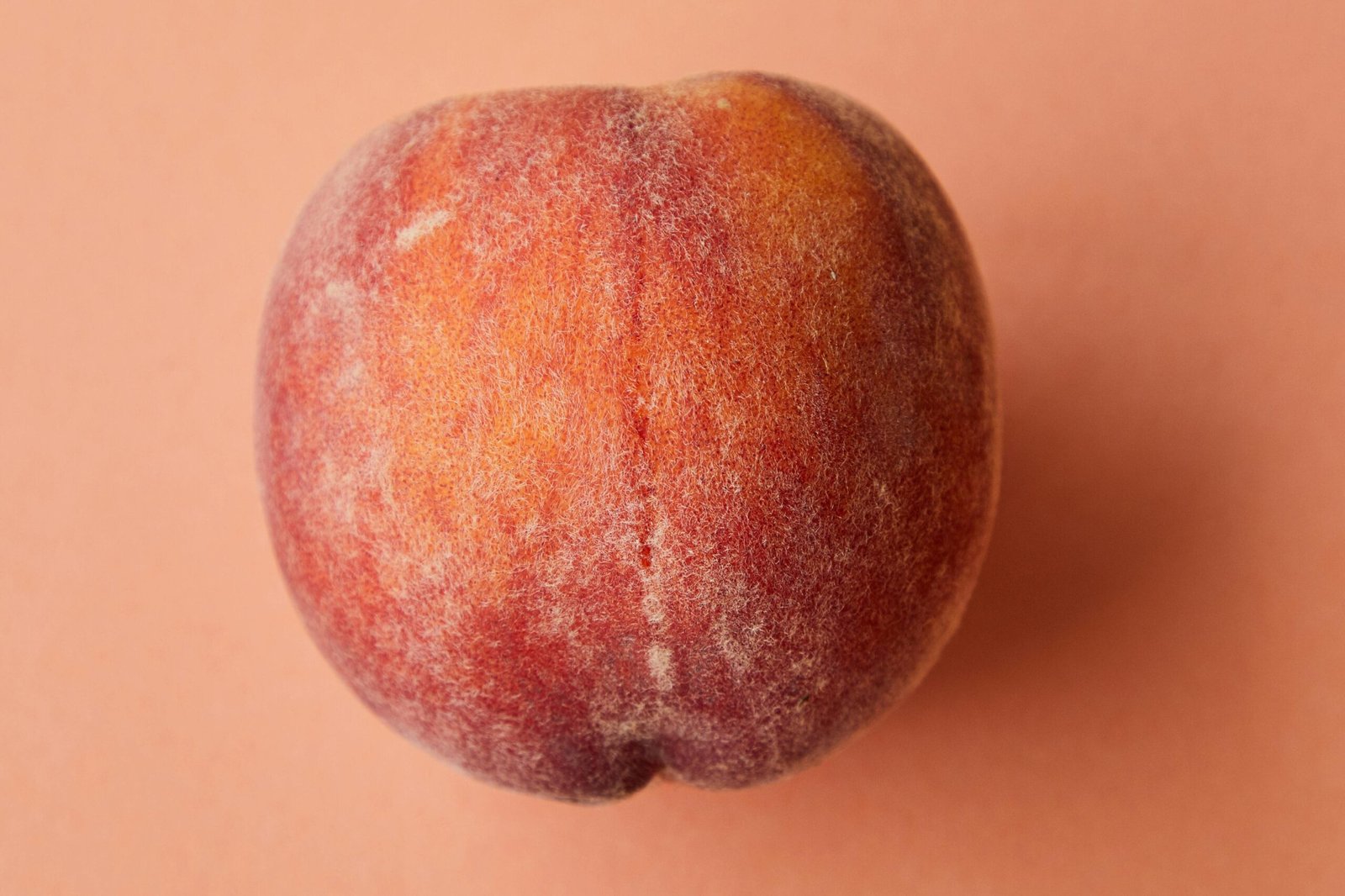
Peaches have delicate, fuzzy skin that does not provide much protection from pesticide absorption. Like nectarines, they are often treated multiple times during the growing season. Because you typically eat the skin, residues can remain present. This makes them a frequent mention in discussions about high-residue produce.
Organic peaches eliminate synthetic pesticide use and often have a richer, more natural flavor when ripe. They can be more fragile and may not last as long in storage, so it helps to eat them soon after purchase. Many people find the taste difference noticeable, especially in peak season. If peaches are a favorite, choosing organic is often recommended.
8. Cherries

Cherries are another thin-skinned fruit that can carry pesticide residues when conventionally grown. Their susceptibility to insects often leads to multiple treatments during cultivation. Because they are eaten whole and often in handfuls, exposure can accumulate quickly. Washing reduces some residue but not all.
Organic cherries avoid those synthetic inputs and are a cleaner option for frequent consumption. They tend to be just as flavorful, though sometimes less visually uniform. Since cherries are often eaten as a snack rather than in small portions, the benefit of going organic is more significant. This is especially true during peak cherry season when consumption increases.
9. Pears
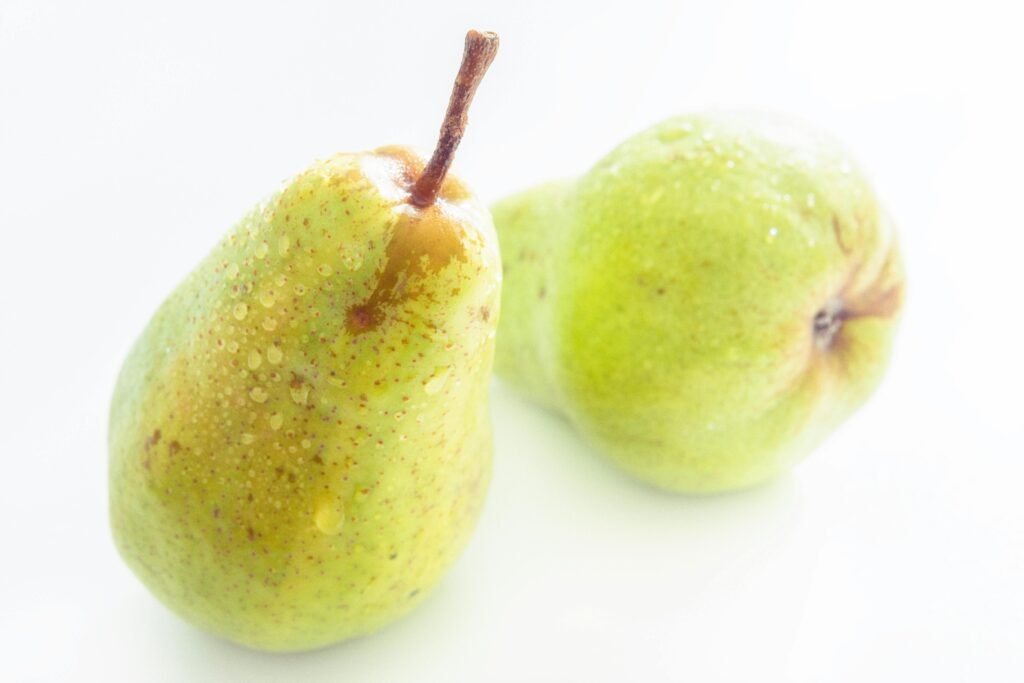
Pears may seem like a safer choice, but they can also carry pesticide residues, particularly on their skin. Since most people eat pears unpeeled, that exposure remains relevant. Conventional pear farming can involve multiple treatments to protect against pests and disease. As a result, they are often included on produce lists where organic is worth considering.
Organic pears reduce that concern and often have a more natural texture and flavor. They may ripen a bit differently and require more attention to timing, but the overall eating experience is similar. Because pears are commonly eaten fresh, switching to organic can be a simple improvement. It is a moderate priority compared to some other fruits, but still meaningful.
10. Tomatoes
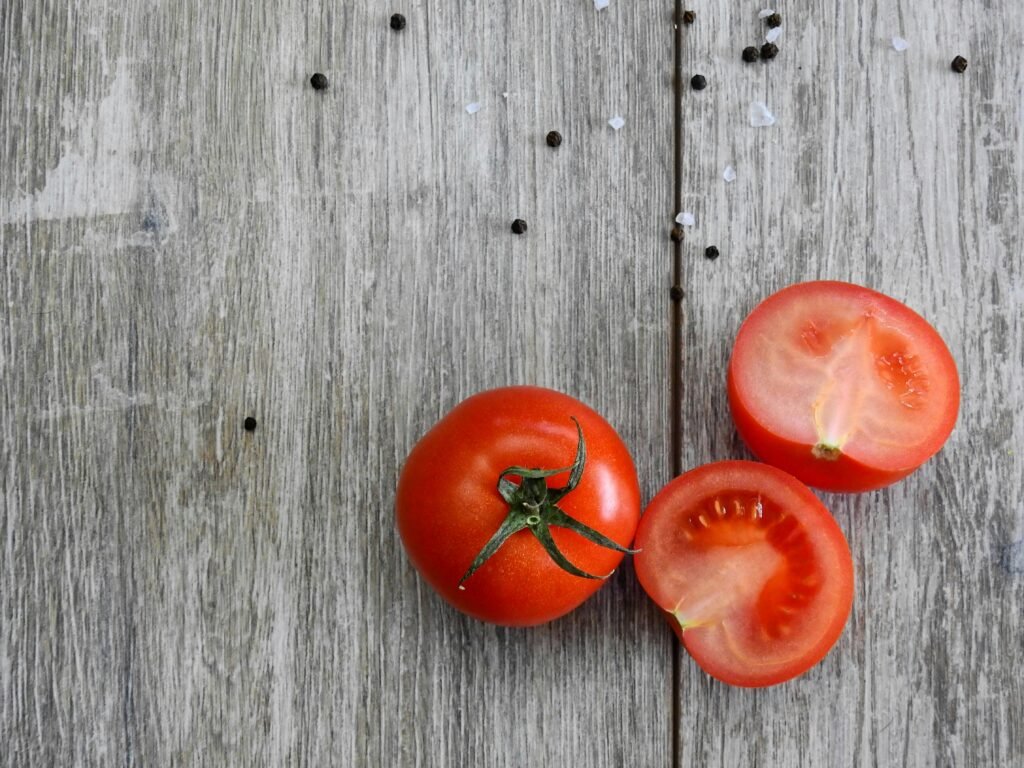
Tomatoes are widely used in both raw and cooked dishes, and their thin skin makes them susceptible to pesticide residues. While cooking can reduce some contaminants, many people also eat tomatoes raw in salads and sandwiches. Conventional farming can involve chemical treatments to prevent pests and extend shelf life. That makes them another candidate where organic can matter.
Organic tomatoes are grown without synthetic pesticides and often have a more pronounced flavor, especially when vine-ripened. They may not look as perfectly uniform, but that does not affect quality. Since tomatoes are used so frequently in everyday meals, switching to organic can reduce overall exposure over time. This is particularly relevant if you eat them daily.
11. Celery

Celery has a unique structure with long stalks that can trap pesticide residues in their grooves. Because it is often eaten raw, especially as a snack or in salads, there is little opportunity to reduce those residues through cooking. Conventional celery farming typically involves multiple pesticide applications. That combination makes it a common recommendation for organic purchasing.
Organic celery eliminates those synthetic inputs and is often considered a safer choice for regular consumption. It may be slightly less crisp in appearance but still delivers the same texture and flavor. Since celery is frequently used in juices and health-focused diets, the benefits of choosing organic are more pronounced. It is often listed among the higher-priority vegetables.
12. Potatoes

Potatoes grow underground, which might suggest they are protected, but they can still absorb chemicals from treated soil. Conventional potato farming often uses pesticides and fungicides to prevent disease and pests. Because potatoes are consumed in large quantities and in many forms, exposure can accumulate over time. Peeling can reduce some residue, but not all.
Organic potatoes avoid those synthetic chemicals and are a better option if they are a regular part of your diet. They may vary more in size and shape, but that does not affect their usability. Since potatoes are a staple food for many households, switching to organic can have a larger overall impact. This is especially true if you eat them frequently.
13. Bell Peppers
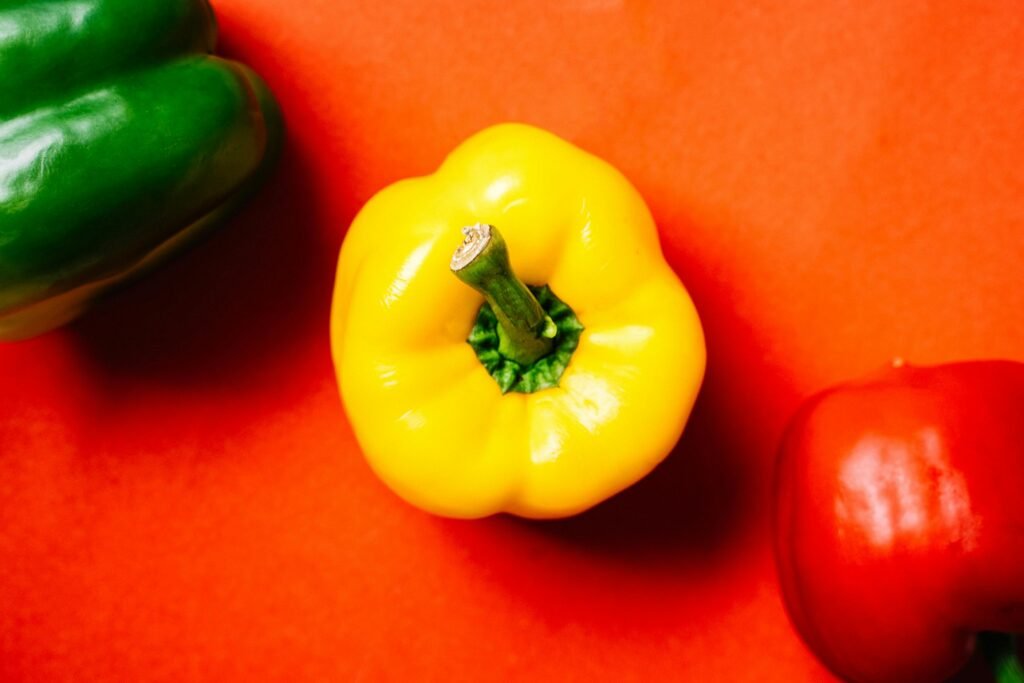
Bell peppers have thin skin and are often treated with pesticides during conventional farming. Because they are eaten raw in salads or lightly cooked, residues can remain present. Their popularity in everyday meals increases the importance of minimizing exposure. This places them among the vegetables where organic can be beneficial.
Organic bell peppers are grown without synthetic pesticides and often have a cleaner, slightly sweeter taste. They may not always look as glossy, but that does not affect their quality. Since peppers are used in a wide range of dishes, from stir-fries to snacks, switching to organic can be a practical choice. It is especially relevant for frequent use.
14. Blueberries
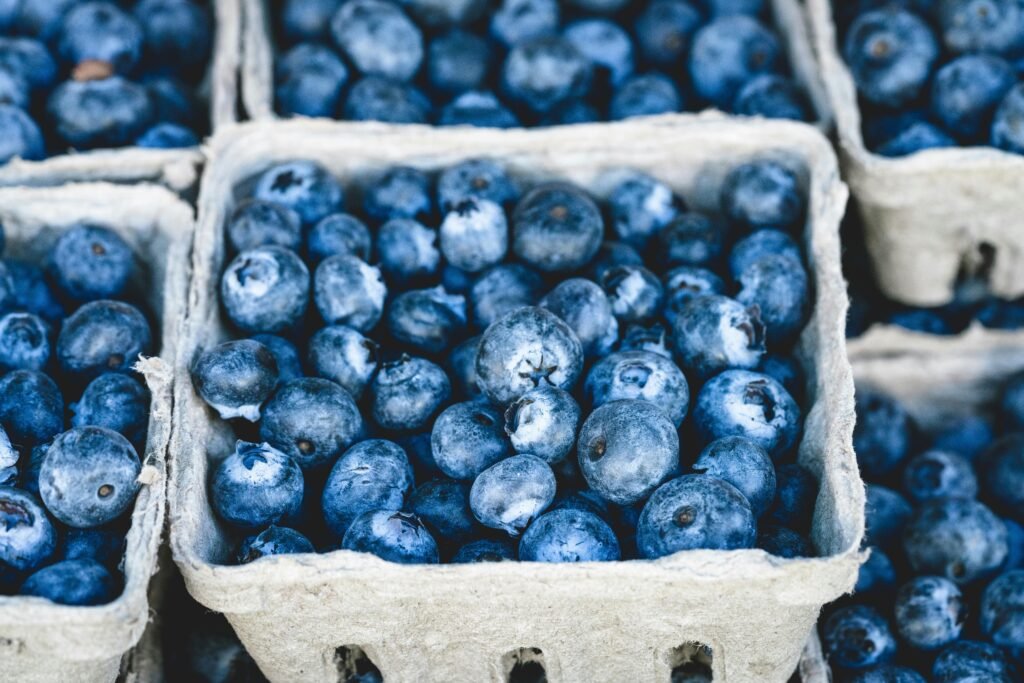
Blueberries are small but can carry pesticide residues when conventionally grown. Their thin skin and the way they are eaten whole make them a potential source of exposure. Because they are often consumed in large quantities, especially in smoothies or as snacks, the impact can add up. Washing helps but does not fully eliminate residues.
Organic blueberries avoid those synthetic treatments and are a safer option for regular consumption. They often have a slightly more intense flavor, particularly when fresh and in season. Since blueberries are commonly marketed as a health food, choosing organic aligns with that goal. It is a reasonable priority if you eat them often.
15. Green Beans
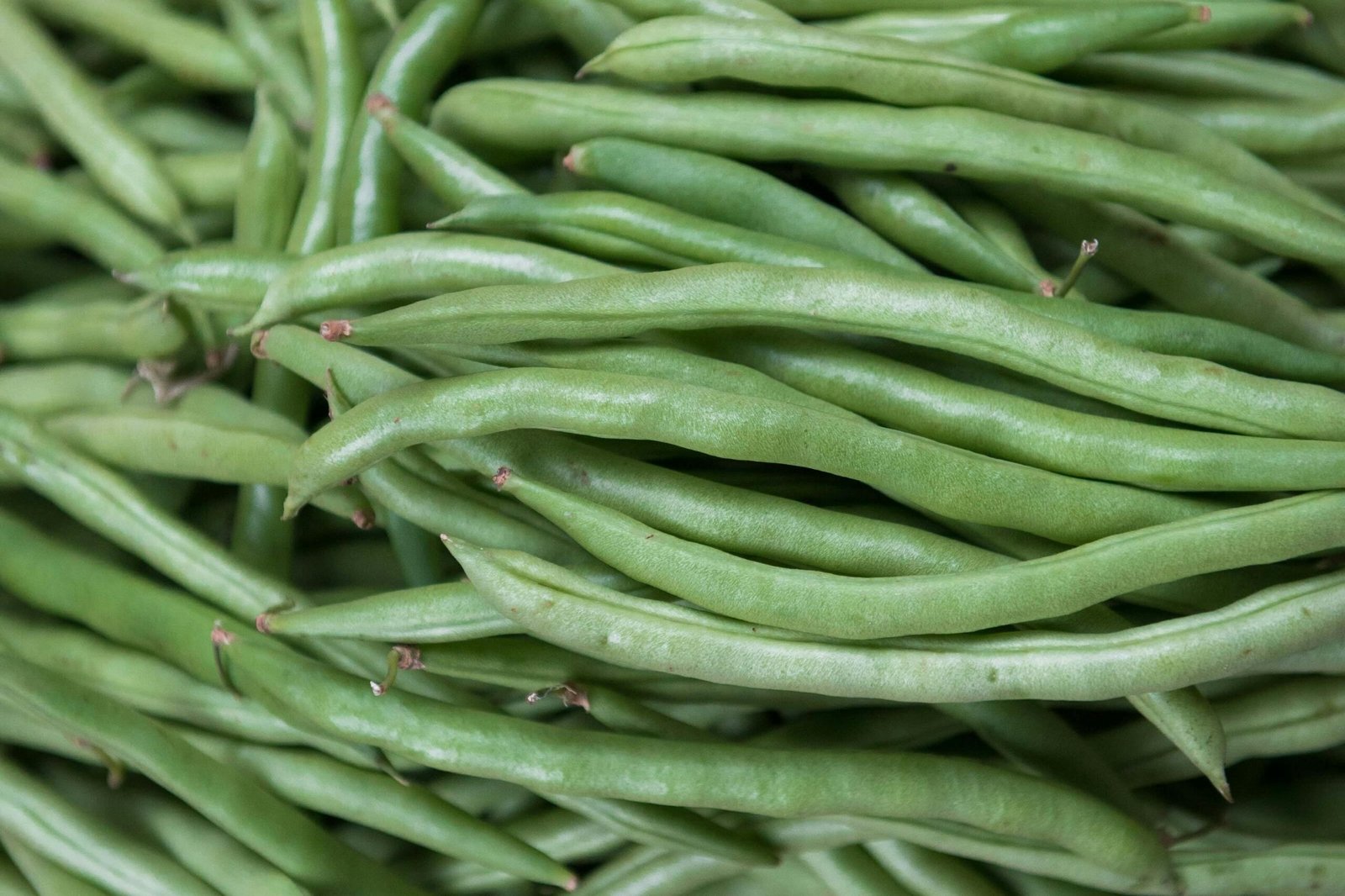
Green beans can also carry pesticide residues due to their vulnerability to pests during growth. They are often sprayed multiple times in conventional farming. Because they are typically eaten whole, including the outer surface, residues can remain even after washing. This places them on many lists of produce where organic is worth considering.
Organic green beans eliminate synthetic pesticide use and provide a cleaner option for meals. They cook and taste very similar to conventional beans, so the transition is usually seamless. Since green beans are a common side dish, especially in home cooking, switching to organic can be an easy adjustment. It is another vegetable where the difference is meaningful over time.