
1. The Dating Game
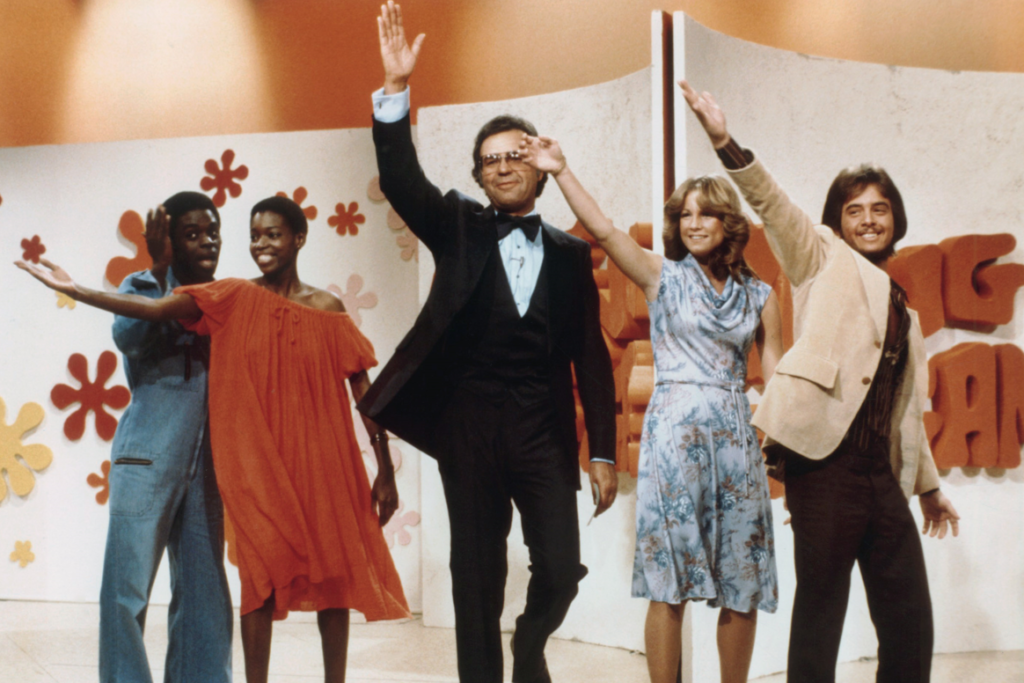
If you grew up in the ’60s, you probably remember the thrill of watching a contestant blindly pick between three charming strangers. The rotating walls, the flirty back-and-forth, and the sometimes outrageous questions made it feel like a peek into a more daring world. Part of the fun was imagining which bachelor or bachelorette you would pick yourself. And every now and then, a celebrity would show up before they got famous, which always added an extra bit of sparkle. People loved the suspense, especially when the chosen date finally came face to face with the chooser. It was playful, unpredictable, and surprisingly sweet at times. It made weeknights feel a little more exciting.
What made the show so captivating was how boldly it embraced the era’s shifting attitudes about dating. The questions were cheeky, but they also revealed a lot about personality. Even the mismatches kept viewers entertained, especially when the reactions were less than enthusiastic. And for parents watching with their kids, it sometimes led to a few awkward explanations. Still, the show had a way of making romance feel approachable and fun. It sparked plenty of living-room debates about who should have been chosen. By the time the couple walked off stage to their prize date, the audience already felt invested in the outcome.
2. Let’s Make a Deal
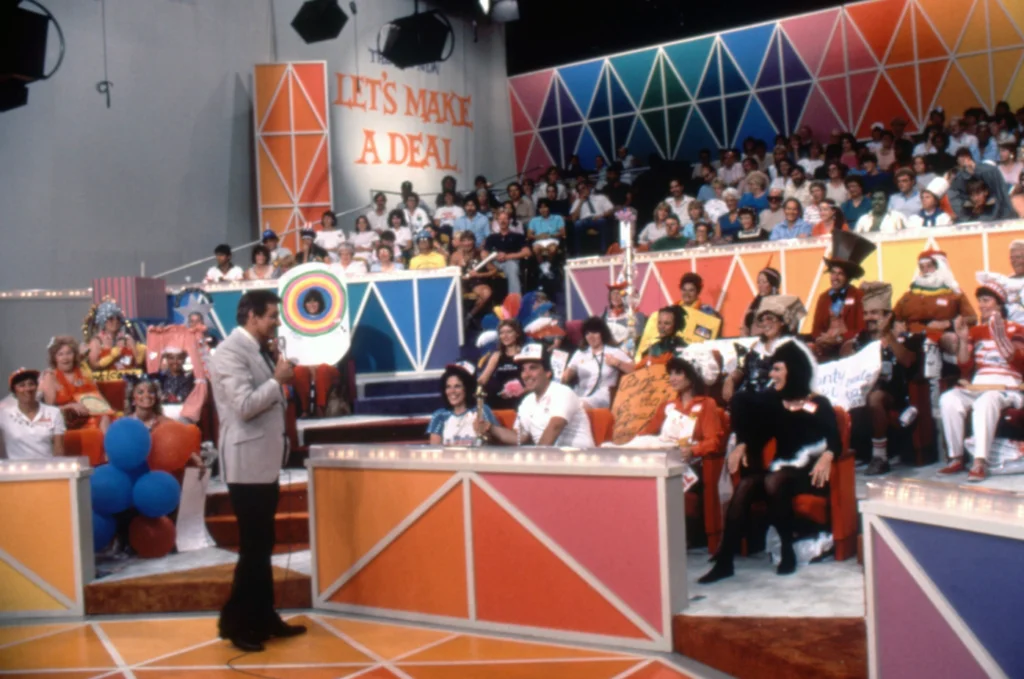
Nothing matched the joyful chaos of watching contestants show up in costumes, waving signs, and hoping Monty Hall would notice them. From the moment the show began, there was this electric sense that anything could happen. You never knew if someone would end up with a new car or a farm animal in their living room. And honestly, that unpredictability was the whole charm. People loved cheering for the brave souls who risked a guaranteed prize for whatever sat behind Door Number 3. Sometimes it paid off in spectacular fashion. Other times, well, it became a cautionary tale.
The brilliance of the show came from how interactive it felt, even for viewers at home. You could sit on your couch and play along, deciding which prize you’d pick. The costumes added a layer of whimsy that made the whole thing feel like a Halloween party gone delightfully off the rails. It wasn’t just about rewards, but about the thrill of possibility. Families loved trying to read Monty Hall’s expressions like he was giving secret clues. The show lived right on the edge between triumph and catastrophe, and that kept everyone watching.
3. Password
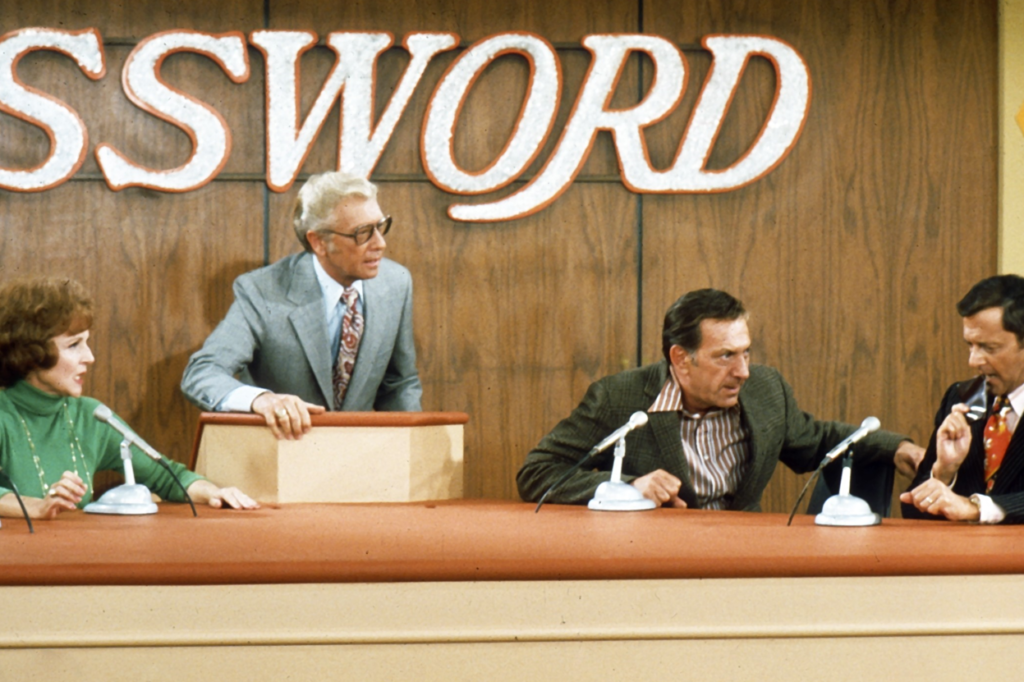
There was something so wonderfully simple about watching contestants convey entire phrases through just one word. Allen Ludden’s calm presence grounded the show, even when the guessing became frantic. People loved seeing celebrities team up with everyday folks, especially because the mix often led to some very funny misunderstandings. The tension between giving a clue that was too vague and one that was too obvious kept everyone on their toes. It wasn’t loud or flashy, but it didn’t need to be. The show trusted the audience to think along with the players. And that alone made it feel sophisticated for its time.
As the rounds went on, you could almost feel the collective head-scratching from families watching at home. There was always that satisfying moment when the right word clicked into place. Celebrities took the game surprisingly seriously, which added to its charm. And if a clue went disastrously wrong, the reactions were priceless. The show became a favorite for people who liked games rooted in wit rather than spectacle. It had a warm, almost intimate feel that made it easy to return to day after day.
4. The Newlywed Game
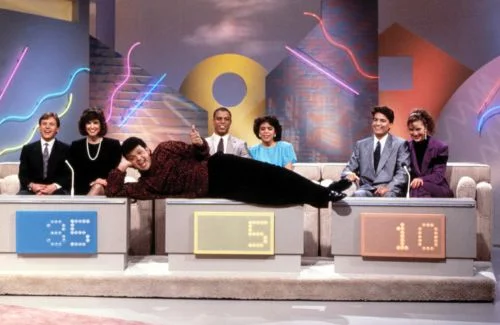
Few shows made people laugh as hard as the reveal of what couples really thought of each other. Bob Eubanks had a knack for asking questions that always seemed innocent until you heard the answers. The chemistry of newlyweds trying to match opinions or memories was endlessly entertaining. The famous “how would your spouse answer?” questions led to some iconic misunderstandings. That blend of sweetness and embarrassment struck a perfect balance. And the studio audience loved every minute of it. Watching people blush their way through a harmless disagreement became part of the fun.
What made the show unforgettable was how relatable it felt. Couples at home would turn to each other and wonder how they’d answer the same questions. Even the wrong answers became bonding experiences for the participants. The prizes were often simple, but the bragging rights were huge. And somehow, the couples remained good-natured even after the most spectacular mismatches. The show’s charm came from real emotions rather than flashy gimmicks. It proved that honesty, even awkward honesty, makes great television.
5. Jeopardy!
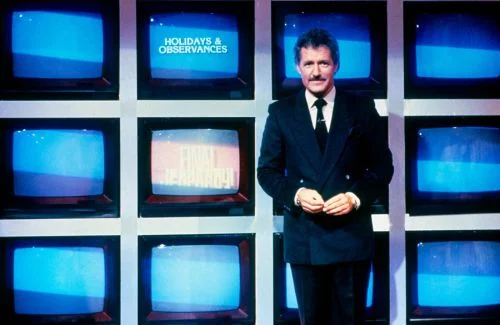
Before it became the trivia juggernaut we know today, Jeopardy! in the ’60s already had its signature answer-and-question format that made viewers feel smart just for watching. Art Fleming hosted with a polished warmth that gave the show its credible, academic feel. The categories ranged from straightforward to delightfully obscure. And even when contestants missed an obvious clue, it only made the show more engaging. Households everywhere played along, calling out responses with a confidence that didn’t always match their accuracy. It became a quiet daily ritual for many families. And that ritual built loyalty.
What set Jeopardy! apart was how empowering it felt. You didn’t need costumes or dramatic reveals to keep people glued to the screen. You just needed clever clues and quick thinkers. The show moved at a brisk pace that made it feel energetic without being overwhelming. Even kids watched, picking up bits of trivia without realizing it. And by the time Final Jeopardy rolled around, everyone leaned in a little closer. It was one of those rare shows that made learning feel like a competition worth winning.
6. Concentration
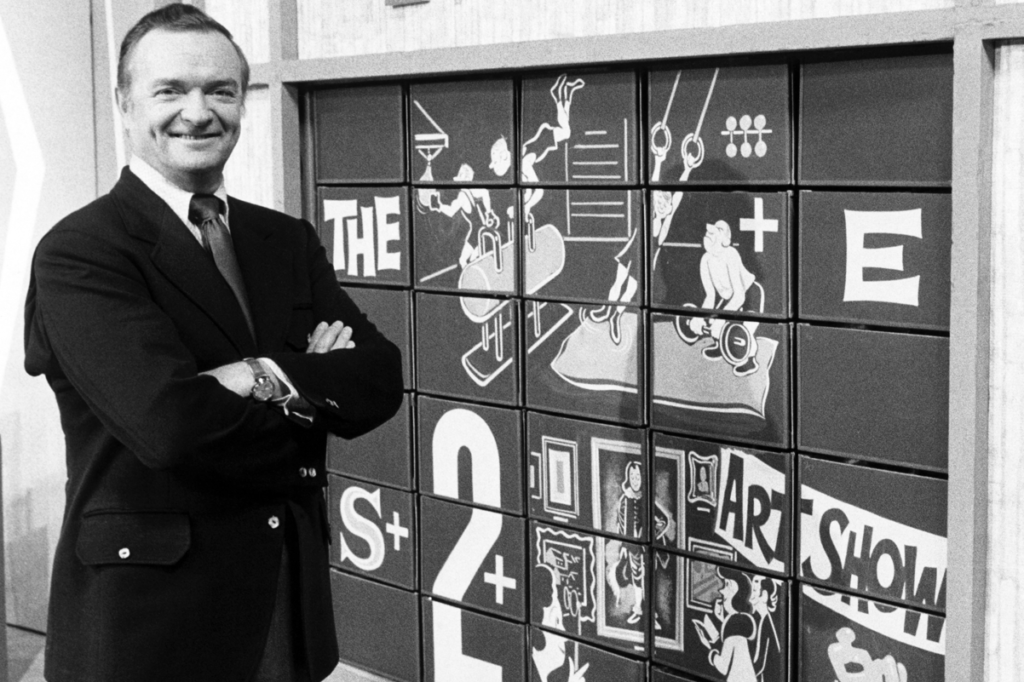
This show had a way of pulling you in, especially if you loved puzzles and brainteasers. Contestants matched hidden squares to uncover pieces of a rebus puzzle, and viewers at home couldn’t resist playing along. The mix of memory and visual reasoning made every round feel like a little mental workout. And when someone solved a tricky rebus after what felt like forever, the payoff was genuinely satisfying. Its straightforward format made it so easy to understand. Yet it still managed to surprise people. That’s a hard line for any show to walk.
The appeal came from how democratic the game felt. You didn’t need trivia knowledge or lightning-fast reflexes. You just needed patience and a good eye. Kids especially loved trying to guess the puzzle before the contestants did. The show rewarded careful thinking rather than guesswork, which made it different from many game shows of the era. And families appreciated that it was as fun as it was wholesome. It was a perfect way to unwind while still keeping your brain engaged.
7. What’s My Line?
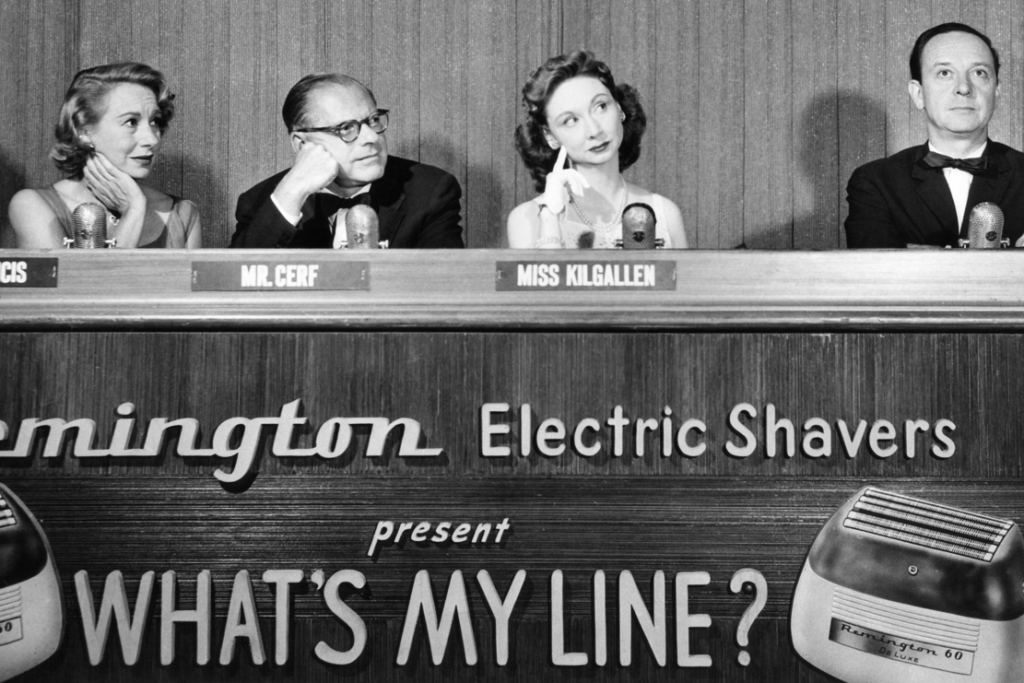
Though it began in the ’50s, the show was still a massive favorite throughout the ’60s thanks to its charming panel and playful guessing format. Watching the panelists try to figure out someone’s unusual occupation felt like a delightful detective game. The yes-or-no questions grew funnier the further they strayed from the truth. And when a mystery guest appeared, the energy shifted instantly. Blindfolded panelists trying to identify famous voices often led to big laughs. It was elegant, understated, and incredibly addictive.
At home, families loved trying to guess the occupation before the panel did. Sometimes the job was so obscure that guessing felt impossible, which only made it more fun. The panel’s chemistry played a huge role in its success. They were witty without overshadowing the contestants. And the celebrity mystery guests made each episode feel special. It was a show that invited viewers to think, smile, and stay curious.
8. To Tell the Truth
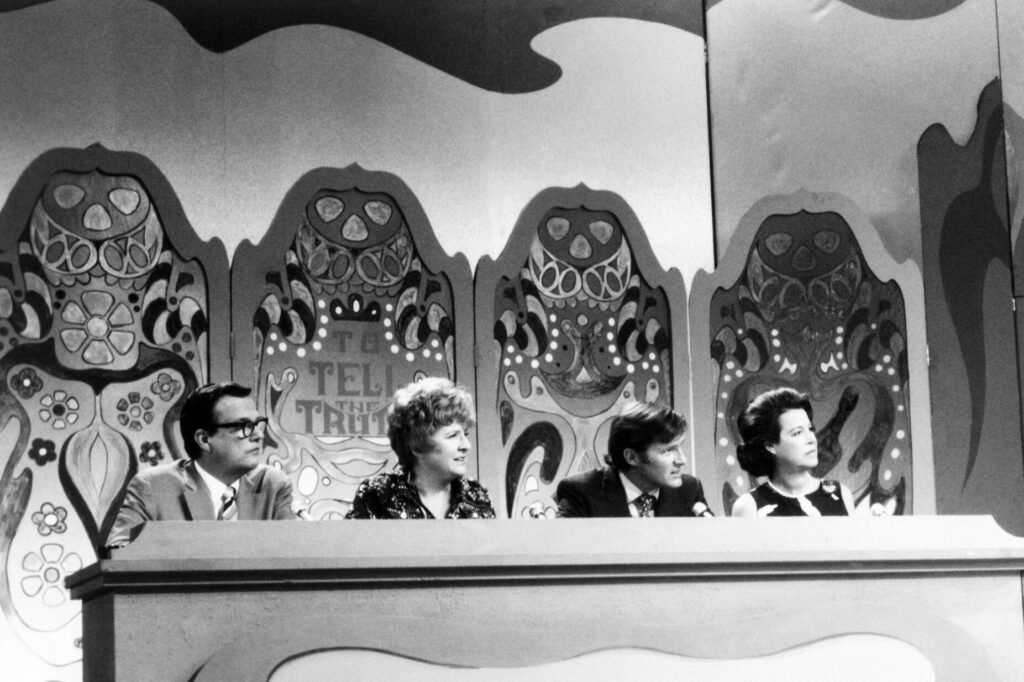
This was the show that turned honesty into a guessing game, and it did it with style. Three contestants claimed to be the same person, but only one was telling the truth. The panel had to ask sharp, sometimes humorous questions to figure out who was real. That setup alone created endless opportunities for mischief. And when the real person finally stood up, the drama was delicious. Sometimes the impostors were so convincing that everyone was stunned. Other times, the truth was obvious from the start, which was its own kind of fun.
The magic came from how charmingly unpredictable it all was. The contestants played their roles with incredible commitment. The panelists often played off each other, adding humor and personality to the guessing process. Kids loved trying to detect who looked the most honest, which was rarely a reliable method. And even when the panel got it completely wrong, the reveal never disappointed. It was a show built on surprises, and it delivered them consistently.
9. Beat the Clock
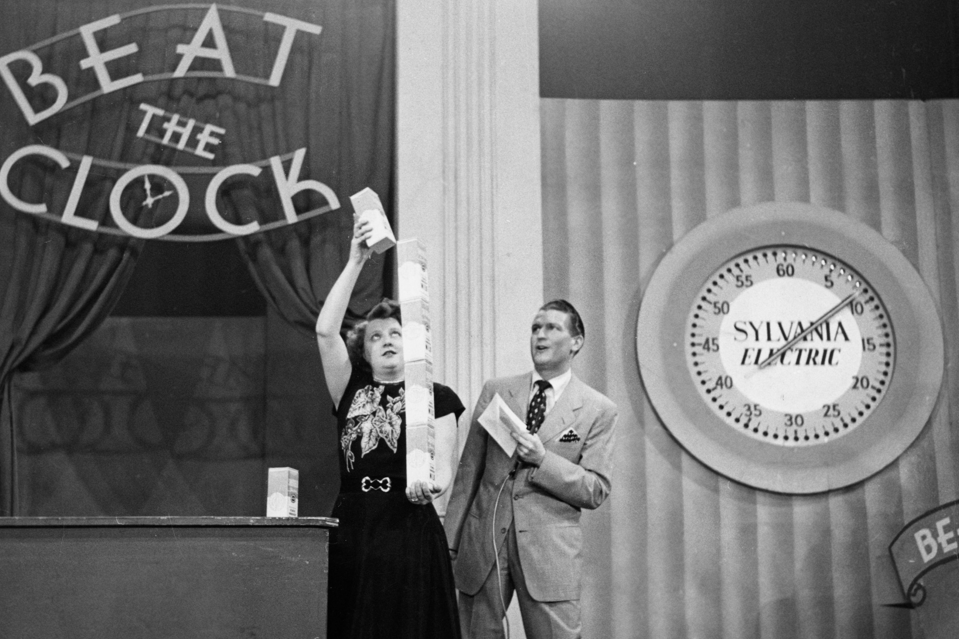
This was the ultimate race-against-time show, and it kept viewers on the edge of their seats. Contestants had to complete quirky physical challenges before the clock ran out. The tasks were often ridiculous, involving balloons, buckets, or whatever else the producers dreamed up. Kids watching at home immediately wanted to try the challenges themselves. And parents probably held their breath just hoping nothing in the living room would get broken. It was high-energy, frantic, and full of laughter.
What made it so beloved was that it felt like a game anyone could play. You didn’t need brainpower or special skills, just a willingness to look a little silly. The ticking clock added a dramatic tension that made every round feel urgent. And the creativity of the challenges kept the show fresh. Families would root for contestants like they were part of the same team. It brought out the playful side in everyone, which was exactly the point.
10. Truth or Consequences
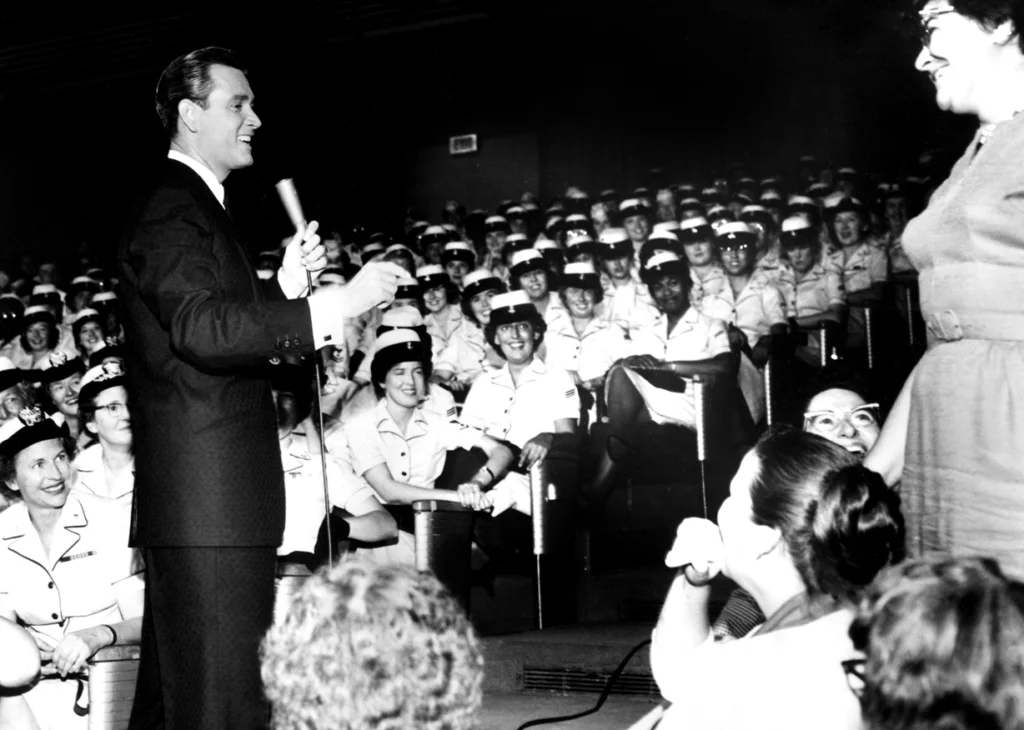
This show blended traditional quiz elements with funny stunts, making it unlike anything else on television. Contestants who answered incorrectly were given a “consequence” that usually involved an elaborate prank or heartwarming surprise. Bob Barker’s friendly hosting style made even the trickiest setups feel approachable. And the surprises were just as fun for the audience as they were for the participants. The mix of humor and sentiment kept viewers guessing. It was a show with a big heart.
People tuned in because they never knew what kind of moment they’d witness next. Sometimes it was a goofy stunt that left everyone laughing. Other times it was an emotional reunion that caught viewers off guard. The show embraced both tones without ever feeling inconsistent. It created water-cooler buzz before water-cooler buzz was a thing. And through it all, it reminded people that television could be a place for both fun and connection.
11. The Price Is Right
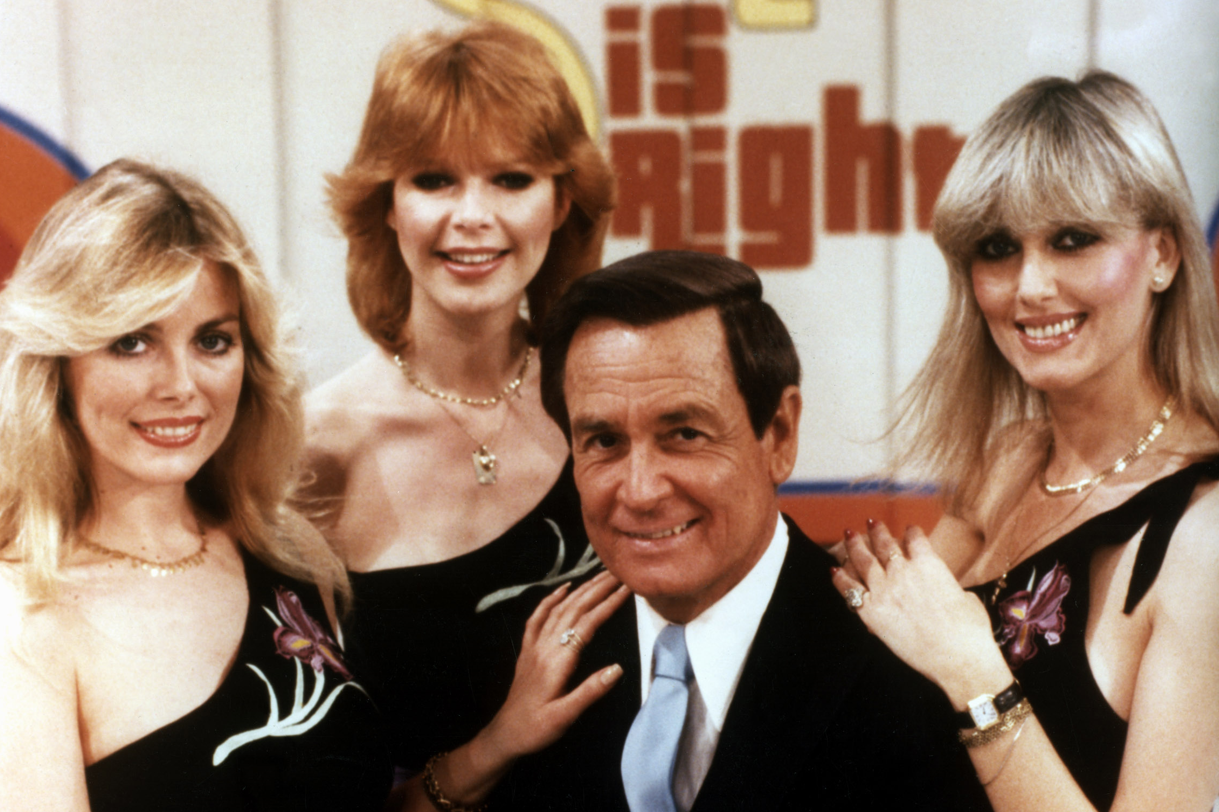
Long before its modern format, the ’60s version of The Price Is Right offered viewers the same irresistible challenge of guessing the cost of everyday items. Bill Cullen hosted with an easygoing charm that made contestants feel comfortable. Viewers at home couldn’t help but shout out their own guesses. The range of prizes, from grocery items to luxury goods, gave the show a wide appeal. And hearing the actual prices sometimes felt like its own kind of reveal. Even losing bids had a way of making people laugh.
The show stood out because it tapped into something universal. Everyone has an opinion about what things should cost. That made playing along at home incredibly satisfying. Families would compare their guesses, turning it into a friendly living-room competition. And when someone nailed a price exactly, it always felt like a small victory for everyone watching. The format was simple but endlessly entertaining. It’s no wonder the show endured.
12. Make That Spare

Bowling might not sound like the most glamorous premise for a game show, but this one made it surprisingly compelling. Contestants rolled for cash based on spare-making challenges, and people who loved frequenting their local lanes were instantly hooked. The skill involved added real suspense, especially when a difficult combination stood between a contestant and a prize. It felt cozy and familiar in a way many viewers appreciated. Even those who weren’t bowlers could appreciate the precision it required. The setup was straightforward without being dull. And the atmosphere was pleasantly relaxed.
What kept people watching was the genuine tension of each roll. Unlike trivia or puzzles, this came down to physical execution. It made the show oddly mesmerizing. Families enjoyed guessing whether someone would pick up the spare. The close-ups of the ball rolling down the lane created surprisingly cinematic moments. And when someone landed a nearly impossible shot, it felt as triumphant as any big-budget game show win. It may not be the most remembered show today, but at the time, it absolutely had its fans.