
1. Action Figures Became Entire Story Worlds
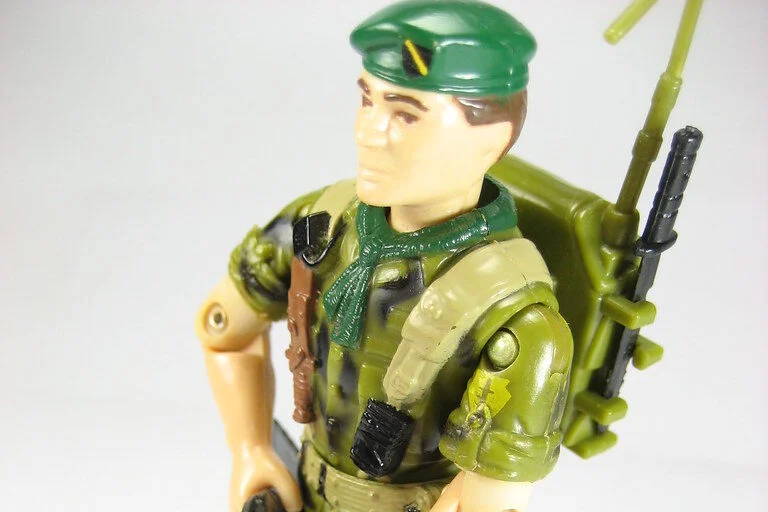
Action figures in the ’80s were rarely just standalone toys, they came with built-in universes. Lines like G.I. Joe and Masters of the Universe gave kids clear characters, conflicts, and settings to work with. Each figure often had a name, a specialty, and sometimes even a short bio on the packaging. That meant the moment you opened the box, you already had a starting point for a story.
From there, everything else was up to imagination. Kids could mix characters from different lines, invent new missions, or completely rewrite the “official” storyline. A battle between unrelated characters didn’t feel wrong, it felt creative. The toys acted more like prompts than instructions. That freedom is what kept play going for hours.
2. LEGO Sets Encouraged Building Beyond Instructions
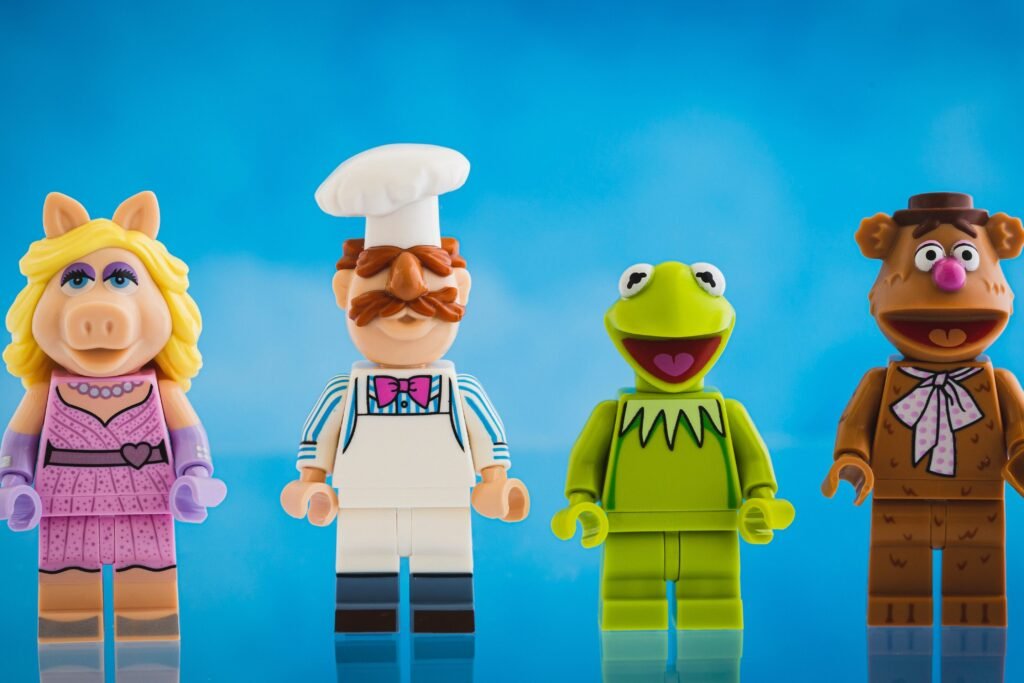
LEGO sets in the ’80s did come with instructions, but they didn’t define the full experience. Once a set was built, most kids took it apart and started experimenting. The bricks were standardized, which meant every set could connect to every other set. That created nearly unlimited possibilities.
Kids weren’t just recreating buildings, they were designing their own cities, vehicles, and inventions. A spaceship could become a house, then a robot, then something entirely new. There was no “correct” outcome once the instructions were set aside. That kind of open-ended design naturally pushed imagination forward. It rewarded curiosity instead of perfection.
3. Barbie Invited Everyday Storytelling

Barbie wasn’t just a doll, she was a blank slate for everyday and aspirational stories. Throughout the ’80s, Barbie had a wide range of careers, outfits, and settings. That gave kids a framework for storytelling that mirrored real life but allowed for flexibility. A single doll could shift from doctor to rock star to teacher within minutes.
The play wasn’t about following rules, it was about creating scenarios. Kids could act out conversations, friendships, and challenges in ways that felt personal. Even small accessories added context to the stories being told. Over time, those narratives became more detailed and layered. The toy itself stayed the same, but the imagination around it kept expanding.
4. Transformers Turned Play Into Problem-Solving
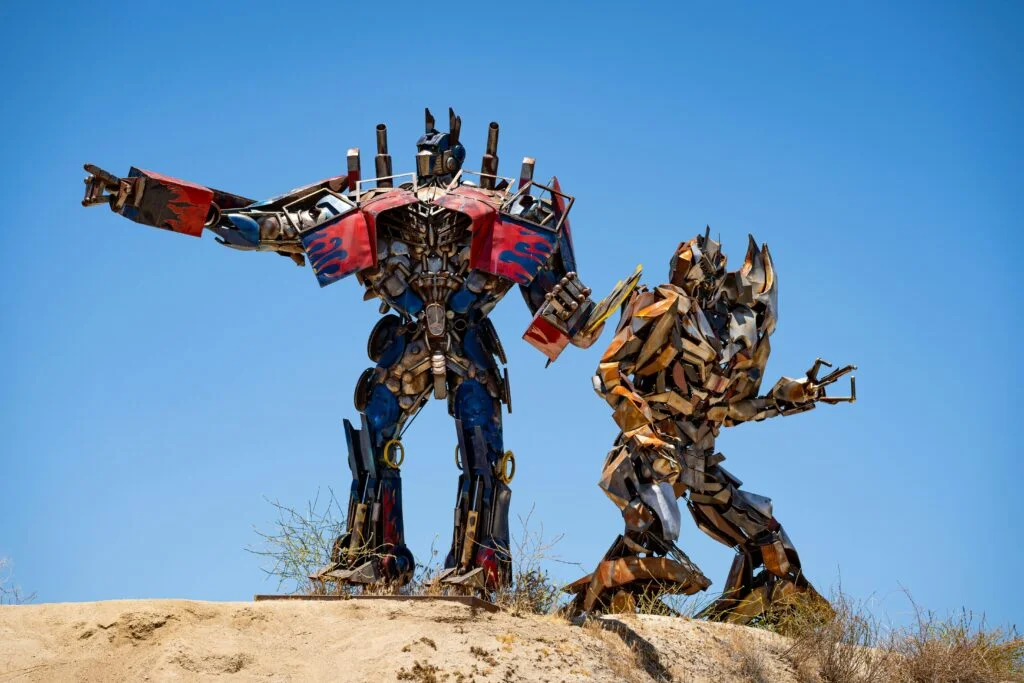
Transformers added a mechanical challenge to imaginative play. Each toy could shift between robot and vehicle, but figuring out how wasn’t always simple. That process required attention, patience, and sometimes trial and error. It wasn’t just pretend play, it was interactive and tactile.
Once transformed, the possibilities doubled. A car could suddenly become a character with a personality and role. Kids could create battles, alliances, and missions using both forms. The transformation itself often became part of the story. It added a layer of depth that kept kids engaged longer.
5. My Little Pony Built Gentle Fantasy Worlds
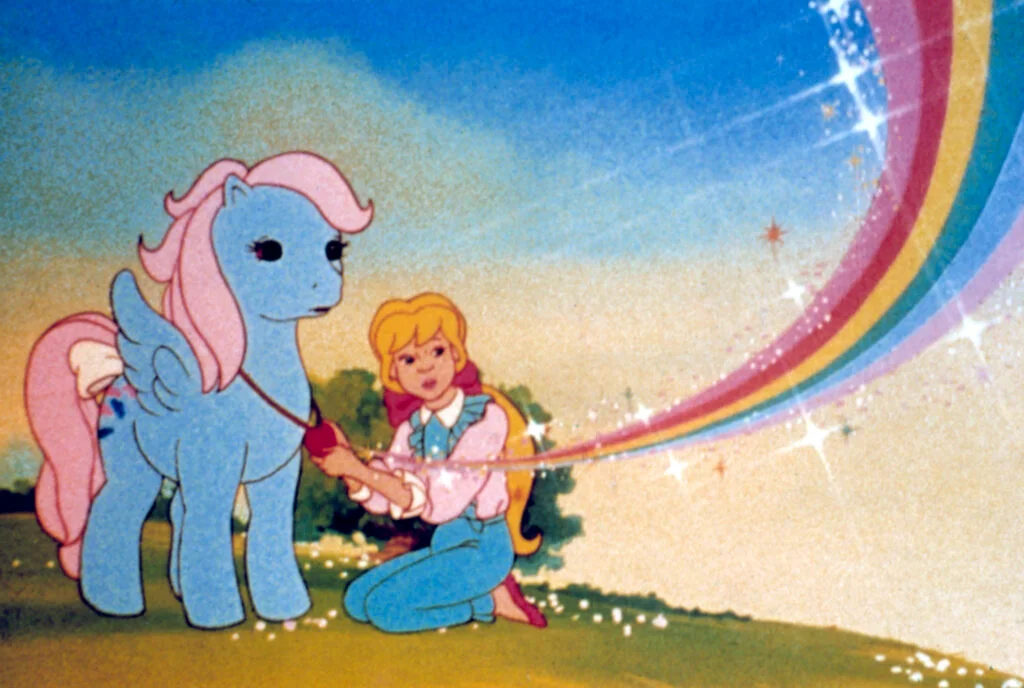
My Little Pony toys leaned heavily into fantasy and emotion-based storytelling. Each pony had a name, symbol, and personality trait. That made it easy to build relationships and scenarios between them. The tone of play often focused on friendship, kindness, and adventure.
Kids could create entire communities where each pony had a role. The setting didn’t need to be defined, it could be a castle, a meadow, or something completely imagined. Accessories helped, but they weren’t necessary. The characters themselves carried the story. That simplicity made it easy to expand ideas endlessly.
6. He-Man Figures Encouraged Epic Battles
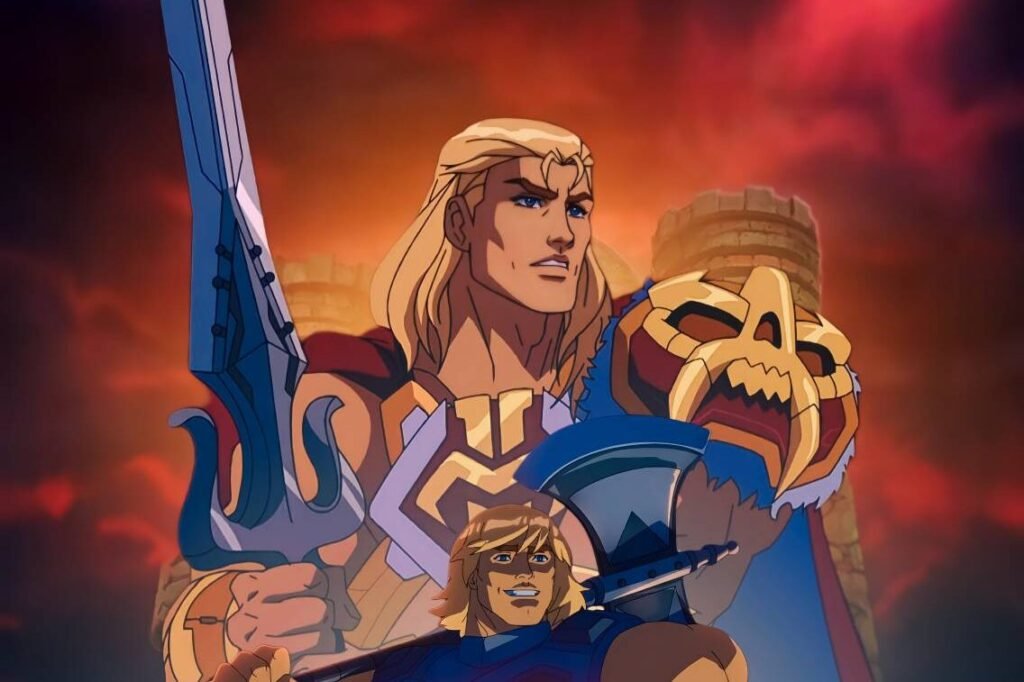
Masters of the Universe figures were designed around clear heroes and villains. Characters like He-Man and Skeletor came with distinct identities and opposing goals. That naturally set up conflict, which is the core of most storytelling. The toys practically invited dramatic scenarios.
Kids often staged large battles using multiple figures at once. Settings could shift quickly from castles to forests to entirely imagined landscapes. The stakes were always flexible, one moment it was a serious showdown, the next it was something playful. The toys didn’t limit the tone. They simply provided the spark.
7. Cabbage Patch Kids Inspired Caretaking Play
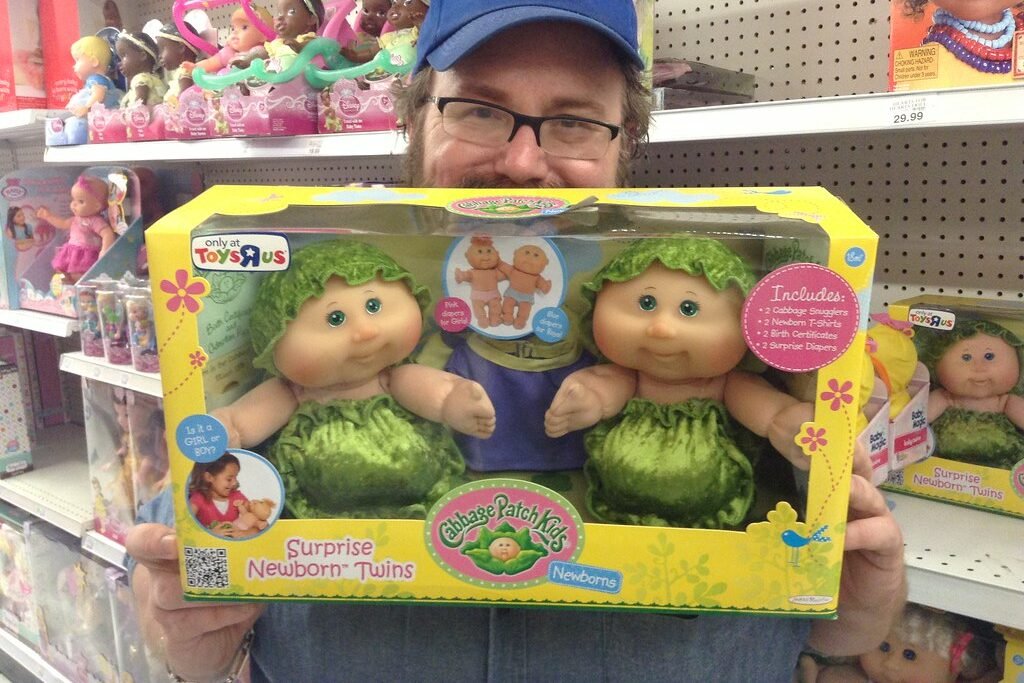
Cabbage Patch Kids stood out because they were treated more like individuals than generic dolls. Each one came with a unique name and adoption certificate. That gave the toy a sense of identity from the start. Kids weren’t just playing, they were “caring” for something.
This shifted the type of imagination being used. Instead of action or adventure, the focus was on routines and relationships. Feeding, dressing, and naming created a different kind of storytelling. It was quieter but still deeply creative. The emotional connection often made the play feel more real.
8. Micro Machines Made Small Worlds Feel Big
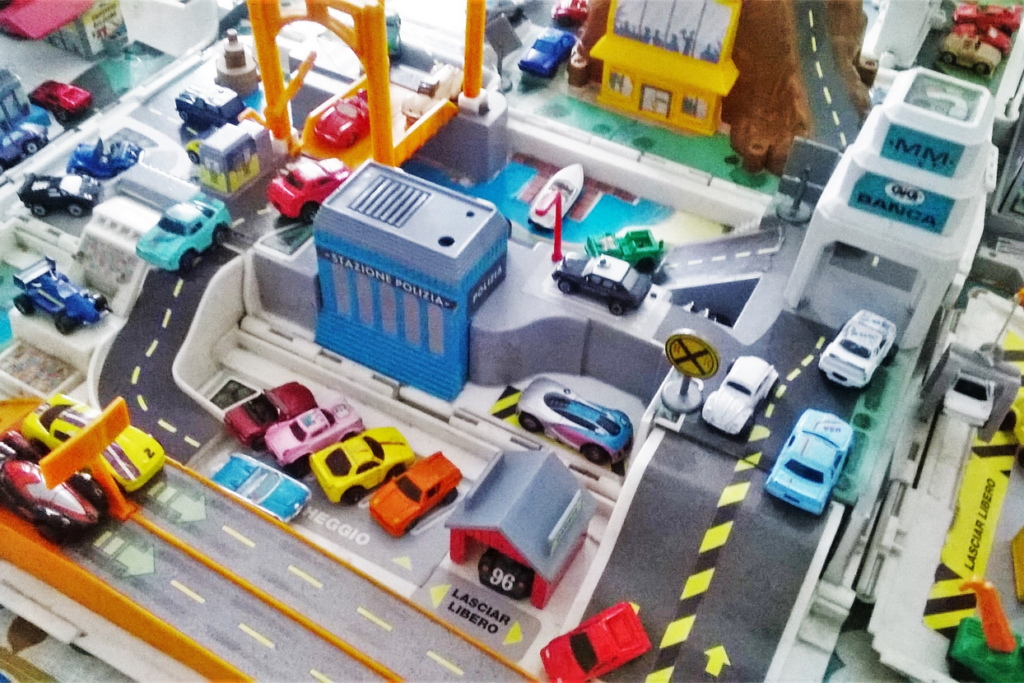
Micro Machines were tiny, but that was exactly what made them powerful. Their size allowed kids to create entire cities on a tabletop or floor. A single room could become a sprawling landscape of roads and buildings. Scale became part of the imagination.
Because they were so small, kids often filled in the missing details mentally. A simple layout could represent a busy city or a racetrack. Movement played a big role, cars racing, crashing, and navigating imagined traffic. The lack of detail didn’t limit play, it expanded it. Everything not shown had to be invented.
9. Lite-Brite Turned Light Into Creativity
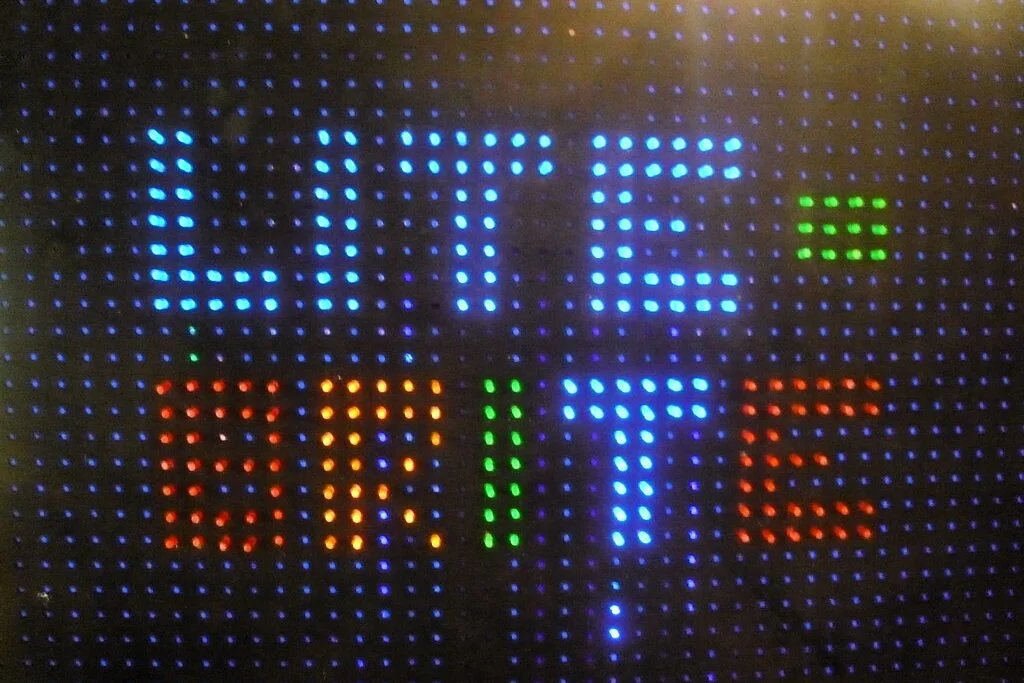
Lite-Brite combined art with a simple but engaging mechanic. Kids placed colored pegs into a board to create glowing images. While templates were available, they weren’t required. Many kids quickly moved on to making their own designs.
The process encouraged experimentation with color and pattern. There was no pressure to get it “right,” only to try something new. The glowing effect made even simple designs feel impressive. It rewarded creativity in a very direct way. Each finished piece felt like a small accomplishment.
10. Etch A Sketch Encouraged Trial and Error
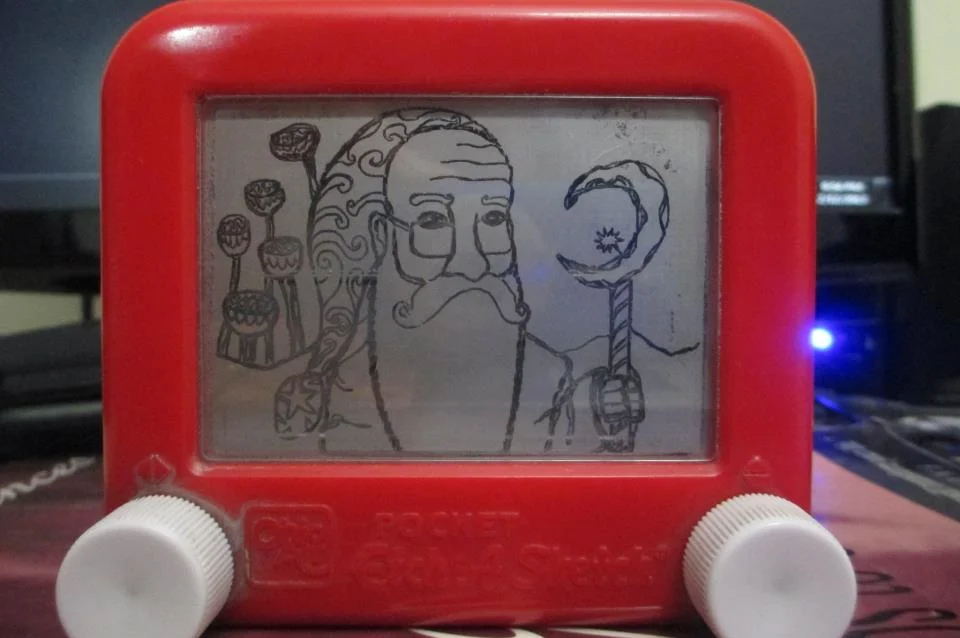
Etch A Sketch had a simple concept but required practice to master. Turning the knobs controlled horizontal and vertical lines, but precision was difficult. That meant mistakes were common, and expected. The shake-to-erase feature made it easy to start over instantly.
This created a low-pressure environment for creativity. Kids could try drawing anything without worrying about permanence. Over time, they learned control and technique through repetition. The limitations actually pushed imagination further. It was about figuring out how to make ideas work within constraints.
11. Play-Doh Made Anything Possible
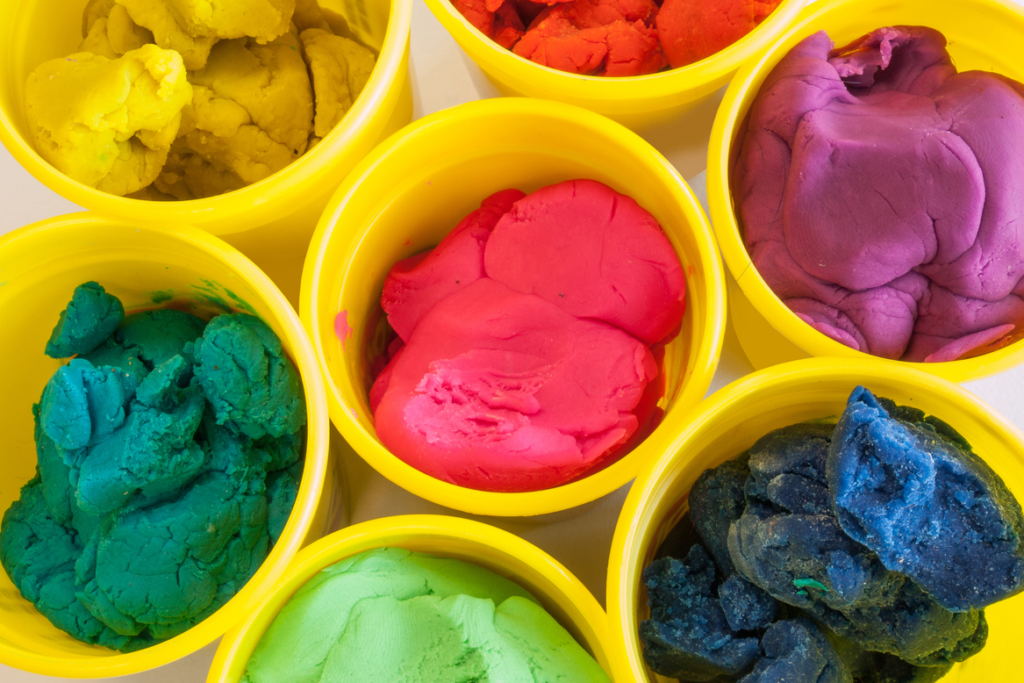
Play-Doh didn’t come with strict rules or expectations. It was just a soft material that could be shaped into anything. That simplicity made it incredibly versatile. Kids could create animals, food, characters, or completely abstract forms.
The tactile nature of Play-Doh added another layer to imagination. It wasn’t just visual, it was physical. Squishing, rolling, and molding became part of the experience. Even when creations didn’t turn out as planned, they could be reshaped. Nothing was ever wasted, just reimagined.
12. Hot Wheels Encouraged Dynamic Play
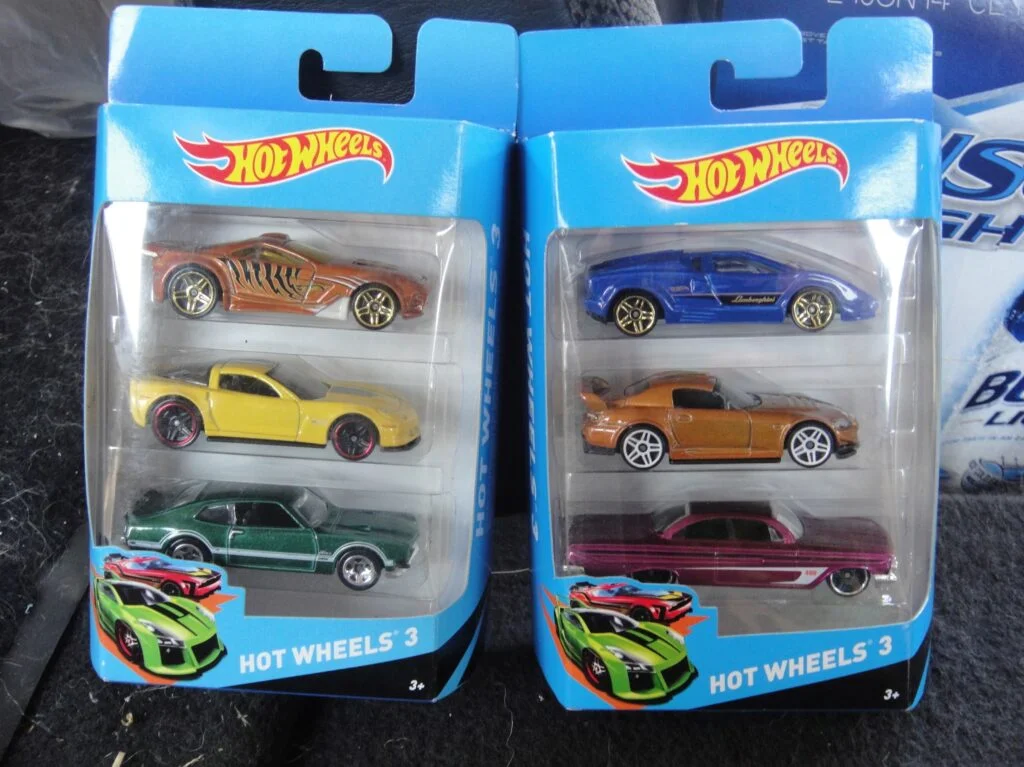
Hot Wheels cars were designed for motion. Tracks could be built in countless ways, loops, jumps, and straightaways. Kids often modified or expanded track setups beyond the original design. The focus was on movement and experimentation.
Each race could be different depending on the setup. Cars could crash, flip, or fly off the track, and that unpredictability made it fun. Kids often created their own rules and competitions. The toys didn’t dictate outcomes. They just provided the tools.
13. Teddy Ruxpin Blended Technology and Imagination
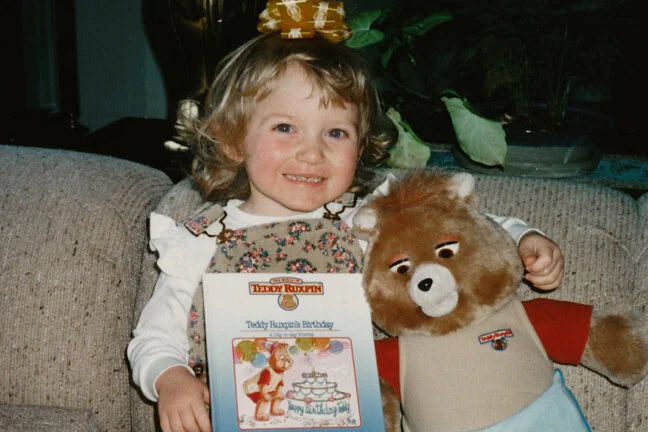
Teddy Ruxpin introduced storytelling in a new way by combining a plush toy with audio playback. The bear would move its mouth and eyes while telling stories through cassette tapes. It felt interactive, even though it followed a set script. For many kids, that made stories feel more alive.
But the imagination didn’t stop when the tape ended. Kids often continued the stories on their own or created new ones for the character. Teddy became more than a device, it became part of ongoing play. The technology added structure, but not limitation. It opened the door, then let imagination take over.