
1. It Was Invented by Two New York Entrepreneurs
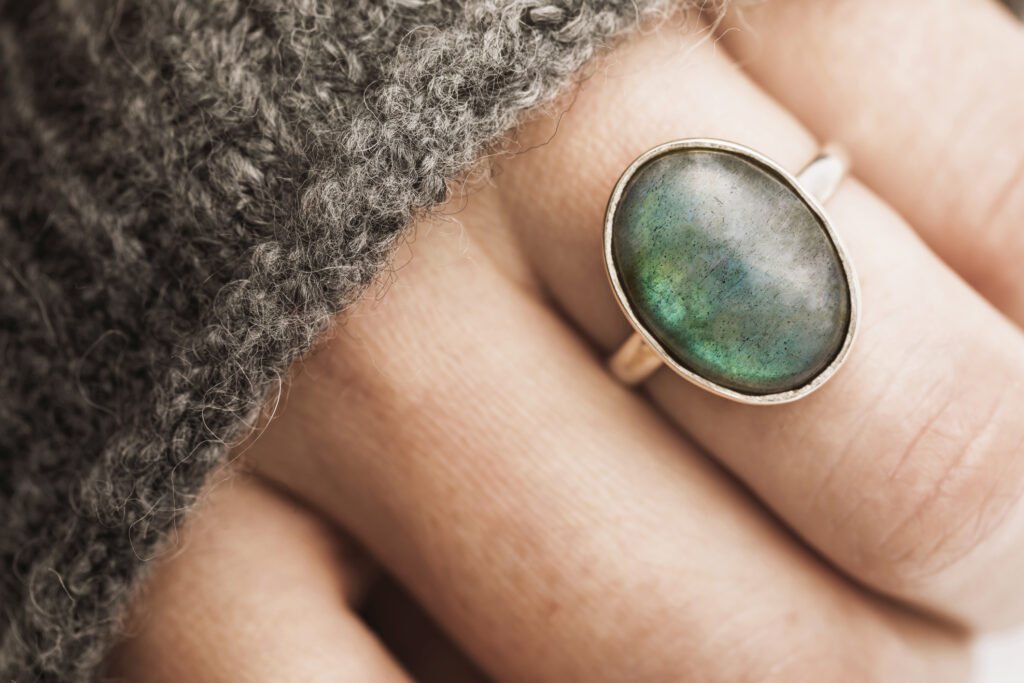
The mood ring didn’t come out of a major corporation or a toy company. It was created in 1975 by inventors Josh Reynolds and Maris Ambats, who were based in New York City. They were not scientists in the traditional sense, but they understood how to market an idea. Their goal was to create something that felt both scientific and personal. That combination turned out to be exactly what the mid-’70s audience was ready for. The ring quickly moved from concept to product in a very short time.
What they introduced was not entirely new technology, but it was a new way of presenting it. The idea that a ring could “read” your emotions made it feel almost magical. Early versions sold in upscale department stores, which helped give the product a sense of credibility. It was marketed as both fashionable and psychologically intriguing. That positioning helped it stand out from other novelty items at the time. Within months, it had become a conversation piece.
2. The Color-Changing Effect Came from Liquid Crystals
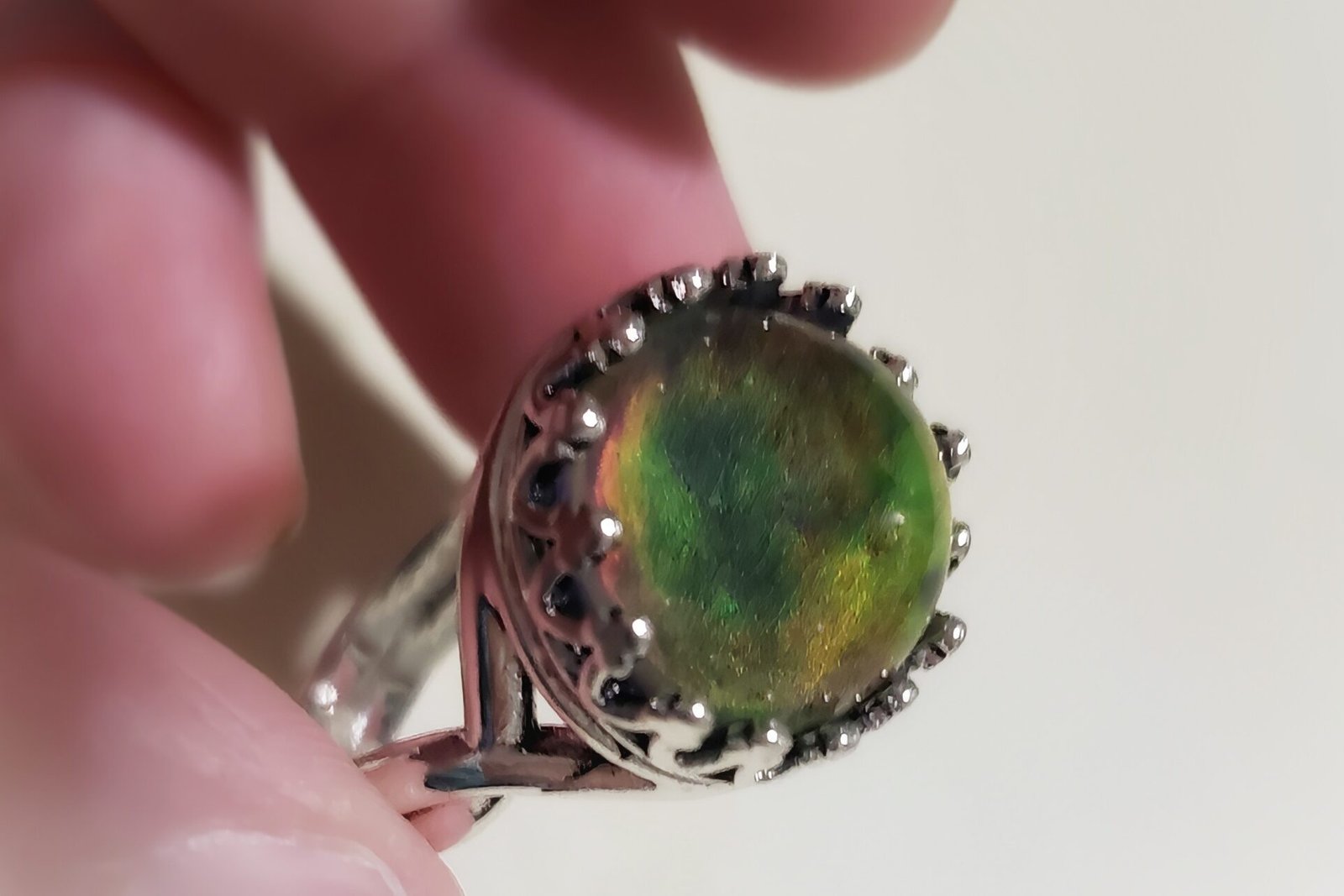
The science behind the mood ring is based on thermochromic liquid crystals. These materials change color in response to temperature fluctuations. When placed against the skin, they react to subtle changes in body heat. Those changes are influenced by blood flow, which can shift slightly depending on emotional or physical states. While the science is real, the interpretation of those colors is far less precise.
The liquid crystals were sealed under a protective stone or glass setting. As your finger temperature changed, the crystals would shift and reflect different wavelengths of light. This created the signature color-changing effect people associated with mood rings. The technology had already been used in other applications, but this was one of the first times it was turned into a wearable accessory. It gave the illusion of emotional insight, even though it was really just responding to temperature. Still, that illusion was enough to capture widespread interest.
3. The 1970s Obsession with Self-Discovery Helped It Take Off
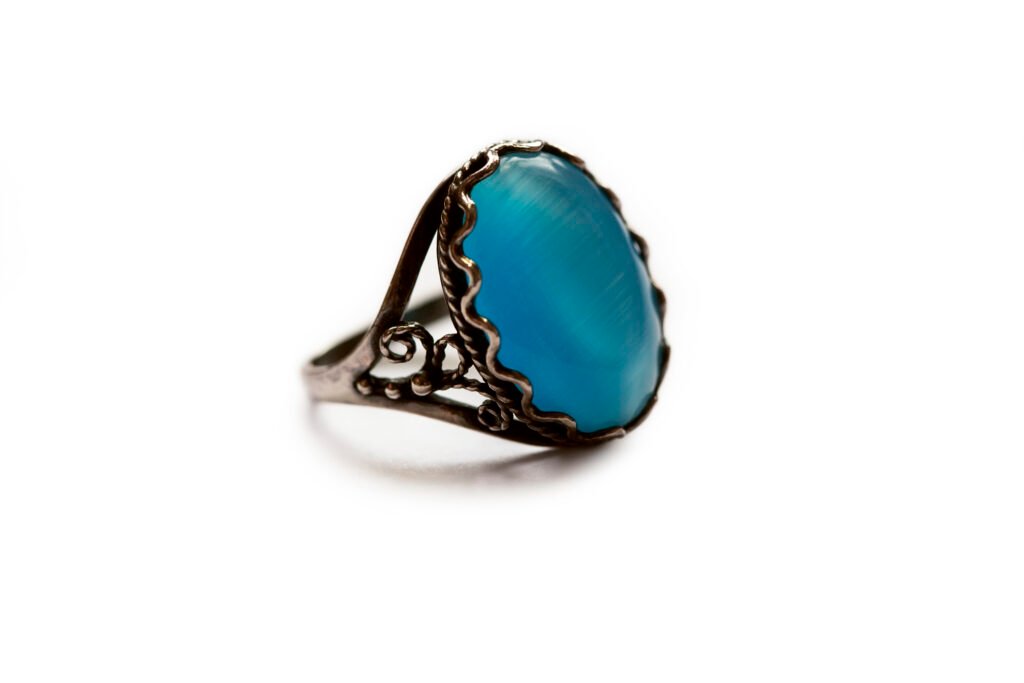
The timing of the mood ring’s release was not accidental. The mid-’70s saw a strong cultural interest in self-awareness, psychology, and personal growth. People were drawn to anything that promised insight into their inner lives. From astrology to meditation, there was a growing appetite for tools that felt introspective. The mood ring fit neatly into that trend.
It offered a quick, visual way to “check in” with yourself. Even if it wasn’t scientifically accurate, it felt meaningful to many users. The idea that your emotions could be displayed externally was appealing. It also made for easy conversation, since people could compare colors and interpretations. The ring became part of a broader movement centered on understanding oneself. That cultural backdrop played a major role in its rapid popularity.
4. Early Retail Success Gave It Instant Visibility
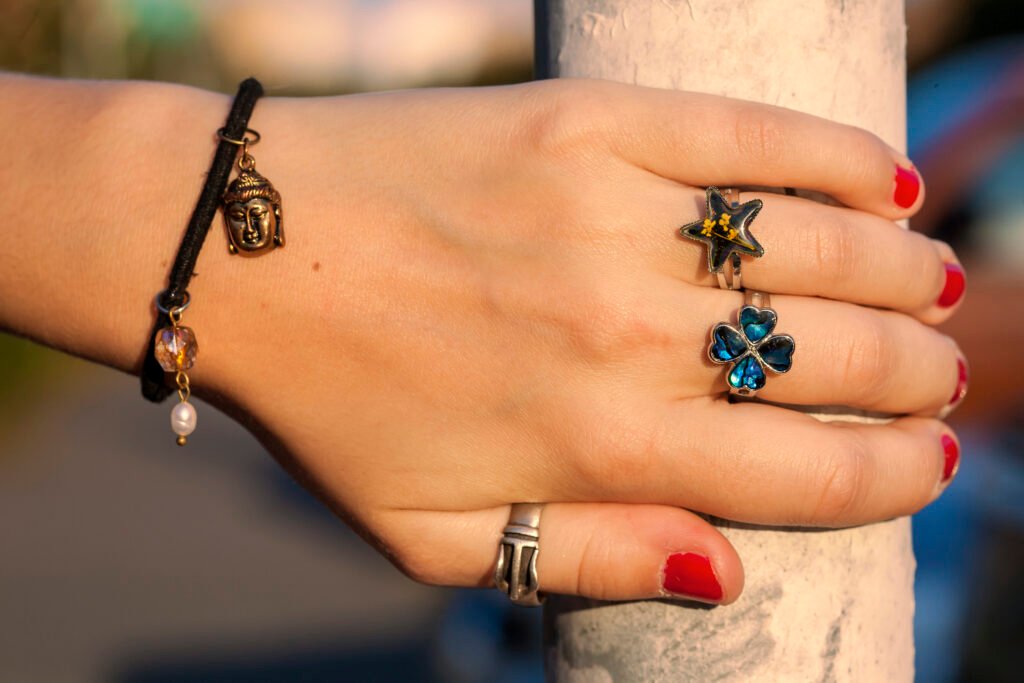
Mood rings first gained traction in high-end department stores like Bonwit Teller in New York. They were initially priced at around $45, which was relatively expensive for a novelty item at the time. That higher price point made them feel more legitimate and less like a toy. It also attracted a fashion-conscious audience early on. Once demand started to grow, other retailers quickly followed.
The rings soon appeared in a wide range of stores, from boutiques to mall kiosks. Prices dropped as mass production increased, making them accessible to a much broader audience. What started as a niche item became a nationwide trend within a year. The visibility in retail spaces helped reinforce the idea that this was something everyone needed to try. It also made the rings easy to purchase on impulse. That accessibility fueled the craze even further.
5. The Color Charts Added to the Appeal
Every mood ring came with a color chart that explained what each shade supposedly meant. Blue might indicate calmness, green could suggest balance, and black was often associated with stress or tension. These charts were not based on rigorous psychological data, but they felt authoritative. People enjoyed matching their ring’s color to the chart and interpreting the results.
The charts gave the product a sense of structure and purpose. Without them, the ring would have just been a color-changing accessory. With them, it became something more interactive. Users could track their “moods” throughout the day, even if the readings were inconsistent. It added a layer of engagement that kept people coming back to it. The simplicity of the system made it easy for anyone to understand.
6. Celebrities and Media Coverage Boosted Its Popularity
As with many trends, media exposure played a significant role in the mood ring’s rise. Celebrities were seen wearing them, which immediately increased their visibility. Magazine features and television segments helped spread the idea even further. Once the rings appeared in pop culture, they gained a kind of social validation.
This coverage helped shift the mood ring from a novelty to a must-have item. It was no longer just an interesting gadget, it was something fashionable and relevant. People wanted to be part of the trend they were seeing in the media. The more it was talked about, the more it sold. That cycle of attention and demand kept the momentum going. It became one of those items everyone seemed to recognize.
7. It Blended Fashion with Pseudoscience

One of the mood ring’s biggest strengths was how it combined style with a sense of science. It looked like jewelry, but it also promised insight into your emotional state. That dual identity made it appealing to a wide range of people. You didn’t have to fully believe in it to enjoy wearing it.
The pseudoscientific aspect gave it a layer of intrigue. It felt more meaningful than a typical accessory, even if the claims were exaggerated. At the same time, it was still visually appealing and easy to wear. That balance helped it avoid being dismissed outright. It occupied a unique space between fashion and curiosity. That combination was difficult to replicate.
8. It Became a Social Icebreaker

Mood rings were not just personal items, they were social tools. People would often compare colors and discuss what they meant. It created an easy way to start conversations, especially in casual settings. You could look at someone’s ring and ask how they were feeling, even if it was just for fun.
This interactive element helped the trend spread organically. Friends introduced friends to the concept, and the rings became part of everyday interactions. It also made them popular among younger audiences, who enjoyed the novelty. The shared experience added to their staying power. It was not just about the ring itself, but how people used it together. That social aspect made it more than just a passing fad.
9. Mass Production Turned It into a Mainstream Craze
Once demand surged, manufacturers moved quickly to produce mood rings at scale. Cheaper materials and simpler designs made them more affordable. This shift allowed them to reach a much larger audience. What started as a somewhat exclusive item became widely available.
You could find mood rings in drugstores, gift shops, and even vending machines. The lower price point made them easy to buy on a whim. This widespread availability helped cement their place in ’70s pop culture. It also meant that quality varied significantly between versions. Some rings were more durable than others, but most were not built to last. Still, that did not slow down sales.
10. The Colors Were Not Always Accurate

Despite the claims, mood rings did not actually measure emotions in a reliable way. They responded to temperature, which can change for many reasons unrelated to mood. External factors like weather or hand position could affect the color. Even simple activities like washing your hands could cause a shift.
This inconsistency became more noticeable over time. Some users began to question how accurate the readings really were. Others simply treated it as part of the fun. The lack of precision did not stop people from enjoying the rings. In many cases, the novelty mattered more than the science. It remained a playful experience rather than a serious tool.
11. Durability Was a Common Issue
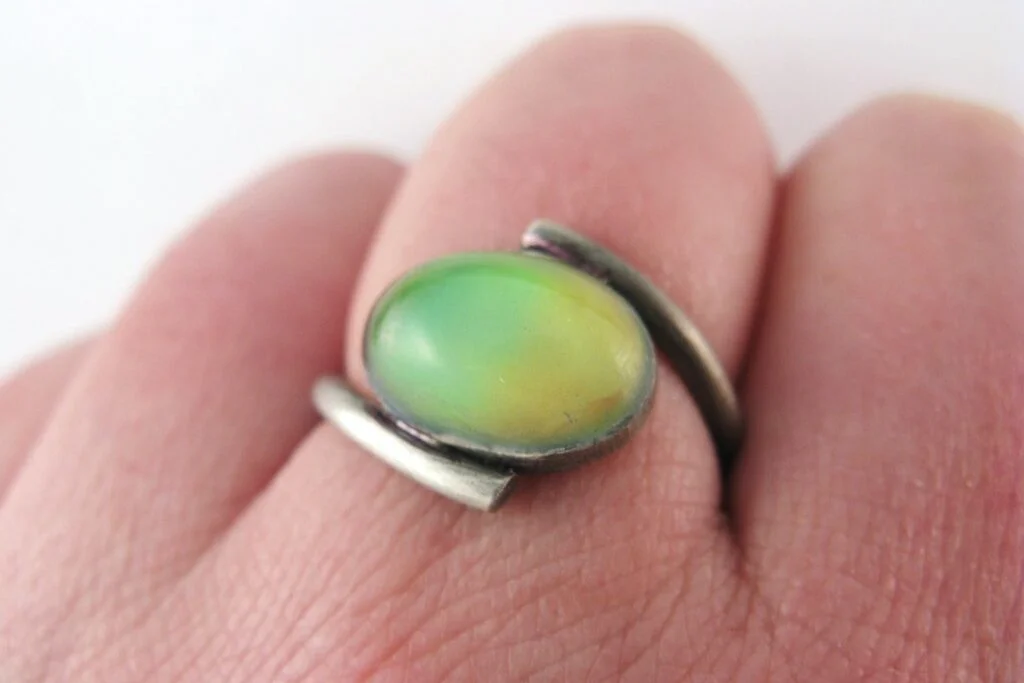
Mood rings were not known for their longevity. The liquid crystals inside were sensitive to moisture and temperature extremes. If water seeped into the setting, it could permanently damage the crystals. Over time, many rings would stop changing color altogether.
This fragility was one of the product’s main drawbacks. It meant that even popular rings often had a short lifespan. Some people replaced them multiple times, which only added to overall sales. Others kept them as keepsakes even after they stopped working. The delicate nature of the rings became part of their identity. It was understood that they were more novelty than investment.
12. The Trend Faded by the Late 1970s
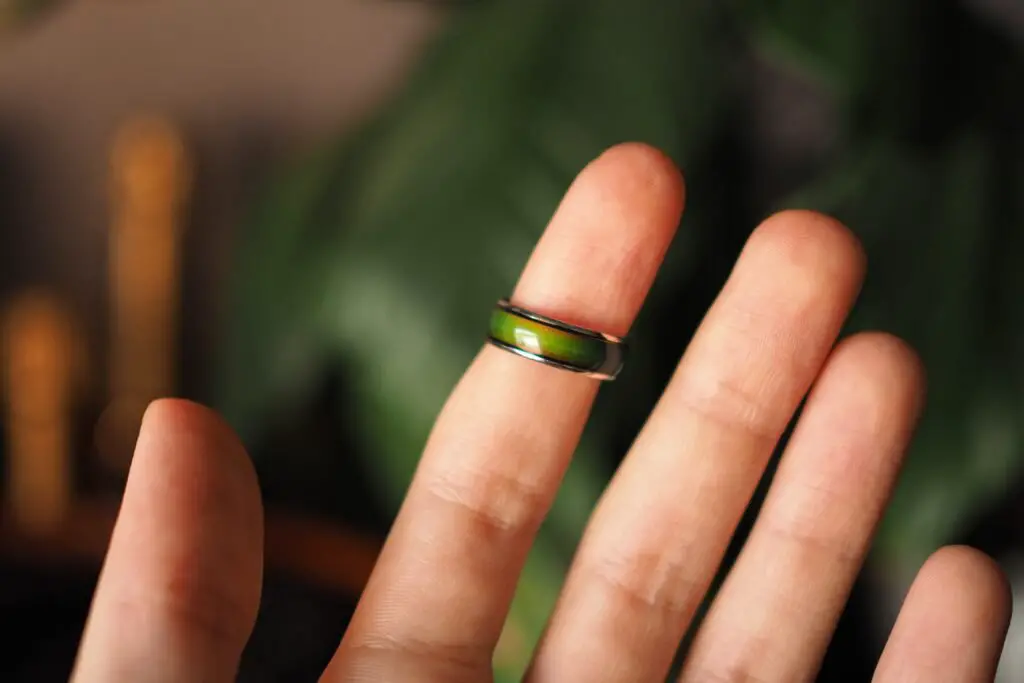
Like many fads, the mood ring’s popularity eventually declined. By the end of the decade, interest had started to wane. New trends and products took its place in the cultural spotlight. The novelty that once felt exciting began to wear off.
This decline was fairly typical for items tied to a specific cultural moment. Once the initial curiosity faded, there was less reason to keep buying them. However, the mood ring never completely disappeared. It remained a recognizable symbol of the ’70s. Even after the craze ended, it held a certain nostalgic value. That lingering recognition kept it from being forgotten entirely.
13. It Still Exists Today as a Nostalgic Item
Mood rings are still sold today, though they are no longer a major trend. They are often marketed as retro or novelty items rather than serious accessories. Many modern versions use improved materials, which makes them slightly more durable. However, the basic concept remains the same.
For many people, the appeal is now tied to nostalgia. It represents a specific era and a certain kind of curiosity about emotions and identity. You can still find them in gift shops and online stores. While they no longer dominate the market, they continue to attract attention. The idea of a ring that reflects your mood still has a certain charm. That enduring concept is what has allowed it to stick around.