
1. Zulu (1964)
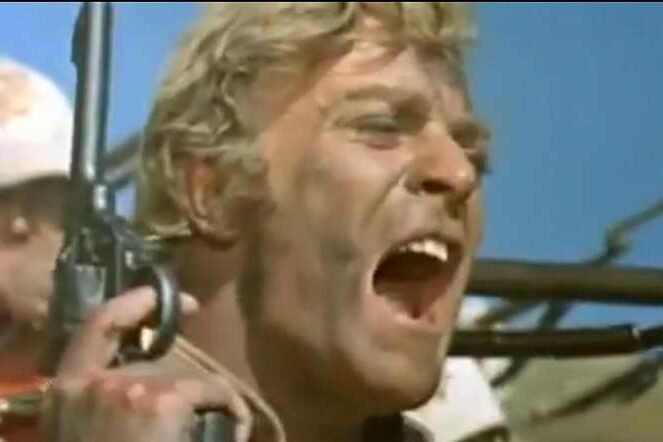
Before he was a household name, Michael Caine had a breakthrough moment in Zulu, playing the upper-class officer Lieutenant Gonville Bromhead. It was a risky role for a relatively unknown actor, especially since the film itself was a large-scale war epic about the Battle of Rorke’s Drift. Caine’s performance stood out because of how he balanced arrogance with vulnerability, making Bromhead more than just a stiff military figure. You can already see the beginnings of that cool, controlled presence he’d become famous for. It also helped that his distinctive voice and mannerisms were so different from the traditional British leading men at the time.
The film was a success and introduced Caine to international audiences almost overnight. It marked the start of a career that would span decades and genres, something very few actors achieve. Watching it now, there’s something fascinating about seeing him before the fame fully settled in. He’s already magnetic, even in a massive ensemble cast. It’s the kind of debut that doesn’t just launch a career, it defines the tone of everything that follows.
2. The Ipcress File (1965)
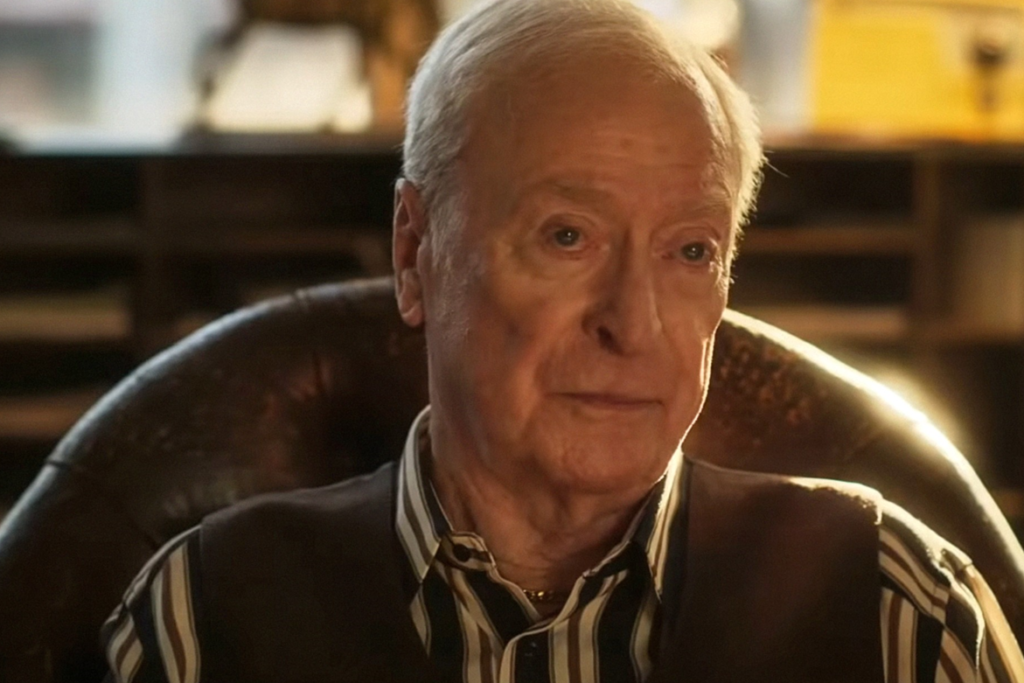
If Zulu introduced him, The Ipcress File made it clear he wasn’t going to be a typical leading man. Playing Harry Palmer, Caine created a spy who felt grounded and relatable, a sharp contrast to the polished image of James Bond at the time. He wore thick glasses, cooked his own meals, and questioned authority, which was unusual for a Cold War hero. Caine brought a quiet intelligence to the role that made Palmer feel like someone you might actually know. It was understated, but incredibly effective.
The film itself became a cornerstone of British espionage cinema and spawned several sequels. Caine’s performance helped redefine what a spy could look like on screen. Instead of glamour, it leaned into realism and cynicism, which audiences responded to. It also cemented his status as part of the new wave of British actors reshaping film in the ’60s. You can still feel its influence in modern spy films today.
3. Alfie (1966)
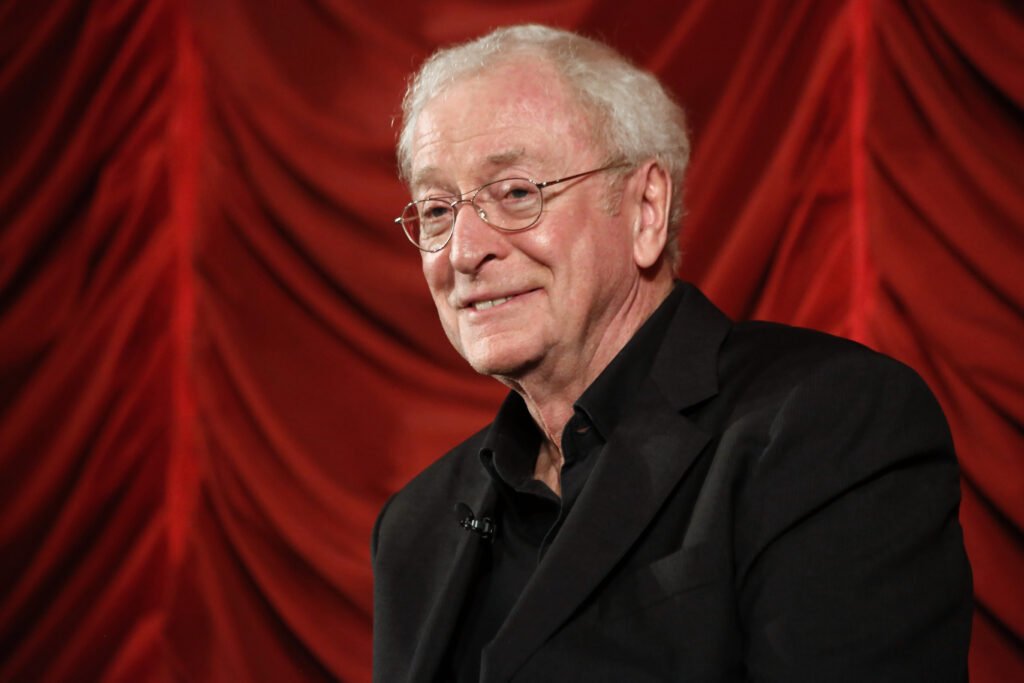
Alfie is the film that turned Michael Caine into a true star. Playing a charming but morally complicated womanizer, he broke the fourth wall and spoke directly to the audience, something that felt fresh and bold at the time. Caine’s performance walks a careful line between likable and deeply flawed, which is what makes it so memorable. He doesn’t shy away from showing Alfie’s selfishness, even when it becomes uncomfortable. That honesty is what earned him his first Academy Award nomination.
The film captured the changing social attitudes of the ’60s, especially around relationships and masculinity. Caine became a symbol of that shift, representing a more modern kind of leading man. It also showcased his ability to carry a film almost entirely on charisma and nuance. Watching it now, it still feels surprisingly contemporary in its themes. It’s one of those performances that sticks with you long after the credits roll.
4. The Italian Job (1969)
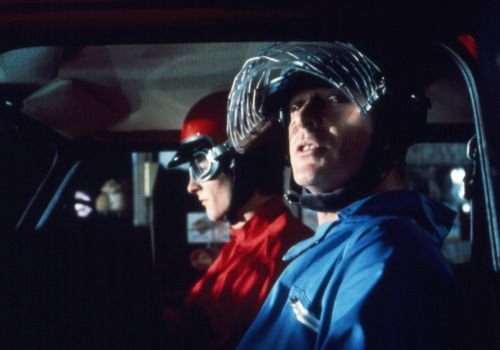
Few films are as instantly recognizable as The Italian Job, and Caine’s role as Charlie Croker is a big reason why. He brings a playful confidence to the part, delivering lines that have become iconic in British cinema. The film itself is a stylish heist story, complete with Mini Coopers racing through the streets of Turin. Caine’s charm anchors all of it, making the elaborate scheme feel grounded and fun at the same time. It’s the kind of performance that feels effortless, even though it’s carefully controlled.
Over the years, the film has developed a strong cult following, especially in the UK. Caine’s delivery of certain lines is still quoted decades later. It also helped cement his image as a leading man who could handle both drama and comedy. There’s a looseness to his performance that makes it incredibly watchable. Even if you’ve seen it before, it’s the kind of movie you can revisit anytime.
5. Get Carter (1971)
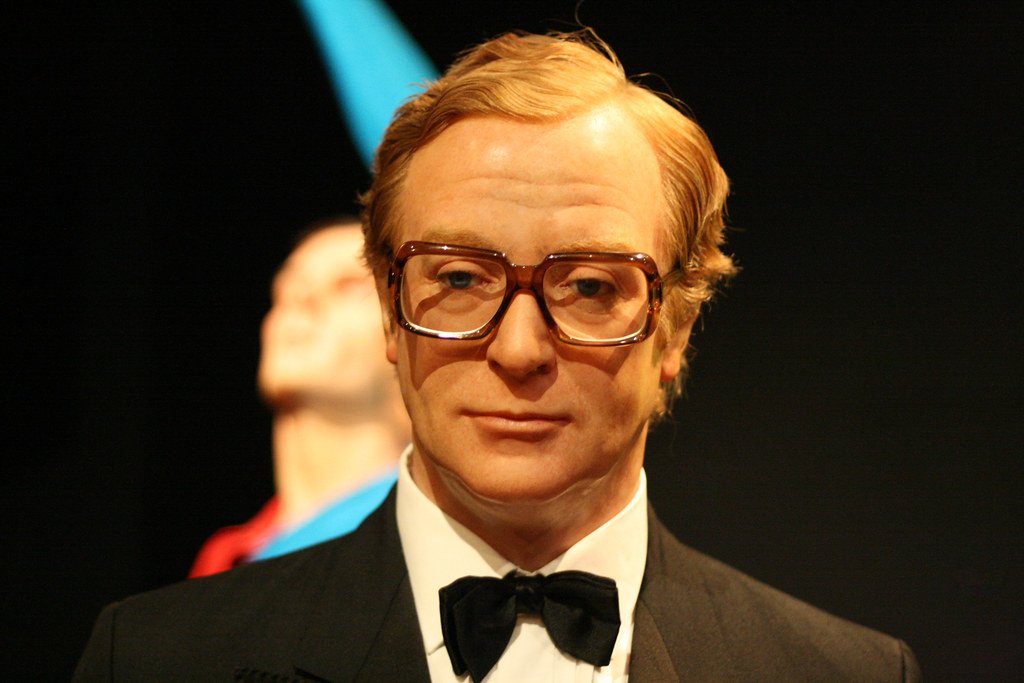
In Get Carter, Caine took a darker turn, playing the ruthless gangster Jack Carter. This wasn’t the charming rogue audiences had grown used to, it was something much more cold and direct. His performance is stripped down and intense, with very little sentimentality. You get the sense that Carter is always calculating, always one step ahead. It’s a chilling portrayal that showed just how much range Caine had.
The film itself became a defining example of British crime cinema. It influenced countless films that came after, especially in how it portrayed violence and morality. Caine’s performance is often cited as one of his best, and it’s easy to see why. There’s a realism to it that still feels sharp today. It proved he could lead a film without relying on charm alone.
6. Sleuth (1972)
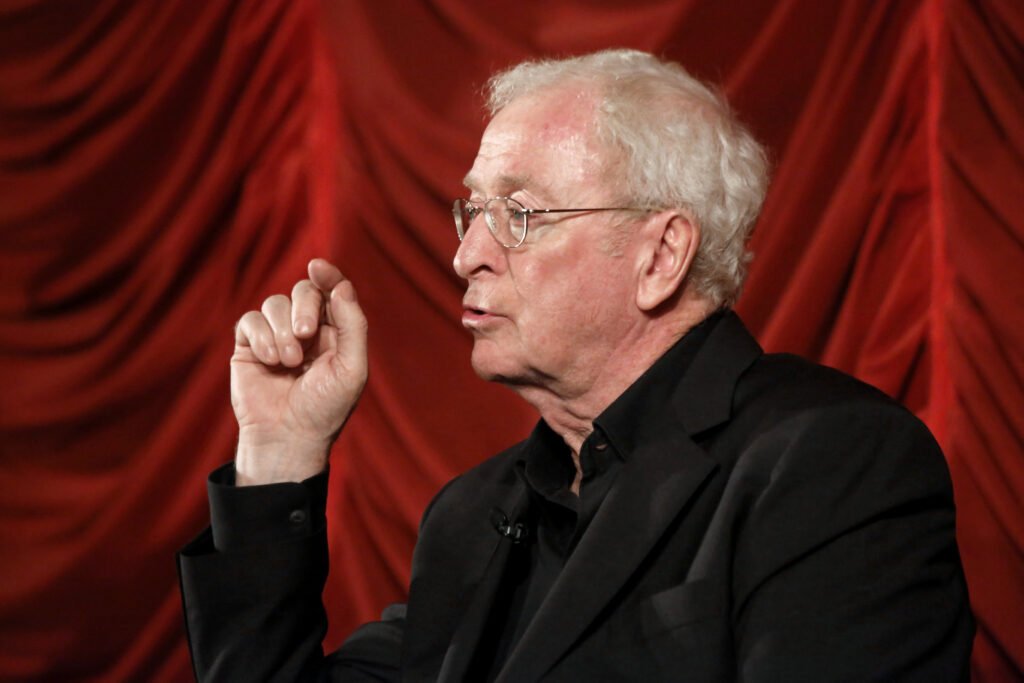
Sleuth is essentially a two-man show between Michael Caine and Laurence Olivier, and it’s fascinating to watch them go head-to-head. Caine plays Milo Tindle, a man drawn into a psychological game with Olivier’s character. The film is filled with twists, and Caine keeps you guessing the entire time. His performance is subtle but layered, revealing more with each scene. It’s the kind of role that requires precision, and he delivers it.
What makes Sleuth stand out is how it relies almost entirely on performance rather than spectacle. Caine holds his own against one of the greatest actors of his generation, which is no small feat. The film earned him another Academy Award nomination, further solidifying his reputation. It’s a reminder of how compelling he can be in a confined setting. Even with minimal action, it never feels slow.
7. The Man Who Would Be King (1975)
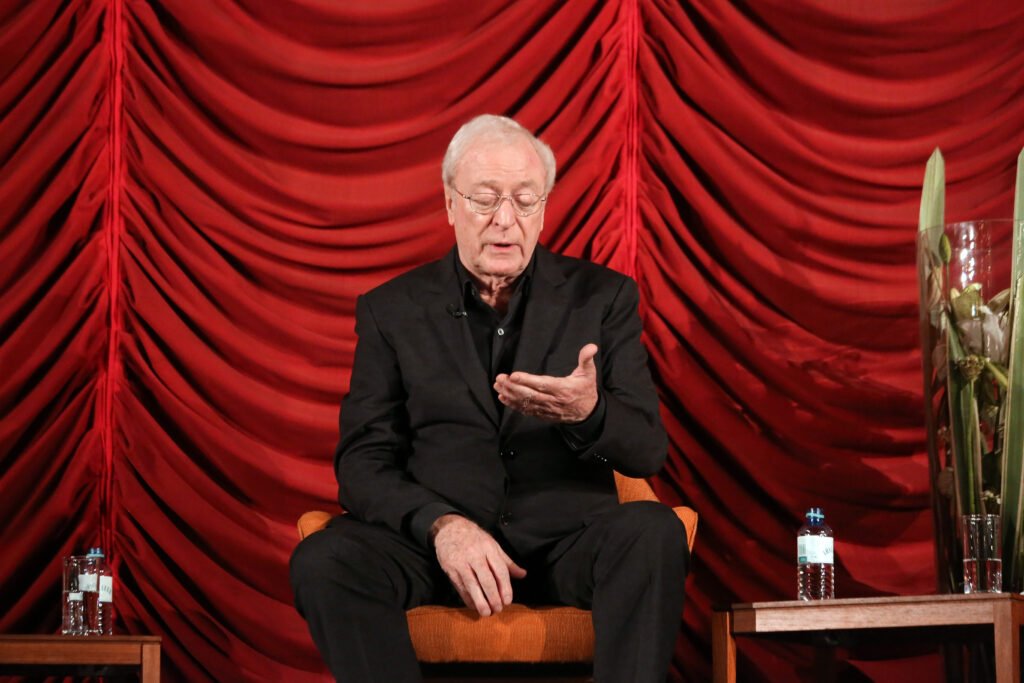
Teaming up with Sean Connery, Caine delivered one of his most adventurous performances in The Man Who Would Be King. The film follows two former soldiers who set out to become kings in a remote region of Afghanistan. Caine plays Peachy Carnehan, bringing humor and warmth to the role. His chemistry with Connery is one of the film’s strongest elements. You genuinely believe in their friendship, which makes the story more impactful.
Directed by John Huston, the film has a grand, almost mythical quality. Caine’s performance helps keep it grounded, even as the story becomes more ambitious. It’s a perfect blend of adventure and character-driven storytelling. Over time, it has become one of his most respected films. It shows how well he can balance humor, drama, and emotion in a single role.
8. Educating Rita (1983)
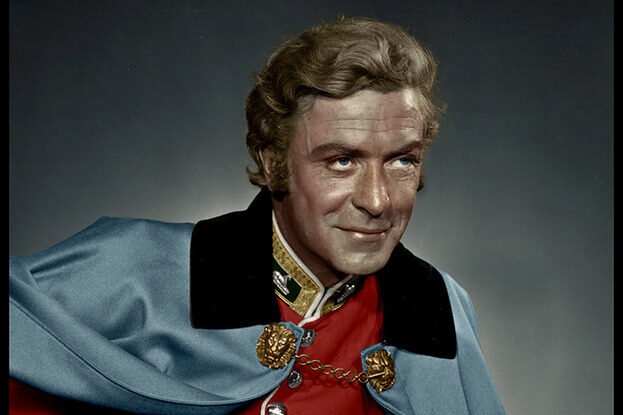
In Educating Rita, Caine plays a disillusioned professor opposite Julie Walters’ energetic Rita. The contrast between their characters creates a dynamic that feels both funny and deeply human. Caine’s performance is understated, capturing a man who has lost his passion for life. As Rita challenges him, you can see subtle shifts in his demeanor. It’s a quiet transformation, but a powerful one.
The role earned him an Academy Award for Best Actor, and it’s easy to understand why. Caine brings a sense of authenticity that makes the character relatable. The film itself explores themes of class, education, and personal growth. It’s one of his most heartfelt performances. There’s a sincerity to it that still resonates.
9. Hannah and Her Sisters (1986)

Working with Woody Allen, Caine delivered a standout supporting performance in Hannah and Her Sisters. He plays Elliot, a man caught in a complicated emotional situation involving his wife and her sister. Caine brings depth to what could have been a straightforward role. You see the internal conflict in small, quiet moments rather than big dramatic scenes. It’s a very controlled performance.
That restraint is what makes it so effective, and it earned him an Academy Award for Best Supporting Actor. The film itself is considered one of Allen’s most acclaimed works. Caine fits seamlessly into the ensemble cast. He adds a layer of emotional complexity that elevates the story. It’s another example of how he can make subtle choices feel significant.
10. The Cider House Rules (1999)
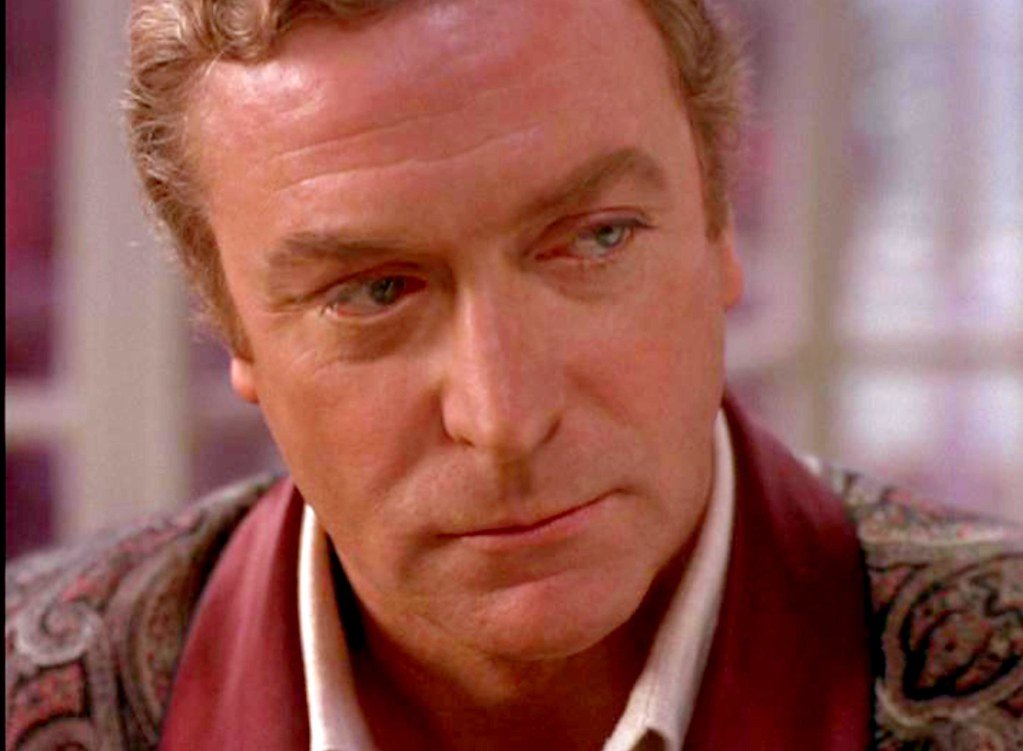
By the late ’90s, Caine had transitioned into more mature roles, and The Cider House Rules is a prime example. He plays Dr. Wilbur Larch, a compassionate but morally conflicted physician. Caine brings warmth and authority to the role, making Larch feel both wise and human. His performance anchors the film’s emotional core. It’s a role that requires empathy, and he delivers it fully.
The performance earned him his second Academy Award for Best Supporting Actor. The film itself deals with complex themes, including choice and responsibility. Caine’s portrayal adds a sense of gravitas without becoming heavy-handed. It’s one of those performances that quietly stays with you. You can feel the weight of the character in every scene.
11. The Dark Knight (2008)
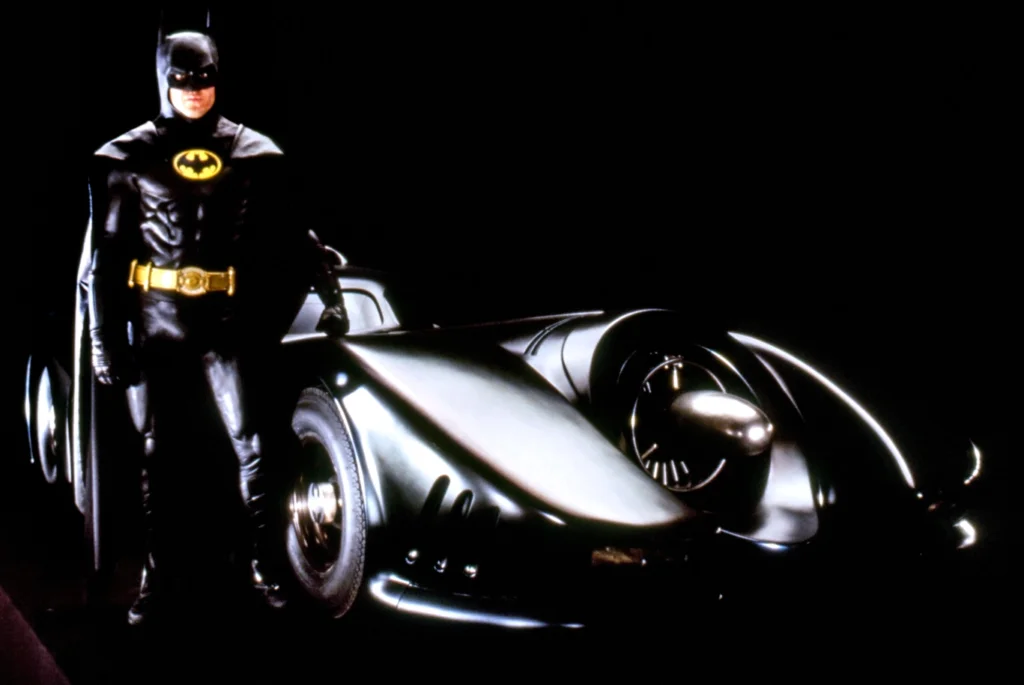
Even in blockbuster territory, Caine managed to leave a lasting impression as Alfred Pennyworth in The Dark Knight. His version of Alfred is more than just a butler, he’s a moral compass for Bruce Wayne. Caine brings warmth and wisdom to the role, grounding the film’s darker elements. His scenes with Christian Bale add emotional depth to the story. It’s a quieter performance, but an essential one.
The film itself became one of the most acclaimed superhero movies ever made. Caine’s contribution is part of what gives it that emotional resonance. He delivers some of the film’s most memorable lines with sincerity. It’s a reminder that even in large-scale productions, character still matters. His presence elevates every scene he’s in.
12. Harry Brown (2009)
In Harry Brown, Caine returned to a more intense, character-driven role, playing a retired Marine seeking justice. The film is gritty and unflinching, and Caine meets that tone head-on. His performance is quiet but powerful, showing a man pushed to his limits. There’s very little glamour here, just raw emotion and determination. It’s a stark contrast to some of his earlier, more charming roles.
The film was praised for its realism and Caine’s commanding performance. It showed that even late in his career, he could still carry a film with ease. There’s a sense of weariness in his portrayal that feels earned. It’s not about action for the sake of it, it’s about character. That depth is what makes it stand out.