
1. Elizabeth Taylor and Richard Burton in Cleopatra
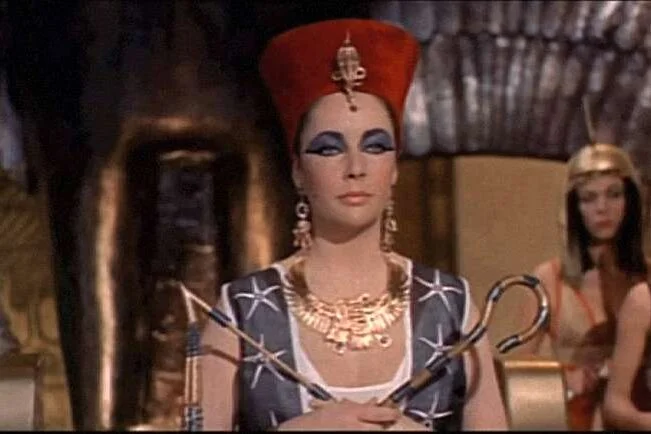
Their chemistry in Cleopatra became the talk of the decade, and it was easy to see why. Even though the film itself had a famously rocky production, Taylor and Burton made every scene feel charged with emotion. Viewers could sense the shift from performance to something much more real, which only added to the film’s mystique. Their dynamic felt grand and dramatic, like the kind of love story people secretly hoped for. They also had that old-Hollywood glamor that made audiences lean in a little closer. Whether they were feuding or flirting on screen, they made it impossible to look away. People still cite their Antony and Cleopatra as the ultimate example of passionate, complicated love in cinema.
Off screen, their romance became just as iconic and added another layer to what audiences saw in theaters. The more people heard about their real relationship, the more they rewatched the movie with new eyes. Fans couldn’t help but look for little moments where the line between acting and reality blurred. Burton’s intensity paired with Taylor’s regal ease made every exchange feel meaningful. As the years went on, the film became a touchstone for epic romance. Even when critics were divided, fans were united in their love for this pairing. It is one of those relationships that practically defined ’60s spectacle.
2. Audrey Hepburn and George Peppard in Breakfast at Tiffany’s
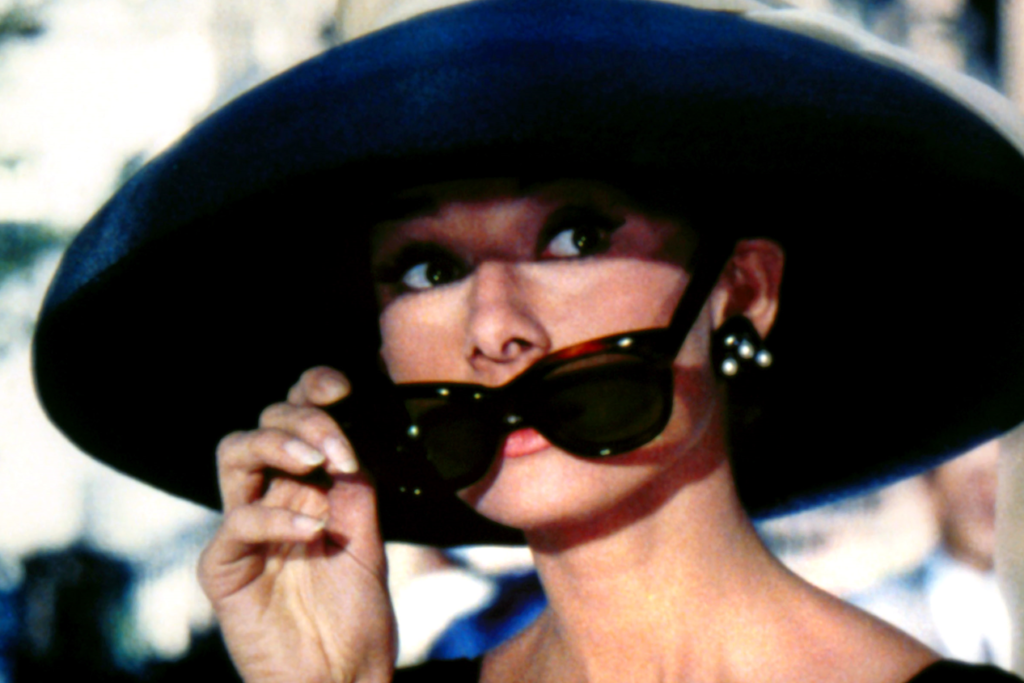
Hepburn and Peppard captured something tender and hopeful that audiences still cling to today. Their scenes together had a gentle rhythm, almost like a dance. Holly Golightly’s free-spirited charm paired perfectly with Paul Varjak’s steady presence. They created a love story that felt both fragile and warm, the kind that sneaks up on you. Many viewers could see parts of themselves in the uncertainty and longing their characters carried. Even when the story drifted into bittersweet territory, their connection kept it grounded. It was a romance built on quiet moments rather than big declarations.
As the film’s popularity grew, so did the admiration for their chemistry. Peppard’s subtle expressions made every glance feel intentional. Hepburn, with her effortless elegance, brought a softness to the screen that made the relationship feel believable. Over time, their rain-soaked ending became one of the most replayed sequences of the decade. People still smile when they think of that taxi scene. The film helped solidify Hepburn as a romantic icon, and Peppard held his own right beside her. Together they showed how small gestures can define an entire love story.
3. Julie Andrews and Christopher Plummer in The Sound of Music
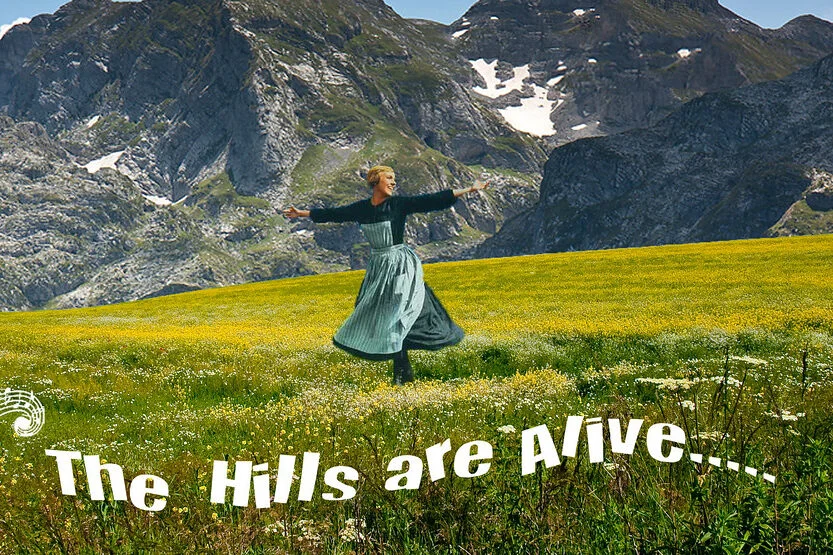
Maria and Captain von Trapp weren’t meant to be a sweeping love story at first, yet they naturally became one. Andrews brought an openness that made the Captain’s guarded nature slowly melt. Their scenes, especially during the “Something Good” duet, felt like watching two people discover parts of themselves they hadn’t known were missing. Plummer’s quiet vulnerability made the romantic shift feel earned. Their chemistry grew gradually, which made it relatable for families watching at home. It felt like a romance rooted in real human connection rather than fairy-tale tropes. Andrews and Plummer found a perfect balance between warmth and restraint.
Fans often point to the dance scene at the party as the moment everything clicked. The way they looked at each other said more than any scripted line. Andrews’ lightness paired with Plummer’s depth created something viewers still talk about decades later. Their relationship didn’t rely on melodrama, just two people learning to trust one another. Families returned to the movie again and again because of how uplifting it felt. It became the kind of cinematic romance that felt wholesome without losing emotional richness. It still stands as one of the most beloved love stories from the ’60s.
4. Paul Newman and Joanne Woodward in Hombre
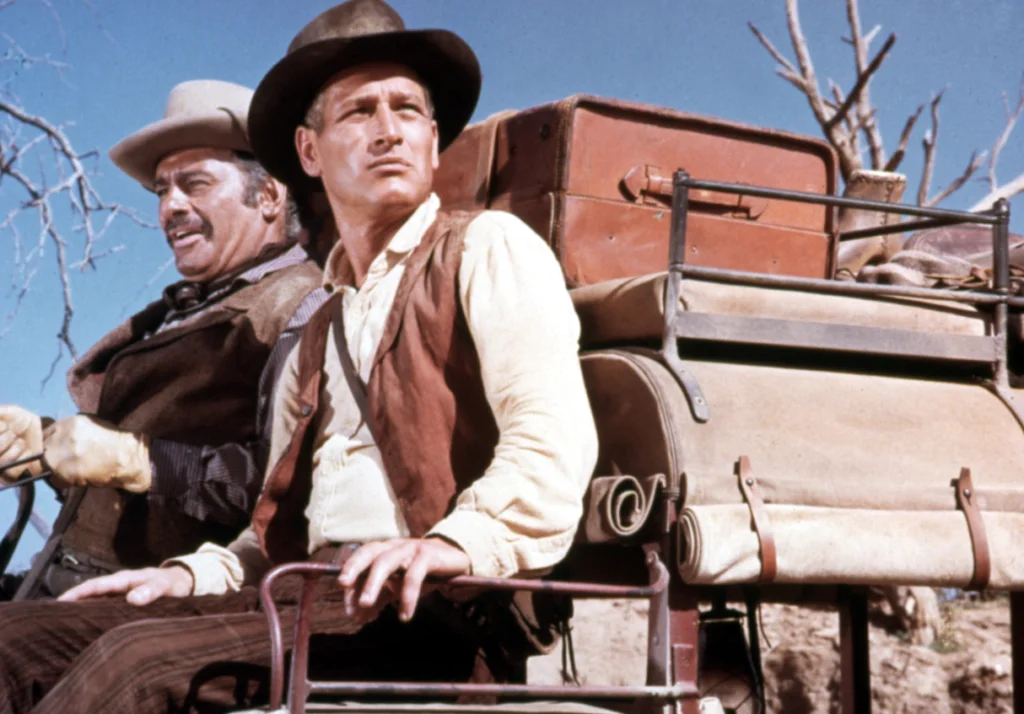
Even though Hombre wasn’t a traditional romance, Newman and Woodward brought an undeniable emotional pull to their scenes. They had a natural understanding of each other that made even brief exchanges feel layered. Newman’s quiet heroism contrasted beautifully with Woodward’s grounded sincerity. Fans who knew they were married in real life often read even more into their moments together on screen. Their connection made the film feel more human than its gritty storyline suggested. You could sense trust and affection beneath every look. It was the kind of on-screen relationship that worked because it wasn’t forced.
Their presence together elevated the tone of the film. Woodward had a way of softening Newman’s toughest characters, and this movie was no exception. The emotional undercurrents between them gave audiences something deeper to latch onto. Even without a sweeping love story, they created one in the spaces between dialogue. People admired how they made complexity look effortless. Their pairing offered a quieter kind of romance that still resonated long after the credits rolled. Many fans consider them one of the most authentically romantic screen couples of the decade.
5. Warren Beatty and Faye Dunaway in Bonnie and Clyde
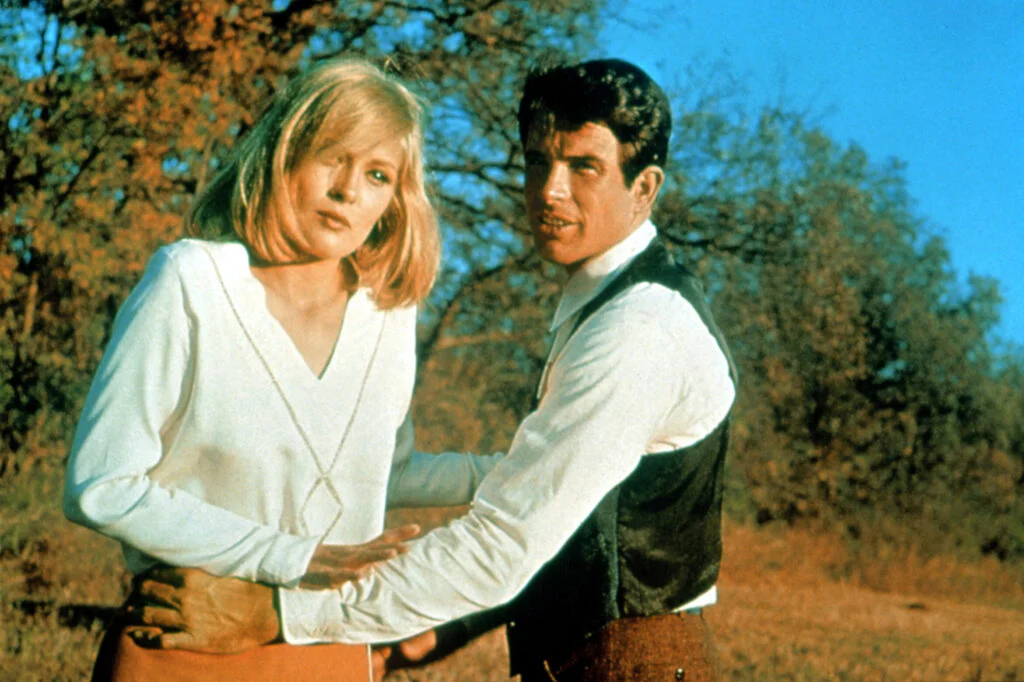
Beatty and Dunaway redefined what a movie couple could look like. Their romance was stylish, dangerous, and completely captivating. They played two outlaws who found comfort and excitement in each other, and audiences couldn’t get enough. Beatty brought a boyish charm that made Clyde sympathetic, while Dunaway delivered a brilliant mix of vulnerability and confidence. Together, they created an unforgettable duo who felt inseparable from the moment they met. Even their silences were charged. It became one of the most influential movie romances, changing how filmmakers approached characters in love.
Fans were drawn to how the two characters loved without sugarcoating their circumstances. Instead of the usual glamorous love story, this one had jagged edges. Their partnership felt like a rebellion against traditional Hollywood romance. Beatty and Dunaway made every scene feel electric, and viewers were swept up in it. As the film grew in popularity, so did the mythos around their pairing. People loved the Bonnie and Clyde aesthetic almost as much as the story itself. Their legacy became a template for all the ride-or-die couples that followed.
6. Steve McQueen and Faye Dunaway in The Thomas Crown Affair
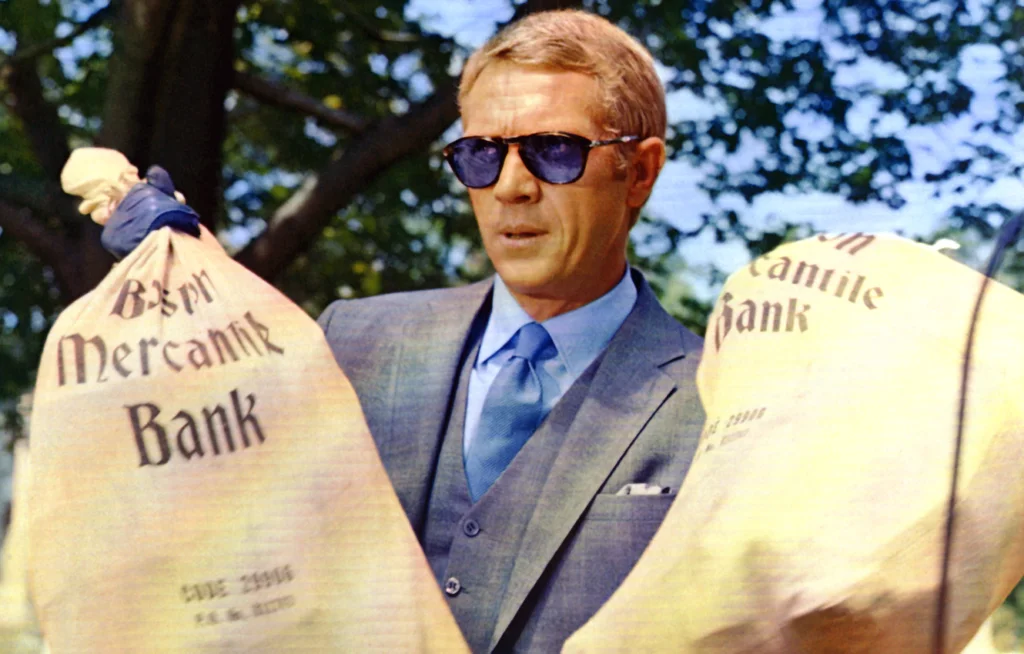
McQueen and Dunaway set a new standard for sophisticated, grown-up romance. Their chemistry was sleek and confident, the kind that didn’t need dramatic speeches to be convincing. The famous chess scene said everything viewers needed to know about the attraction between their characters. Dunaway’s elegance matched McQueen’s cool energy beat for beat. Their relationship felt more like a duel than a courtship, and that tension made the movie irresistible. It was stylish in a way that became deeply associated with the late ’60s. Fans still point to this pairing as one of the most effortlessly sexy of the decade.
What made them work so well was how evenly matched they seemed. Dunaway played a character who enjoyed the chase as much as Crown did. Their exchanges felt like two people constantly testing, teasing, and surprising each other. Moviegoers loved watching a romance built on wit and mutual fascination. McQueen’s quiet intensity gave their scenes an extra spark. Dunaway’s performance added layers of smarts and mystery. Their pairing proved that intellectual chemistry could be just as compelling as physical attraction.
7. Barbra Streisand and Omar Sharif in Funny Girl
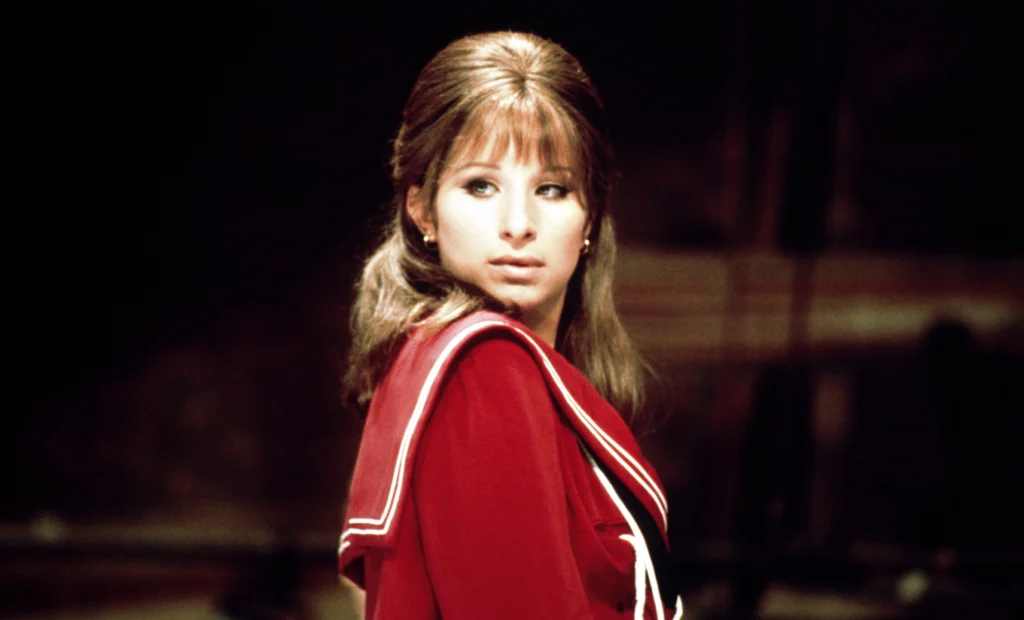
Their love story felt almost operatic in how big and emotional it was. Streisand’s portrayal of Fanny Brice made audiences root for her from the very beginning. Sharif brought a sophisticated charm that made Nick Arnstein hard to resist. When they came together on screen, it felt electric but tinged with the sadness of knowing their relationship wasn’t destined to be easy. The way they looked at each other created some of the film’s most unforgettable moments. Streisand delivered vulnerability right alongside her powerhouse vocals. Sharif matched her with quiet, emotional warmth that grounded their romance.
As the story unfolded, the tension between love and circumstance became deeply relatable. The two of them created a romance that felt as complex as real life. Streisand captured every little heartbeat of Fanny’s longing. Sharif added depth to a character who could have otherwise come across as simply charming. Their performances balanced each other so well that viewers stayed invested even through the heartbreak. They showed how a love story can be beautiful even when it isn’t perfect. Their dynamic defined romantic musicals for years to come.
8. George Hamilton and Olivia de Havilland in Hush…Hush, Sweet Charlotte
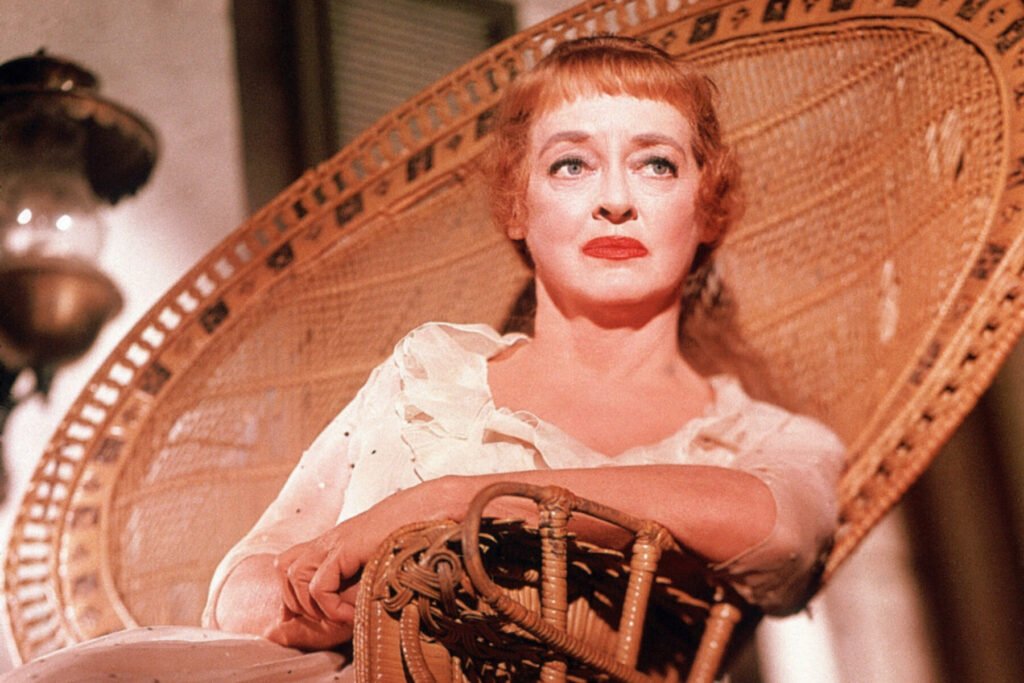
While the film was more thriller than romance, Hamilton and de Havilland shared a chemistry that surprised audiences. Their scenes offered tiny glimpses of warmth in a movie filled with psychological tension. Hamilton’s youthful charisma paired interestingly with de Havilland’s grace and maturity. Their interactions gave the story a human touch amid all the dramatic twists. Fans appreciated how subtle their connection was. Without overshadowing the plot, they brought a believable emotional thread into an otherwise dark tale. It ended up becoming a memorable part of the movie’s tone.
Audiences often commented on how the pairing added unexpected depth. De Havilland had a way of grounding Hamilton’s smooth character. The contrast in their energies made their scenes stand out. Even though the movie leaned heavily into suspense, their rapport offered brief moments of calm. Viewers who noticed those moments felt more invested in the characters overall. Their chemistry wasn’t flashy, but it was effective. It showed how even small romantic undertones can enrich a film.
9. Sidney Poitier and Judy Geeson in To Sir, with Love
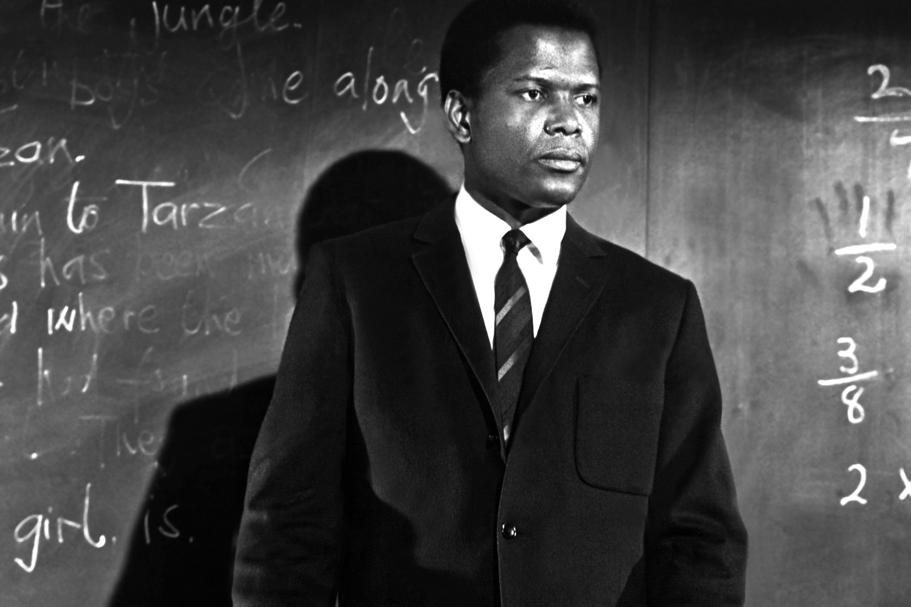
Poitier and Geeson created a relationship rooted in admiration and emotional growth. While not a traditional romance, their bond carried a sweetness that audiences connected with. Poitier’s role as a compassionate teacher made viewers instantly trust him. Geeson, as one of his standout students, brought genuine vulnerability and warmth to the screen. Their scenes together highlighted mutual respect and subtle affection. It wasn’t about dramatic love, but something gentler. Their connection helped define the film’s tone.
Fans appreciated how their relationship captured the hope and uncertainty of young adulthood. Poitier anchored the story with steady kindness. Geeson responded with earnest sincerity, making their scenes blossom naturally. The emotional tension between them was understated, yet still memorable. Viewers found those moments touching rather than sensational. The film’s message about understanding and guidance made their bond feel meaningful. It remains one of the most quietly affecting pairings of the decade.
10. Peter O’Toole and Katharine Hepburn in The Lion in Winter
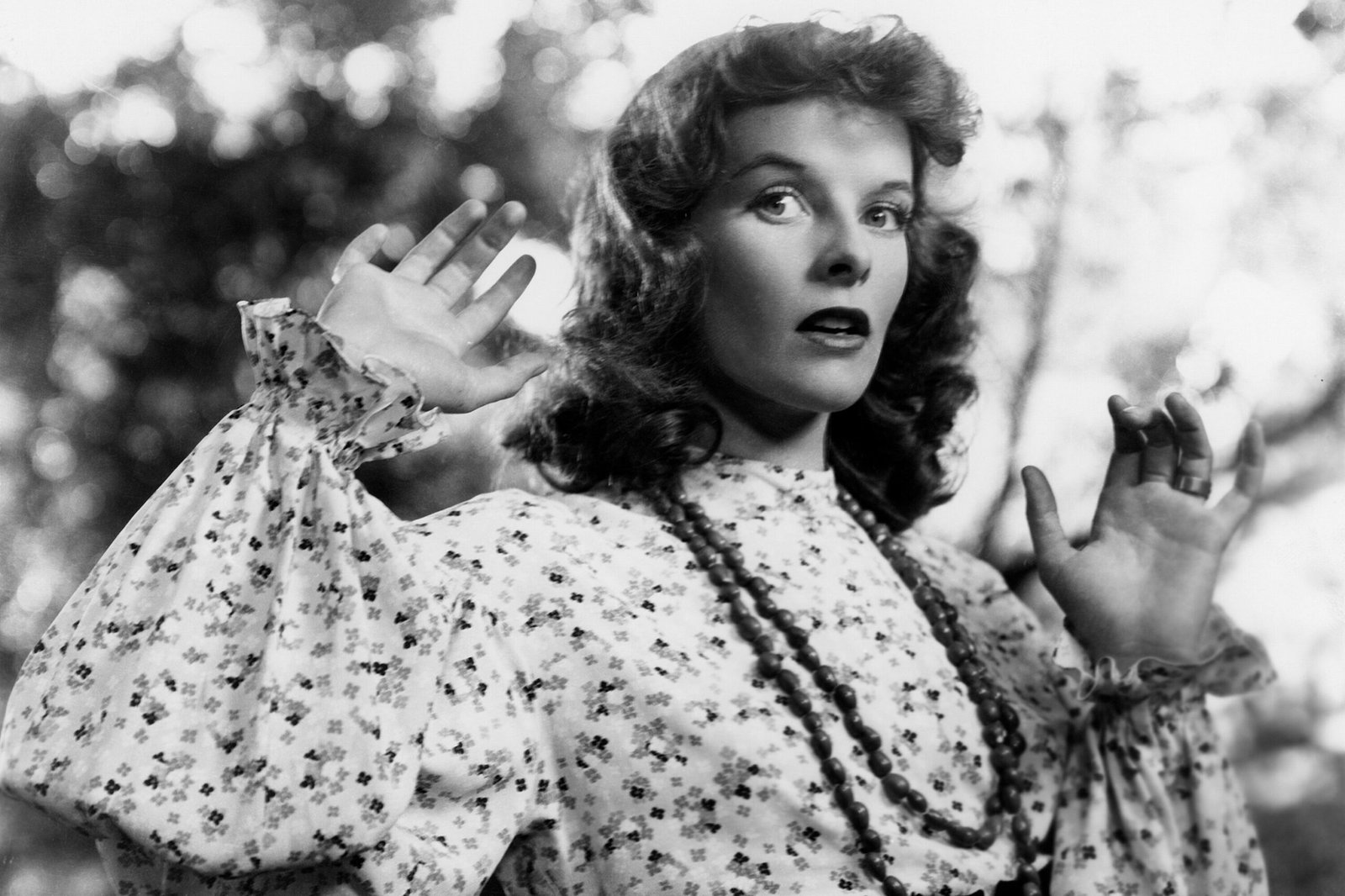
O’Toole and Hepburn brought fiery brilliance to their roles as Henry II and Eleanor of Aquitaine. Their relationship was complicated, witty, and brimming with tension. They made audiences feel every bit of the love and frustration woven into the script. Hepburn delivered sharp, regal energy that matched O’Toole’s intensity perfectly. Their chemistry was rooted in intellectual sparring rather than tender moments. Still, the affection buried beneath all that conflict felt real. They portrayed a marriage full of history, resentment, and deep attachment.
Fans loved how they turned arguments into strangely intimate scenes. It was a romance forged through partnership and rivalry, and it stood out because of how raw it felt. O’Toole brought unpredictability that kept audiences listening closely. Hepburn countered with wit and emotional power. Their performances created a love story different from the usual Hollywood fare. It showcased how romance can endure even through storms. Viewers left feeling they had witnessed something rare.
11. Rod Taylor and Tippi Hedren in The Birds
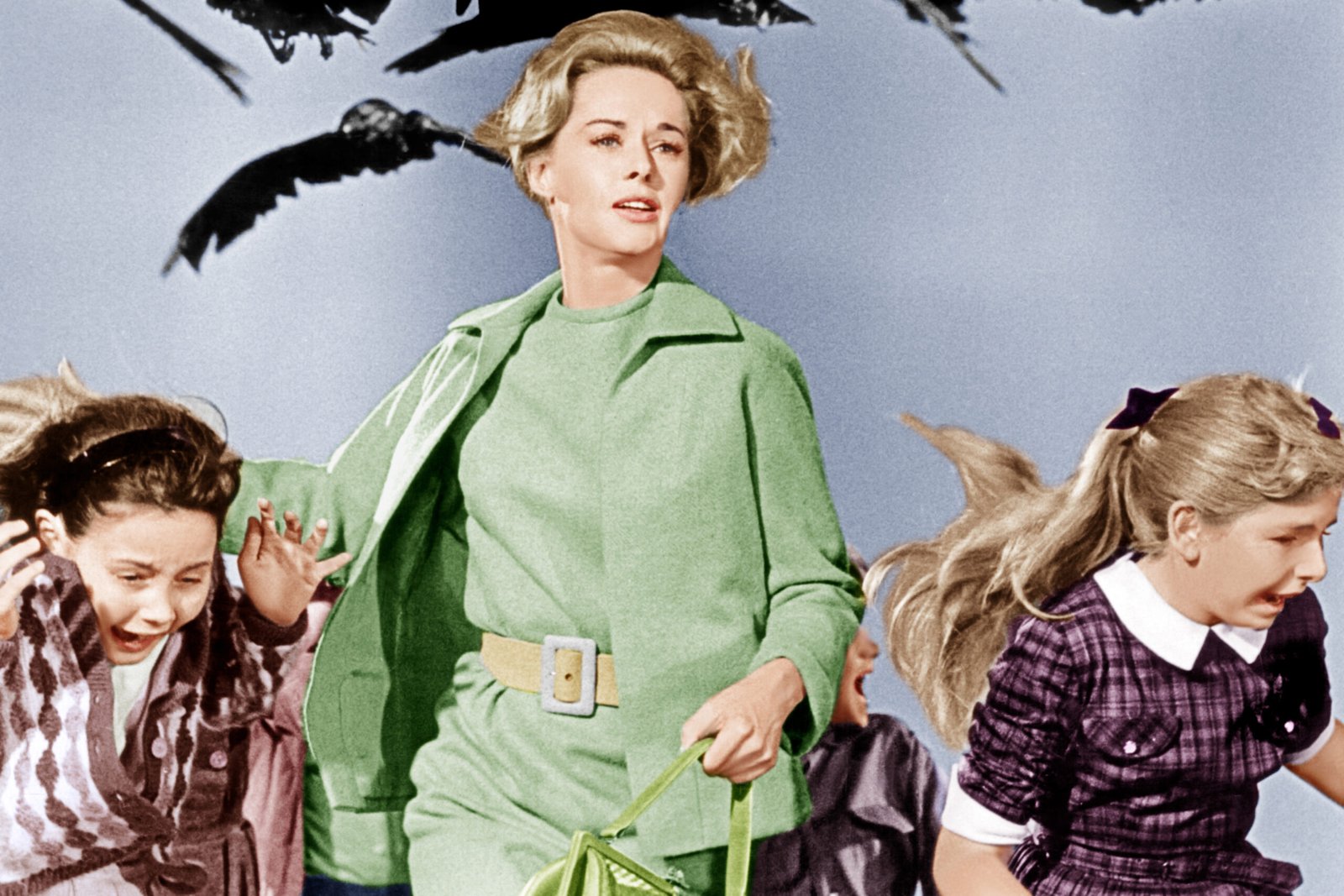
Taylor and Hedren made an unlikely yet compelling onscreen pair. Their romance unfolded amid chaos, which made their connection feel even more urgent. Taylor played his character with grounded charm and steady confidence. Hedren brought an intriguing mix of glamour and vulnerability. Together, they created a bond that made audiences root for them through the film’s most frightening moments. Their growing affection helped balance the tension. Viewers found comfort in their relationship even as the story grew darker.
Hitchcock kept their romance understated, but that subtlety worked in their favor. The two performers found a natural rhythm that made their quieter scenes stand out. Hedren’s character softened as she spent more time with Taylor’s, which added emotional weight to the unfolding danger. Fans appreciated how believable their connection felt in such an unusual scenario. Their dynamic gave the movie heart. It proved that even in a thriller, a steady romance can anchor the story.
12. Sean Connery and Daniela Bianchi in From Russia with Love
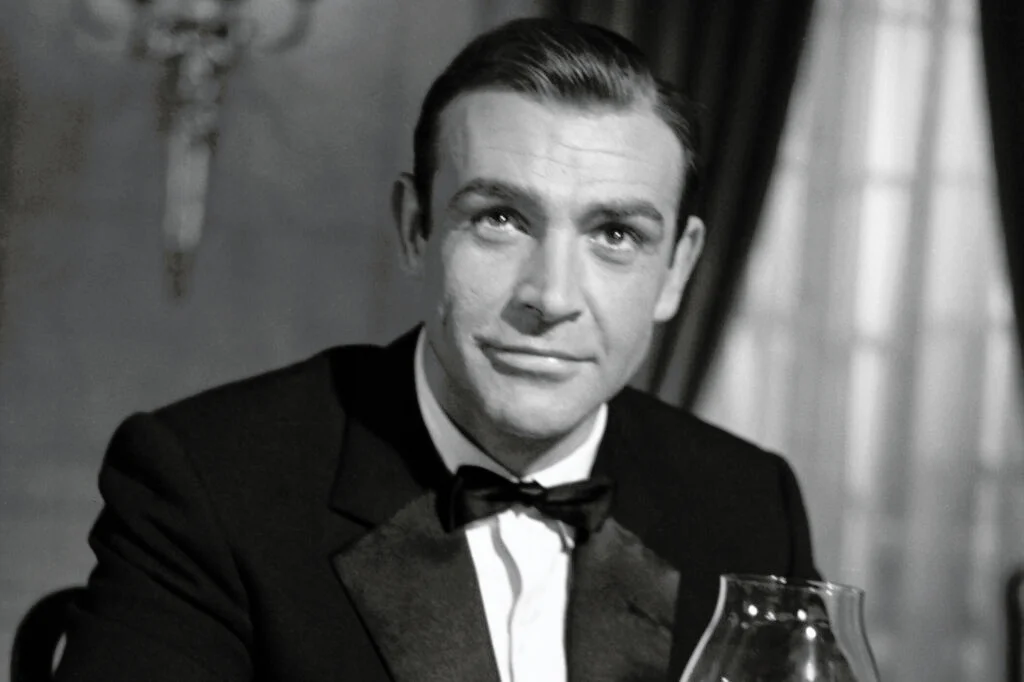
Connery and Bianchi gave audiences a romantic pairing filled with intrigue. As James Bond, Connery brought sophistication and charisma that captivated viewers instantly. Bianchi added innocence and elegance to her role as Tatiana Romanova. Their scenes together felt charged with suspense and attraction. The exotic settings only heightened the sense of adventure. Fans loved how their pairing embodied the stylish coolness of early Bond films. Their connection became one of the franchise’s most memorable romances.
The contrast between Bond’s confidence and Tatiana’s uncertainty made their dynamic compelling. Connery’s performance set the tone for every Bond romance that followed. Bianchi balanced that with sincerity that made her character feel more than just a plot device. Their chemistry held viewers’ attention through twists and turns. Audiences enjoyed watching them navigate danger and desire at the same time. The film cemented their place as one of the quintessential spy-movie couples of the decade.
13. Alain Delon and Romy Schneider in La Piscine
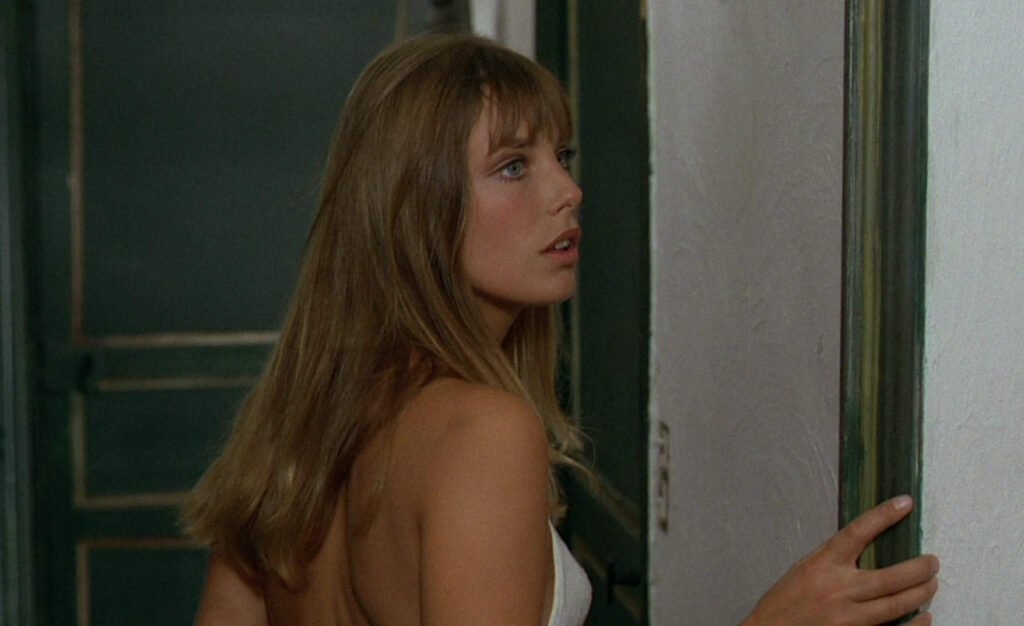
Delon and Schneider created a simmering, sun-soaked romance that drew viewers in. Their characters’ relationship was sensual, complicated, and layered with tension. Delon brought a brooding presence that made every silence meaningful. Schneider added emotional nuance that gave the story depth. Together, they built a romance that felt both intimate and unsettling. The film captured the kind of love that lingers long after the credits roll. Their chemistry became a defining element of the movie.
Fans were fascinated by how real their connection felt. Their history as a real-life couple added another layer to their performances. Delon’s intensity contrasted beautifully with Schneider’s softness. They conveyed jealousy, affection, and longing with the smallest gestures. The result was a romance that felt emotionally rich. Viewers still consider them one of the most mesmerizing couples of ’60s cinema. Their pairing showed how powerful quiet tension can be.
14. Natalie Wood and Steve McQueen in Love with the Proper Stranger
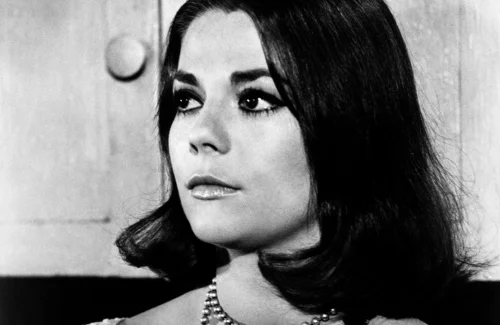
Wood and McQueen delivered a romance full of vulnerability and grit. Their characters were imperfect and trying to navigate complicated emotions. Wood brought honesty to the role, showing the tenderness and strength her character needed. McQueen balanced his cool persona with surprising warmth. Their scenes felt grounded in real-world struggles rather than fantasy. Audiences appreciated how relatable their connection was. It became one of the decade’s most heartfelt love stories.
Their chemistry was undeniable from the start. Wood’s expressive performance captured the uncertainty of falling for someone unexpected. McQueen’s subtle charm made his character more endearing as the film progressed. Fans were drawn to how gently their relationship developed. Their pairing stood out because it felt sincere. The movie offered a realistic portrait of love in all its messiness. It remains a standout romance that defined the era.


