
1. The Graduate
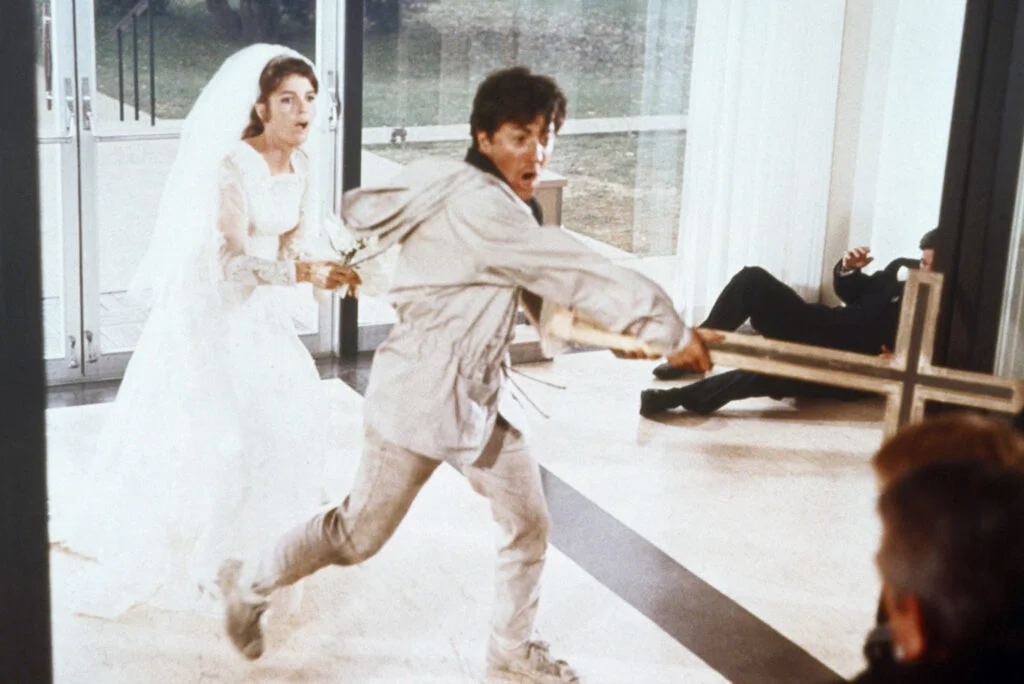
Few soundtracks are as instantly recognizable as this one, and it still feels like shorthand for youthful confusion and quiet rebellion. The use of Simon & Garfunkel songs gave the film a modern, almost diary-like quality that felt brand new at the time. Tracks like “The Sound of Silence” didn’t just play in the background, they seemed to speak for Benjamin when he couldn’t. It made the movie feel deeply personal, like you were inside his head.
What’s remarkable is how sparingly the music is used, which makes every cue land harder. The soundtrack doesn’t tell you what to feel so much as sit beside you while you figure it out. Even now, hearing those songs instantly conjures drifting pool floats, empty stares, and that sense of being stuck between childhood and adulthood. It’s a mood that never really ages.
2. West Side Story
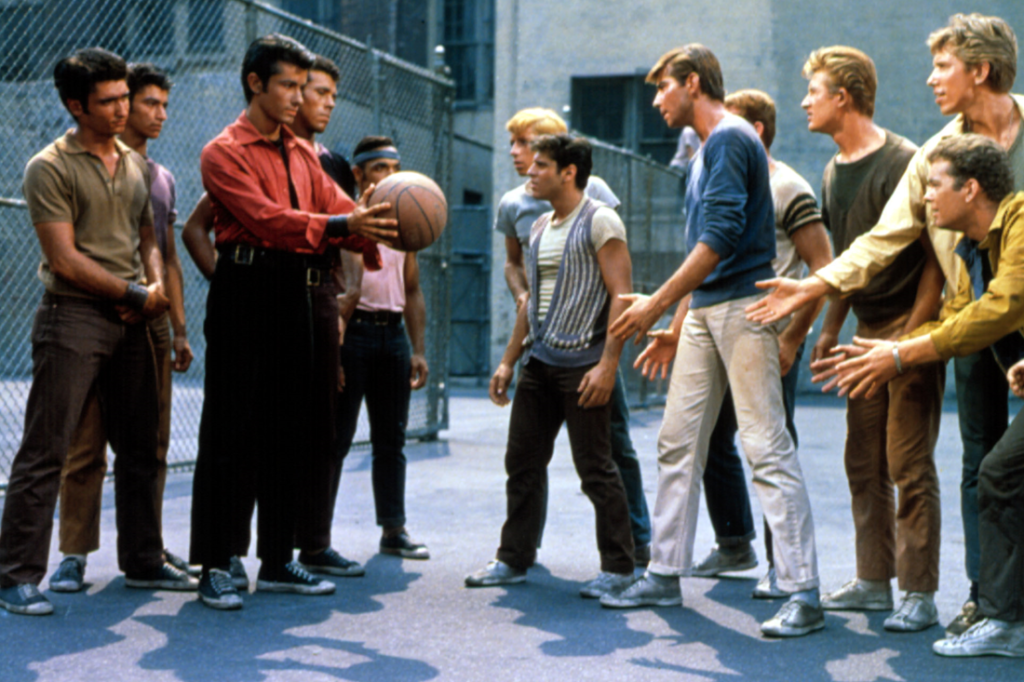
This soundtrack didn’t just support the story, it powered it. Leonard Bernstein’s score turned rivalry, romance, and heartbreak into something operatic and urgent. Songs like “Tonight” and “America” carried enormous emotional weight while still feeling catchy and immediate. You didn’t need to understand the choreography to feel what was at stake.
What makes it endure is how seamlessly music and story are fused. The songs move the plot forward rather than stopping it cold. Even people who don’t think they like musicals often respond to this one. It sets a tone that is passionate, tragic, and unmistakably urban.
3. Breakfast at Tiffany’s
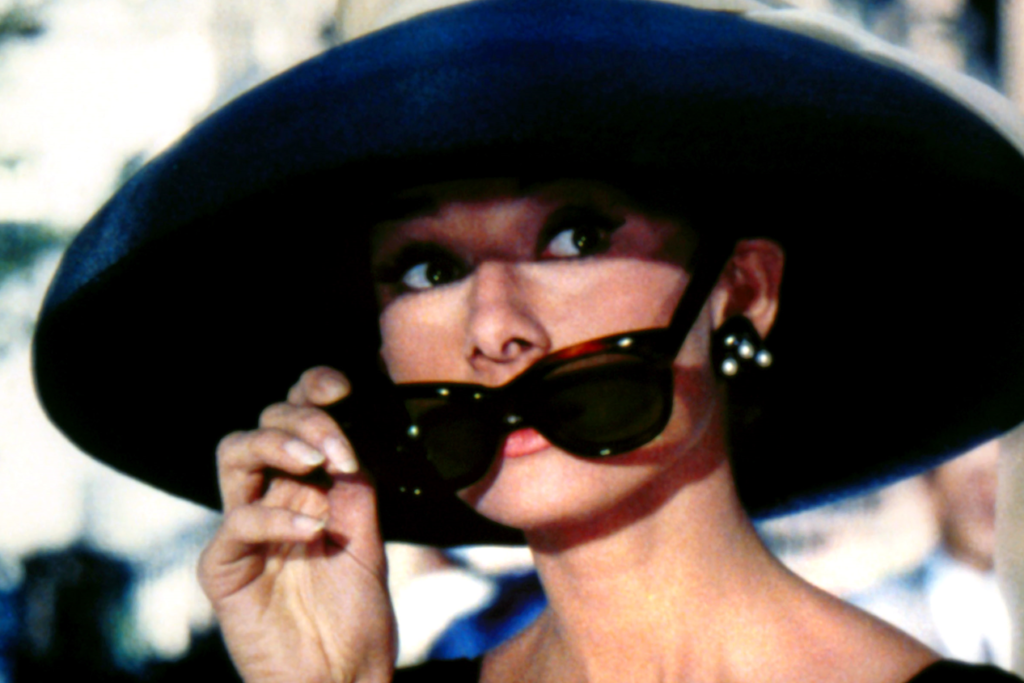
This soundtrack is practically synonymous with elegance and longing. Henry Mancini’s score, especially “Moon River,” wraps the film in a soft, wistful glow. The music mirrors Holly Golightly’s outward charm and inner loneliness in a way dialogue never quite could. It feels gentle without being shallow.
There’s a breezy sophistication here that defines early ’60s cool. You can almost hear the city waking up in those opening notes. The soundtrack makes New York feel romantic and slightly sad all at once. It’s the sound of wanting something better without knowing how to get there.
4. Psycho
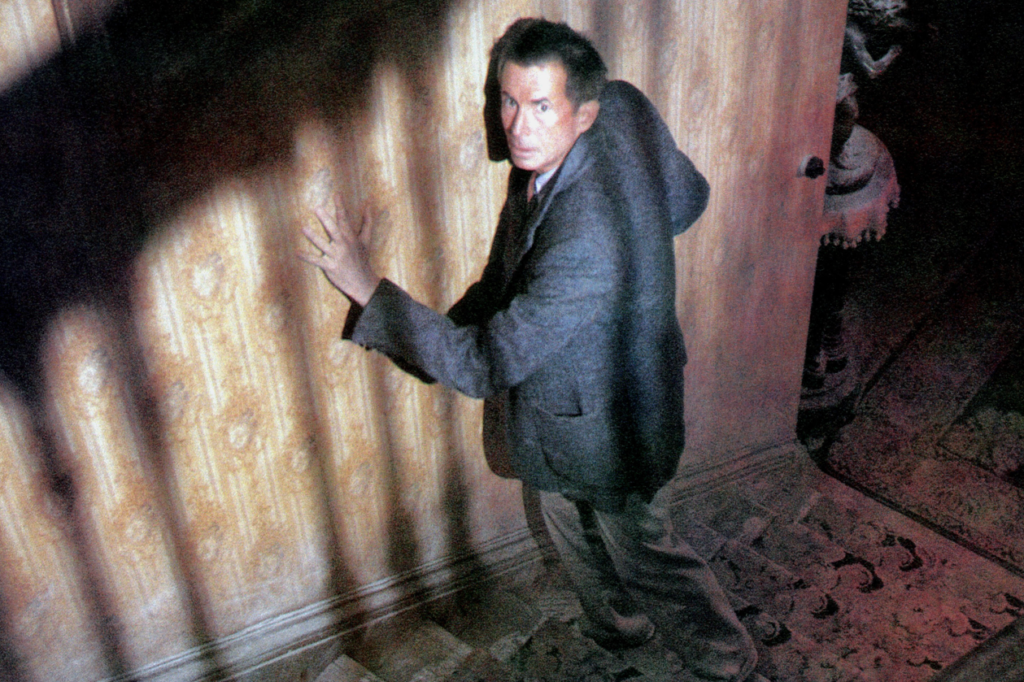
This is proof that music can be terrifying all on its own. Bernard Herrmann’s screeching strings rewired how thrillers sounded forever. The famous shower scene wouldn’t be nearly as shocking without that shrill, stabbing score. Even silence in this film feels tense because of what the music has taught you to expect.
What’s striking is the lack of warmth in the sound. There’s no comfort here, only unease. The music keeps you on edge even during calm moments. It’s a soundtrack that makes your shoulders tense before you even realize why.
5. A Hard Day’s Night
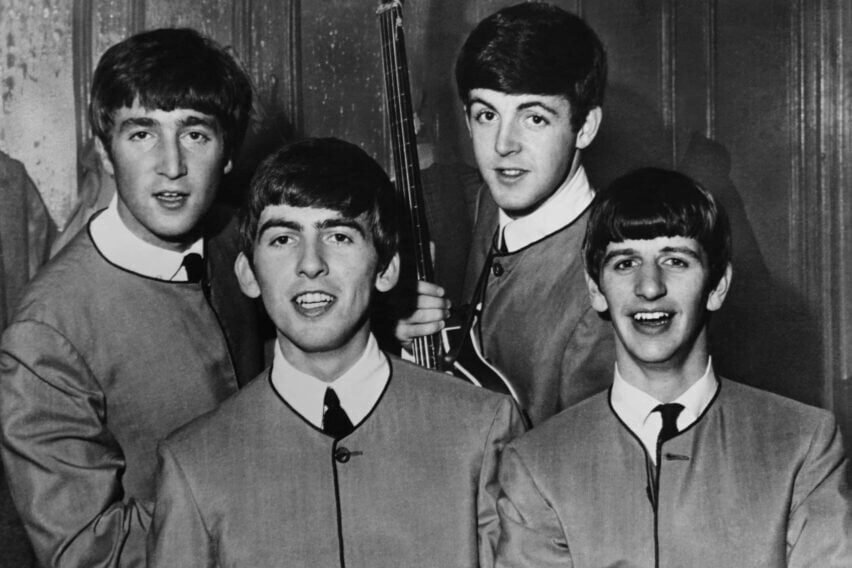
This soundtrack captures the sheer joy of Beatlemania at full speed. The songs feel loose, playful, and bursting with energy, perfectly matching the film’s chaotic charm. It sounds like youth, freedom, and inside jokes you wish you were part of. Even the black-and-white visuals seem to bounce along with the music.
What really works is how unpolished it feels. The music doesn’t try to be grand or serious. It’s fun, fast, and completely confident. The soundtrack turns the movie into a time capsule of a very specific cultural moment.
6. The Good, the Bad and the Ugly
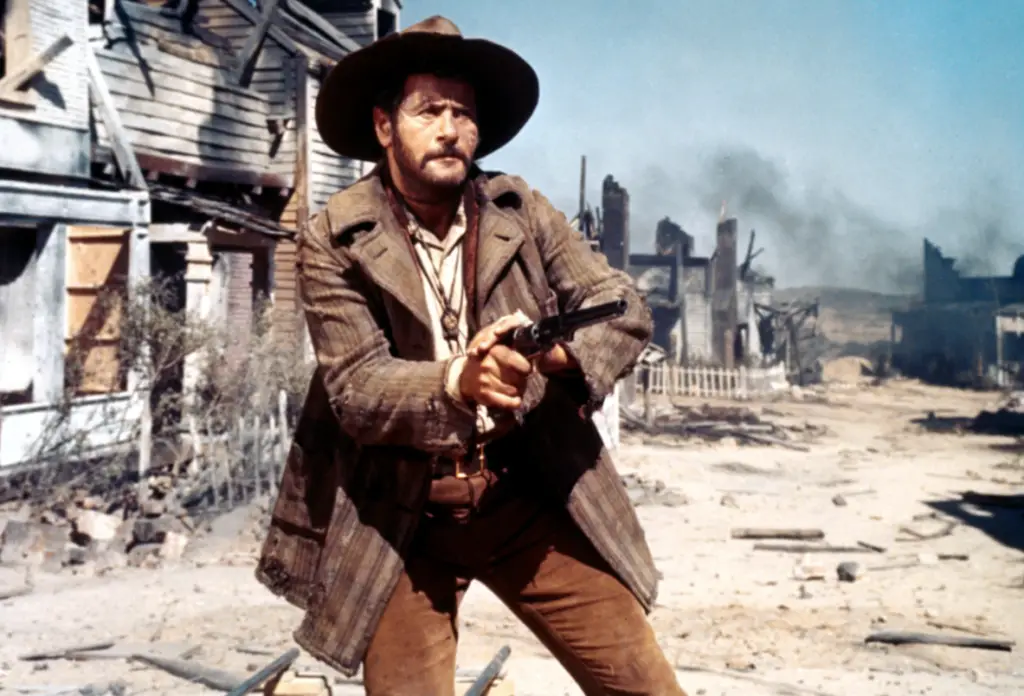
Ennio Morricone’s score is practically a character in this film. Those whistles, chants, and twanging guitars instantly place you in a dusty, lawless world. The music builds tension slowly, stretching moments until they feel unbearable. It makes staring contests feel epic.
The soundtrack redefined what a Western could sound like. Instead of traditional orchestration, it leaned into something stranger and more modern. You can hear its influence everywhere now. It’s bold, stylized, and unforgettable.
7. Midnight Cowboy
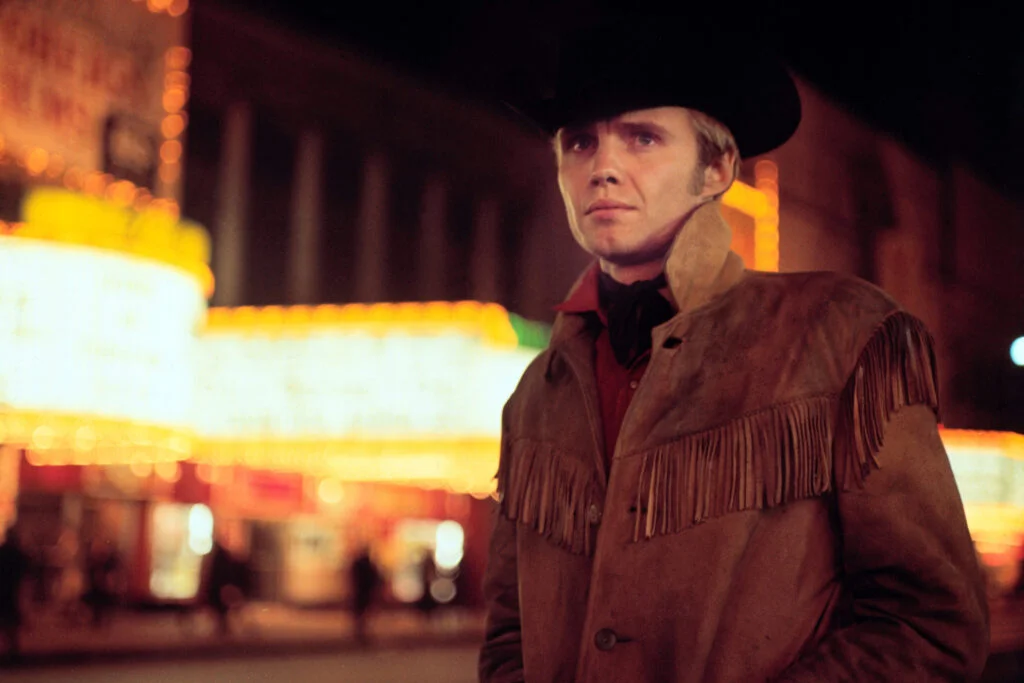
This soundtrack perfectly captures the loneliness of late-’60s New York. The use of “Everybody’s Talkin’” gives the film a drifting, disconnected feel. It sounds like someone wandering through a crowd while feeling completely alone. The music makes the city feel both exciting and isolating.
What works so well is the contrast between folk warmth and urban grit. The soundtrack doesn’t glamorize the characters’ struggles. Instead, it sits with them quietly. It leaves you feeling reflective long after the movie ends.
8. Lawrence of Arabia
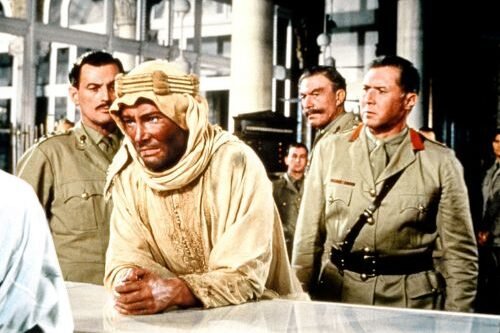
This score is vast, sweeping, and unapologetically epic. Maurice Jarre’s music makes the desert feel endless and overwhelming. Every theme seems to stretch as far as the horizon. It’s impossible not to feel small while listening to it.
At the same time, the soundtrack has a haunting quality beneath its grandeur. It reflects both adventure and obsession. The music mirrors Lawrence’s inner transformation just as much as the external journey. It’s majestic, but never simple.
9. Blow-Up
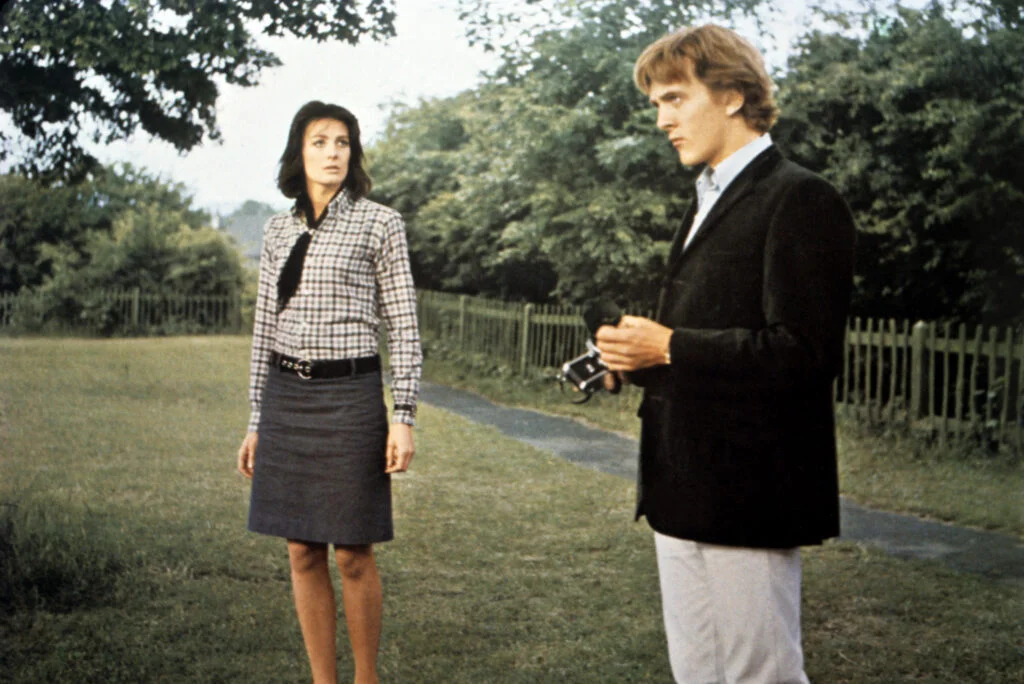
This soundtrack feels cool, detached, and slightly unsettling. The mix of jazz, ambient sounds, and a Yardbirds performance captures Swinging London at its most elusive. The music never fully explains what you’re feeling, which is exactly the point. It leaves space for ambiguity.
Rather than guiding your emotions, the soundtrack keeps you guessing. It fits a film about perception and uncertainty perfectly. Everything feels stylish but just out of reach. The music lingers like an unanswered question.
10. The Sound of Music
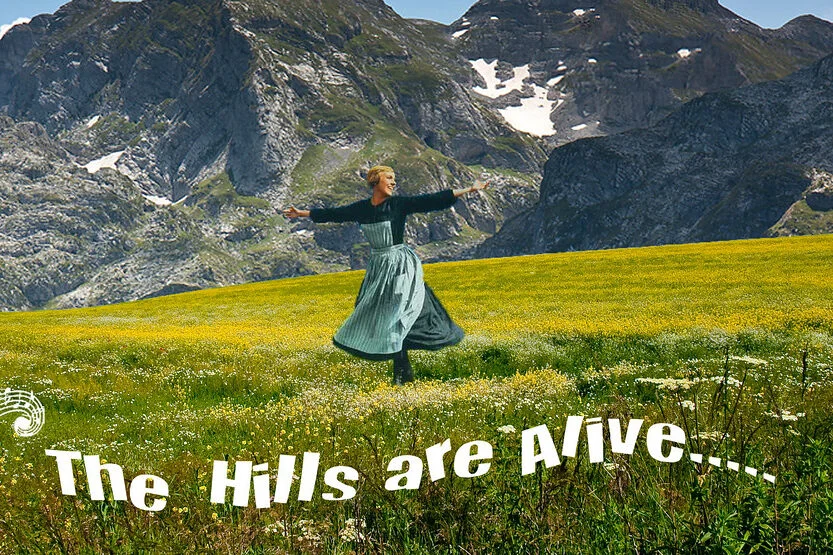
This soundtrack radiates warmth and optimism. The songs are bright, memorable, and emotionally direct. Music is used as a source of comfort, joy, and connection. It’s hard not to feel lifted when those opening notes hit.
What gives it lasting power is its sincerity. The songs aren’t ironic or winking at the audience. They believe in themselves completely. The soundtrack sets a tone of hope that carries the entire film.
11. Easy Rider
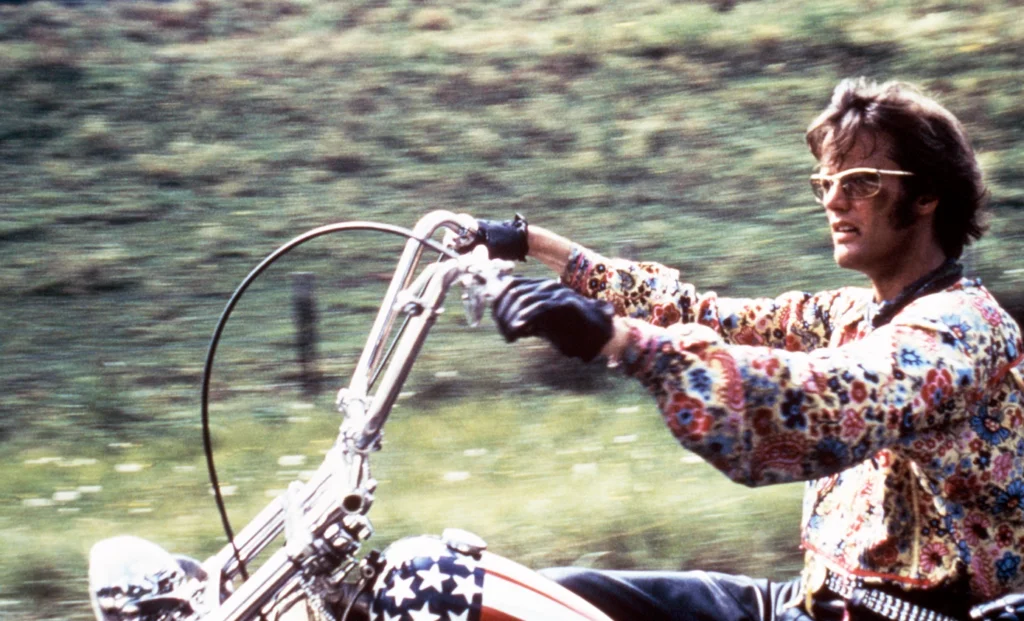
This soundtrack feels like freedom on two wheels. Featuring contemporary rock songs, it grounded the film firmly in its moment. The music plays like a radio dial turned to the counterculture. It makes the open road feel endless and inviting.
What’s powerful is how naturally the songs blend into the scenes. They don’t feel added on, they feel lived in. The soundtrack captures a generation searching for something better. It’s restless, rebellious, and bittersweet.
12. Goldfinger
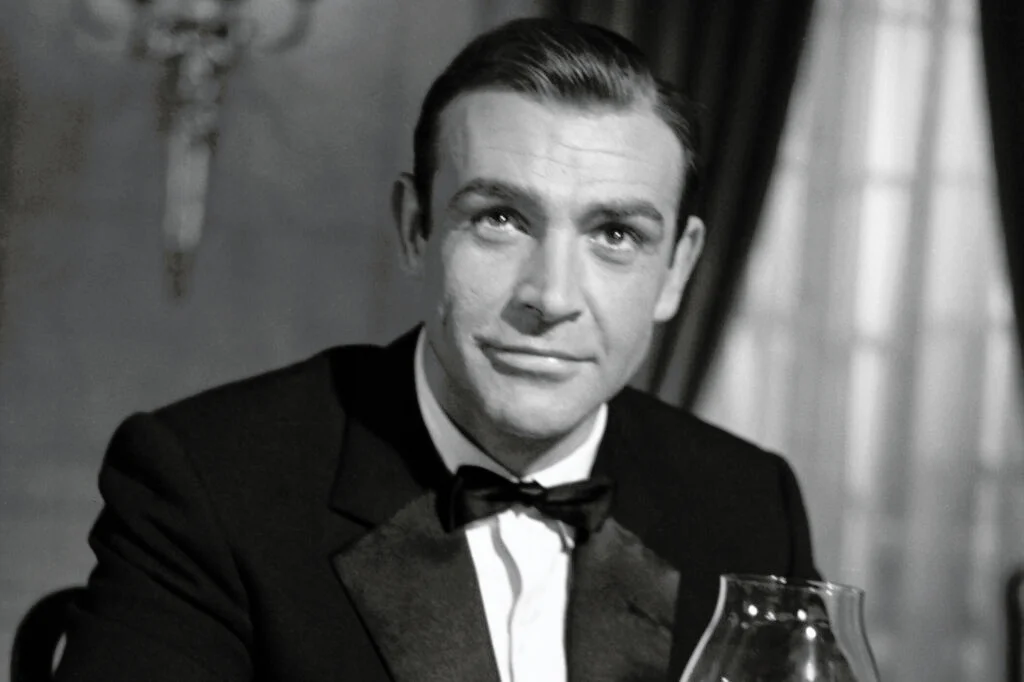
This soundtrack set the template for Bond films going forward. The bold brassy theme announces danger, glamour, and confidence all at once. Shirley Bassey’s vocals feel larger than life. The music makes every moment feel important.
There’s a sleek sophistication running through the entire score. It elevates even simple scenes into something iconic. You can hear the promise of adventure in every note. The soundtrack practically defines cool.
13. To Kill a Mockingbird

This score is quiet, gentle, and deeply emotional. Elmer Bernstein’s music reflects childhood innocence and moral gravity at the same time. It feels reflective rather than manipulative. The soundtrack allows the story’s themes to breathe.
The simplicity of the music is its greatest strength. It never overpowers the performances. Instead, it lingers softly in the background. The mood it sets is thoughtful, compassionate, and timeless.
14. Doctor Zhivago
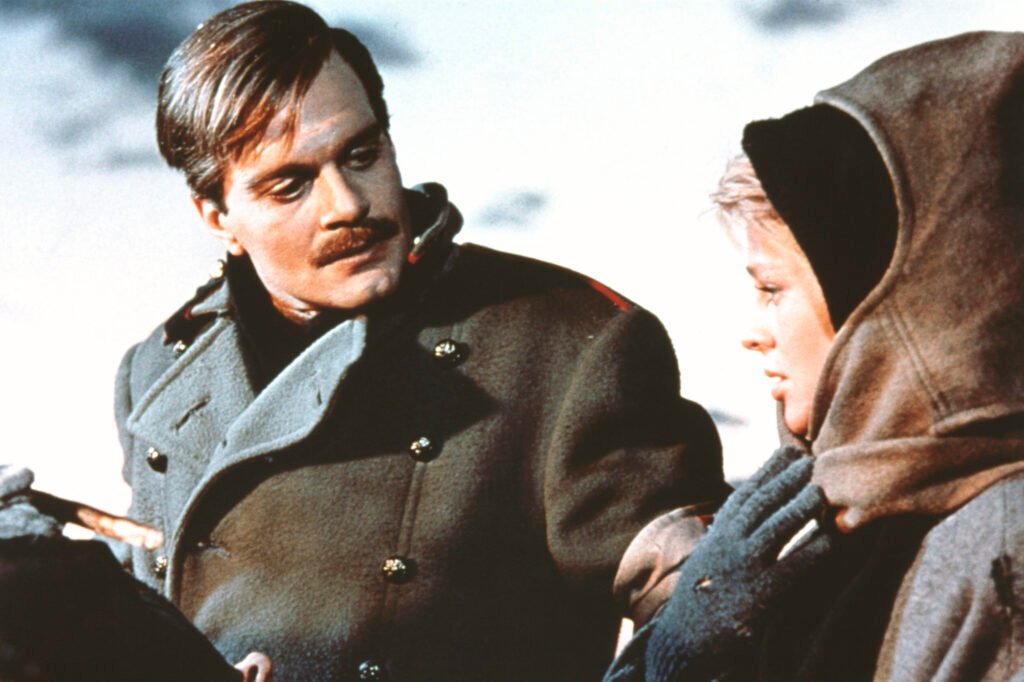
This soundtrack is lush and romantic, filled with longing. Lara’s Theme alone carries enormous emotional weight. The music makes love and loss feel epic rather than private. It wraps the film in sweeping emotion.
What stands out is how deeply the score ties into memory and nostalgia. The themes return again and again, reshaped by circumstance. The music becomes a reminder of what’s been lost. It’s beautiful, melancholic, and unforgettable.