
1. Steve McQueen

Steve McQueen had a way of making stillness feel dangerous, like something was about to explode even when he barely moved. In the ’60s, he became the ultimate cool antihero, the guy who didn’t explain himself and didn’t need to. Films like Bullitt and The Thomas Crown Affair made restraint look magnetic, proving that silence could be more powerful than dialogue. He dressed simply, drove fast, and never looked like he was trying, which only added to the mystique. McQueen didn’t chase approval, he radiated indifference, and audiences couldn’t look away.
What made McQueen so compelling was that his cool felt earned, not polished. He came across as someone who’d seen enough of the world to stop impressing it. Even when he played cops or criminals, there was a sense that he was operating by his own code. That authenticity is why his image still feels modern decades later. McQueen didn’t just star in movies, he embodied an attitude people wanted to copy.
2. Paul Newman
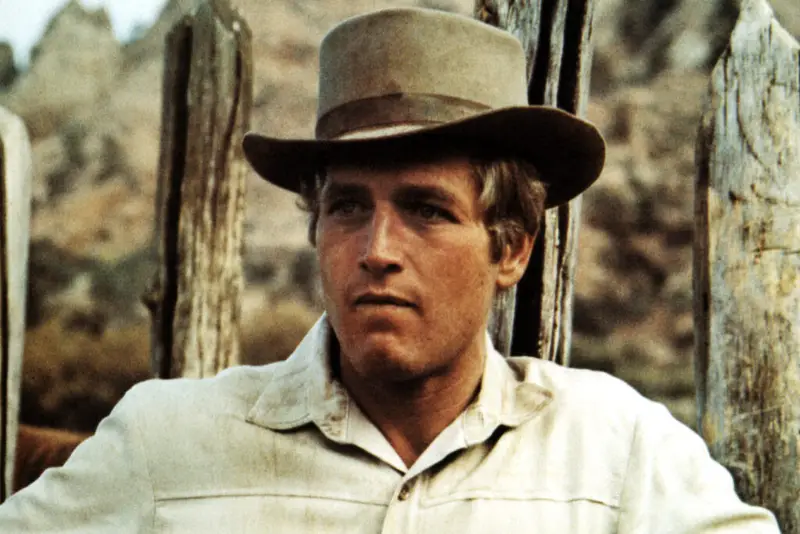
Paul Newman combined movie star looks with an easy intelligence that made him endlessly watchable. In the ’60s, his blue eyes became iconic, but it was his warmth and wit that really defined his appeal. Movies like Cool Hand Luke and Hud showed a man who could be rebellious without being cruel. Newman’s cool came from empathy, not detachment, which set him apart from tougher screen personas of the era.
He often played characters who questioned authority or quietly resisted expectations. That subtle defiance resonated with audiences living through a decade of change. Newman never seemed impressed with his own fame, and that humility only enhanced his charisma. He felt like someone you could talk to, not just admire from afar. That blend of confidence and kindness is why his cool never went out of style.
3. Sidney Poitier
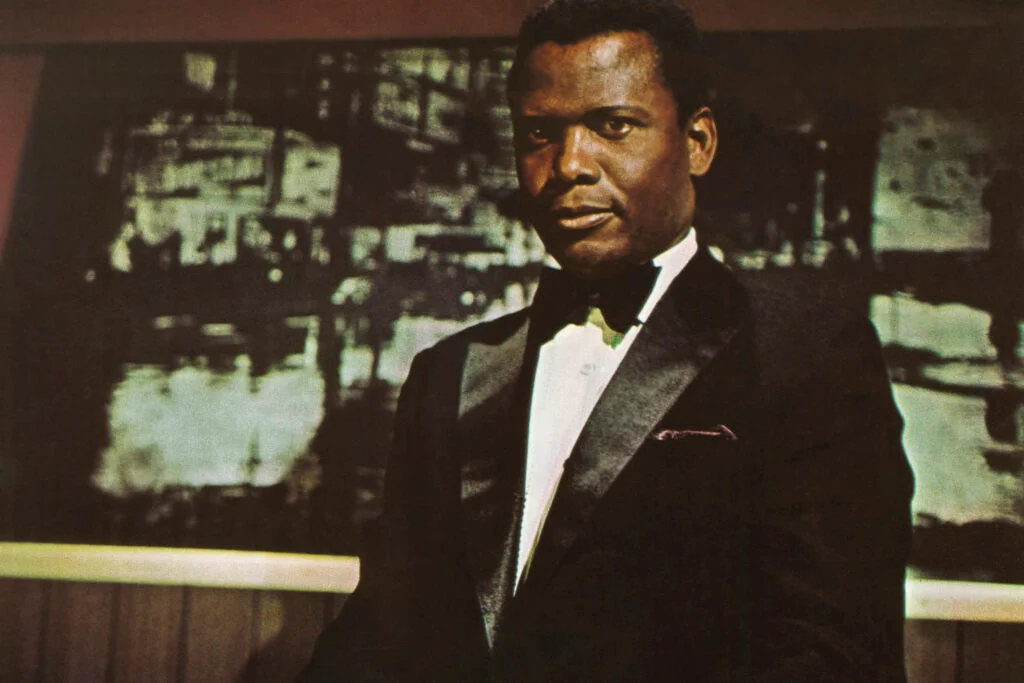
Sidney Poitier redefined what cool could look like in Hollywood during the ’60s. He brought intelligence, dignity, and quiet authority to every role, often in films that carried real cultural weight. Performances in In the Heat of the Night and Guess Who’s Coming to Dinner weren’t flashy, but they were commanding. Poitier’s calm presence made him impossible to dismiss, even when the material challenged audiences.
His cool was rooted in composure and moral strength rather than swagger. He didn’t raise his voice to dominate a scene, he simply held it. At a time when representation mattered deeply, Poitier showed that grace could be powerful. He projected confidence without arrogance and conviction without aggression. That kind of cool changed Hollywood permanently.
4. Clint Eastwood

Clint Eastwood’s rise in the ’60s introduced a leaner, tougher version of movie stardom. His roles in Sergio Leone’s Dollars Trilogy turned him into a symbol of quiet menace and self control. Eastwood didn’t explain his characters, he let glances and pauses do the work. That minimalism made his presence feel dangerous and deliberate.
He looked like someone who spoke only when necessary and meant every word. The poncho, the squint, the slow confidence all became instantly recognizable. Eastwood’s cool wasn’t friendly, it was intimidating in the calmest possible way. Audiences sensed that his characters lived by their own rules. That stripped down style set the tone for decades of screen tough guys.
5. James Garner
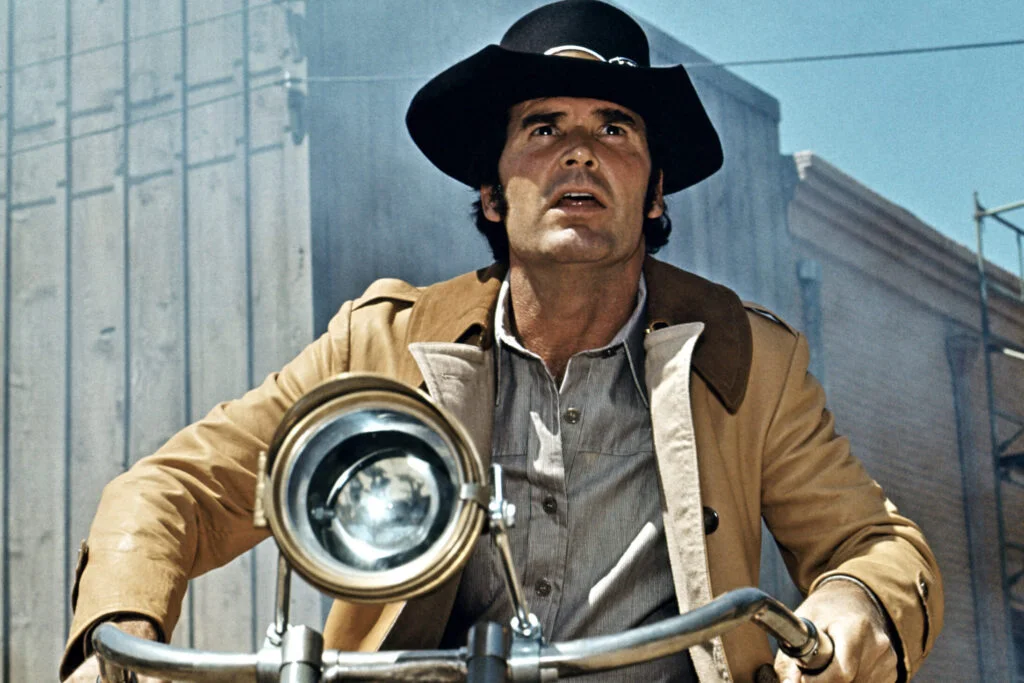
James Garner made cool look effortless and approachable. In the ’60s, he mastered the role of the smart, slightly amused outsider who always seemed one step ahead. Whether on television or in films like The Great Escape, Garner projected intelligence without arrogance. He smiled easily, but you could tell he was always thinking.
His cool came from charm and timing rather than intensity. Garner had a way of underplaying scenes that made everyone else look like they were trying too hard. He felt modern, relaxed, and emotionally open in a time when many leading men stayed stiff. That balance made him relatable without sacrificing star power. Garner’s version of cool felt like someone you’d actually want to hang out with.
6. Robert Redford
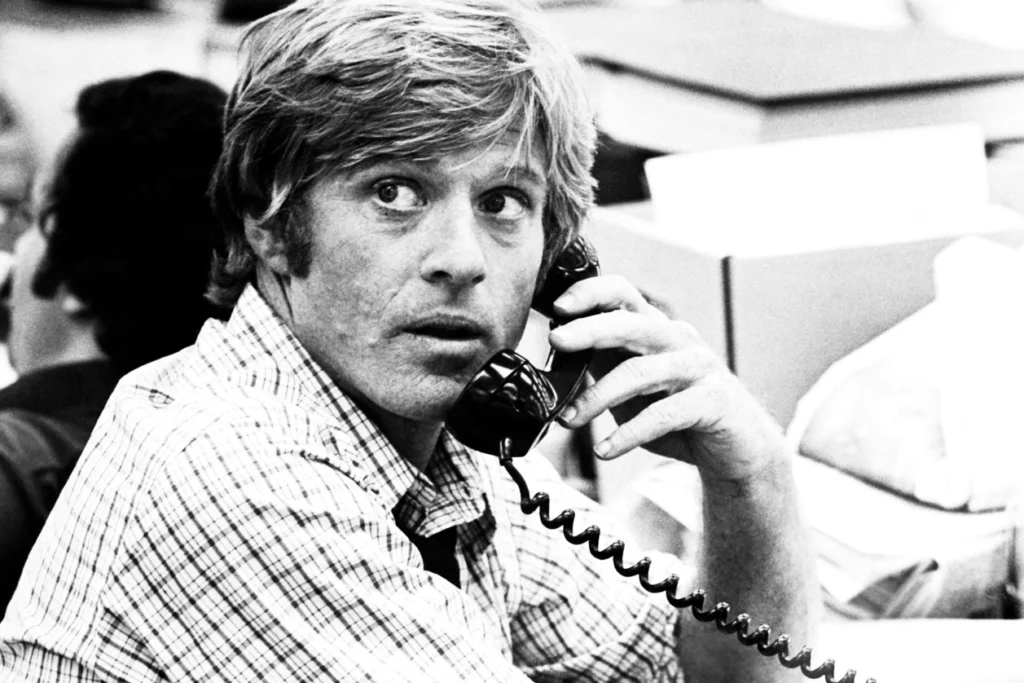
Robert Redford emerged in the ’60s as a different kind of leading man, thoughtful, polished, and quietly confident. His roles hinted at depth beneath the handsome exterior, especially as the decade progressed. Redford didn’t rush emotions, he let them unfold naturally on screen. That patience gave his performances a sense of authenticity.
His cool was refined but never cold. He seemed aware of his own intelligence and wasn’t afraid to let characters wrestle with doubt. Redford’s calm intensity suggested someone comfortable in his own skin. Even early on, he carried himself like a man who would only get more interesting with time. That slow burn appeal made him a lasting icon.
7. Sean Connery
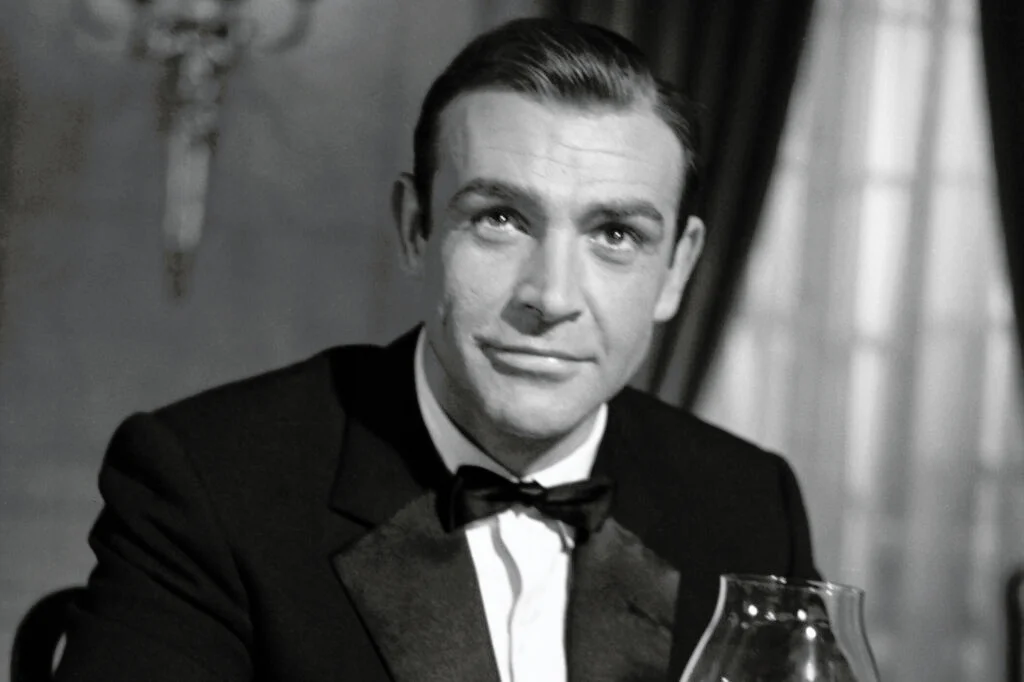
Sean Connery redefined movie star cool by making confidence look luxurious. As James Bond in the ’60s, he blended toughness with sophistication in a way no one had before. Connery could deliver a threat and a joke with the same steady voice. His Bond wasn’t frantic or flashy, he was assured and unbothered.
That self possession became his signature. Connery moved like a man who knew exactly who he was and didn’t need to prove it. Even outside of Bond, that commanding presence never faded. He made elegance feel masculine and strength feel calm. That combination set a new standard for leading men.
8. Paul Winfield

Paul Winfield brought quiet strength and emotional intelligence to his roles in the ’60s. He wasn’t flashy, but his performances stayed with you long after the scene ended. Winfield had a grounded presence that made his characters feel real and lived in. His cool came from sincerity rather than showmanship.
He conveyed authority without stiffness and warmth without sentimentality. Winfield’s style reflected a kind of everyday cool that felt deeply human. He didn’t need big speeches to make an impact. That naturalism made his work resonate with audiences looking for authenticity. His legacy rests on that steady, confident realism.
9. George Peppard
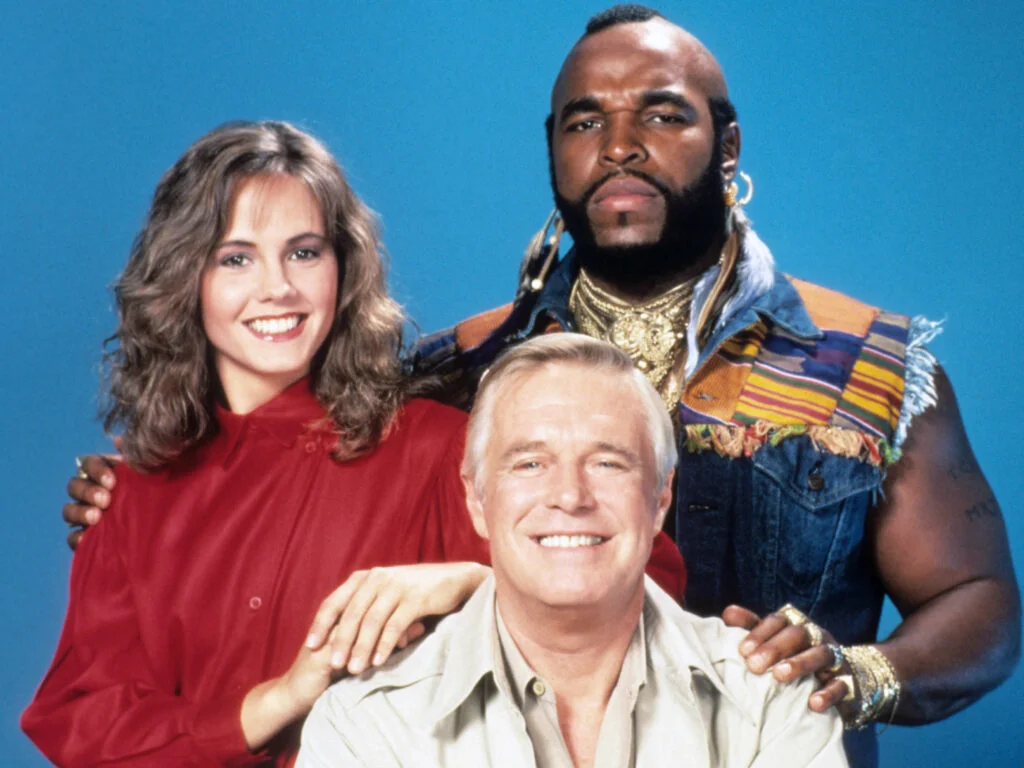
George Peppard carried himself with old school polish that still felt contemporary in the ’60s. He often played confident professionals who seemed completely at ease in high pressure situations. Peppard had a smooth voice and a relaxed physicality that sold authority without effort. His characters felt capable, not flashy.
That calm competence became his trademark. He didn’t rush scenes or overplay emotion, trusting the audience to follow along. Peppard’s cool came from control and consistency. He looked like someone you’d trust in a crisis. That dependable charisma made him a fixture of the decade.
10. Omar Sharif
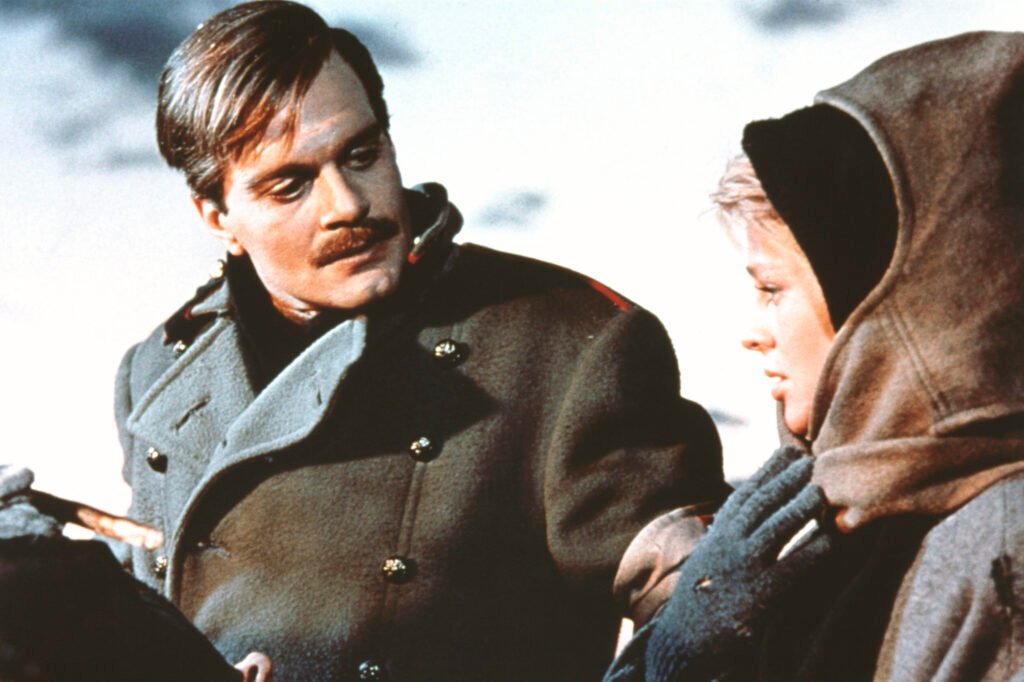
Omar Sharif brought international sophistication to Hollywood in the ’60s. His performances in films like Lawrence of Arabia made intelligence and sensitivity feel cinematic. Sharif had a romantic intensity that never tipped into melodrama. He conveyed depth through subtle expressions and measured delivery.
His cool was thoughtful and introspective rather than bold. Sharif made vulnerability look strong, which was rare at the time. He carried himself with elegance that crossed cultural boundaries. That global appeal added a new dimension to Hollywood stardom. His presence expanded the definition of leading man cool.
11. Warren Beatty
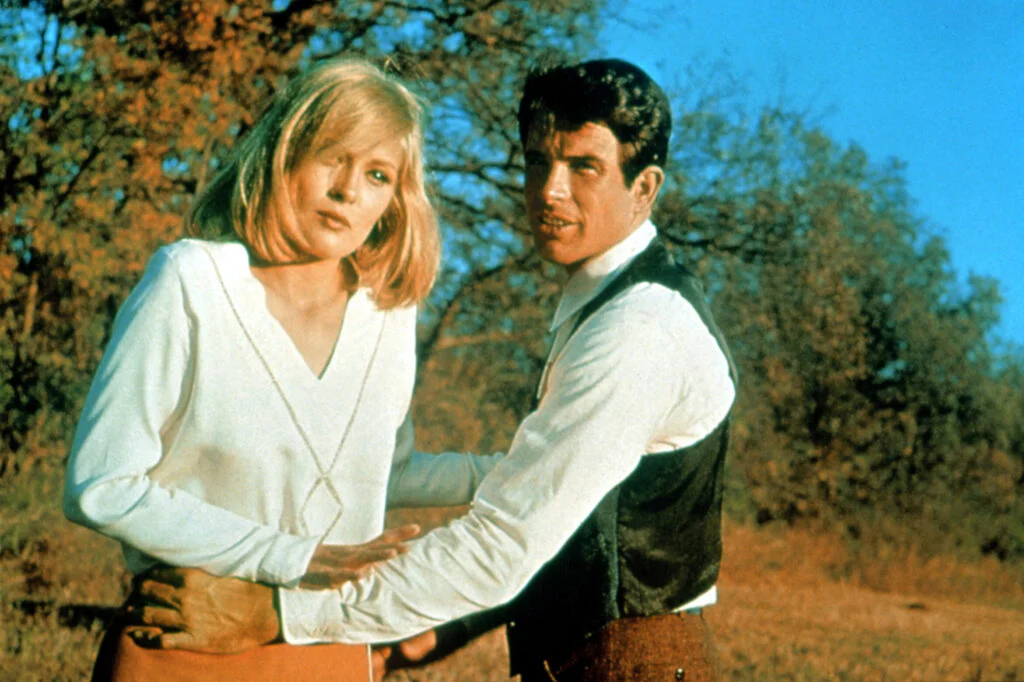
Warren Beatty embodied the restless energy of the ’60s in a way few actors could. He mixed confidence with curiosity, always seeming aware of the cultural moment around him. Films like Bonnie and Clyde captured a rebellious spirit that felt dangerous and exciting. Beatty’s cool came from pushing boundaries rather than playing it safe.
He looked like someone questioning the rules even as he benefited from them. That tension made his performances feel alive. Beatty wasn’t content to be admired, he wanted to provoke. His style reflected a generation in motion. That edge defined his particular brand of cool.
12. Yul Brynner

Yul Brynner had one of the most striking screen presences of the ’60s. His shaved head and commanding posture made him instantly recognizable. Brynner projected authority without excess, often dominating scenes with stillness alone. He didn’t blend in, and he never needed to.
His cool came from confidence in his own uniqueness. Brynner owned the space he occupied, no matter the role. There was a sense of discipline and control in his performances. He made restraint look powerful. That distinctive presence turned him into a true original.
13. Anthony Quinn

Anthony Quinn brought raw physicality and emotional depth to his ’60s roles. He felt larger than life without losing authenticity. Quinn’s characters were passionate, unpredictable, and deeply human. That intensity made him magnetic.
His cool wasn’t polished, it was visceral. Quinn made you believe his characters had lived full lives before the movie even started. He embraced flaws rather than smoothing them out. That honesty gave his performances weight. It was a different, earthier kind of cool that audiences respected.
14. Terence Stamp

Terence Stamp emerged in the ’60s with a sharp, modern edge that felt distinctly of the moment. His roles often carried a sense of danger beneath the surface calm. Stamp didn’t soften his intensity, he leaned into it. That made his performances feel electric.
His cool was stylish but unsettling. He looked like someone who might surprise you at any moment. Stamp represented a shift toward more complex, ambiguous leading men. He didn’t ask for approval, he demanded attention. That boldness cemented his place in the decade’s cinematic identity.