
1. “Thriller” – Michael Jackson

When this video premiered, it did not feel like a simple music clip, it felt like a television event. The extended runtime, dialogue, and horror movie structure made people plan their evening around watching it. Families gathered on couches the way they would for a major TV special. MTV suddenly felt less like background noise and more like appointment viewing.
The video raised expectations overnight. Viewers wanted stories, costumes, and spectacle instead of artists just singing into a camera. Jackson showed that a music video could feel cinematic and communal at the same time. After this, the way people watched TV music permanently changed.
2. “Take On Me” – a-ha
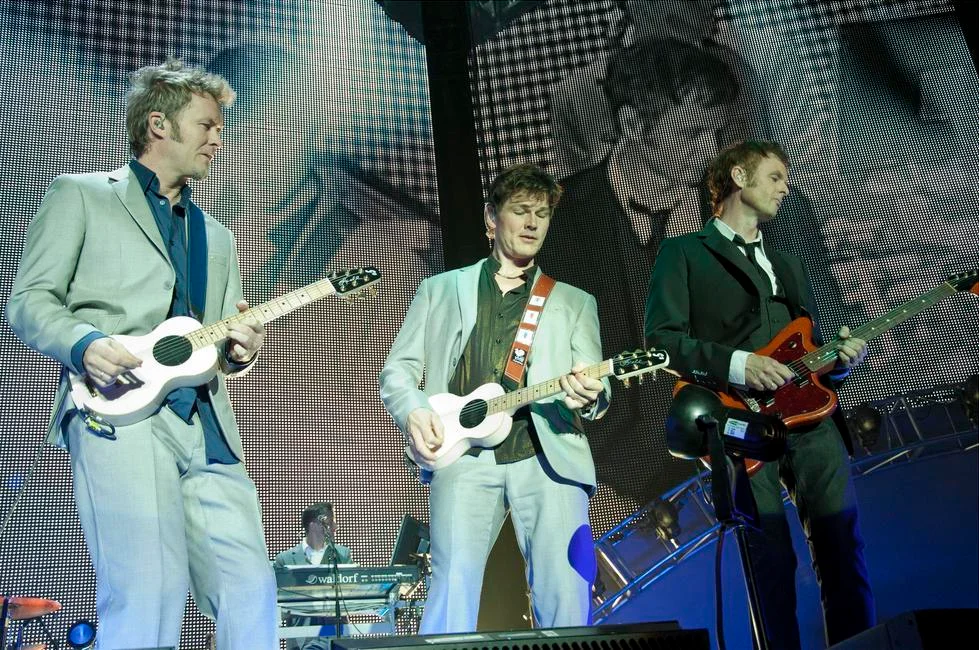
The first time that pencil sketch animation melted into live action, it felt like a magic trick on television. Viewers leaned closer to the screen, trying to figure out how it worked. The romantic storyline pulled people in even if they were not fans of the band. It was strange, emotional, and impossible to forget.
This video proved visuals could completely redefine a song. It also showed MTV audiences were willing to embrace experimental ideas. Animation suddenly felt like a serious creative tool. Watching music videos became more interactive and curious.
3. “Like a Prayer” – Madonna
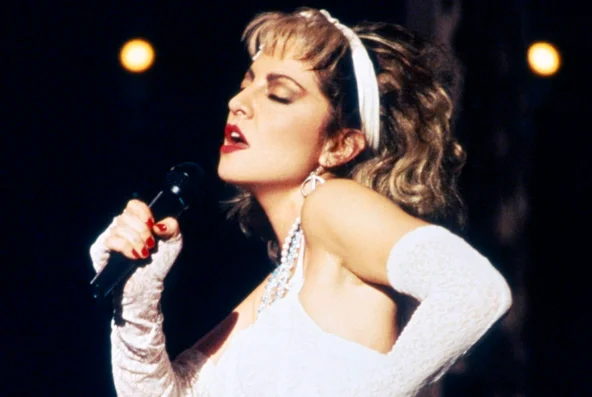
This video stopped people mid channel flip. The religious imagery and emotional intensity sparked immediate conversation and controversy. Viewers were not just watching, they were reacting and debating. Music television suddenly felt grown up.
Madonna pushed MTV into cultural commentary territory. The network became a place where artists could challenge viewers directly. Music videos were no longer just entertainment. They were part of larger conversations happening in living rooms.
4. “Money for Nothing” – Dire Straits

Those early computer animated figures looked futuristic and awkward at the same time. Viewers watched out of pure curiosity, trying to understand what they were seeing. The visuals felt like television peeking into the future. It made technology part of the spectacle.
The video also turned MTV into part of the joke. The channel became self aware and self referential. Watching TV music now included media commentary. It showed audiences that the medium could laugh at itself.
5. “Sledgehammer” – Peter Gabriel
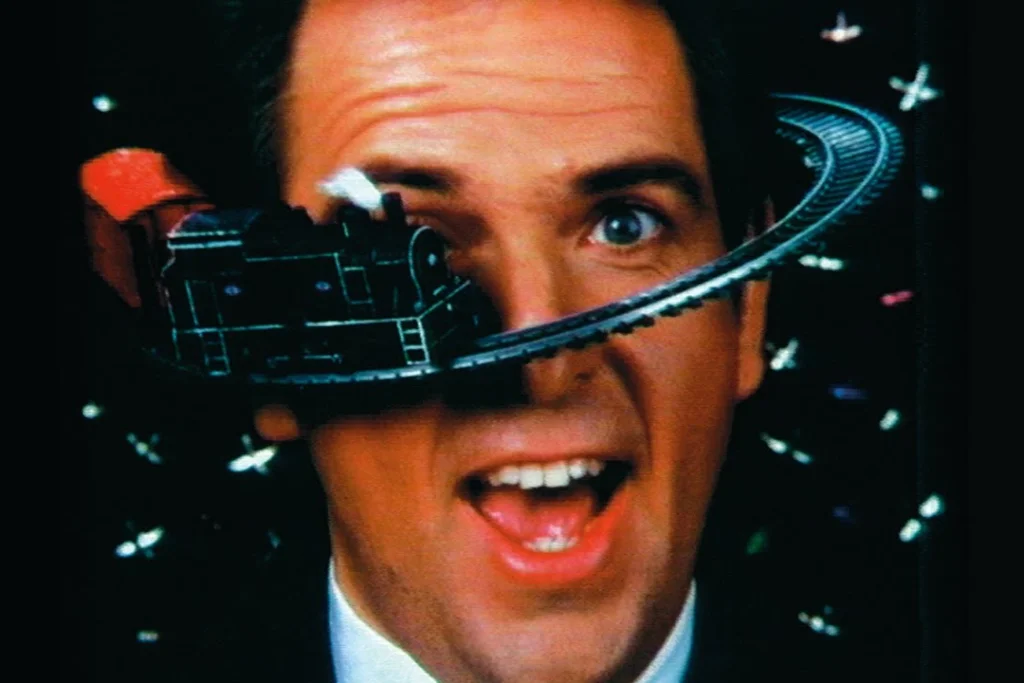
This video felt handcrafted and hypnotic. Stop motion, claymation, and visual tricks rewarded viewers who stayed glued to the screen. Every few seconds offered something new to notice. It made rewatching feel necessary.
The video proved creativity could rival big budgets. MTV became a place for visual experimentation. Music videos started feeling like art installations. Watching TV music became more about discovery.
6. “Video Killed the Radio Star” – The Buggles
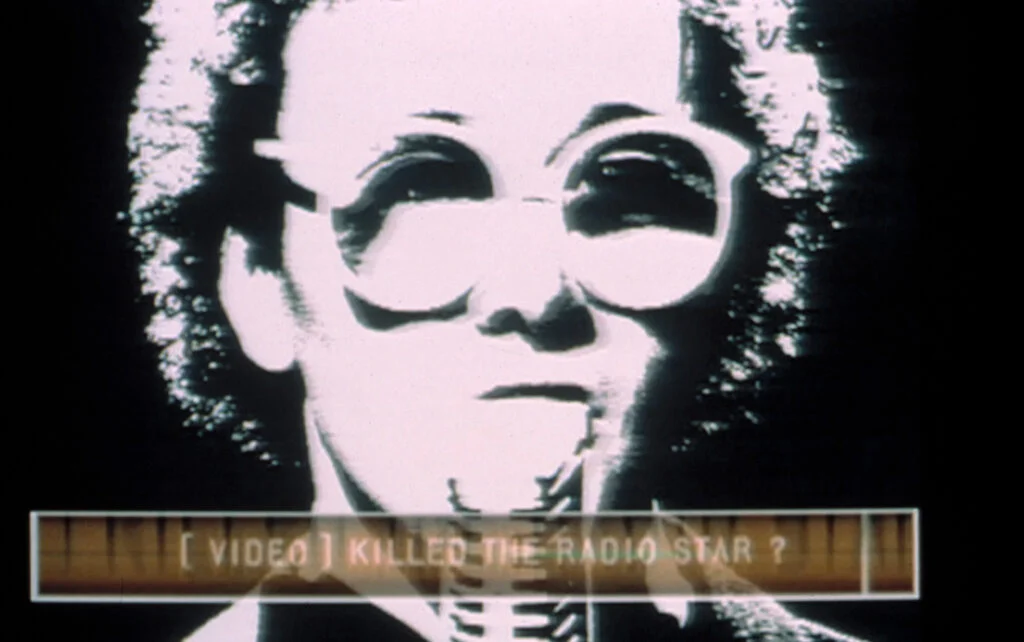
As MTV’s first video, it carried symbolic weight from the start. Viewers instantly understood music was no longer just something you heard. It announced a visual future for pop culture. Television itself felt different afterward.
The song became a mission statement for the channel. Music and TV were officially linked. The living room became a visual concert space. Watching music became inseparable from watching television.
7. “Girls Just Want to Have Fun” – Cyndi Lauper
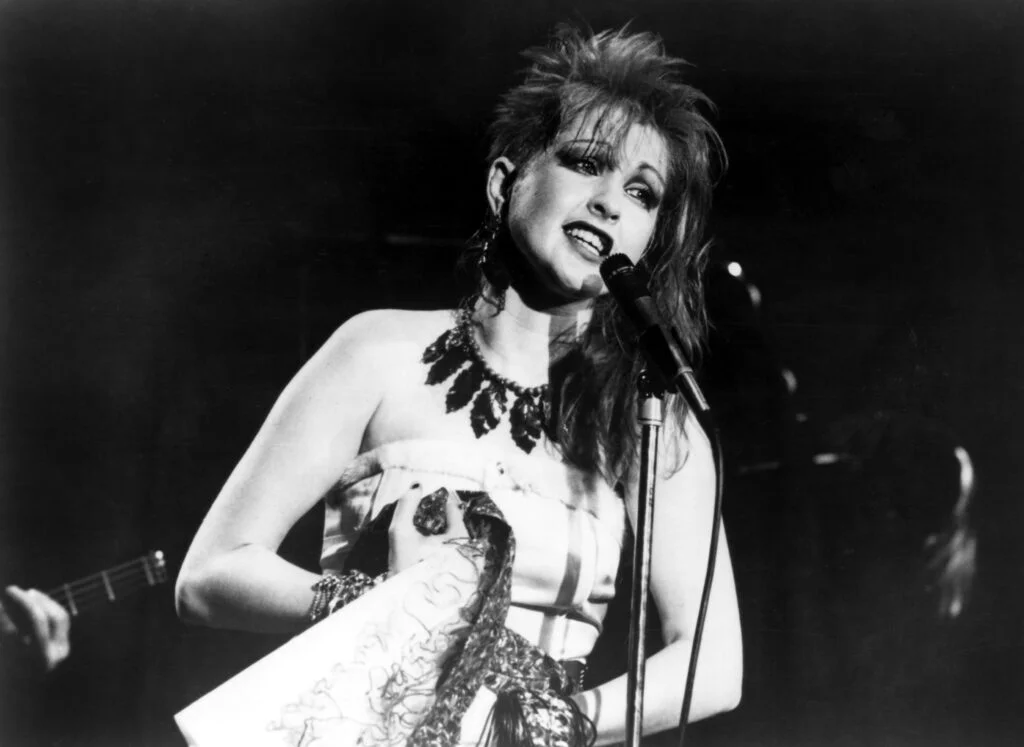
This video felt warm and personal rather than polished. Lauper’s personality pulled viewers in immediately. It looked like fun instead of performance. That made people stop and stay.
It showed that authenticity mattered. MTV became a place for individuality and expression. Videos did not need to be perfect to be powerful. Watching felt friendly and inclusive.
8. “Sweet Dreams (Are Made of This)” – Eurythmics
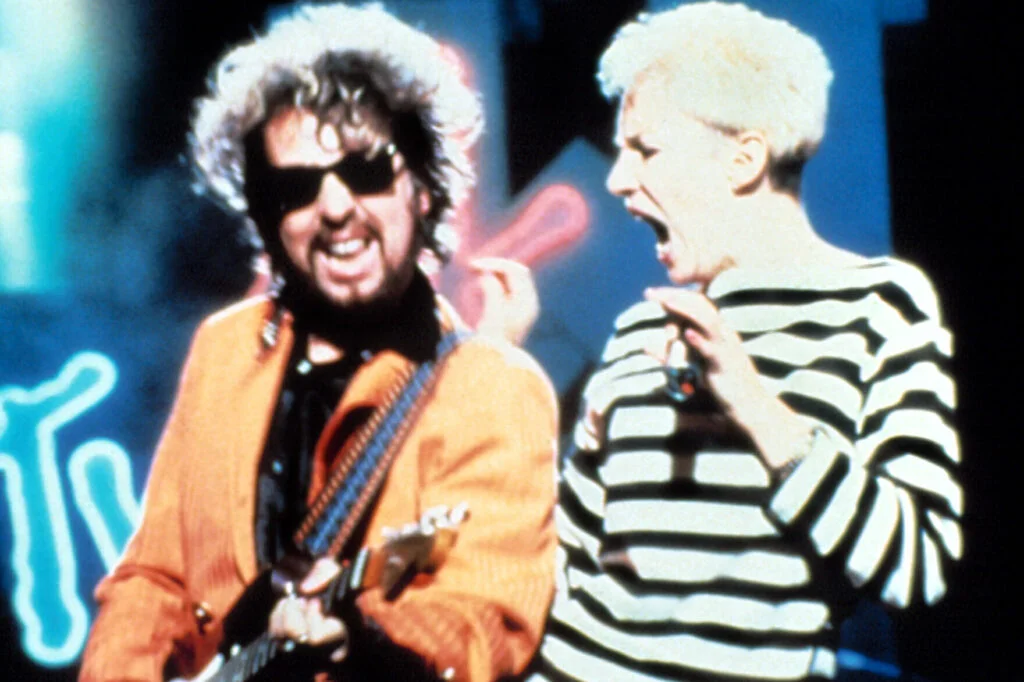
The stark visuals and cool tone were impossible to ignore. Annie Lennox’s look challenged expectations instantly. Viewers were intrigued and unsettled at the same time. It demanded attention.
The video proved image could redefine an artist overnight. MTV audiences became more open to unconventional styles. Music television embraced bold identity shifts. Watching videos became an act of interpretation.
9. “Hungry Like the Wolf” – Duran Duran
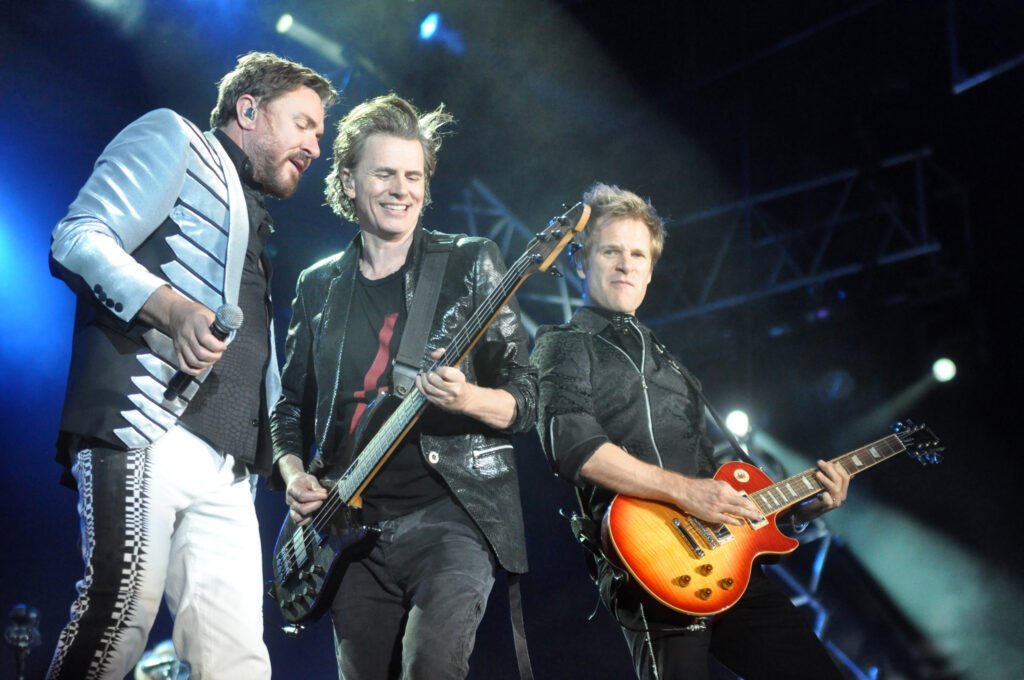
This video felt like an adventure movie compressed into minutes. Exotic locations and cinematic pacing pulled viewers in. It offered escape through television. MTV suddenly felt global.
Duran Duran helped establish the fantasy driven video. Music TV became aspirational. Watching videos felt like traveling somewhere else. Visual ambition became expected.
10. “Billie Jean” – Michael Jackson
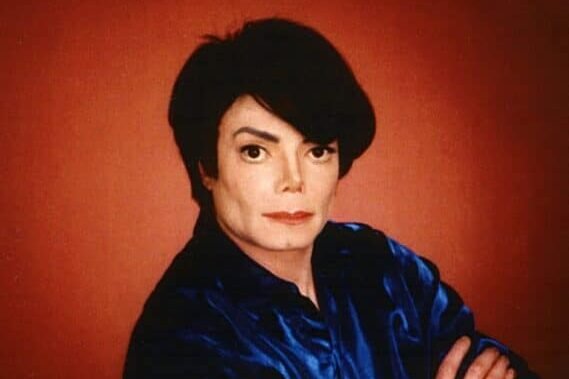
The glowing sidewalk tiles were simple but unforgettable. Every movement felt deliberate and precise. Viewers watched quietly, paying attention to detail. It was mesmerizing without excess.
The video helped break racial barriers on MTV. It also proved subtle visuals could carry enormous impact. Watching music videos became more focused. Less suddenly meant more.
11. “Rockit” – Herbie Hancock
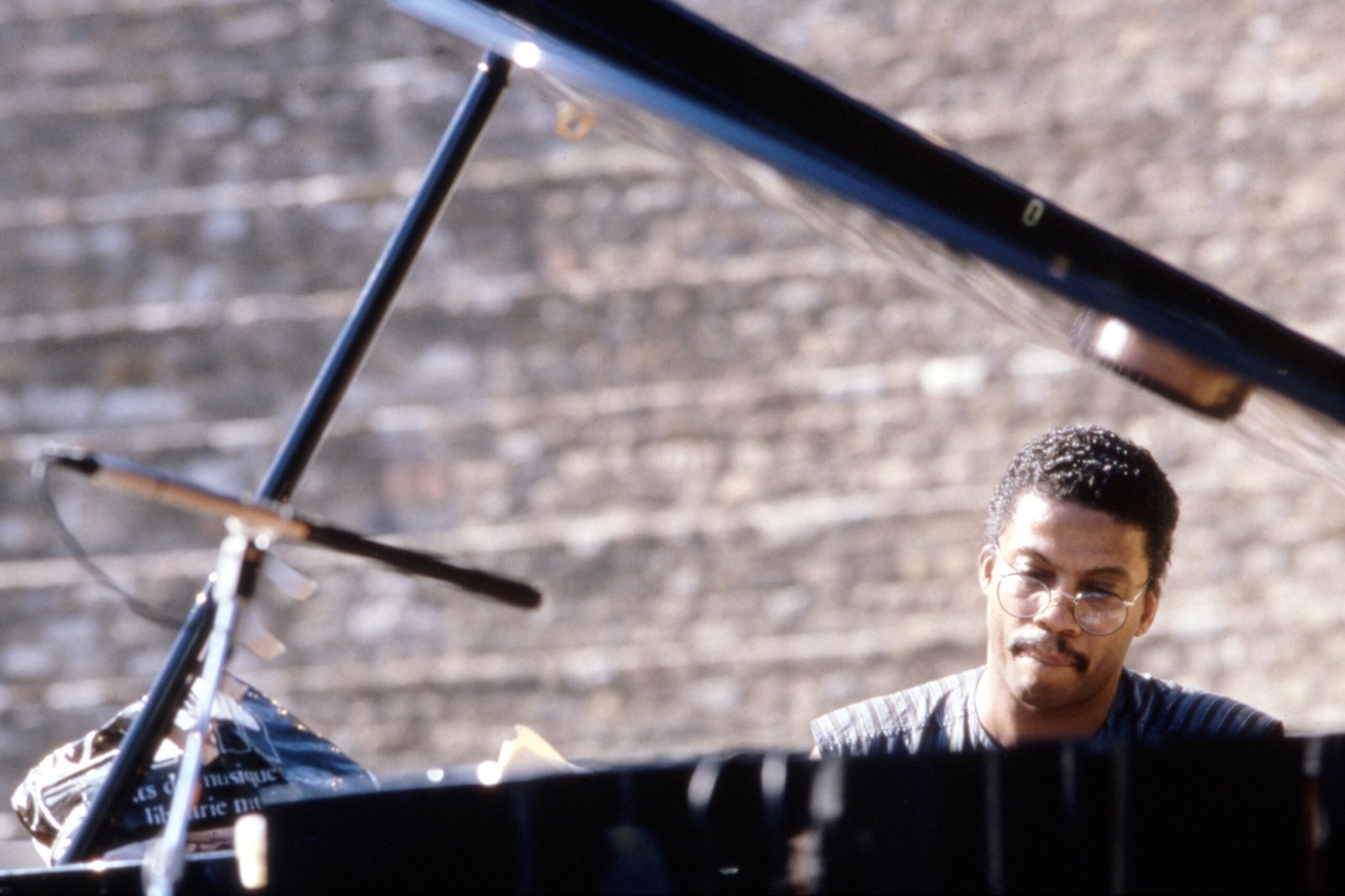
This video was strange and unsettling in the best way. Moving objects in empty rooms kept viewers guessing. It felt like experimental art on cable TV. People watched out of fascination.
The absence of performers felt radical. MTV expanded what qualified as a music video. Abstract visuals found a home. Watching music became less literal.
12. “Faith” – George Michael
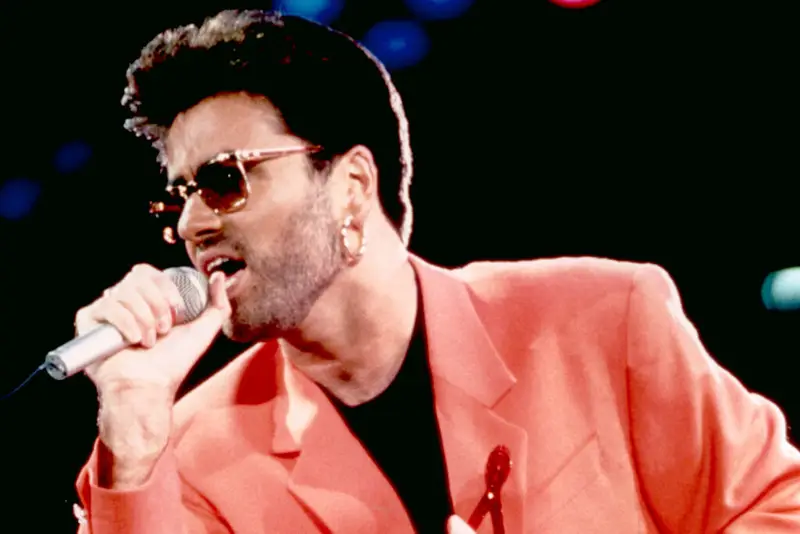
This video relied on confidence instead of spectacle. A still camera and strong presence held attention. It felt intimate and direct. Viewers felt seen.
It proved personality could command airtime. MTV learned to value attitude and restraint. Music videos slowed down. Watching became more personal.
13. “Everybody Wants to Rule the World” – Tears for Fears
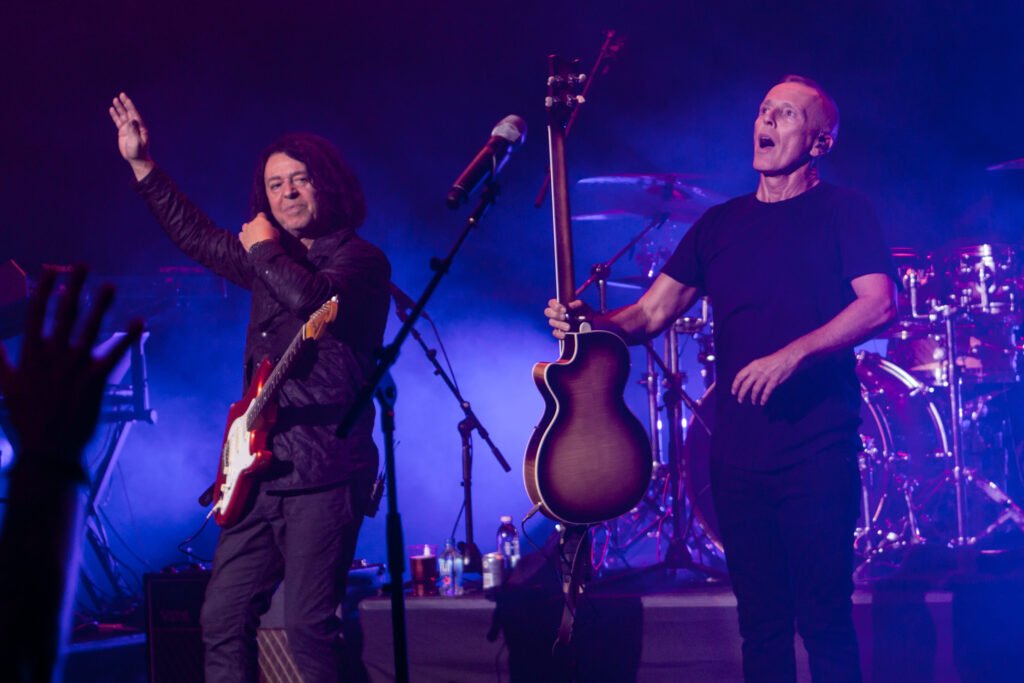
This video unfolded calmly and thoughtfully. It did not rush or overwhelm. Viewers stayed because of its mood. It felt reflective.
The video showed MTV could support quieter storytelling. Not everything had to shout. Watching music videos became more varied. Pace mattered.
14. “I Want My MTV” – Dire Straits
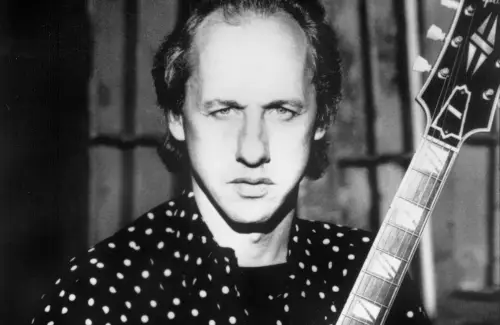
This video turned the network into part of the message. Viewers felt like insiders. It reinforced MTV’s identity. Television felt self aware.
The relationship between audience and channel evolved. MTV spoke directly to viewers. Watching became participatory. The medium matured.
15. “Land of Confusion” – Genesis
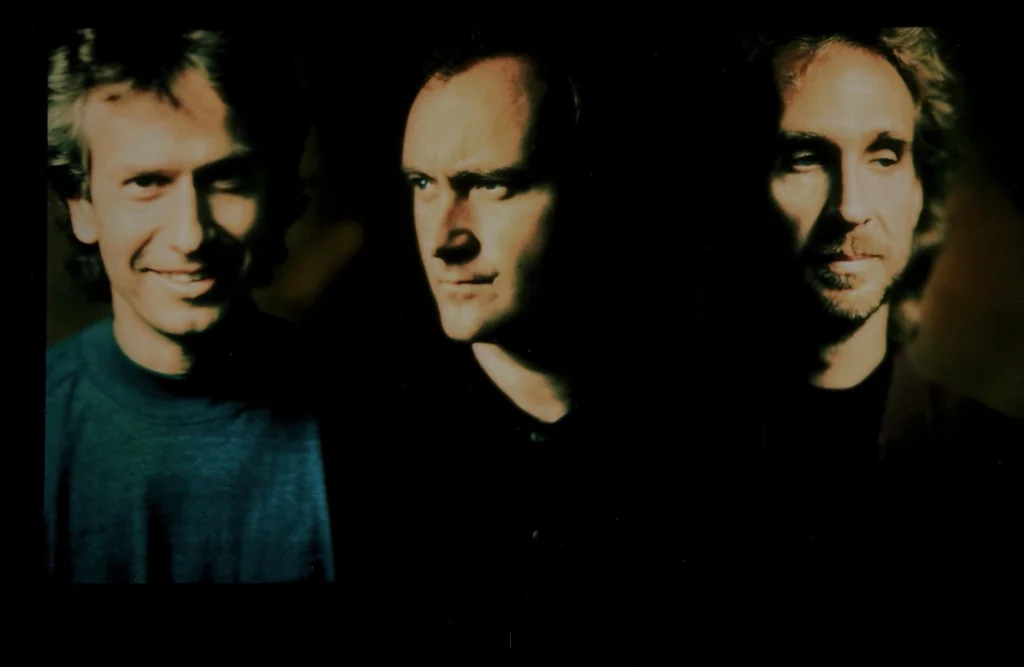
The Spitting Image puppets were shocking and unforgettable. Political satire suddenly appeared in rotation. Viewers stopped to stare. It felt daring for TV.
The video showed music television could tackle current events. MTV expanded its scope. Watching videos became more layered. Pop culture felt sharper.
16. “We Didn’t Start the Fire” – Billy Joel
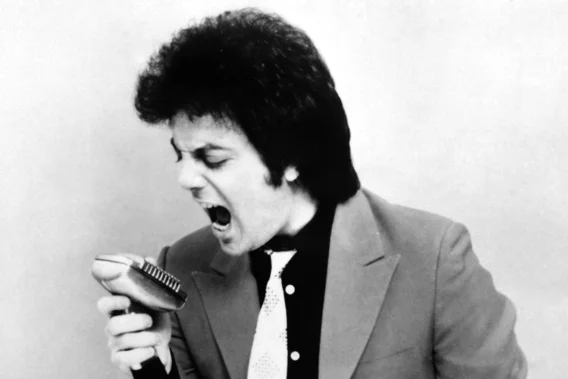
The rapid fire visuals demanded attention. Viewers tried to keep up with the references. It felt educational and overwhelming. Television became a history lesson.
The video rewarded repeat viewing. MTV encouraged active watching. Music videos became something to decode. Watching TV music turned into a challenge.